Your browser is out-of-date!
For a richer surfing experience on our website, please update your browser. Update my browser now!
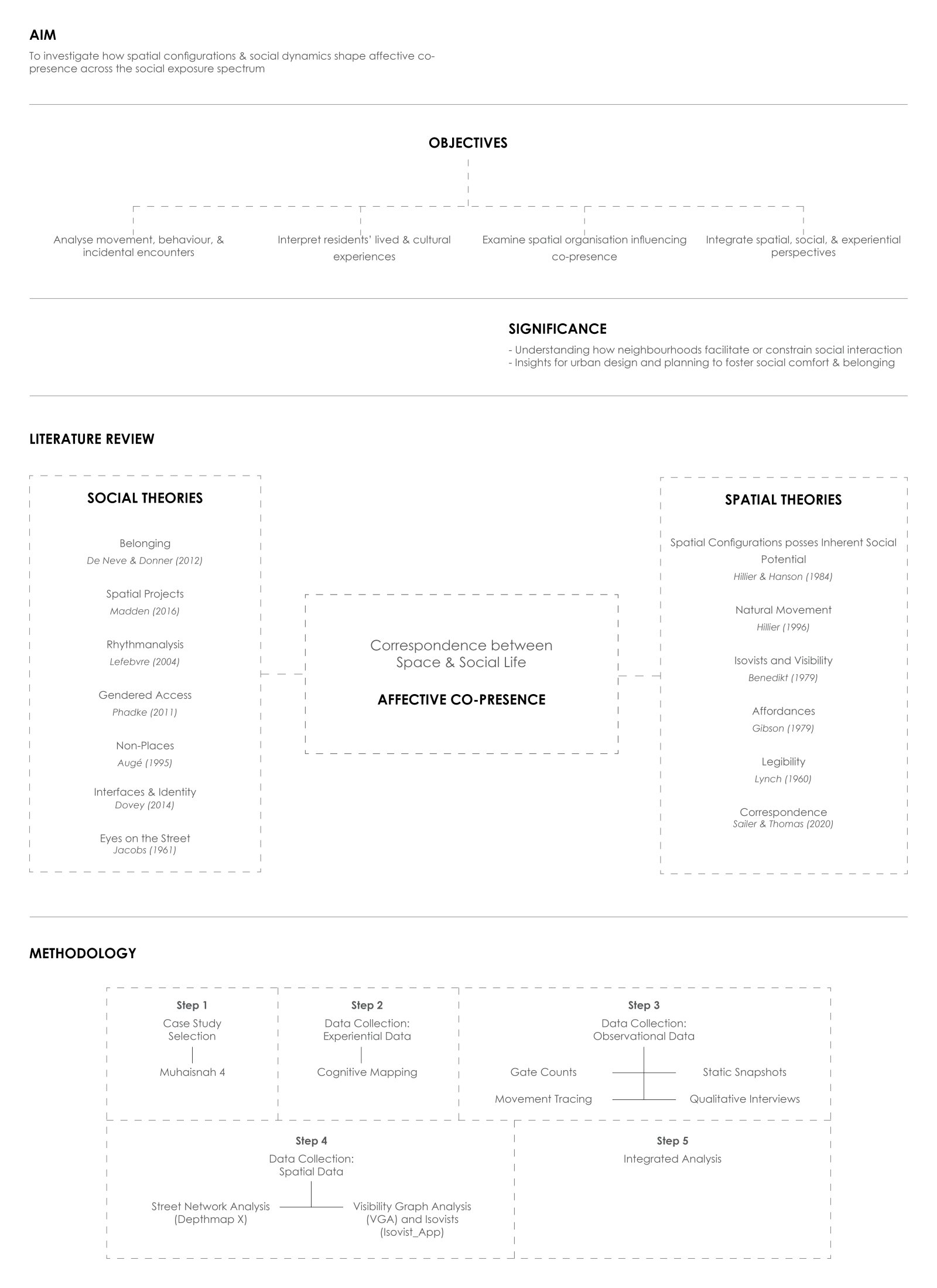
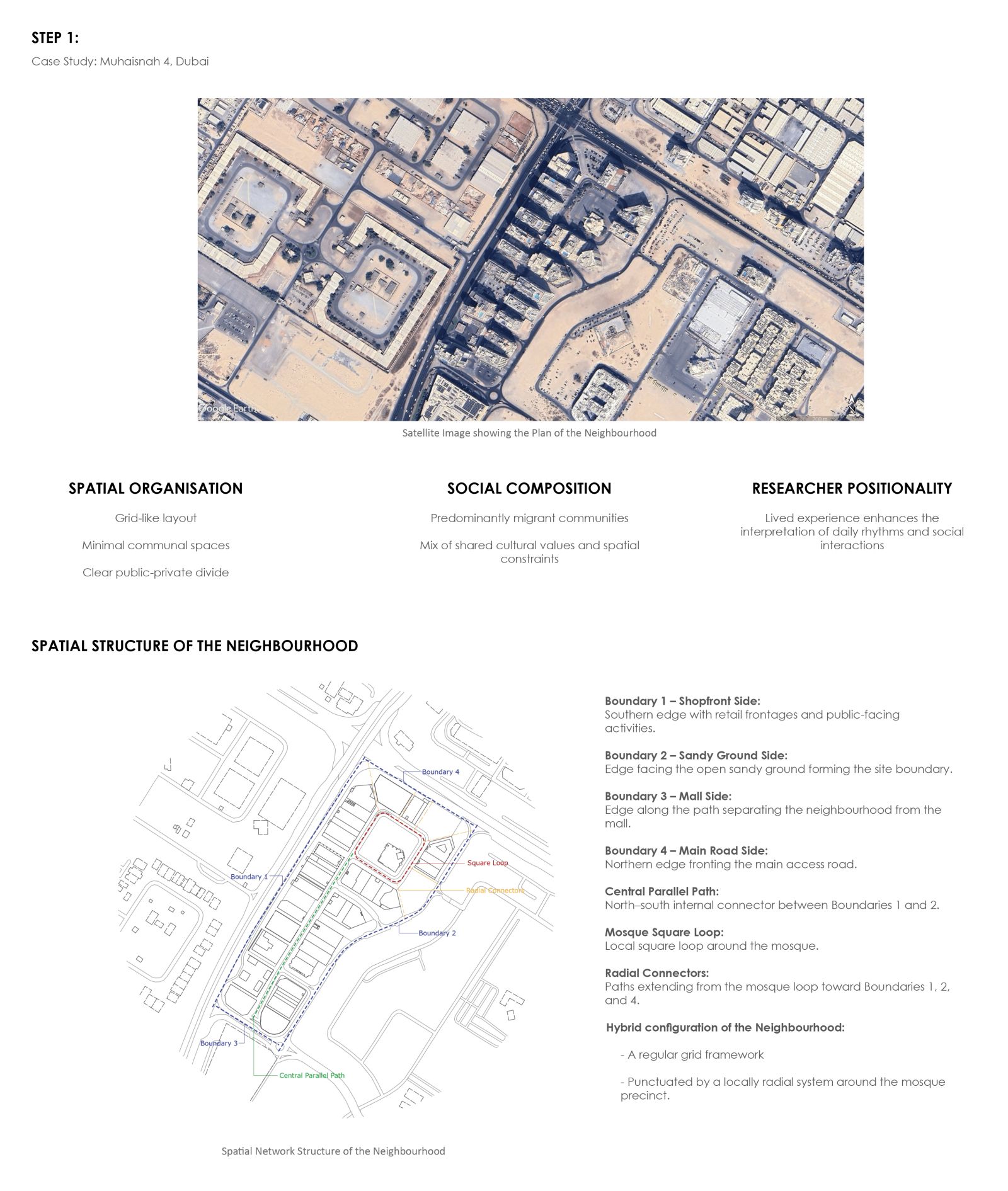
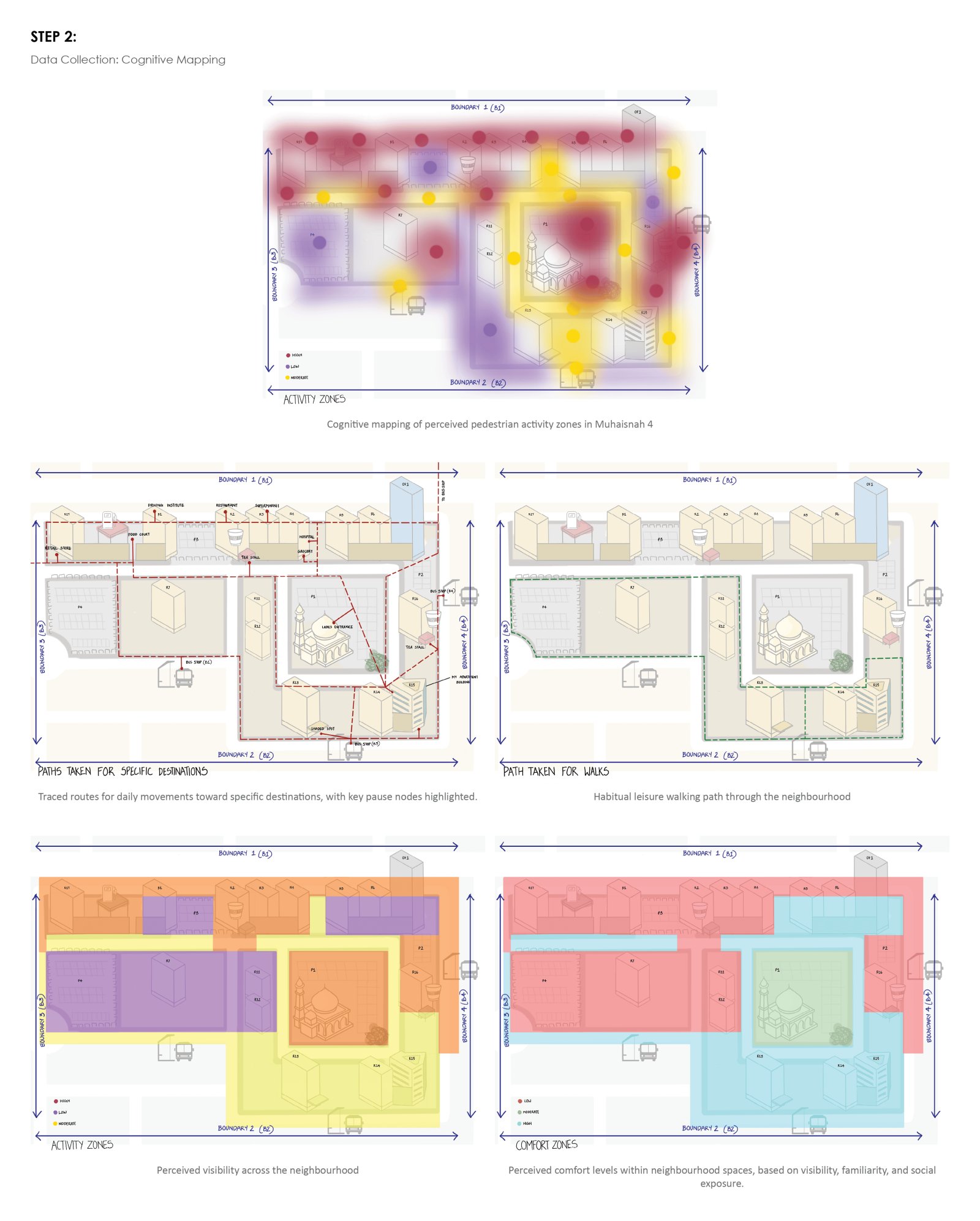
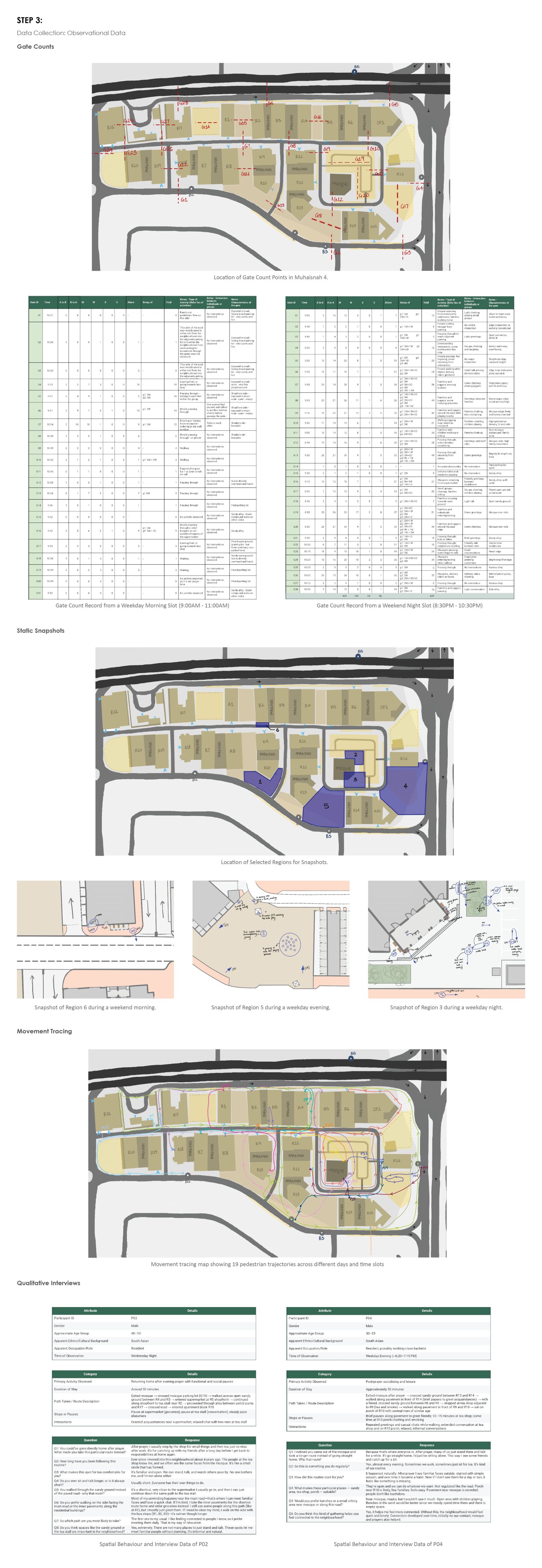
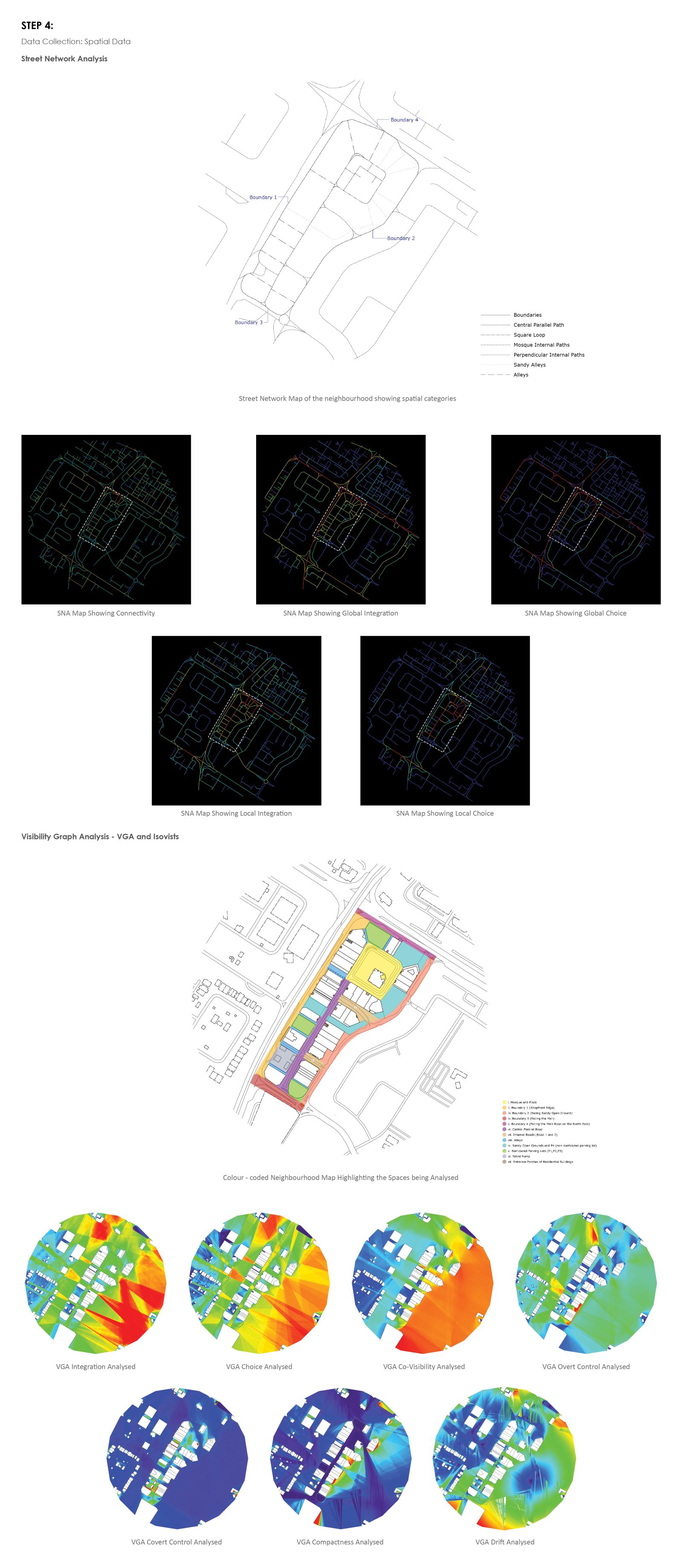
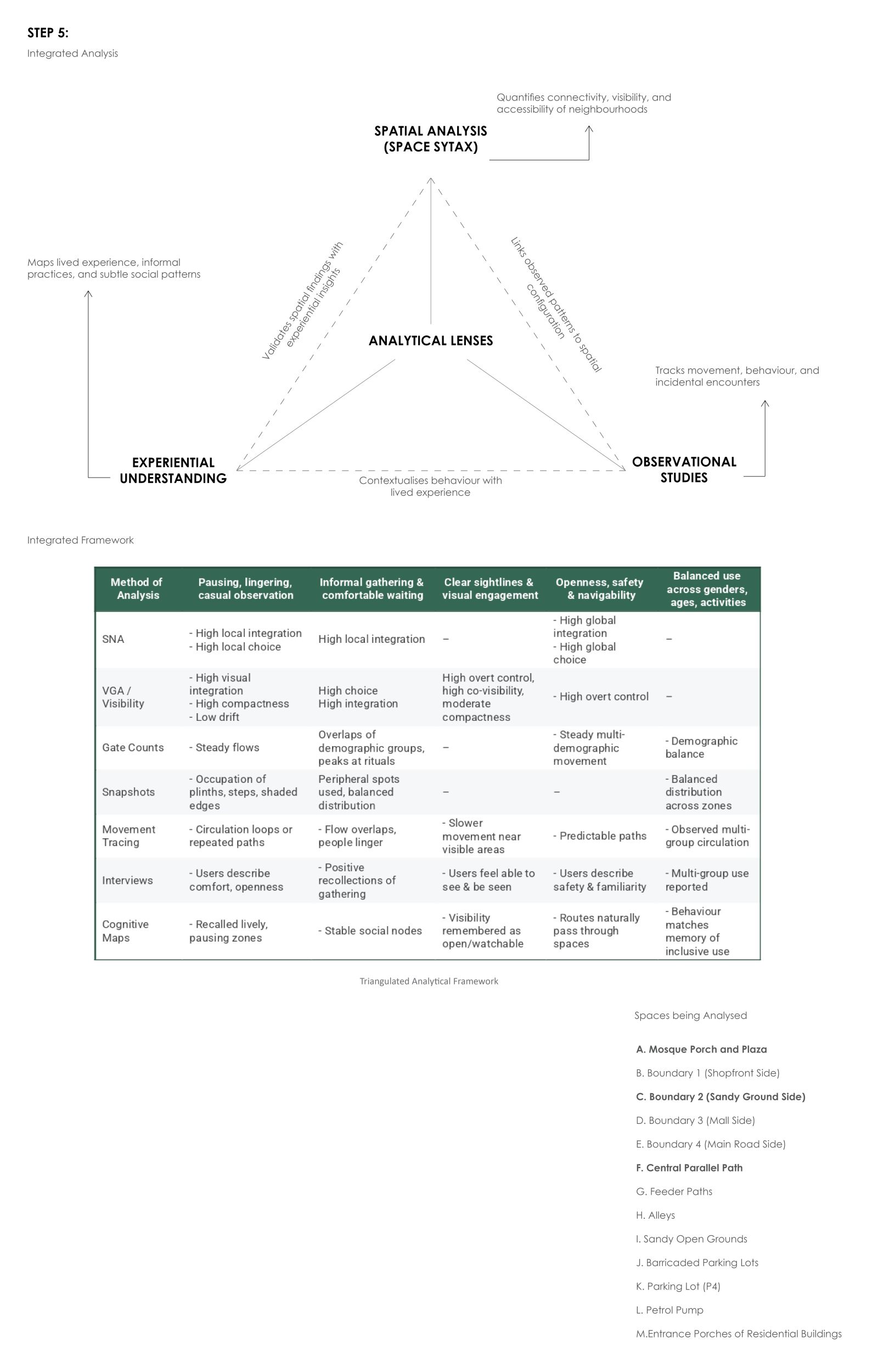
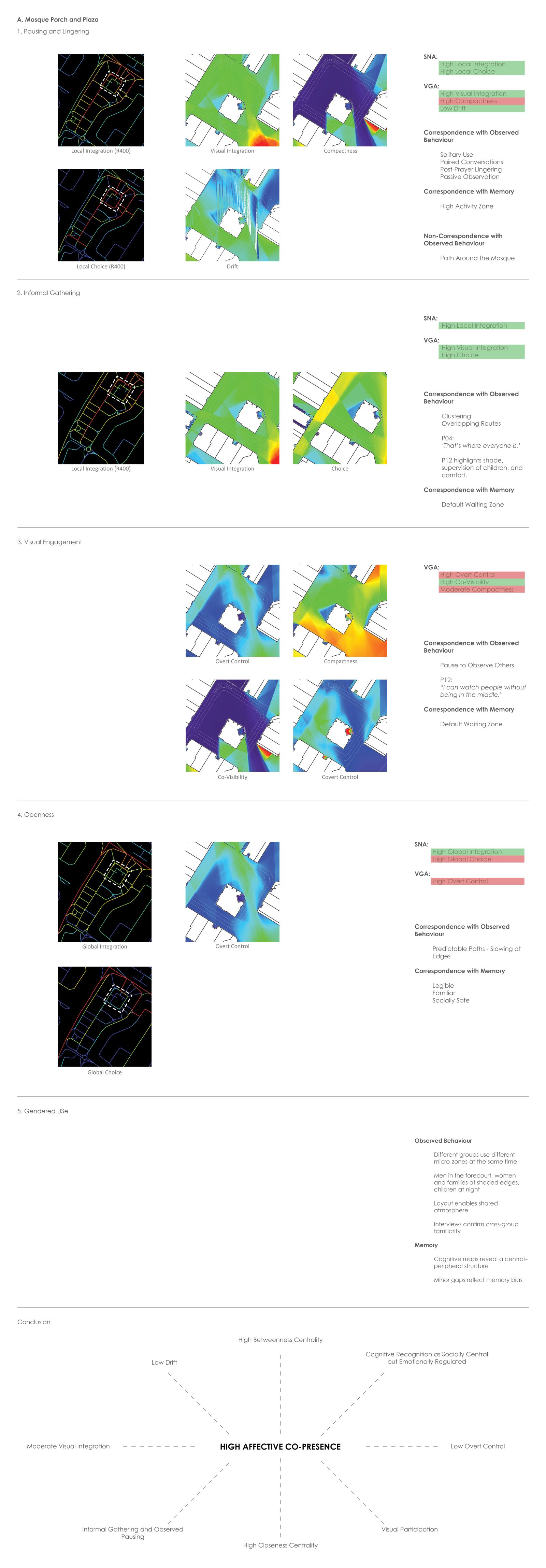
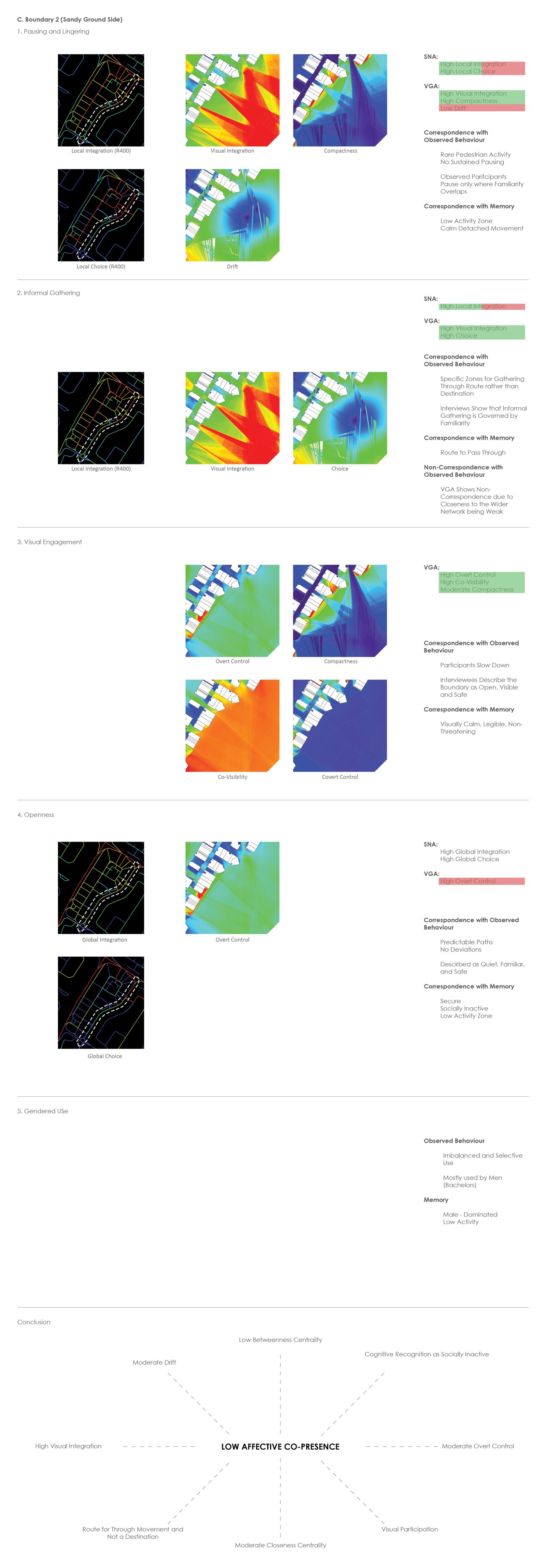
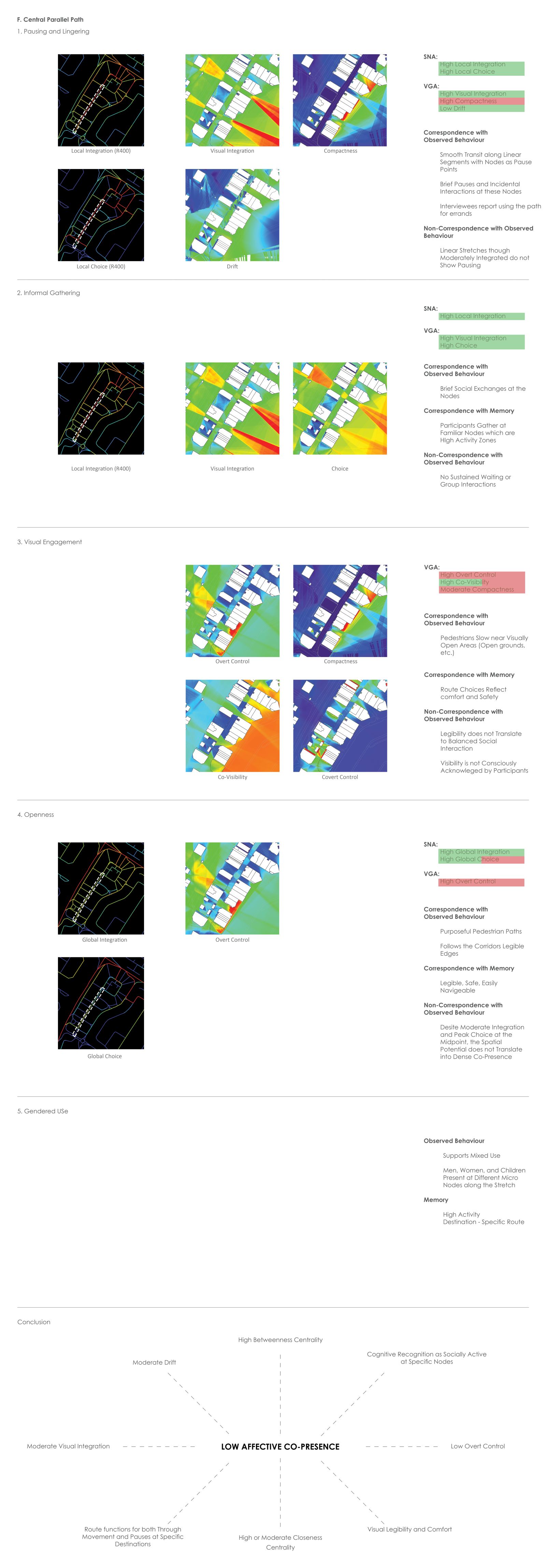
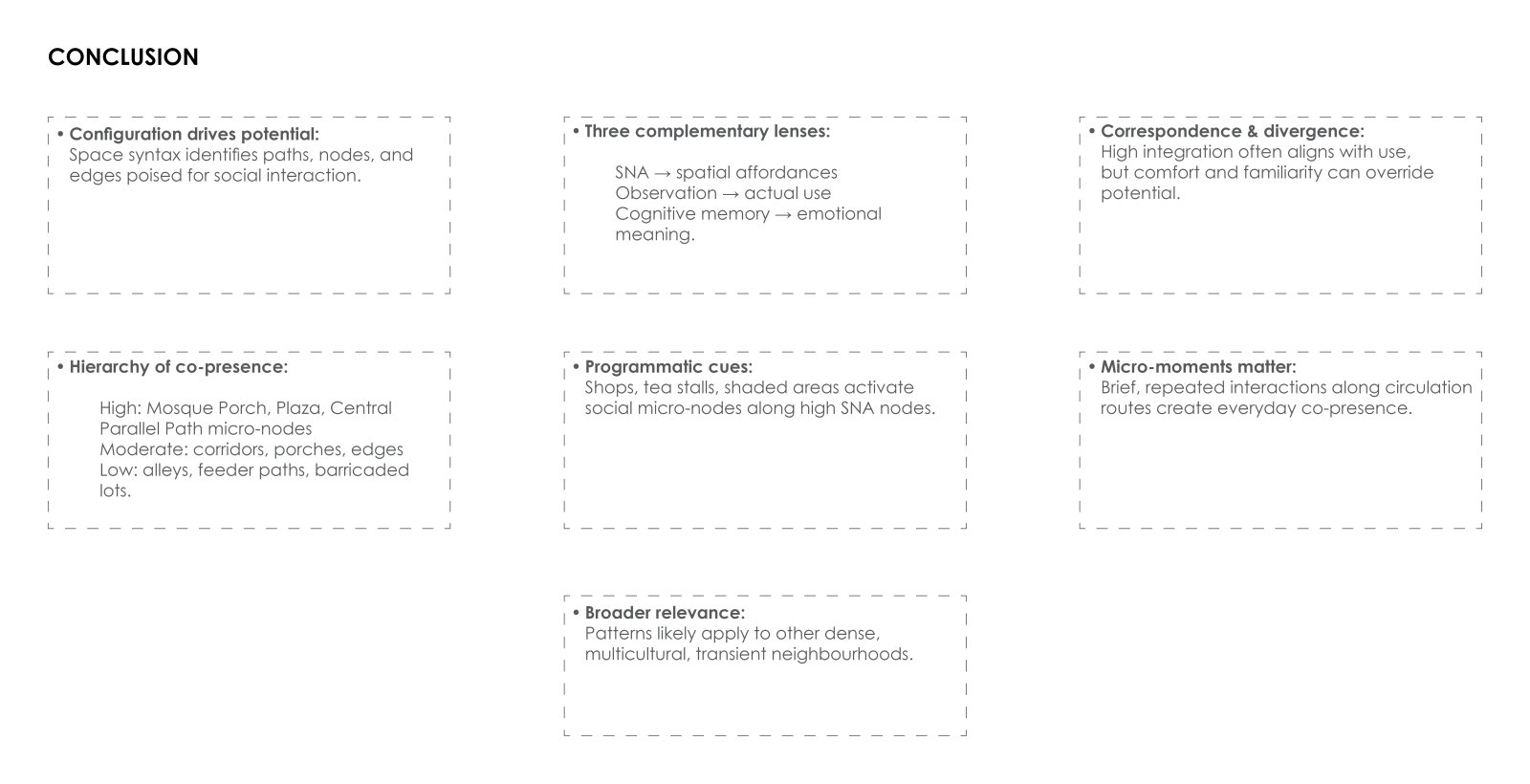
Affective copresence within residential neighbourhoods does not occur as a binary condition of connection or isolation, but as a spectrum shaped through everyday spatial encounters. The organisation of streets, courtyards, thresholds, and shared edges mediates how people perceive, sense, and experience one another—producing varying degrees of visibility, familiarity, distance, and belonging. This research examines how spatial configuration influences this spectrum of affective copresence, where the built environment operates as a subtle yet powerful regulator of social intensity, privacy, and informal social awareness. To investigate this relationship, the study adopts a three-lens analytical framework integrating: (1) Observational studies, which document actual patterns of movement, encounter, and use; (2) Personal knowledge, which provides an interpretive understanding grounded in lived and cultural experience; and (3) Space syntax analysis, which examines spatial structure and visibility through quantitative measures. Together, these lenses reveal both the measurable and experiential dimensions of how space mediates affective social life. The research also engages with sociocultural factors shaping neighbourhood life, including demographic composition, cultural norms, and everyday rhythms, which influence how shared spaces are inhabited and perceived. Muhaisnah 4, Dubai—with its planned residential structure and diverse migrant population—offers a unique context in which cultural plurality and spatial configuration intersect to shape varying intensities of affective copresence. Examining how its spatial organisation structures everyday co-awareness and encounter provides insight into how urban design can support balanced social life within transient and multicultural neighbourhoods. By bringing together spatial, social, and experiential perspectives, this study contributes to a deeper understanding of how neighbourhood design produces a spectrum of affective copresence—ranging from quiet co-awareness to active interaction—clarifying how architecture mediates social proximity, comfort, and belonging in contemporary residential environments.
View Additional Work