Your browser is out-of-date!
For a richer surfing experience on our website, please update your browser. Update my browser now!
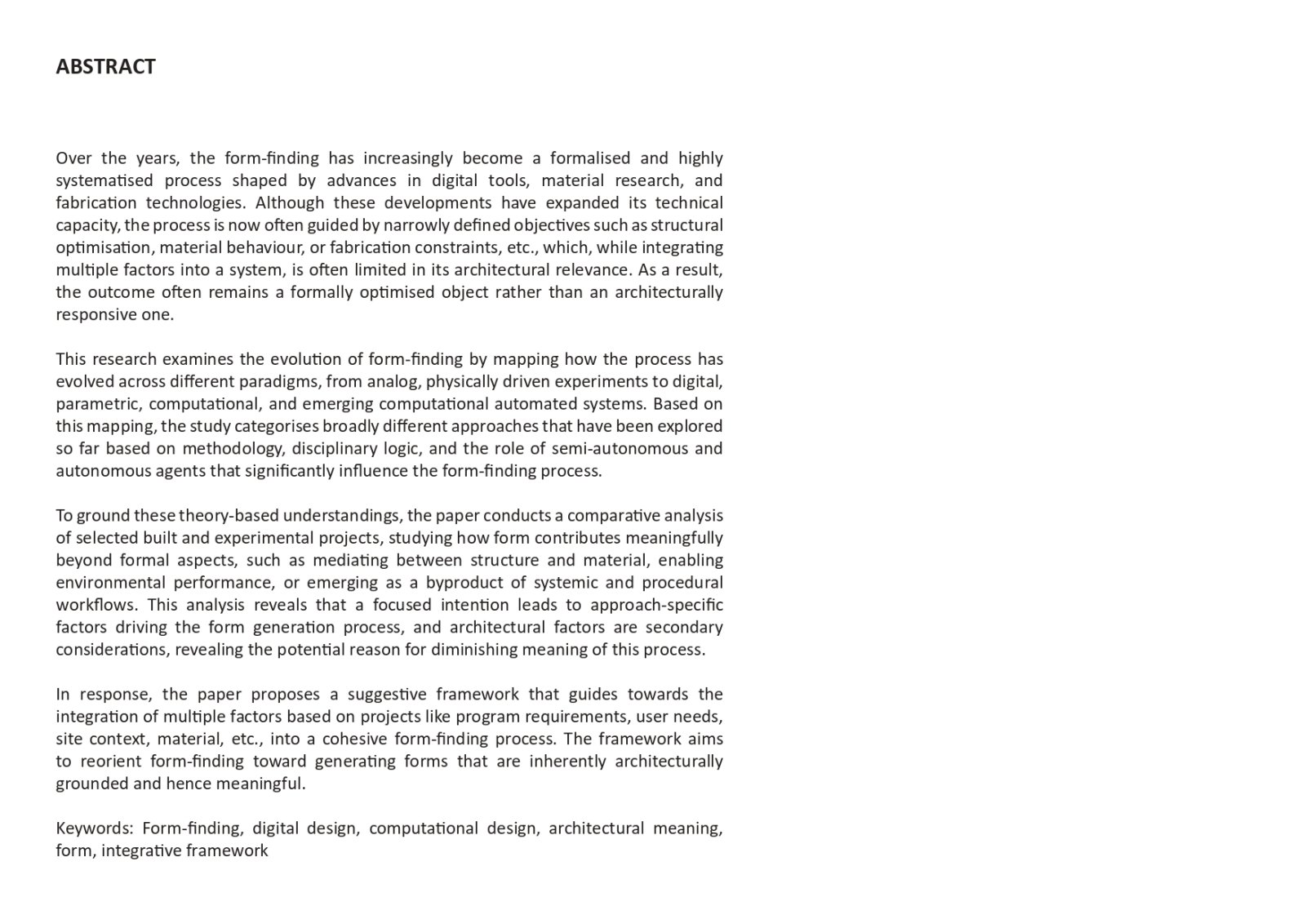
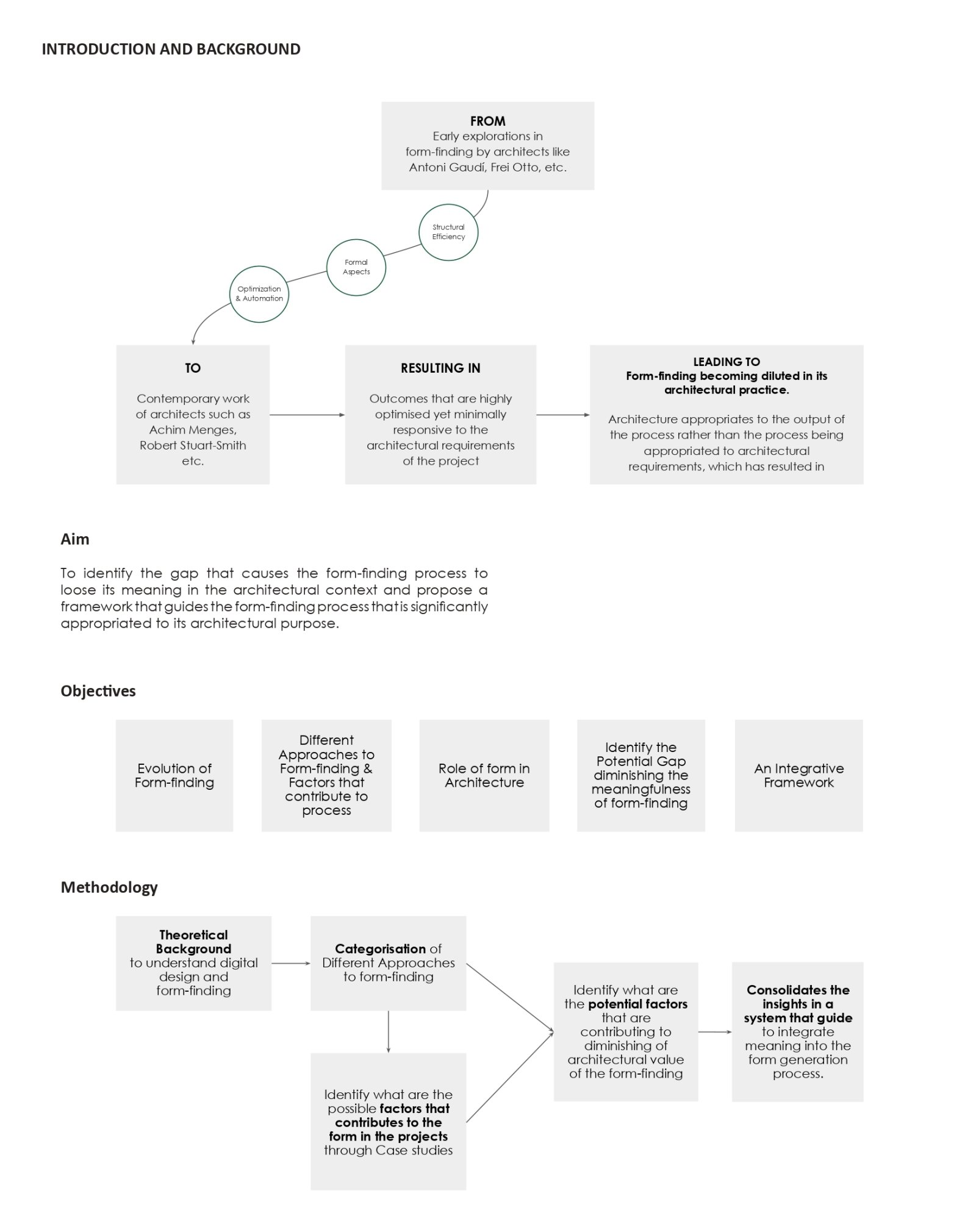
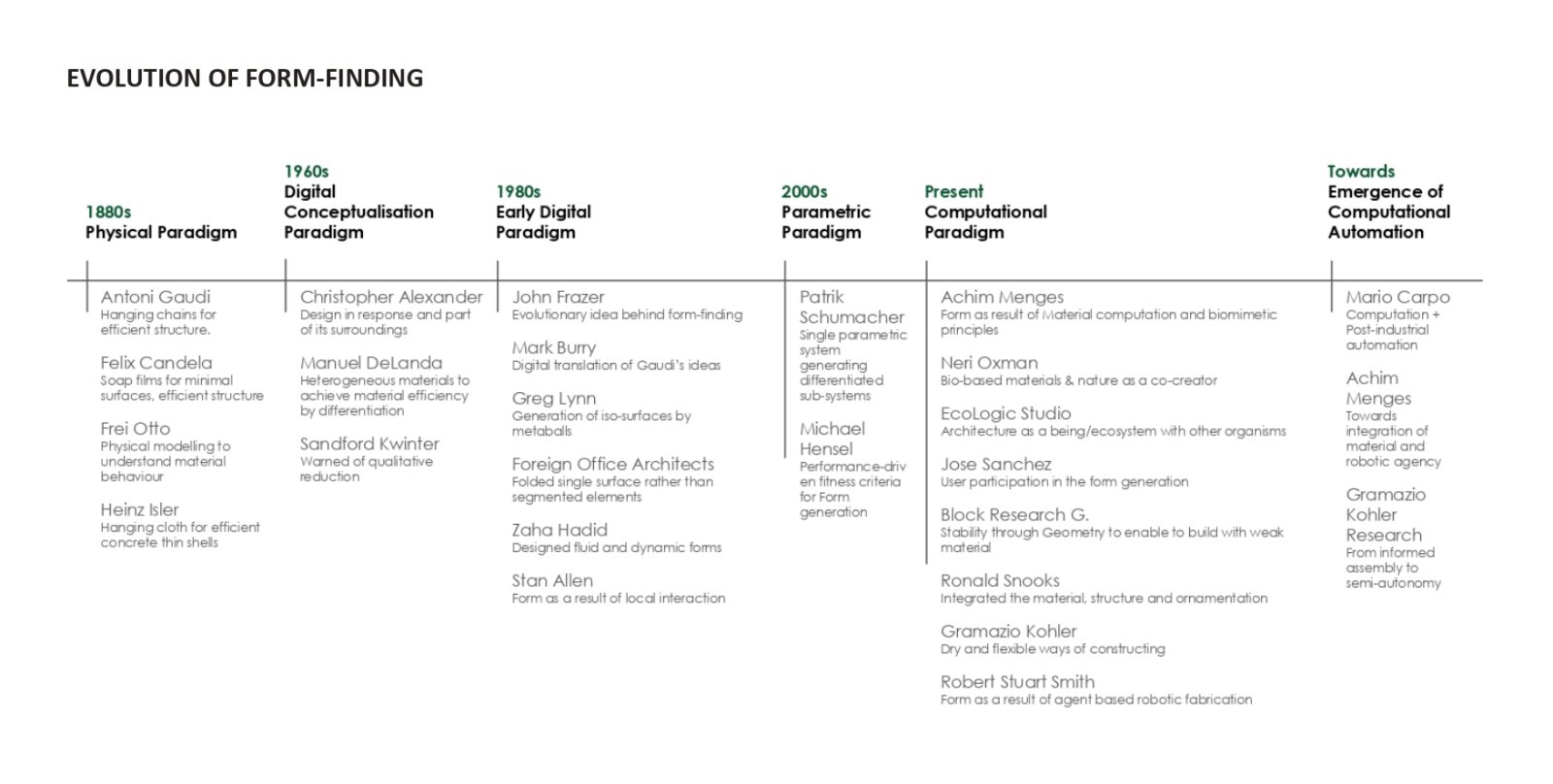
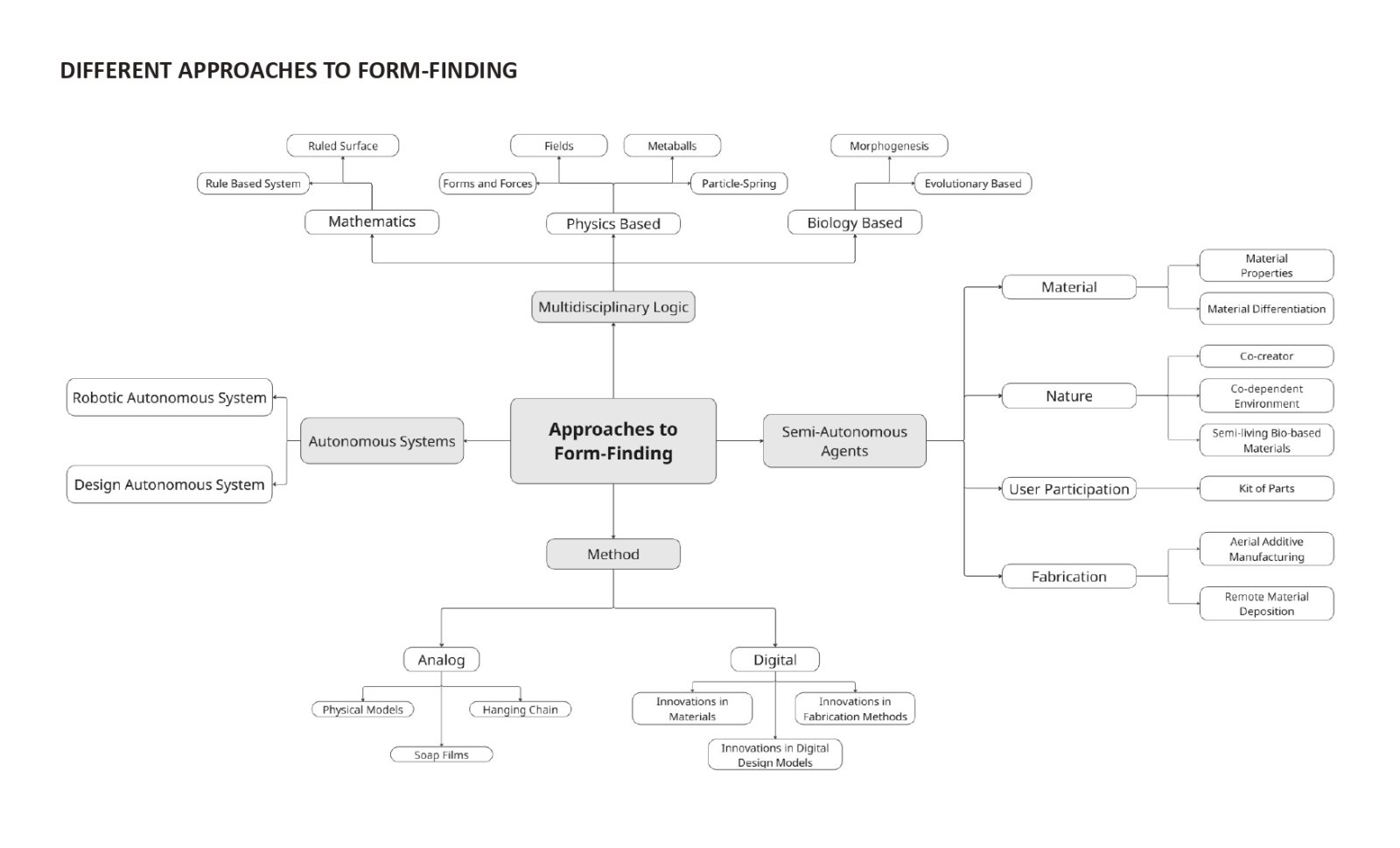
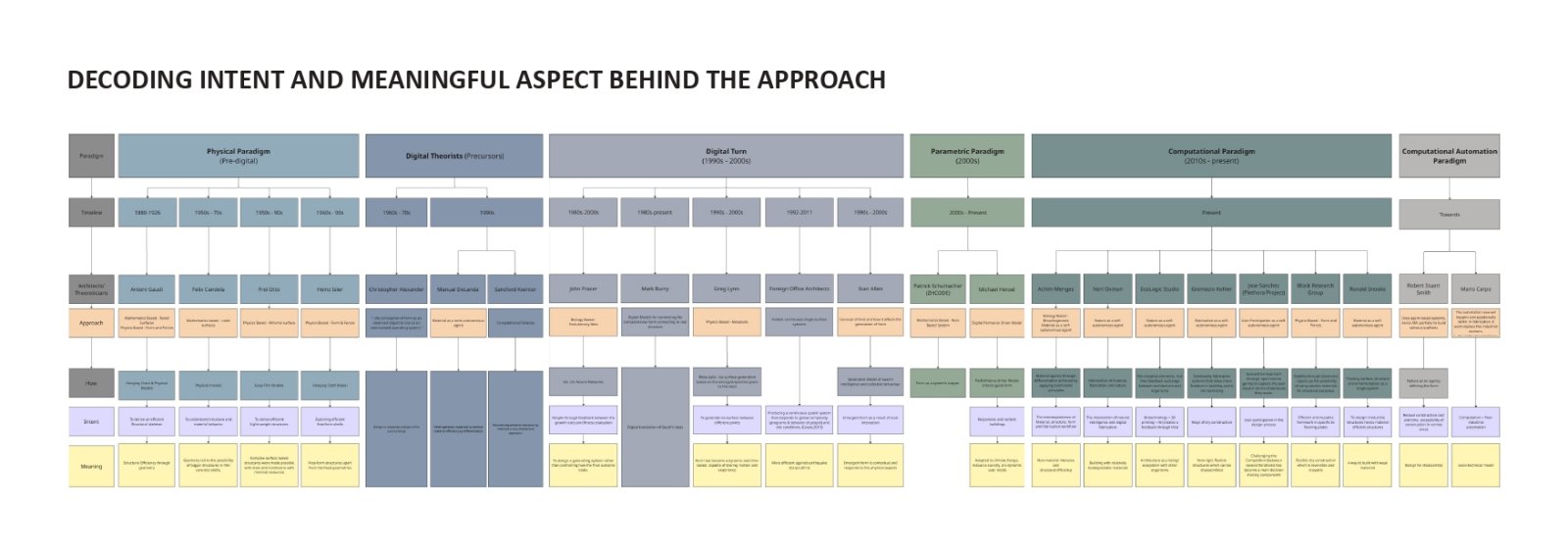
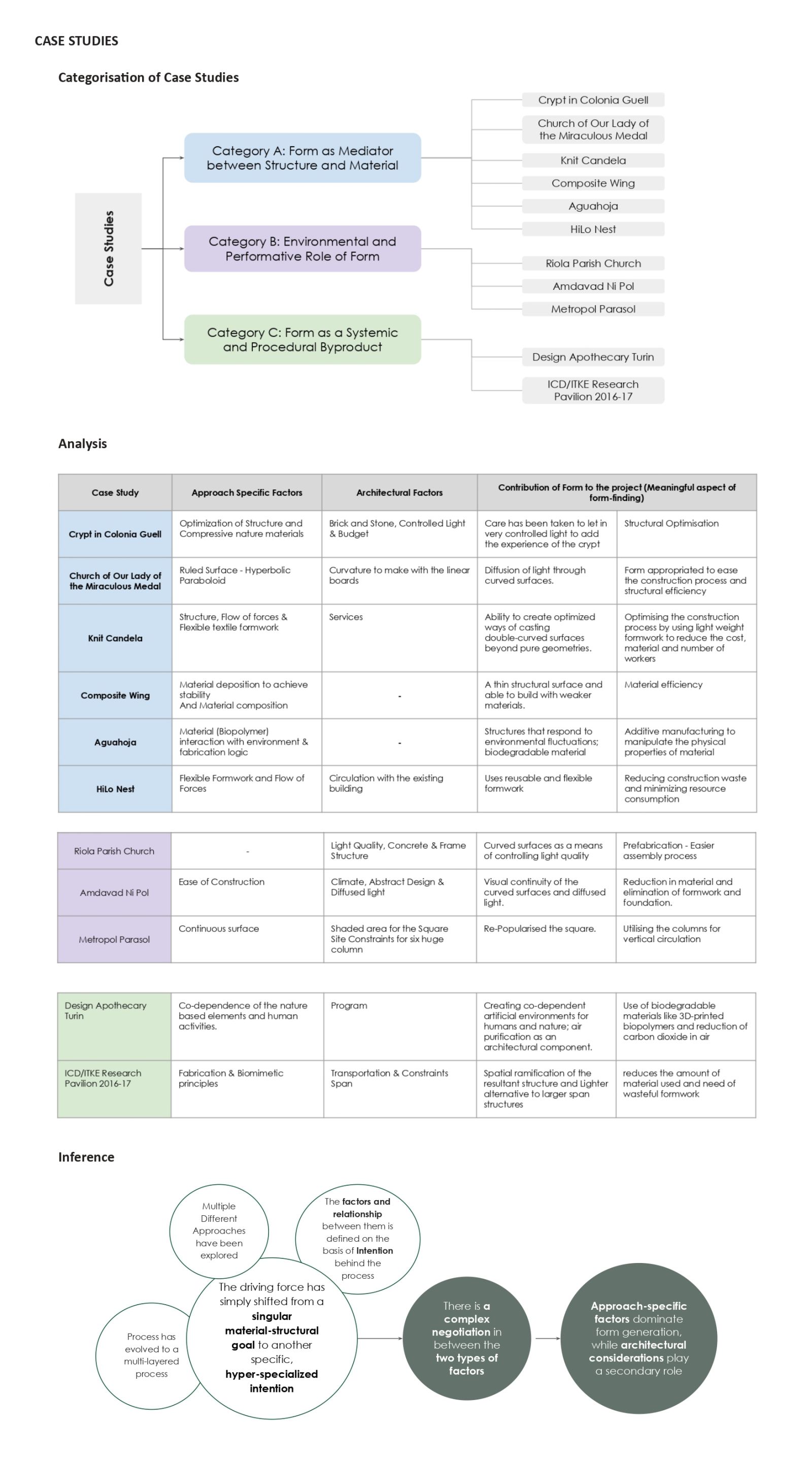
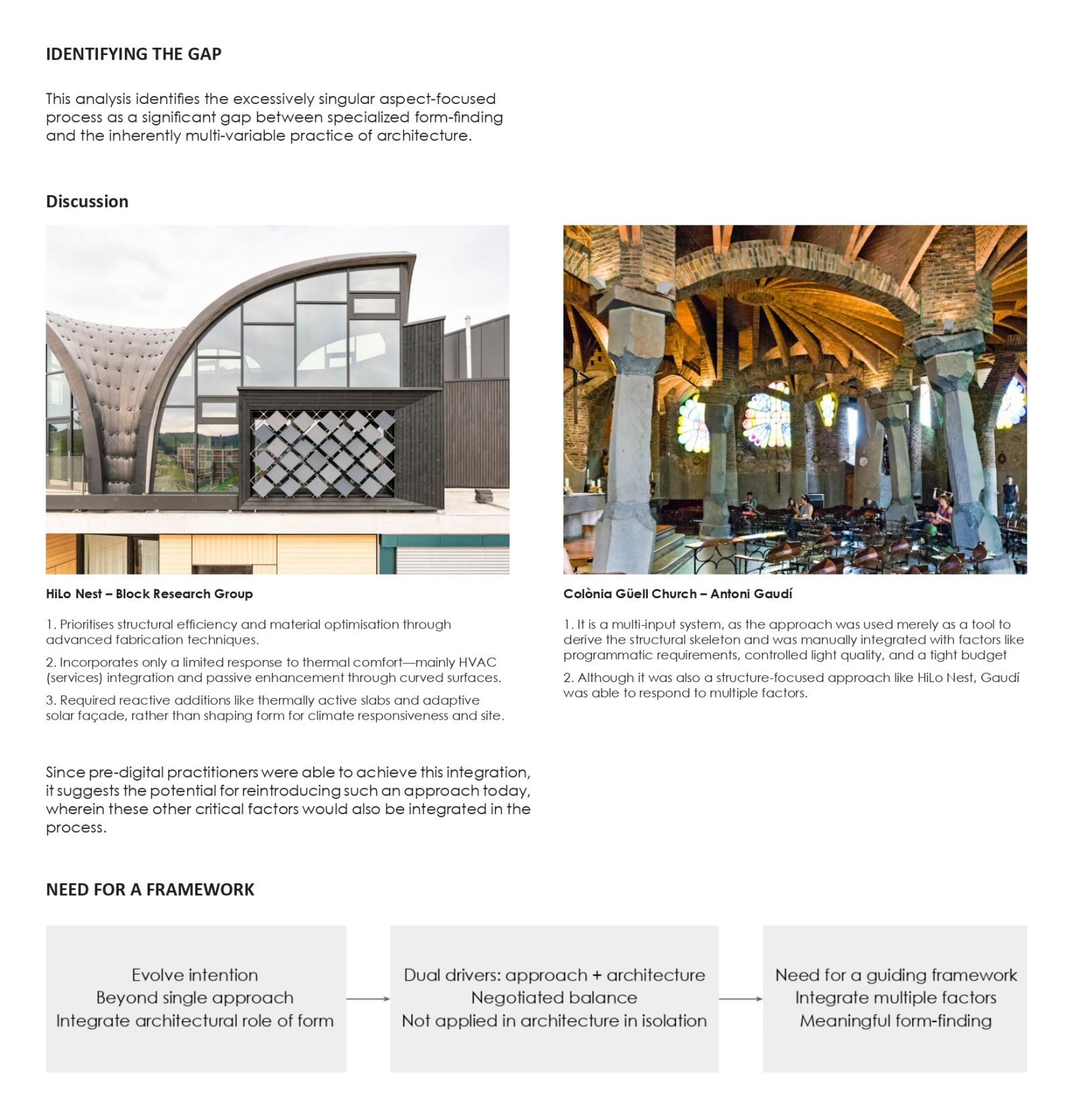
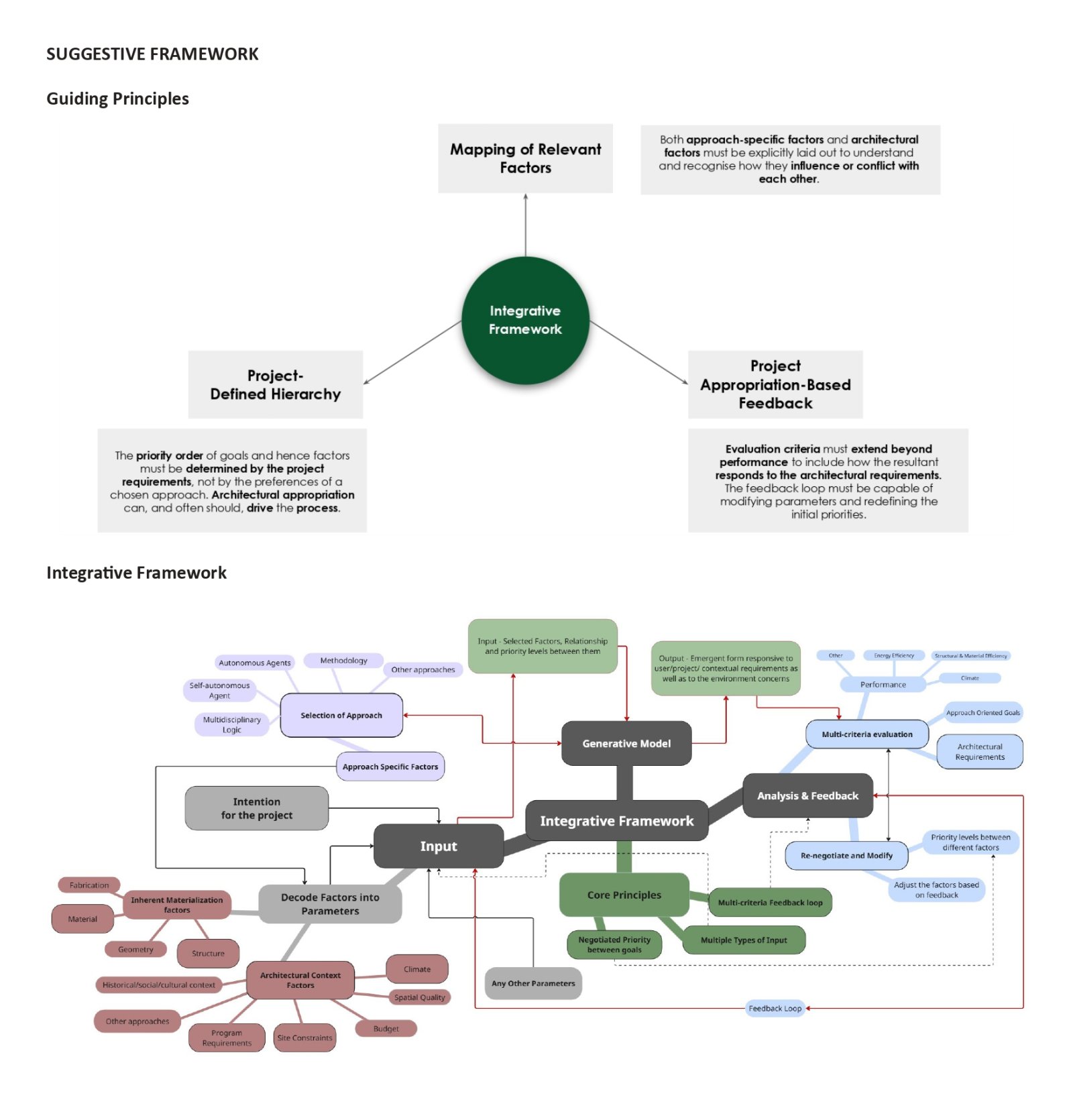
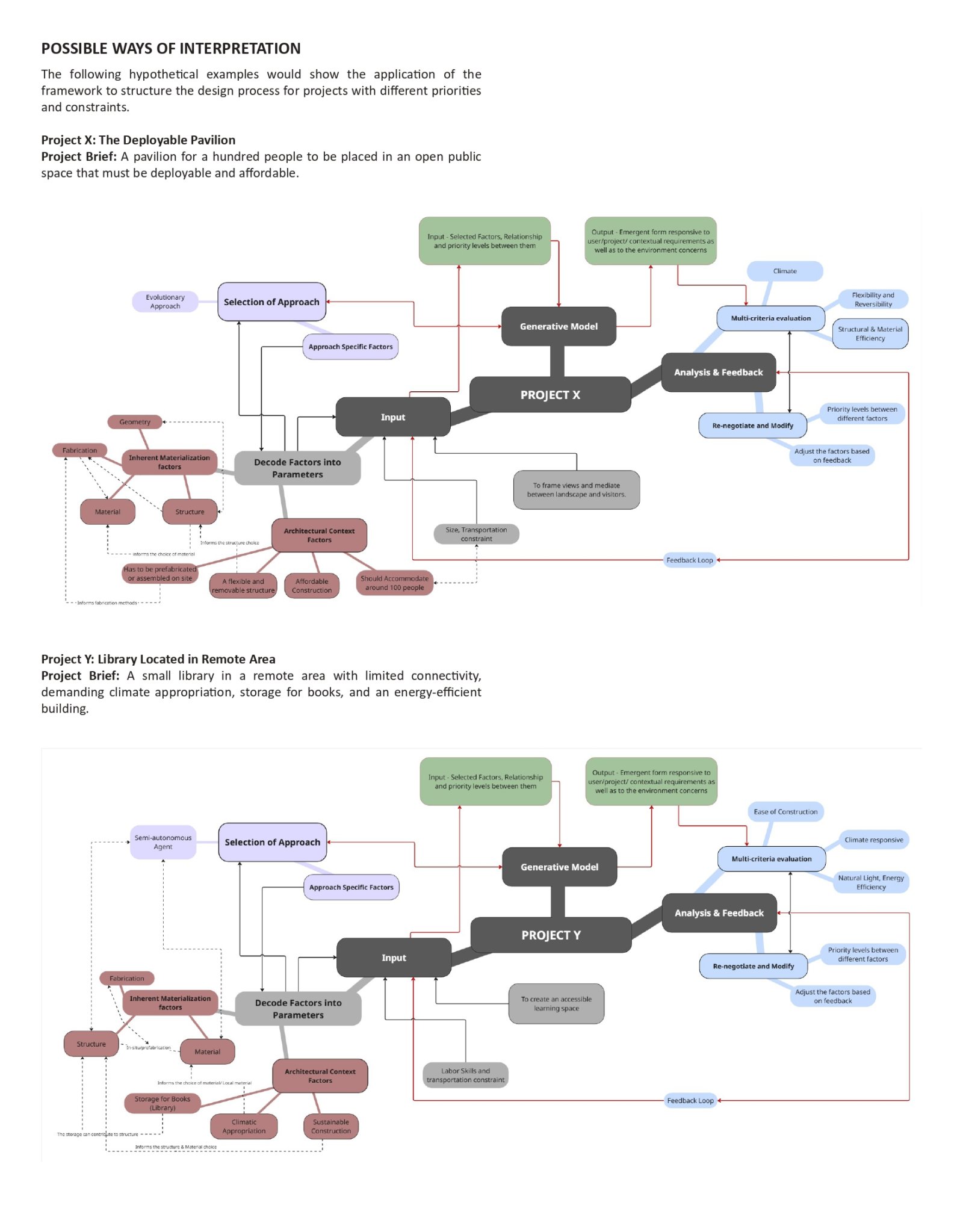
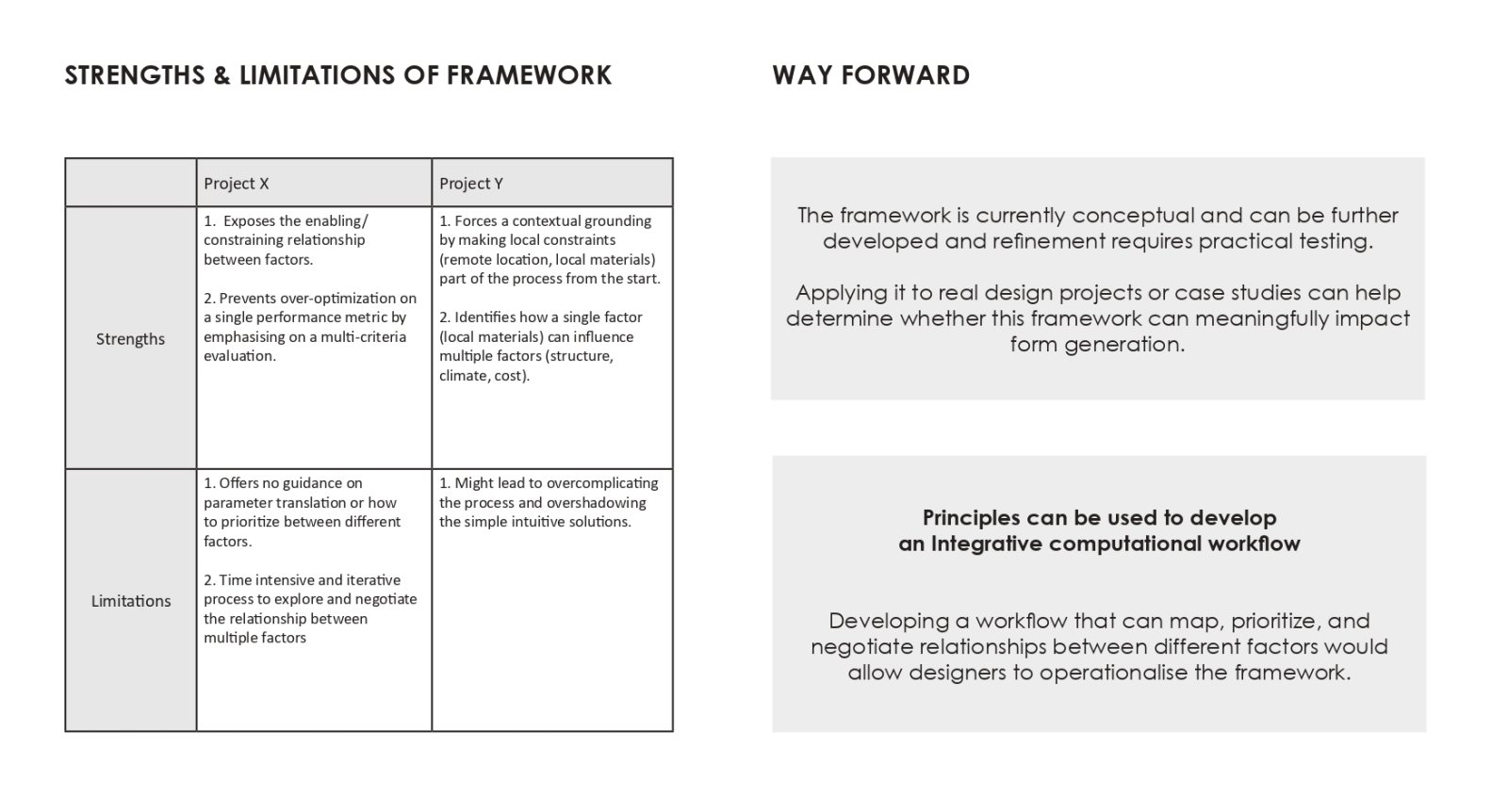
Over the years, the form-finding has increasingly become a formalised and highly systematised process shaped by advances in digital tools, material research, and fabrication technologies. Although these developments have expanded its technical capacity, the process is now often guided by narrowly defined objectives such as structural optimisation, material behaviour, or fabrication constraints, etc., which, while integrating multiple factors into a system, is often limited in its architectural relevance. As a result, the outcome often remains a formally optimised object rather than an architecturally responsive one. ? This research examines the evolution of form-finding by mapping how the process has evolved across different paradigms, from analog, physically driven experiments to digital, parametric, computational, and emerging computational automated systems. Based on this mapping, the study categorises broadly different approaches that have been explored so far based on methodology, disciplinary logic, and the role of semi-autonomous and autonomous agents that significantly influence the form-finding process. ?To ground these theory-based understandings, the paper conducts a comparative analysis of selected built and experimental projects, studying how form contributes meaningfully beyond formal aspects, such as mediating between structure and material, enabling environmental performance, or emerging as a byproduct of systemic and procedural workflows. This analysis reveals that a focused intention leads to approach-specific factors driving the form generation process, and architectural factors are secondary considerations, revealing the potential reason for diminishing meaning of this process. ? In response, the paper proposes a suggestive framework that guides towards the integration of multiple factors based on projects like program requirements, user needs, site context, material, etc., into a cohesive form-finding process. The framework aims to reorient form-finding toward generating forms that are inherently architecturally grounded and hence meaningful.
View Additional Work