Your browser is out-of-date!
For a richer surfing experience on our website, please update your browser. Update my browser now!
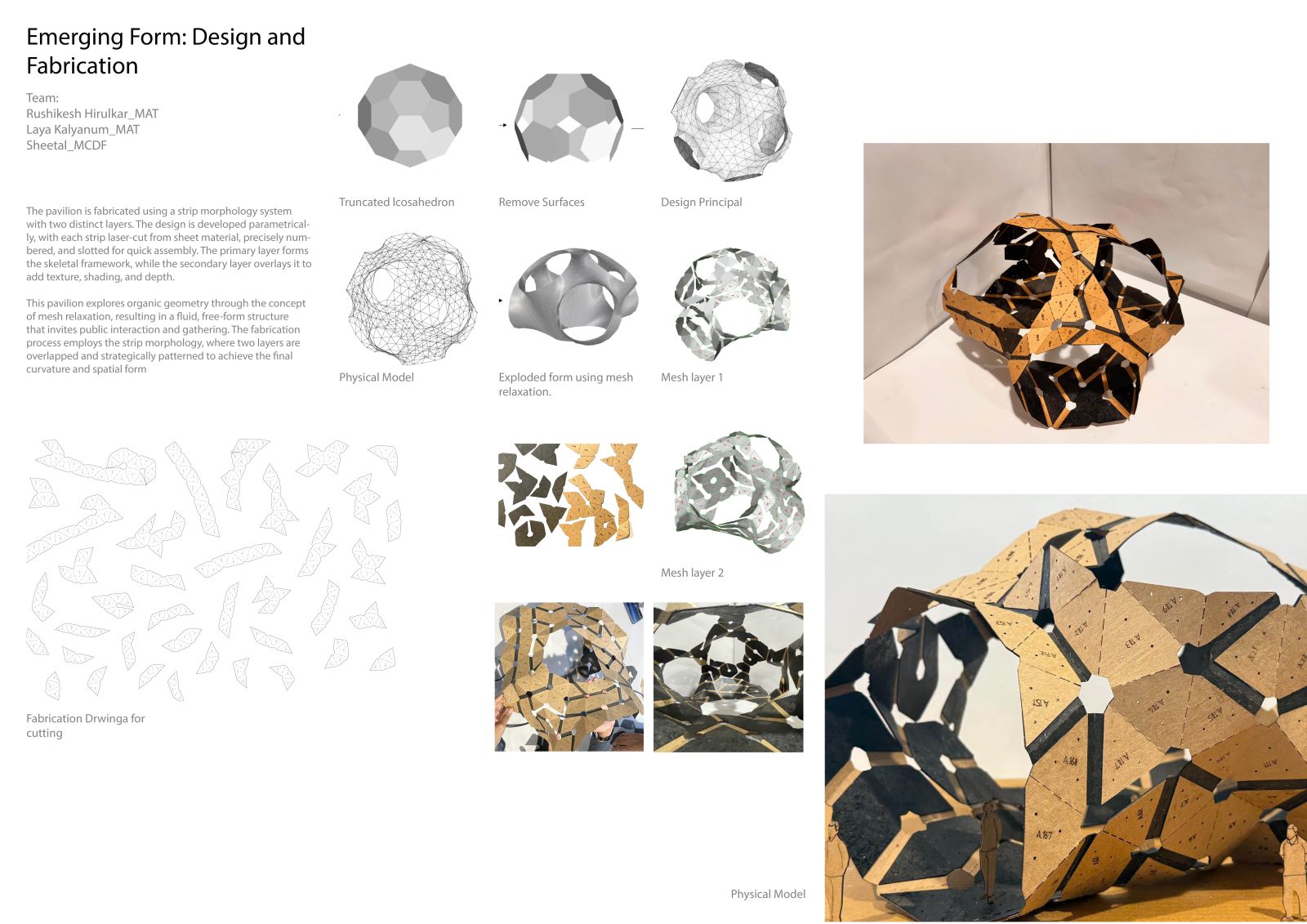
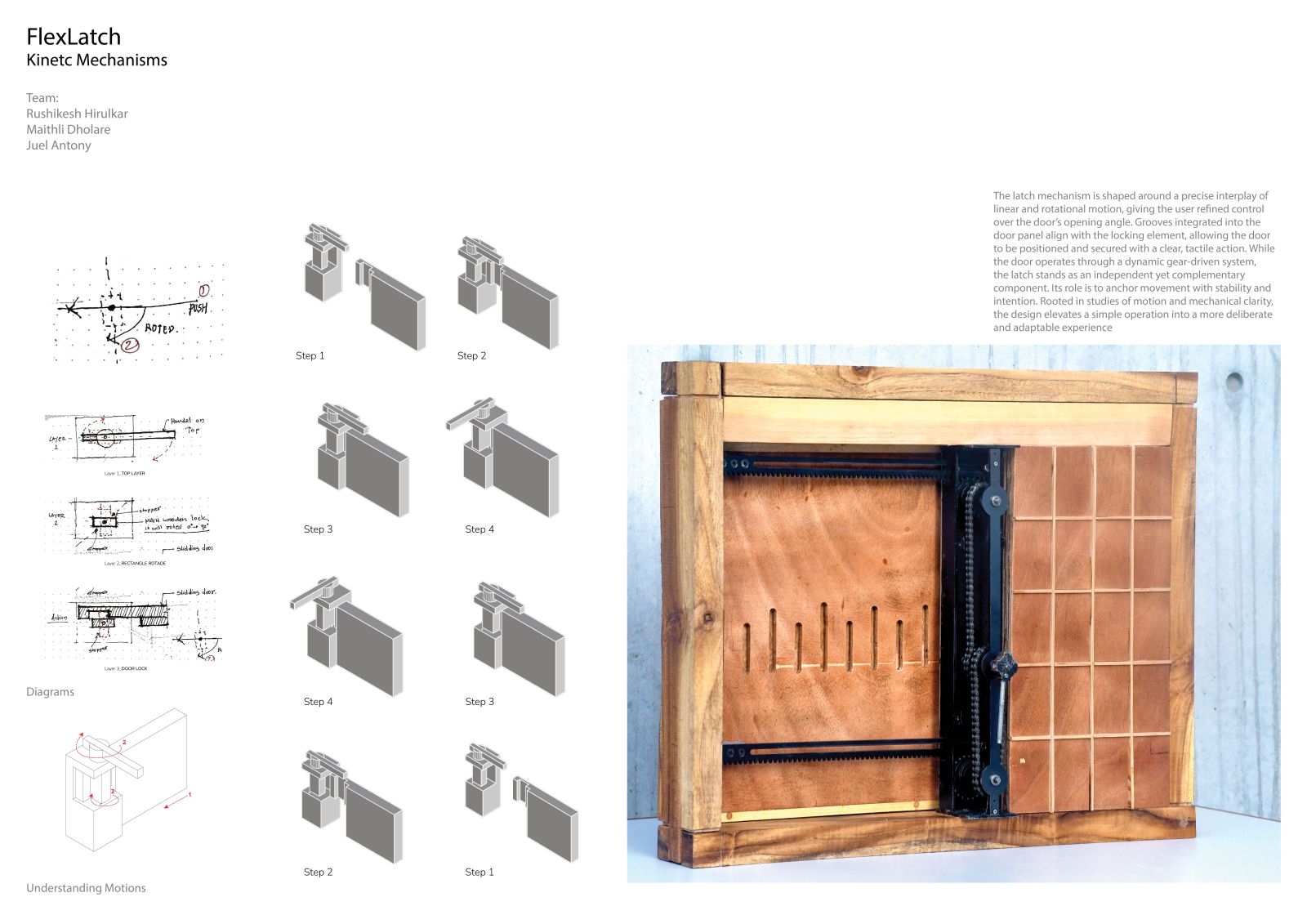
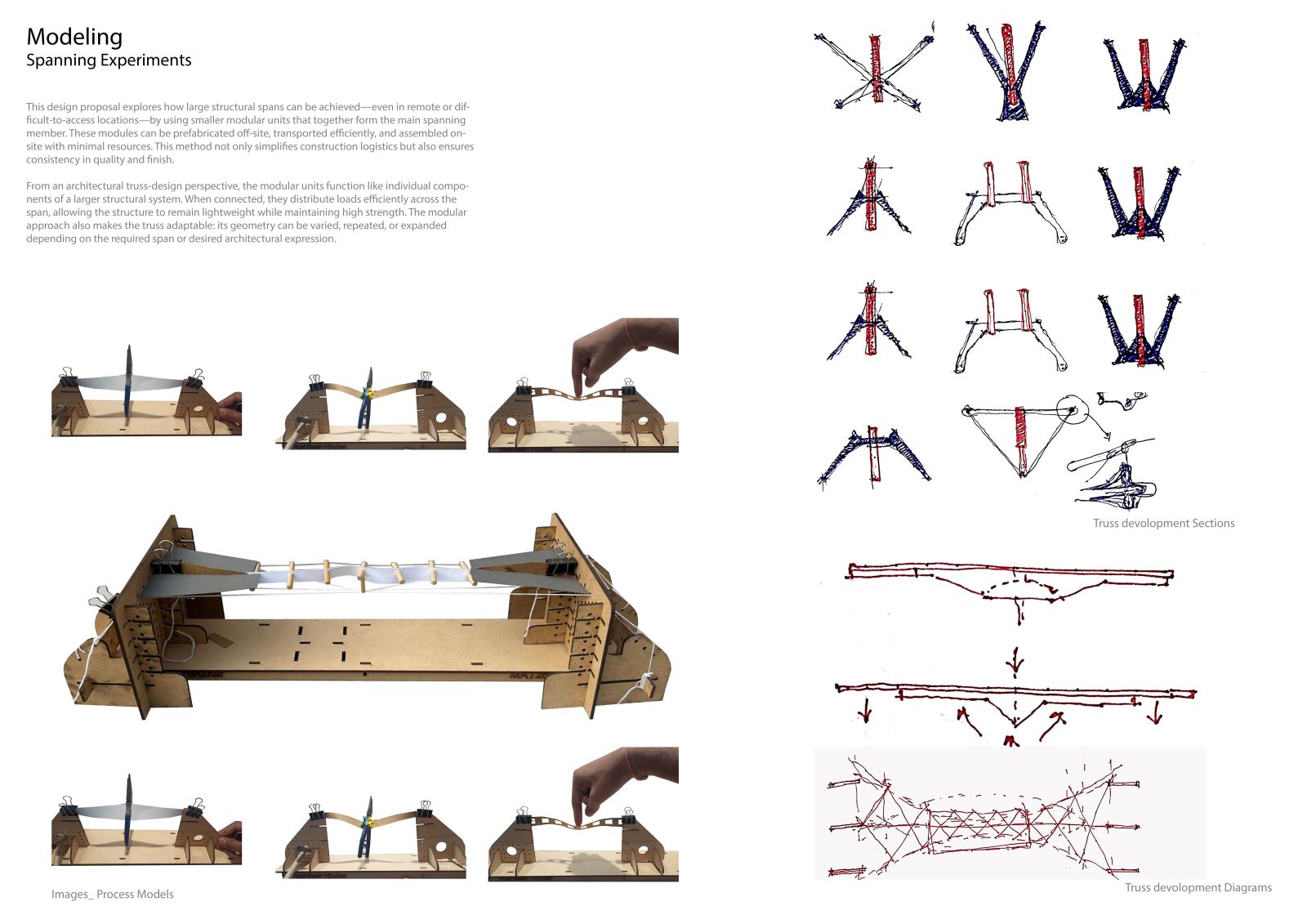
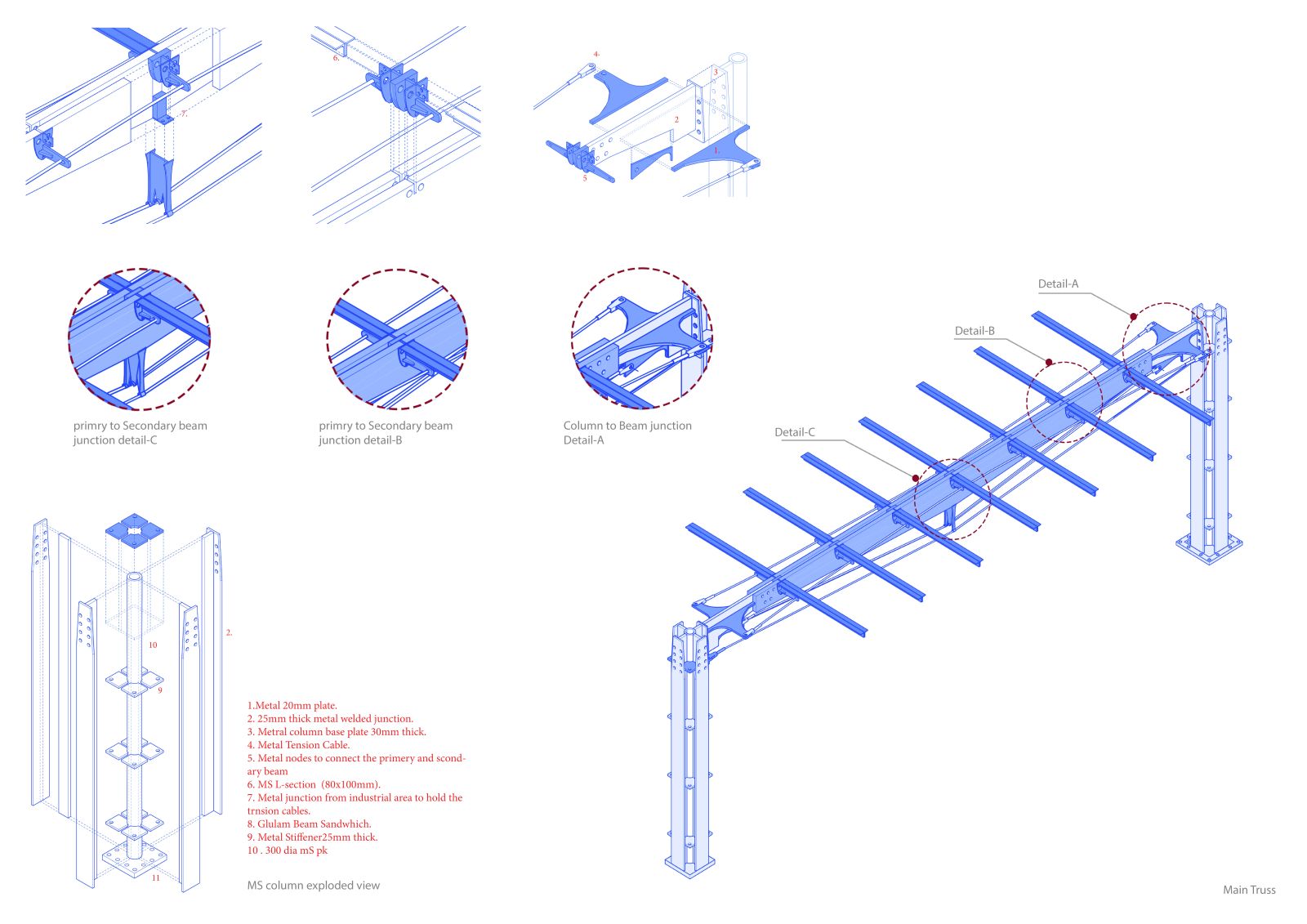
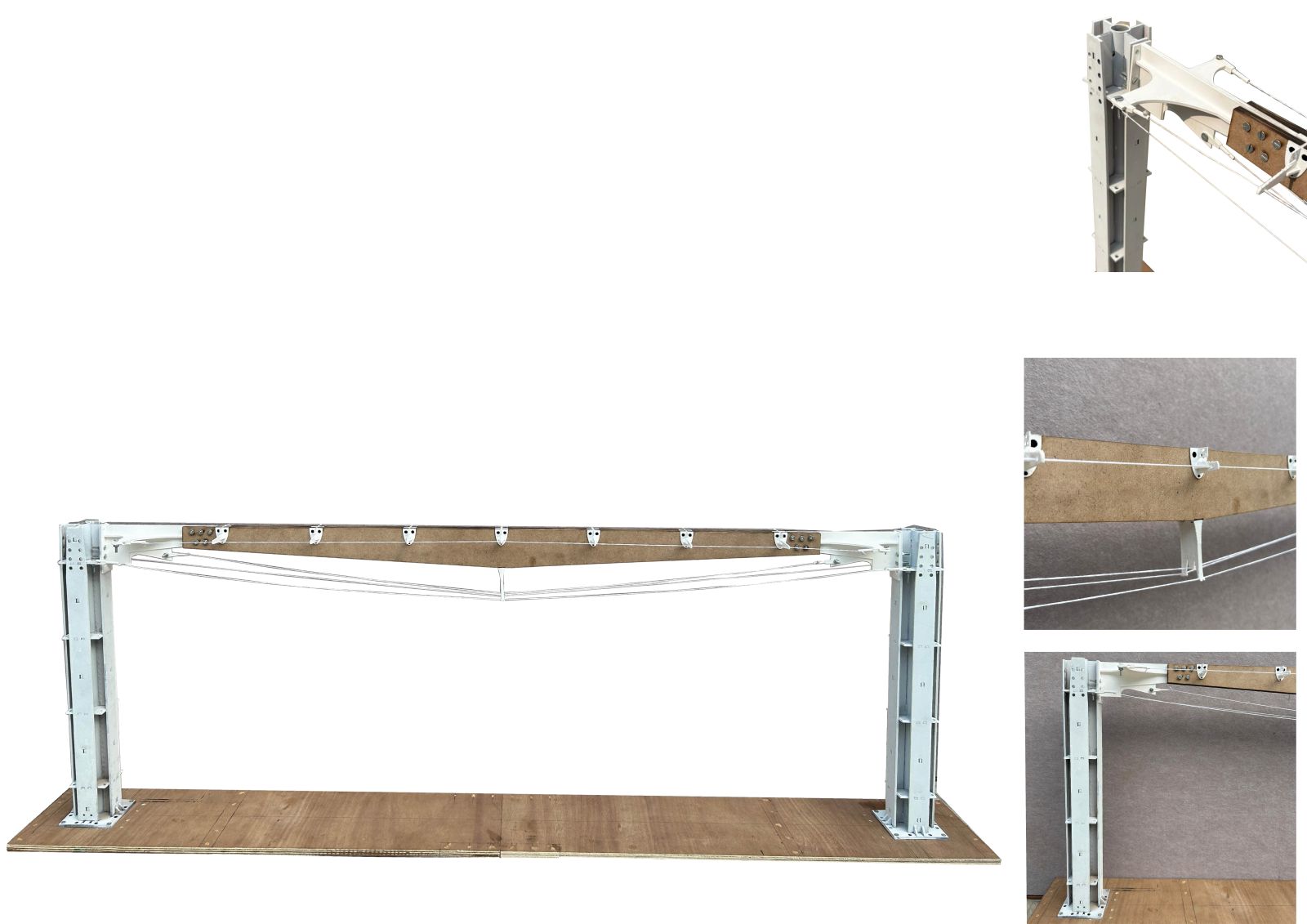
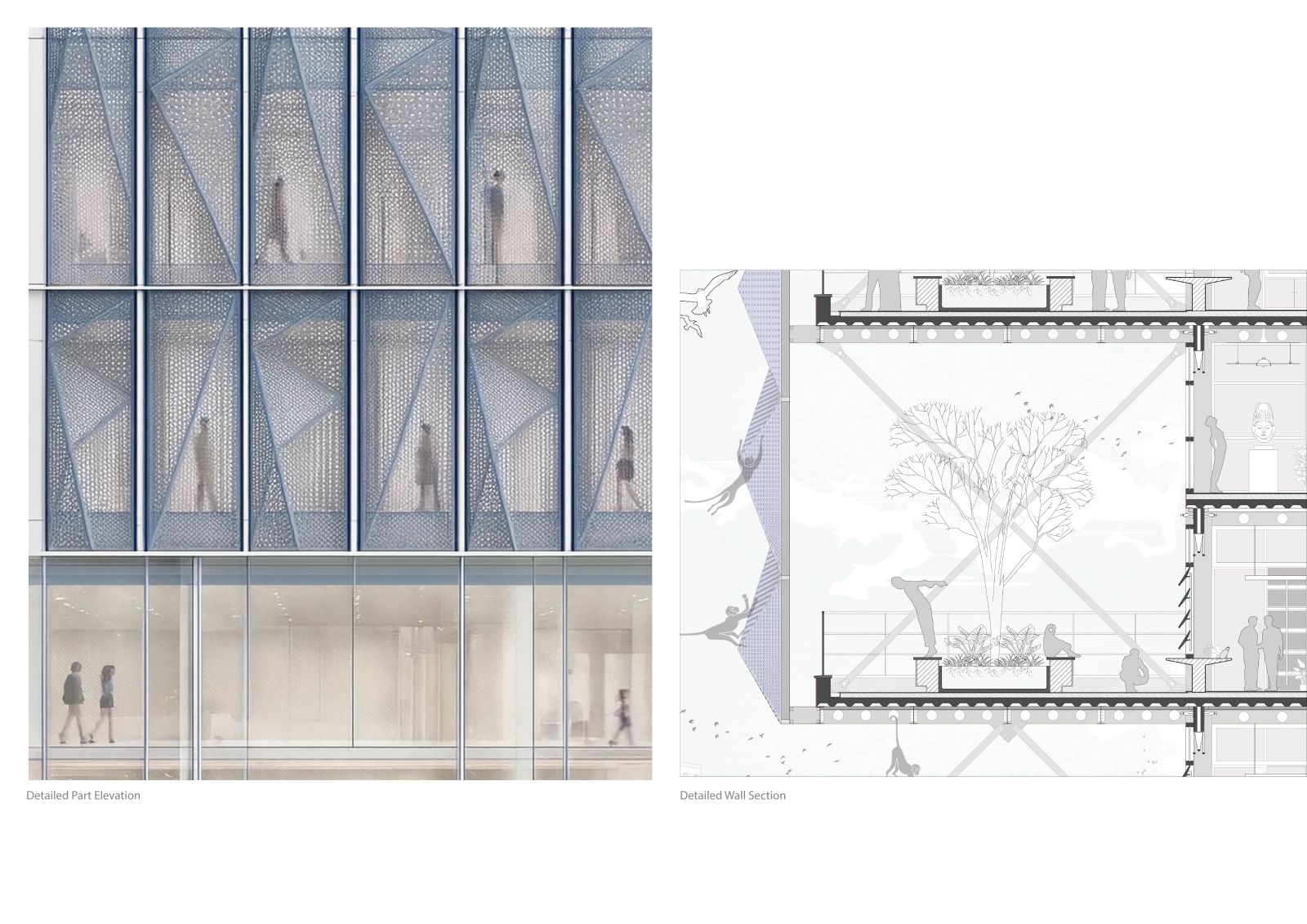
This studio explored the fundamental act of making and how architectural ideas grow from small, precise gestures into complex spatial systems. We began at the scale of the hand, experimenting with materials, tools, and basic techniques to understand how form emerges through direct engagement with matter. From these initial explorations, we designed and fabricated a door latch—an exercise that taught us about precision, mechanism, joints, and the intention behind every component. This close study of craft became the foundation for thinking about how elements interact and perform. The studio then expanded its lens toward spanning systems, where concepts of balance, tension, load, and support shaped our understanding of structure. Working at this intermediate scale helped us connect material behaviour with spatial logic. Finally, we translated these accumulated insights into a high-rise design exercise, exploring verticality, modularity, and organisational principles at the architectural scale. This progression—from object to system to building—revealed how architecture evolves: beginning with simple acts of making and growing into integrated structural and spatial thinking. Overall, the studio emphasised that rigorous experimentation, material understanding, and iterative craftsmanship are essential to developing architectural intelligence.