Bhimani Kush Tushar Chhaya

AT4004

Common Ground | Node at Jaspur

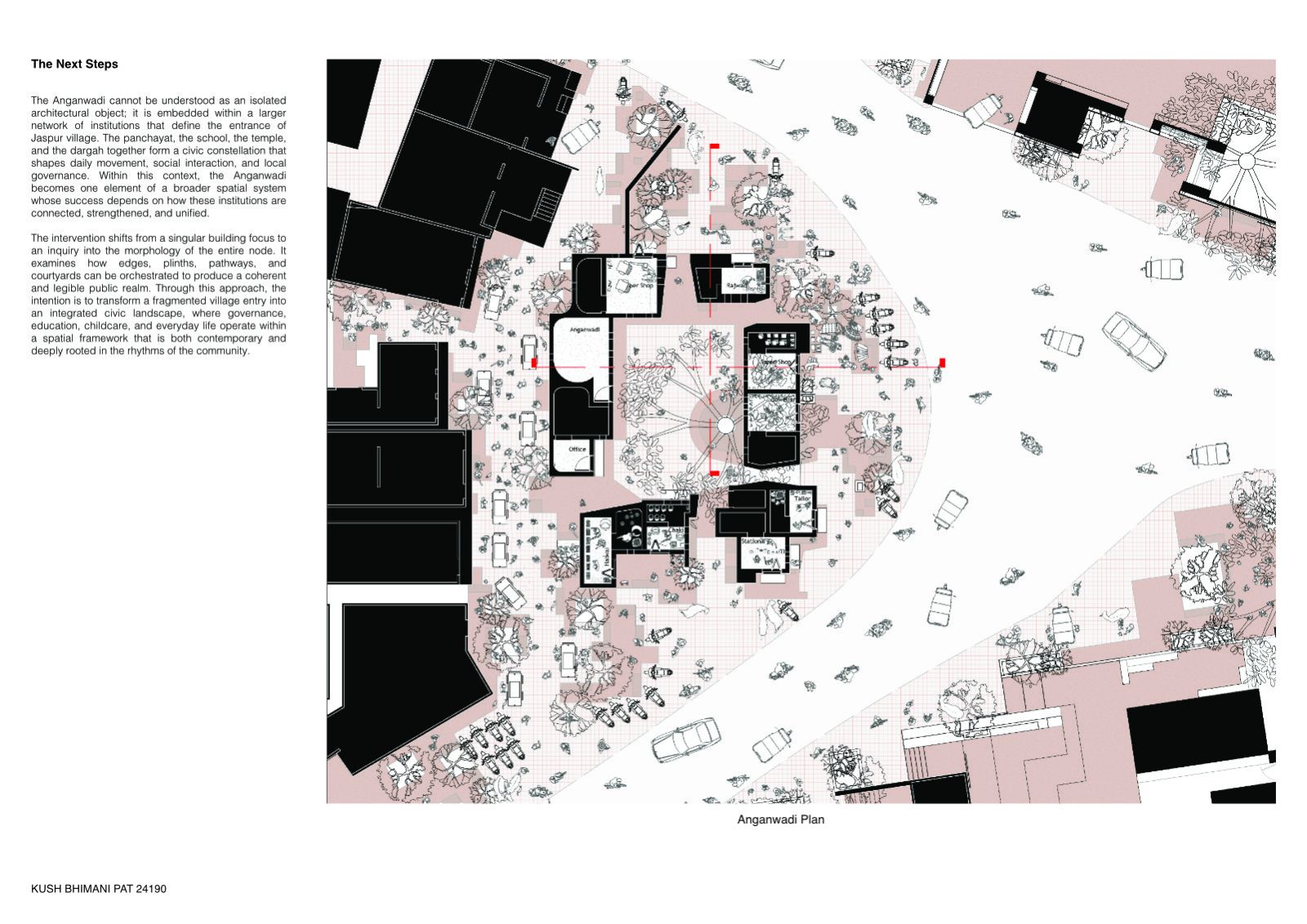
The project begins with the Anganwadi at the entrance of Jaspur, reimagined as an intimate and protected space for women and children through a stereotomic courtyard and a thick active edge. This edge becomes a spatial system that organises circulation, supports informal economies, and strengthens everyday social life. As the logic of the Anganwadi extends outward, it weaves together the surrounding institutions and reshapes the entire precinct. The result is a coherent civic landscape where the panchayat, school, and Anganwadi form a reinforced institutional triangle that elevates governance, education, and community life for Jaspur village.


Report Content

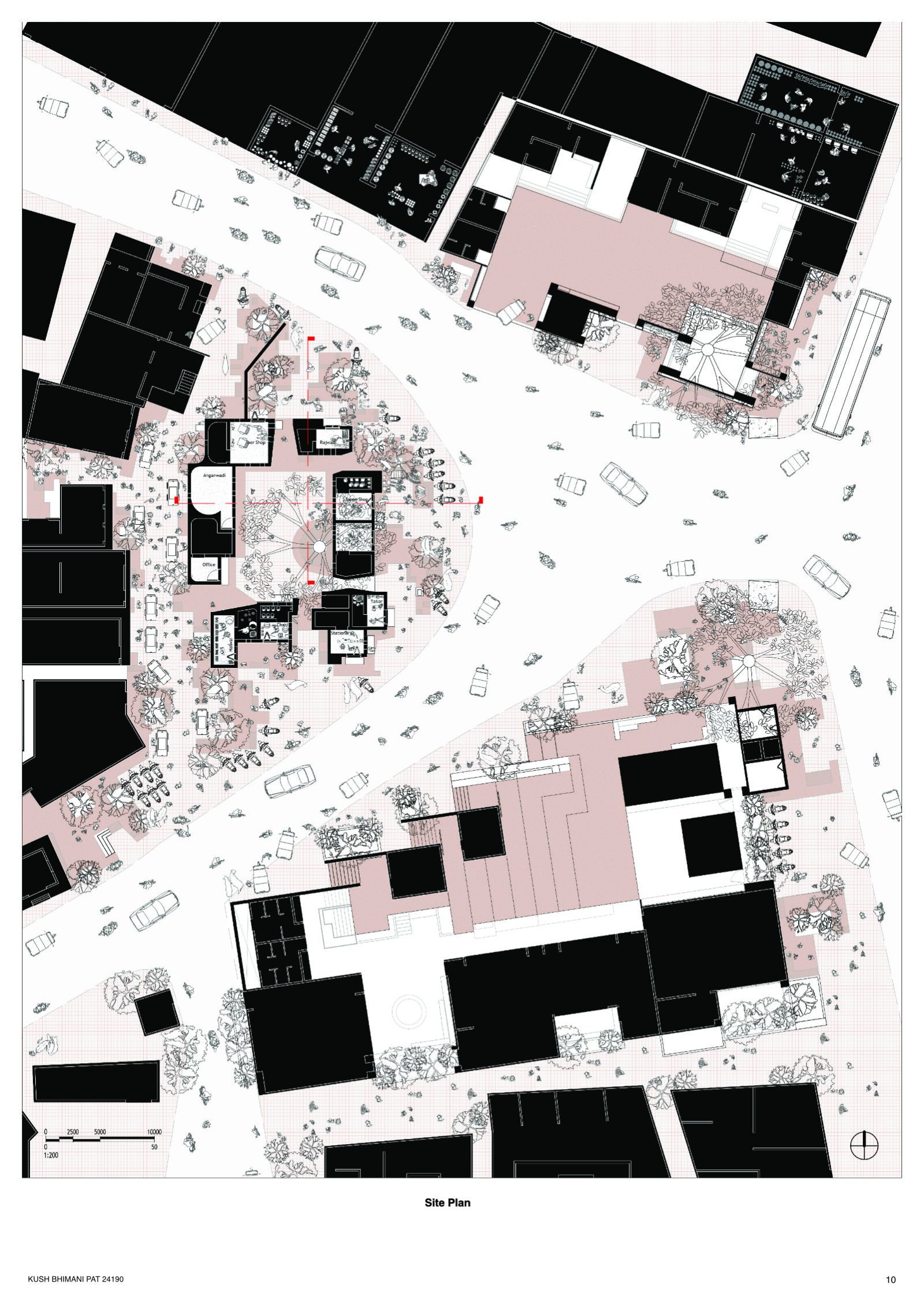
A fragmented village edge re-read as a civic threshold where governance, education, and care converge but remain spatially disconnected, awaiting a system that can bind them into a shared ground

An abandoned Anganwadi at the village’s most active node — present yet invisible — exposing the gap between institutional proximity and lived belonging.

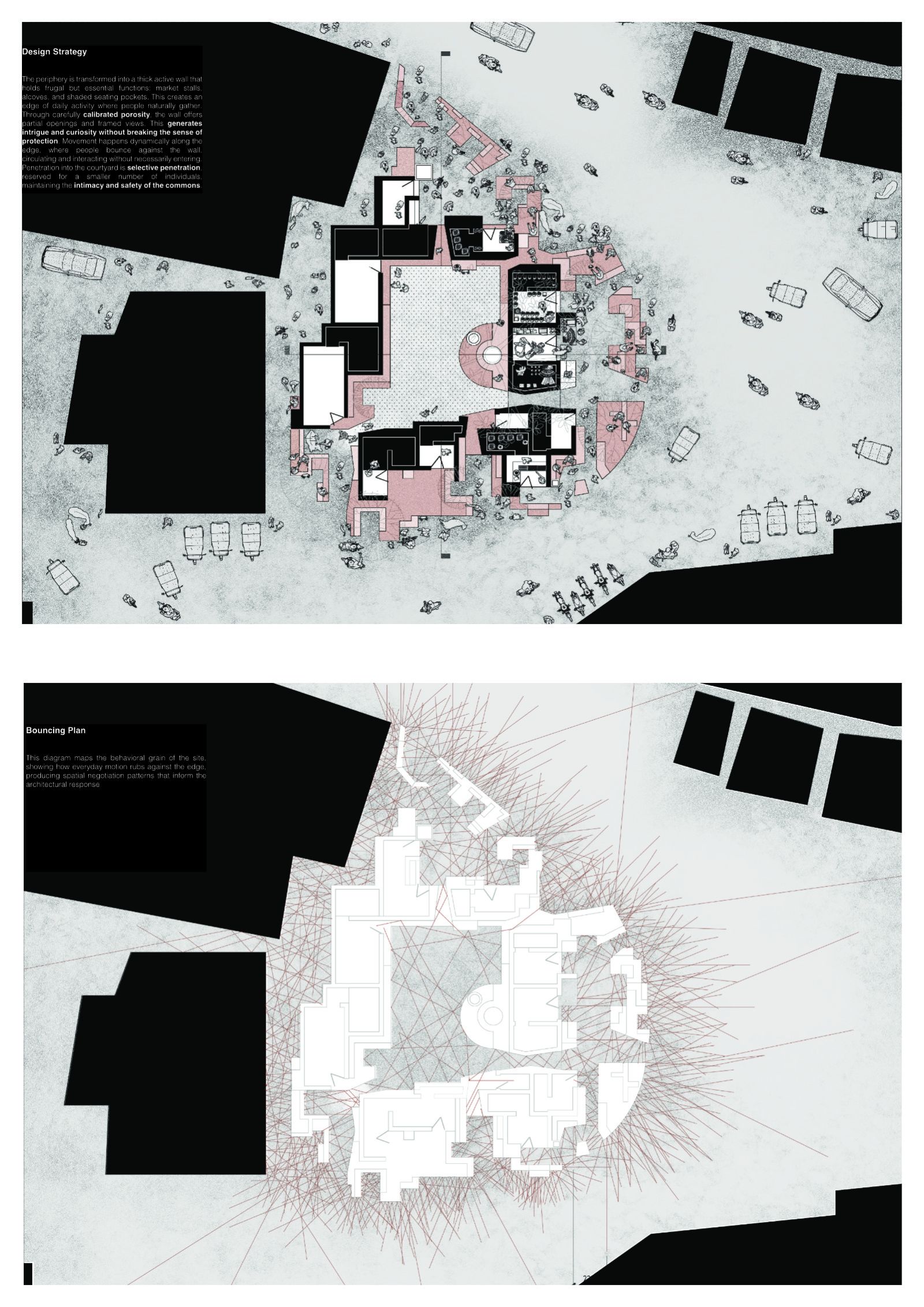
The boundary becomes architecture thickened, carved, and made porous transforming the edge into a social instrument that frames the sacred commons.

Glimpses of the commons

From a singular building to an urban armature the Anganwadi’s spatial logic extends outward, stitching institutions into a cohesive civic field.

The Anganwadi Re-imagined extending outwards.

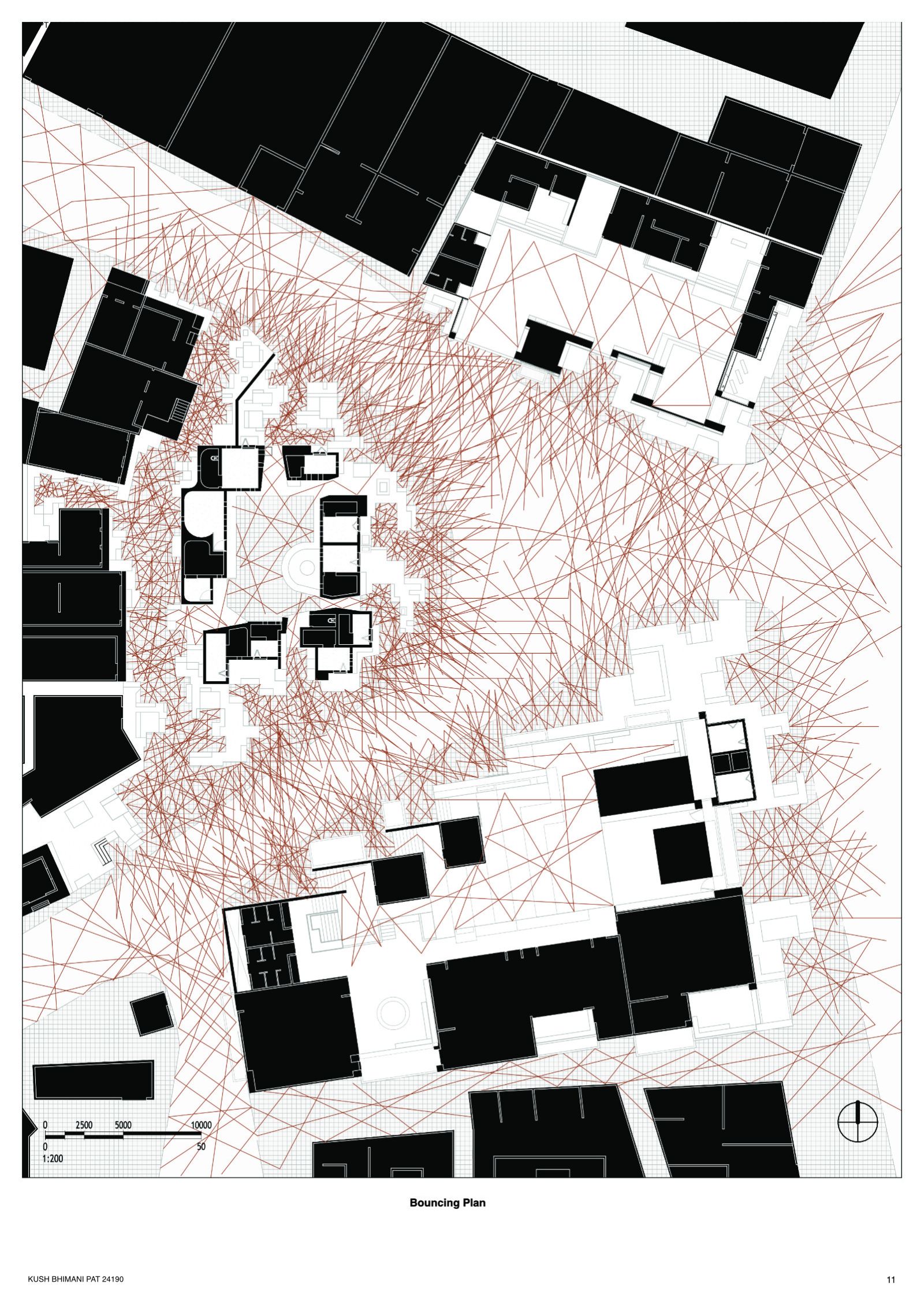
A behavioural map of the everyday tracing how movement ricochets off edges, revealing the spatial negotiations that shape habit, visibility, and occupation.

Section AA' and Details

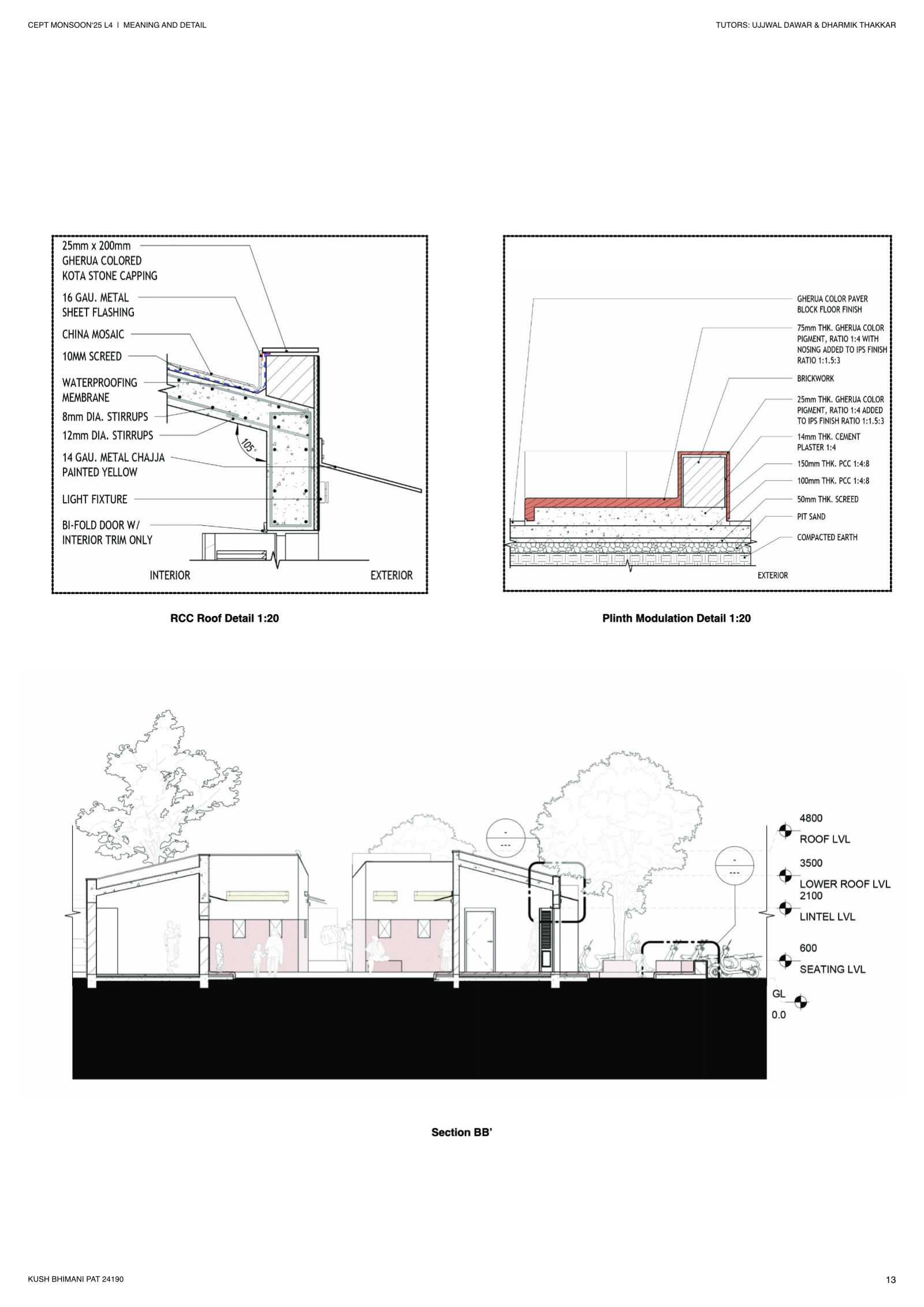
Section BB' and Details

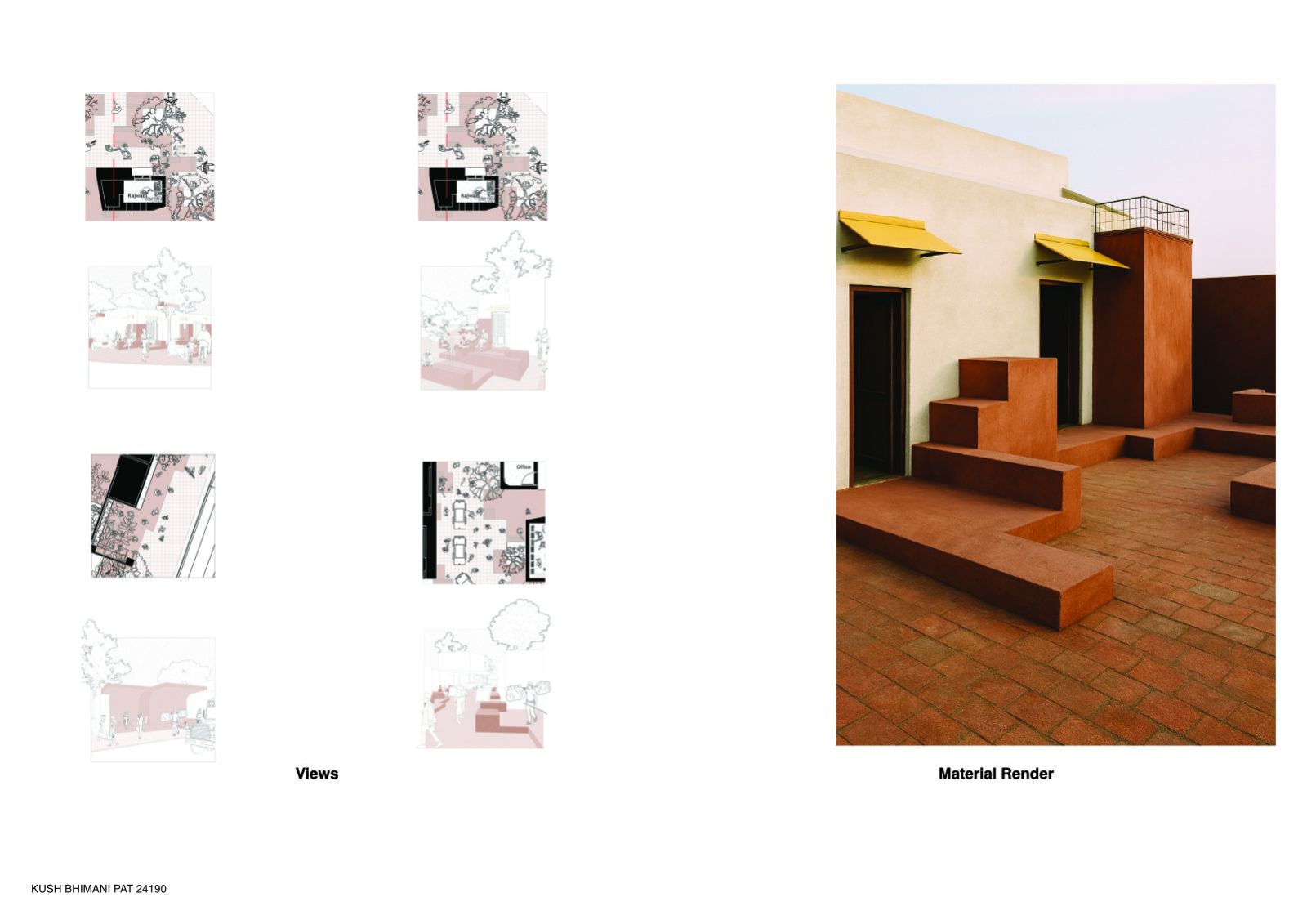
Materials & Views