TA: Prakruti ParsiyaResilience Thrift: Repairing for Climate Change
Informal settlements which tend to comprise low-slung, mud-mortared brick houses capped with corrugated sheets, house 30% of the Indian urban population. Densely populated and poorly ventilated, residents are vulnerable to increasing incidents of extreme heat, flooding, and disease.
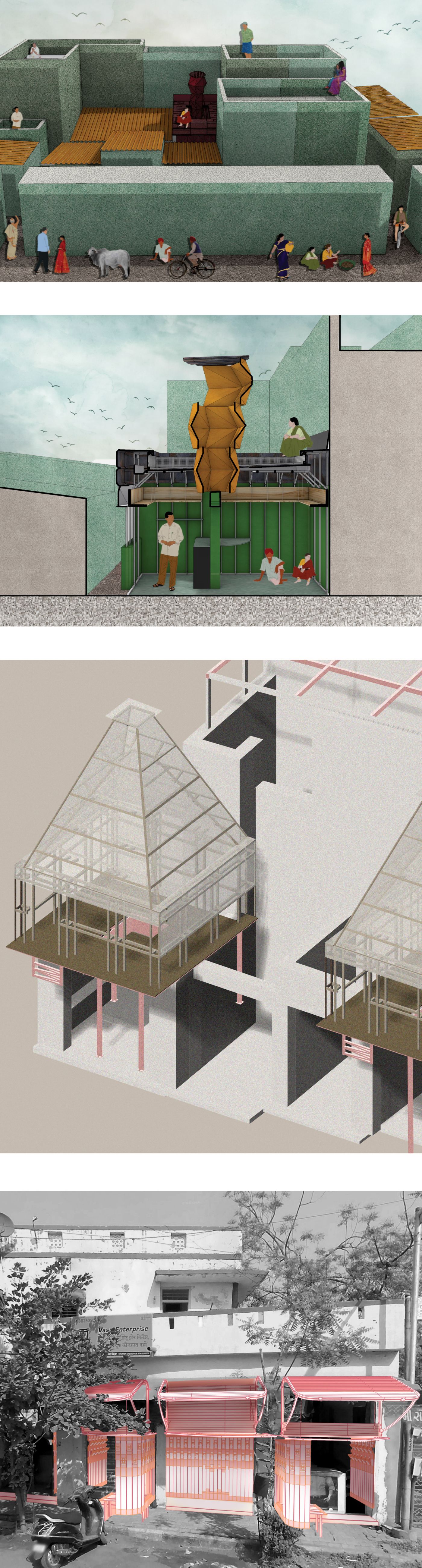
This studio addresses the problems of such contexts through the design and detailing of retrofit solutions for informal houses. We test simple and scaleable proposals which improve climatic resilience and provide social and material amenity in places of great need.
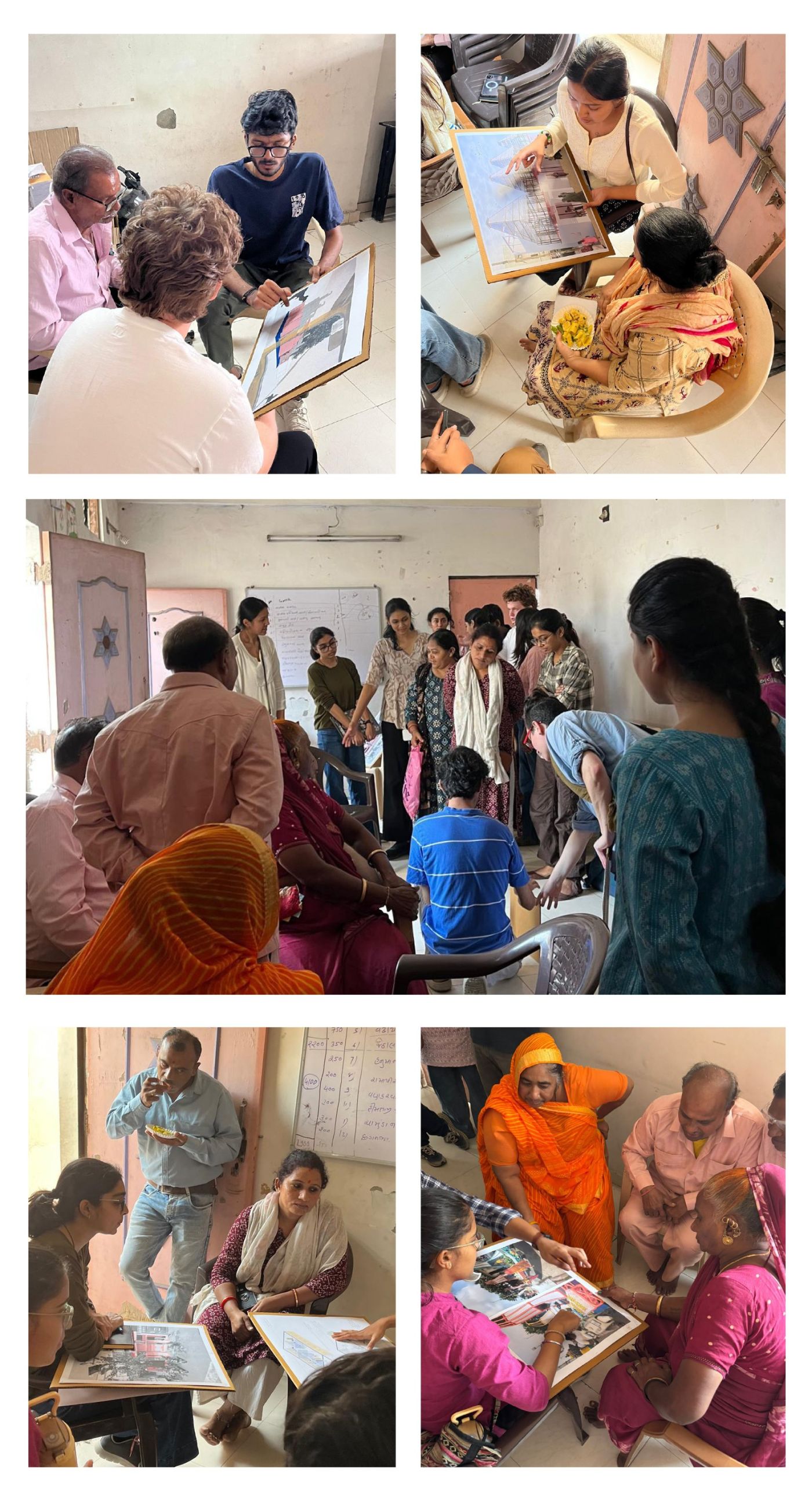
Students are firstly taught how to assess buildings from a climatic perspective and to propose passive climatic strategies. The effectiveness of these is then tested using physical and digital modelling and scaled mock-ups. Results are used iteratively to improve design.
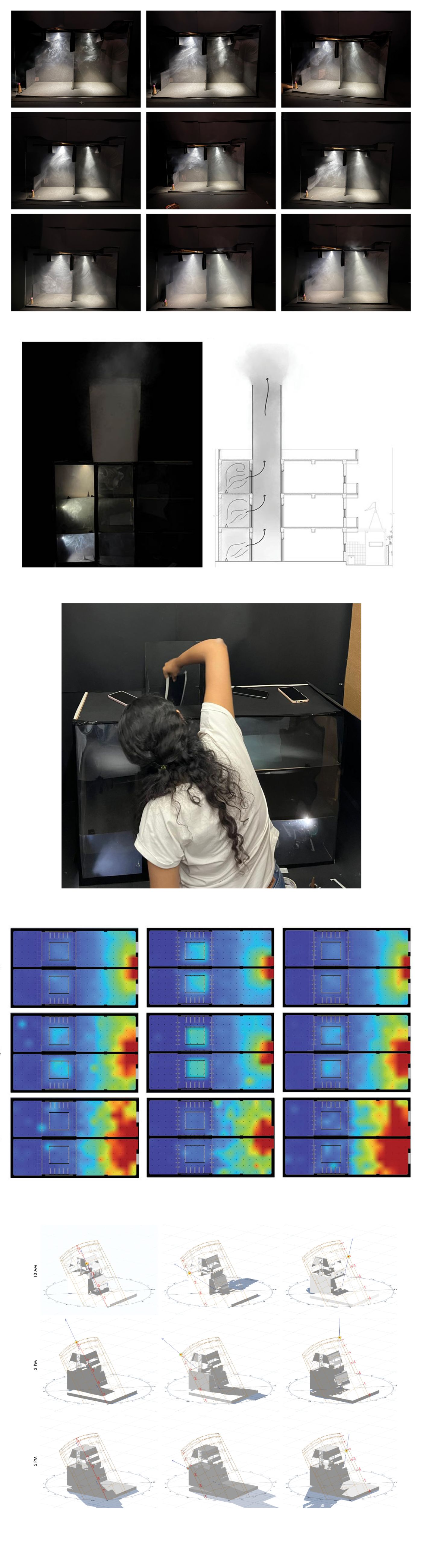
Secondly the studio explores circular construction systems and assemblies. These are especially appropriate as many residents of informal settlements have the ability and desire to invest in upgrades, but do not have the tenure that makes permanent interventions possible.
While testing underscores evaluation of the climatic impact of proposals the approach of the studio is design based. Interventions must provide transformative spatial and qualitative improvements.
This studio pairs with the studio of the same name in BUD and partners with local on ground organisations.
Studio Unit
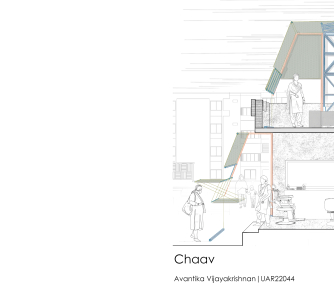
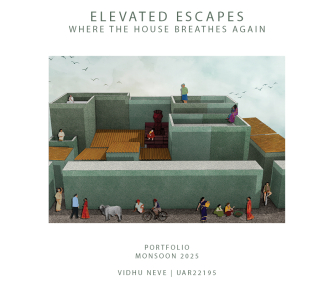
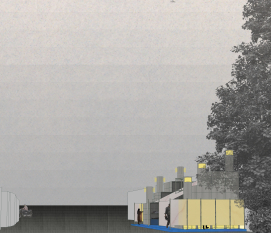
Retrofits offering climatic, programmatic and qualitative improvements for the homes and workplaces of micro-entepeneurs in Behrampura, Ahmedabad who were the clients for the studio
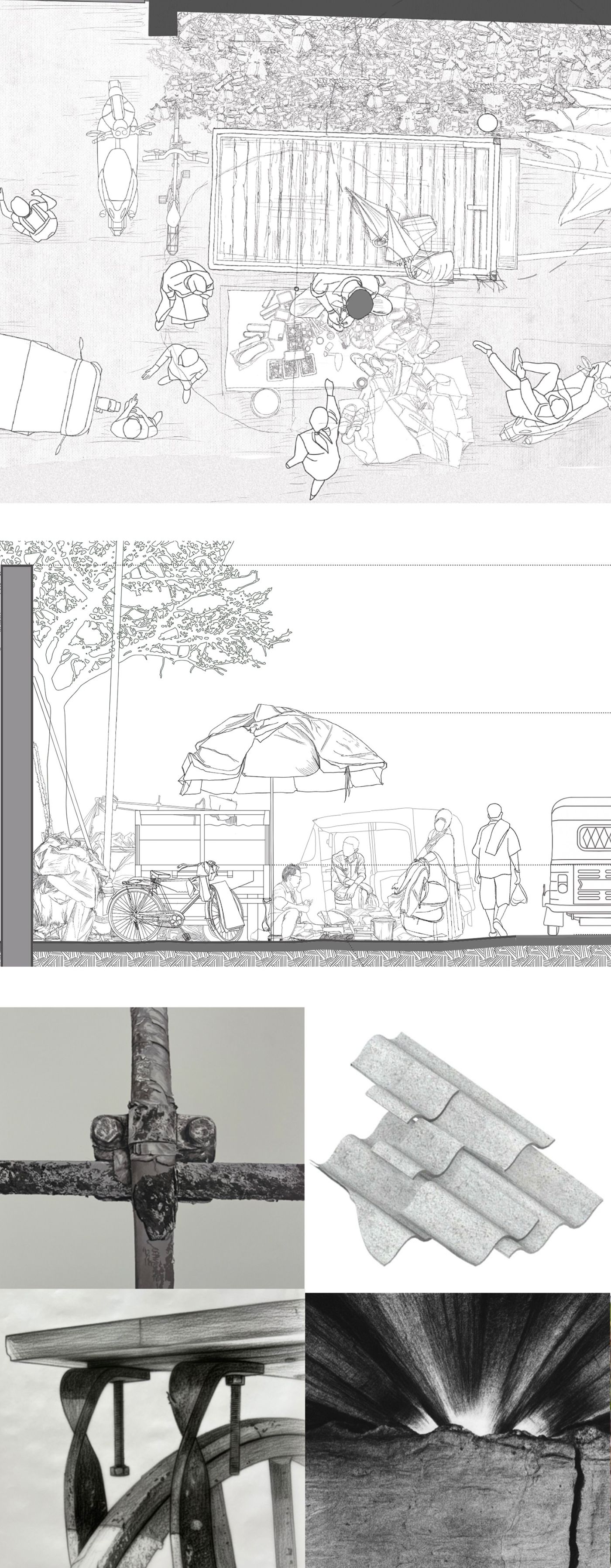
Projects began with the documentation of micro-entrepeneurs working day to identify points of exposure to heat stress and other climatic risks. Precise documentation from the urban scale to 1:1 was produced to analyse relationships between built environment and climatic risk in order to formulate design briefs
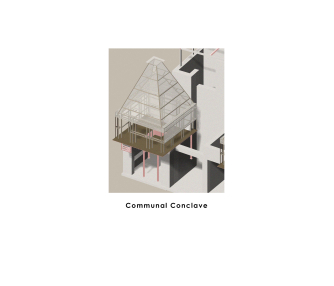
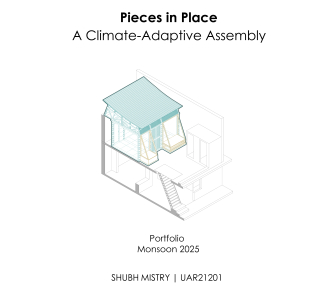
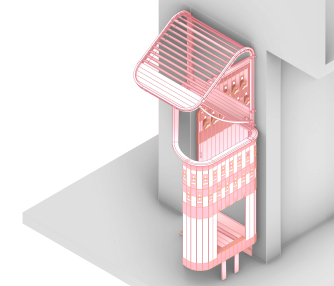
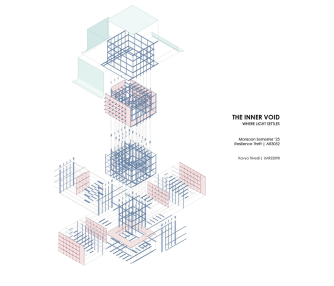
Proposals were conceived as retrofits to existing shops and houses and were detailed as assembly systems, able to be installed and removed to address issues of rental and insecure tenure
Projects were evaluated for climatic performance. Students made 1:20 scale models used for smoke testing to evaluate ventilation strategies and conducted daylighting analysis and tests to assess rates of radiant heat transfer in materials
Students presented their proposals to their micro-entepeneur clients and received feedback and suggestions