Your browser is out-of-date!
For a richer surfing experience on our website, please update your browser. Update my browser now!
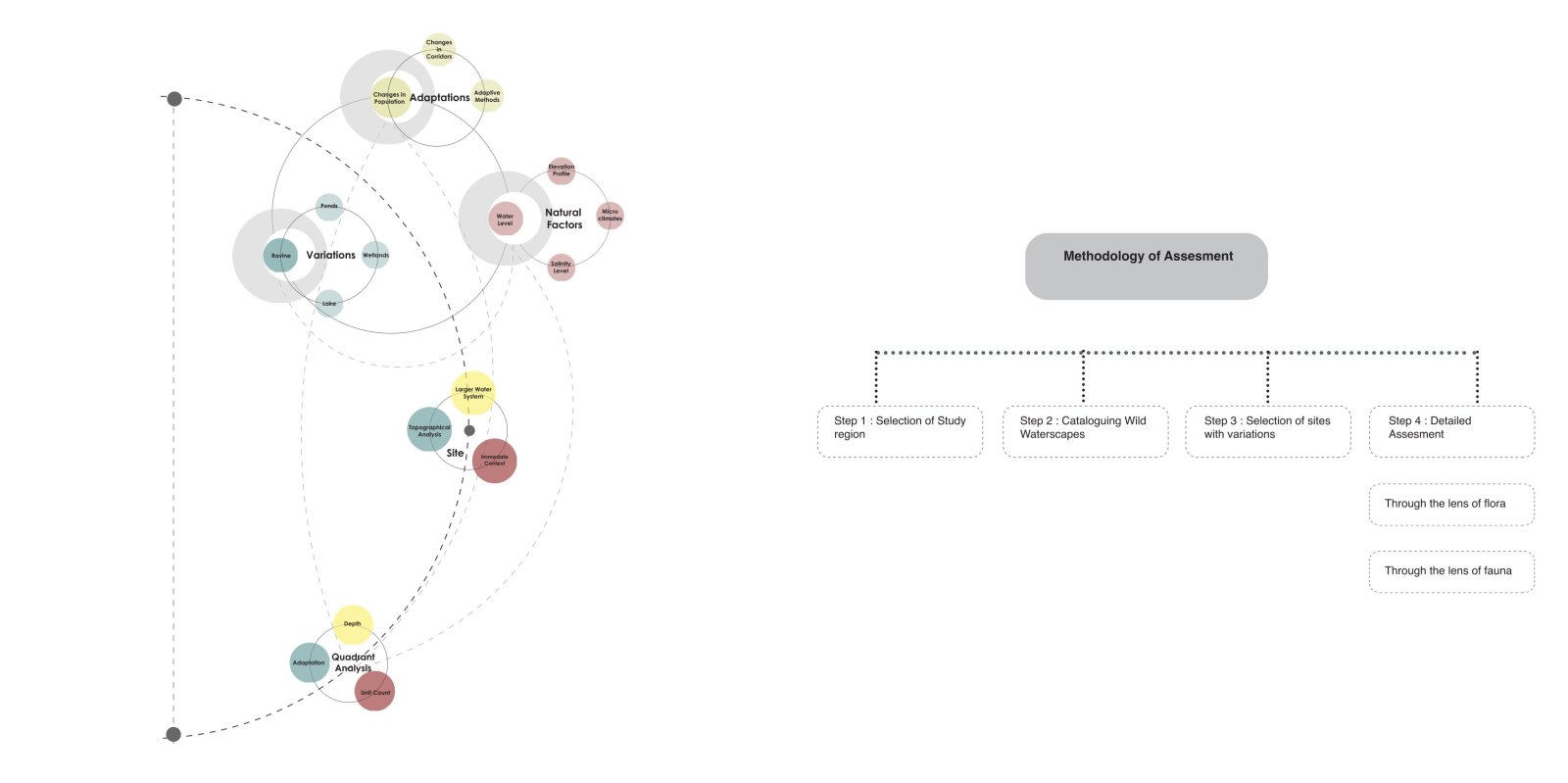
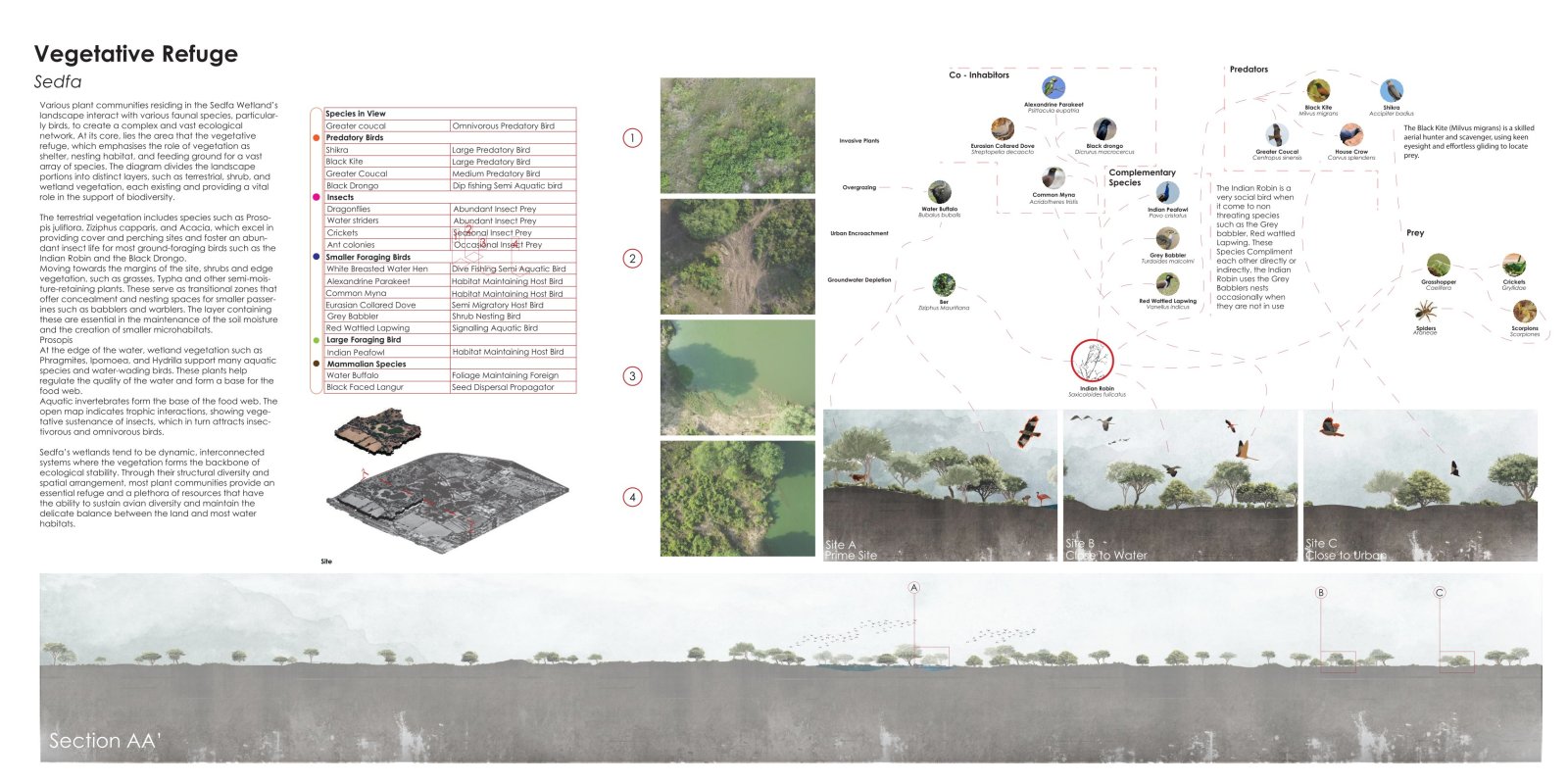
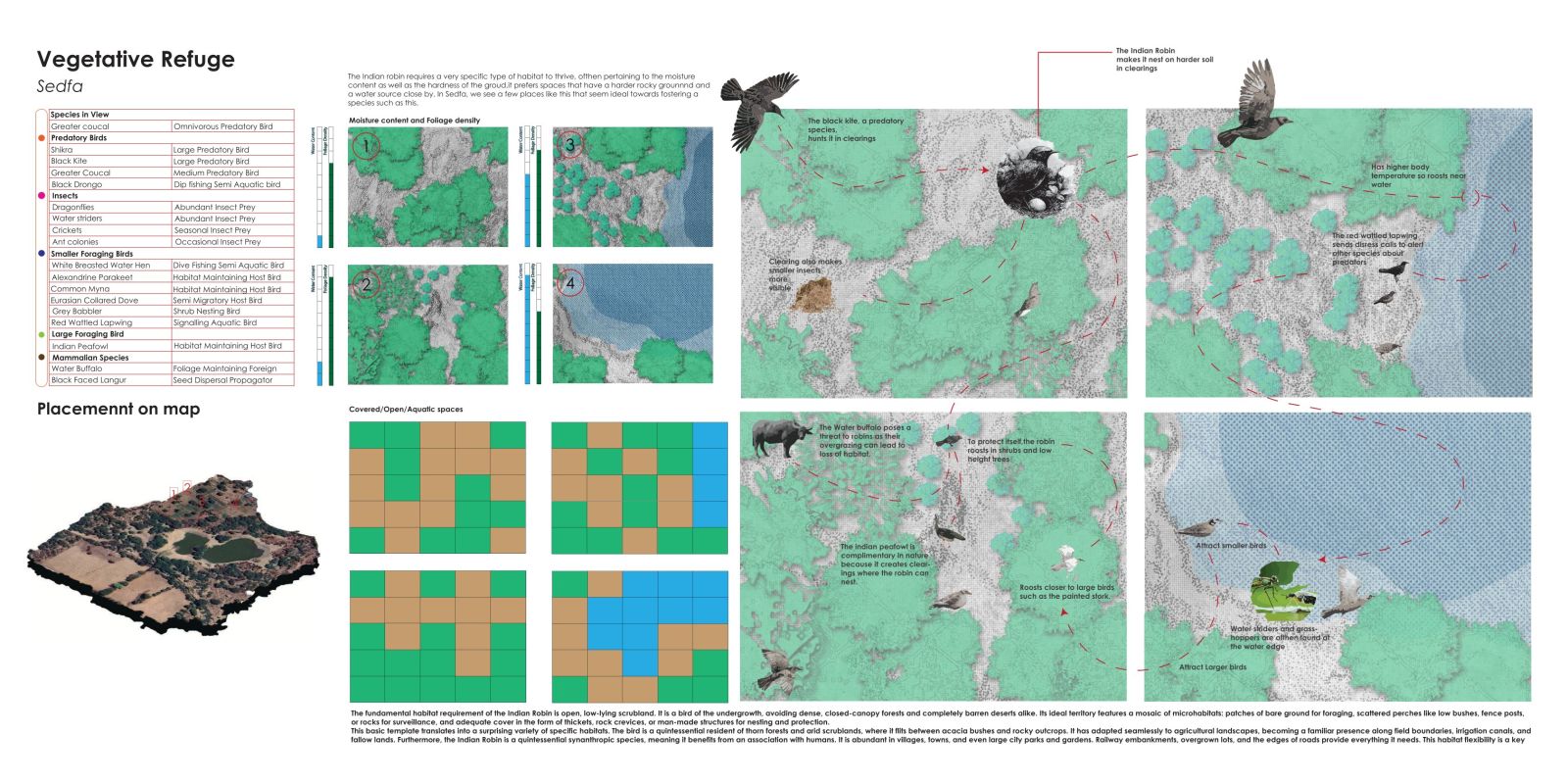
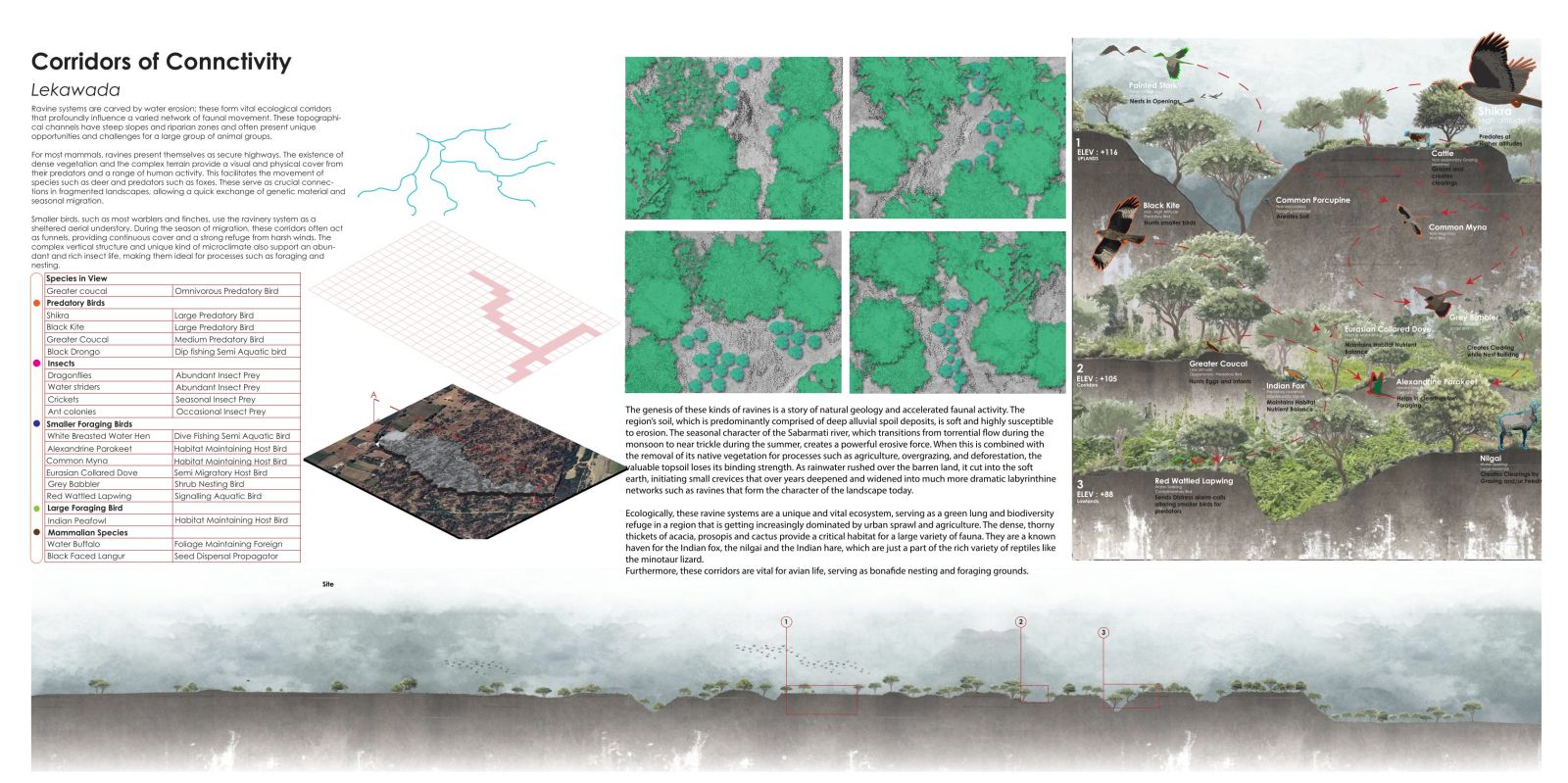
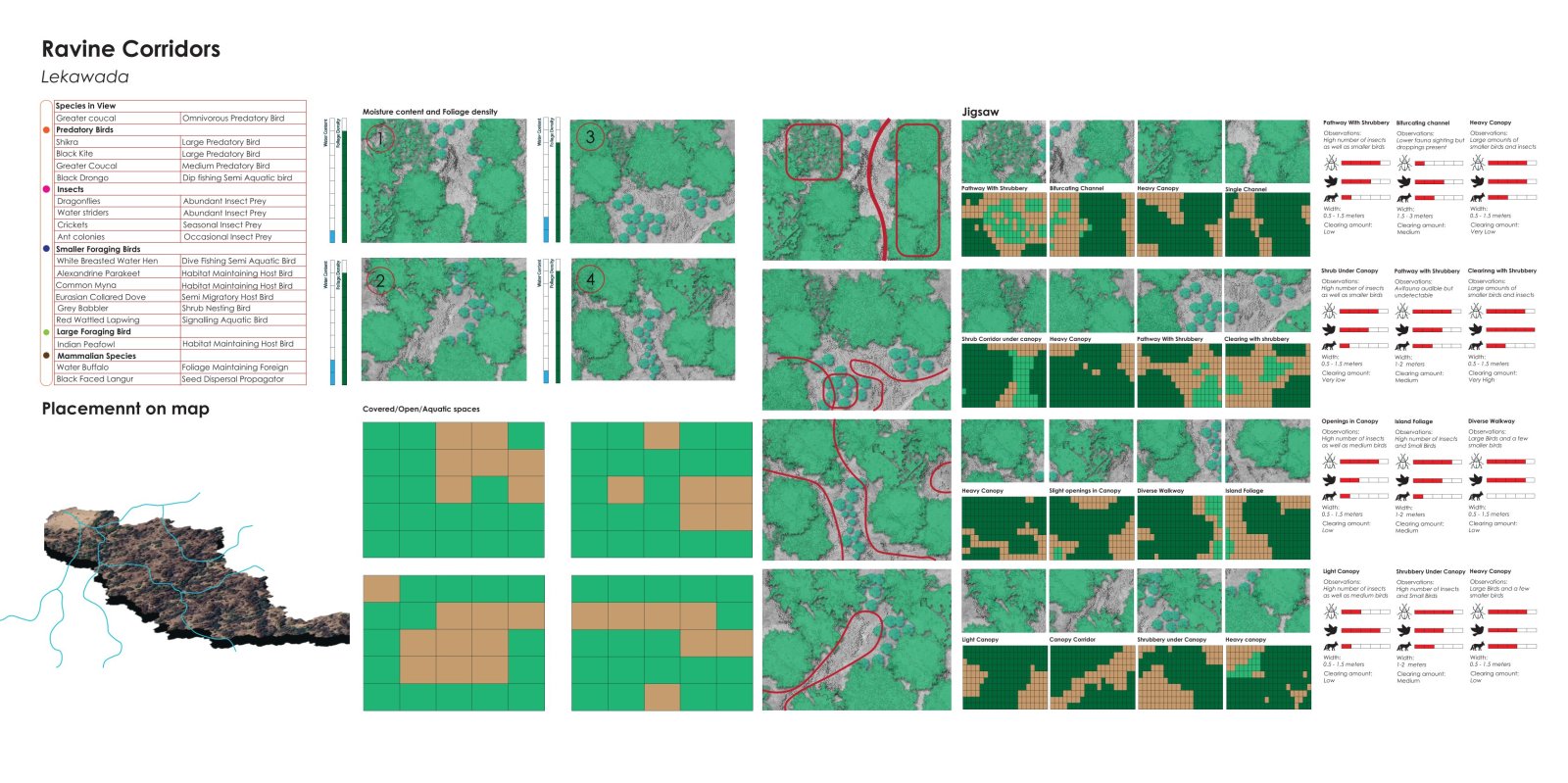
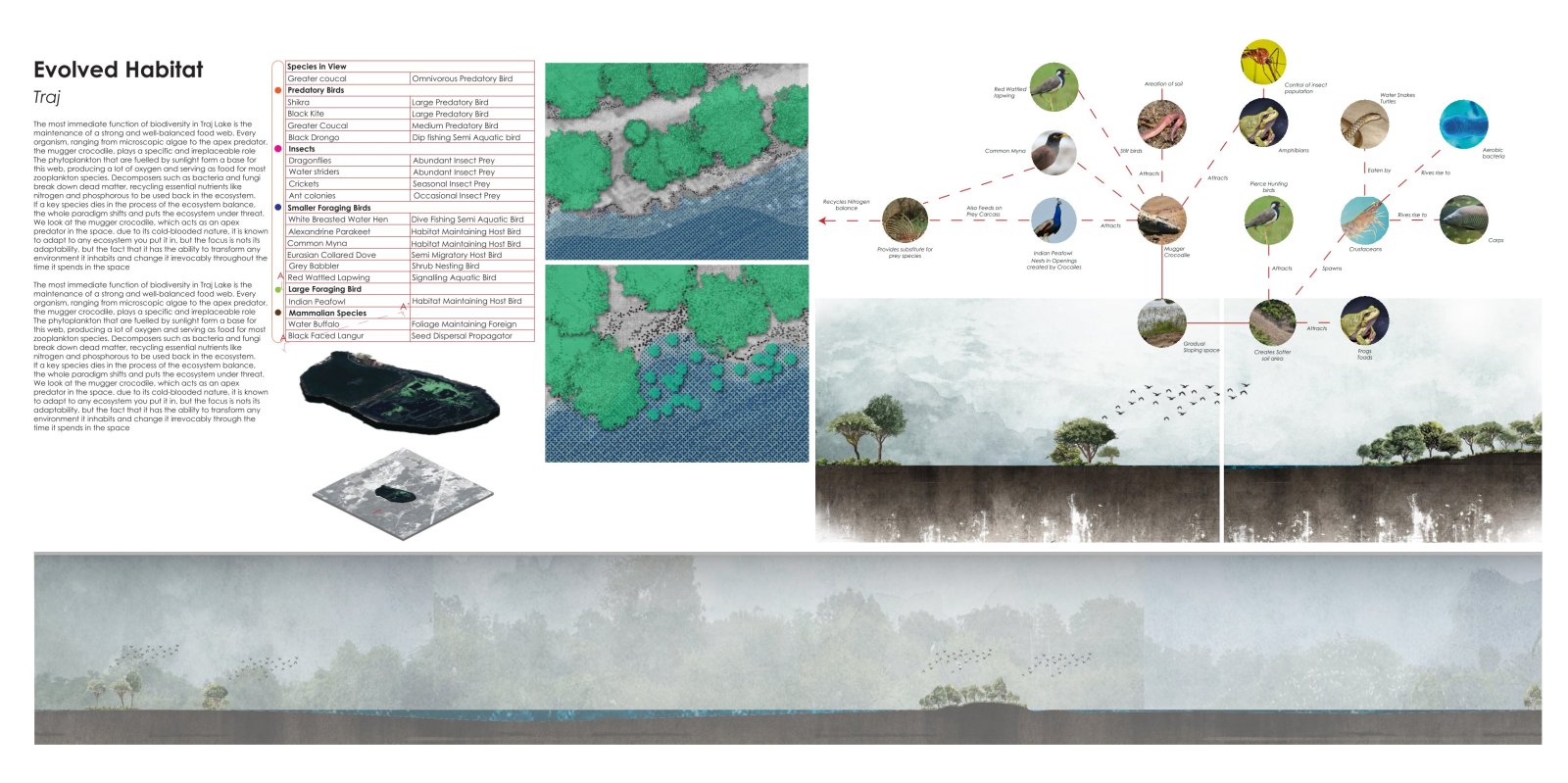
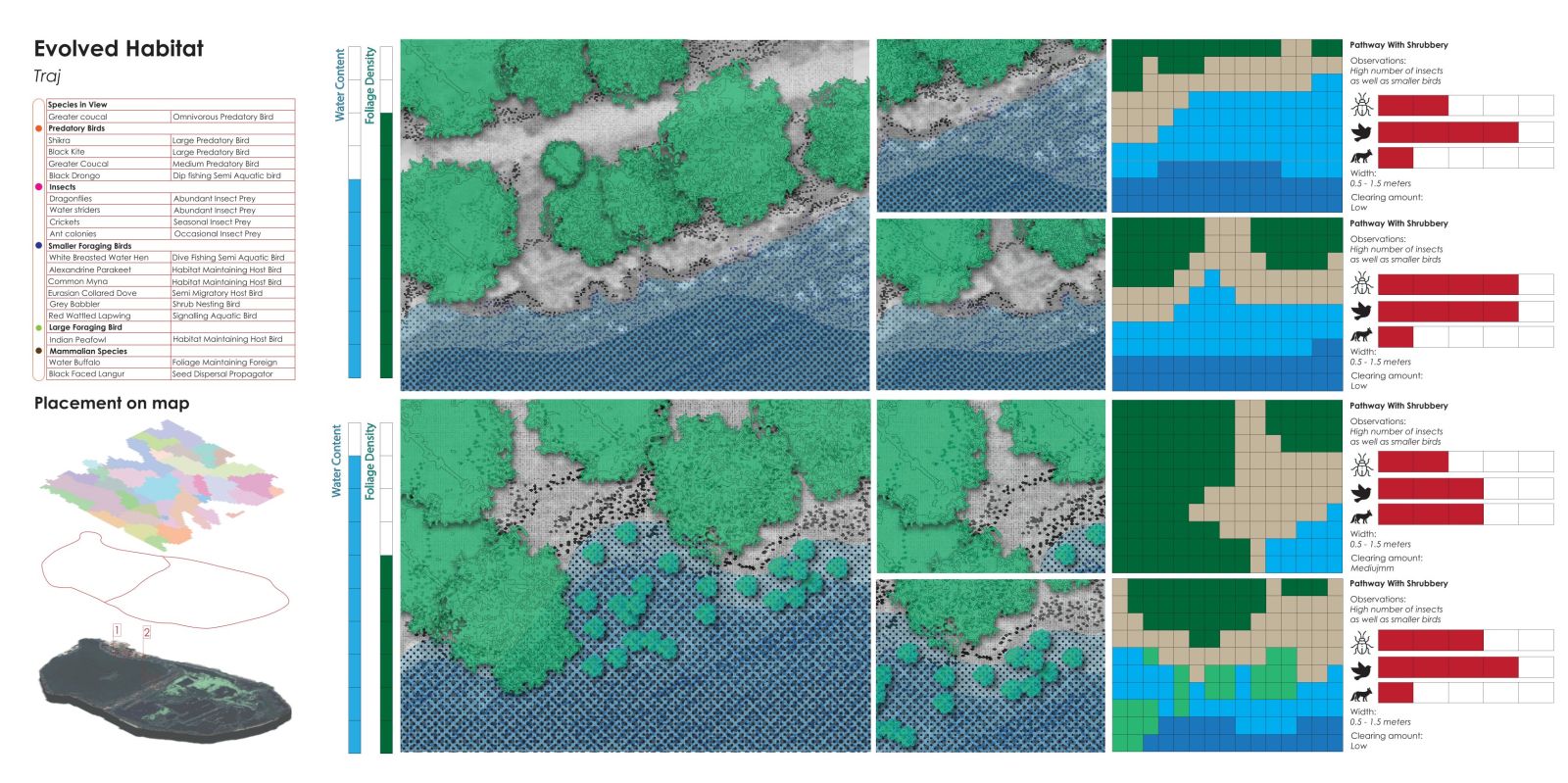
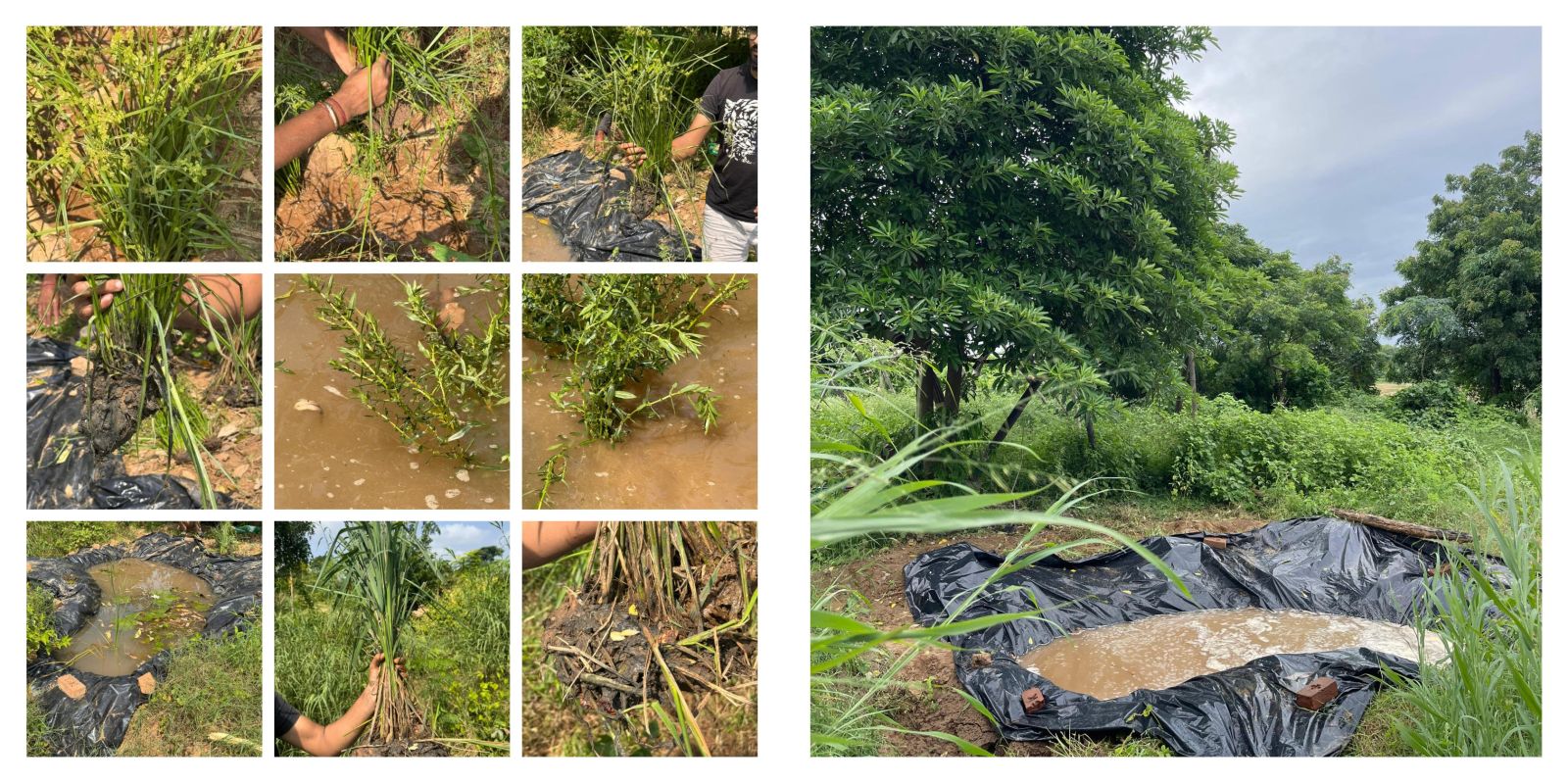
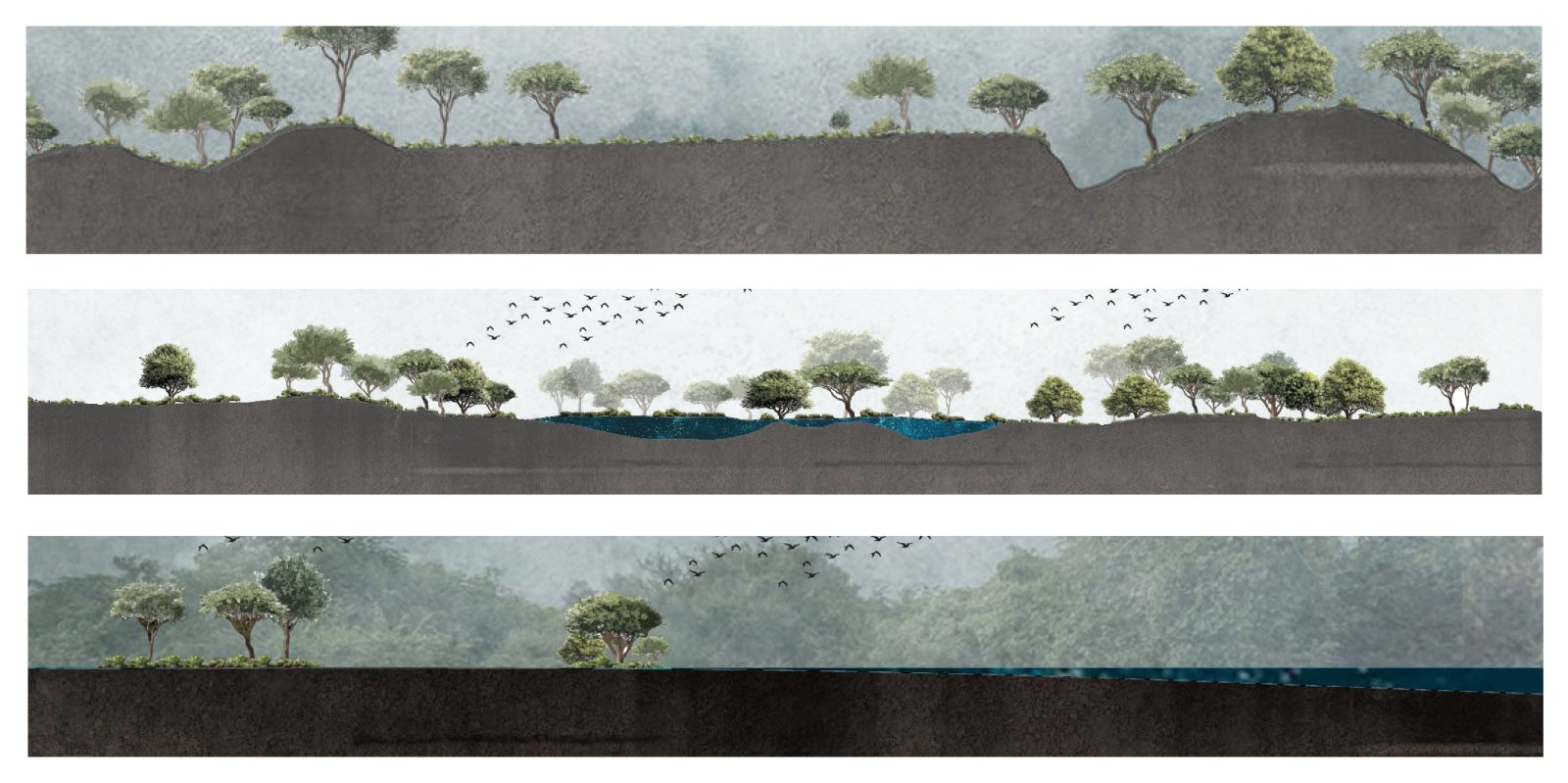
Urban expansion is vastly invasive and irrevocably transforms spaces where the urban and the peri-urban converge, placing an immense amount of pressure on the natural and dynamic hydrological systems such as seasonal marshes, floodplains and riparian corridors. Traditional urban planning often views “Wild Waterscapes” as a vacant piece of land, more often than not termed “problematic” instead of a space that should be studied and developed sensitively around. This leads to degradation of these waterscapes by processes such as drainage, infilling and channelisation. The study proposes a fundamental shift in the perception and methodology by which we quantify and label these waterscapes, trying to position the animal communities inhabiting these spaces to be robust and paramount indicators of the ecosystems' health and functionality. By understanding fauna as not merely inhabitants but as an active part of the ecosystem and as “ecosystem engineers” and “landscape gardeners”, this study will demonstrate the presence, diversity and behaviour of these species to produce real-time, holistic reports on the state of the sites’ hydrological and ecological systems. Through a mixed study system that umbrellas the monsoon setting of the year in a periurban seasonal wetlands complex, we combine faunal surveys with GIS mappings, observation and a study of the hydrological functions. The findings reveal that the faunal activity of soil aeration of worms and the unique seed dispersal methods of the birds reveal processes that directly underpin the critical ecosystem services such as flood mitigation, water purification and habitat connectivity. The disappearance of specific taxa or a reduction in the overall carbon load serves as an early warning of hydrological disruption or habitat fragmentation. The aim is to prioritise faunal corridors by protecting key engineers, species, habitats and emulating a natural hydrology. The development of resilient, adaptive and multifunctional urban landscapes is only possible through these methods.
View Additional Work