Your browser is out-of-date!
For a richer surfing experience on our website, please update your browser. Update my browser now!
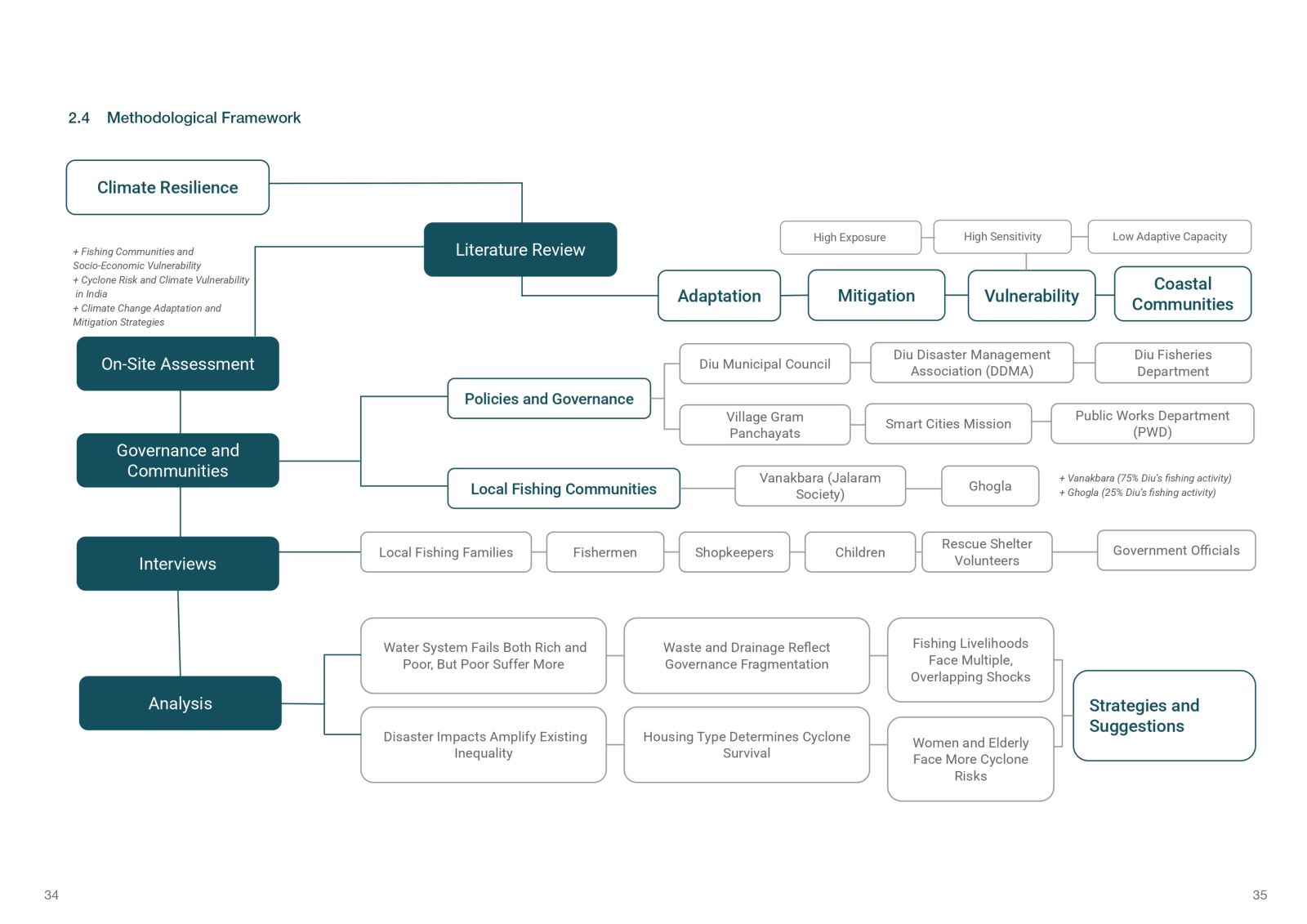
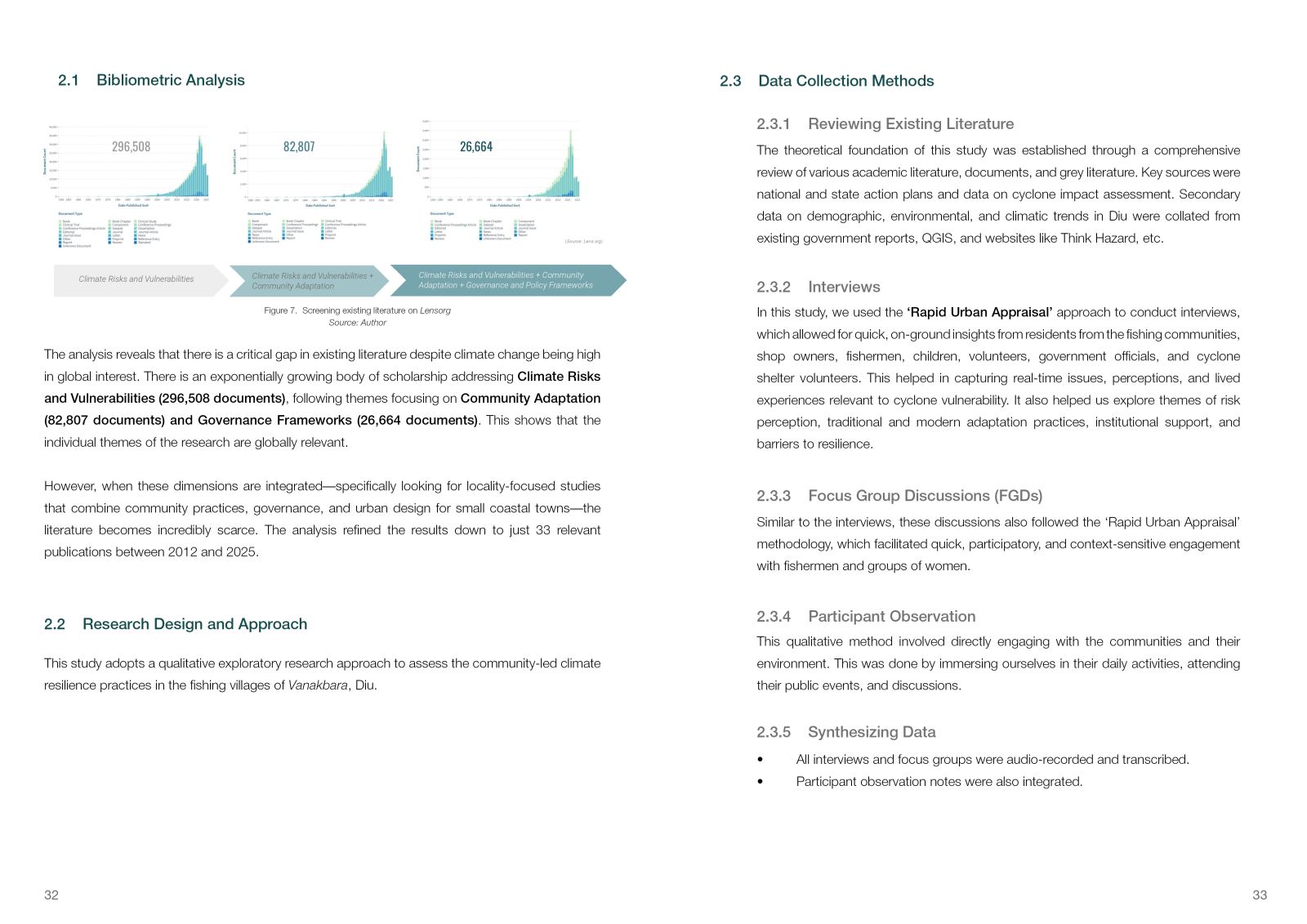
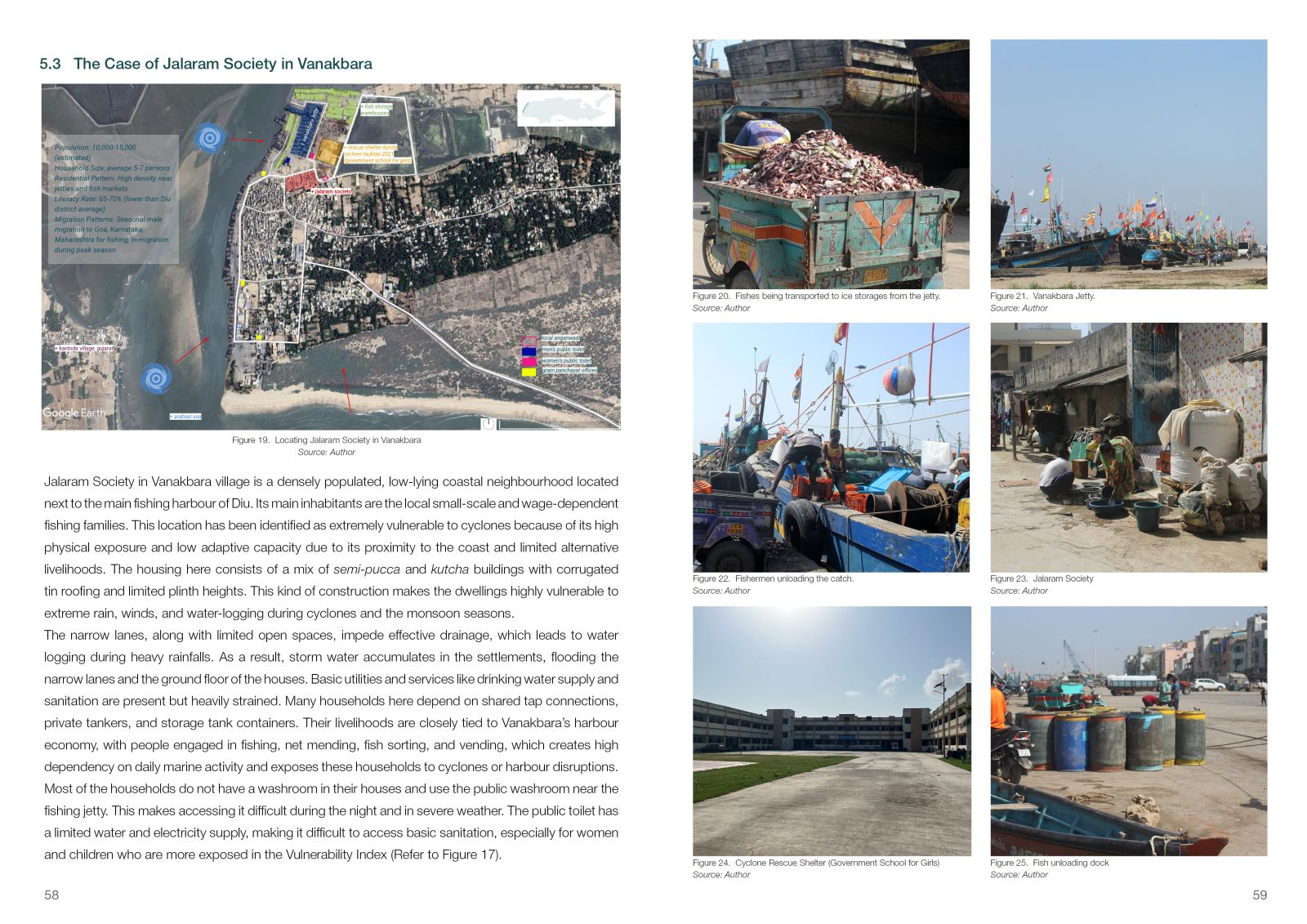
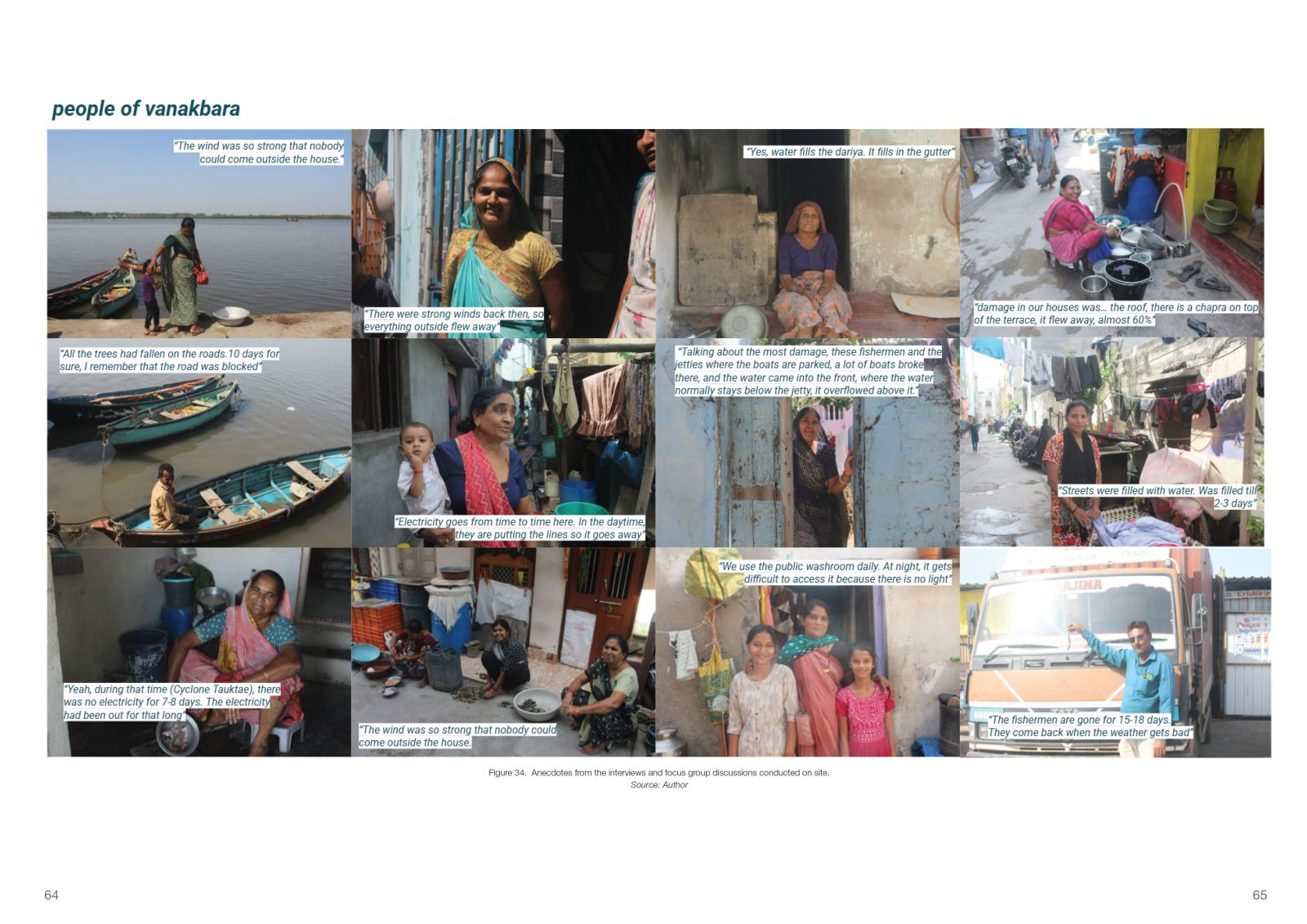
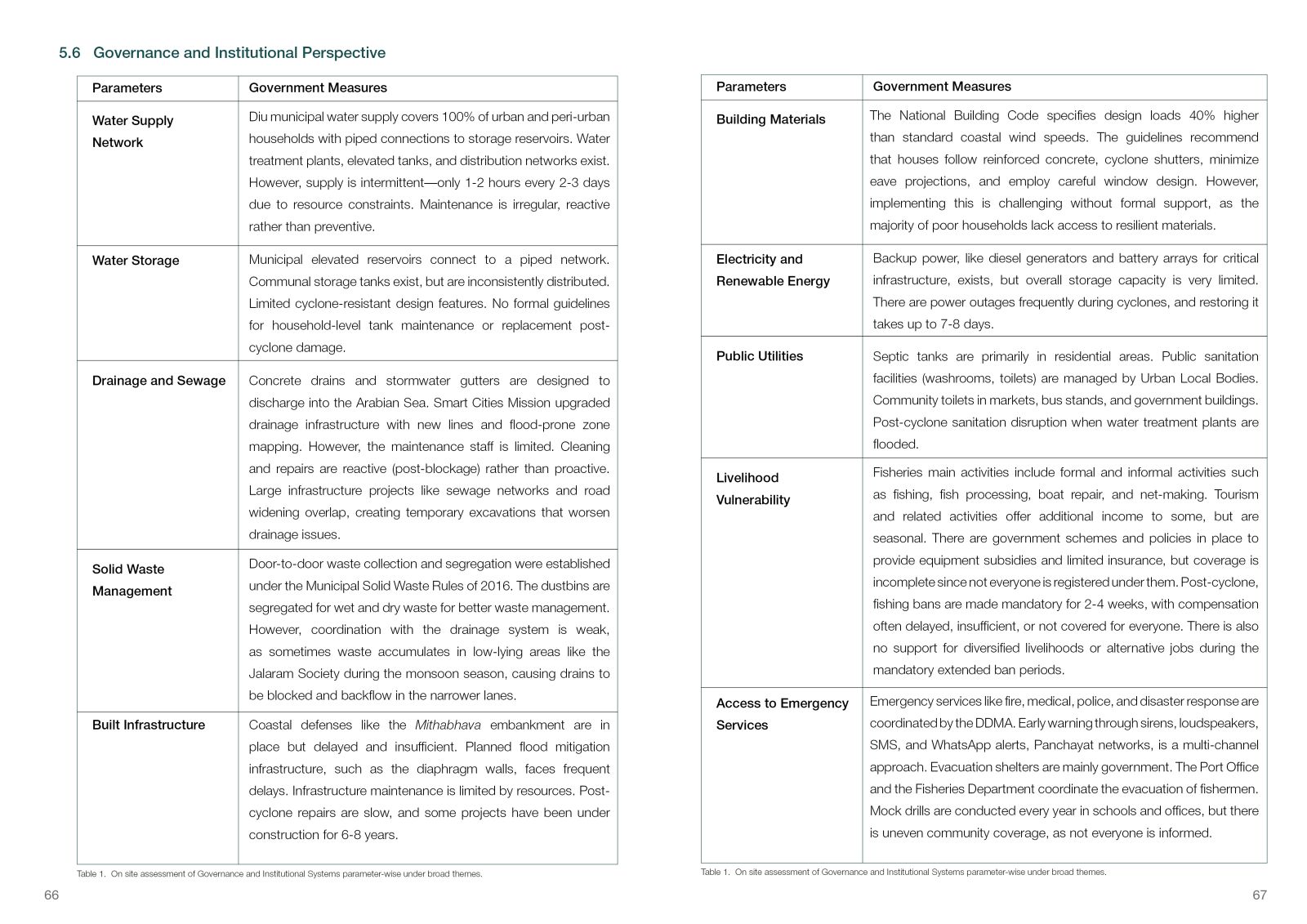
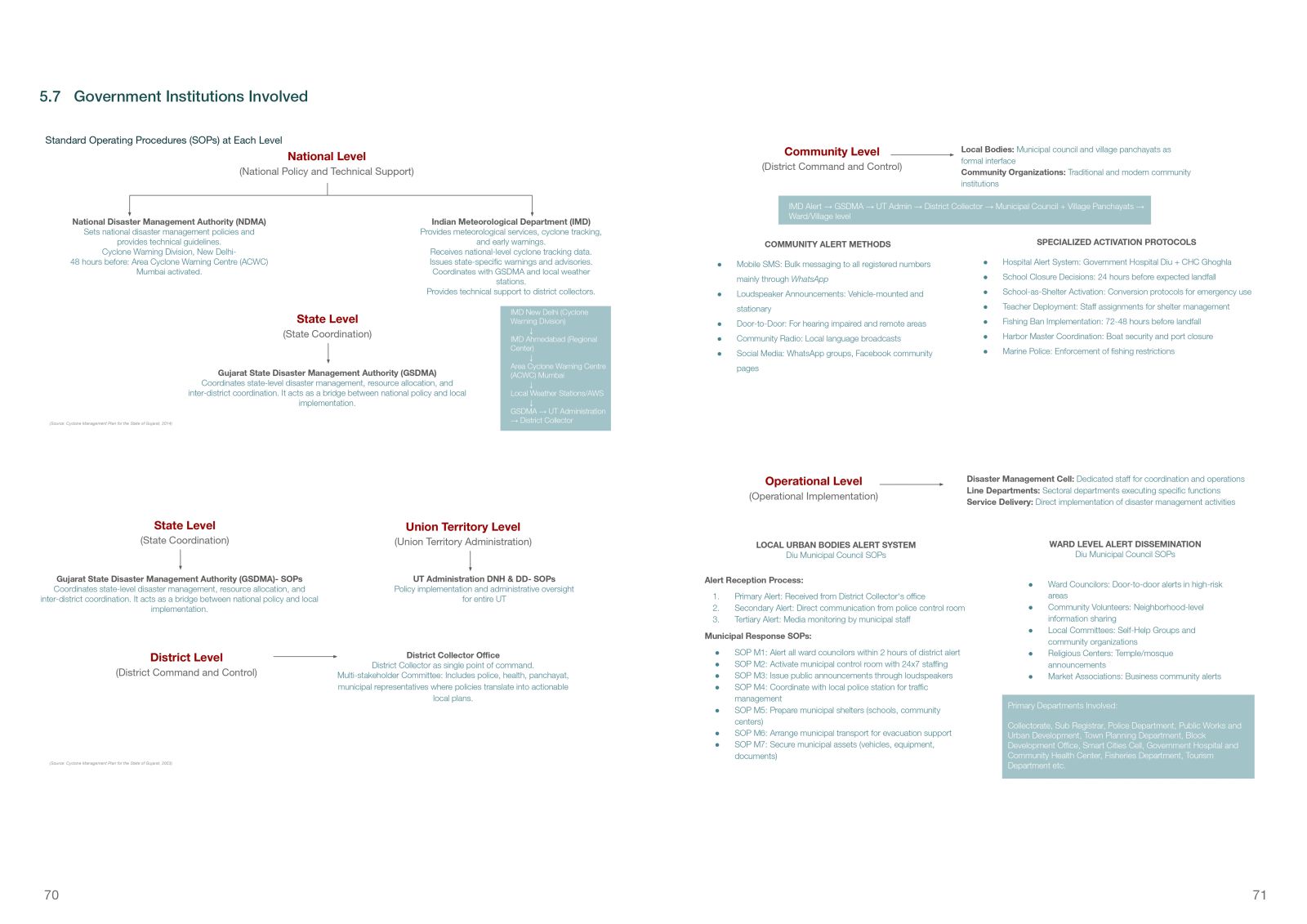
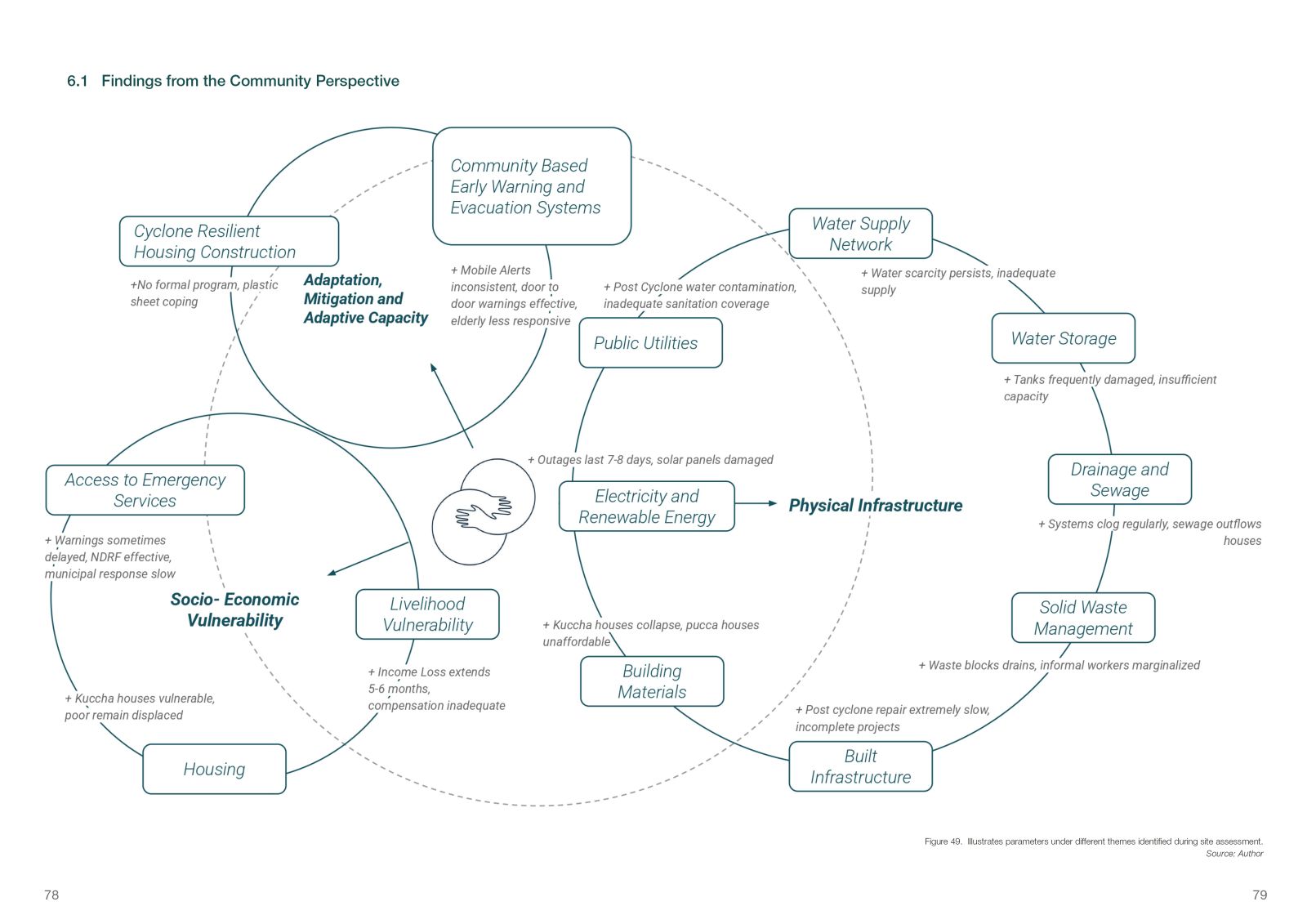
In light of extreme weather events in recent years, driven by climate change, building while understanding resilience across communities and ecosystems is an urgent need. Coastal settlements along the western coast of India have faced escalating climate risks. Small islands like Diu are experiencing heightened ecological and socio-economic vulnerability to disasters, such as cyclones. In 2021, Cyclone Tauktae had a devastating impact on the territory, generating 3- 4 meter storm surges and causing extensive infrastructure damage. Following this, there is an urgent need to understand how local communities perceive and respond to such climate threats. While global climate projections may provide broad hazard assessments, their translation into locally relevant risk assessments often overlooks community-specific vulnerabilities and their adaptive capacities. This exploratory study employs a systematic qualitative methods approach to examine climate resilience factors in Diu’s coastal village of Vanakbara, combining a comprehensive literature review and secondary data analysis. Primary data is collected through interviews, focus group discussions and field observations to explore both governance and community perspectives of cyclone risk perception and management. Initial findings from the site assessment suggest complex interactions between physical climate and socio-ecological vulnerabilities, indicating that local risk perceptions demonstrate a sophisticated understanding of climate change, while the governance side works parallel with different priorities, which may or may not align. The results will aim to demonstrate climate resilience as a community-driven system integrating formal governance policies with traditional ecological knowledge. Additionally, this initiative has the potential to enhance adaptive capacity to environmental change and contribute valuable knowledge for participatory climate planning in small coastal communities.
View Additional Work