Your browser is out-of-date!
For a richer surfing experience on our website, please update your browser. Update my browser now!
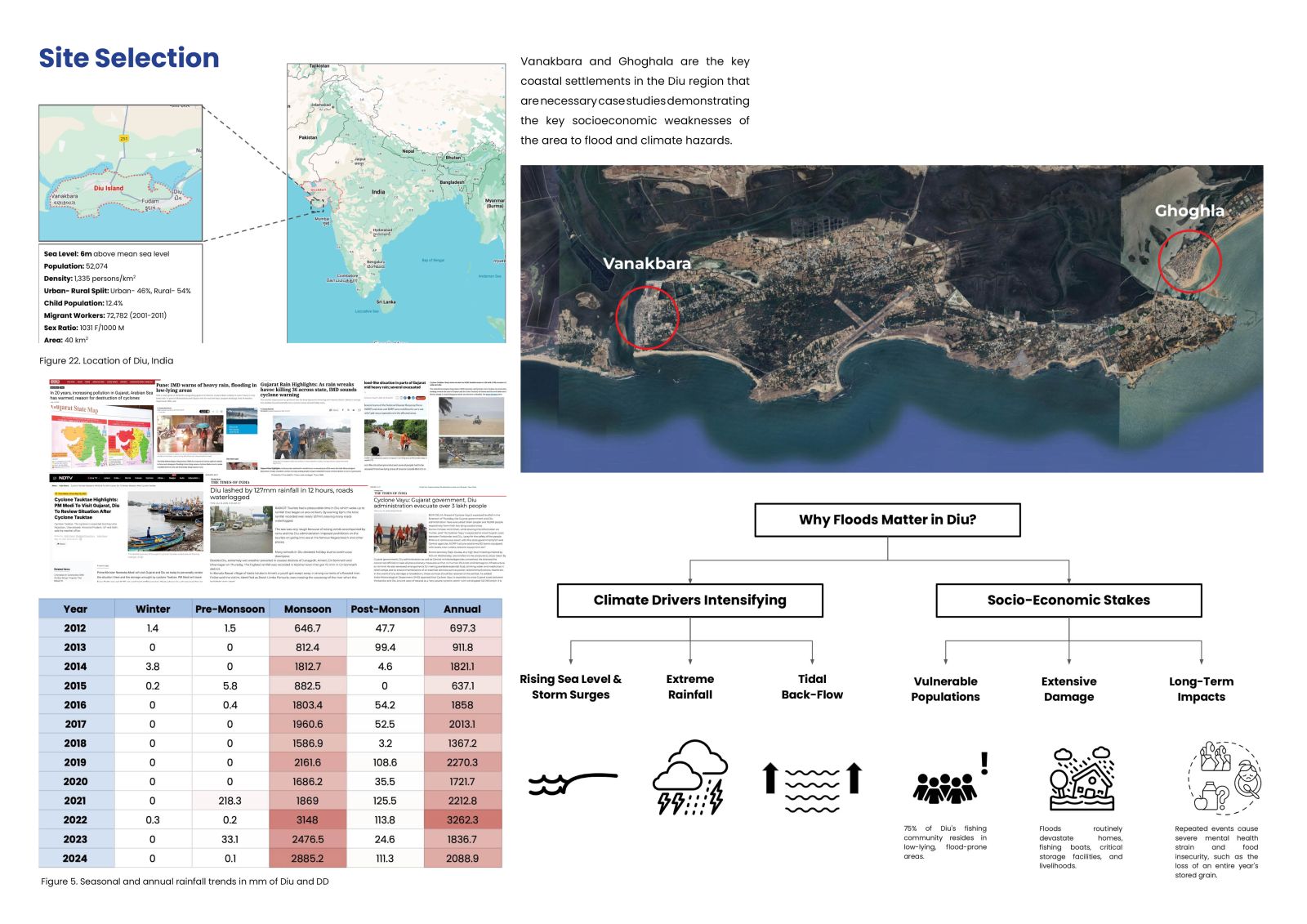
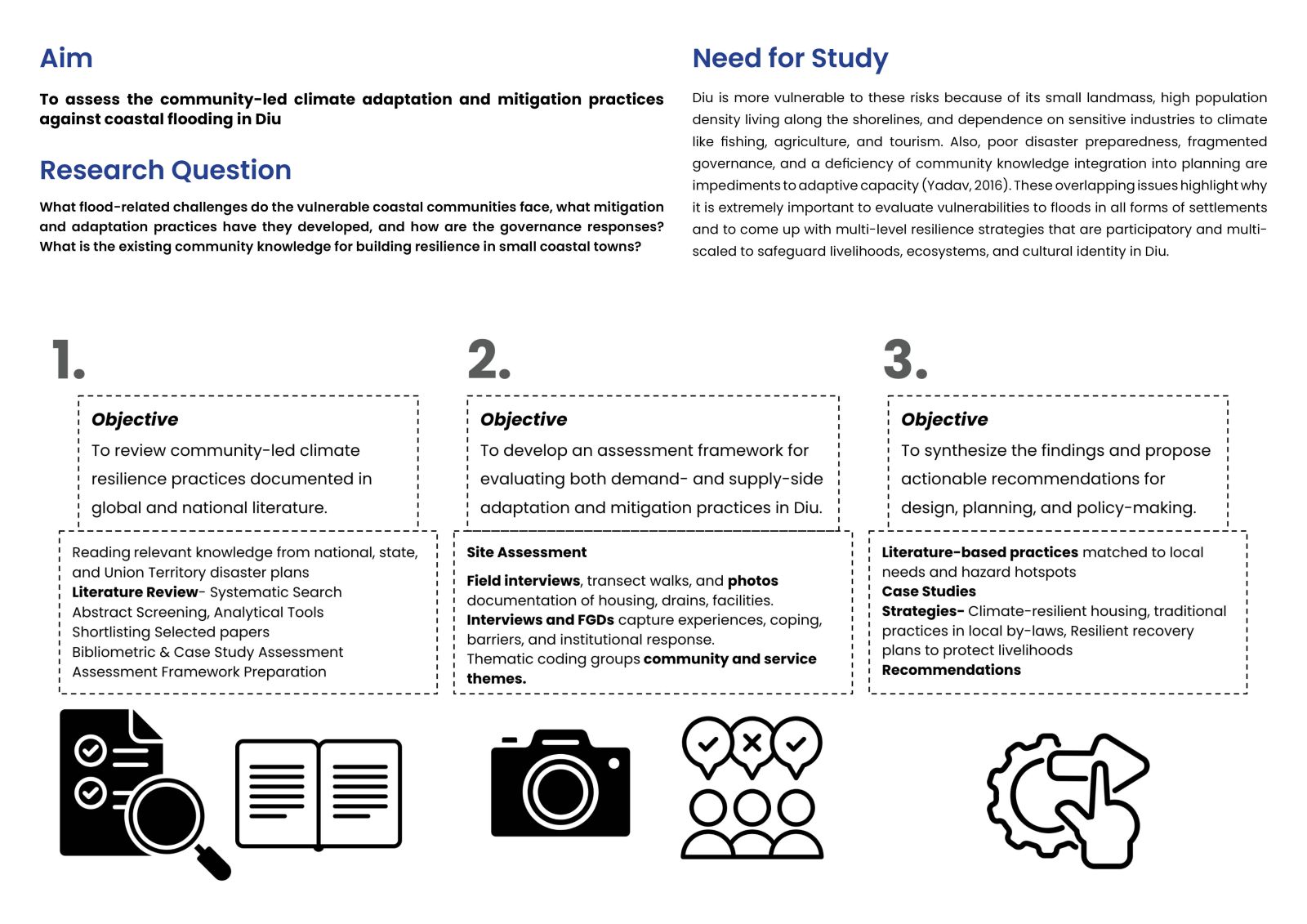
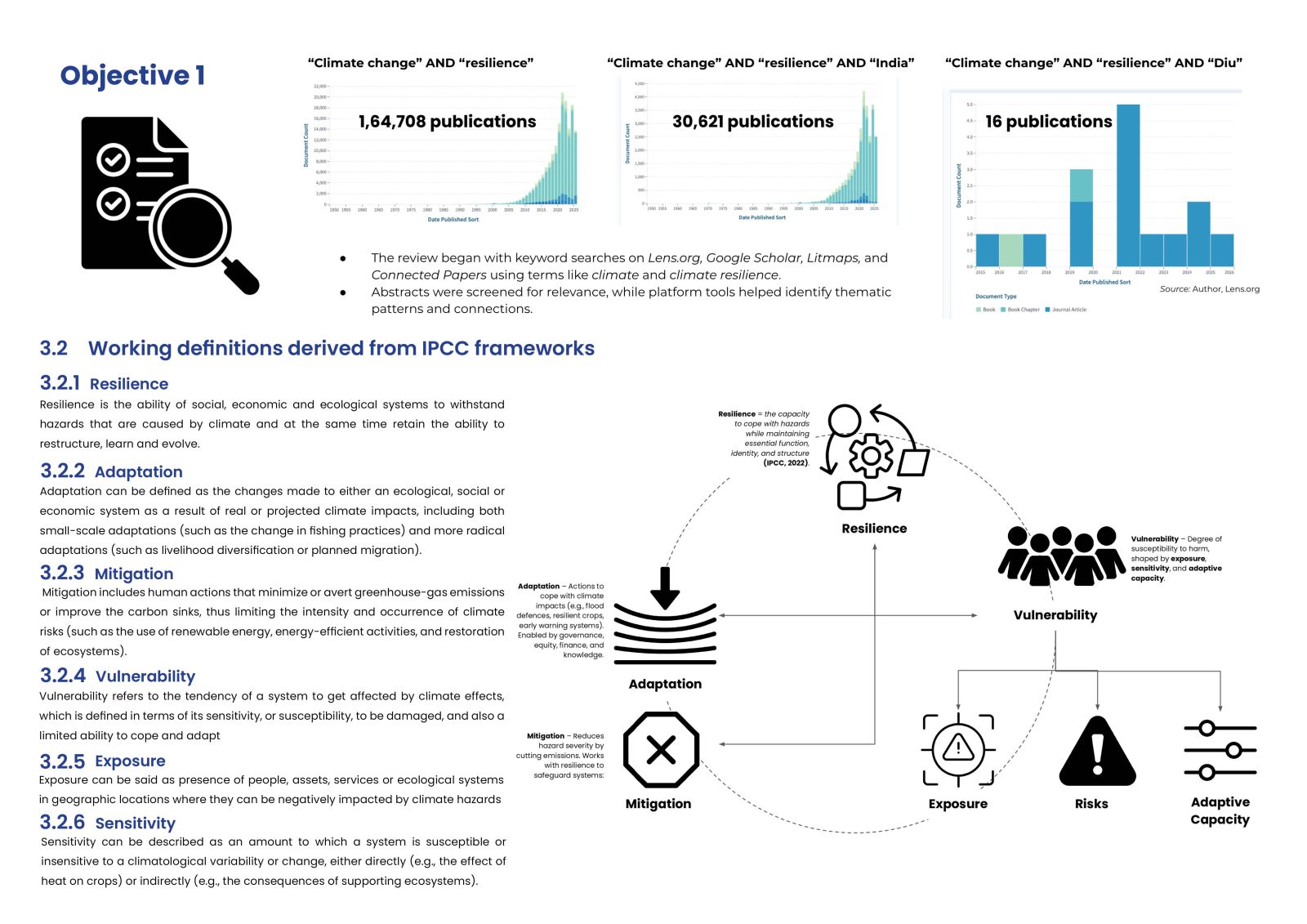
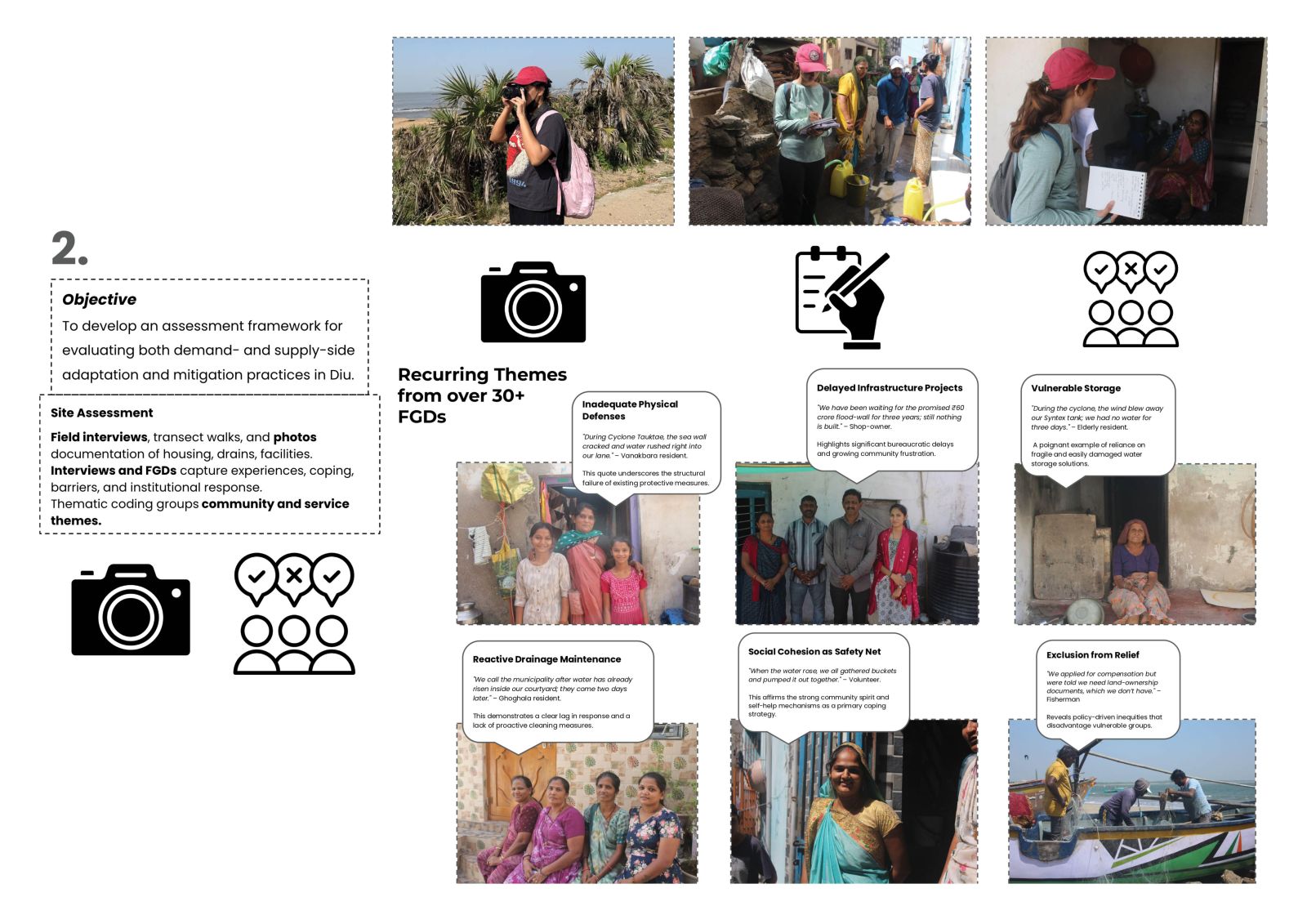
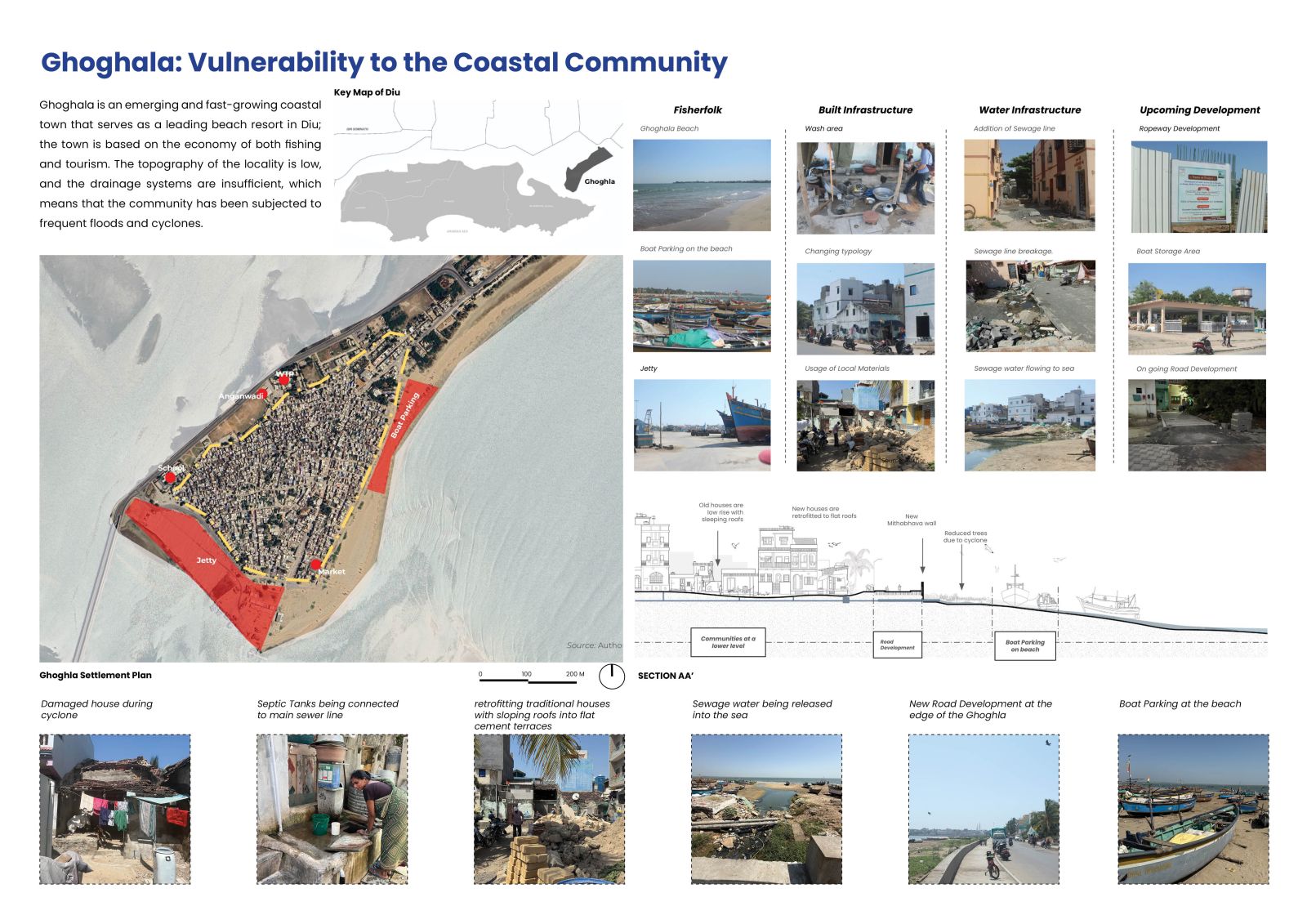
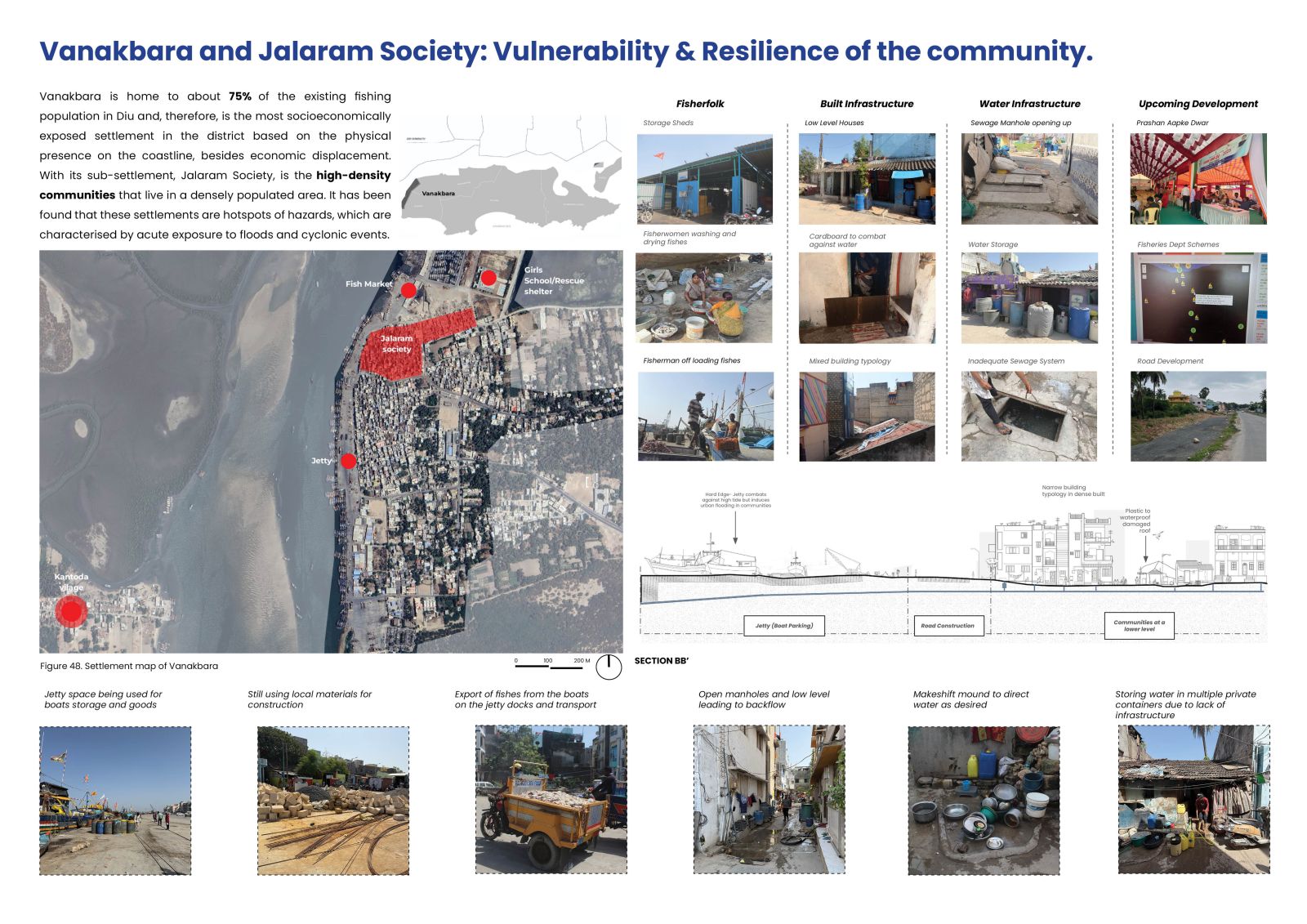
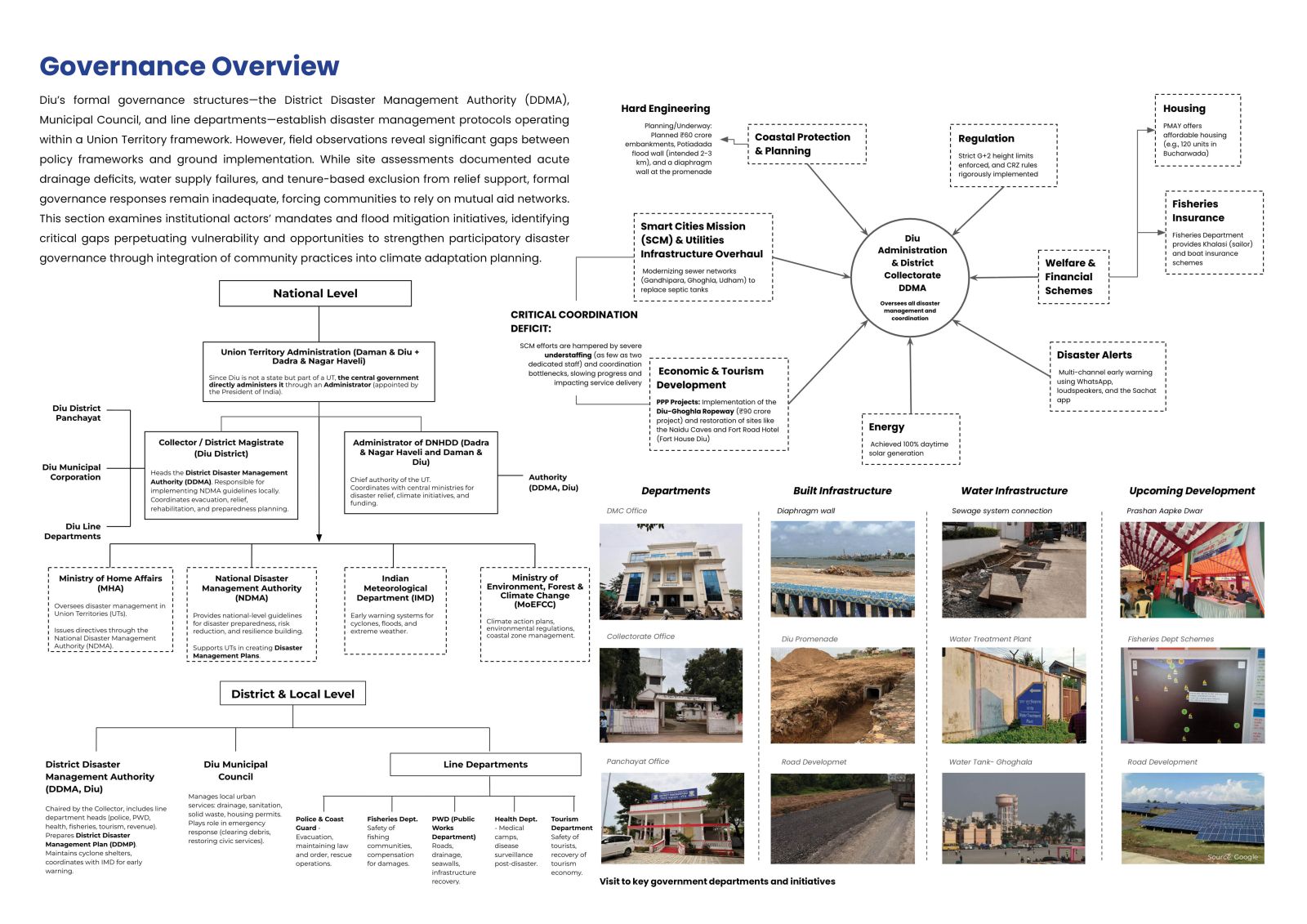
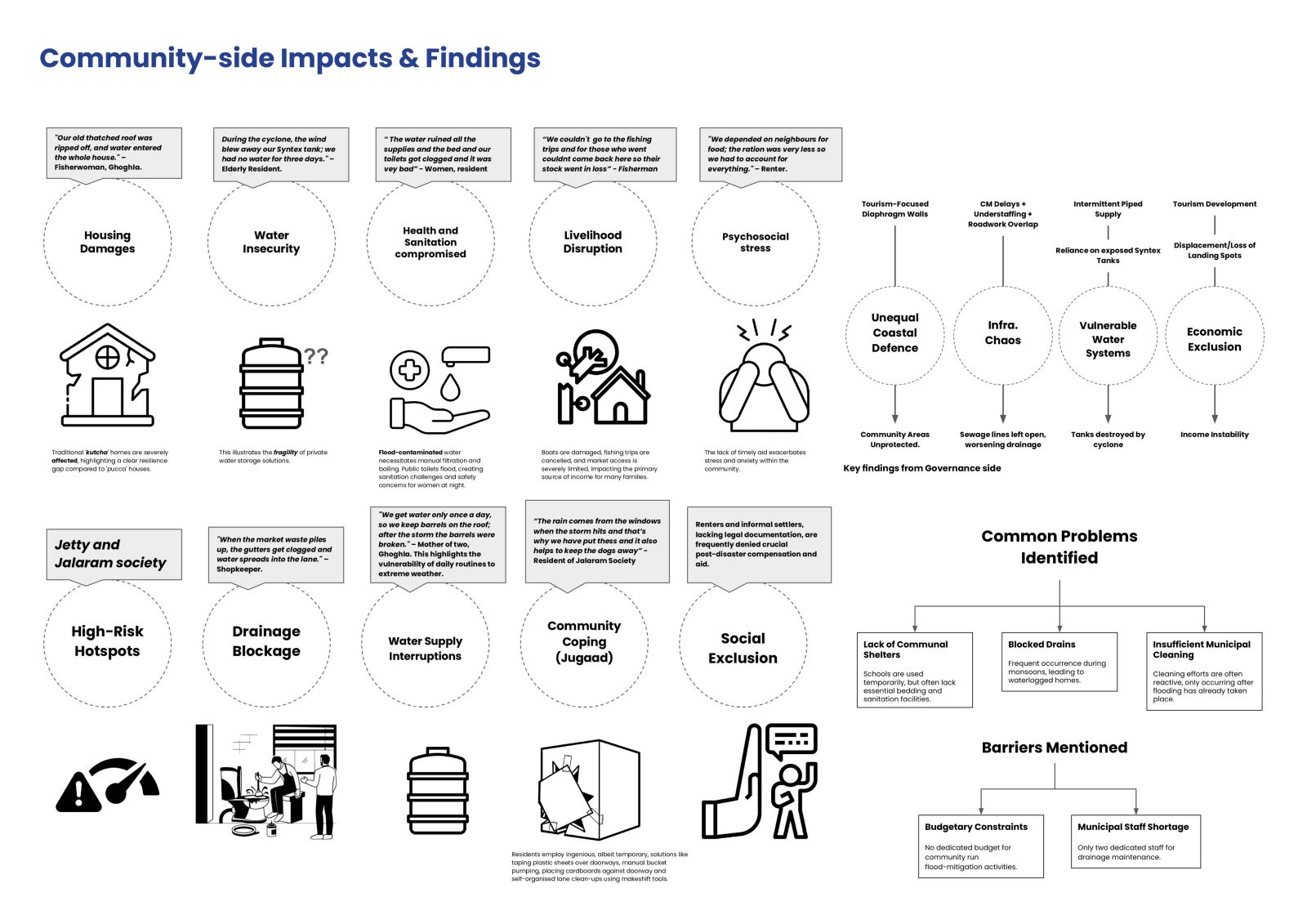
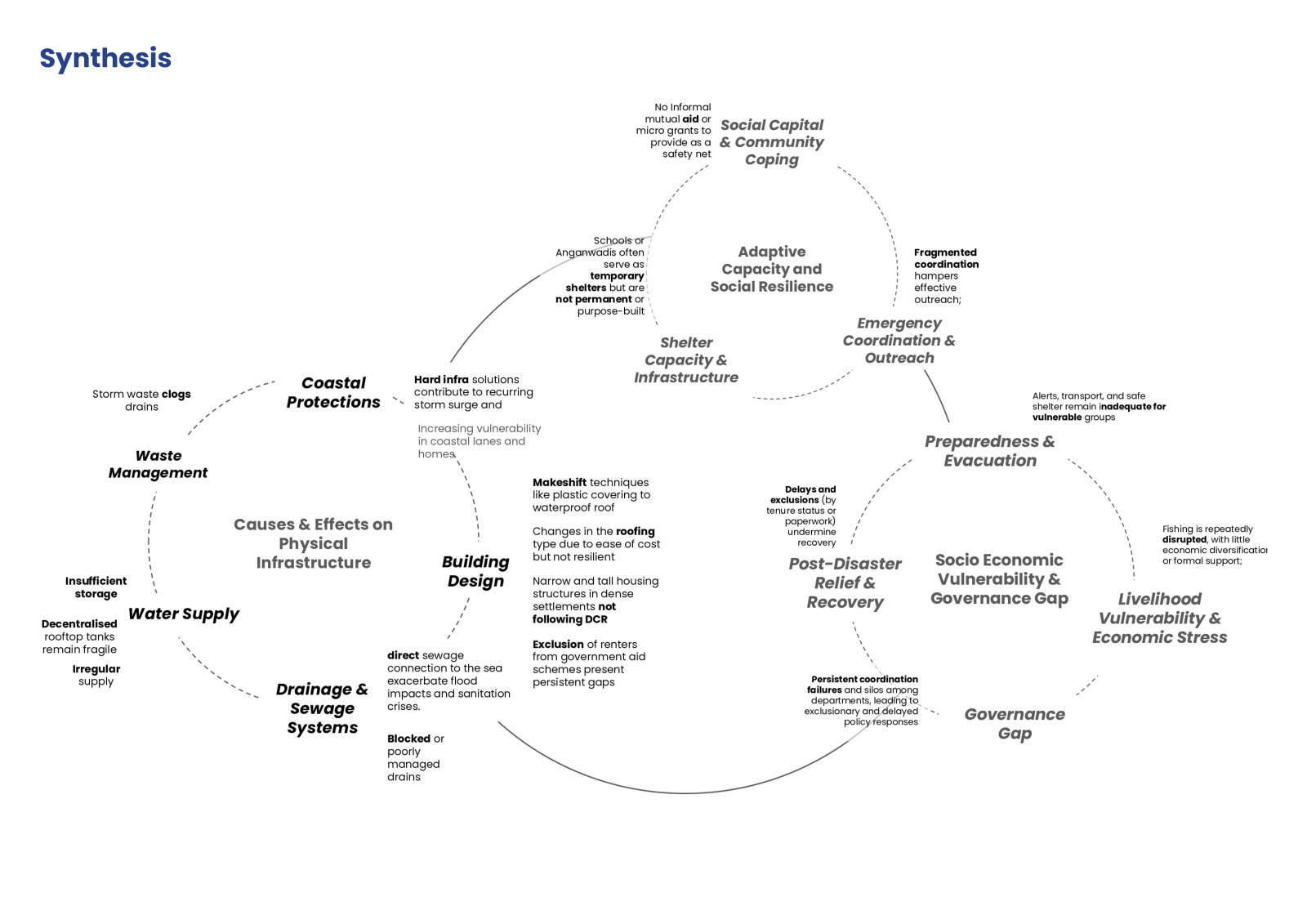
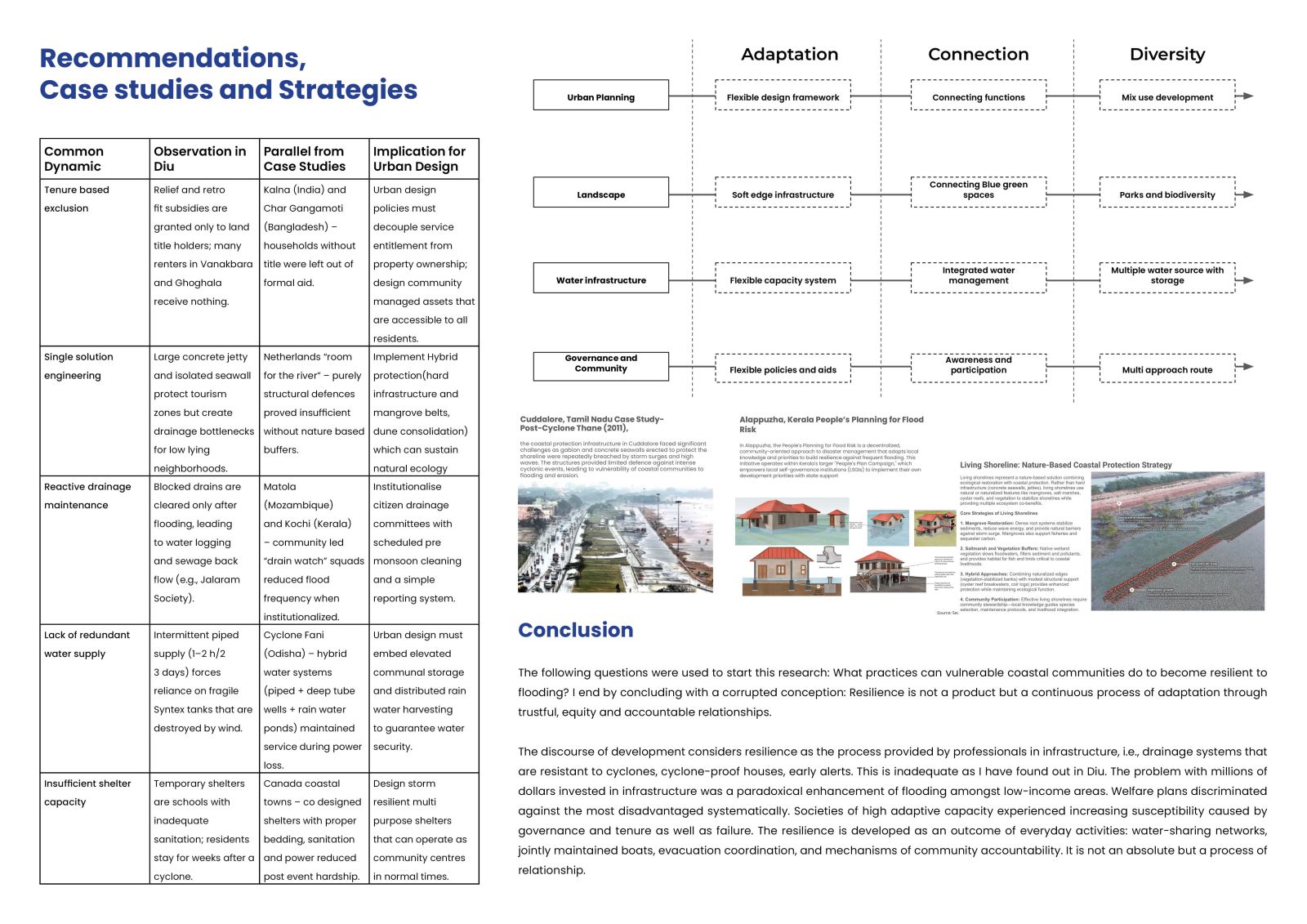
The concept of climate resilience has become widely accepted over the world, and its definition has vast differences in terms of the way it is perceived across different regions. The local understanding of resilience to climate hazards in India is required because of various geographical and socioeconomic settings. The small coastal town of Diu, in western India, is frequently struck by cyclones, floods, and tidal waves whose impact is more disproportionately seen on the fishing communities, tourism-reliant individuals as well as those living in low-lying settlements. In this qualitative field research, Vanakbara and Ghoghala are two villages, which are highly vulnerable to floods and cyclones because of their geographical location and reliance on fishing and informal livelihood. The study utilizes transect walks, photographic records, focus group discussions and semi-structured interviews with members of the community and the government. Community narrative thematic coding is coupled with spatial mapping of flood-prone communities to both represent community demands and governance actions. The results indicate that the most vulnerable groups in Vanakbara and Ghoghala such as fisherfolk, informal employees, migrants, and low-lying residents are at compound risk due to their weak livelihoods, poor housing, and poor infrastructure. Although formal governance systems have procedures of disaster management, to ensure preparedness and response, there are serious gaps in the inter-agency coordination, community communication and integration of resilience over the long-term. At the same time, communities use traditional wisdom, social networks, and grassroots efforts evacuation networks, informal upgrades to housing, mutual assistance, and supplement institutional processes and make populations less vulnerable. Such practices unveil opportunities to bring resilience in the field of spatial planning and urban design, by involving communities. The paper highlights that there is an urgent necessity to merge global climate resilience systems and locally-based community practices. Formal governance offers fundamental framework and resources but community-based adaptation is critical towards effective and sustainable resilience. Solutions are offered to enhance the participatory approach to disaster governance and integrate community practices into long-term climate adaptation planning. Keywords: climate resilience, coastal flooding, vulnerability, community-based adaptation, disaster governance, Diu.
View Additional Work