Your browser is out-of-date!
For a richer surfing experience on our website, please update your browser. Update my browser now!
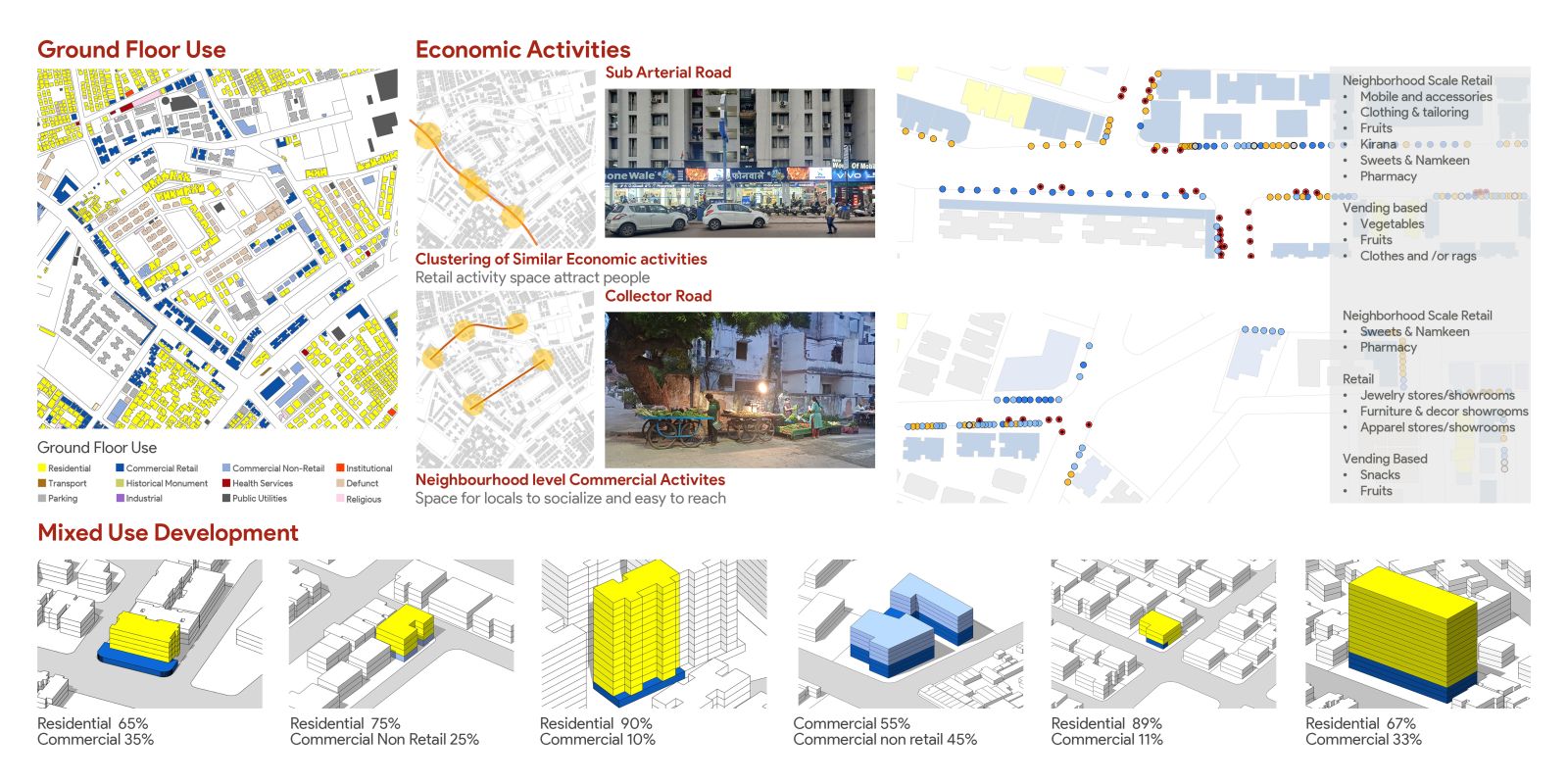
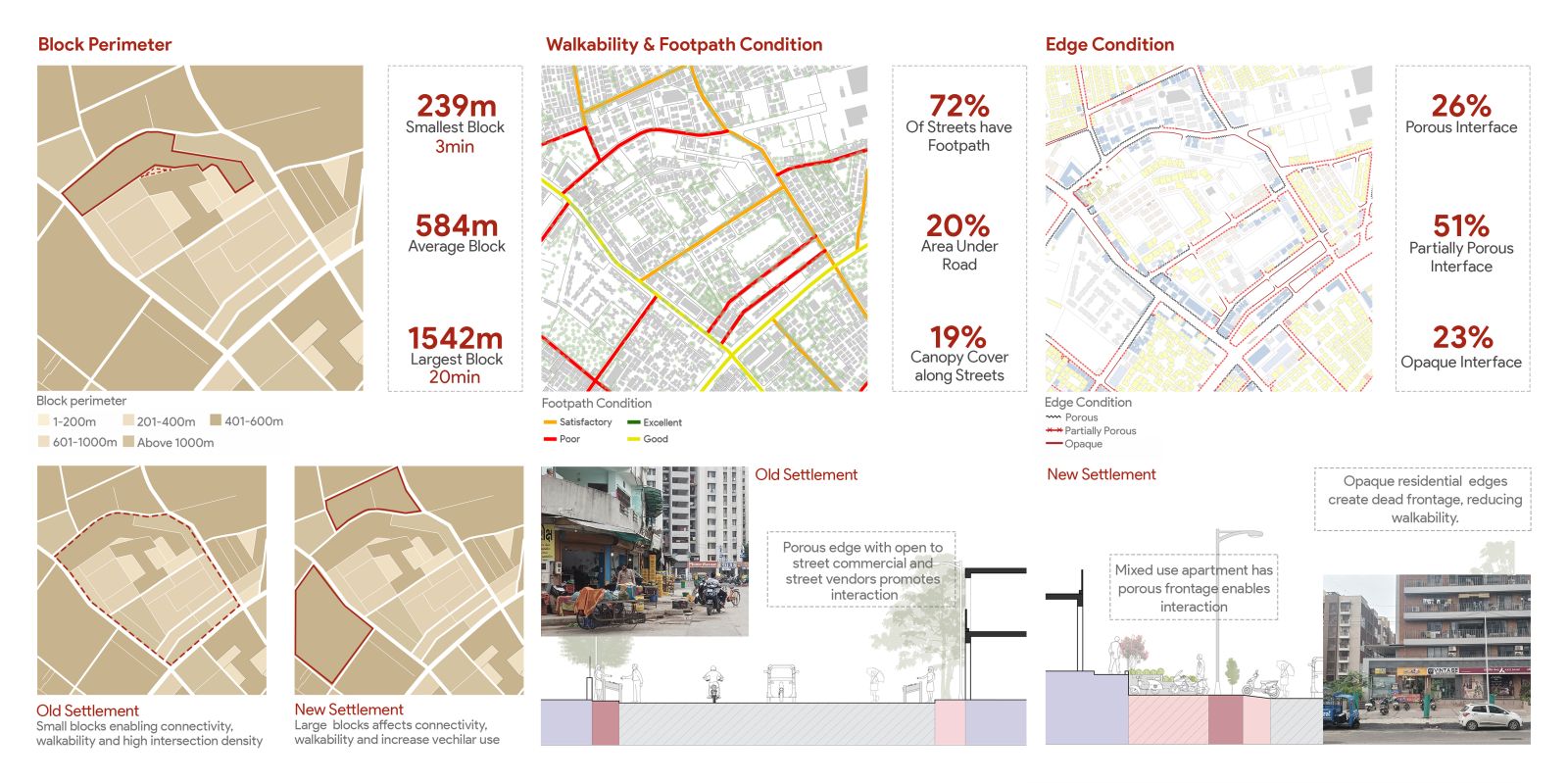
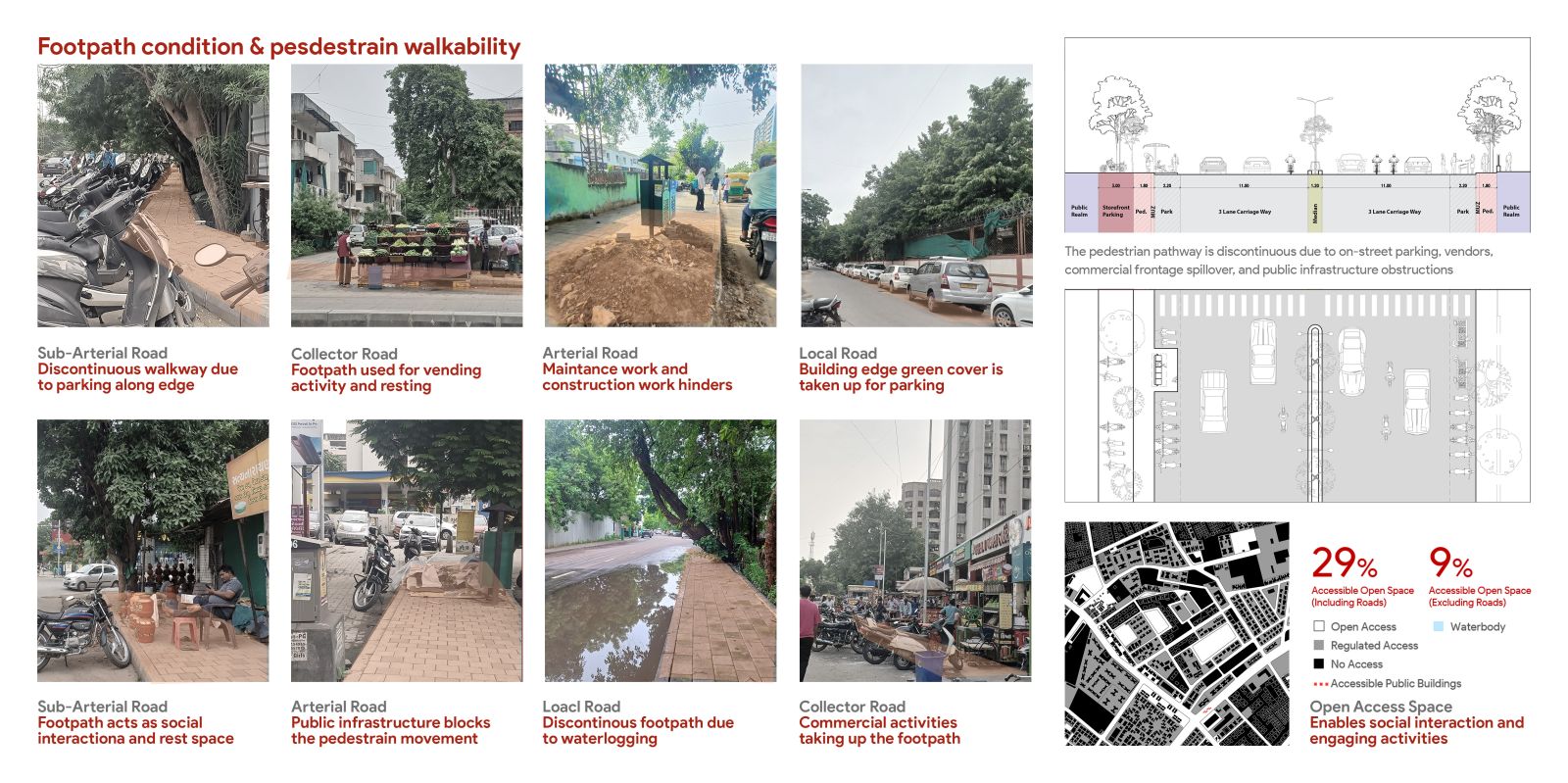
Shastri Nagar shows that the vitality and resilience of cities emerge not only from formal planning or infrastructure but from the subtle, everyday adaptations of residents within their built environment. The older precinct demonstrates how fine-grained, porous streets and flexible building forms allow informal economic activity, social interaction, and incremental change to thrive, creating streets that are both socially vibrant and economically productive. Planning policies, when applied with nuance such as R1 zoning or selective code enforcement, can support these processes, whereas rigid, prescriptive frameworks in newer extensions tend to suppress them. The broader lesson is that urban transformation is an ongoing negotiation between people, space, and governance. Future city planning should prioritise adaptability, human-scale design, and the creation of “grey spaces” where informal practices can coexist with formal regulation. Shastri Nagar shows that cities are most dynamic when their form enables experimentation, fosters inclusion, and accommodates the evolving rhythms of everyday life.