Your browser is out-of-date!
For a richer surfing experience on our website, please update your browser. Update my browser now!
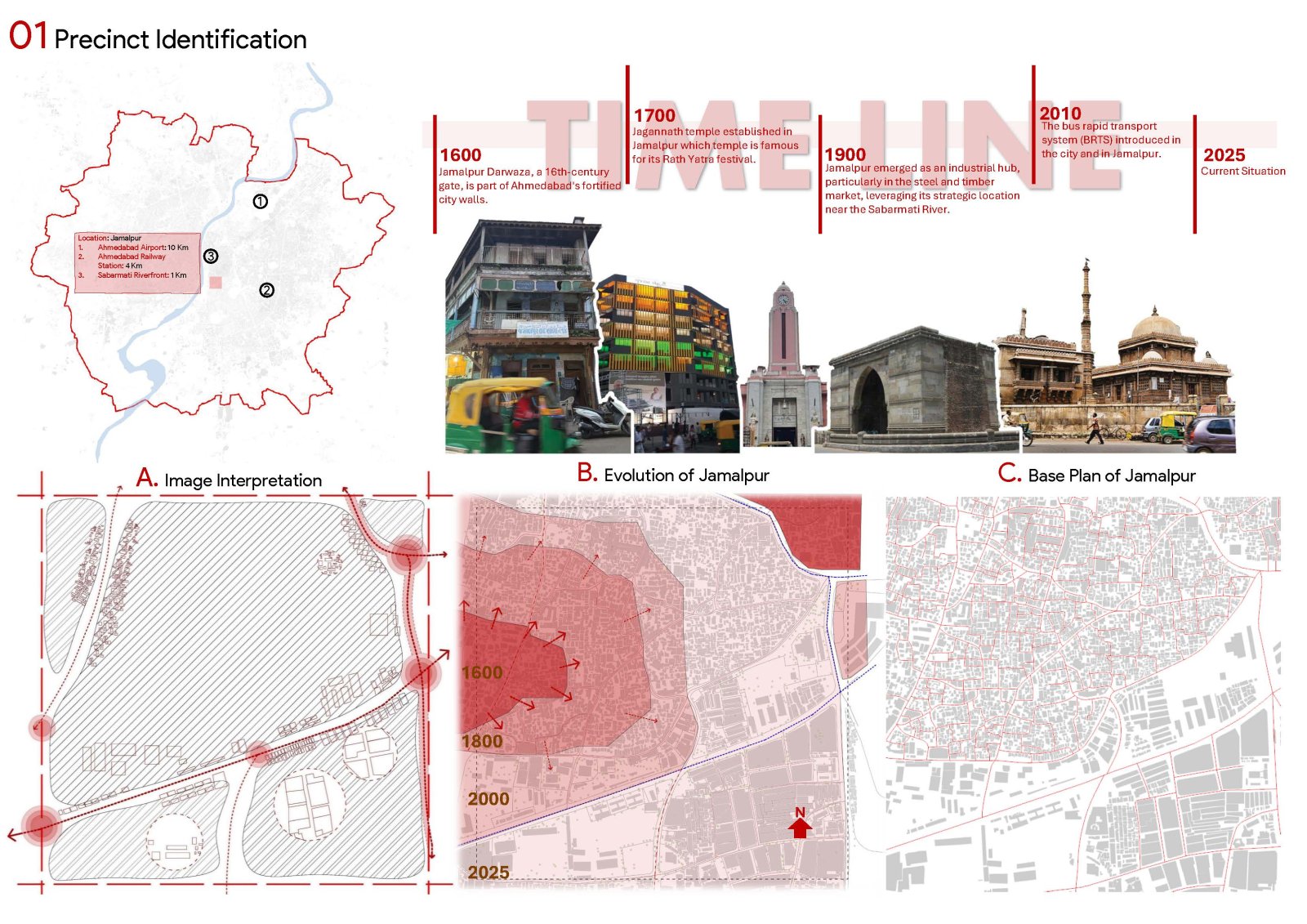
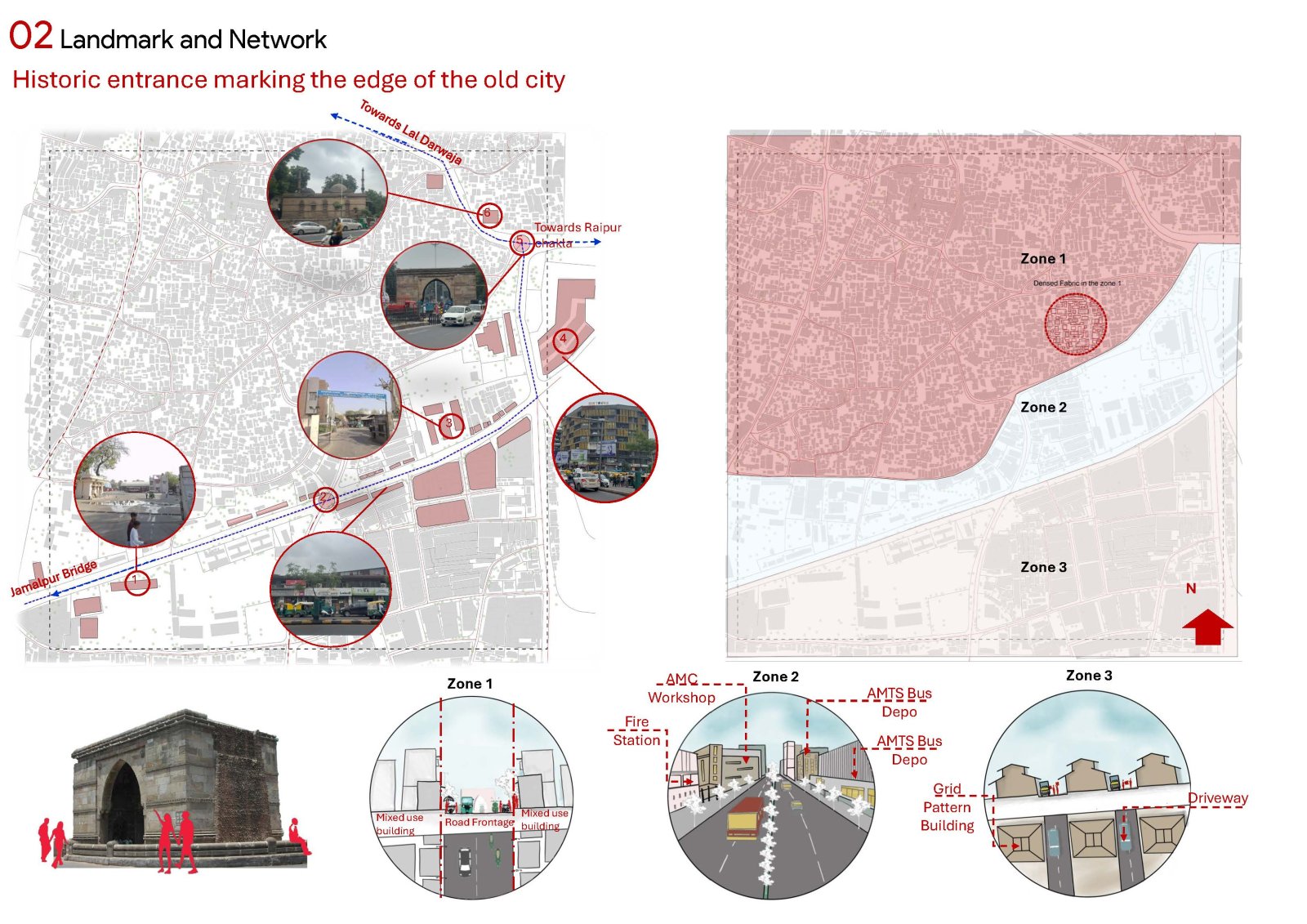
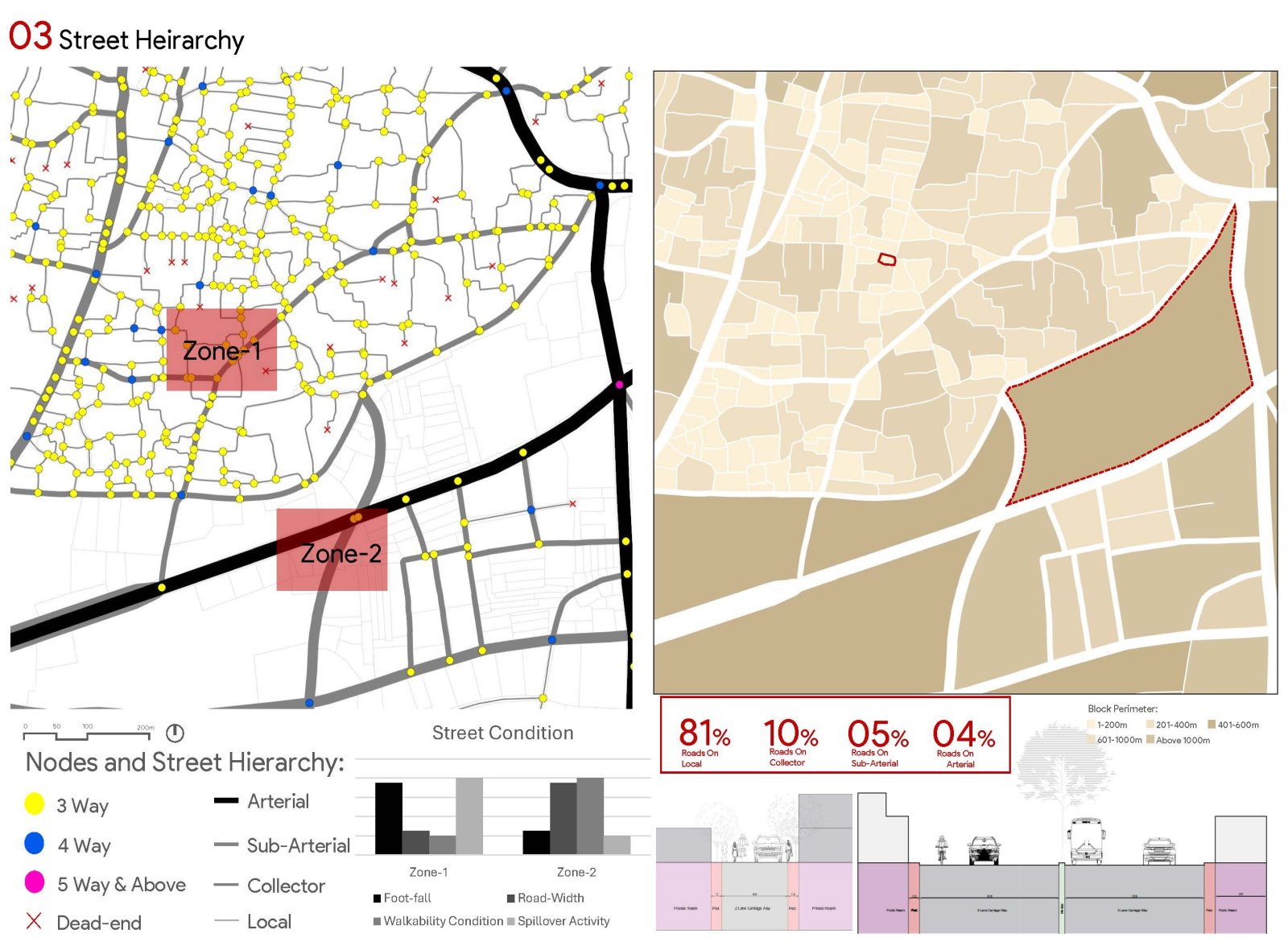
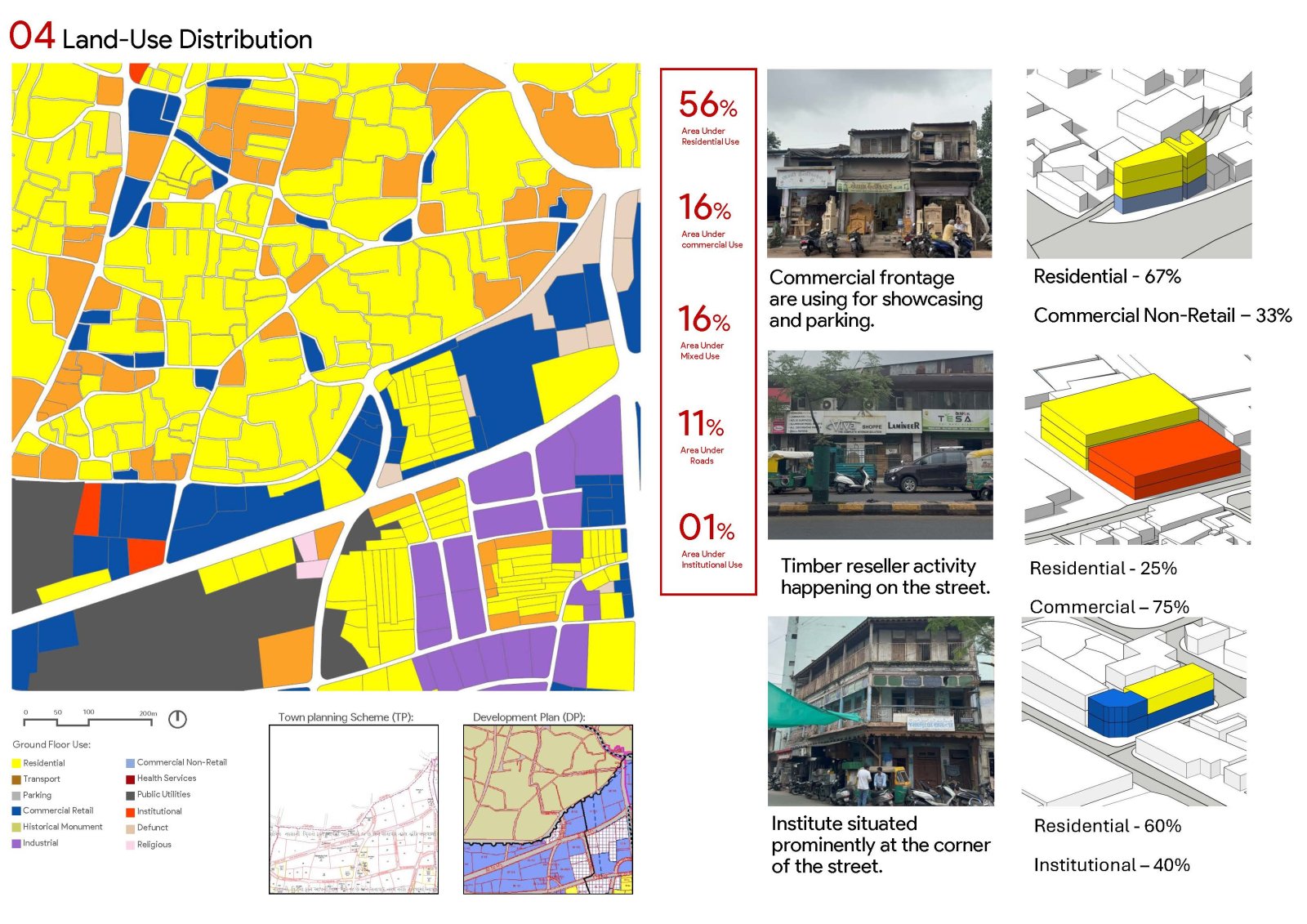
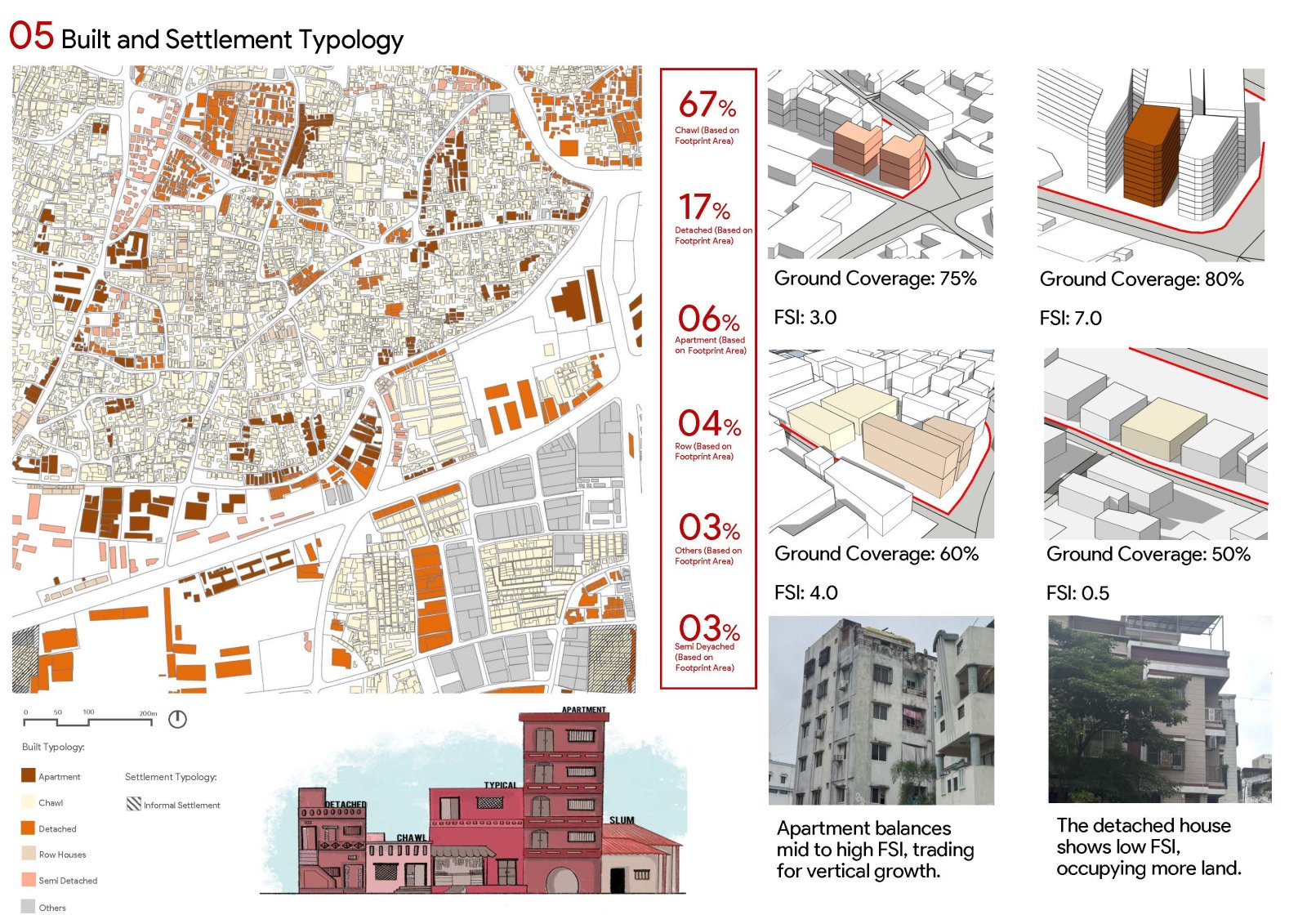
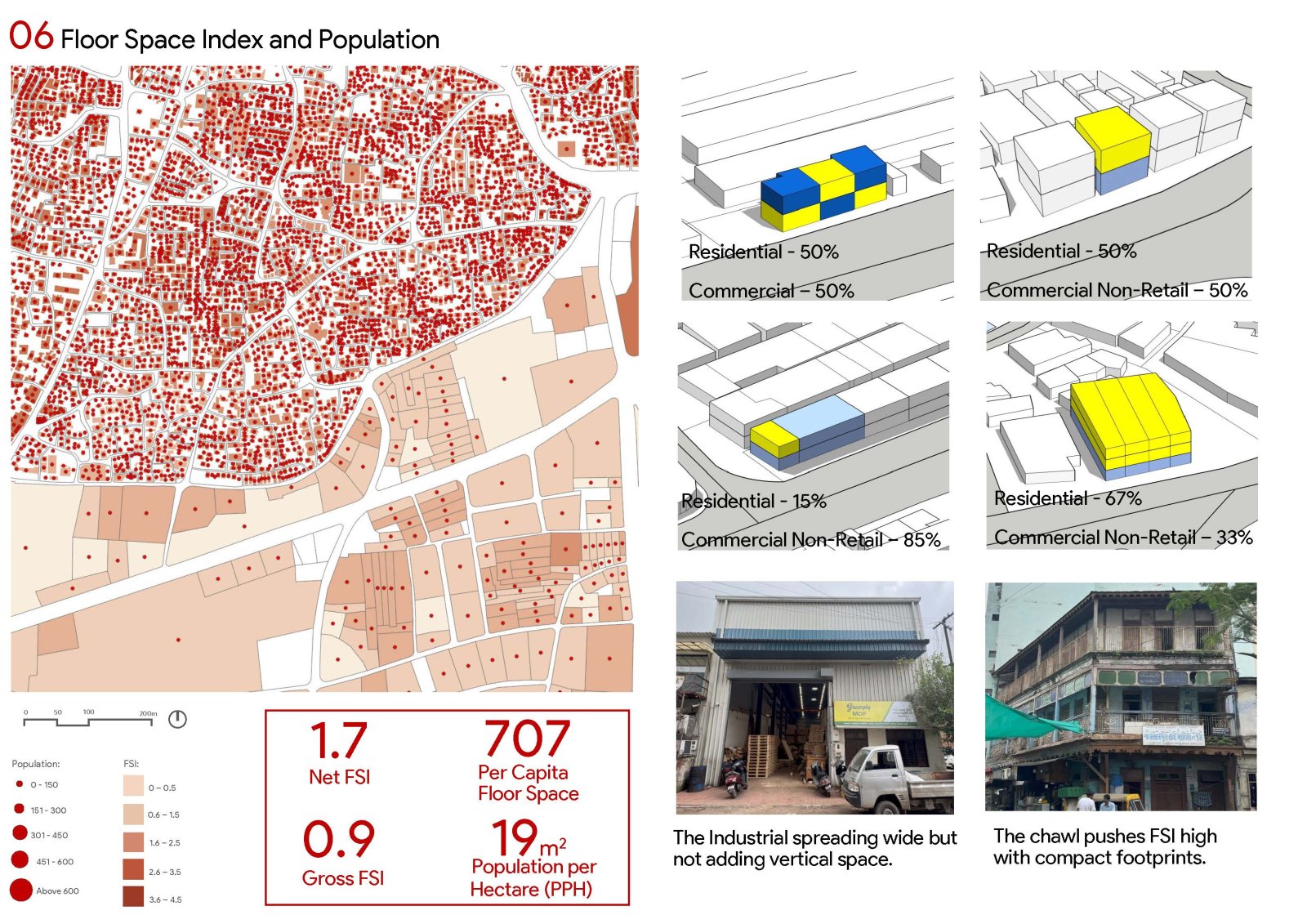
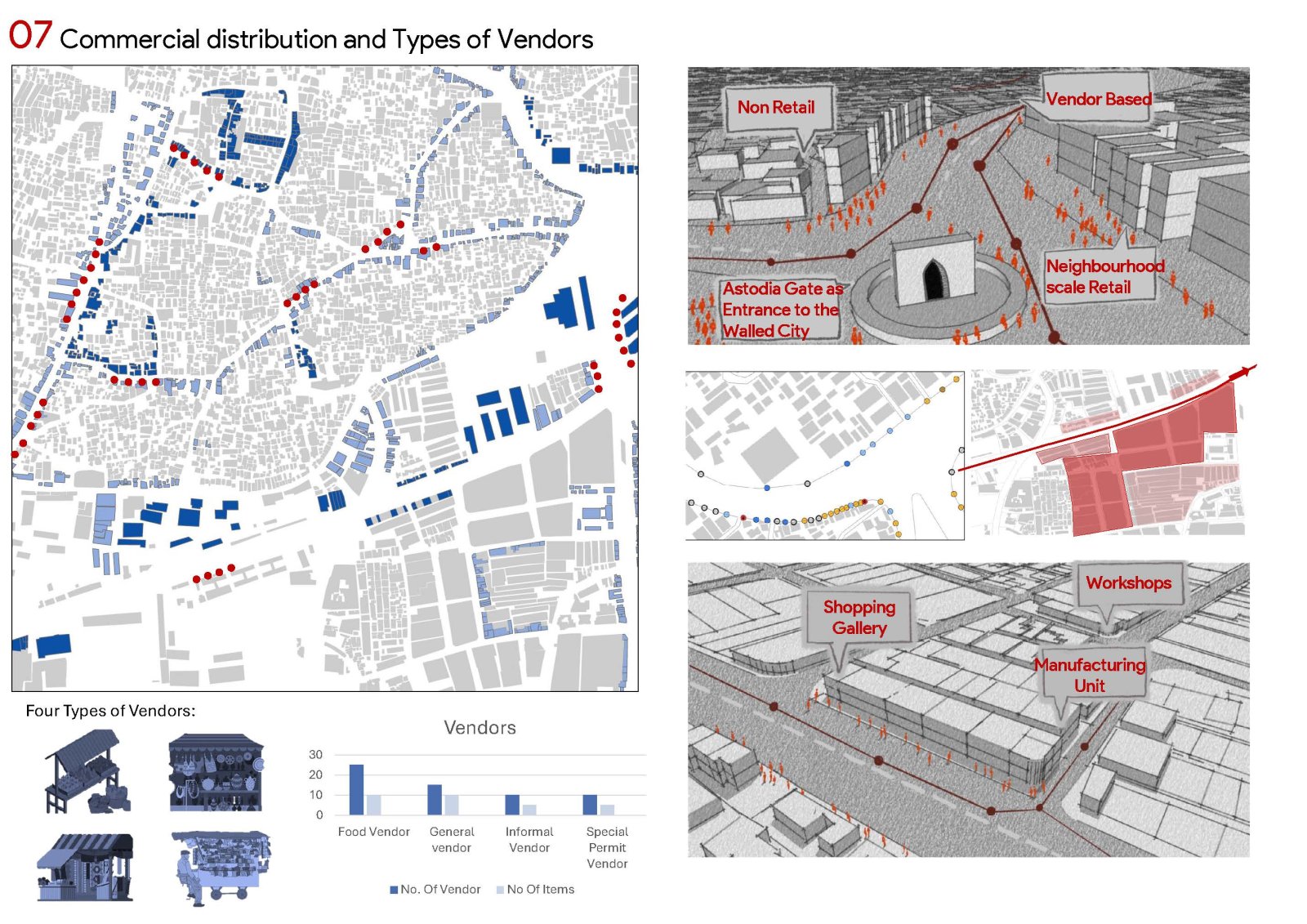
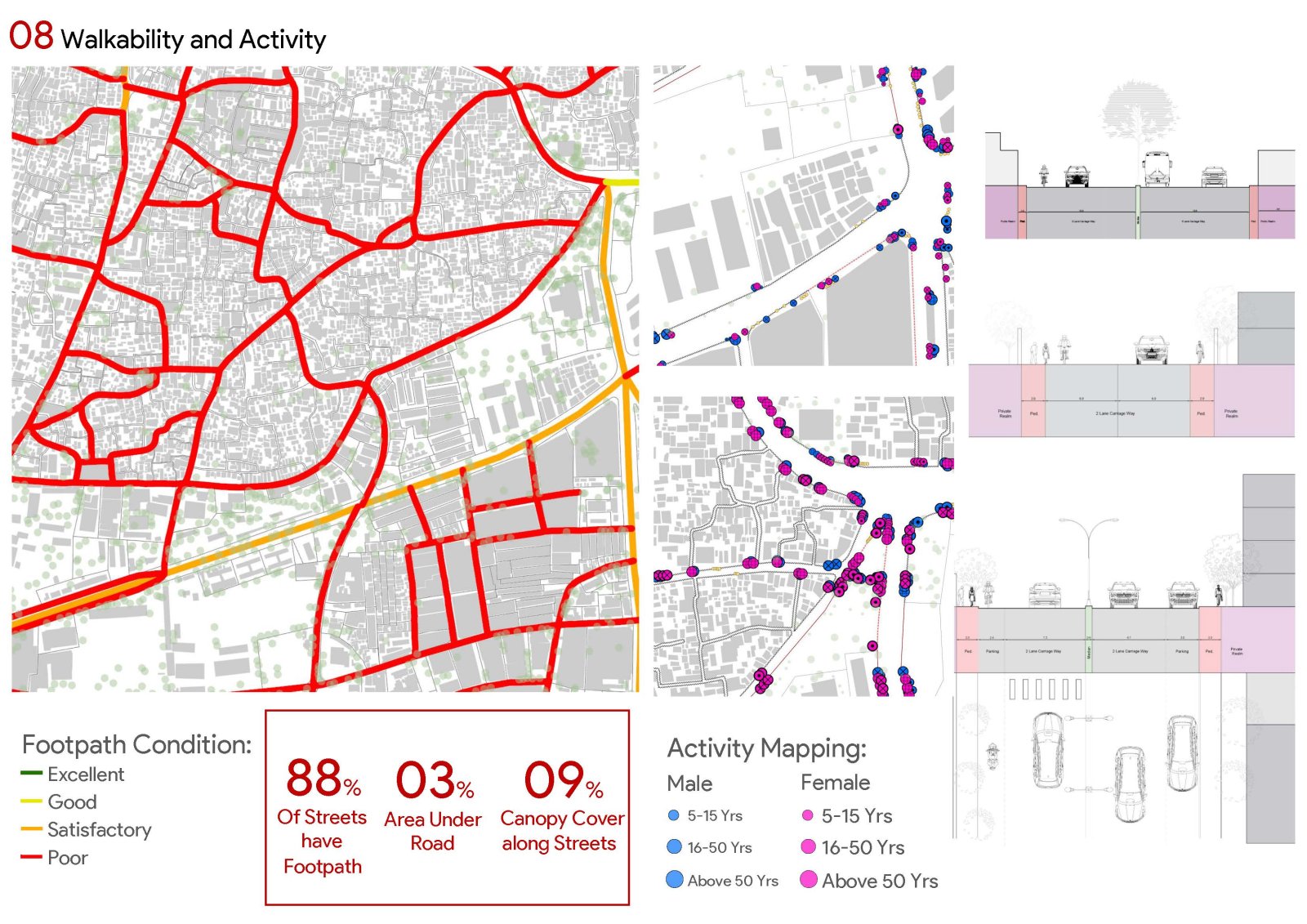
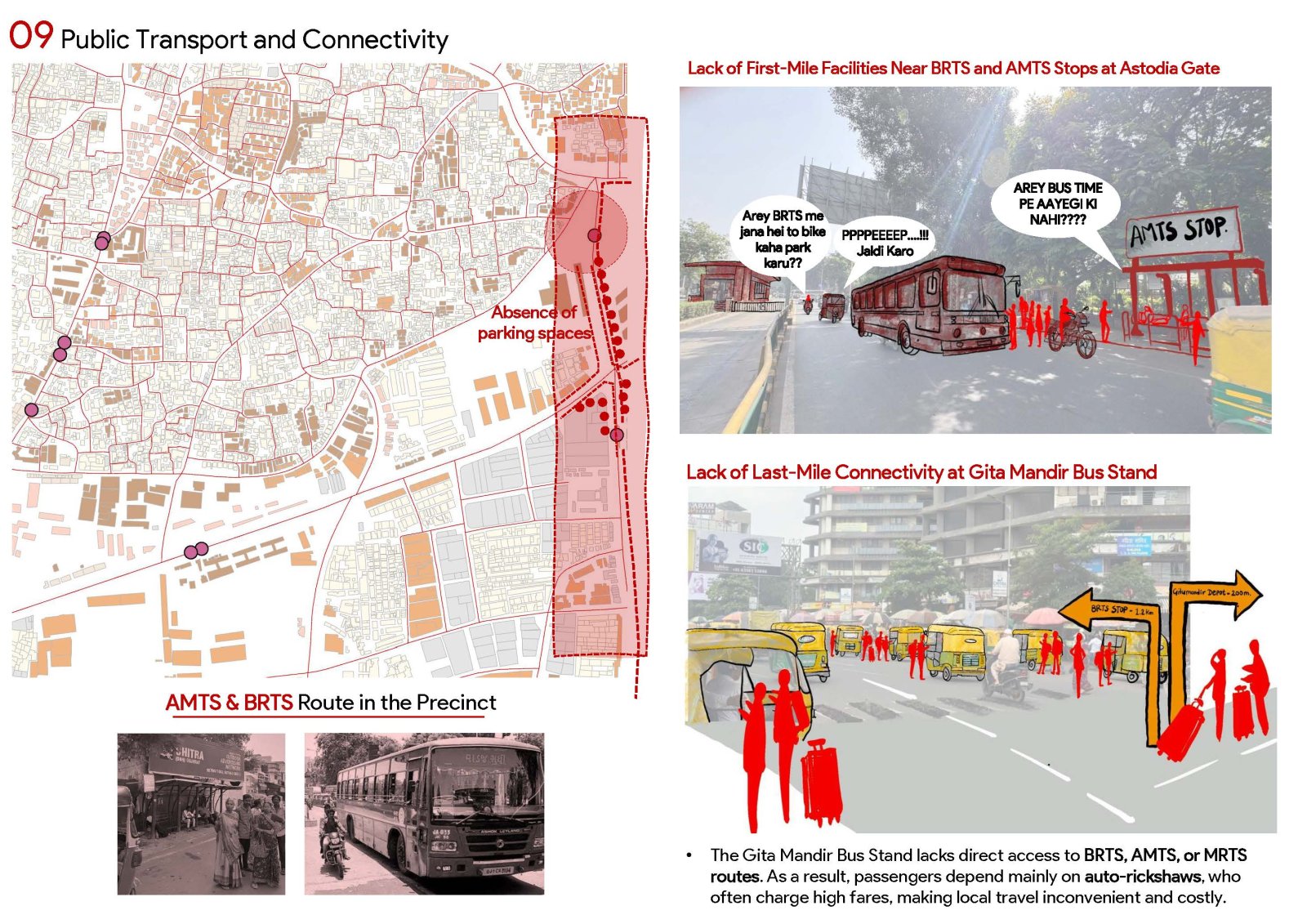
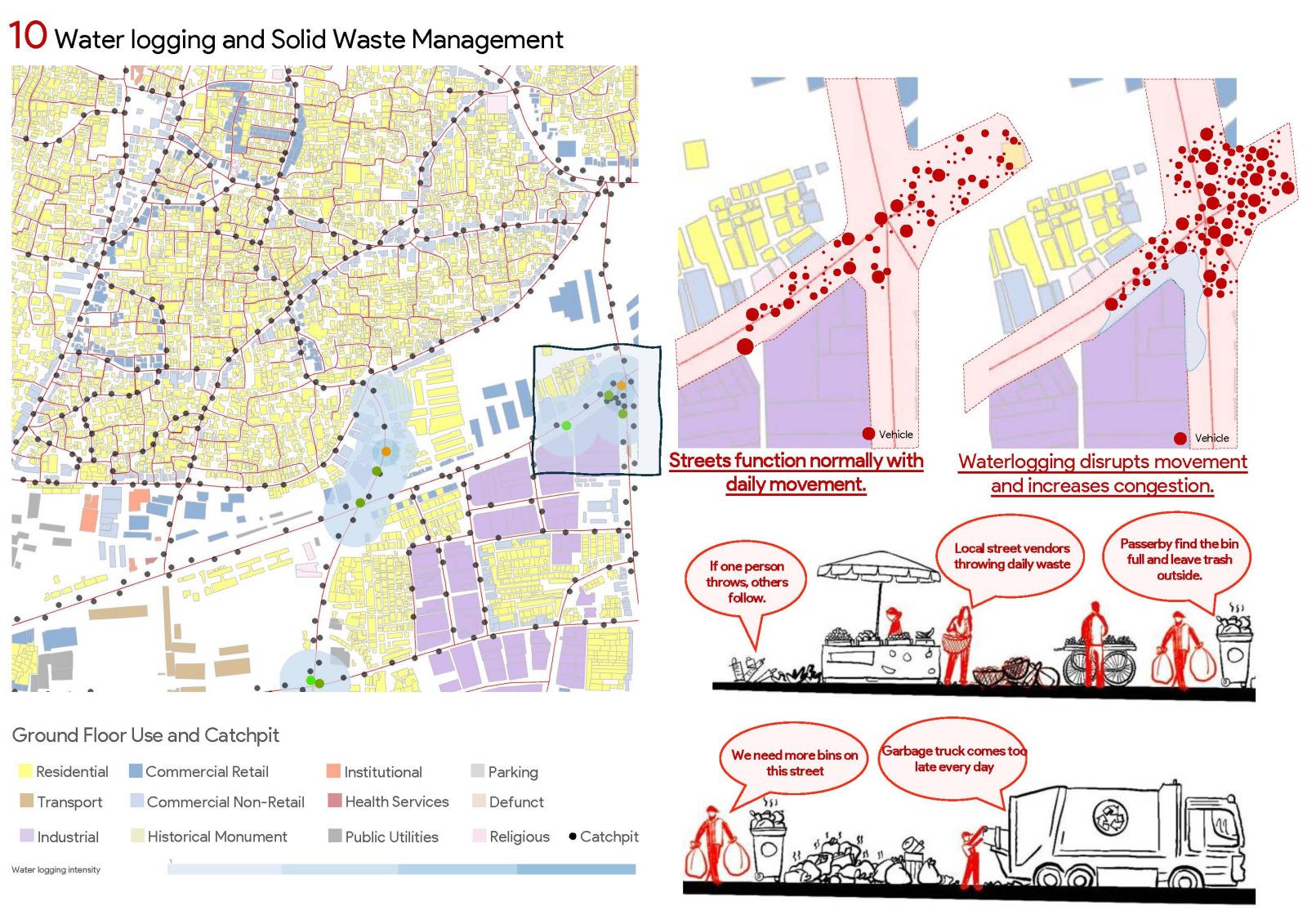
Jamalpur is a neighborhood shaped by everyday life, shared spaces, and long-standing social and economic relationships. The study focuses on understanding how people interact with their surroundings and how the built form supports or challenges daily movement, work, and living conditions. By observing routines, public life, mobility patterns, and community structures, the project reflects how the area functions beyond physical boundaries. The aim is to recognize Jamalpur not only as a place on a map, but as a living system influenced by history, behavior, accessibility, and collective use. The study offers a grounded understanding of how the neighborhood works and why it matters.