Your browser is out-of-date!
For a richer surfing experience on our website, please update your browser. Update my browser now!
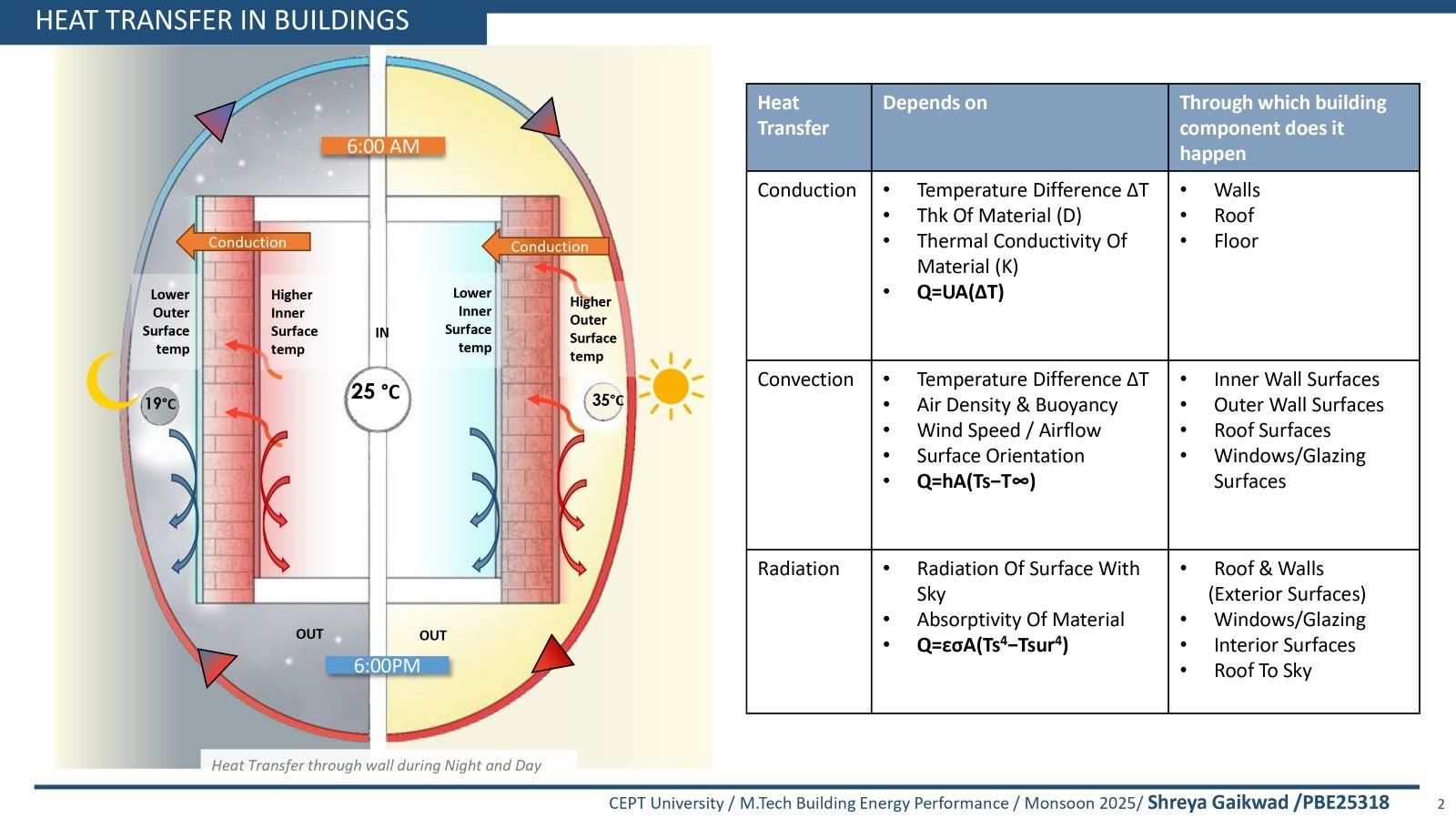
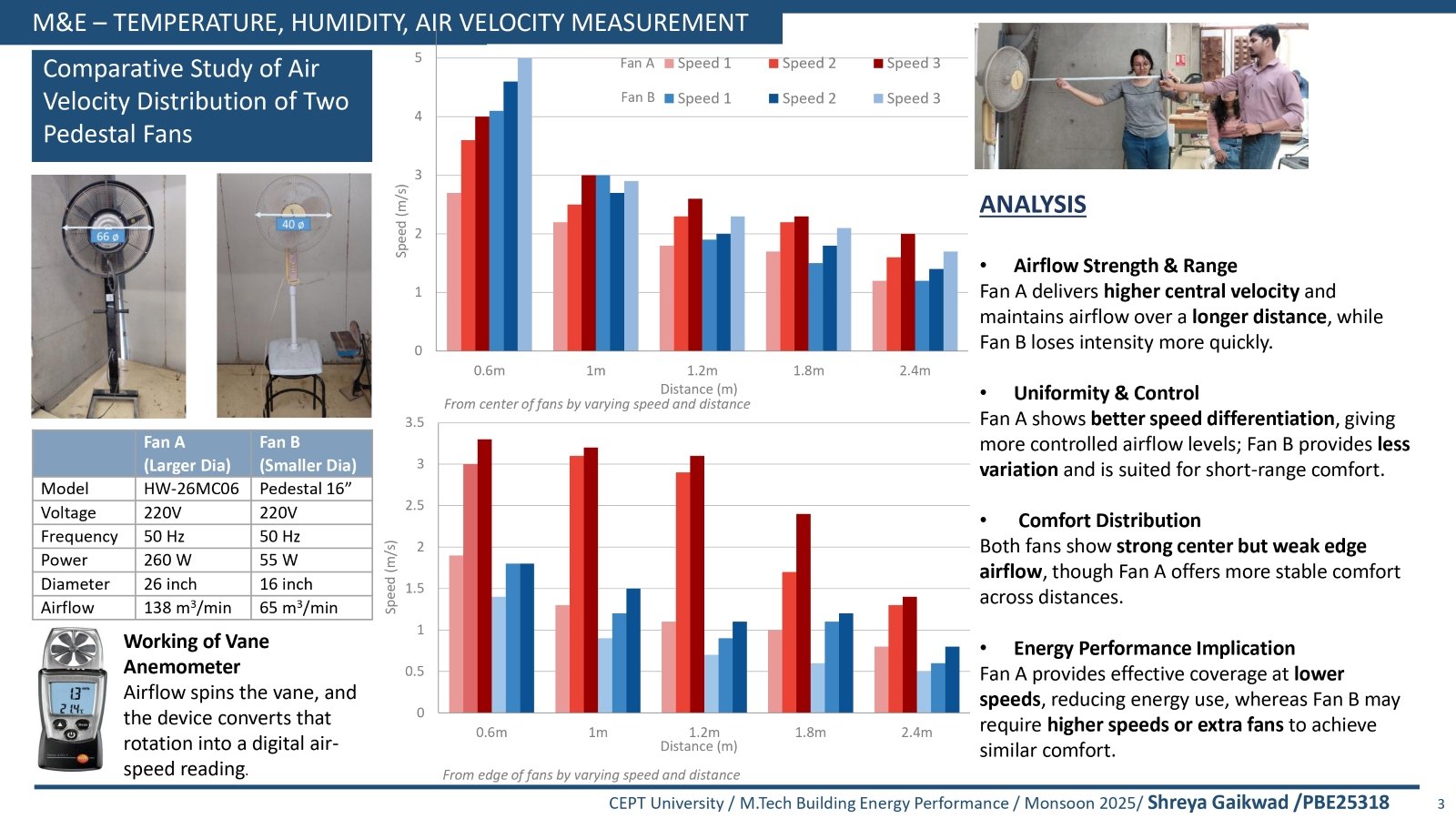
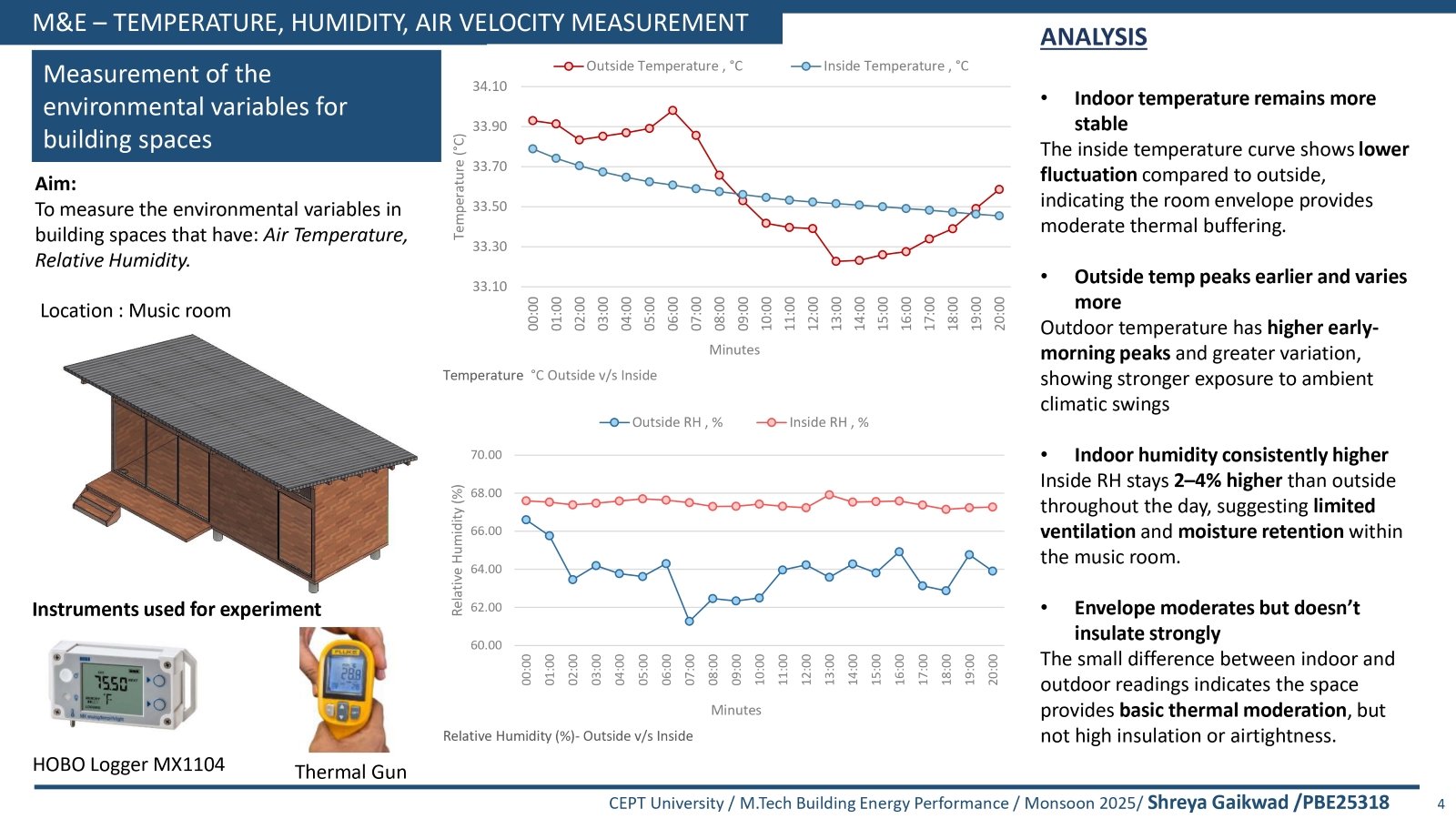
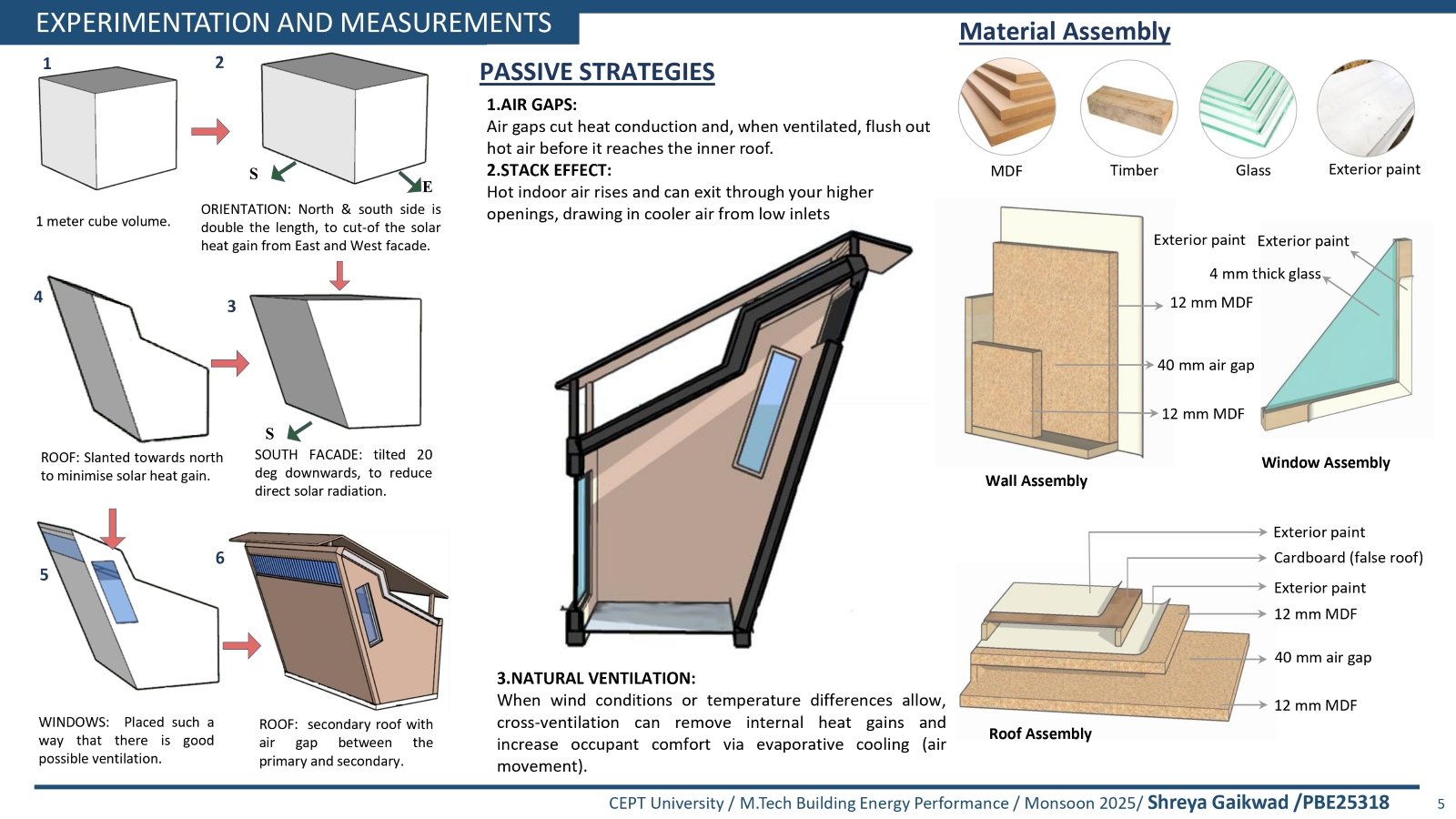
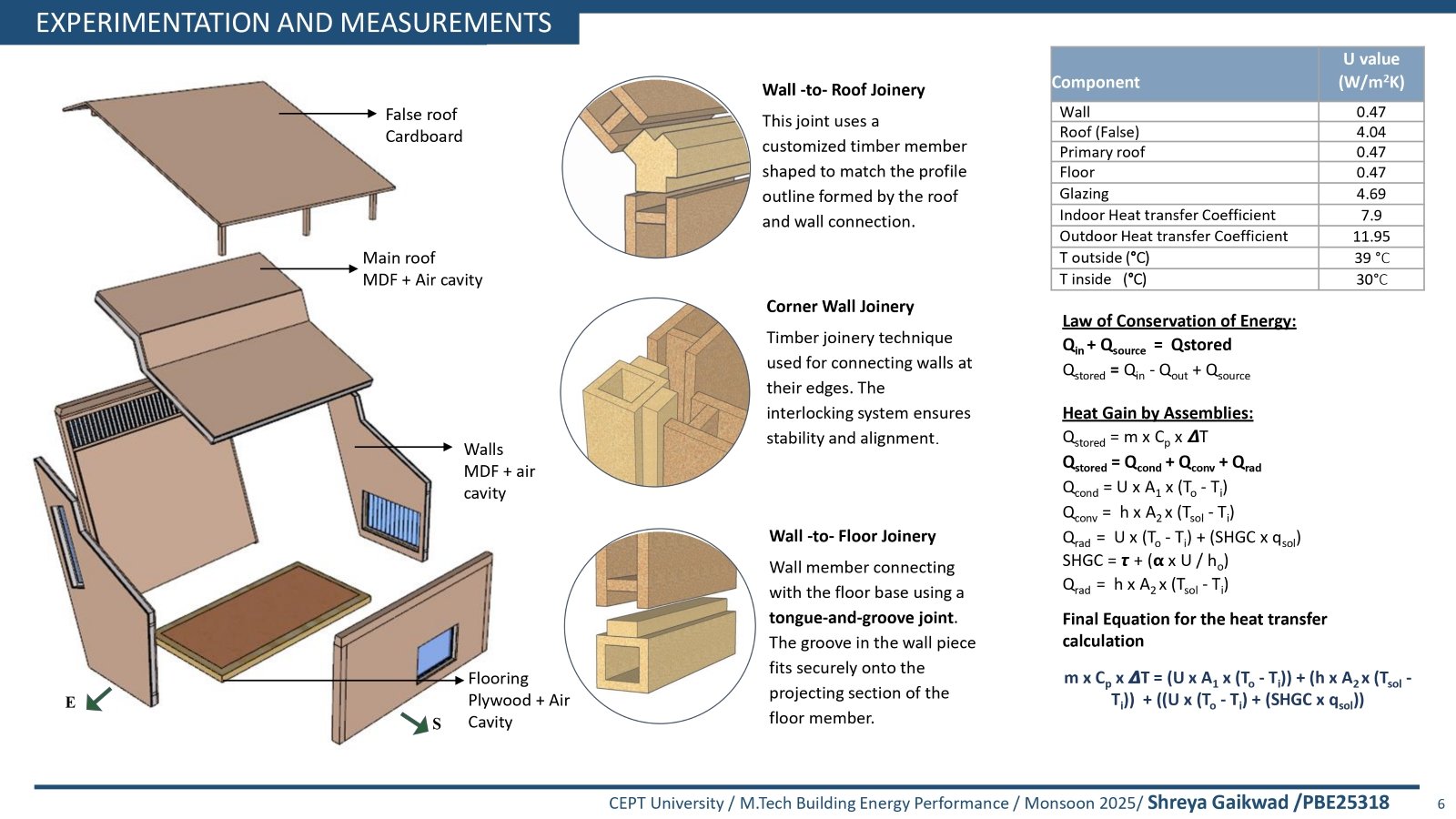
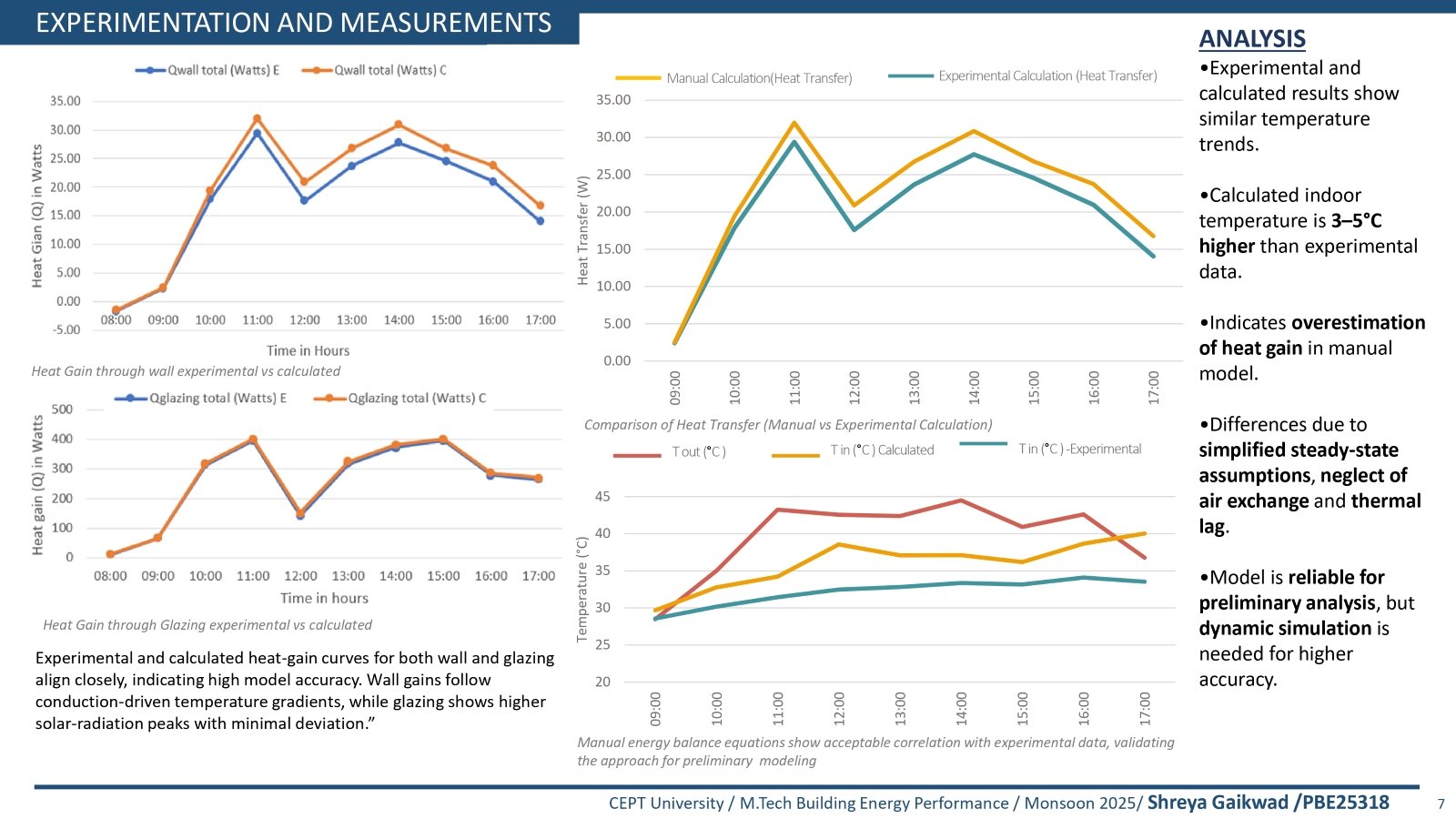
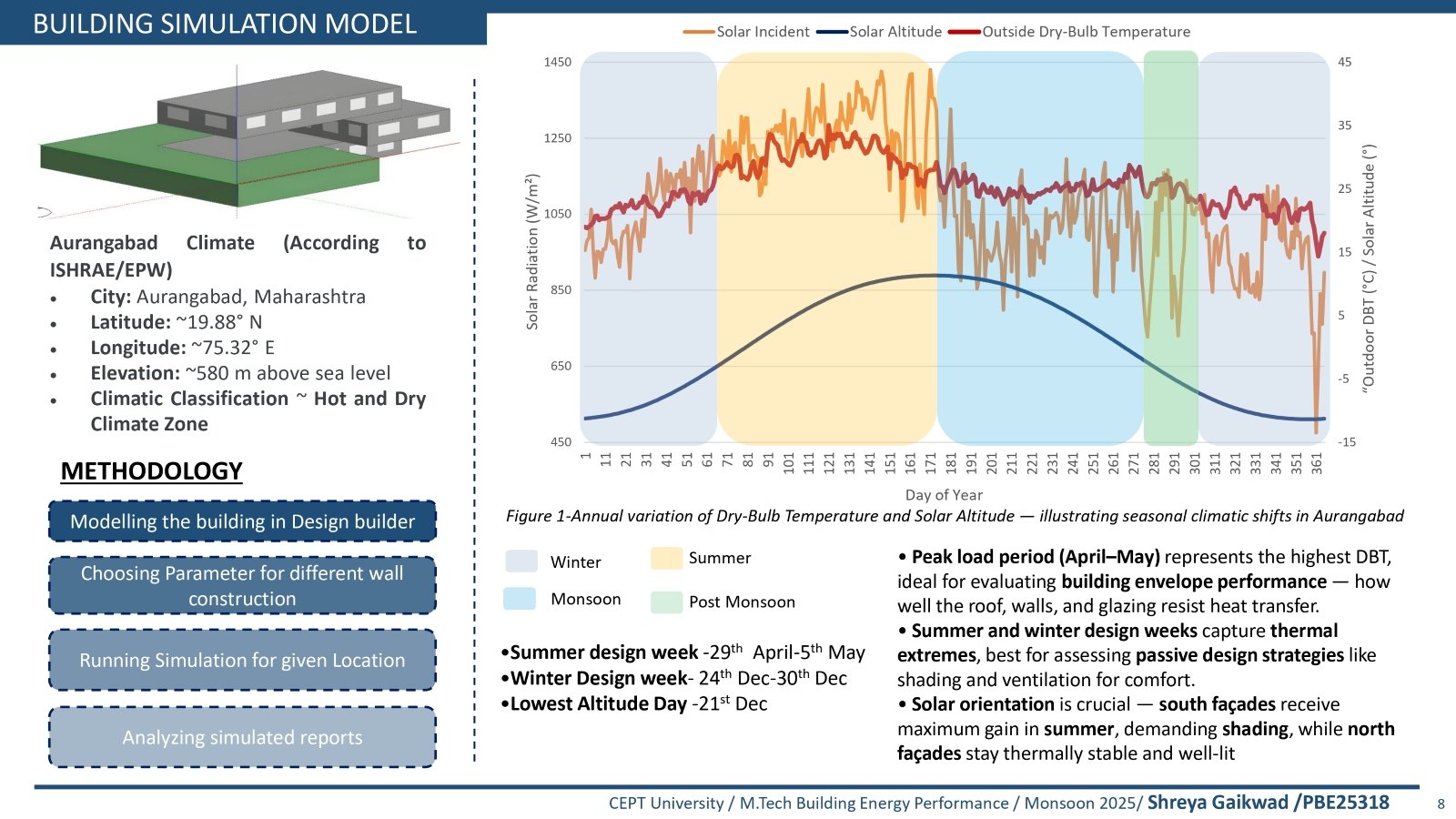
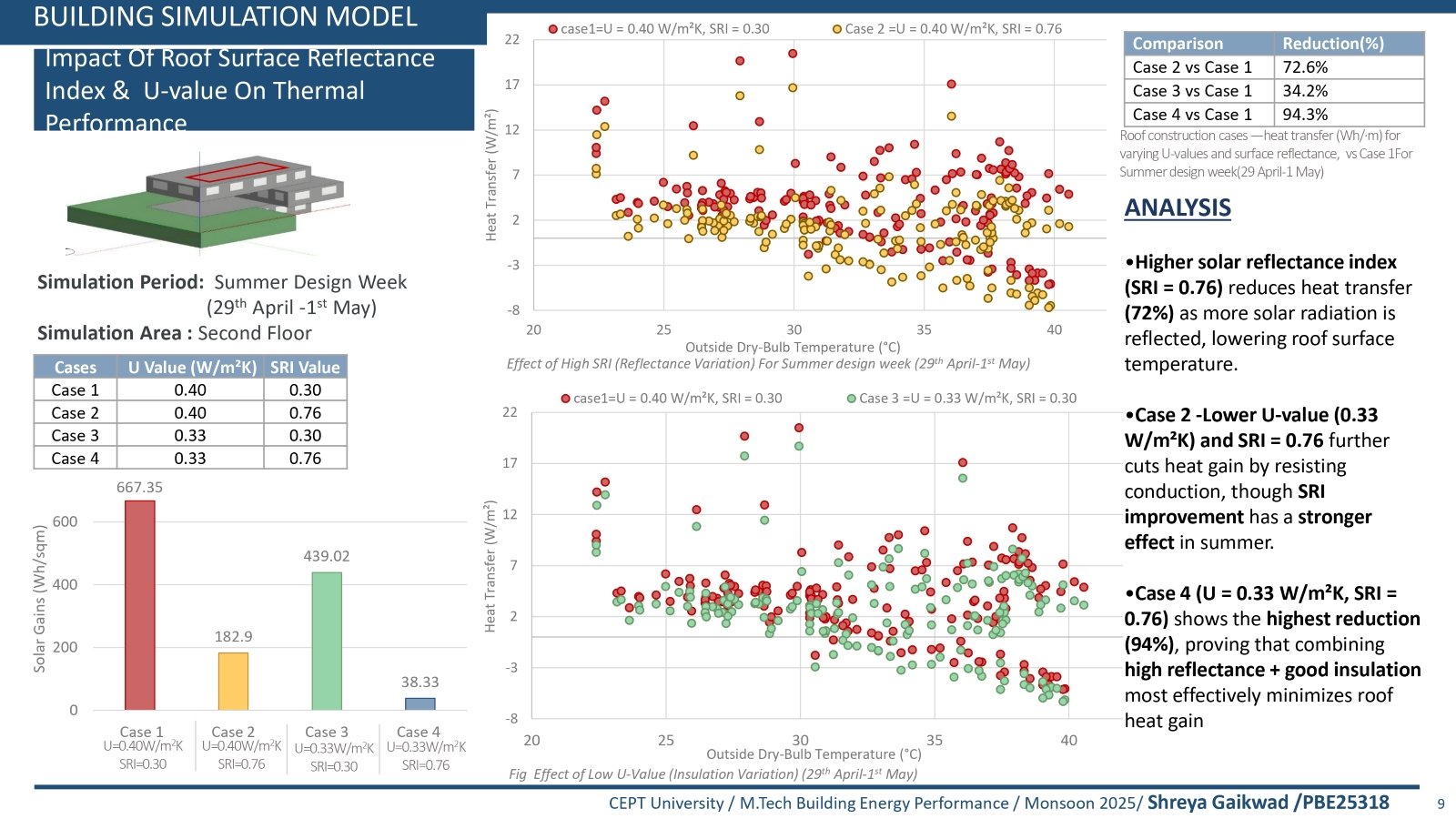
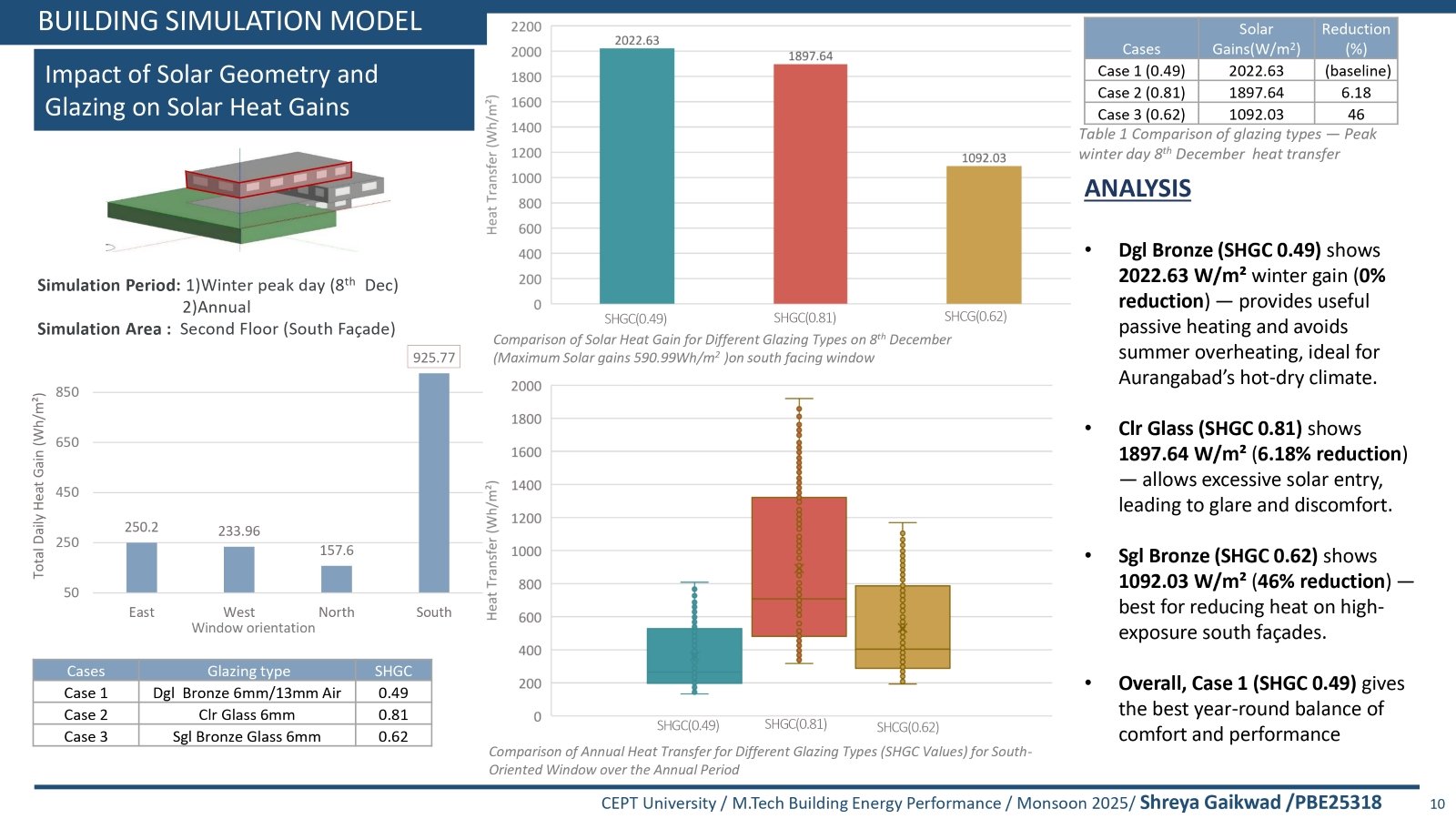
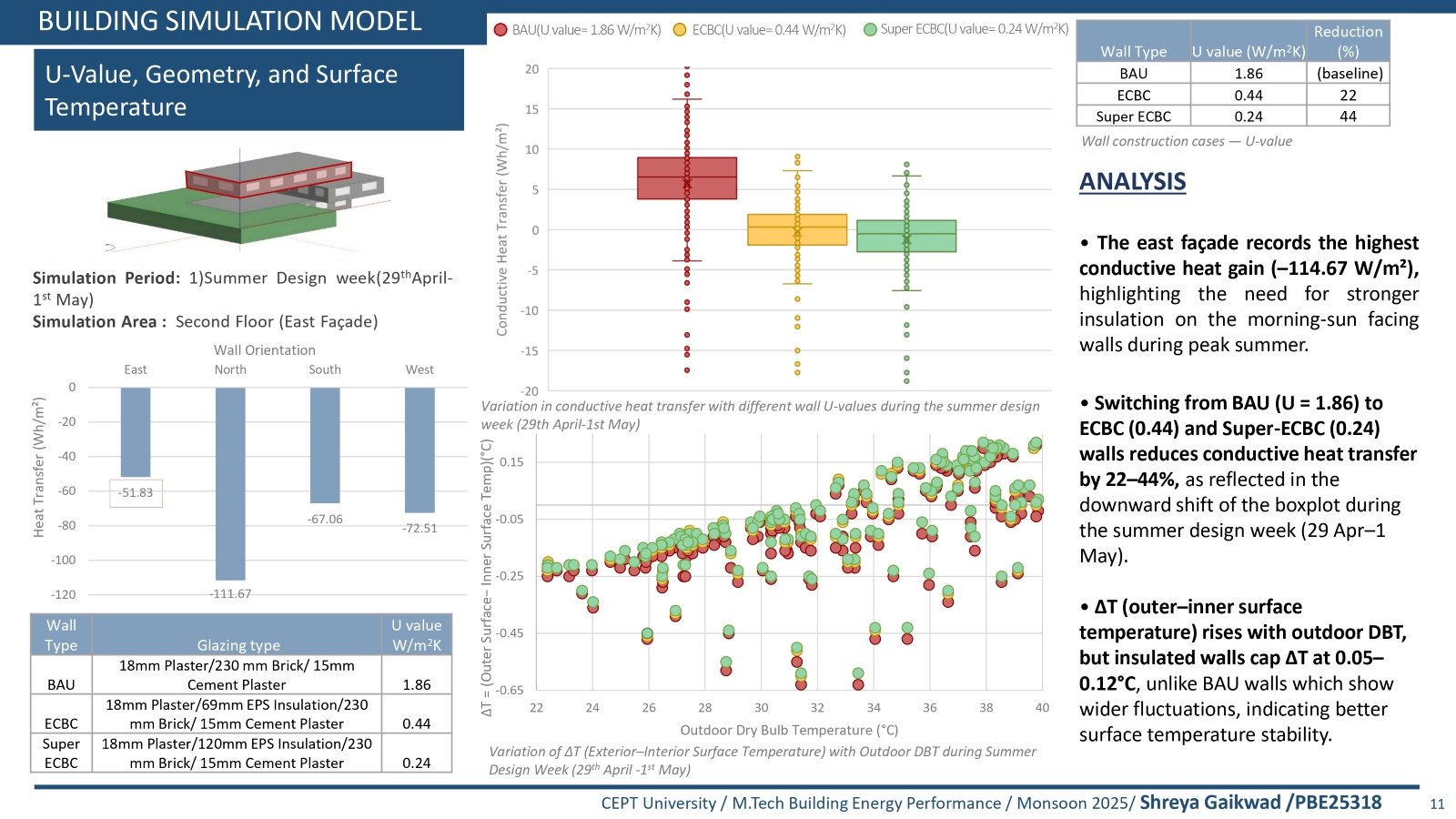
During this studio, I explored how thoughtful envelope strategies can strengthen a building’s overall energy performance. Early sessions introduced me to essential environmental science concepts, including climatic interpretation, solar-control methods, thermal and moisture behaviour, estimation of heating–cooling needs, and psychrometric understanding. I also learned techniques for recording onsite environmental parameters and evaluating occupant comfort. For the semester assignment, I applied these ideas by examining real thermal behaviour and interpreting it through suitable indicators. In the simulation section, I created digital envelope models, used fundamental heat-flow principles to study performance, and refined walls, glazing, construction systems, and layouts to suit the local climate.