Your browser is out-of-date!
For a richer surfing experience on our website, please update your browser. Update my browser now!
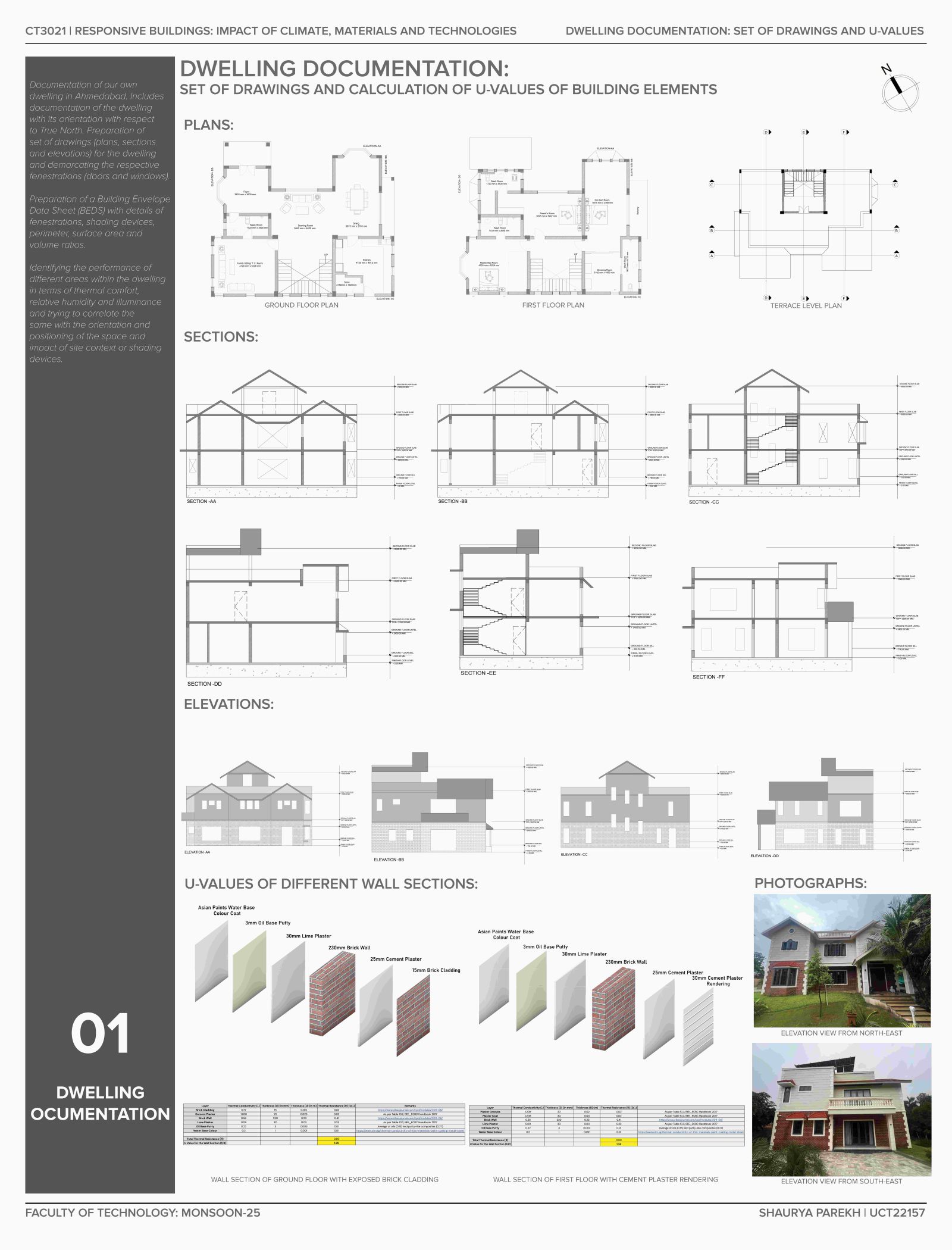
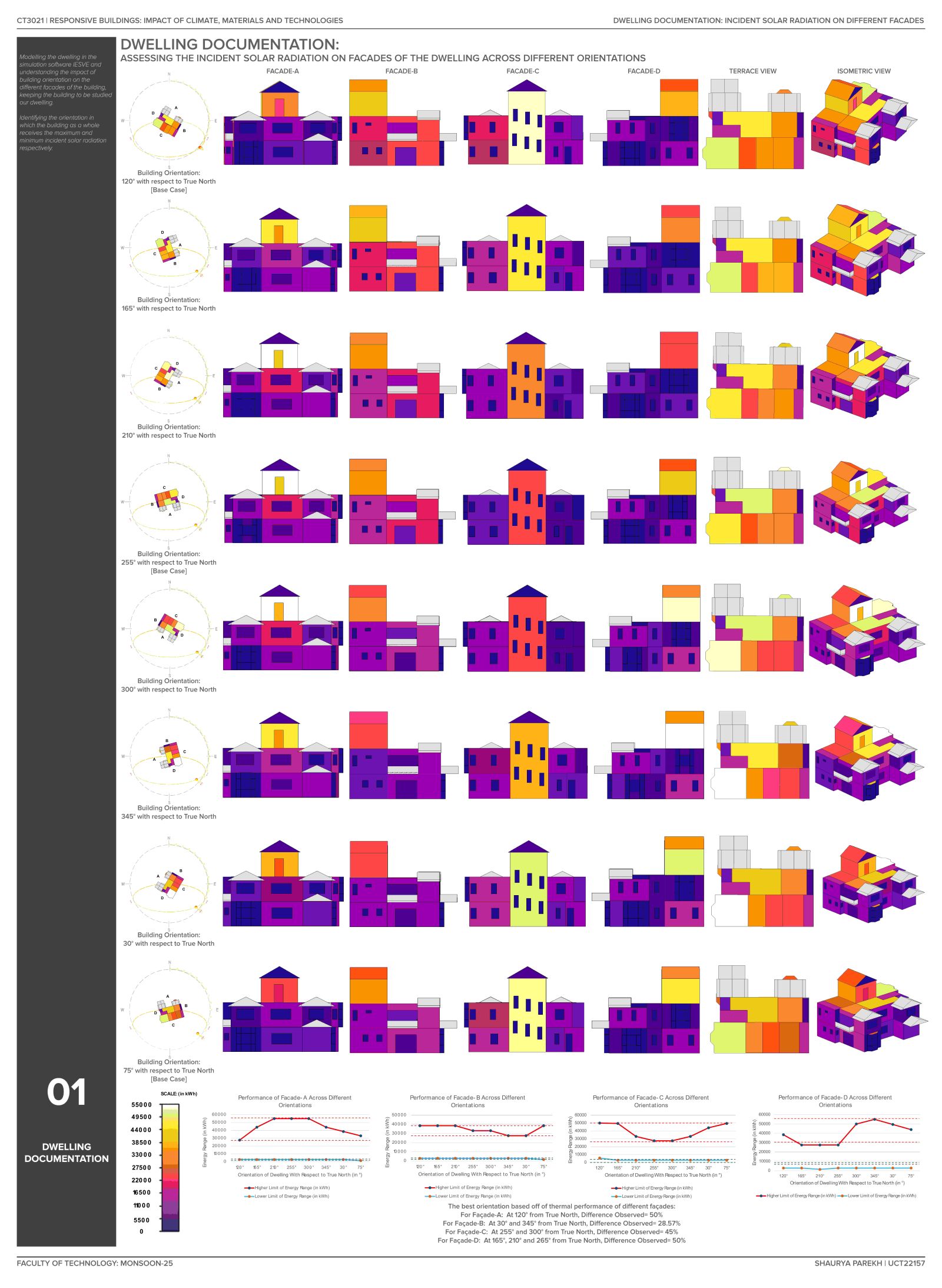
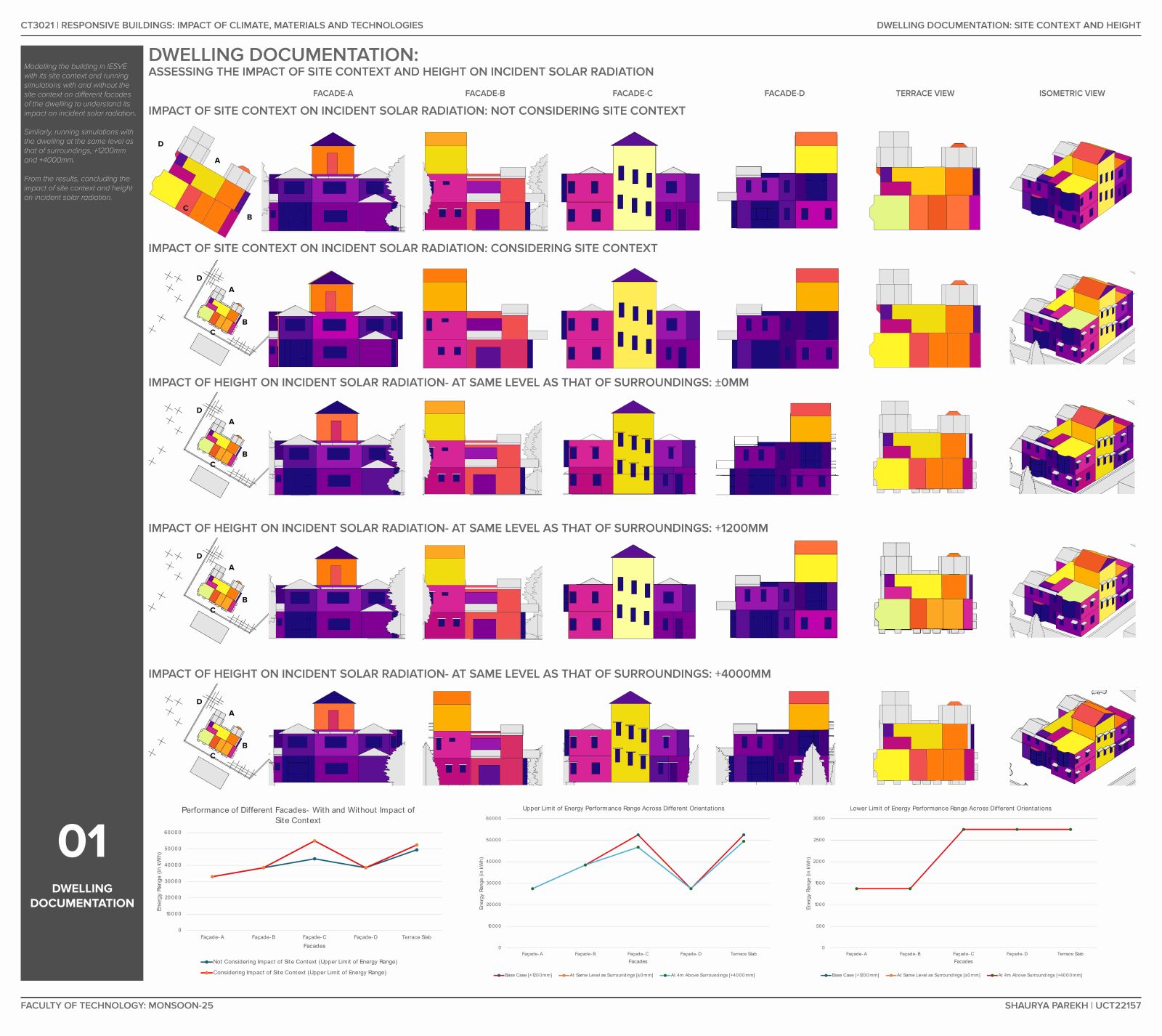
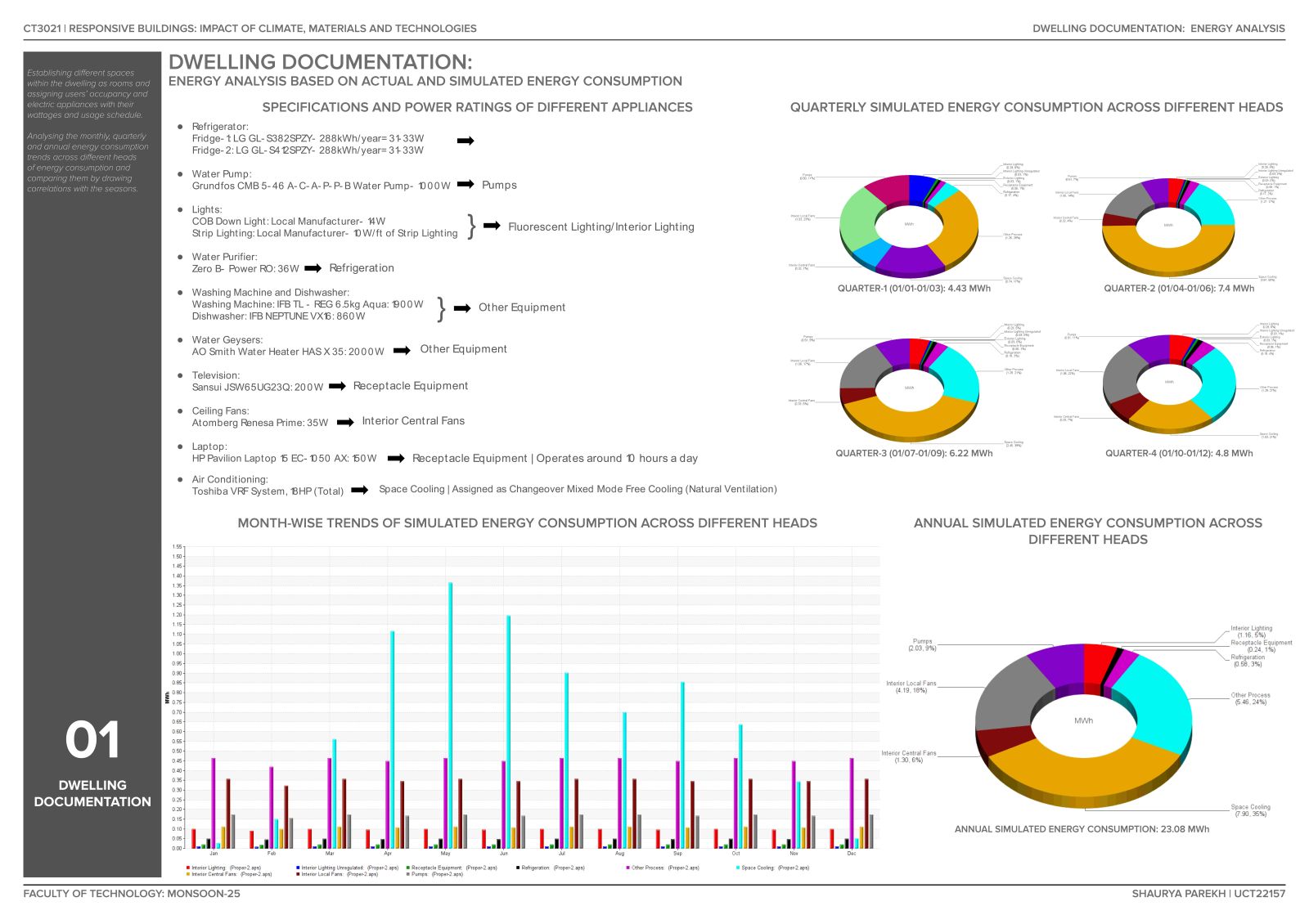
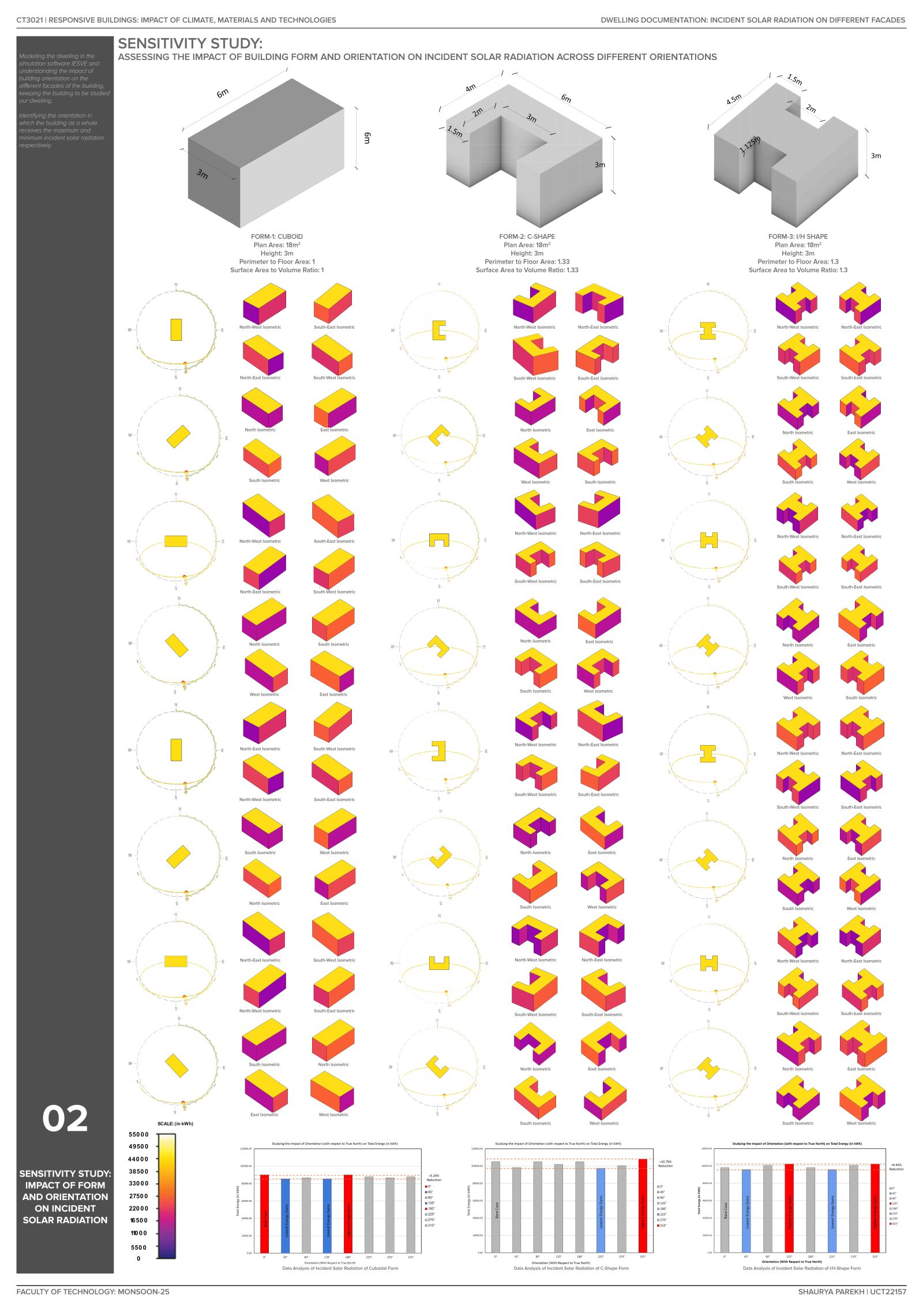
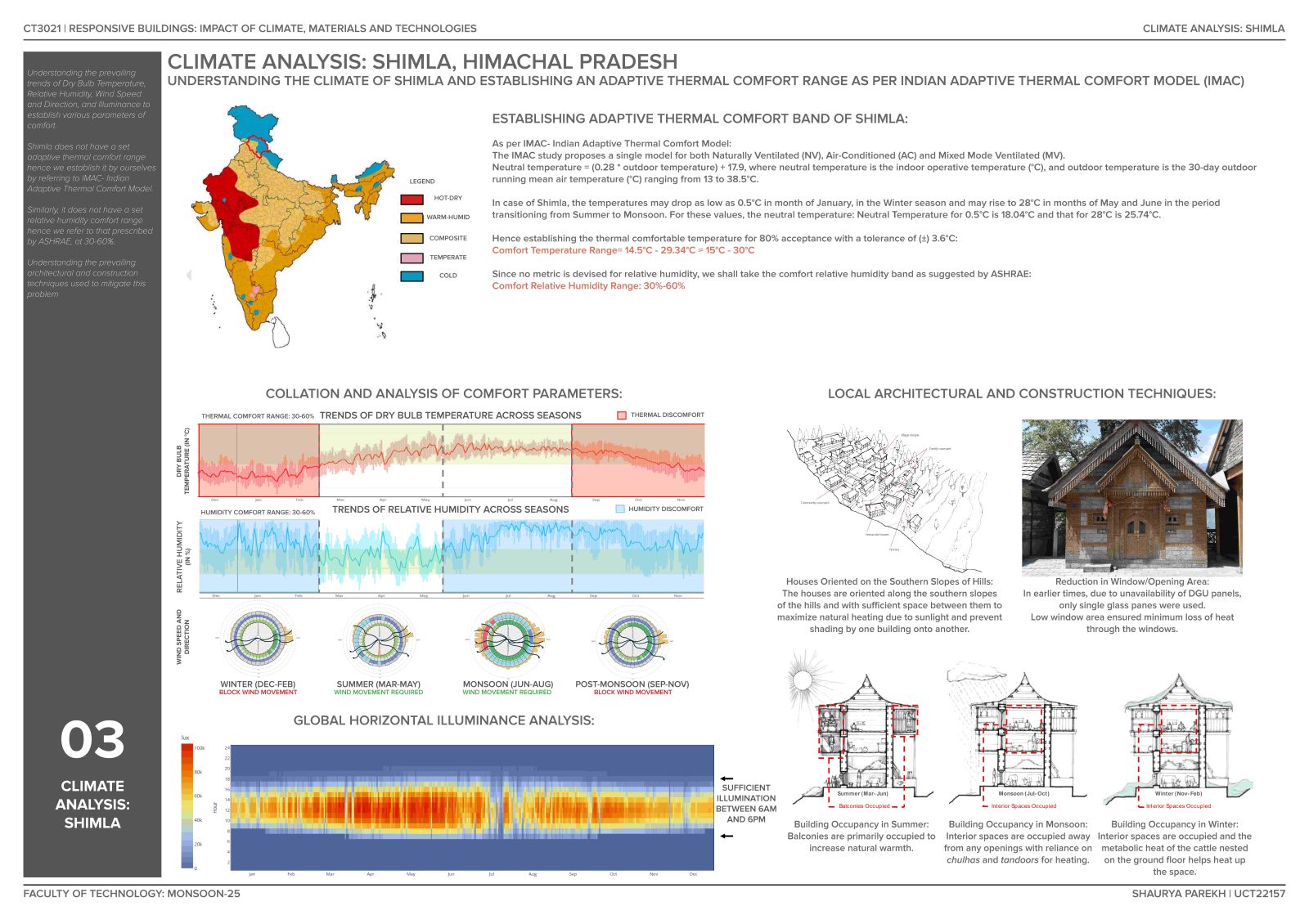
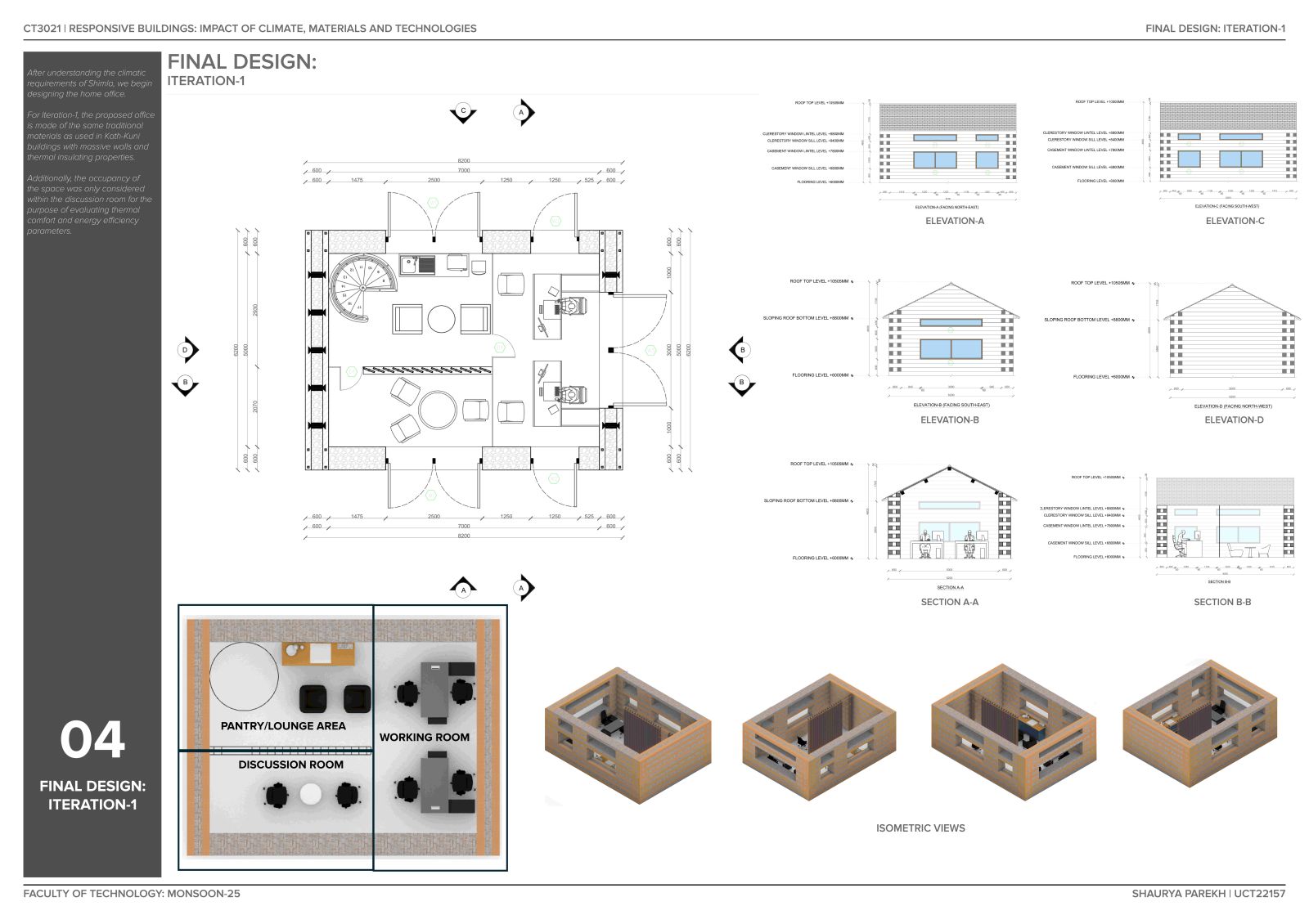
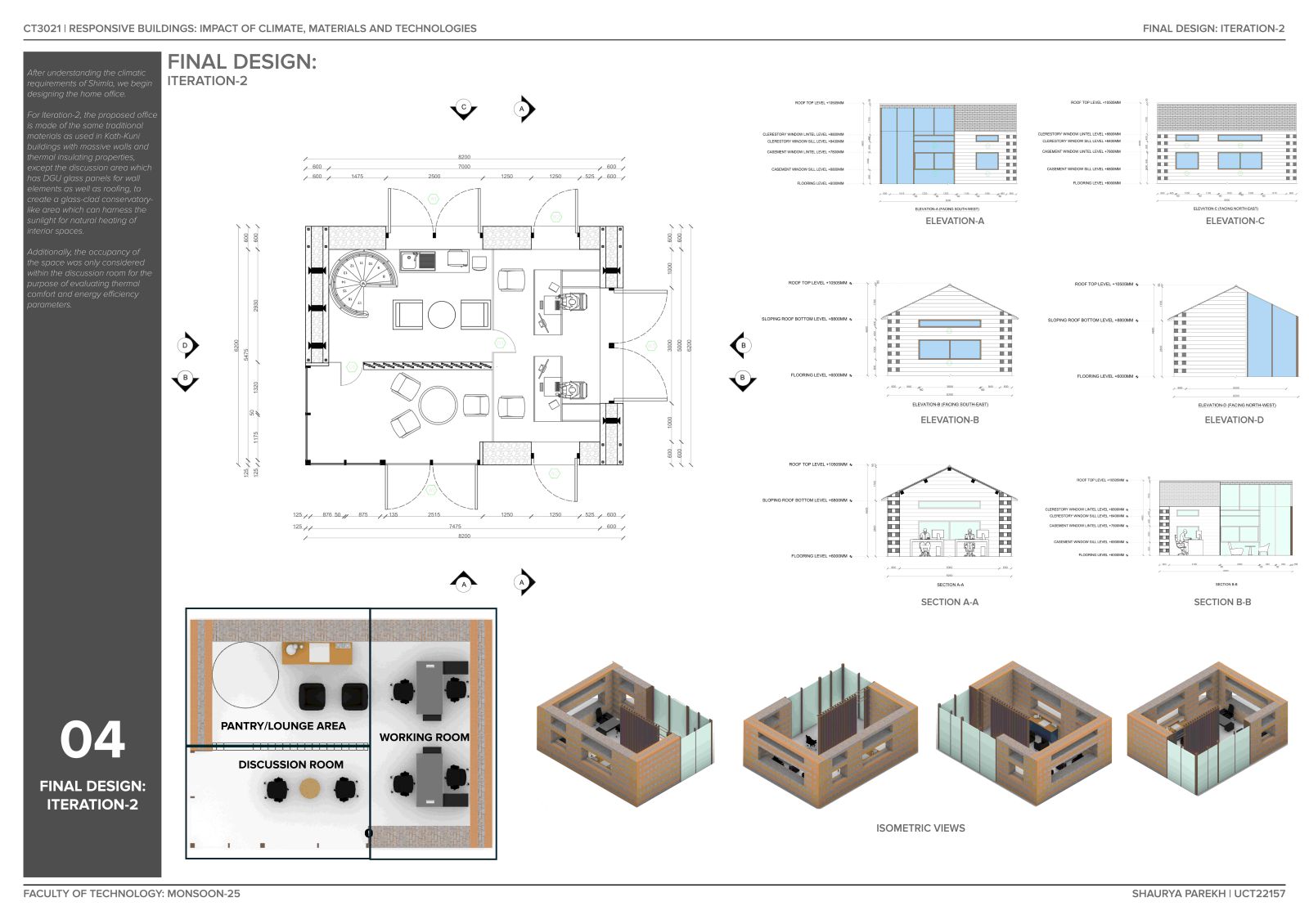
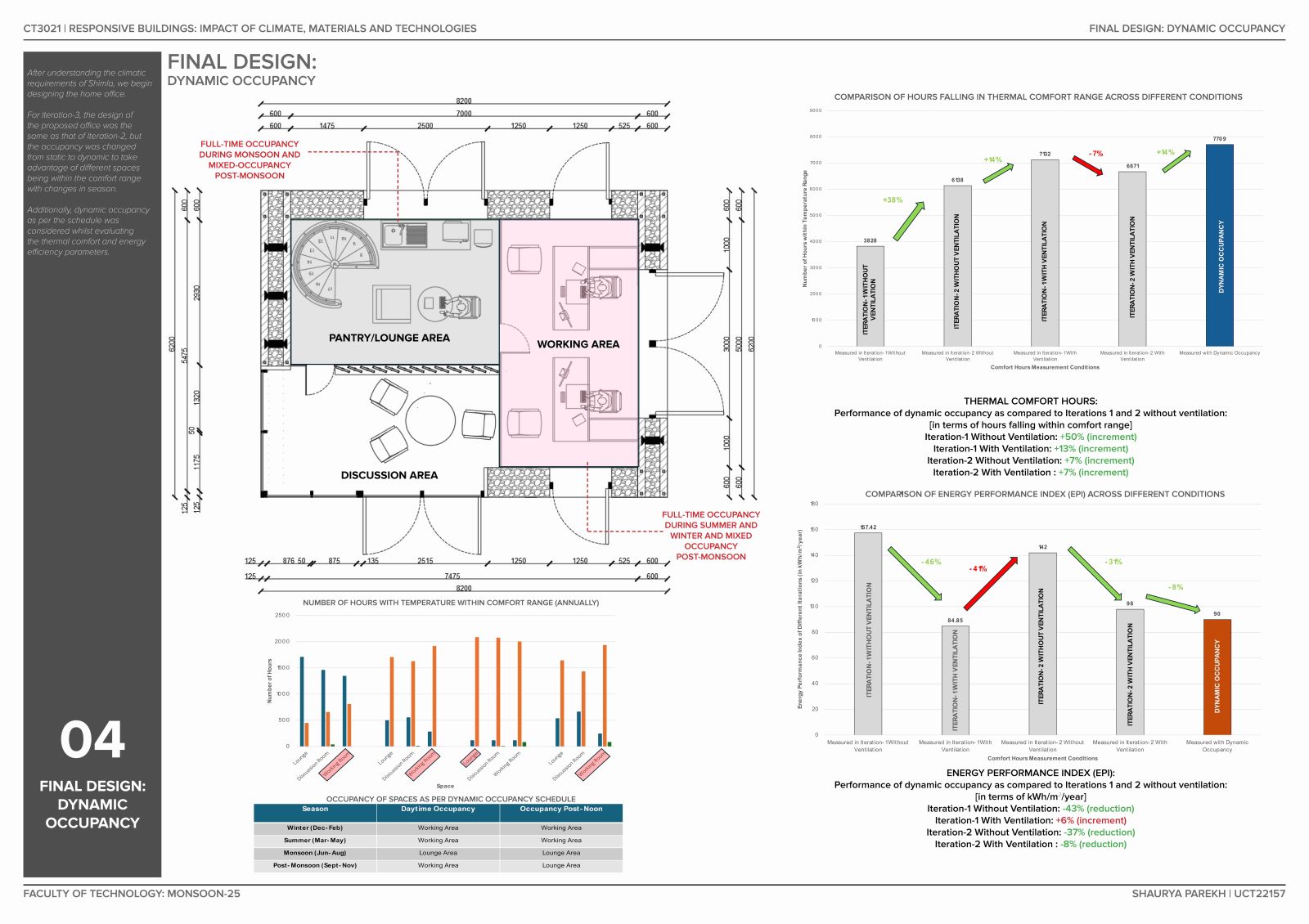
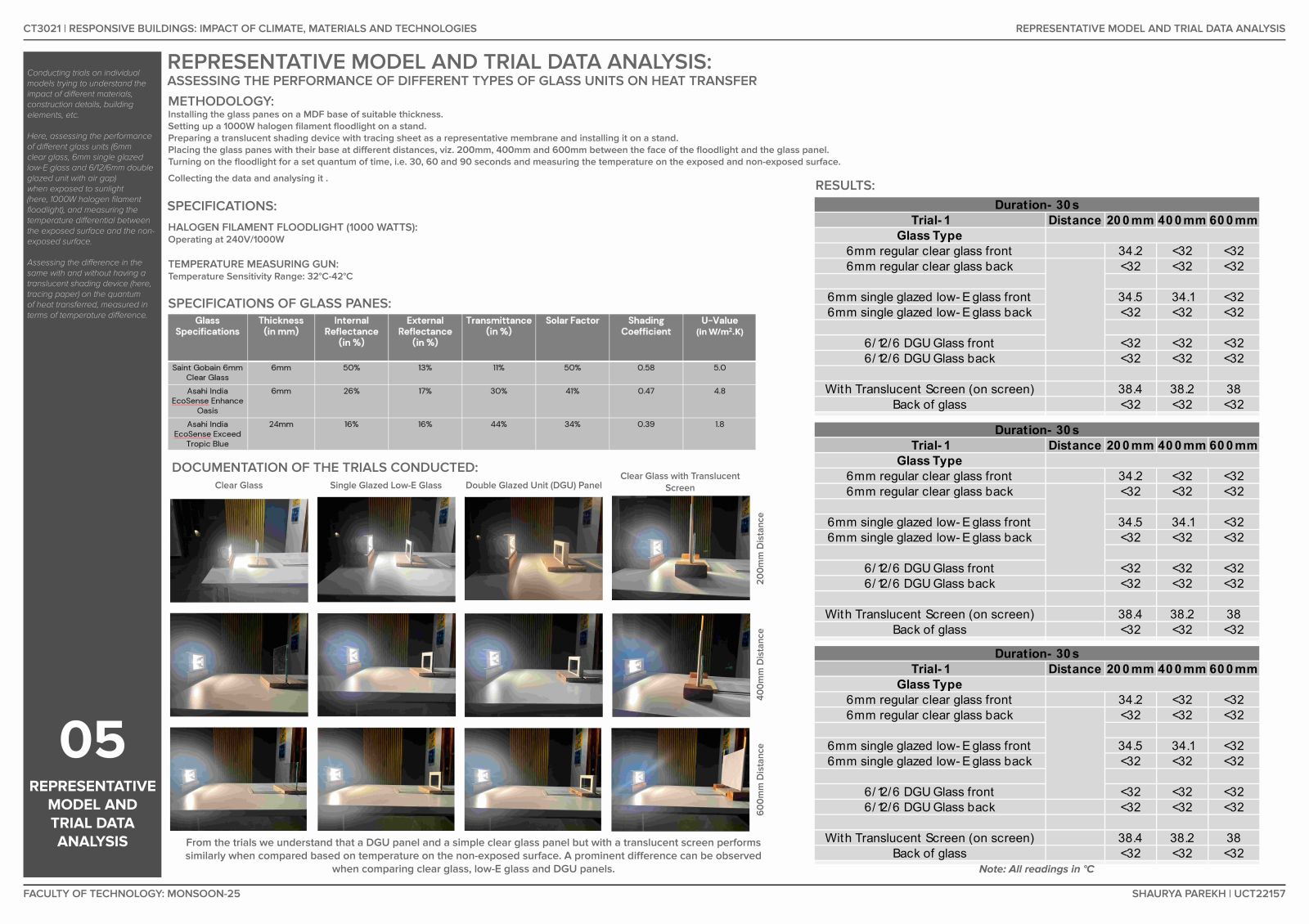
Real estate development is one of India’s most energy and resource-intensive sectors, contributing nearly 40% of carbon emissions. This studio explored passive strategies, design techniques, and materials that reduce reliance on active systems for comfort. The compilation includes exercises such as analysing our dwelling’s luminous and thermal performance, energy use, and a climate study for a site where we designed a home office for an environmental-consultant couple. Various design and occupancy iterations were conducted and compared based on number of hours within the established adaptive thermal-comfort range and Energy Performance Index (EPI) values.
View Additional Work