Your browser is out-of-date!
For a richer surfing experience on our website, please update your browser. Update my browser now!
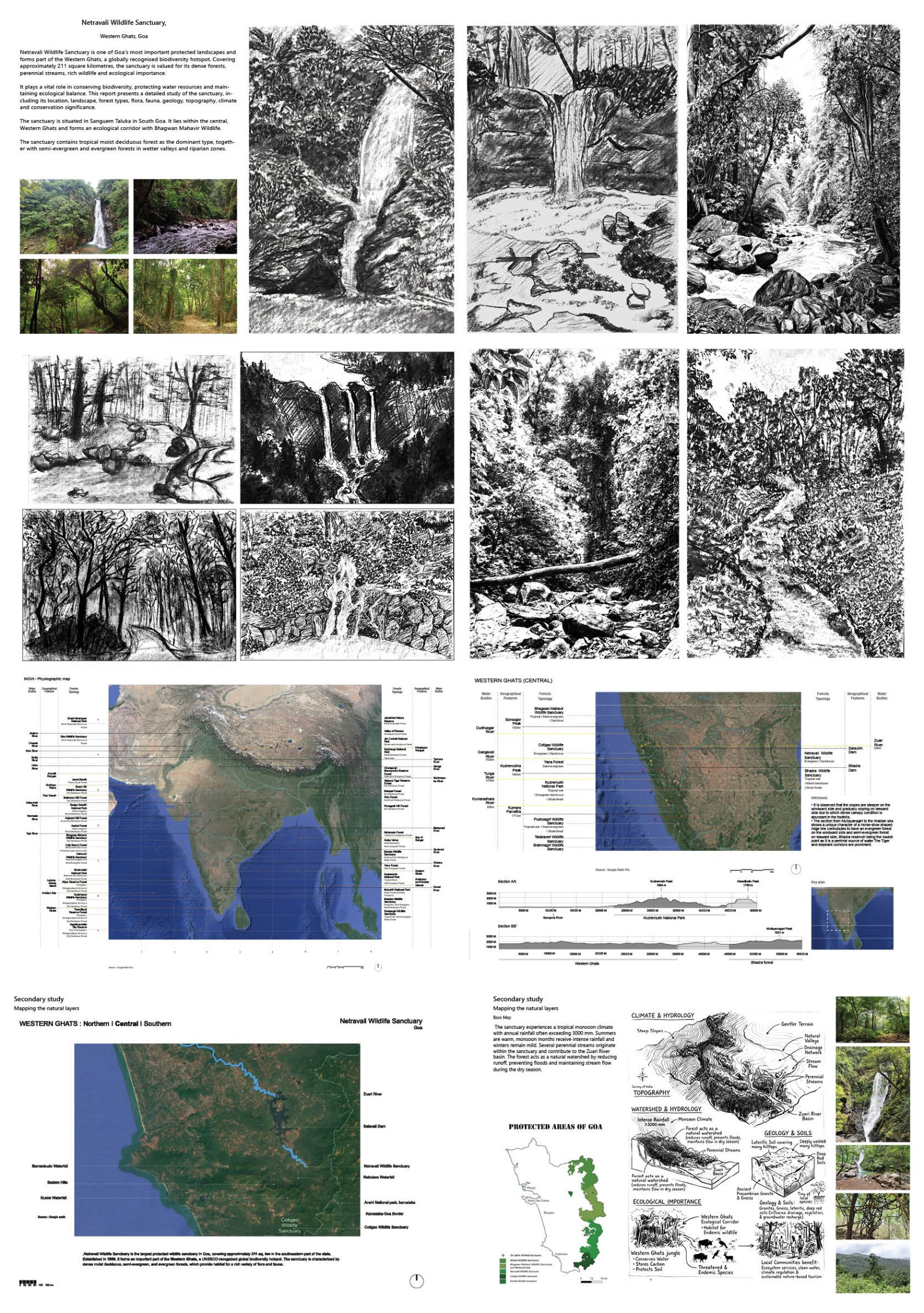
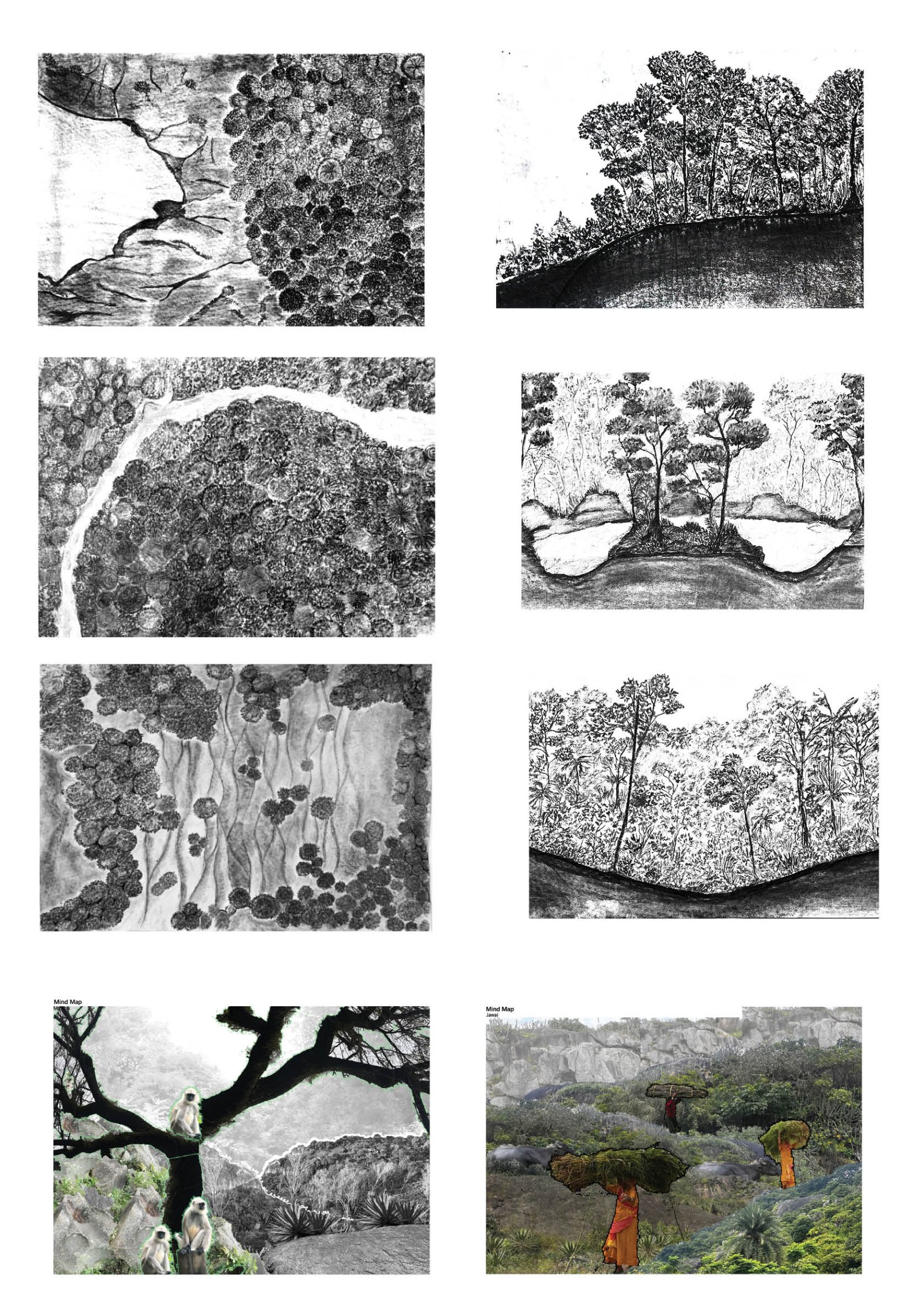
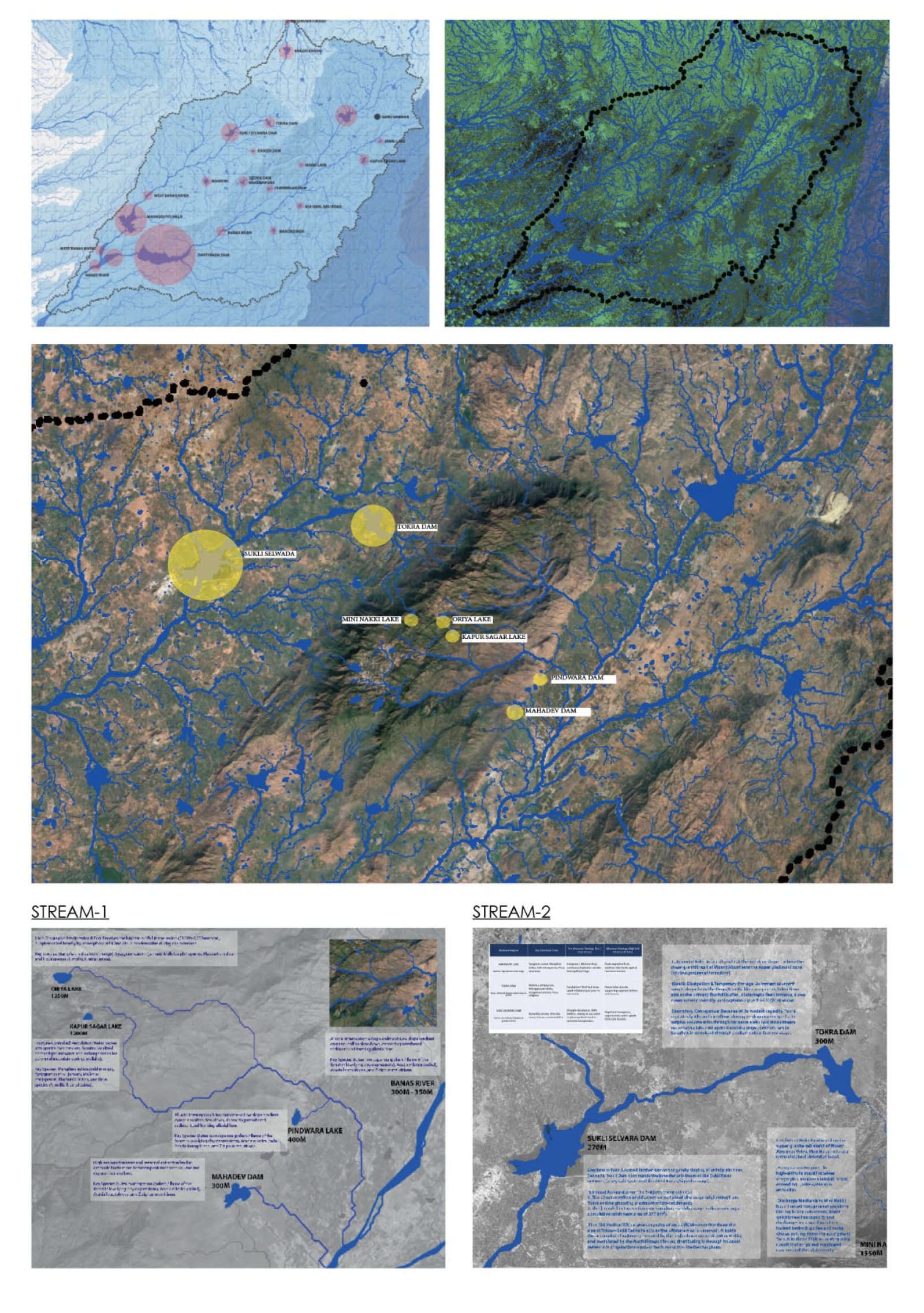
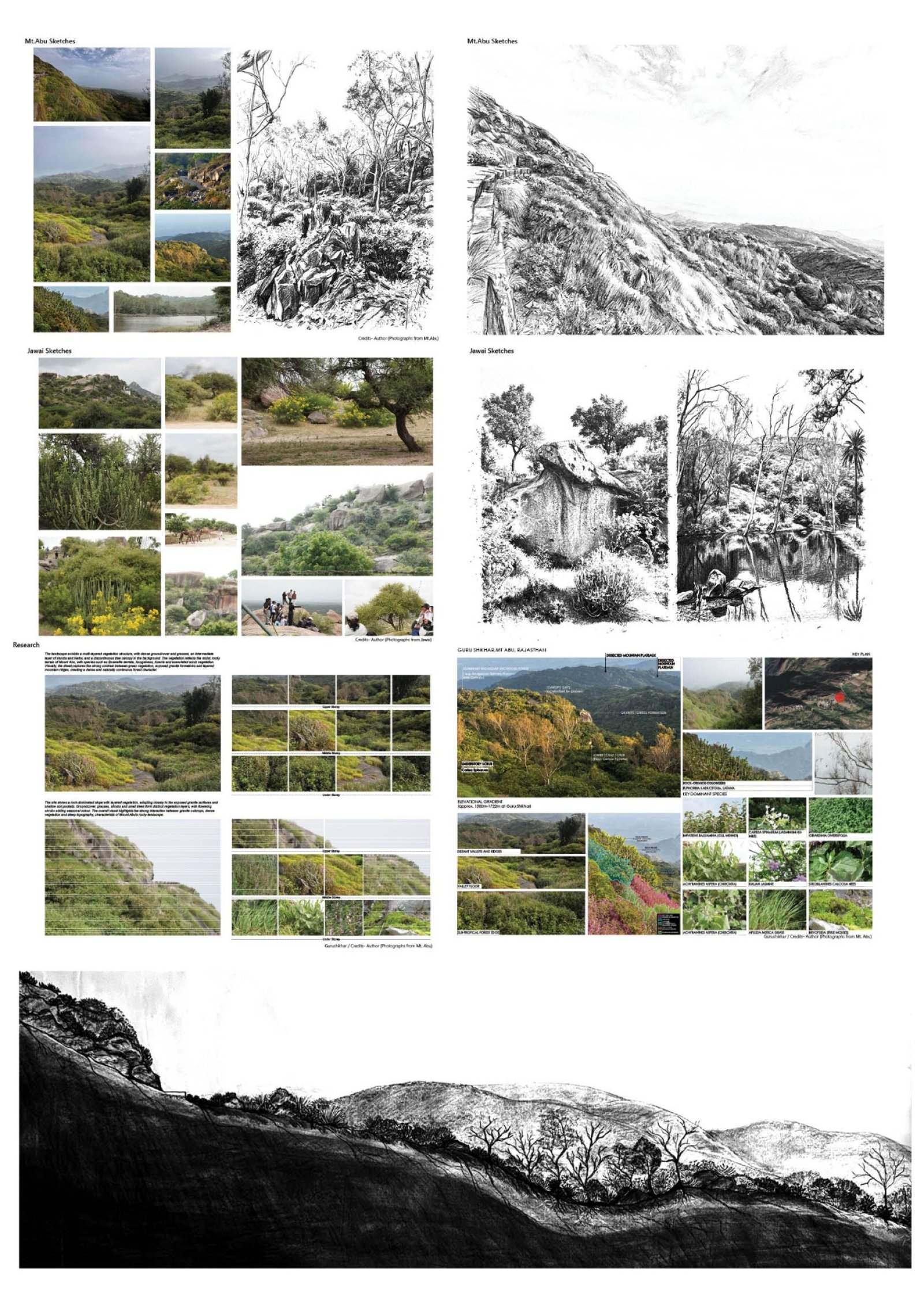
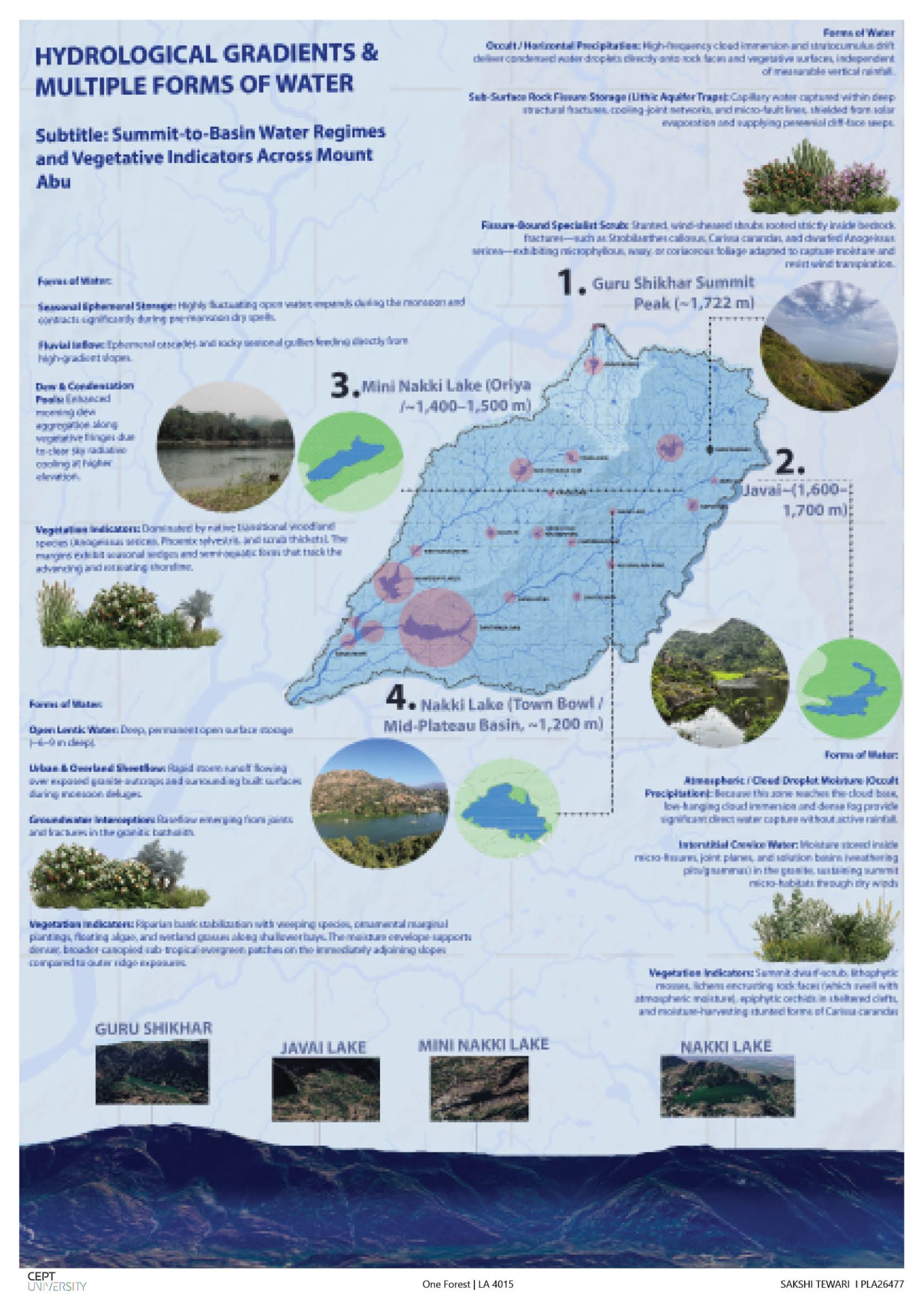
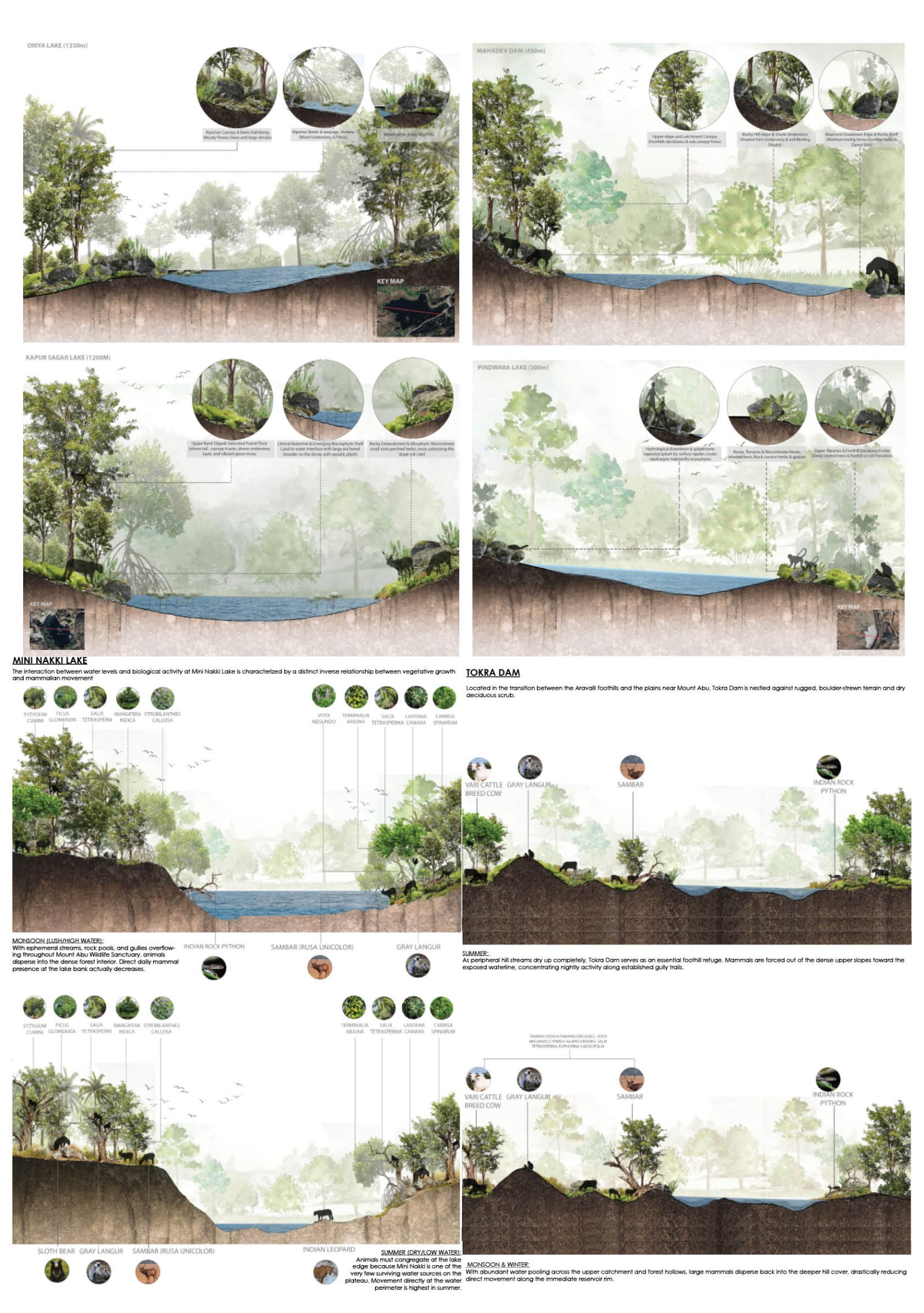
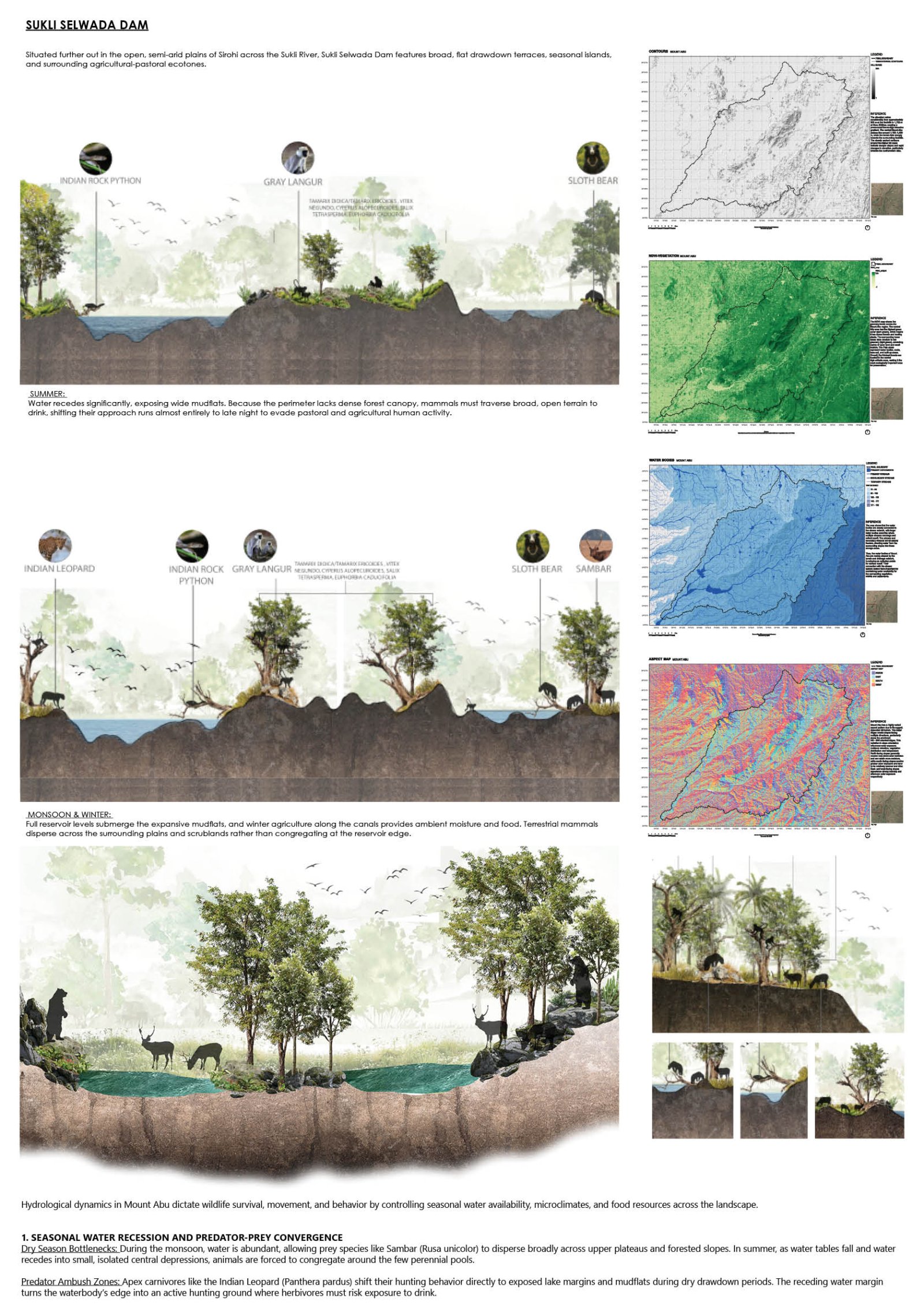
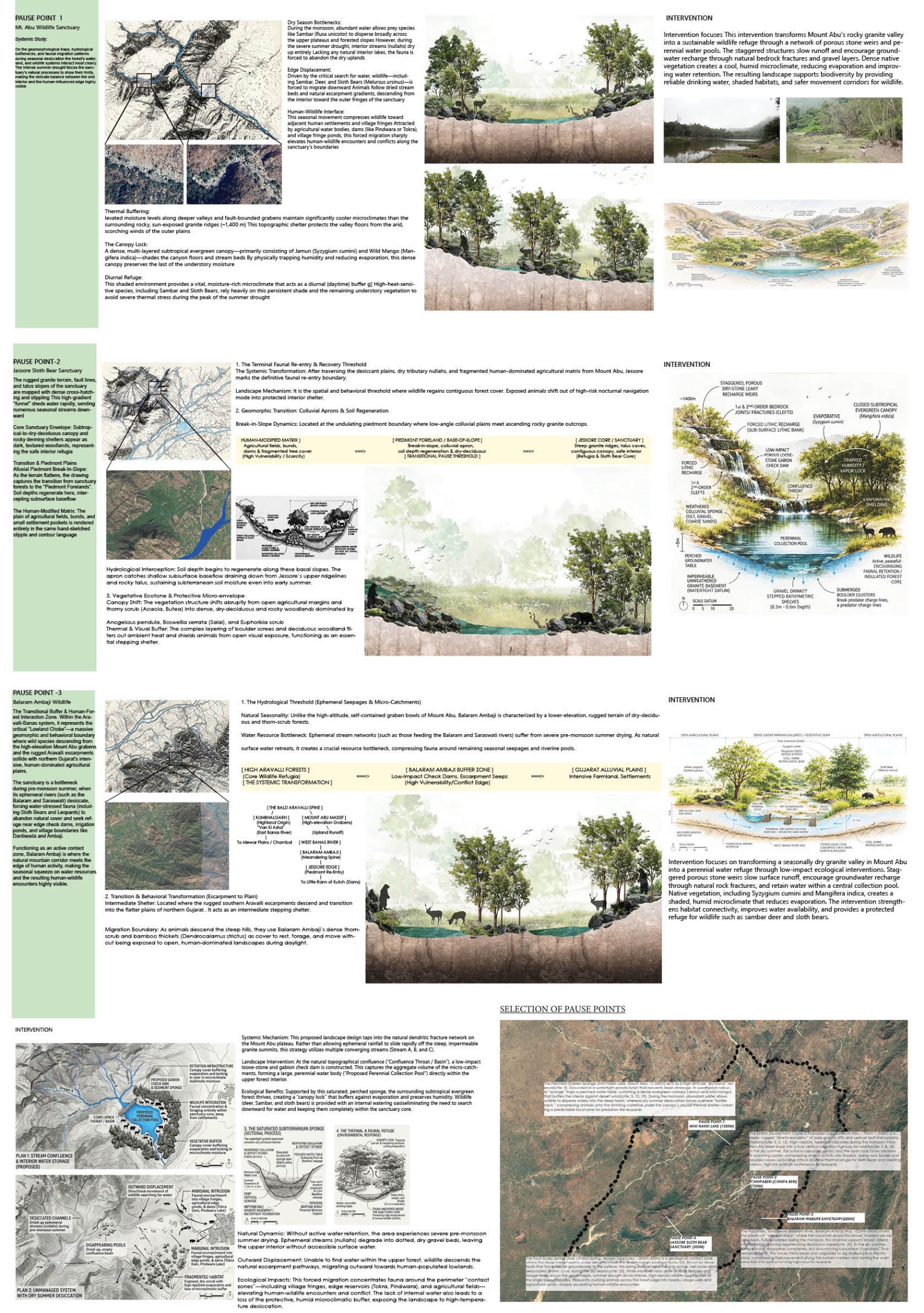
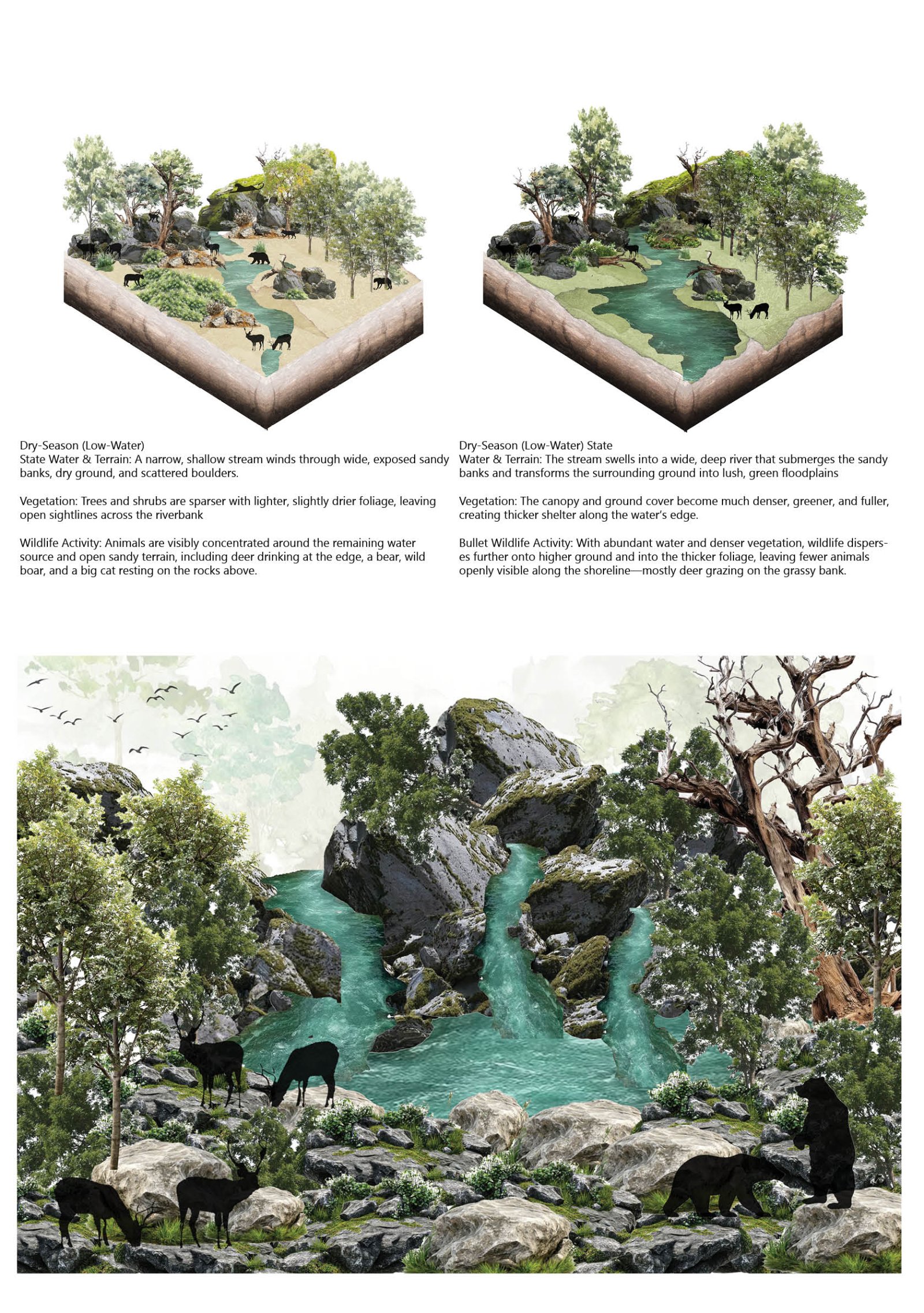
Symbiotic Relation of Hydrology, Flora & Fauna This study investigates the ecological dynamics governing hydrological descents, conceptualizing water-flow gradients from upland ridgelines down to valley sinks as the primary drivers of biotic distribution and habitat structure. As elevation drops and slope morphology shifts, variations in flow velocity, sediment transport, transitioning from rapidly drained, nutrient-thin upper slopes to heavily saturated, alluvium-rich riparian bottoms. These abiotic thresholds dictate a pronounced vertical stratification of plant communities: resilient, xeromorphic, or deep-rooting species dominate exposed, dry crests, giving way to transitional mixed woodlands on mid-slope colluviums, and ultimately to dense, water-tolerant, multi-layered wetland assemblages in the depositional lowlands. In response to these vegetative patterns and persistent freshwater channels, faunal populations organize across the descent into distinct ecological niches; specialized species exploit the dense cover, high humidity, and abundant primary production of riparian corridors for nesting and breeding, while wider-ranging herbivores and omnivores leverage the entire vertical gradient as a contiguous foraging corridor, seasonal movement route, and drought refuge. By analyzing this interplay among terrain hydraulics, botanical succession, and wildlife habitat selection, the project frames hydrological descents not merely as passive drainage corridors, but as dynamic, interconnected ecological lifelines essential for regional biodiversity, microclimatic stability.
View Additional Work