Your browser is out-of-date!
For a richer surfing experience on our website, please update your browser. Update my browser now!
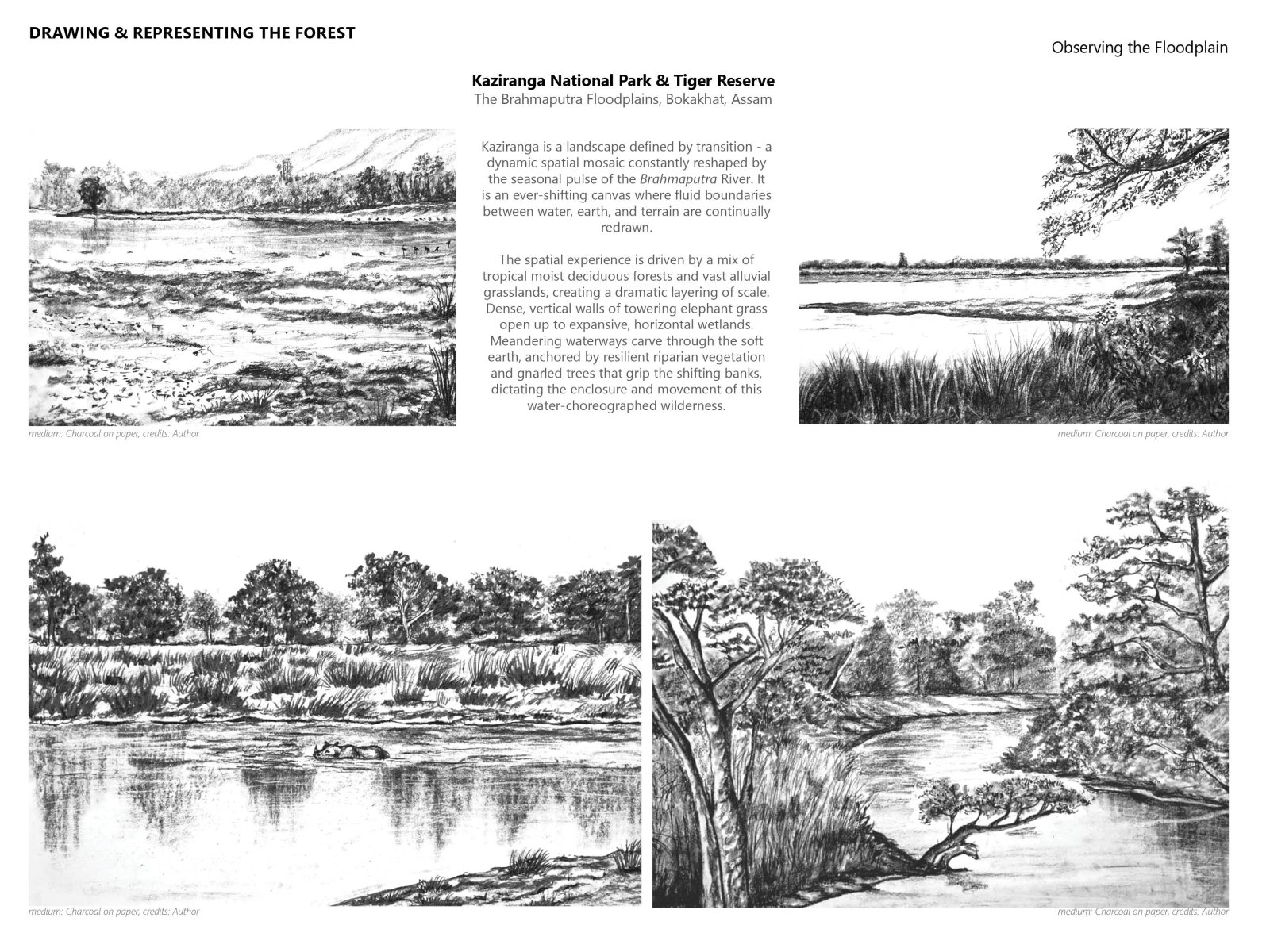
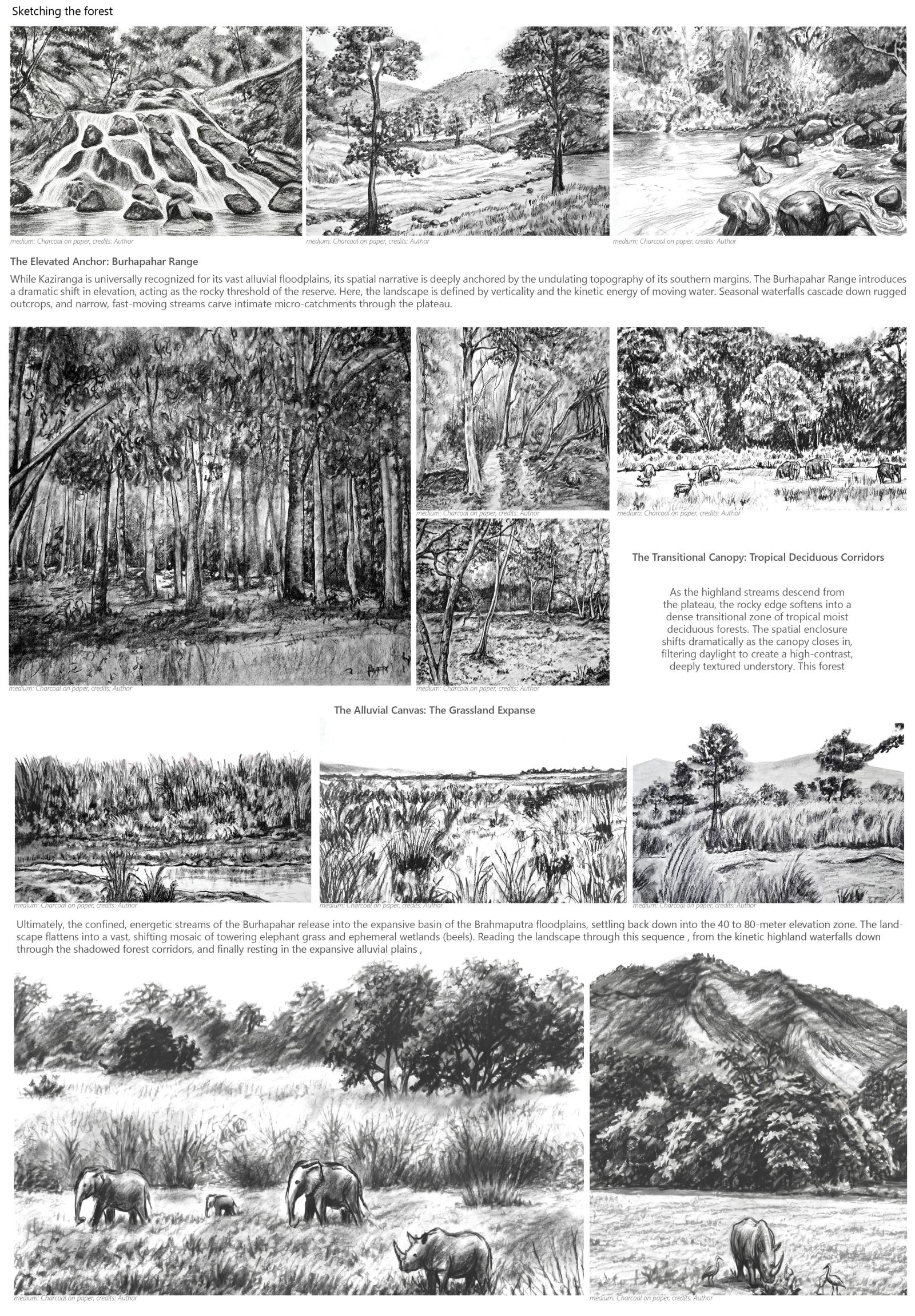
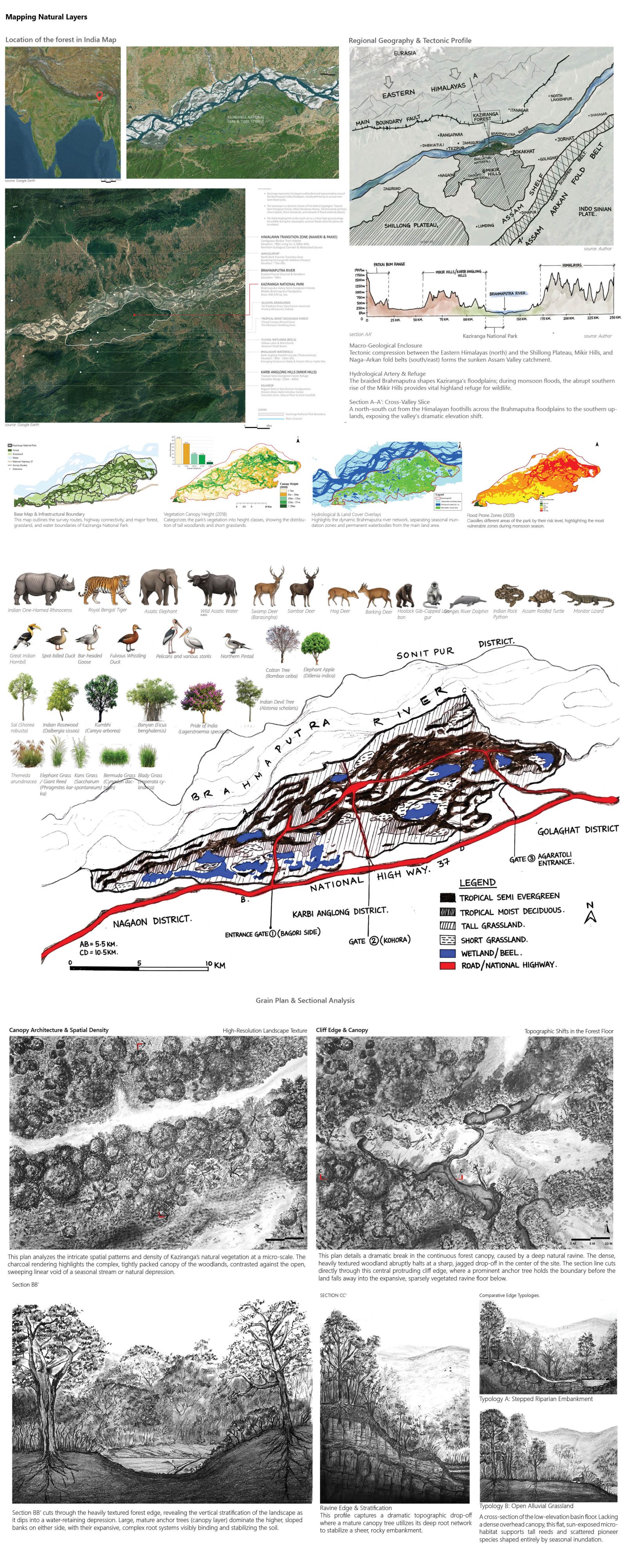
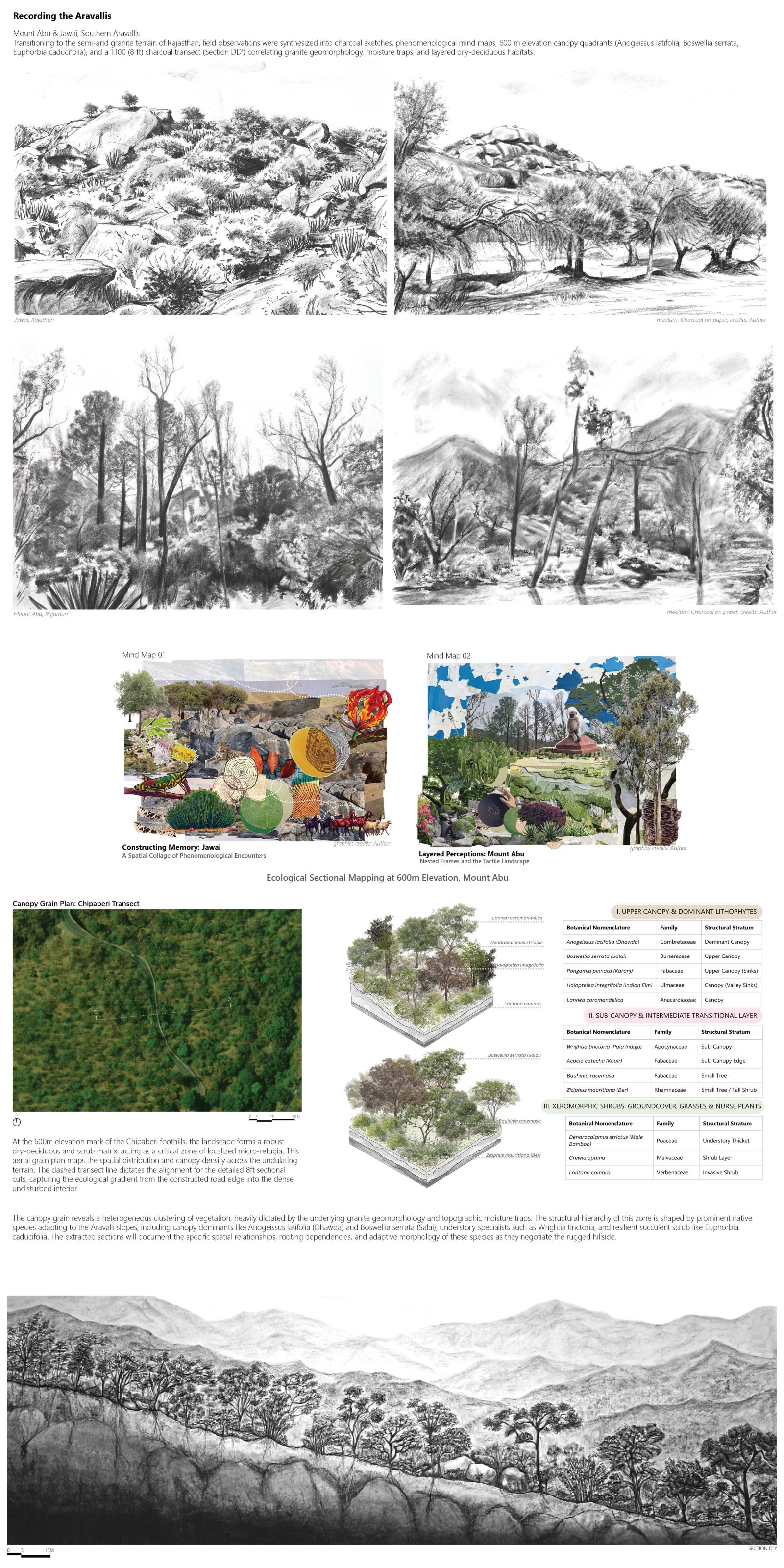
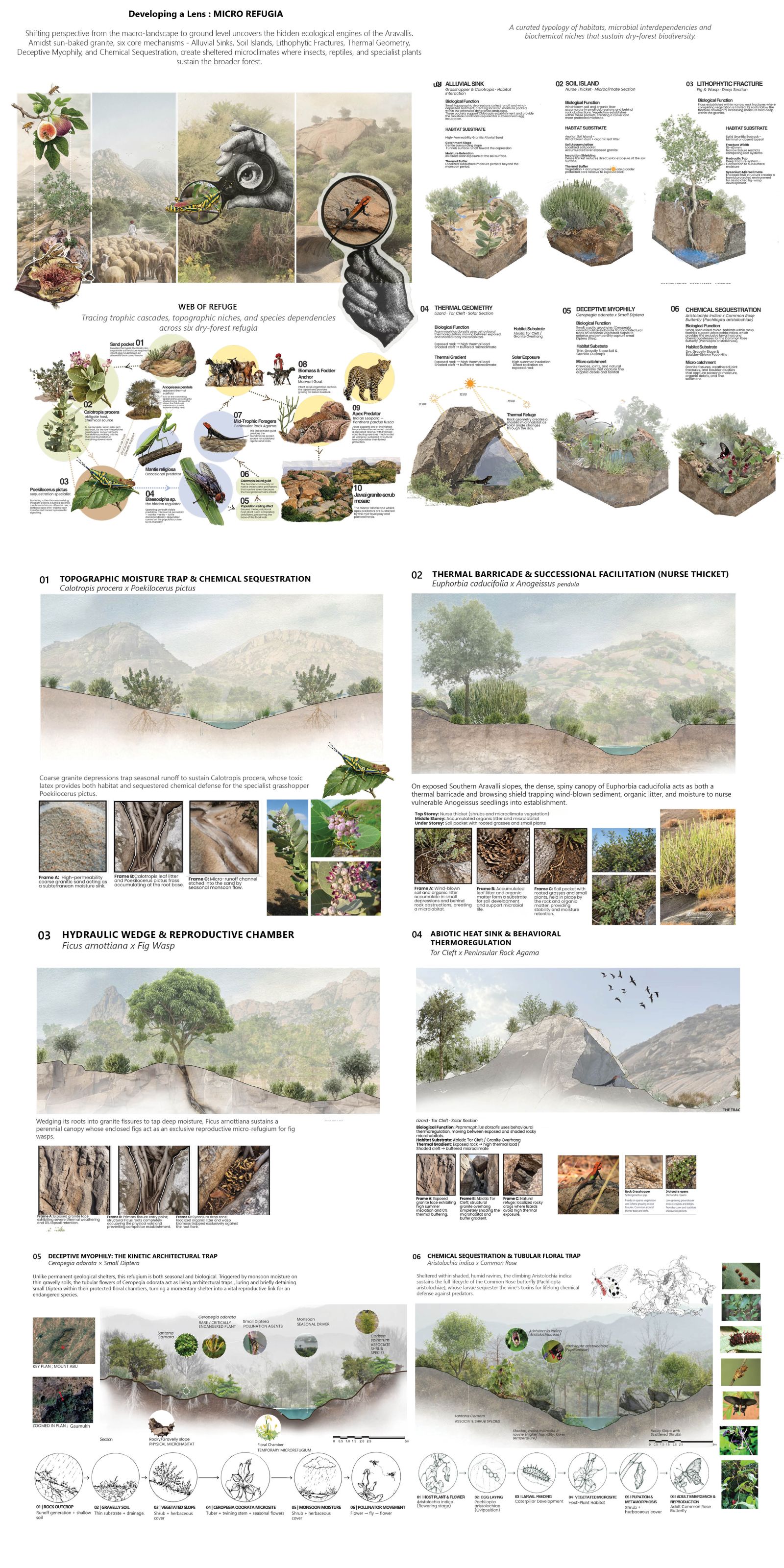
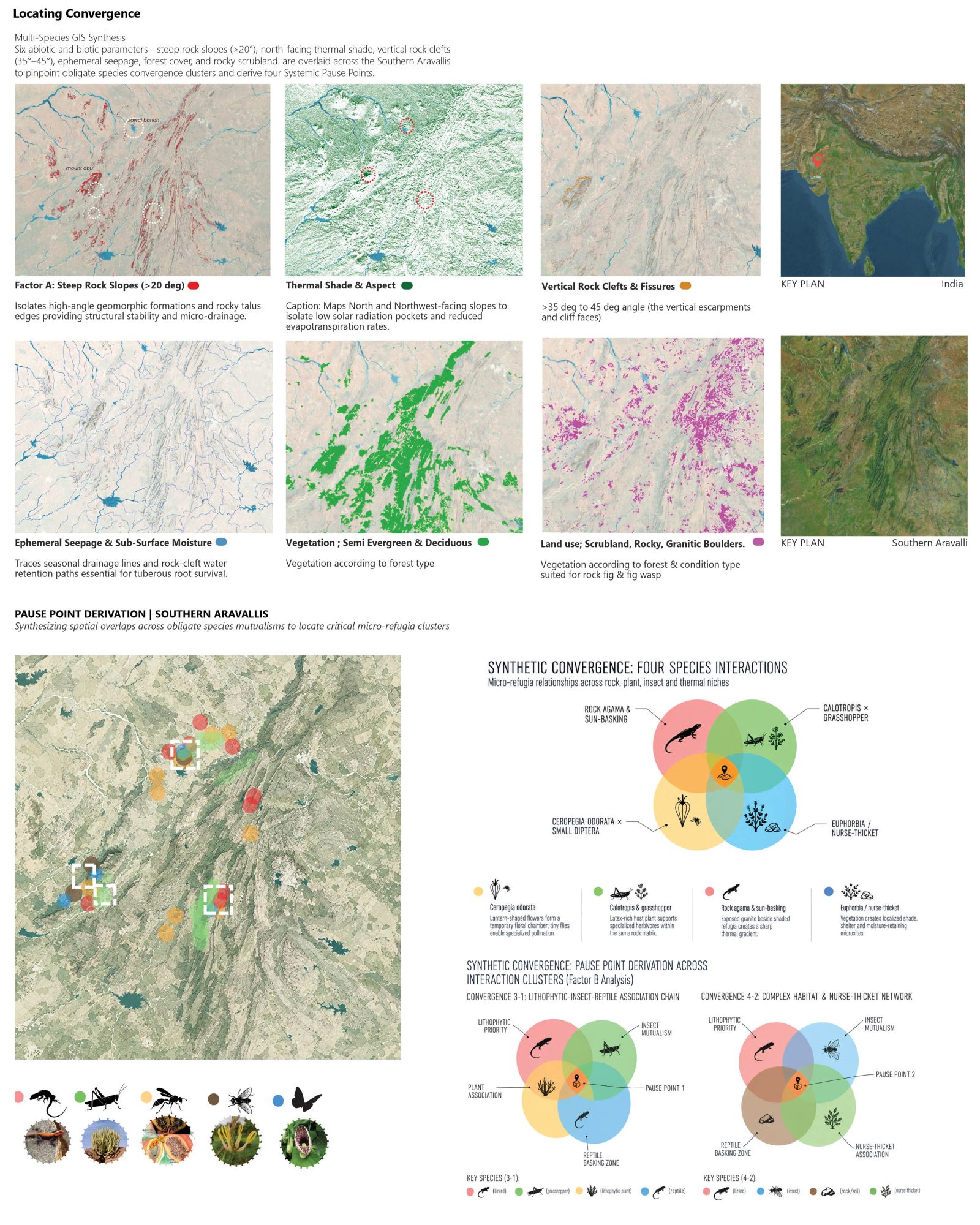
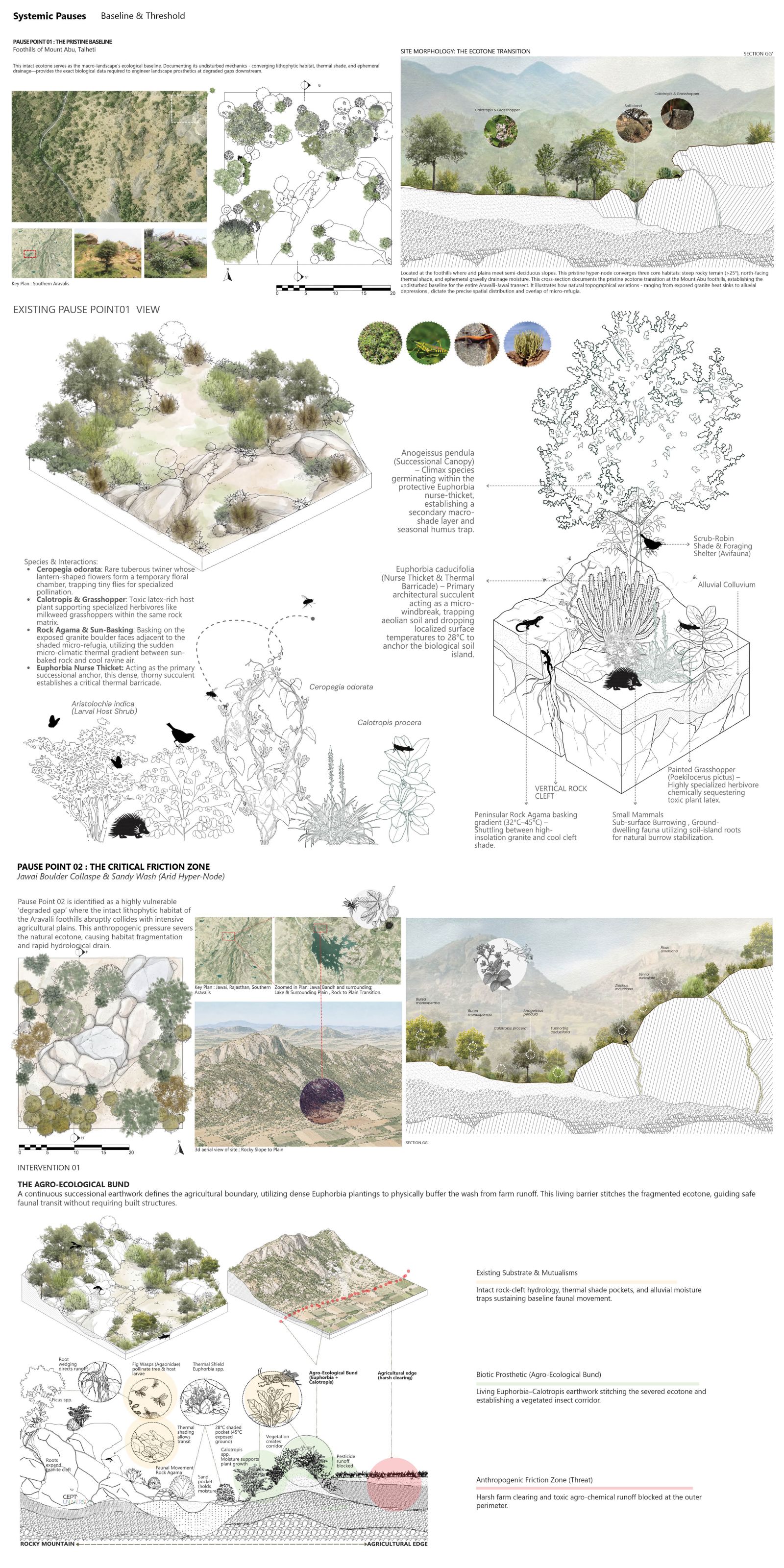
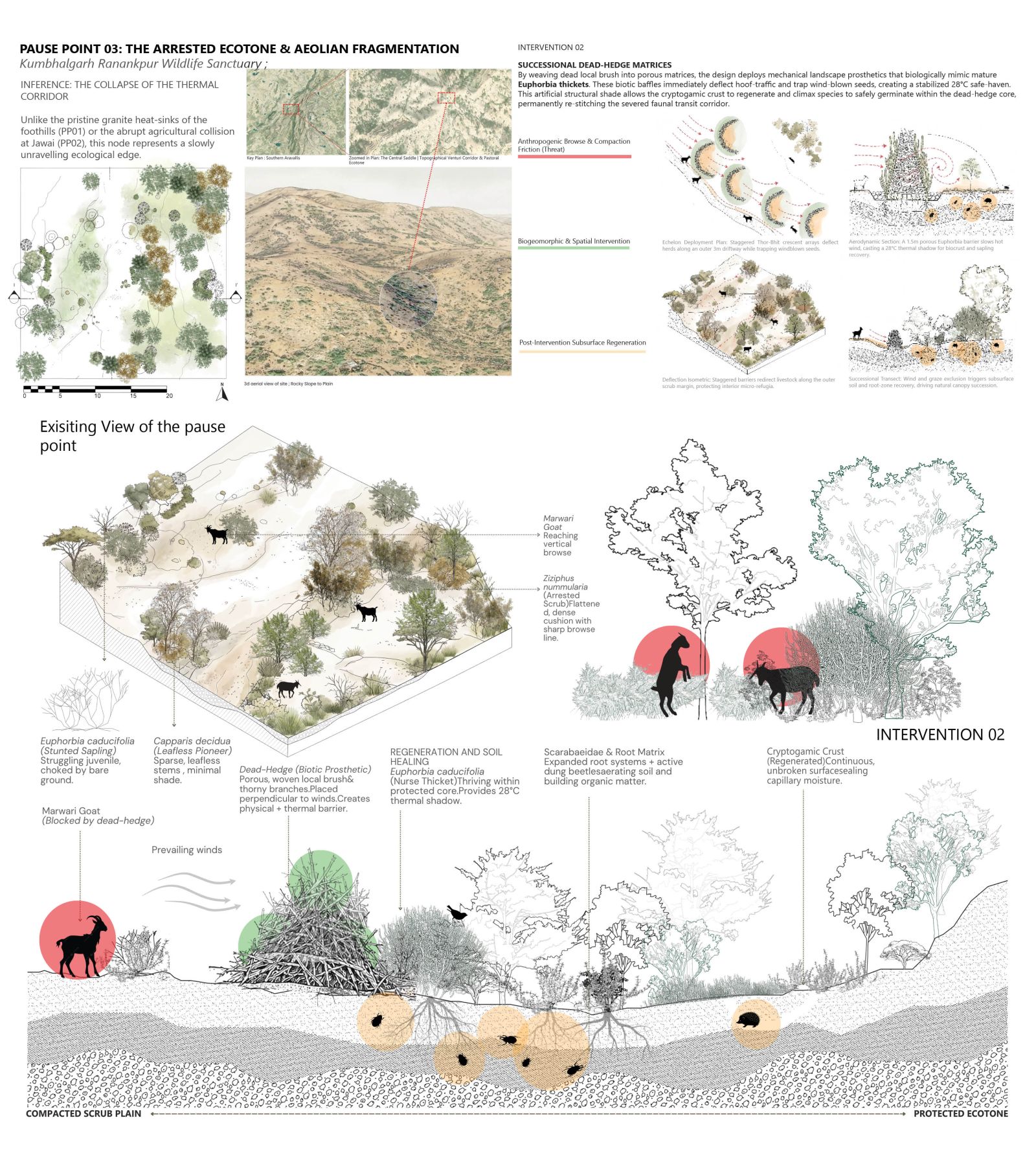
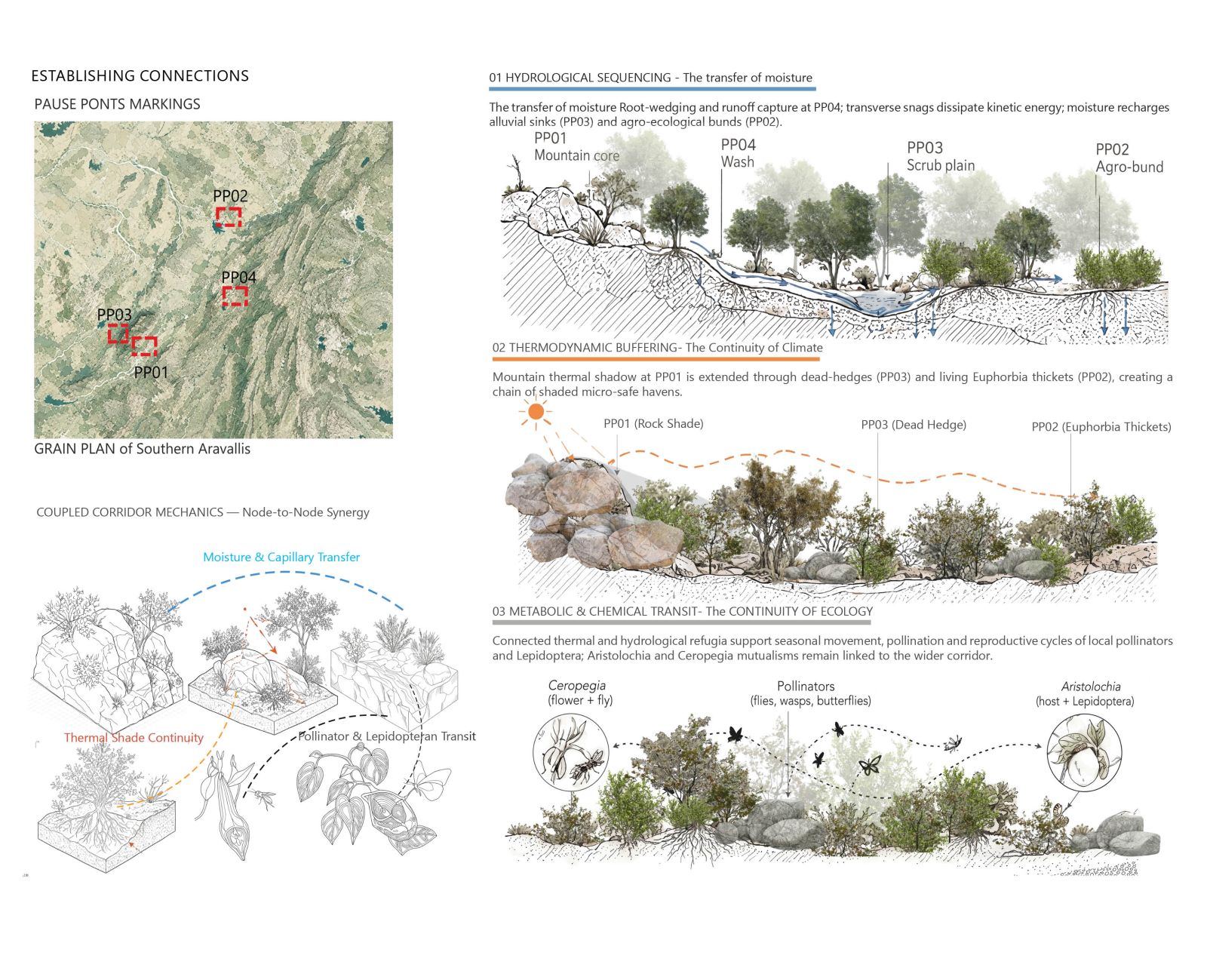
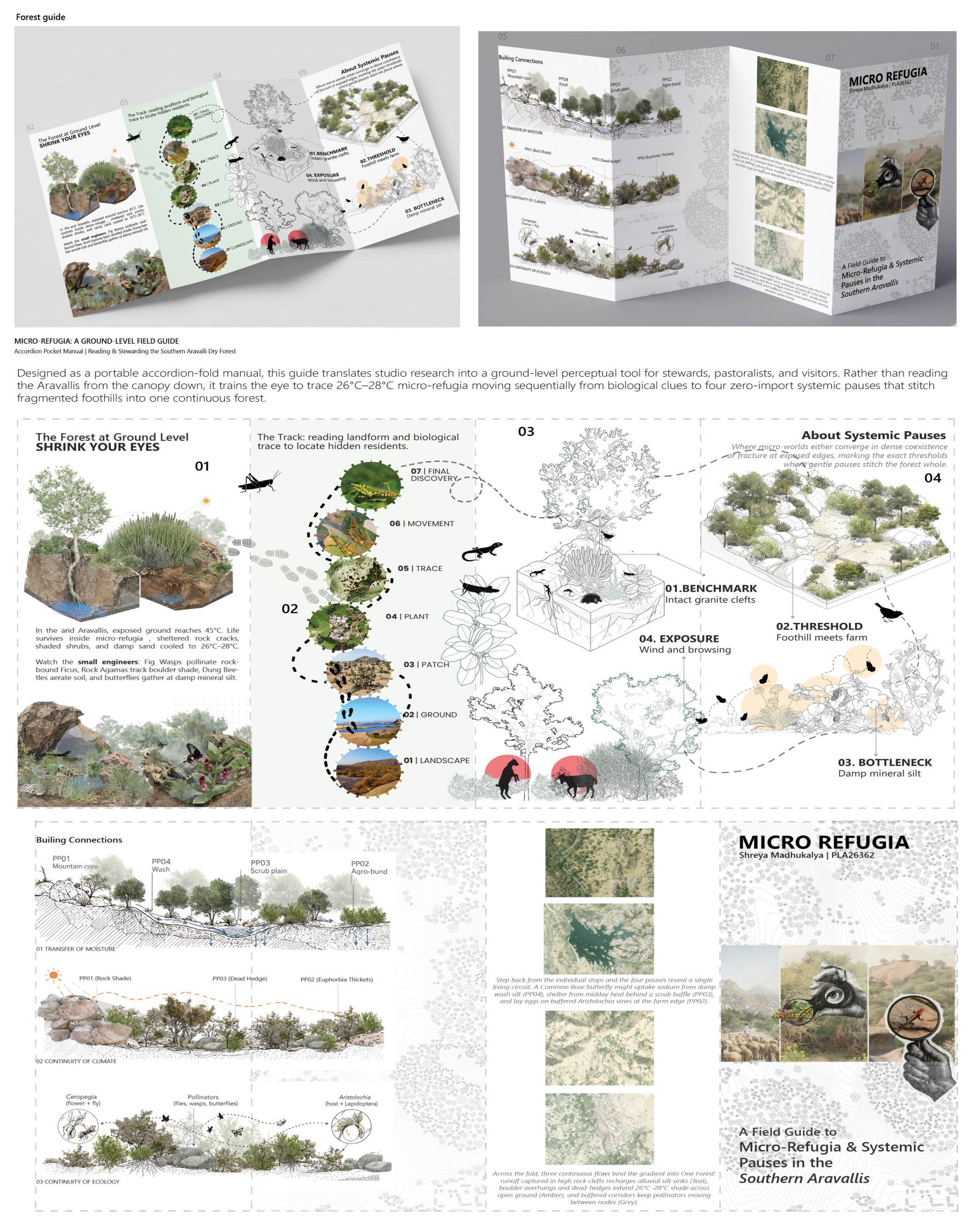
Micro-Refugia examines the forest through its smallest habitats: granite clefts, nurse thickets, and alluvial sinks across Mount Abu and Jawai. Rather than viewing these pockets in isolation, the study investigates the intricate interdependencies between micro-organisms, insects, reptiles, and specialist plants that inhabit them. Through pollination, chemical sequestration, and soil regeneration, these hidden mutualisms act as an ecological engine, rippling outward to sustain the wider landscape, pastoral herds, and apex predators. Using GIS convergence mapping, four systemic pause points are proposed to protect and reconnect these fragile micro-worlds to the broader forest.
View Additional Work