Your browser is out-of-date!
For a richer surfing experience on our website, please update your browser. Update my browser now!
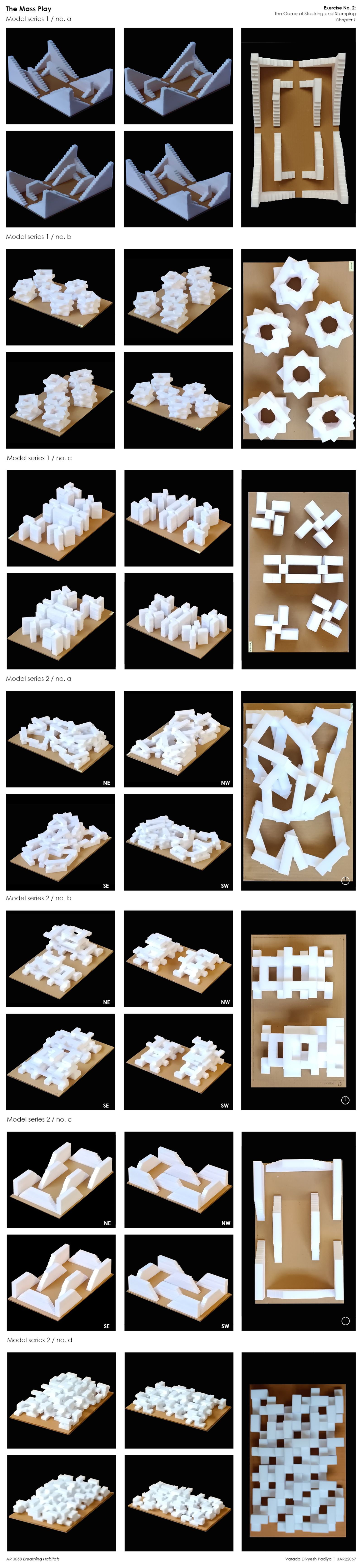
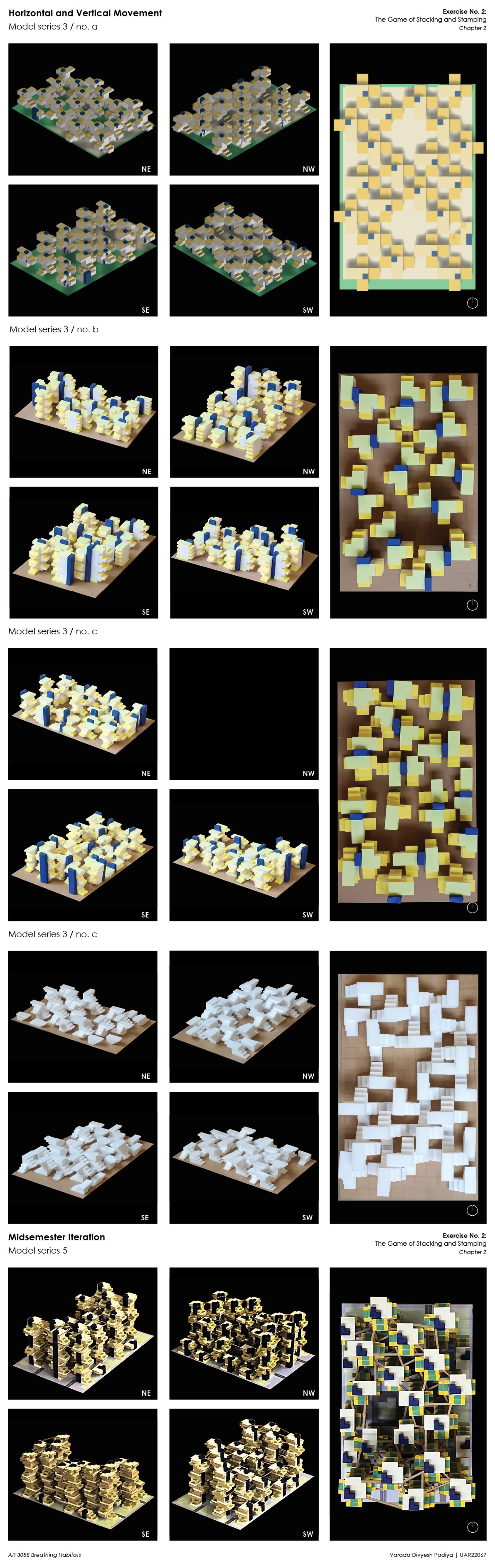
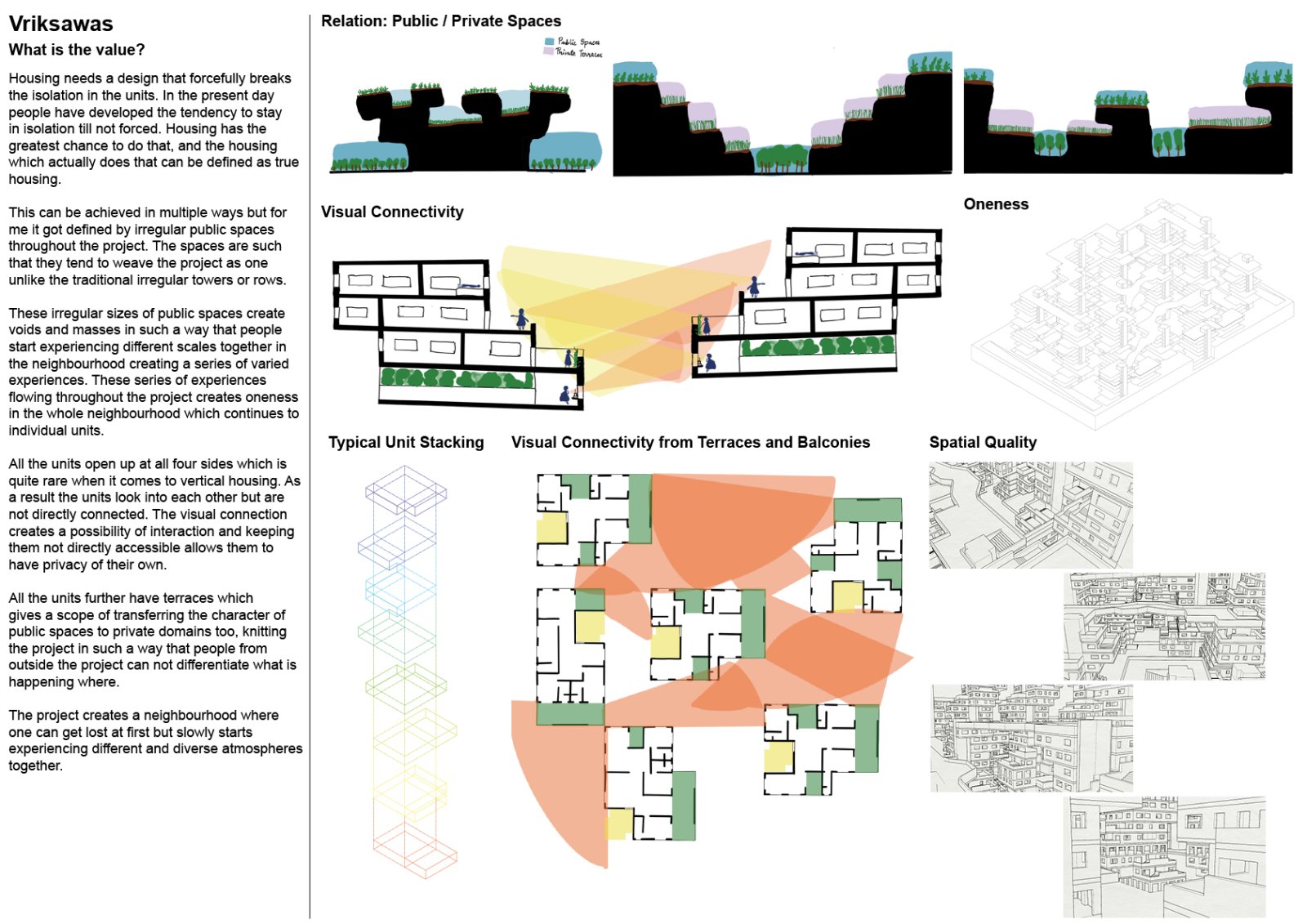
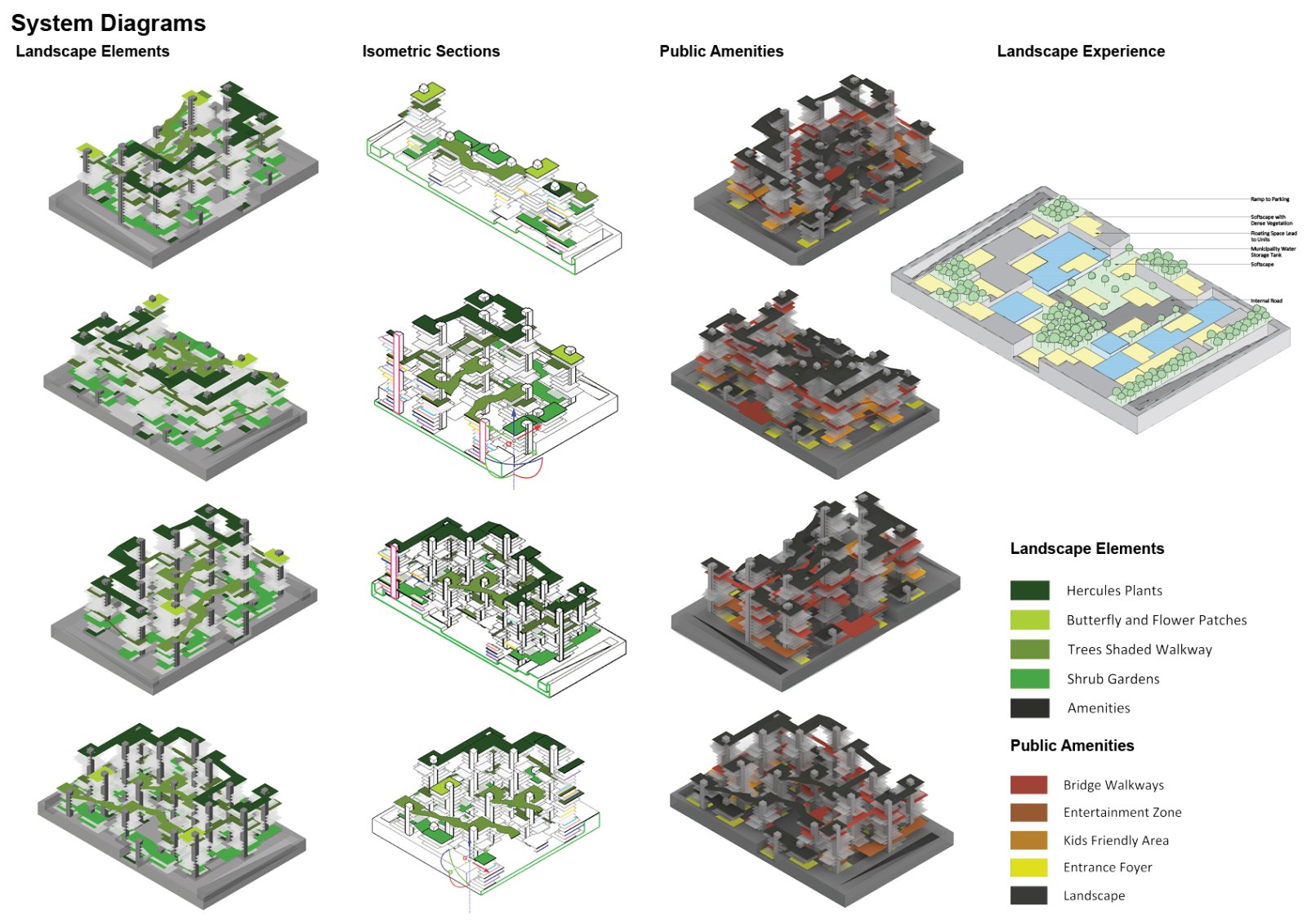
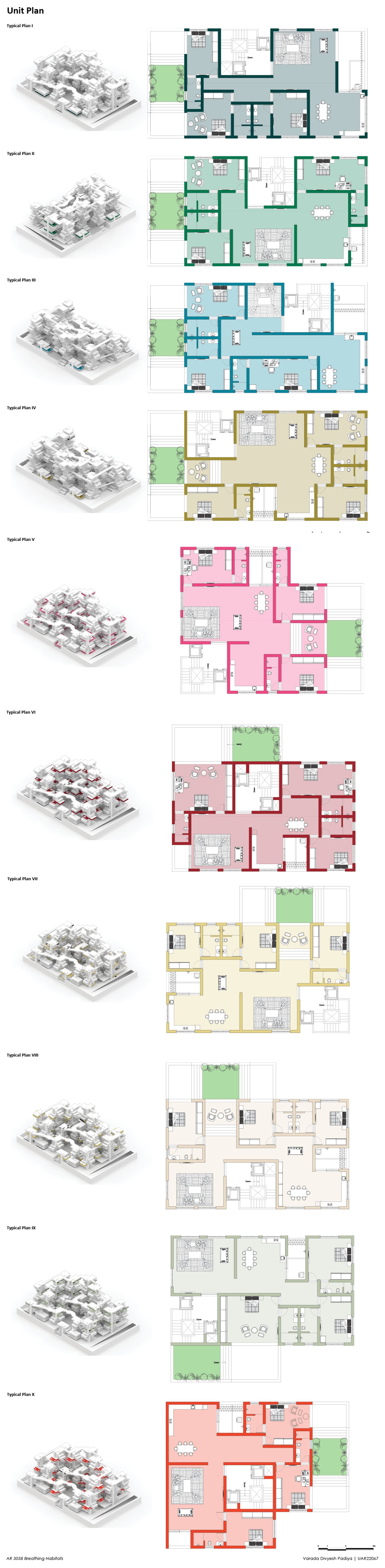
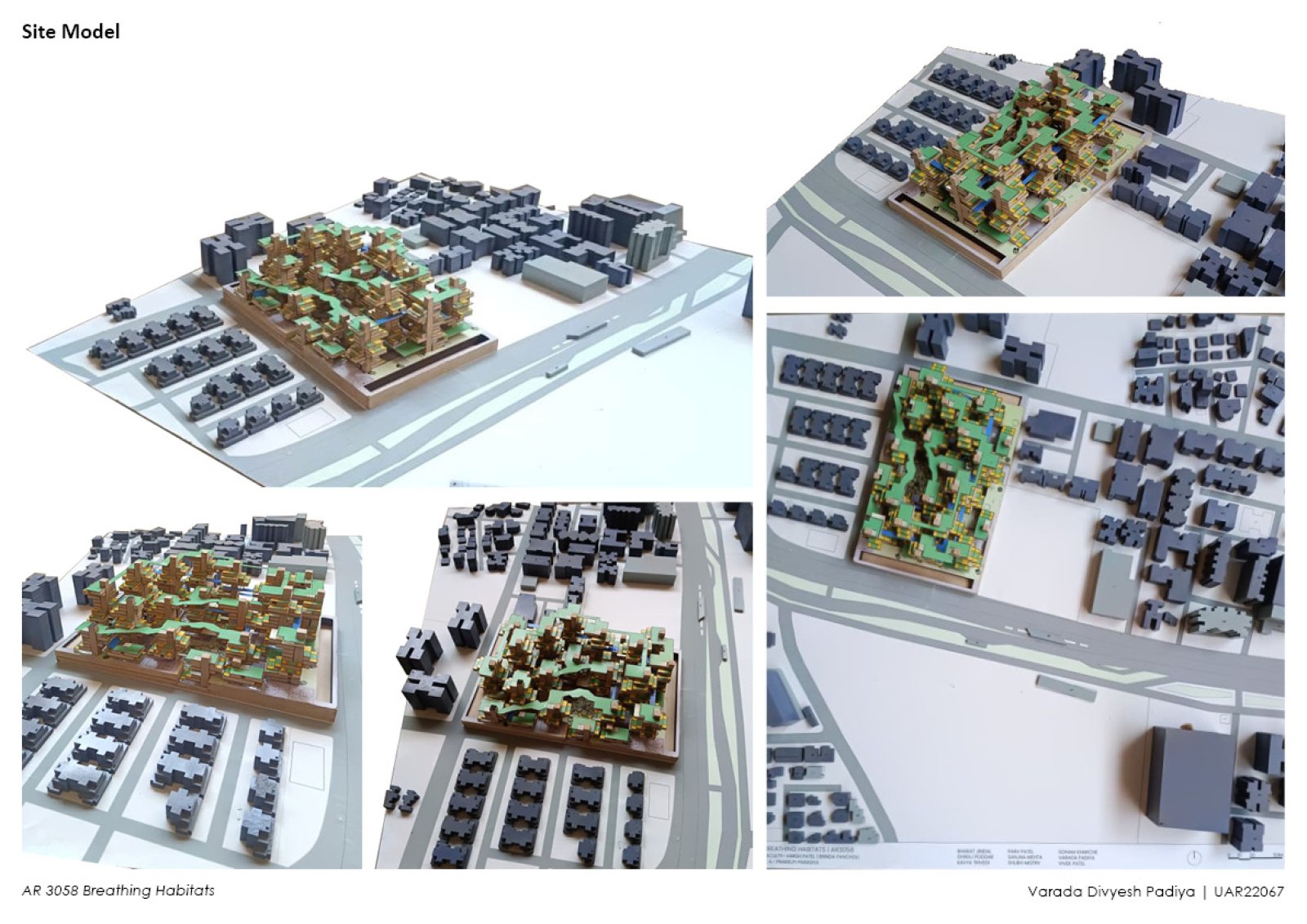
Housing needs a design that forcefully breaks the isolation in the units. In the present day people have developed the tendency to stay in isolation till not forced. Housing has the greatest chance to do that, and the housing which actually does that can be defined as true housing. This can be achieved in multiple ways but for me it got defined by irregular public spaces throughout the project. The spaces are such that they tend to weave the project as one unlike the traditional irregular towers or rows. These irregular sizes of public spaces create voids and masses in such a way that people start experiencing different scales together in the neighbourhood creating a series of varied experiences. These series of experiences flowing throughout the project creates oneness in the whole neighbourhood which continues to individual units. All the units open up at all four sides which is quite rare when it comes to vertical housing. As a result the units look into each other but are not directly connected. The visual connection creates a possibility of interaction and keeping them not directly accessible allows them to have privacy of their own. All the units further have terraces which gives a scope of transferring the character of public spaces to private domains too, knitting the project in such a way that people from outside the project can not differentiate what is happening where. The project creates a neighbourhood where one can get lost at first but slowly starts experiencing different and diverse atmospheres together.