The term "Anti-Building" was coined by British architect Cedric Price. He challenged the conventional idea behind the building as driven only to attain the defined programmatic outline and exclusivity attained via architect's vision. He believed that building should primarily serve people. They should be able to radically transform and be flexible to meet diverse demands of both the present and the future. His vision of 1960s which was far too advanced for its time and is responsible for many famous built-forms (Pompidou center,Greenwich Dome,The shed-New York) that we all cherish and look up to.
In addition philosophically the scenario also reviews the present demands on urban land which is highly pressurised thus each built form takes away many possibilities that the land may offer to inhabitants by occupying the piece of land while accommodating only a few uses.
This unit offers a unique ground-breaking journey to look at the built-form through a completely different perspective challenging conventions,engaging in creating meaningful transformations of built-form adopting and transforming itself to address many diverse demands of its users. Inclusivity creates a unique position for a designer, while shaping it for the present and imagined future would demand a narrative comprehending near or distant future.
Studio Unit
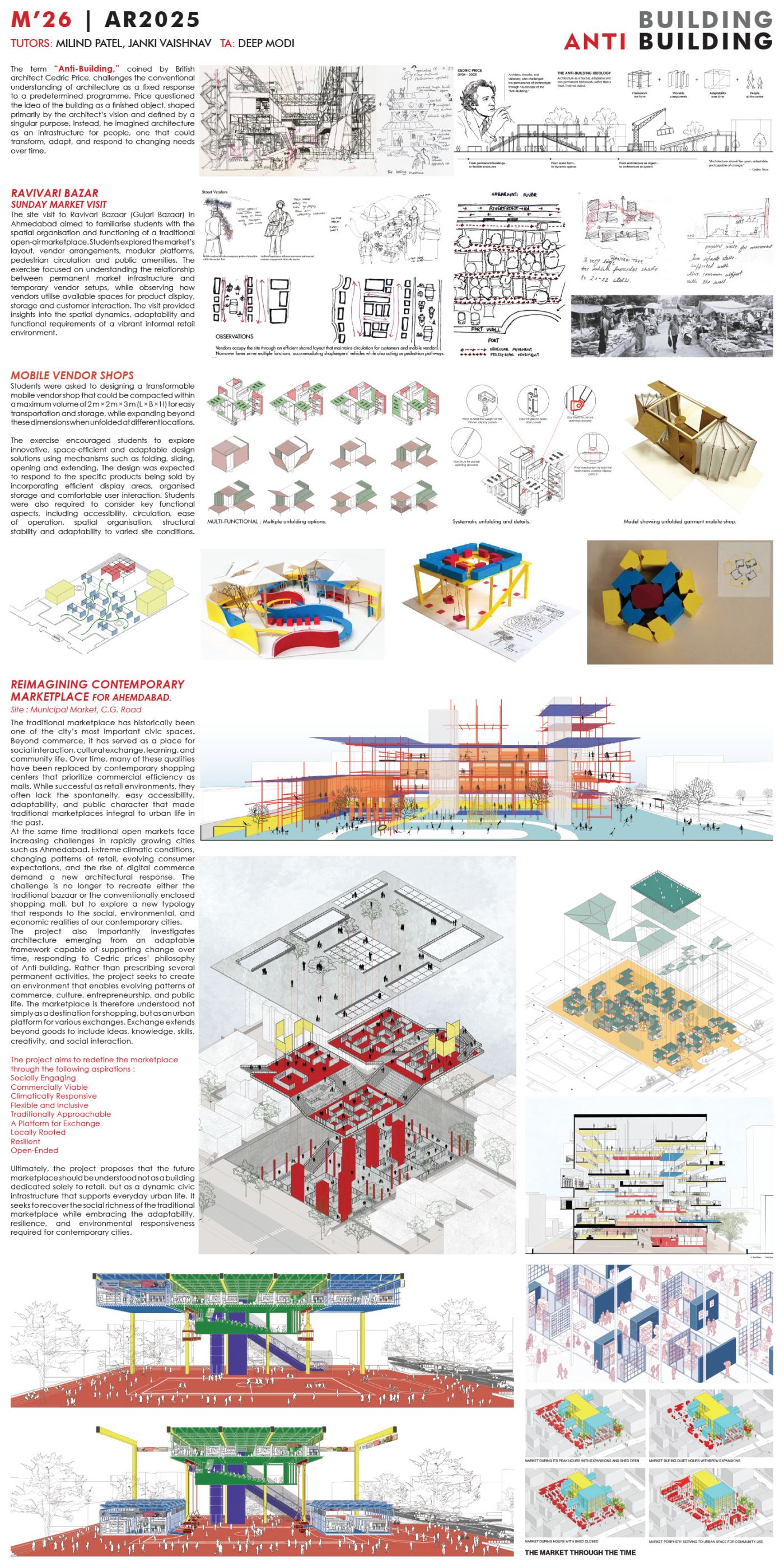
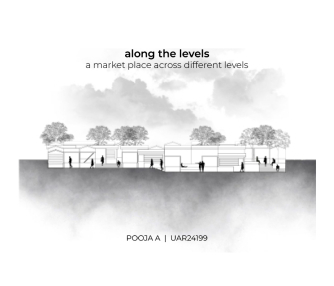
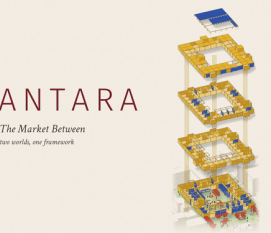
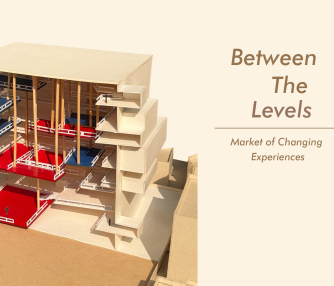
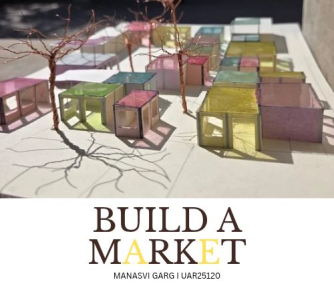
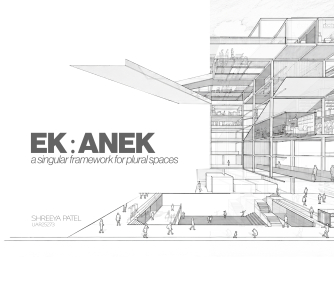
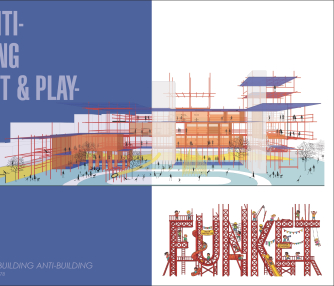
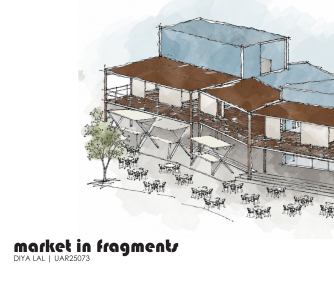
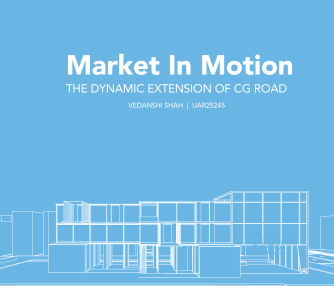
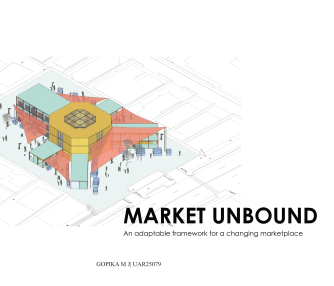
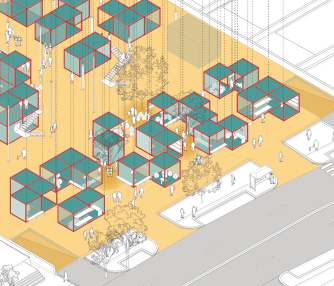
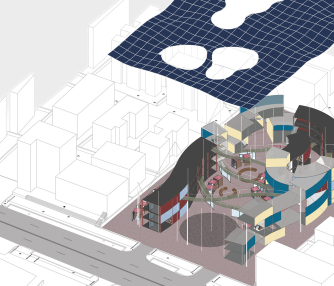
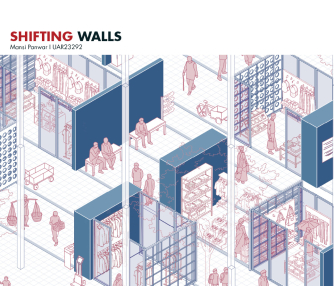
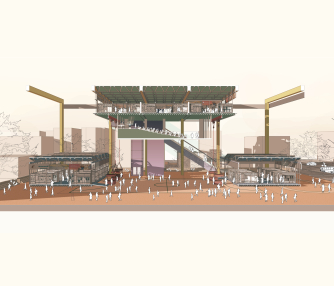
The traditional marketplace has historically served as more than a space for commerce, functioning as a vital civic hub for social interaction, cultural exchange, learning, and community life. However, contemporary shopping malls, driven by commercial efficiency, often lack the spontaneity, accessibility, adaptability, and public character of traditional bazaars. Meanwhile, open markets in rapidly growing cities like Ahmedabad face challenges posed by extreme climatic conditions, changing retail patterns, evolving consumer expectations, and digital commerce. This project explores a new marketplace typology that bridges the traditional bazaar and the conventional shopping mall. Inspired by Cedric Price’s philosophy of Anti-building, it proposes an adaptable architectural framework that accommodates changing needs and activities over time. Beyond retail, the marketplace is envisioned as a dynamic urban platform facilitating the exchange of goods, ideas, knowledge, skills, creativity, and