Your browser is out-of-date!
For a richer surfing experience on our website, please update your browser. Update my browser now!
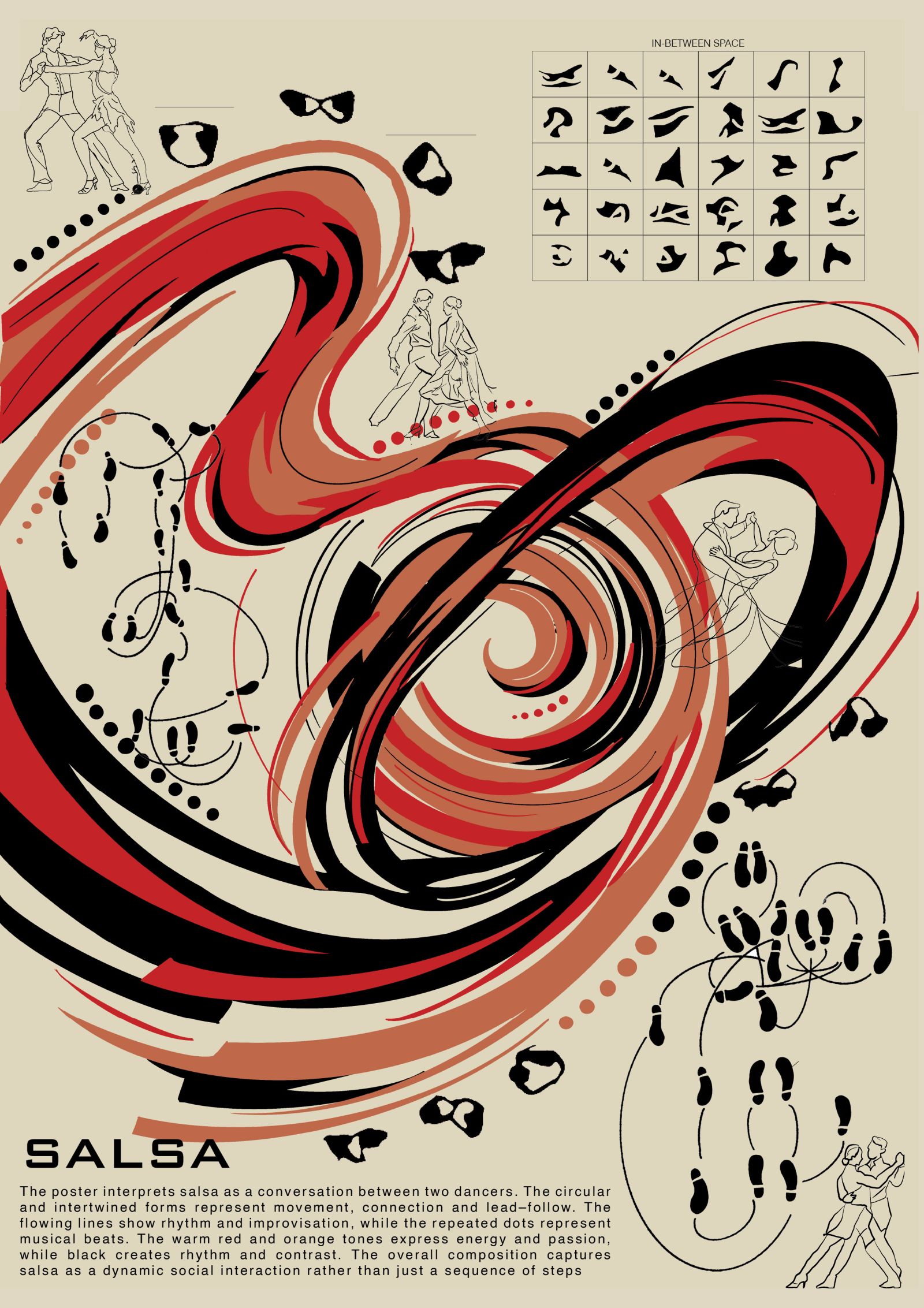
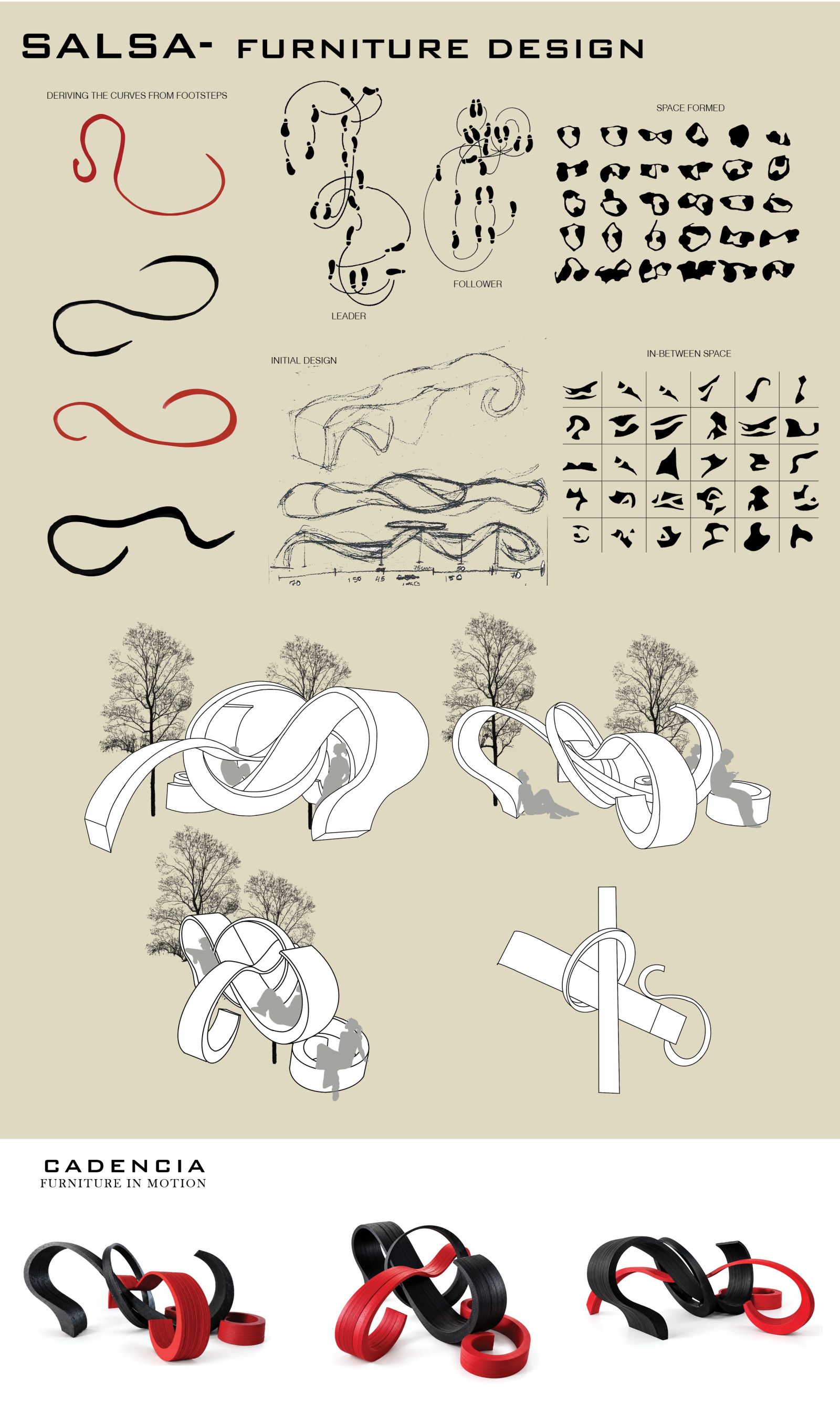
Inspired by the principles of Salsa, the student center explores how movement, rhythm and human interaction can translate into architectural space. Salsa, although fluid and spontaneous in its expression, is rooted in structure, coordination and rhythm. This duality becomes the foundation of the design.
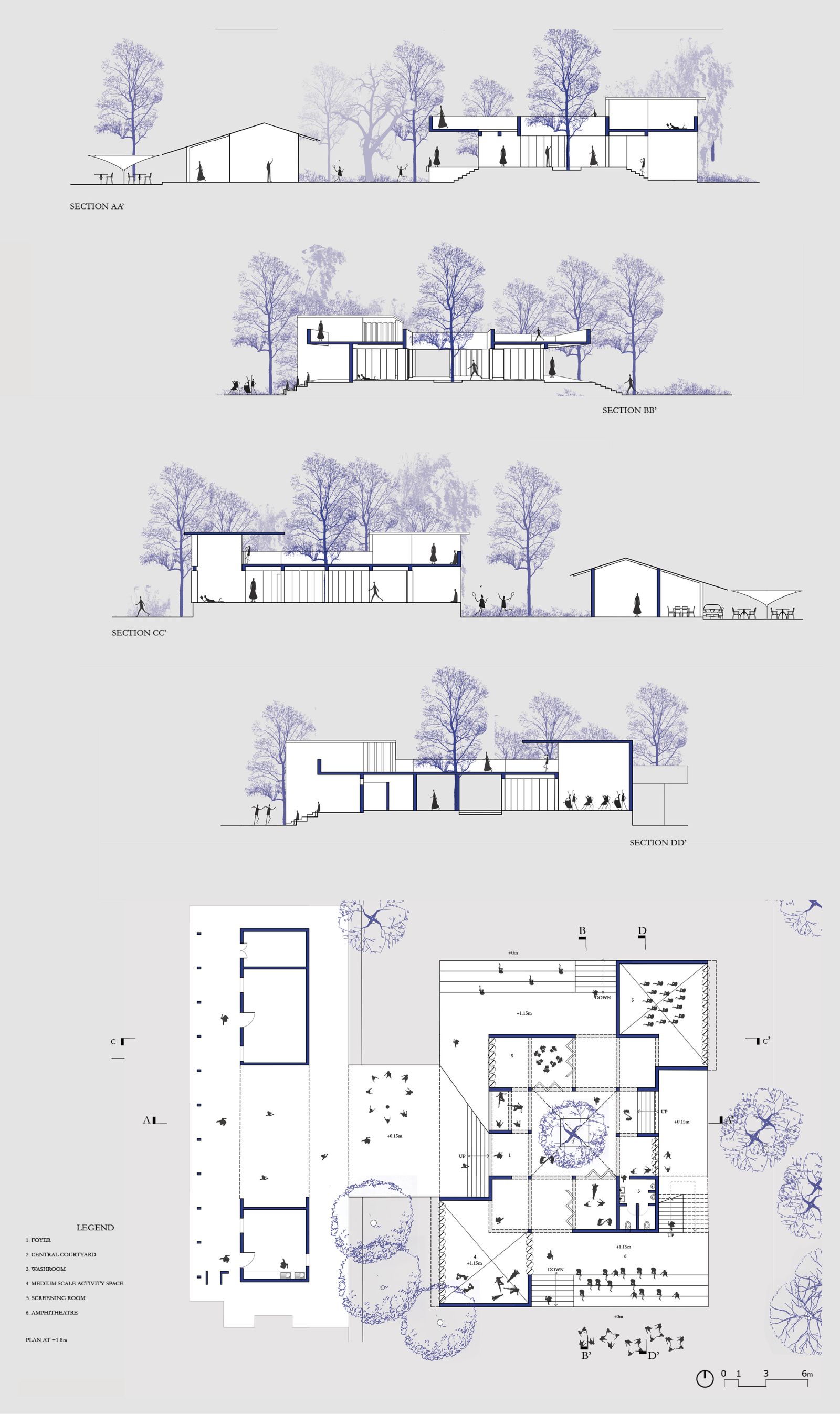
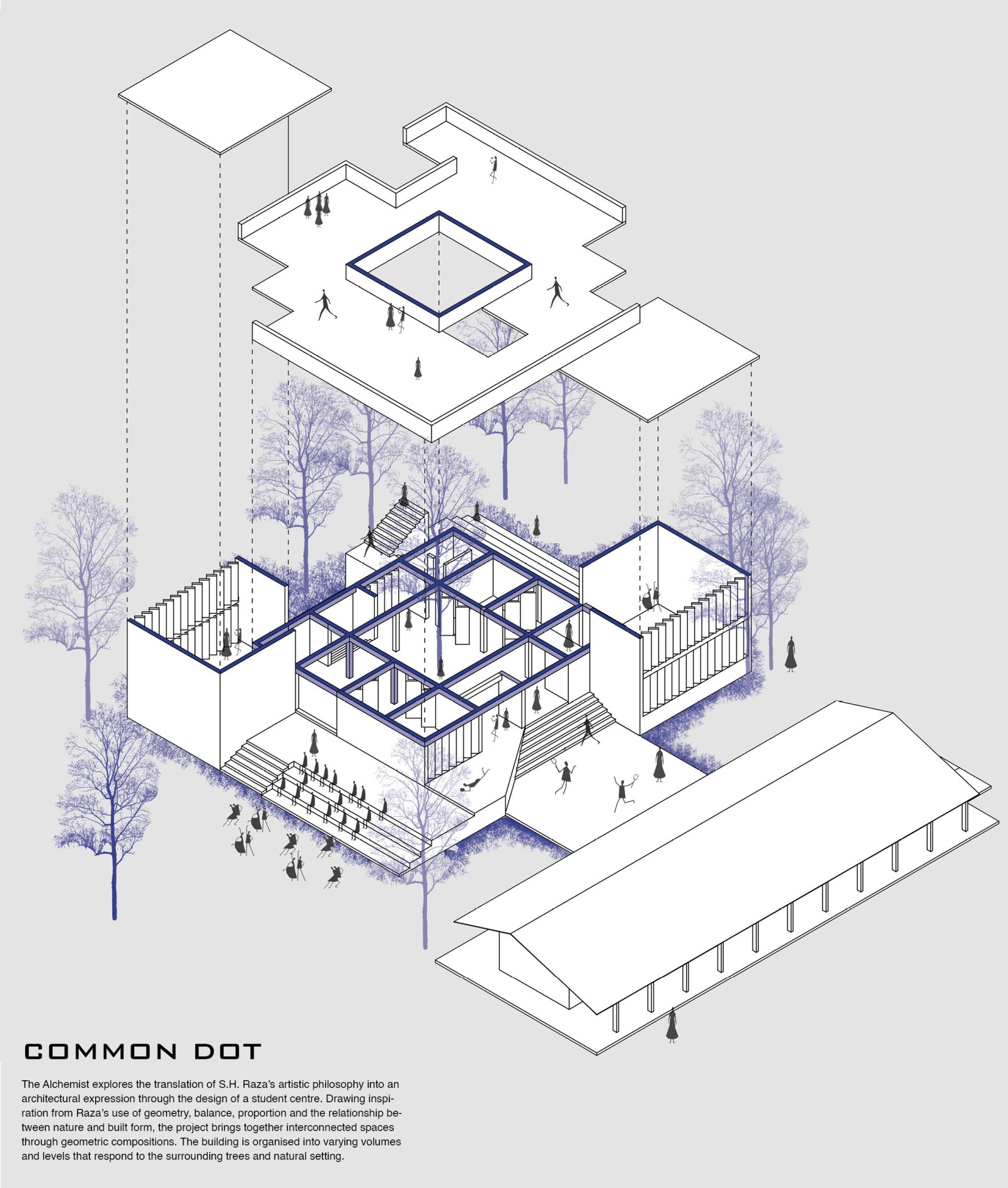
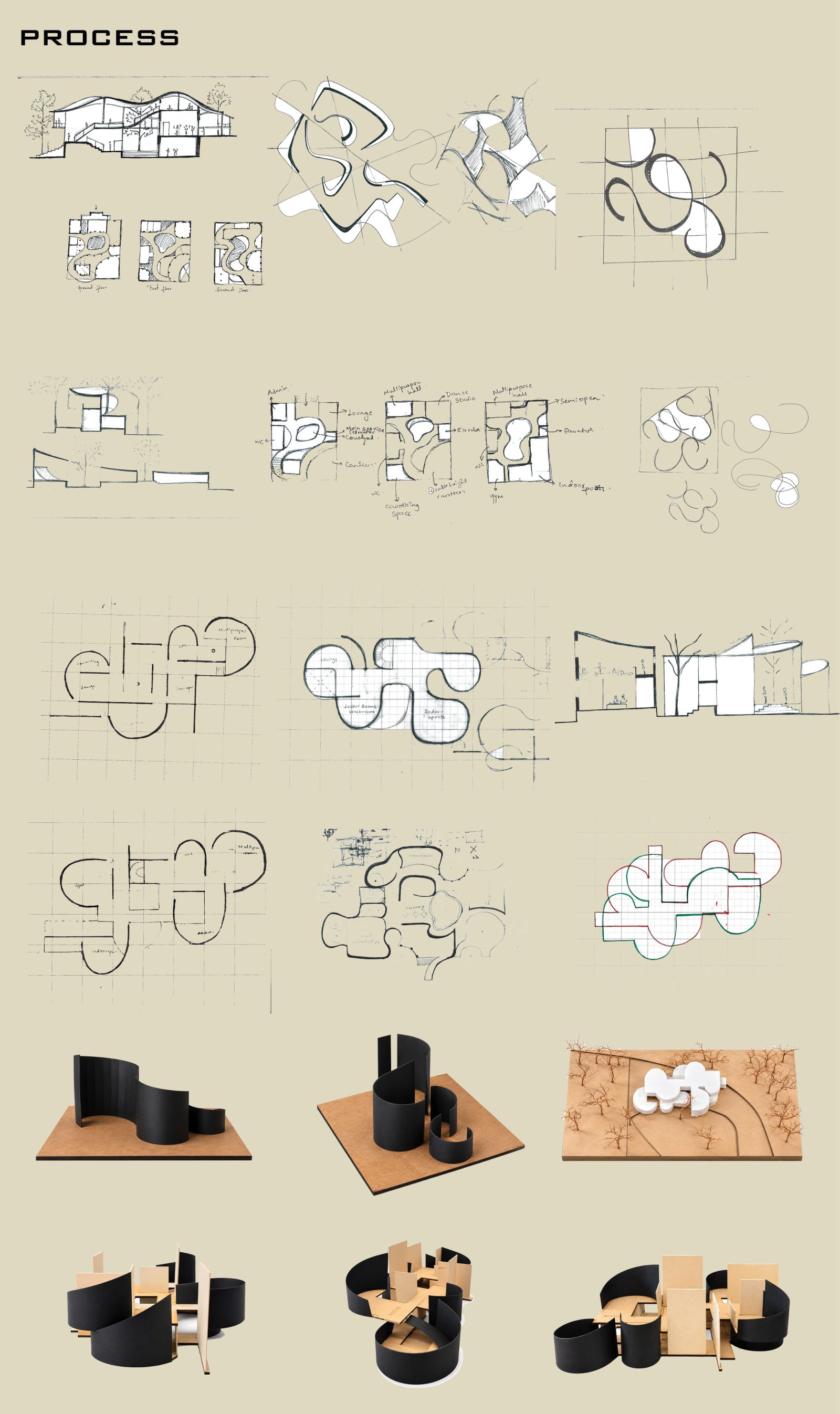
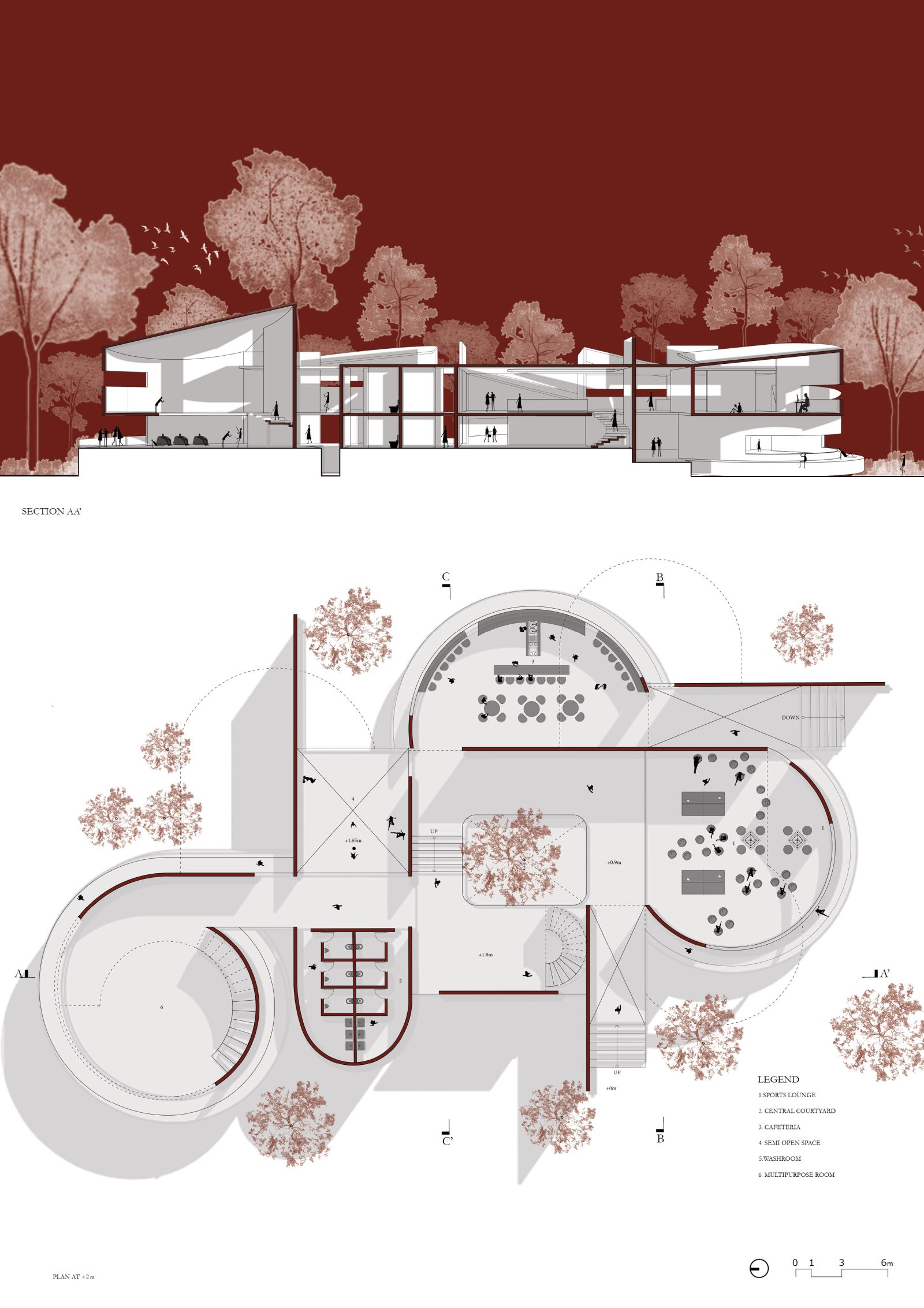
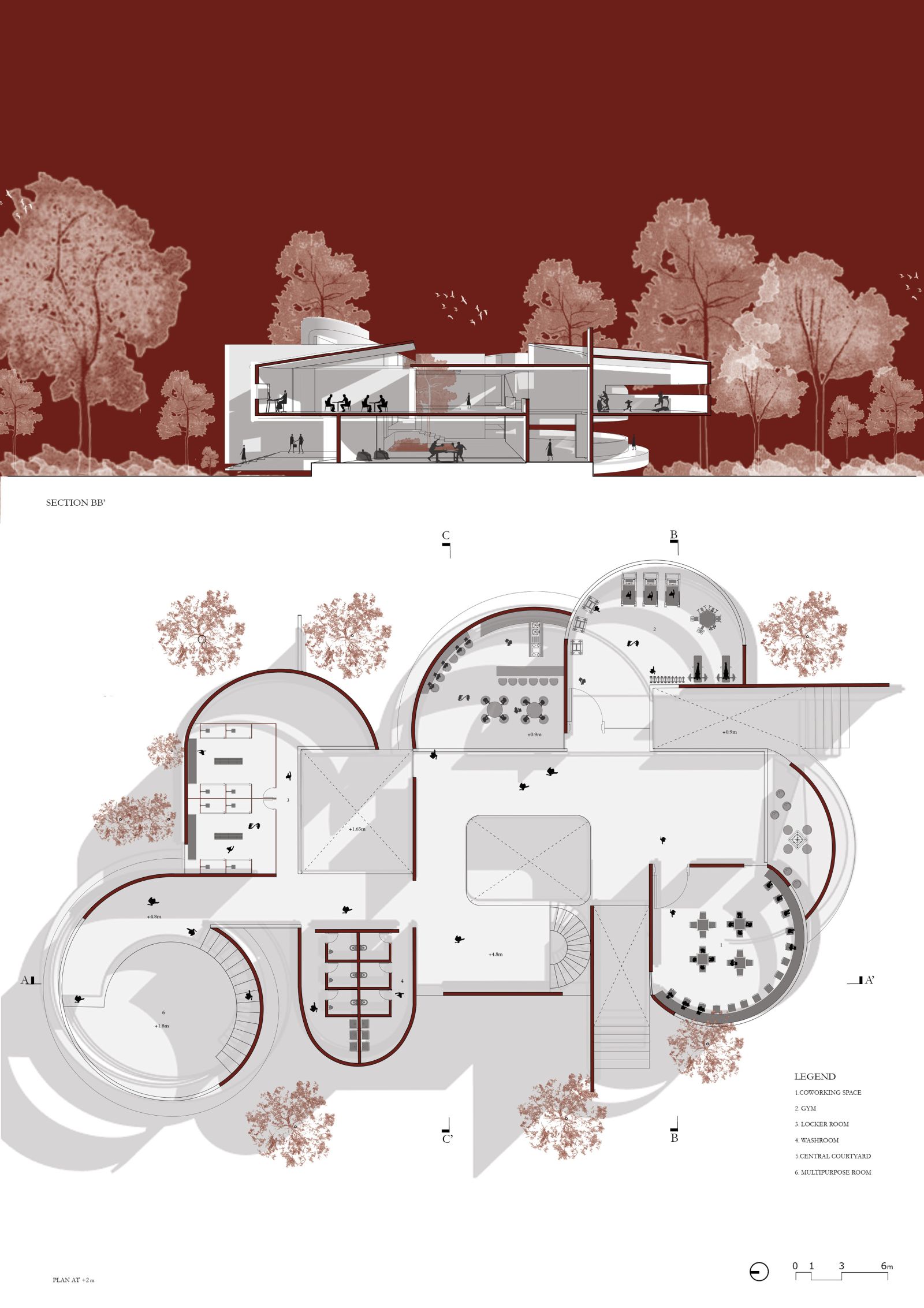
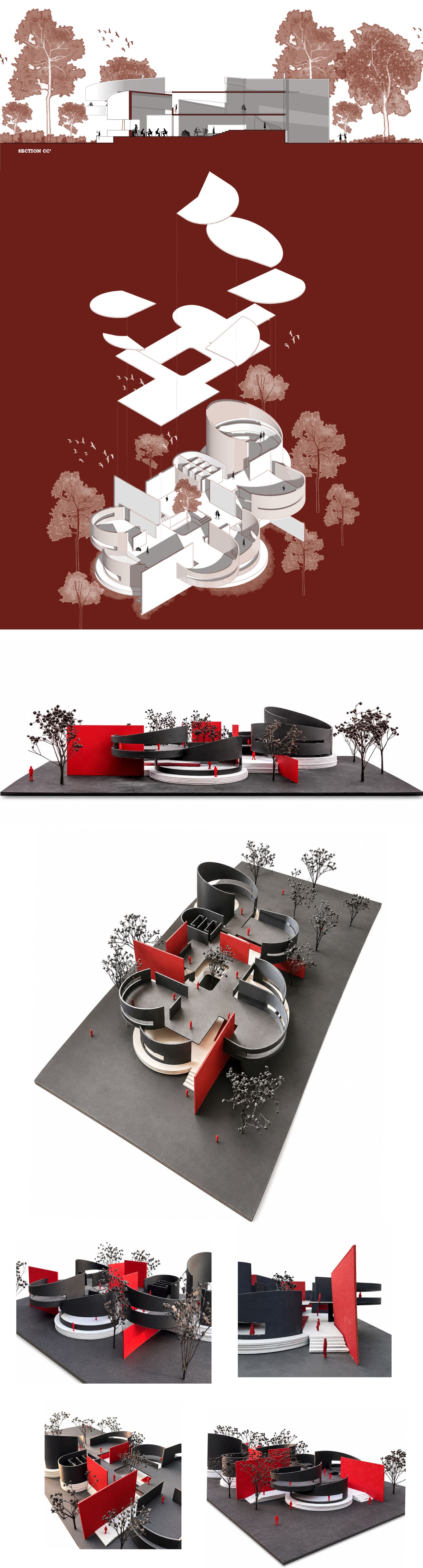
The building is conceived as a series of interconnected spaces, where movement is guided by vertical walls that establish direction and circulation, while curved forms define spaces for gathering, interaction and pause. Rather than existing as isolated functions, the spaces flow into one another, creating visual and physical connections throughout the building.
Housing a sports lounge, multipurpose rooms, a gym, cafeteria and co-working spaces, the student center offers varied experiences, with each space having its own identity, character and views. Multiple entry points invite students into the building from different directions, allowing movement to unfold organically.
Much like Salsa, where individual dancers retain their identity while responding to one another, each space functions independently while contributing to a larger collective experience. The center aims to become more than a place for student activities; it is a place to encounter, interact, collaborate and find moments of pause within the rhythm of campus life.