Your browser is out-of-date!
For a richer surfing experience on our website, please update your browser. Update my browser now!
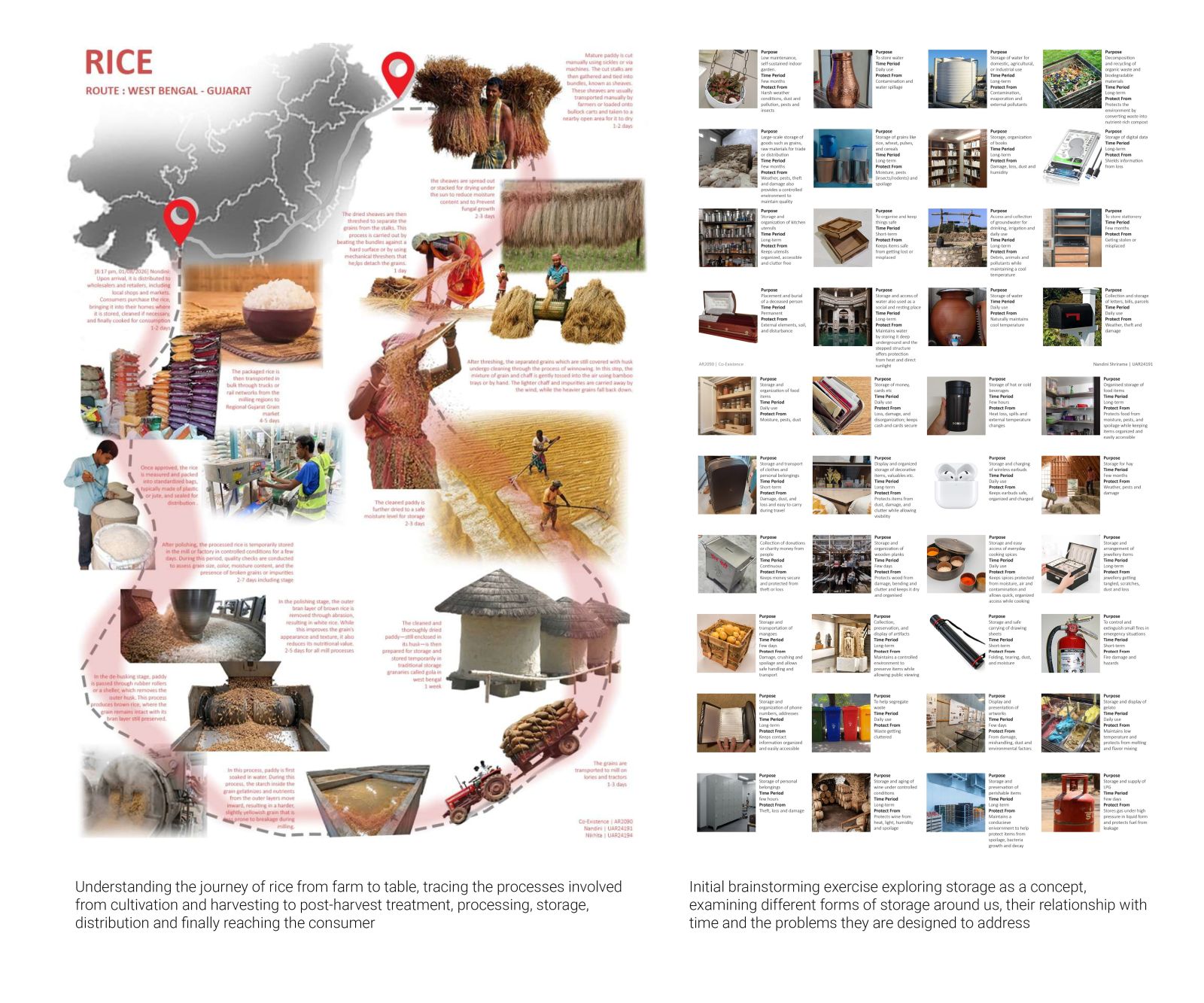
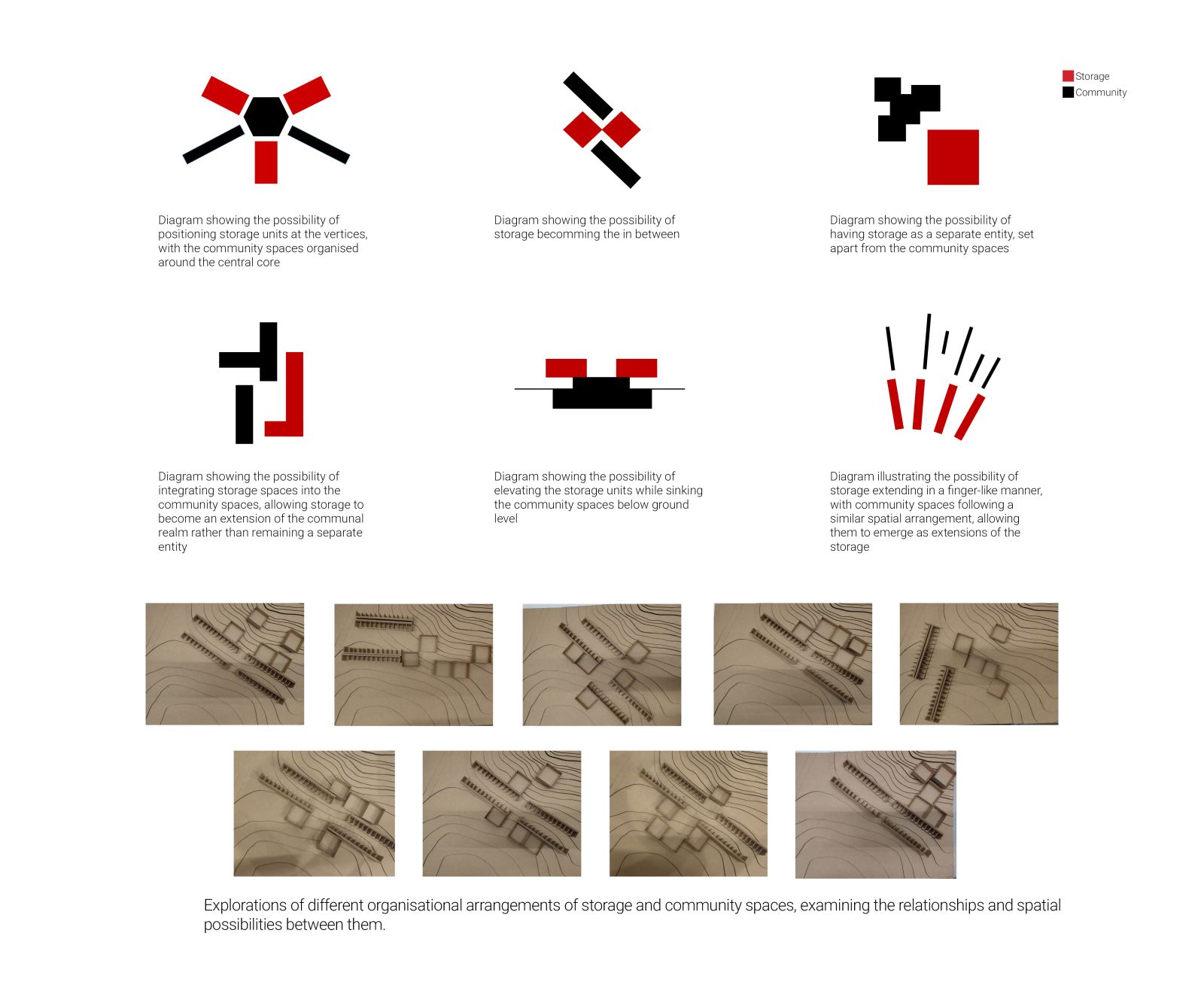
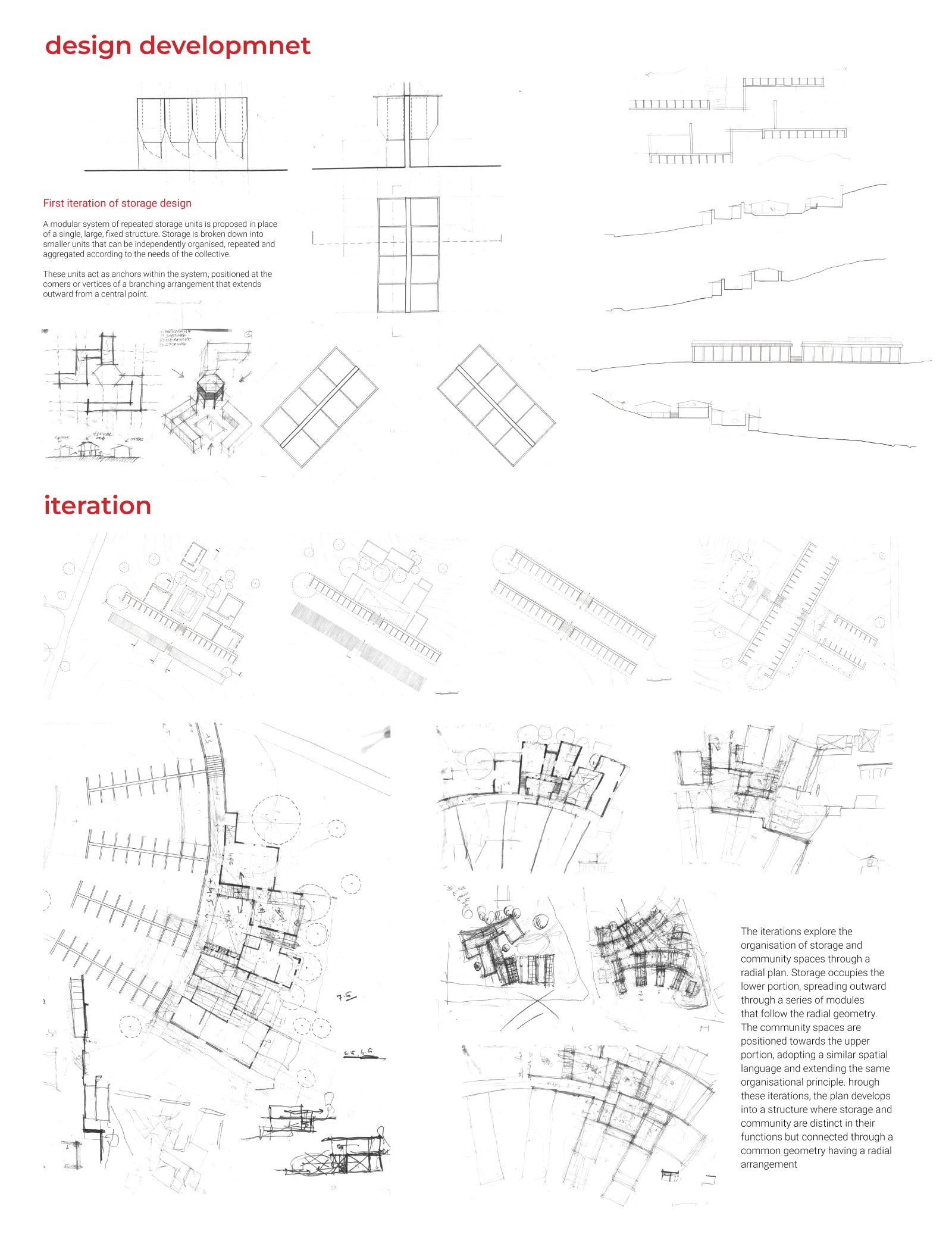
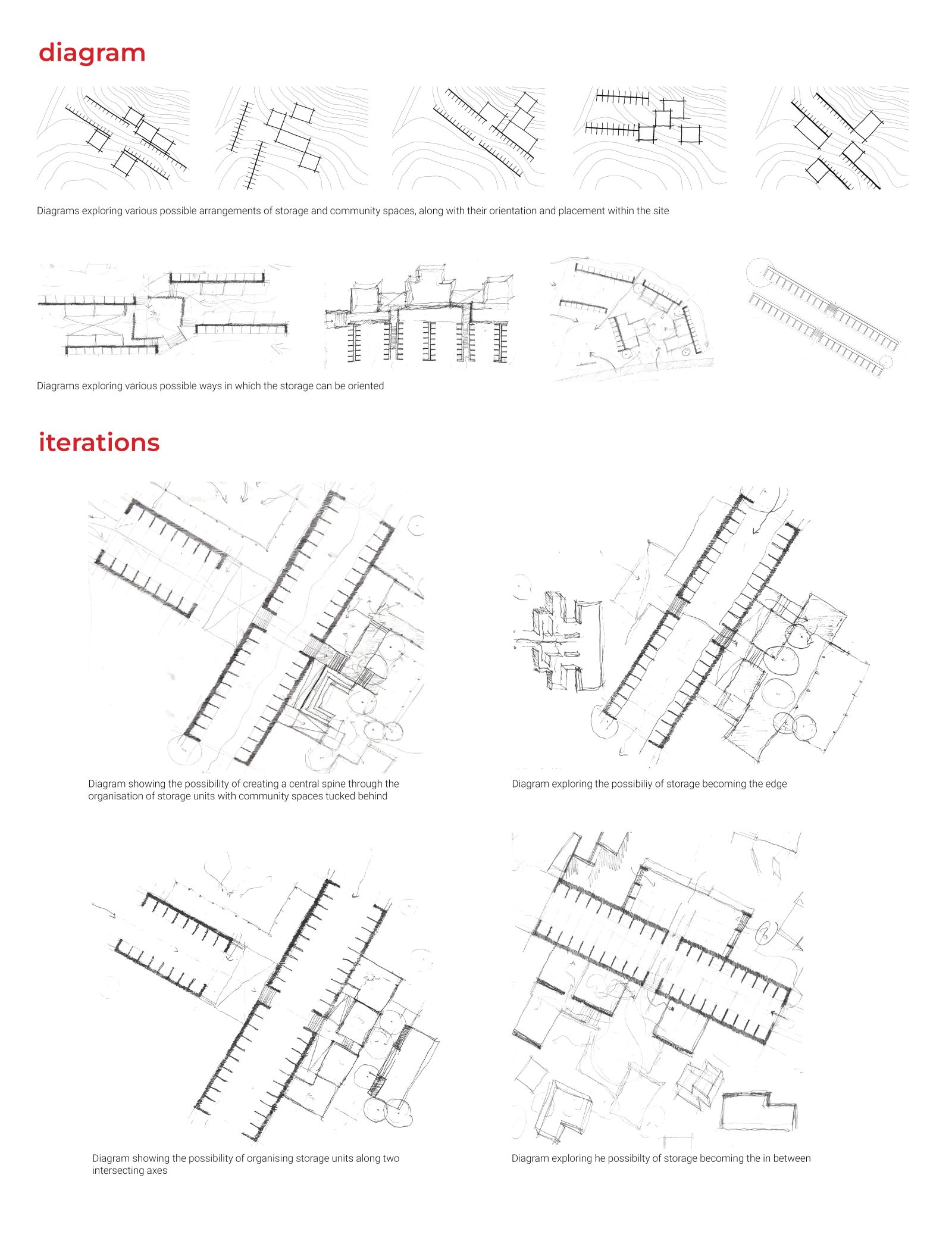
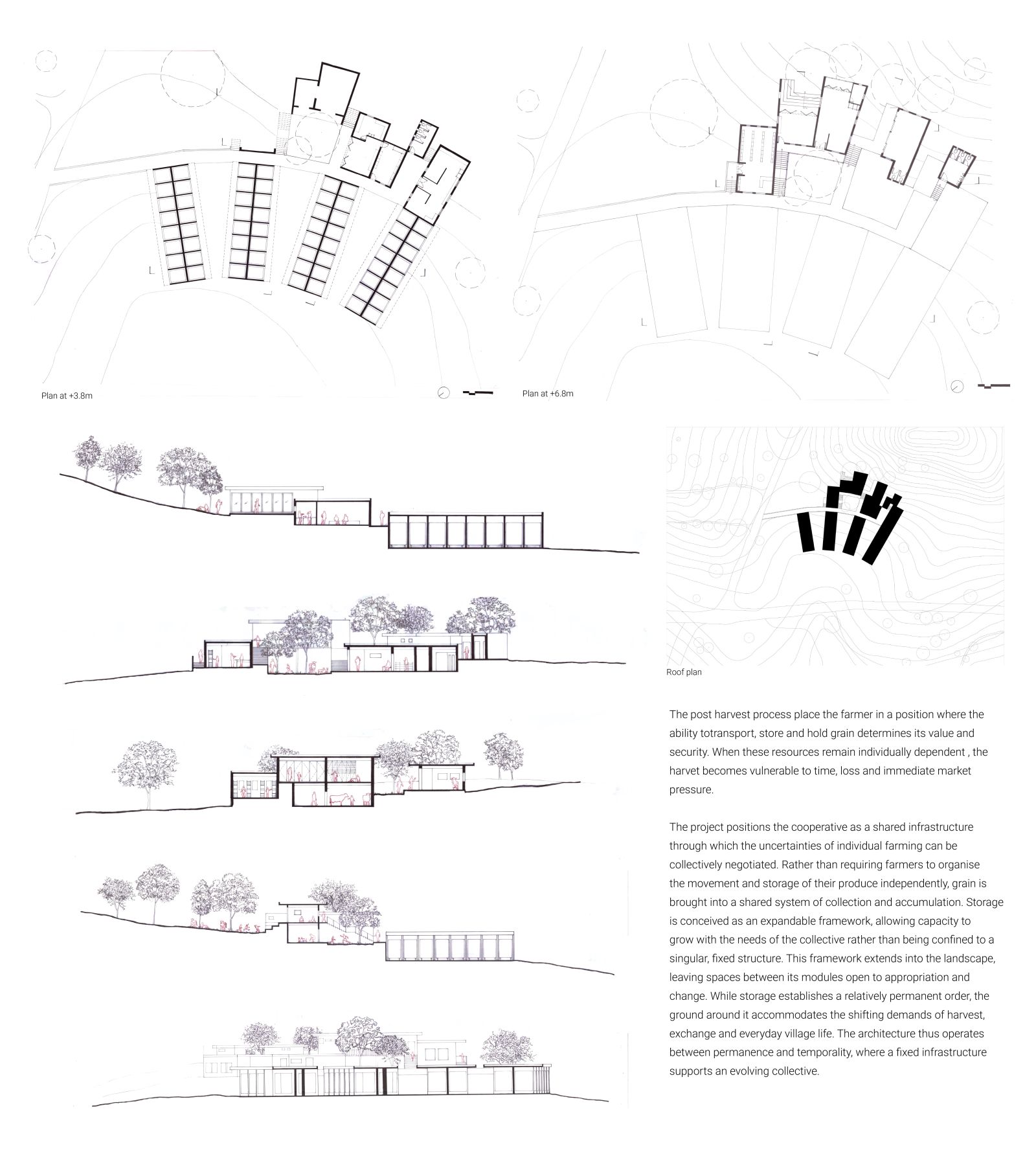
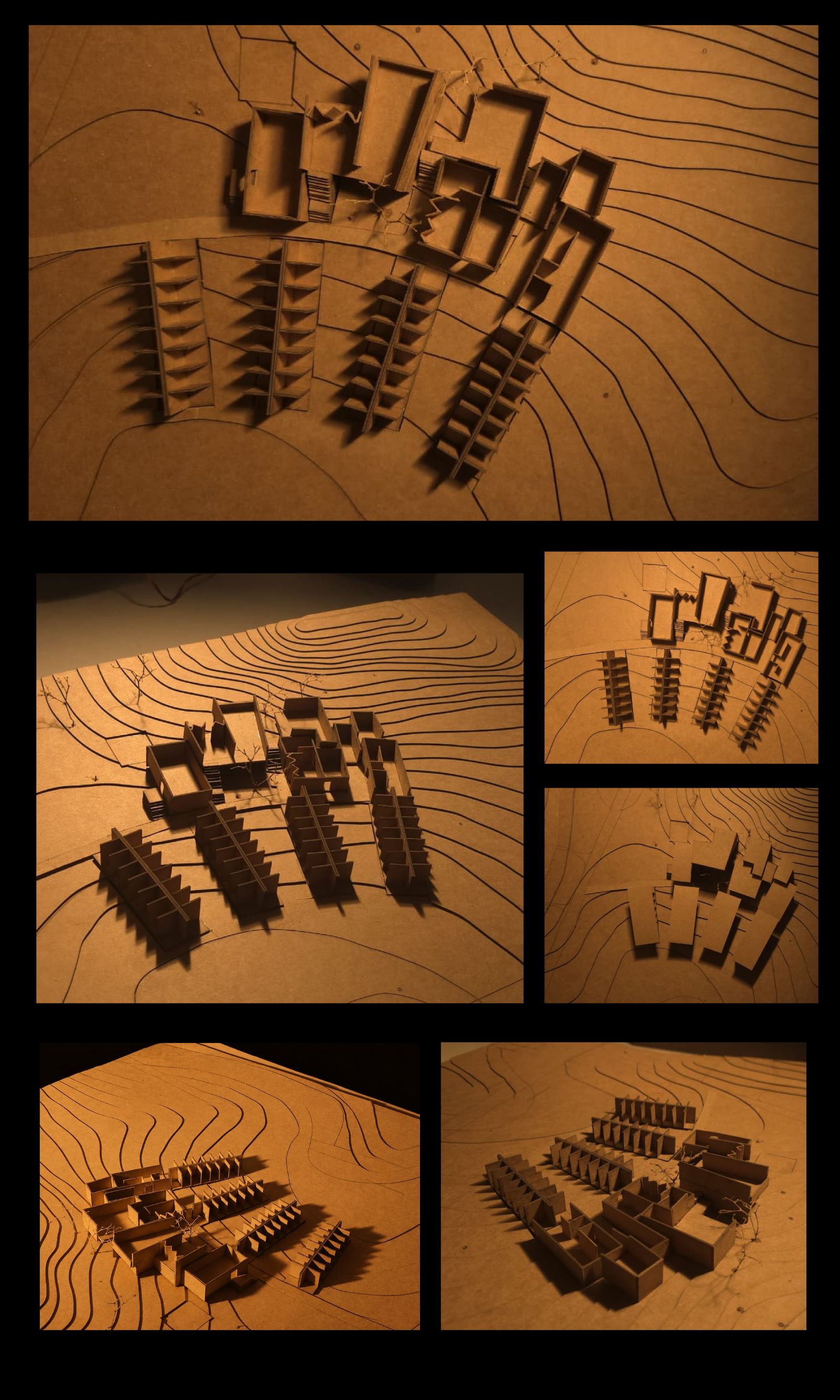
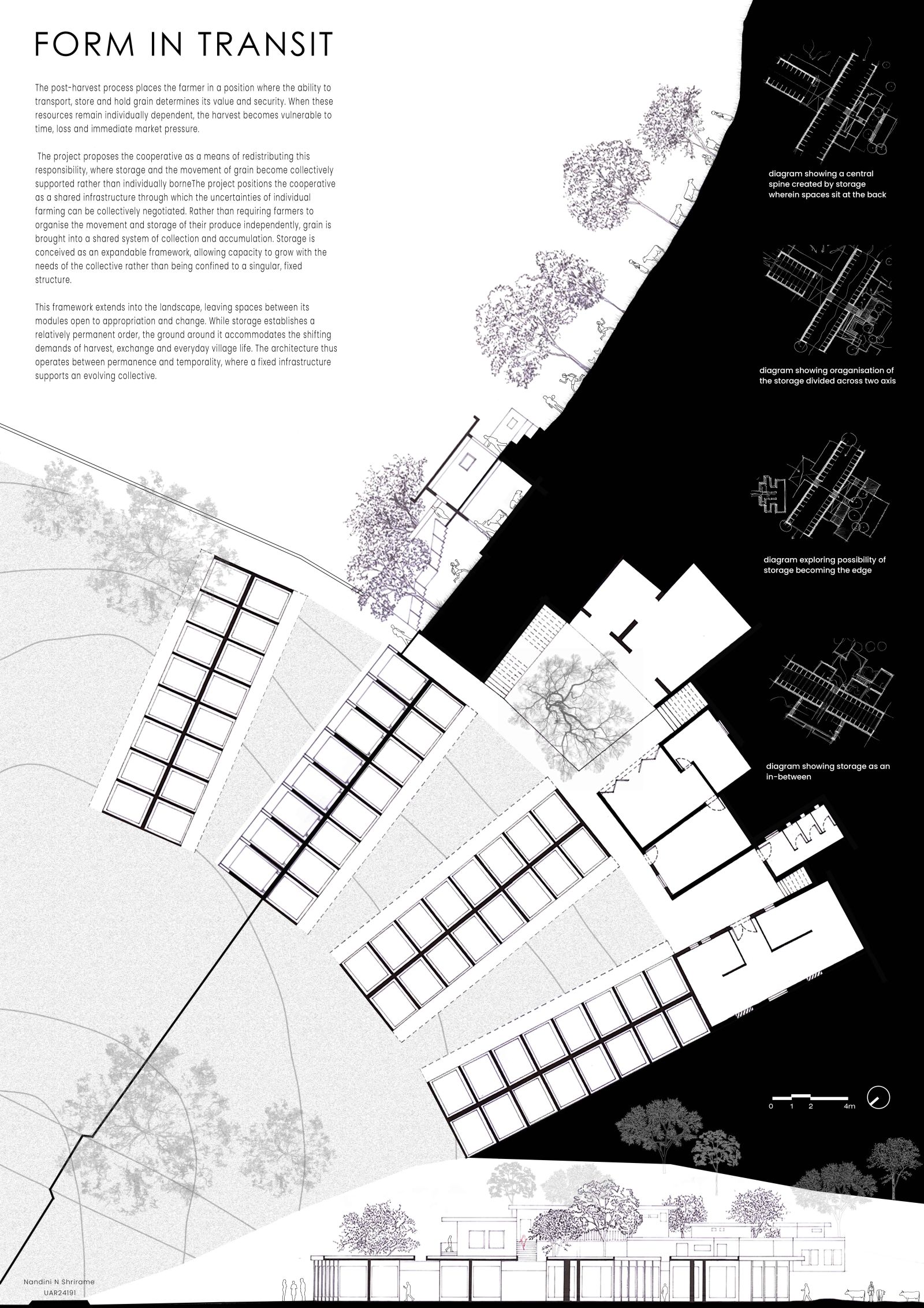
The post-harvest process places the farmer in a position where the ability to transport, store and hold grain determines its value and security. When these resources remain individually dependent, the harvest becomes vulnerable to time, loss and immediate market pressure. The project proposes the cooperative as a means of redistributing this responsibility, where storage and the movement of grain become collectively supported rather than individually borne. The project positions the cooperative as a shared infrastructure through which the uncertainties of individual farming can be collectively negotiated. Rather than requiring farmers to organise the movement and storage of their produce independently, grain is brought into a shared system of collection and accumulation. Storage is conceived as an expandable framework, allowing capacity to grow with the needs of the collective rather than being confined to a singular, fixed structure. This framework extends into the landscape, leaving spaces between its modules open to appropriation and change. While storage establishes a relatively permanent order, the ground around it accommodates the shifting demands of harvest, exchange and everyday village life. The architecture thus operates between permanence and temporality, where a fixed infrastructure supports an evolving collective.
View Additional Work