Your browser is out-of-date!
For a richer surfing experience on our website, please update your browser. Update my browser now!
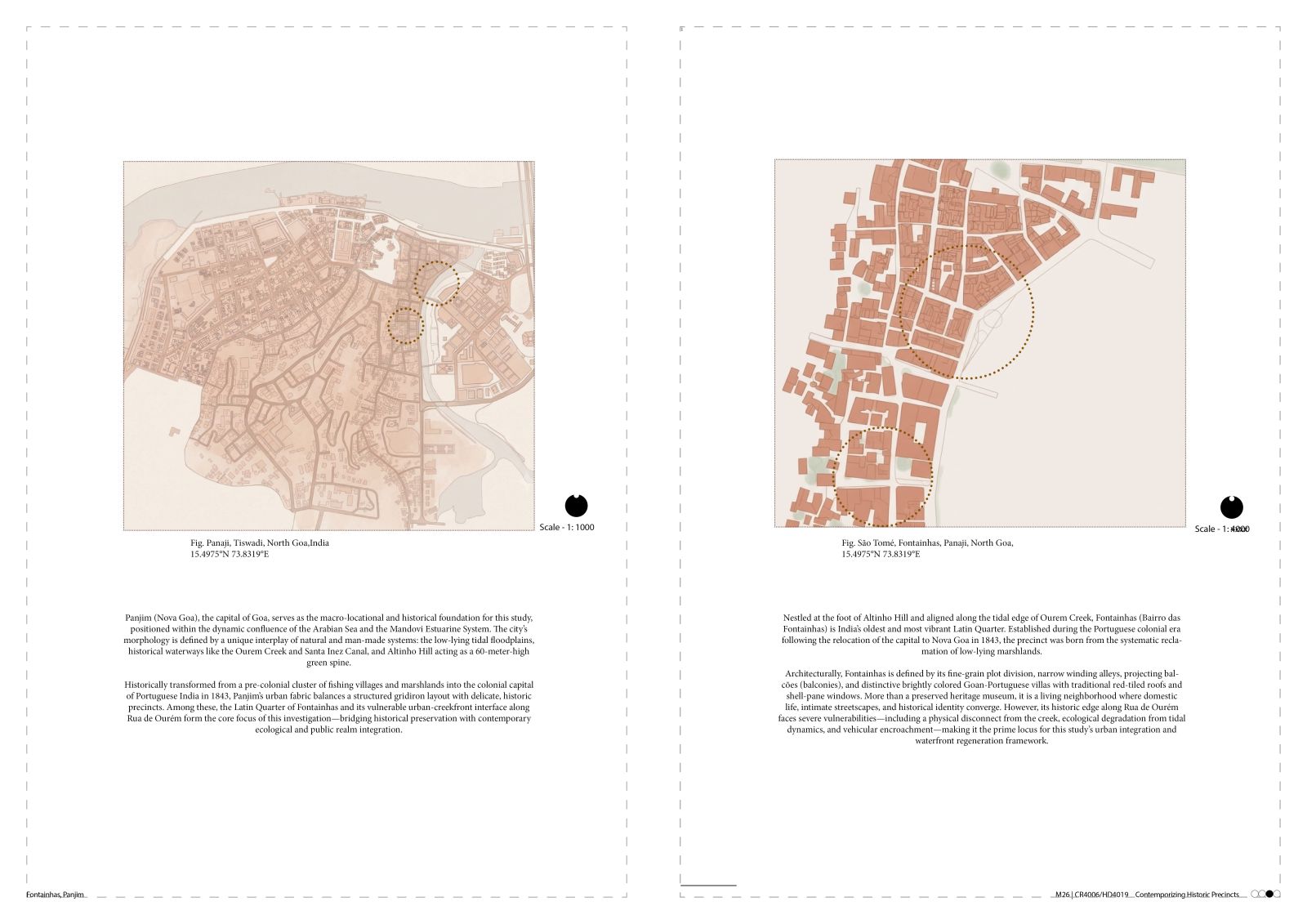
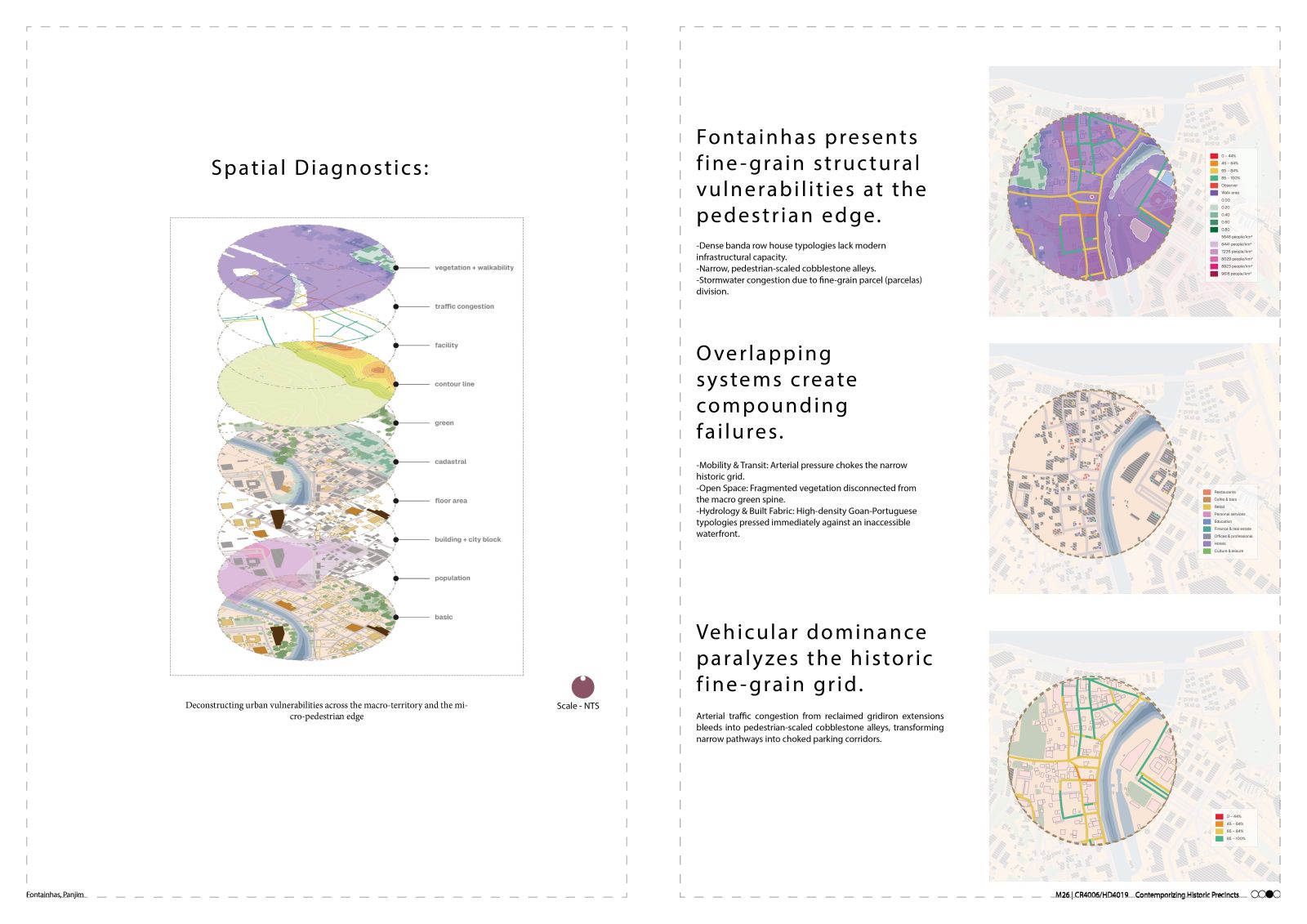
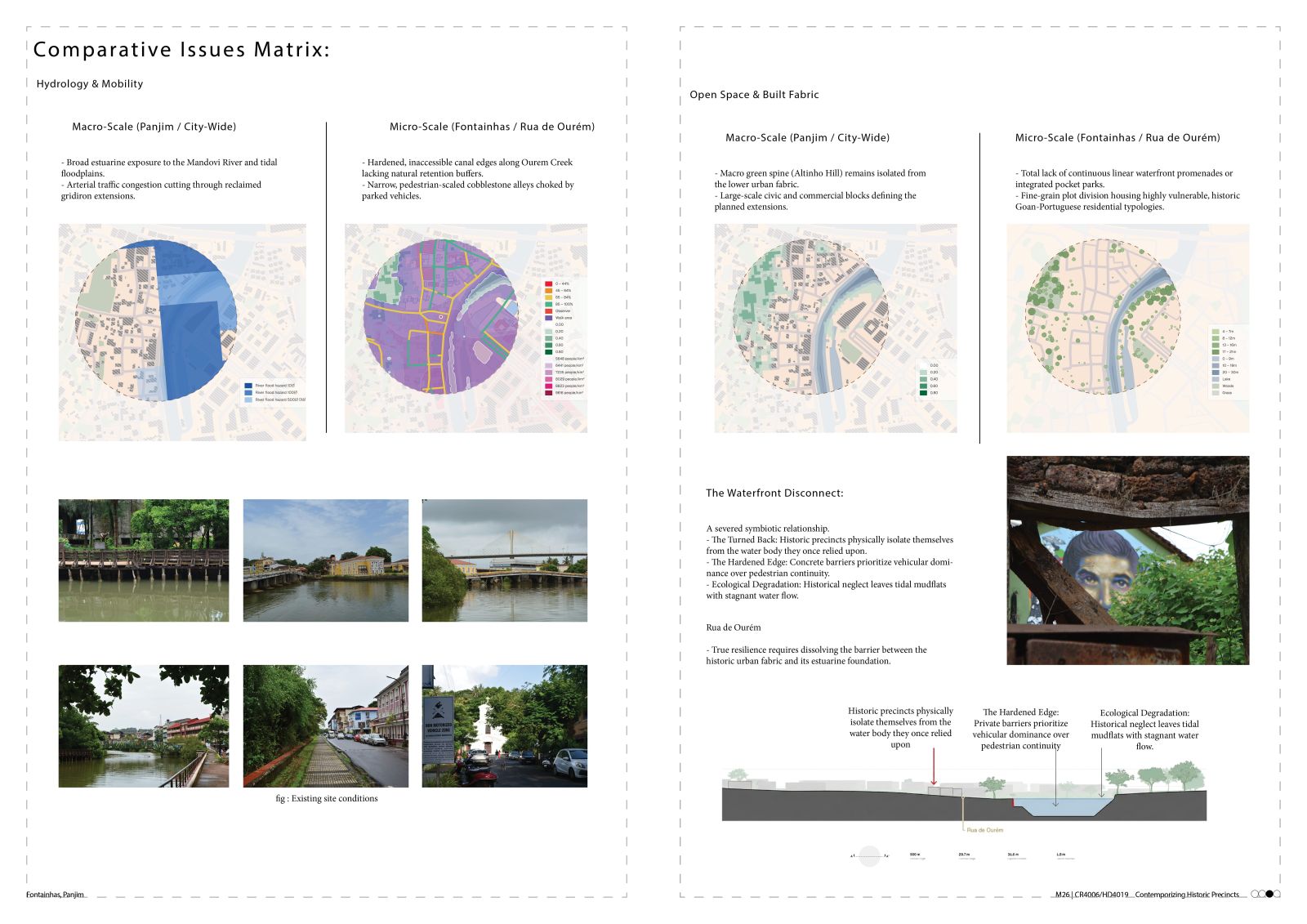
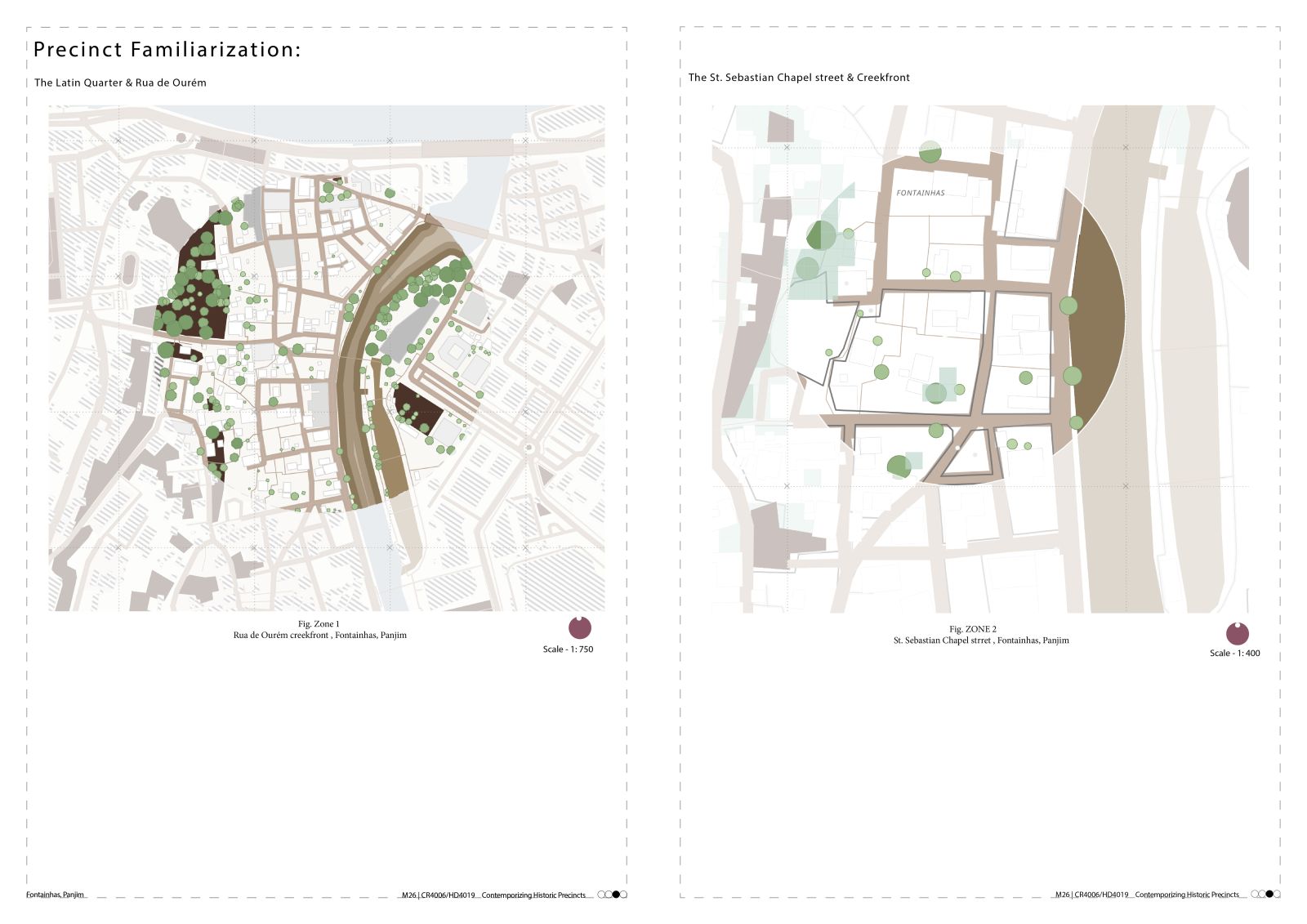
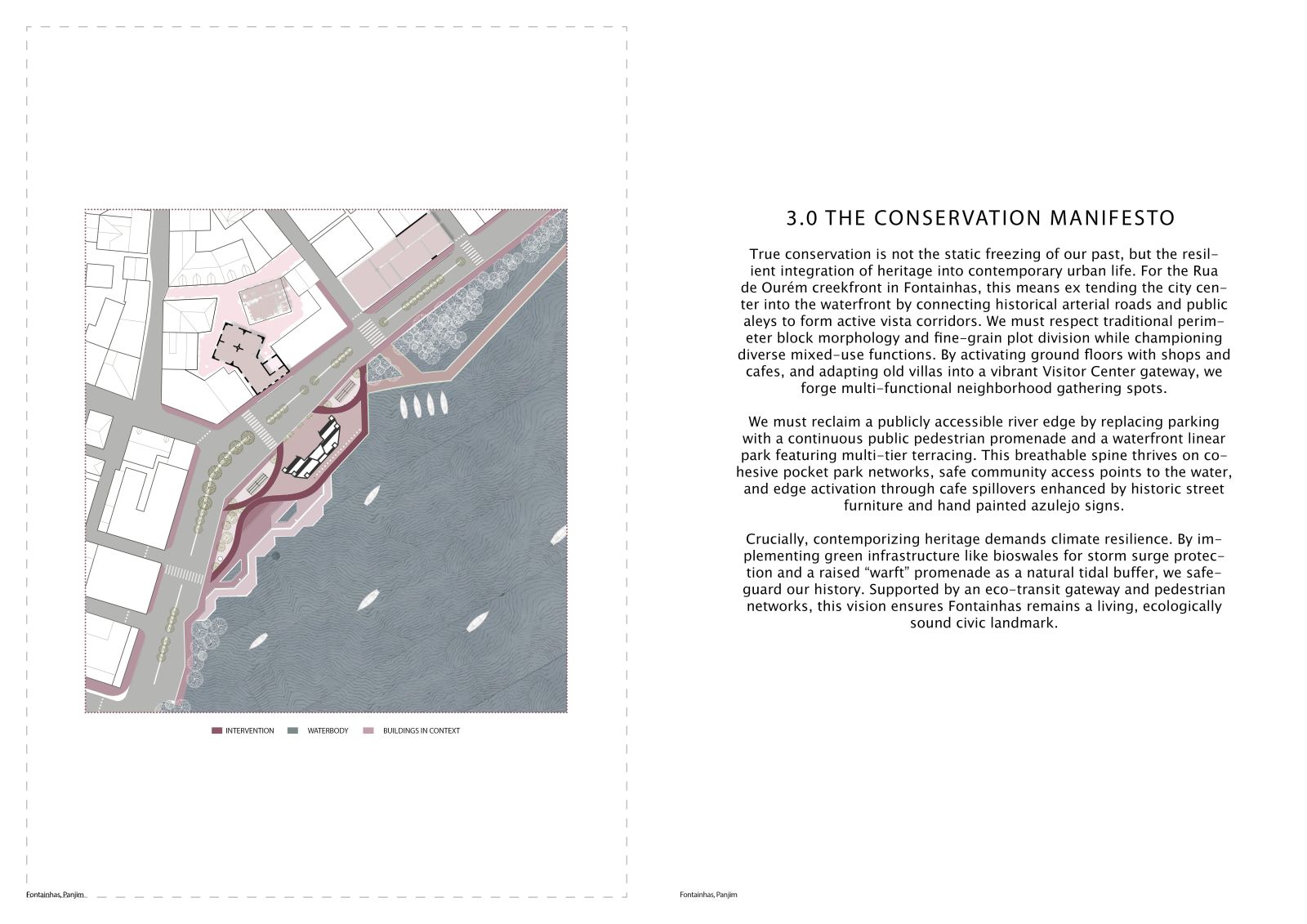
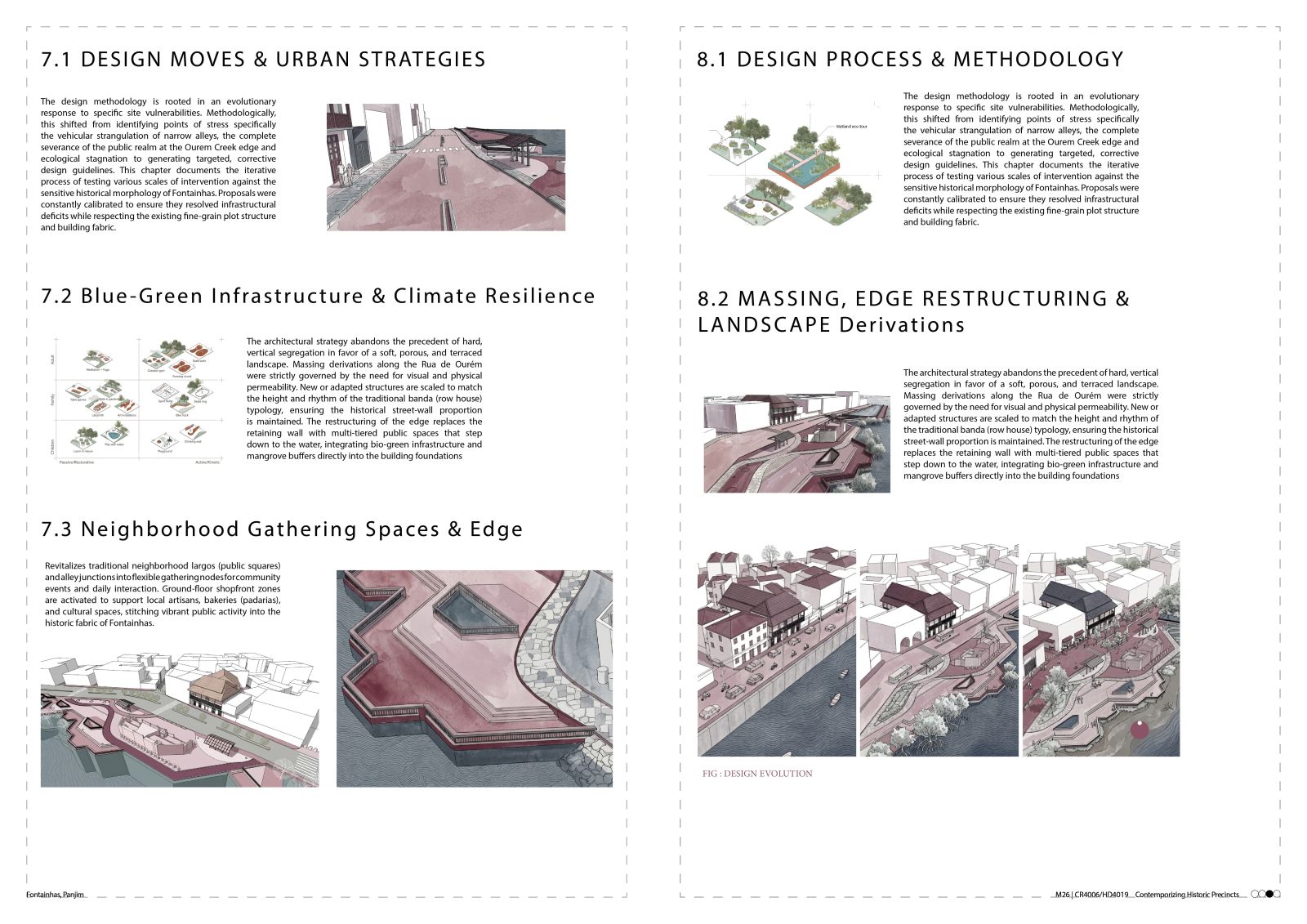
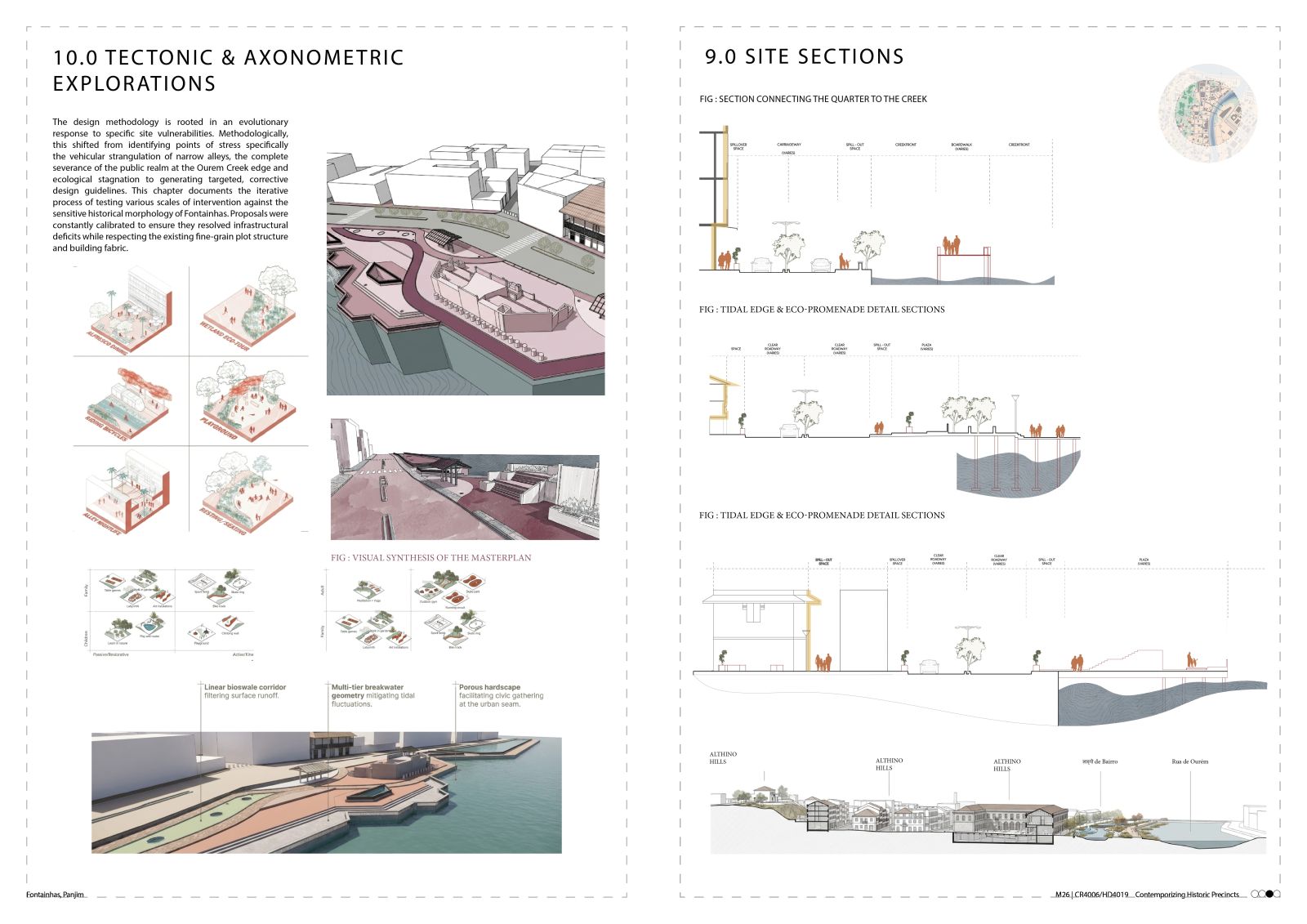
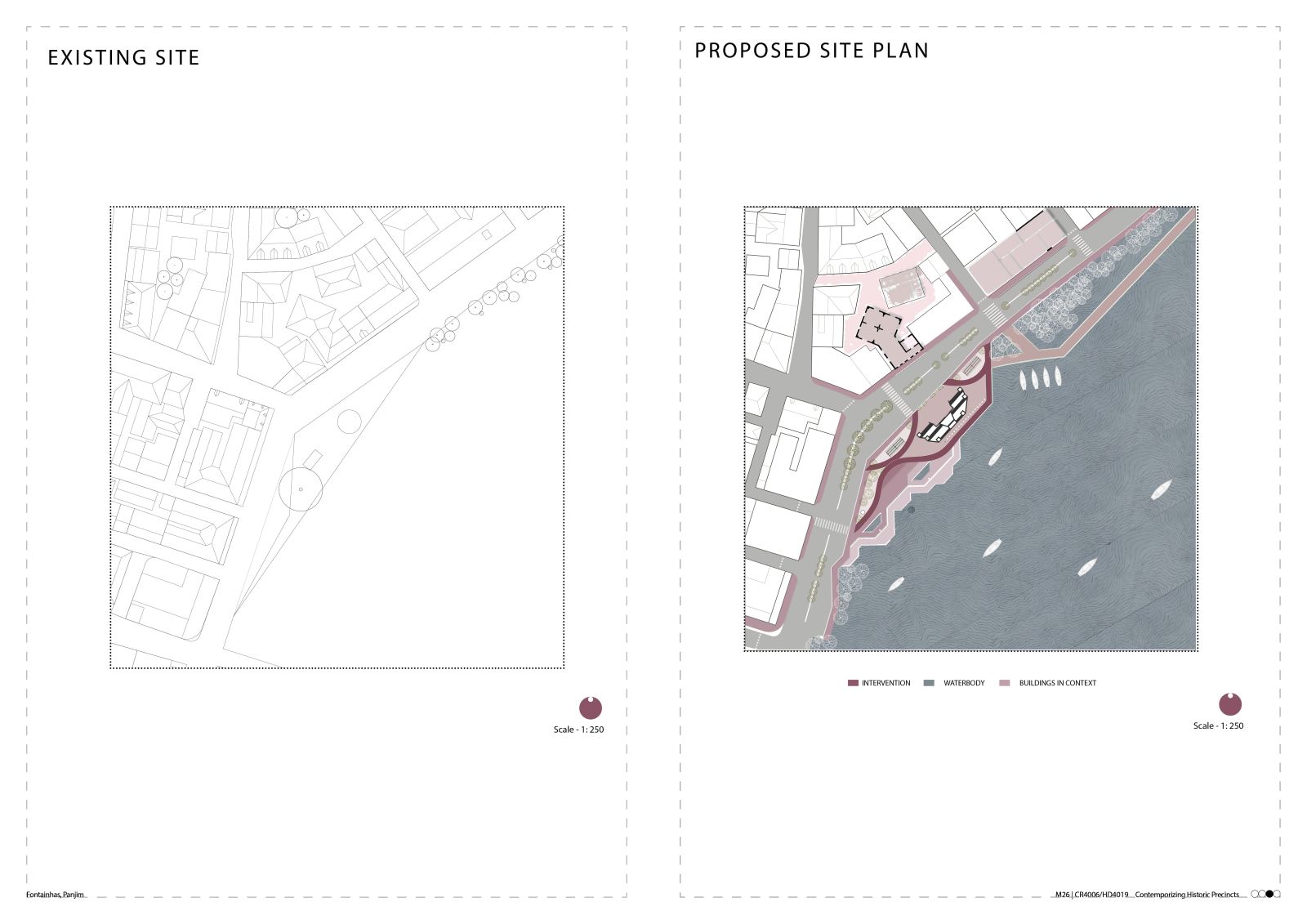
Located along the Rua de Ourém creekfront in Panaji, Largo de Bairro reimagines an obsolete concrete barrier as a continuous, porous public realm bridging historic Fontainhas and its estuarine edge. Rather than treating heritage as a static artifact, the intervention frames the waterfront as a living, climate-responsive ecosystem. Through stepped civic terracing, spill-out street thresholds, and shaded gathering pavilions, the design heals the spatial rupture between fine-grained neighborhood life and the water. Along the creek, articulated tidal steps and blue-green mangrove buffers absorb seasonal fluctuations, fostering ecological resilience, pedestrian-first safety, and everyday public life rooted in collective memory and cultural identity.