Your browser is out-of-date!
For a richer surfing experience on our website, please update your browser. Update my browser now!
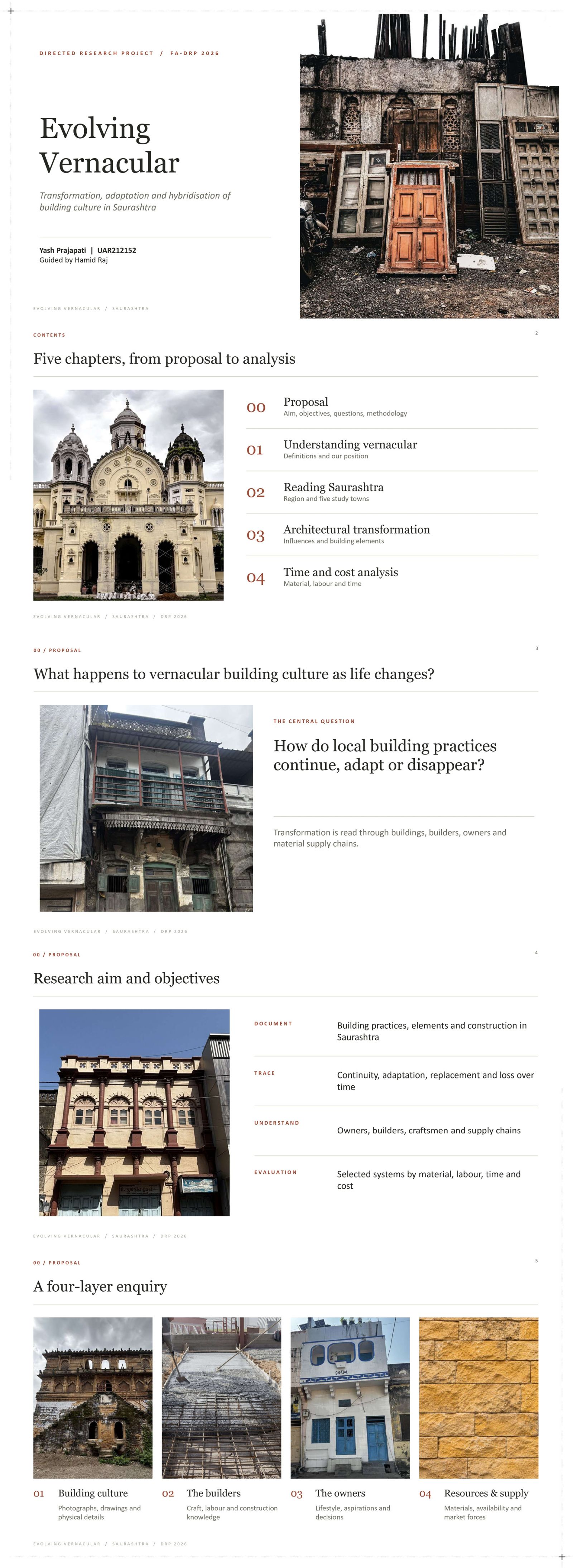
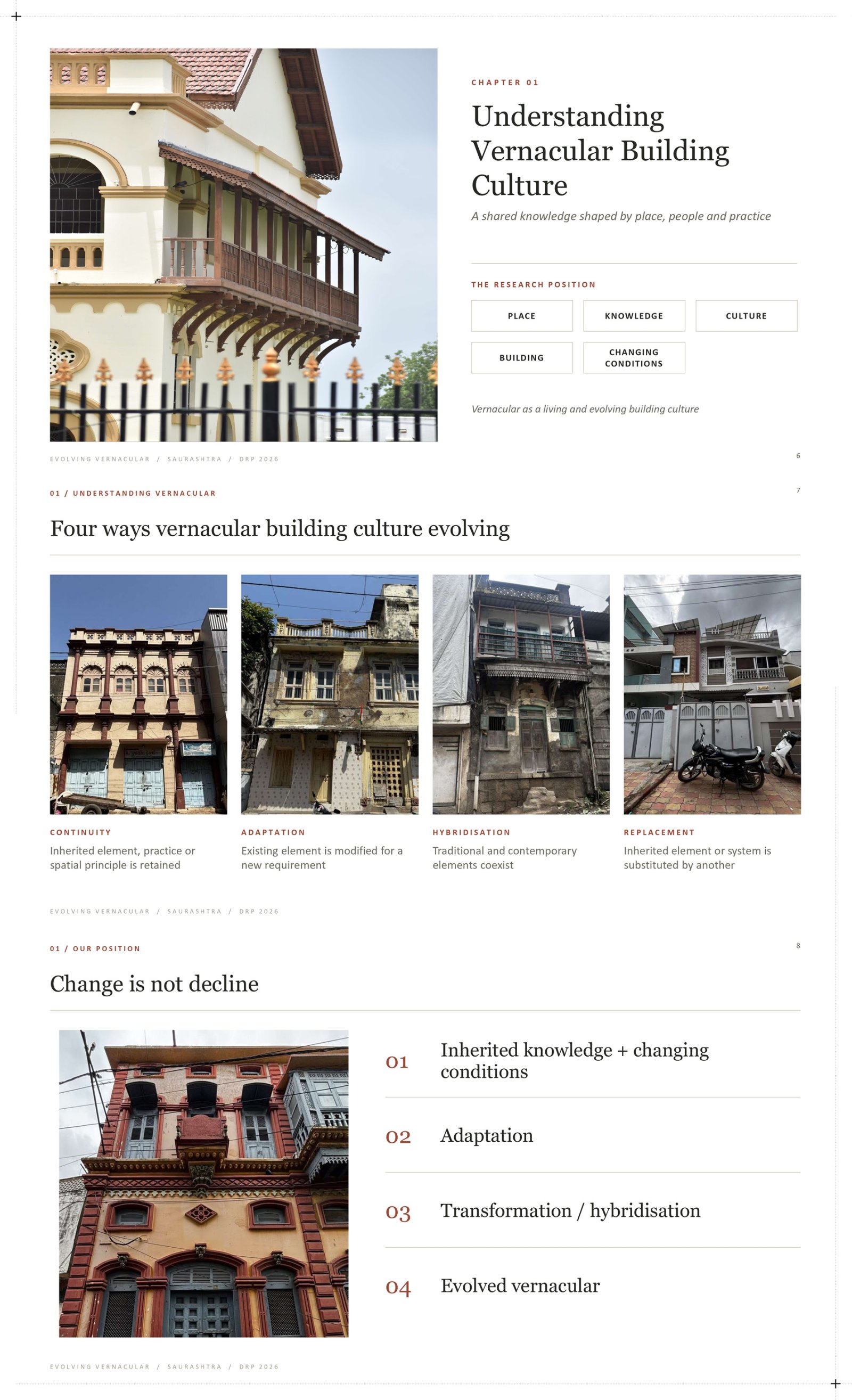
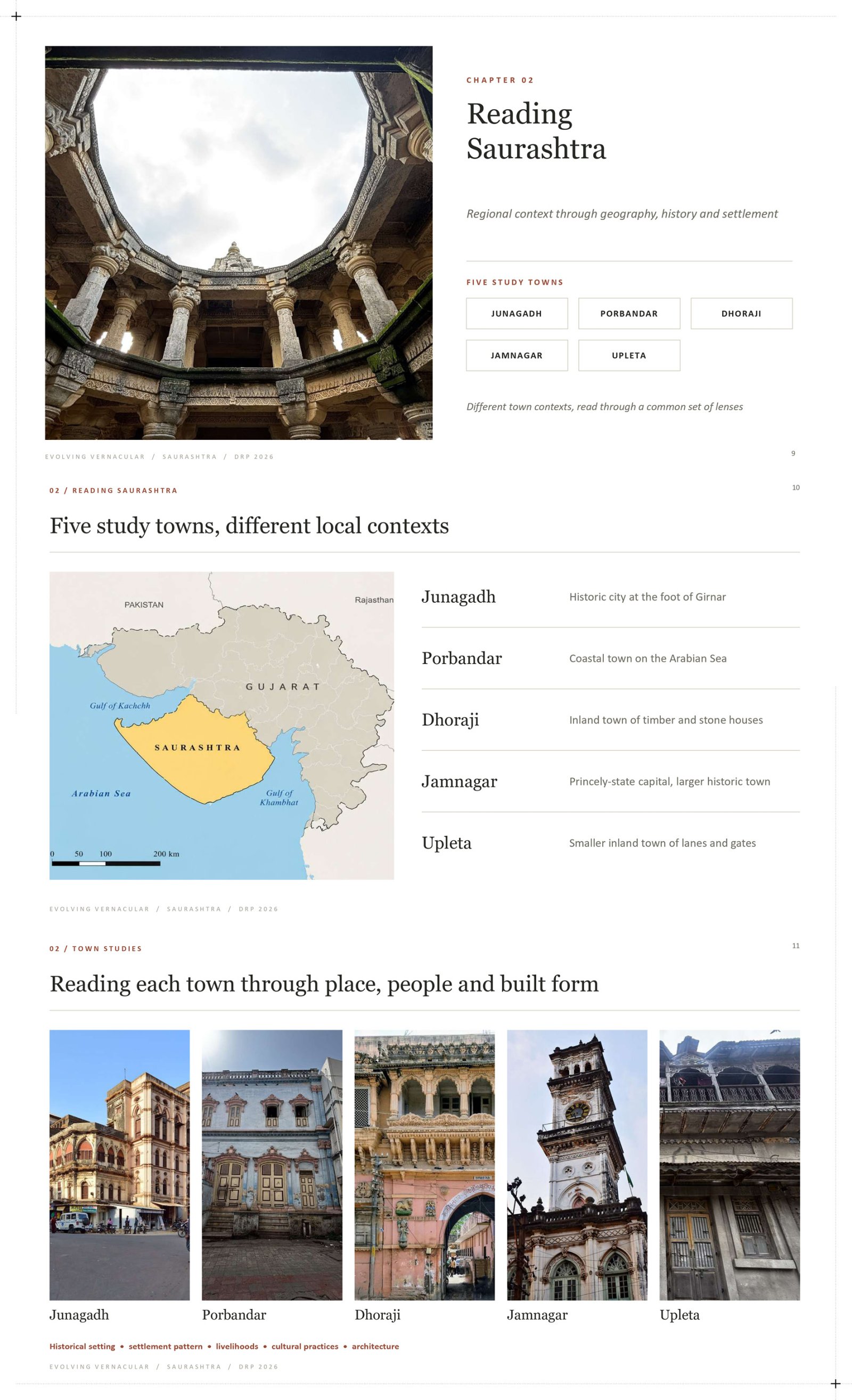
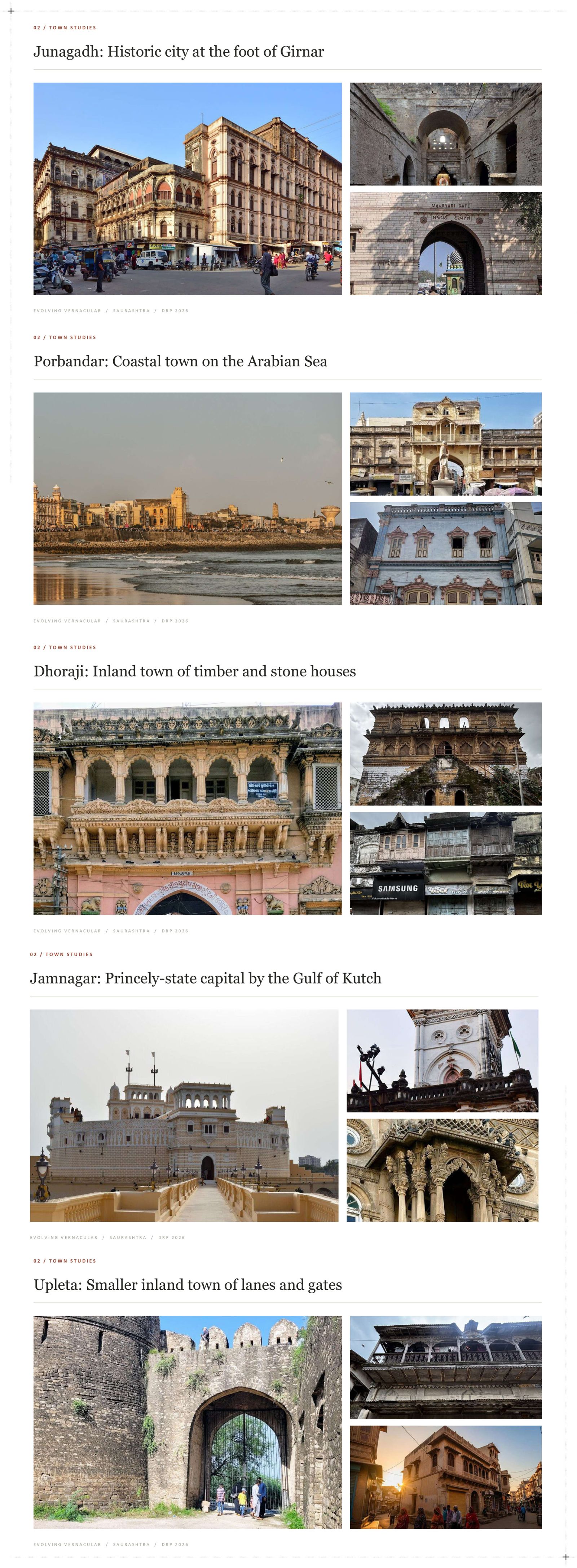
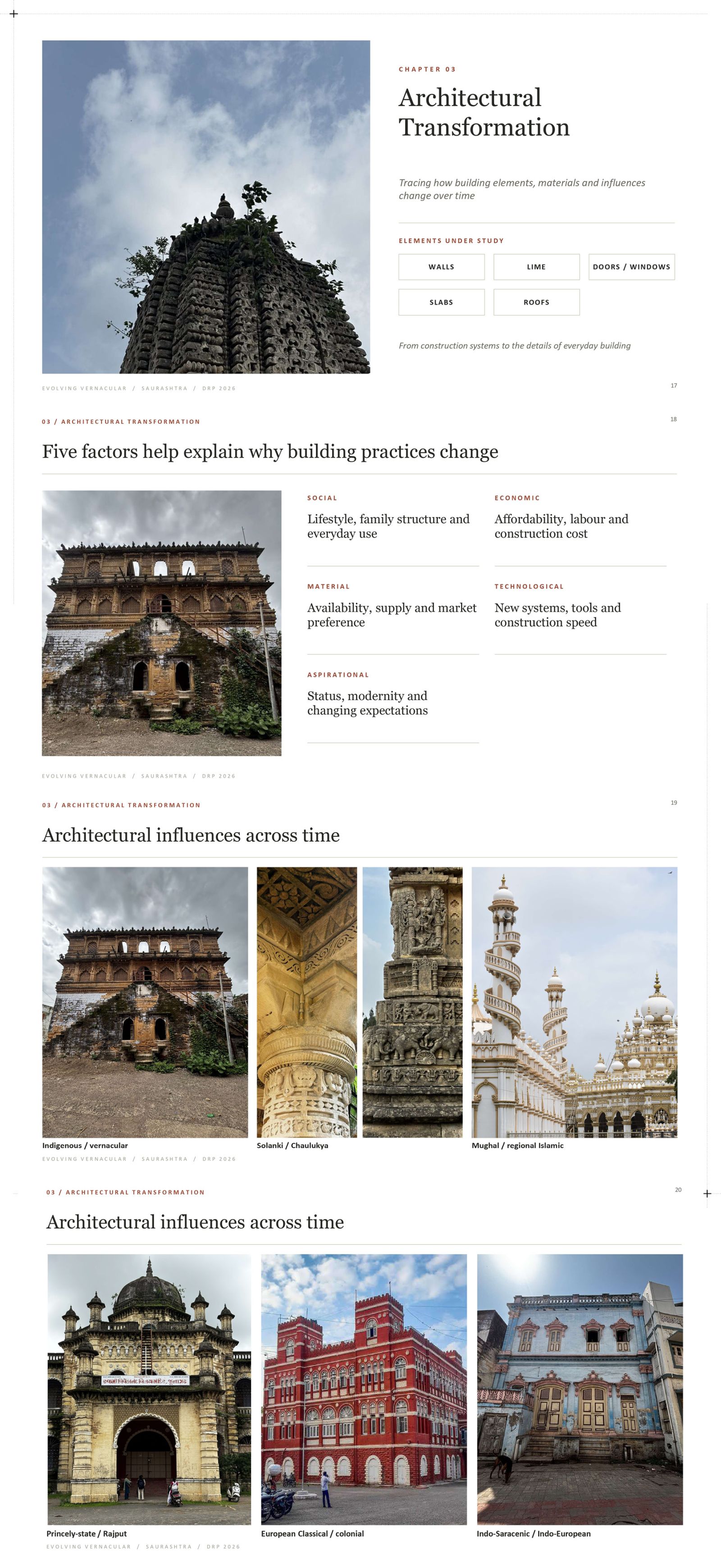
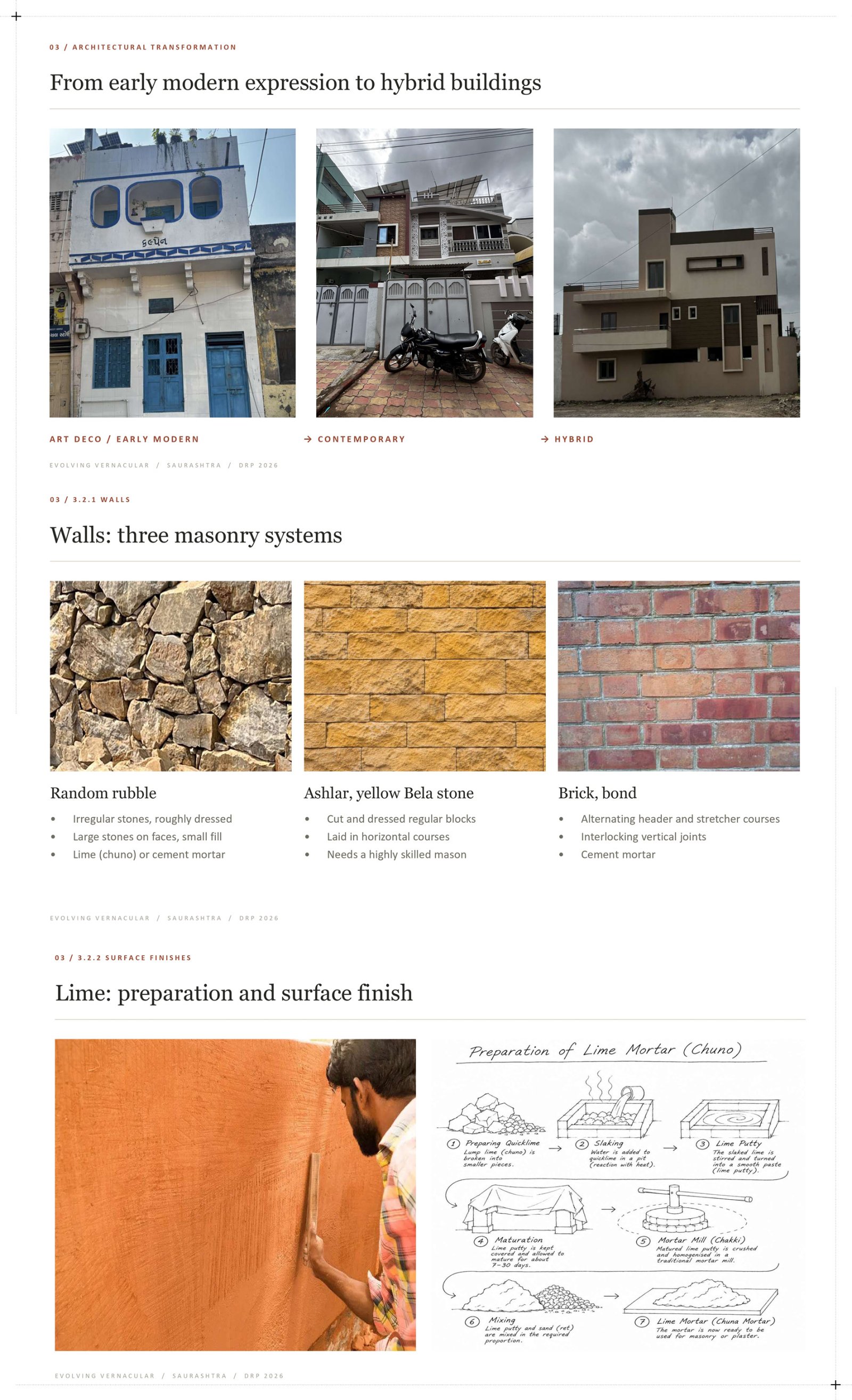
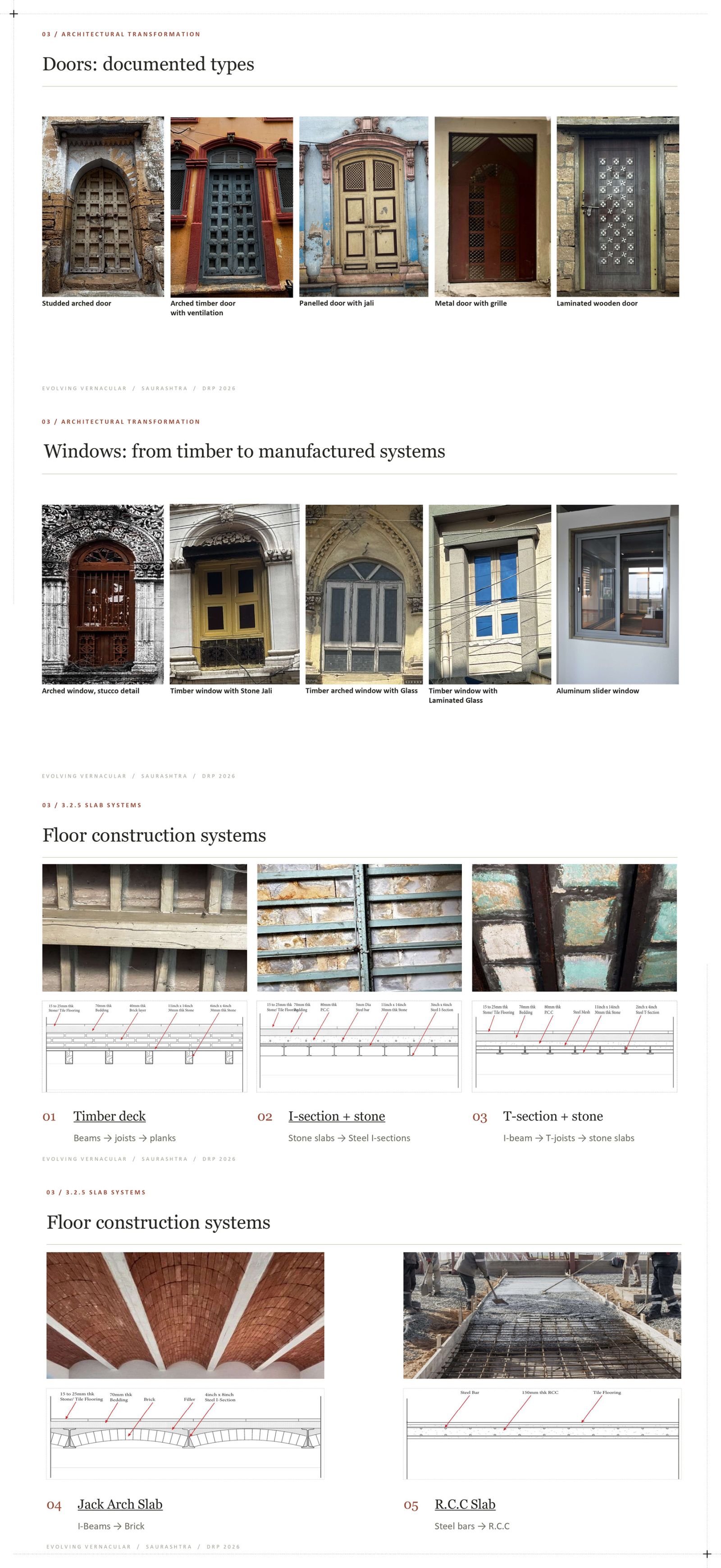
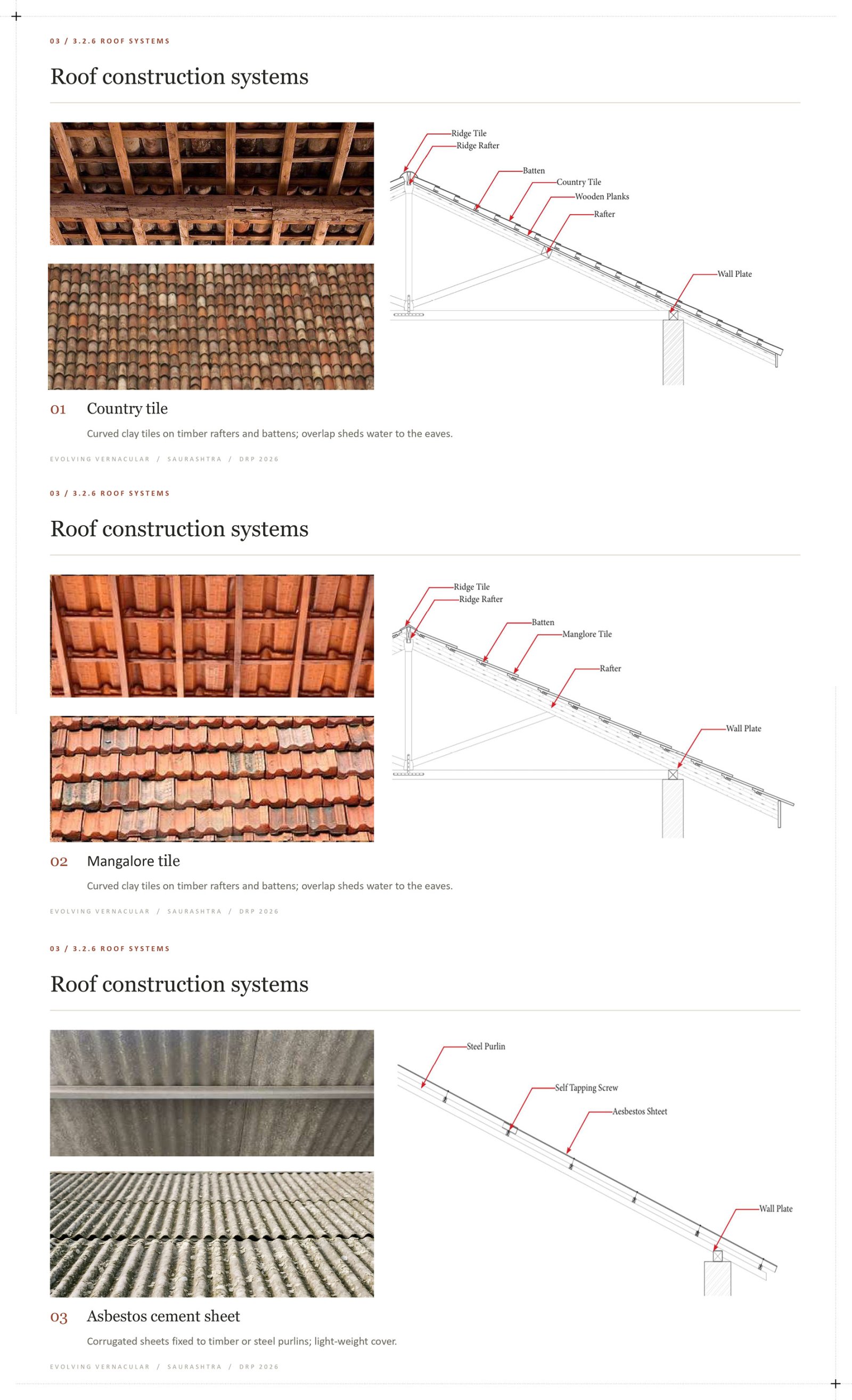
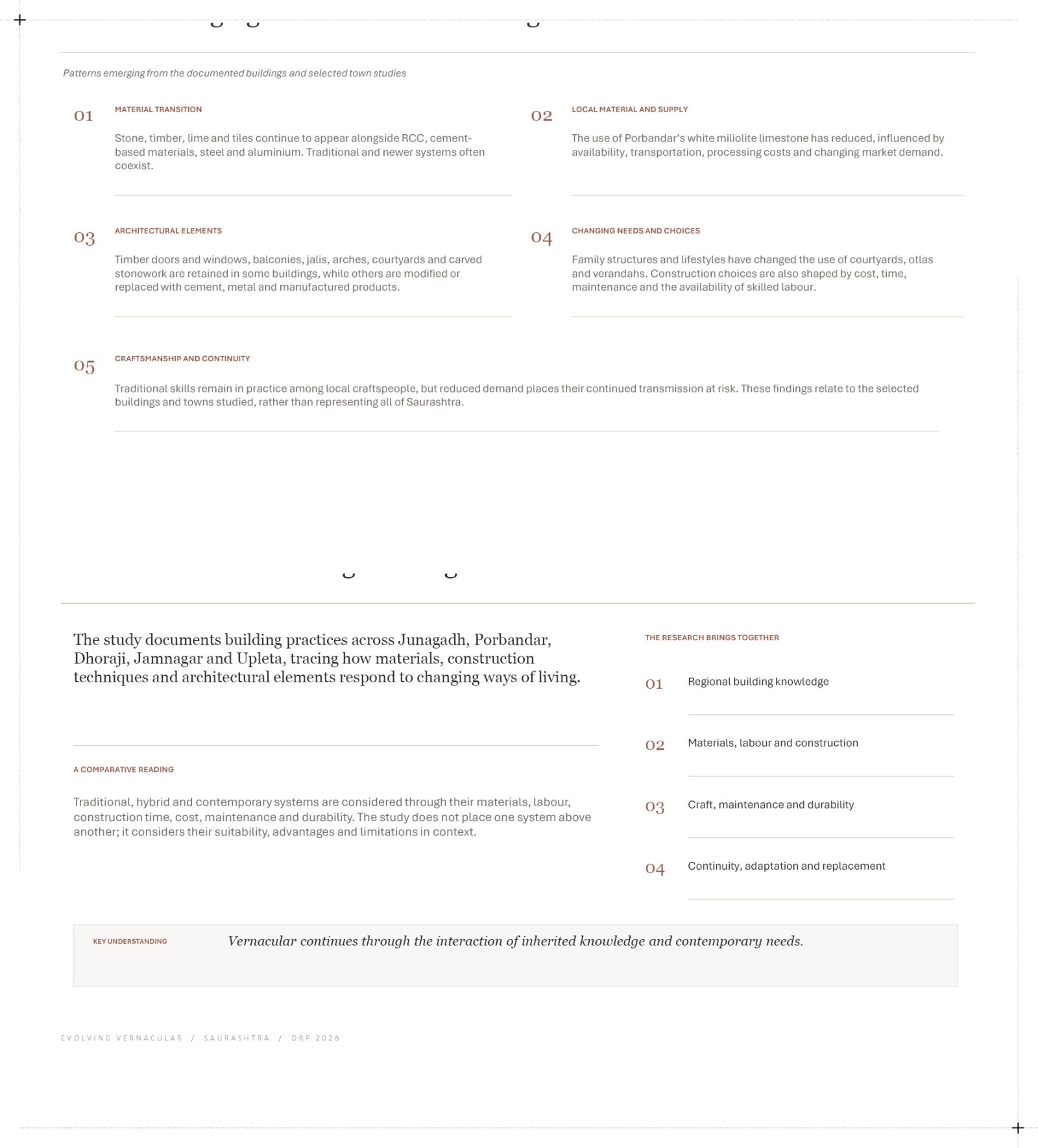
This research investigates how traditional vernacular building practices transform, hybridize, or disappear under present-day socio-economic, cultural, climatic, and technological pressures. Historically, local building traditions provided practical, affordable, and climate-responsive spaces shaped through a shared, intergenerational building culture. Today, these systems are rapidly shifting toward hybrid structures as natural building assemblies and spatial layouts are altered or replaced by modern industrial materials. To analyze this transformation, the study uses a structured four-layer methodology: examining Building Culture (physical documentation and drawings), The Builders (craftsmanship and labor shifts), The Owners (social aspirations and lifestyle needs), and Resources and Supply Chains (material availability and market forces). Rather than viewing material changes strictly as a loss of traditional heritage, this research identifies functional, climate-responsive indigenous knowledge that remains active within contemporary structures. The primary outcome of this study is an analytical Spatial Framework that categorizes varying stages of vernacular continuity, adaptation, and erosion. Ultimately, this framework provides architects, researchers, and local builders with clear insights to evaluate hybrid environments and integrate time-tested climate logic into modern design practices.