Your browser is out-of-date!
For a richer surfing experience on our website, please update your browser. Update my browser now!
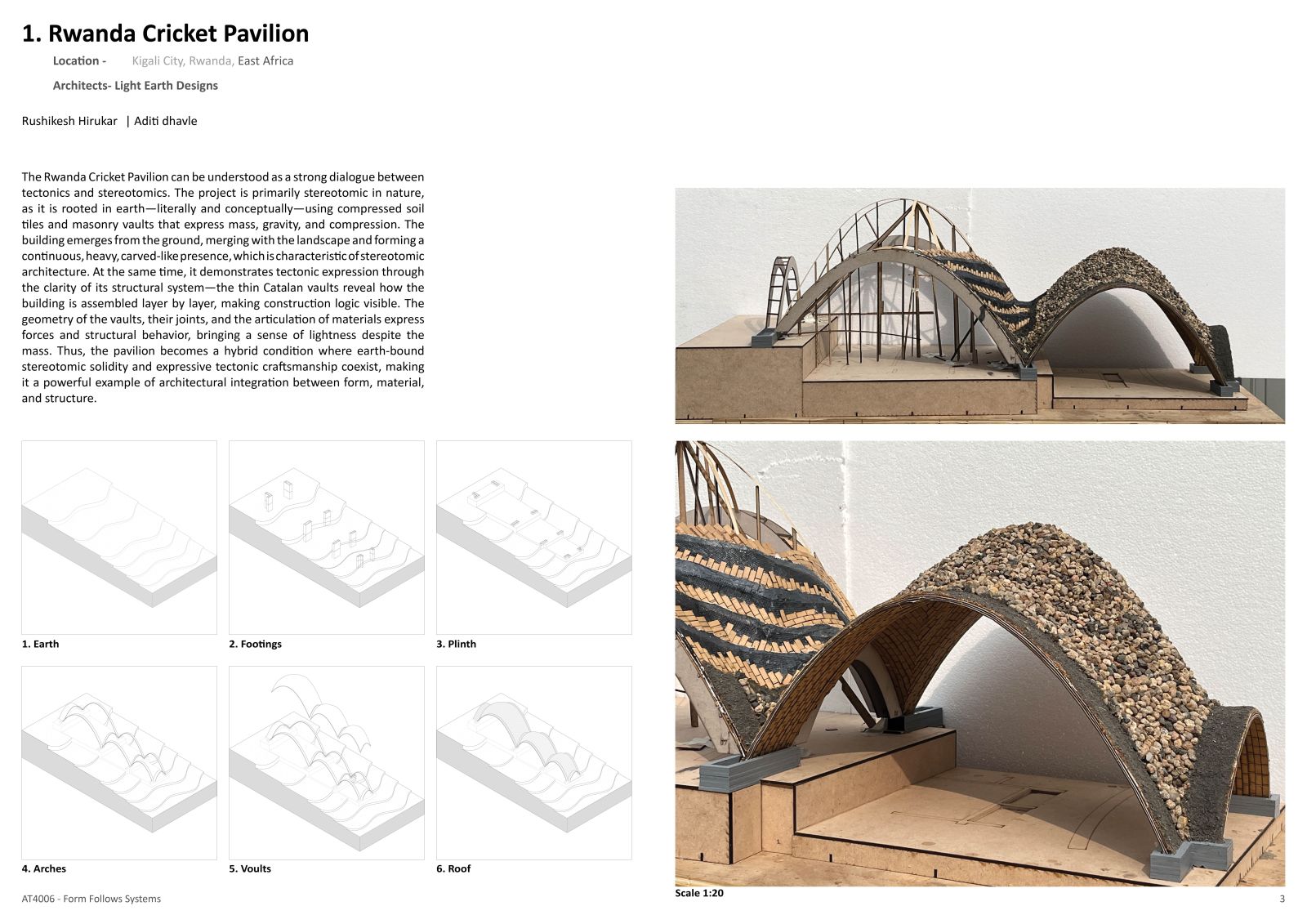
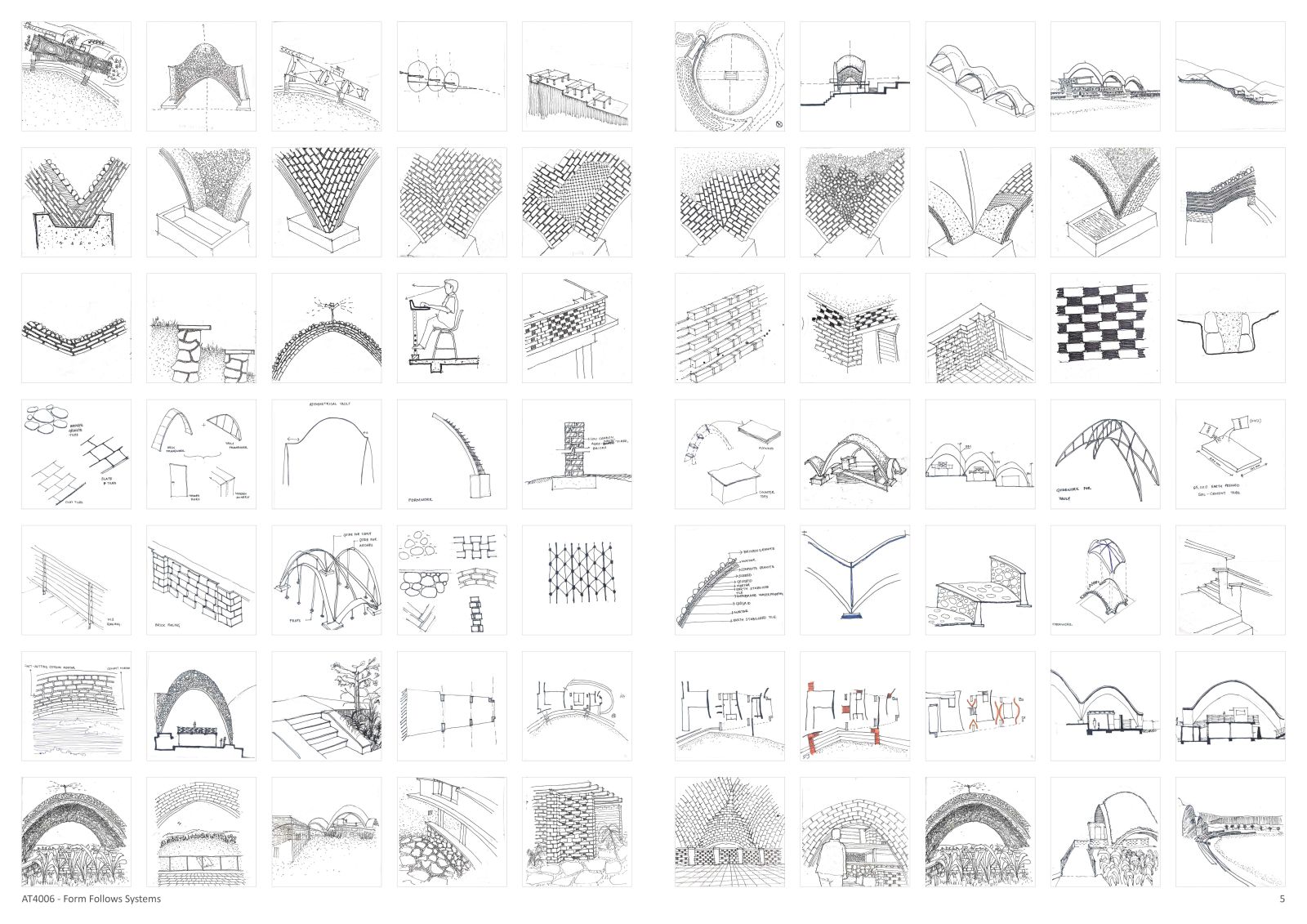
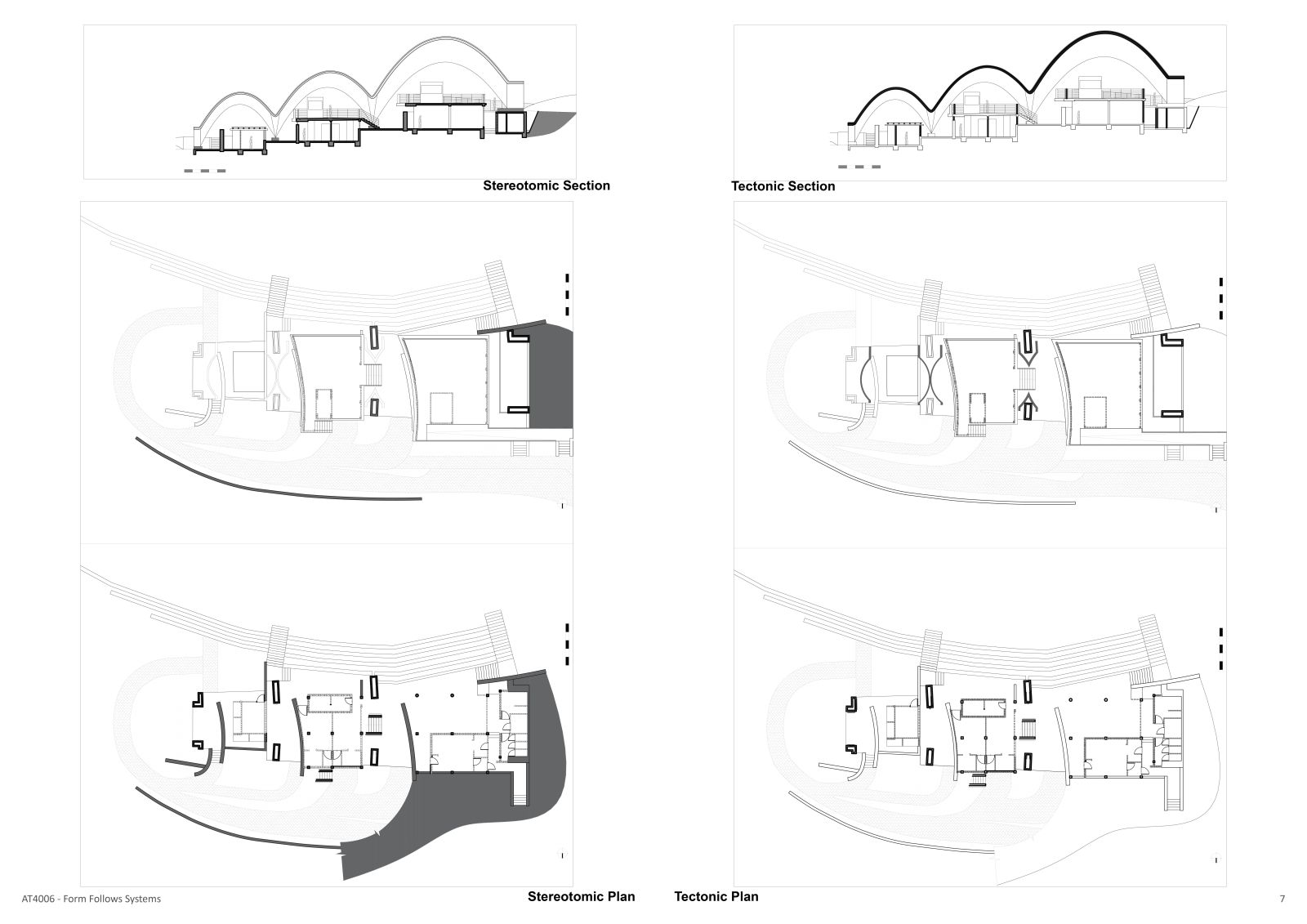
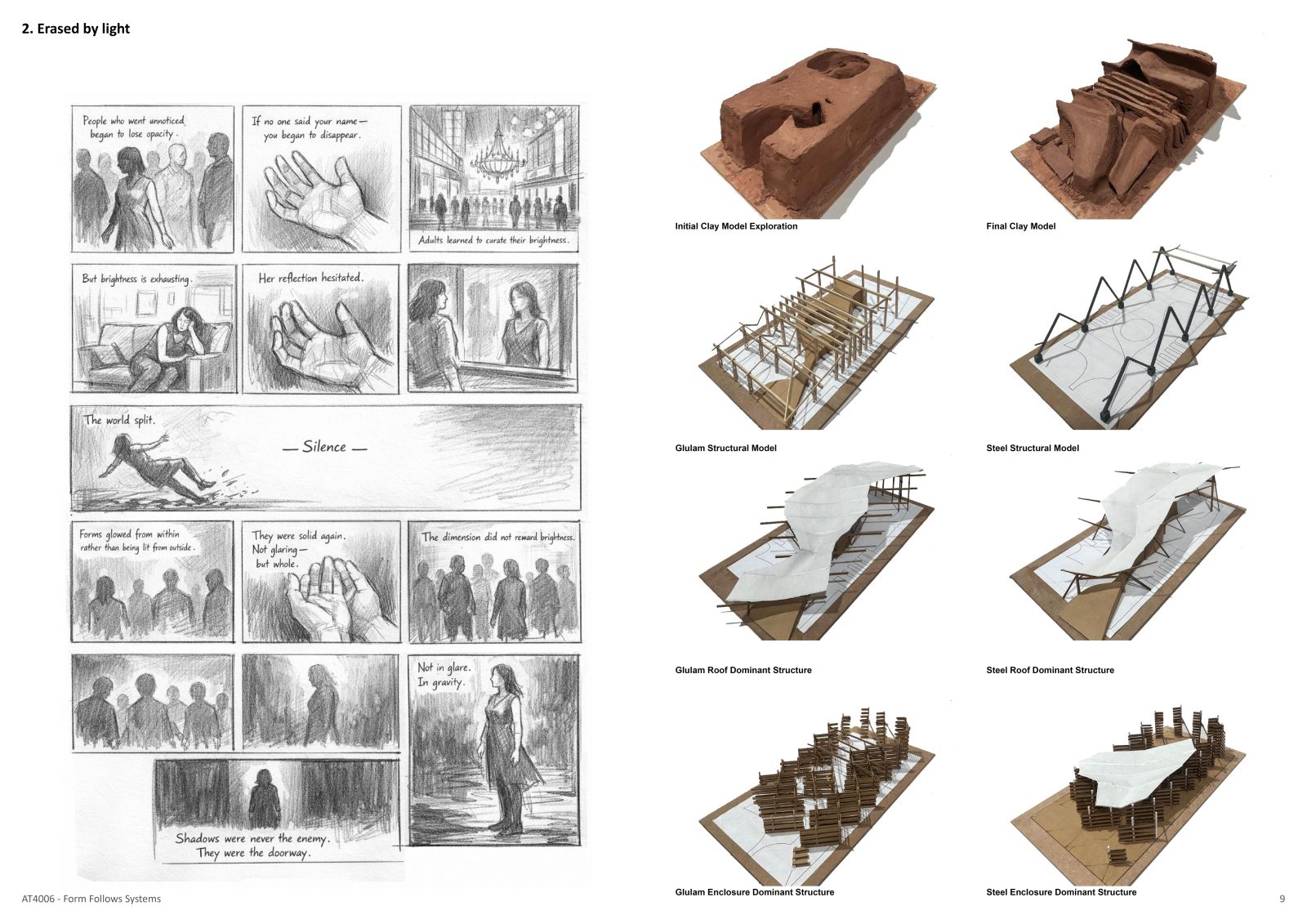
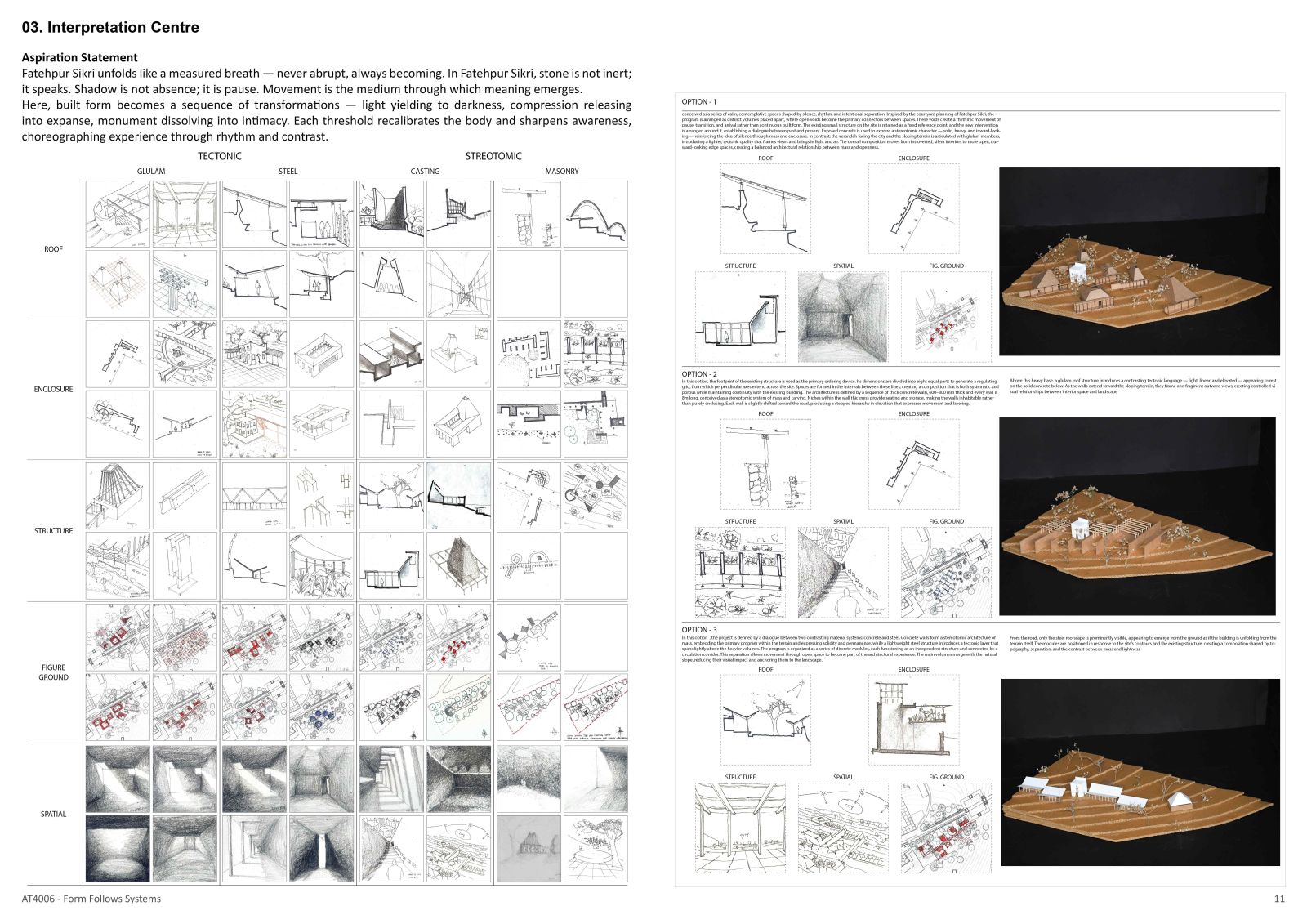
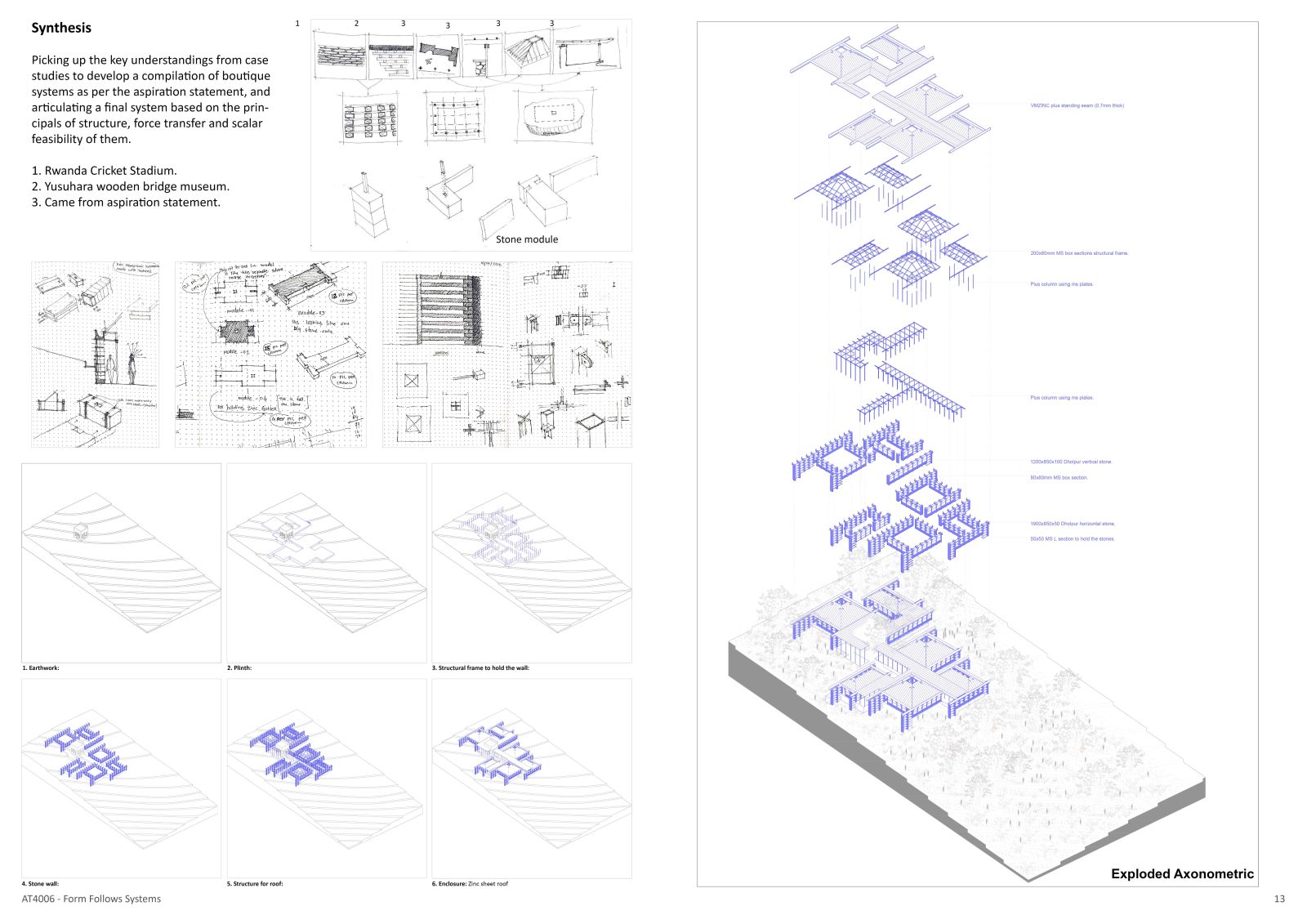
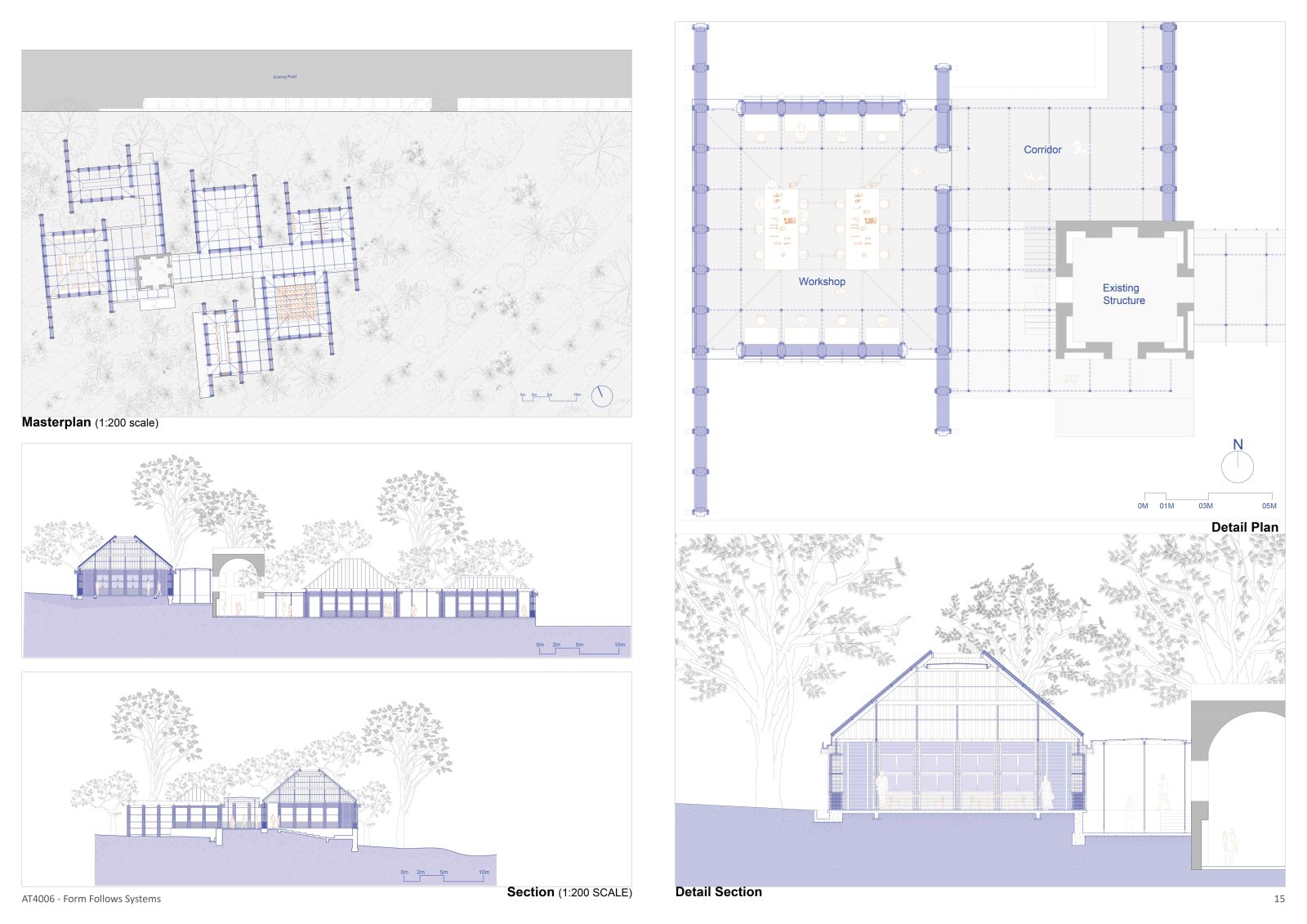
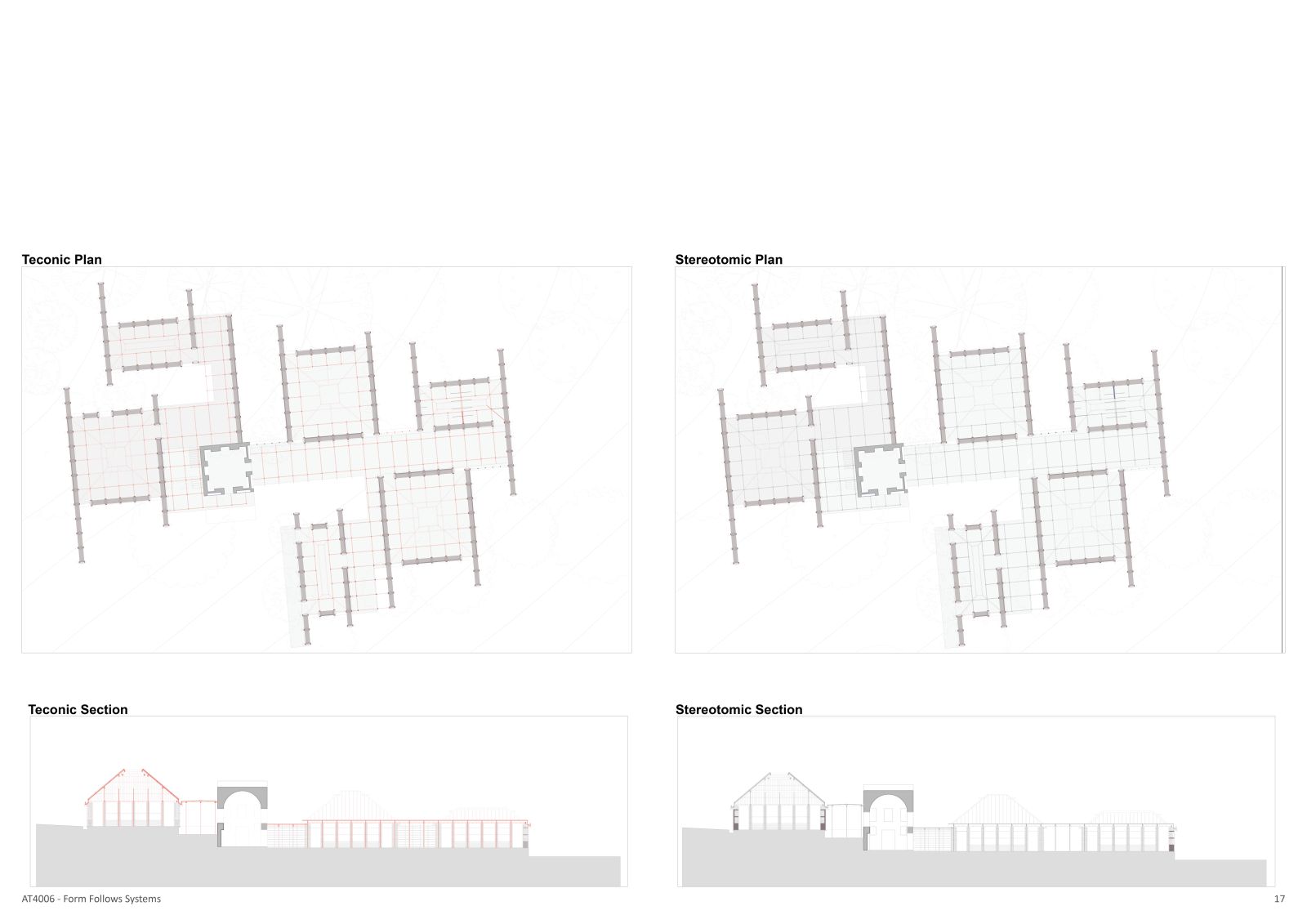
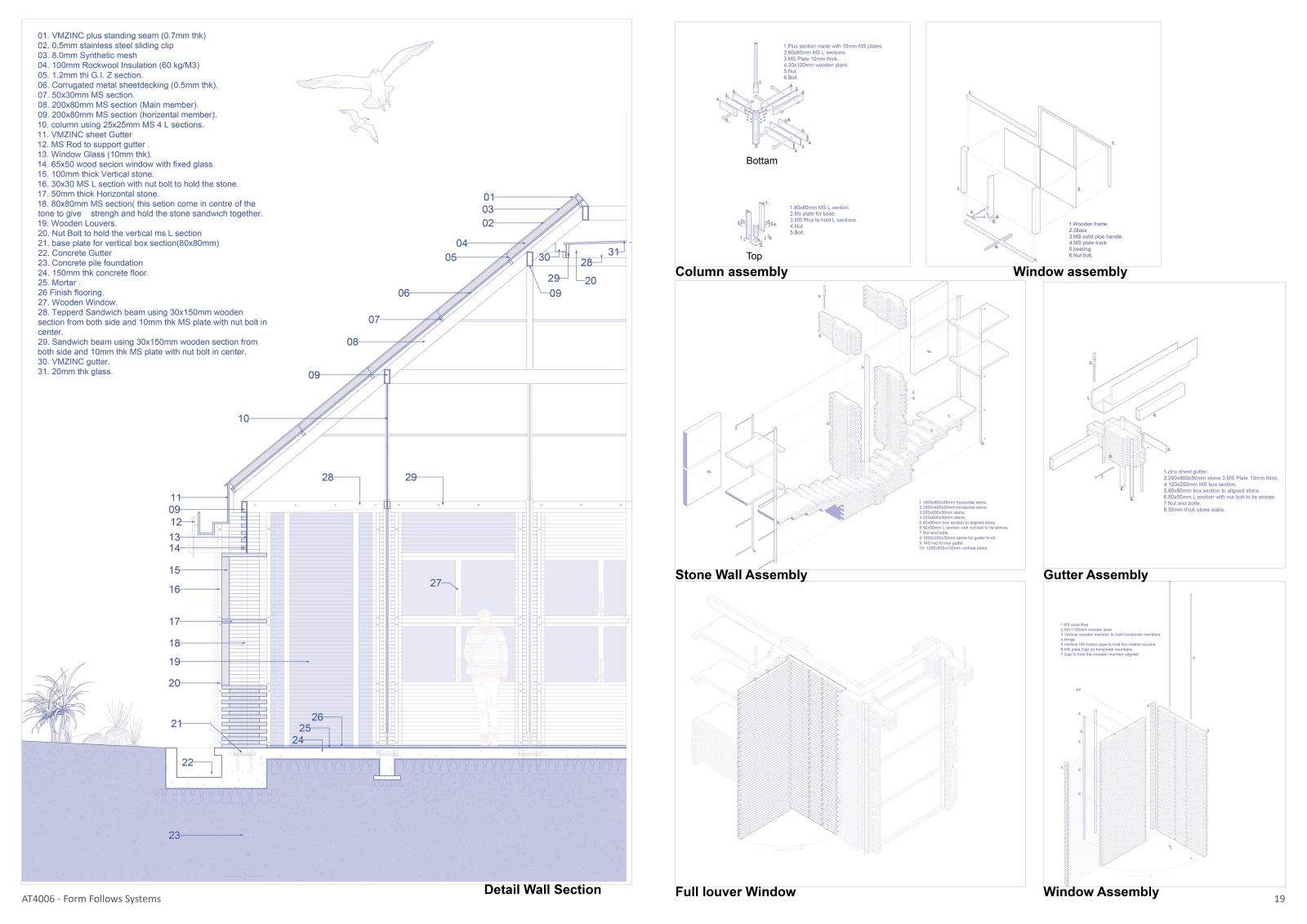
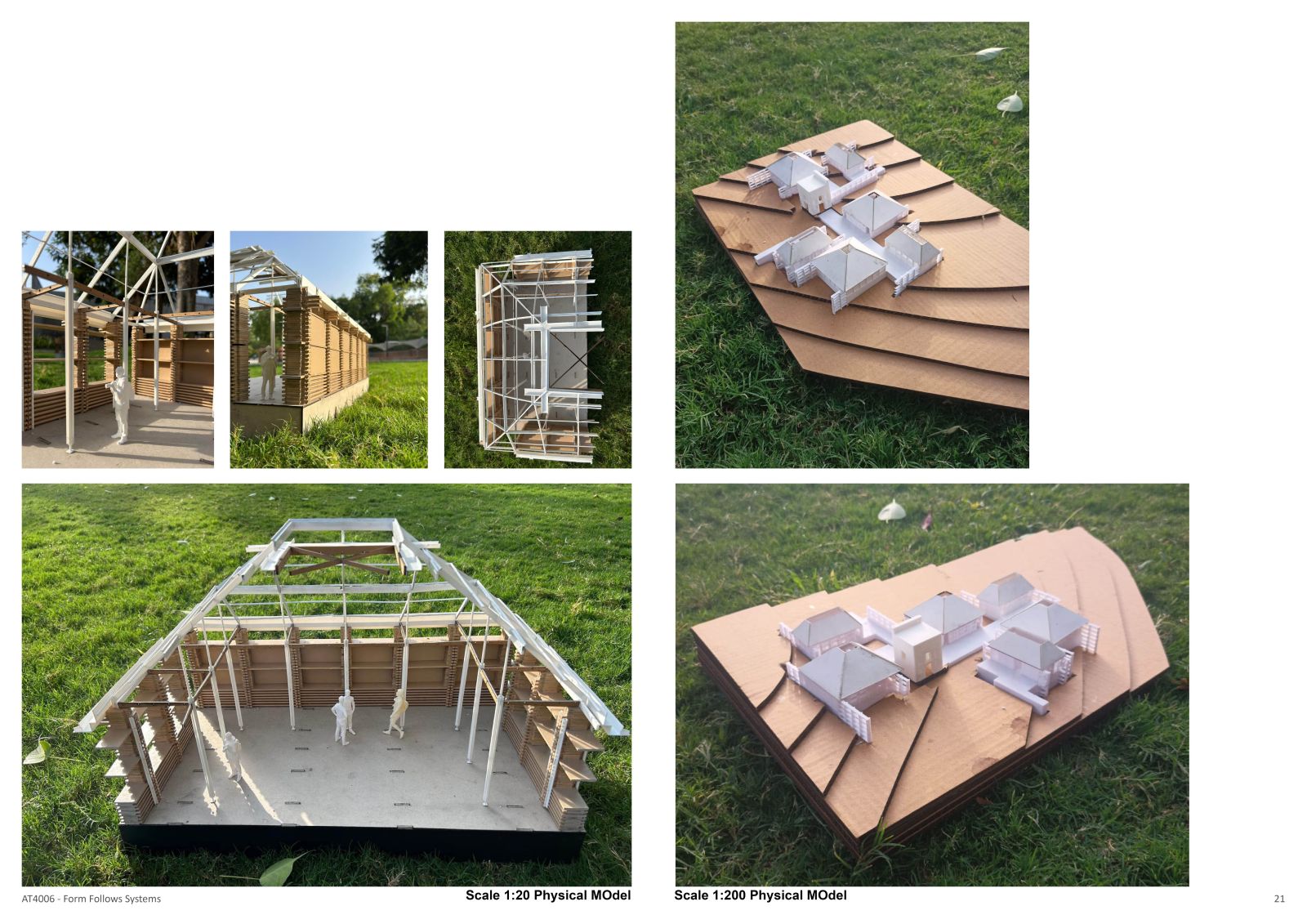
The studio adopted a process-oriented approach to architectural design, emphasizing exploration, iteration, and critical synthesis rather than a fixed final outcome. Through sketches, models, and multiple alternatives, the process investigated the relationship between stereotomic and tectonic systems while grounding design decisions in site, structure, and spatial experience. Equal importance was placed on communicating the evolution of ideas, demonstrating how concepts were tested, refined, and synthesized into a coherent architectural proposal. The project, conceived as an interpretation center, emerges through an iterative process that integrates tectonic structure, terrain, and movement to shape the architectural experience. It establishes a dialogue between the new intervention and the existing ruin, allowing the architecture to evolve in continuity with its context while creating a layered relationship between landscape, structure, and circulation.