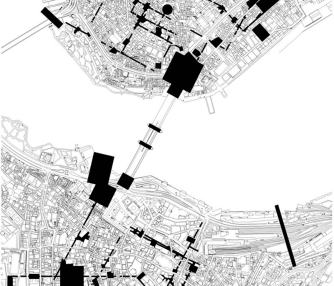
It is 2030. ‘The Pandemic’ is forcing a big rethink. The first tentative steps of restructuring society and reimagining relationship with other living entities is breaking ground. Sustainability advocates have already been demanding a change in the way we live. Architecture is not immune to this churning. The separation of home and workspace- a gift of industrialization, is finally being seriously questioned. You have been invited by a group of like minded individuals to design a commune/habitat that will act as a beacon for the future of urban environment. Due to the experimental and uncertain nature of the project, two iterations of the project are planned based on your interpretation of nature and society.
The studio will commence with a set of videos/readings on predictions for the future of humans on earth. Simultaneously we will discuss the history of program based building types. The main design exercise will equip you to respond to changing context conditions using an iterative design method. Two iterations are proposed, followed by a recombining of the two to create the final proposal.
Studio Unit
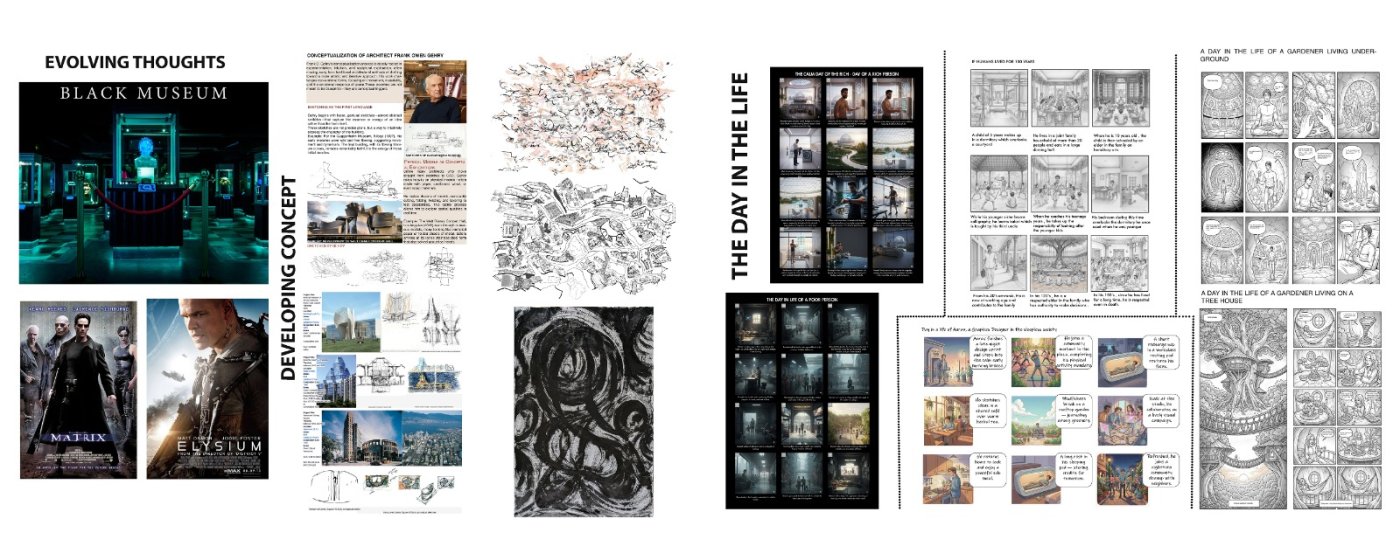
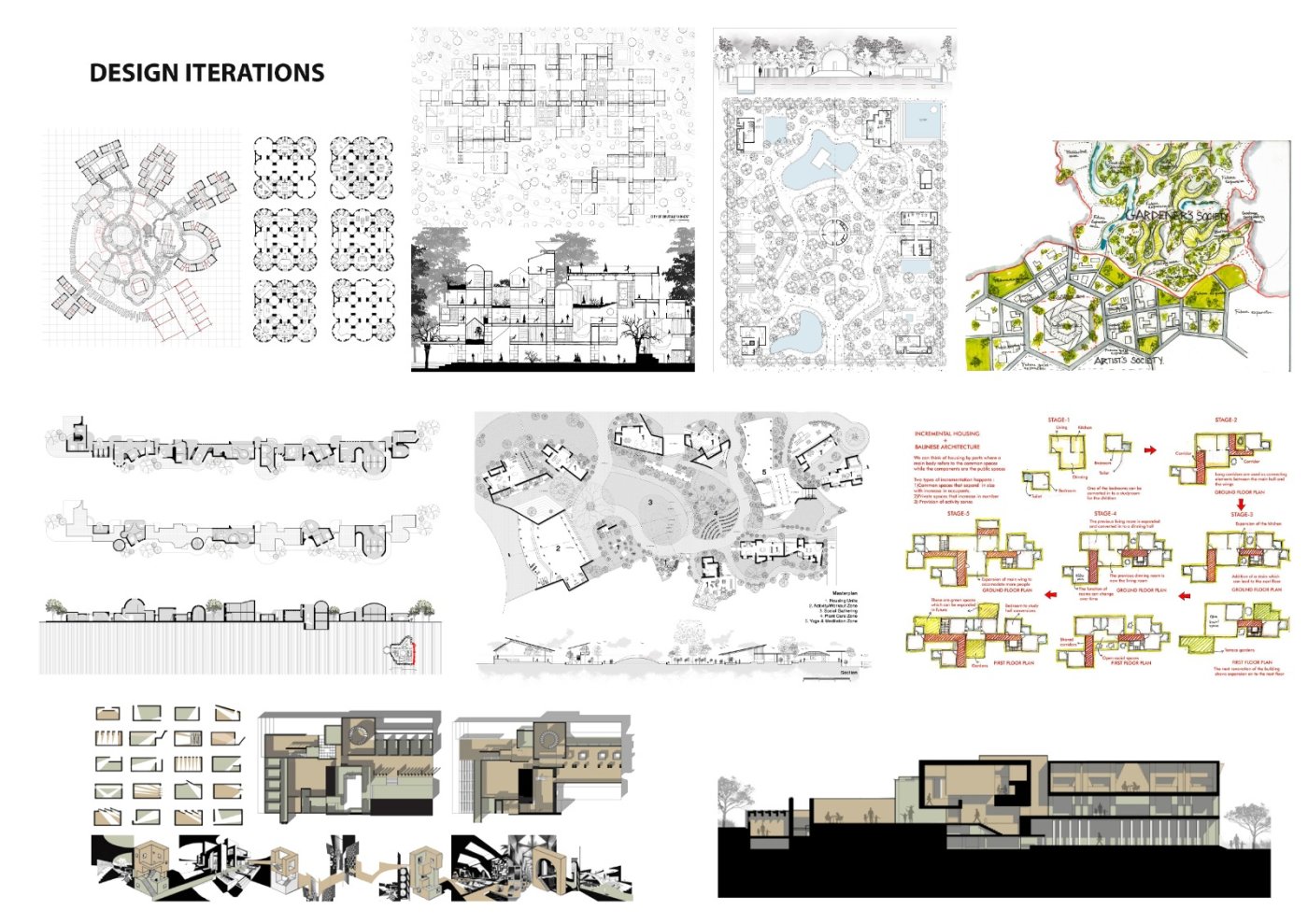
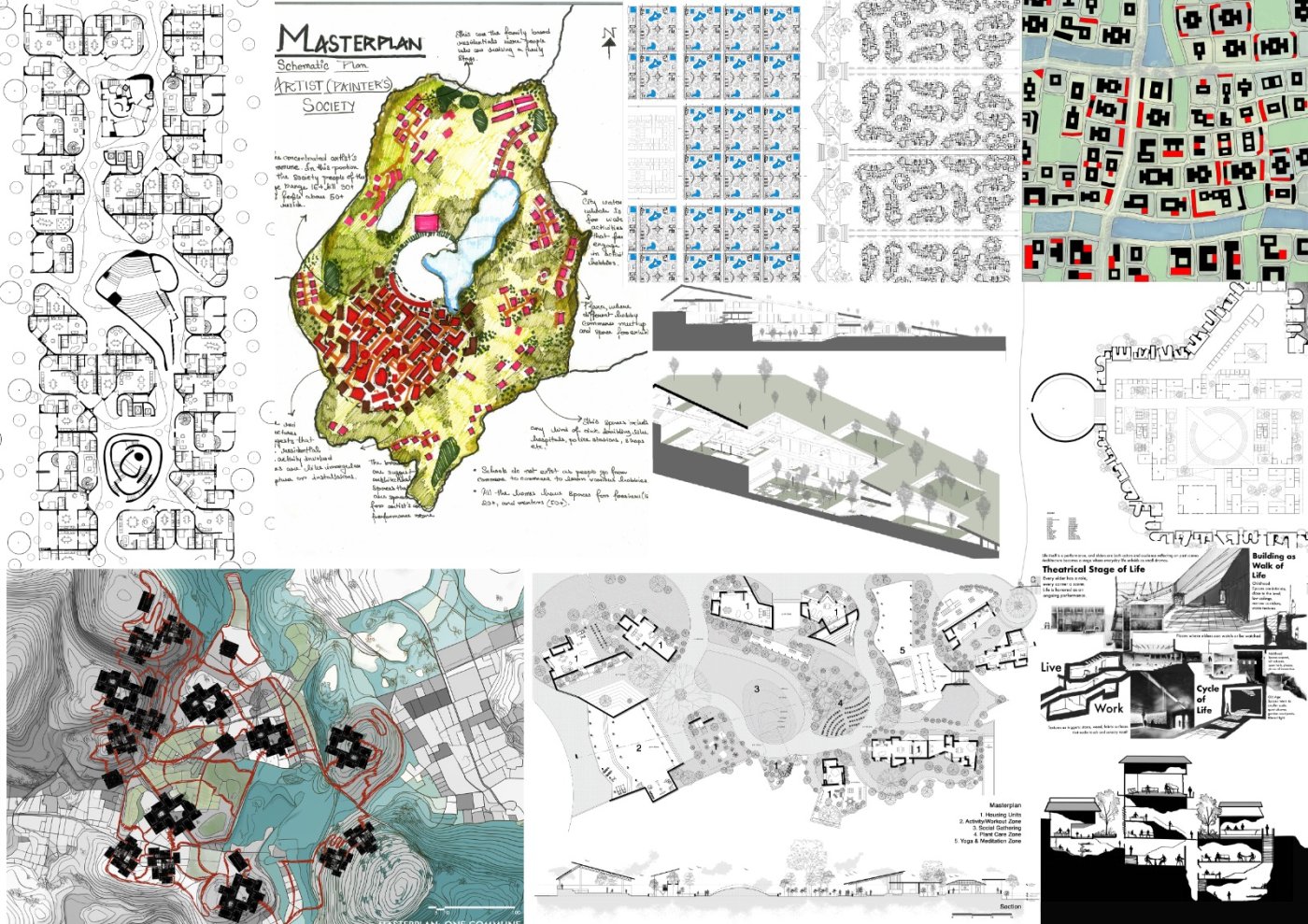
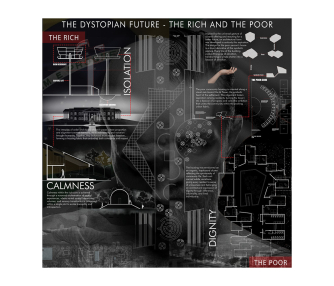
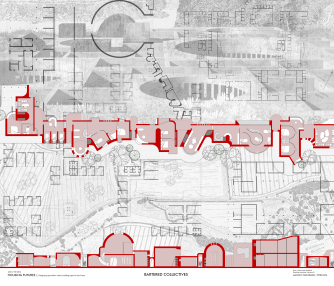
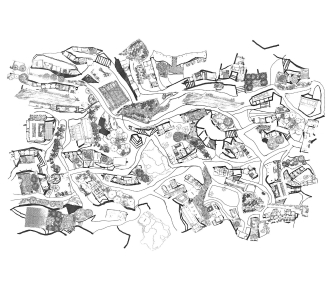
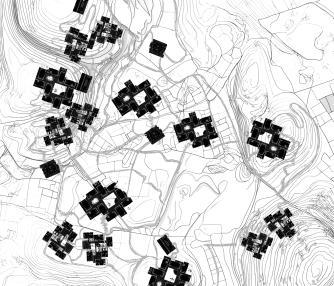
This studio asked students to fundamentally reimagine the built habitats we inhabit today. Because of the scale and difficulty of the task, the work unfolded through an iterative process: students first envisioned a future society and then developed three successive design responses to the built environment shaped by that future.
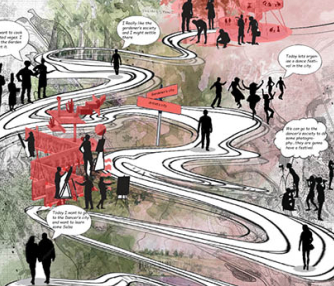
To construct their future worlds, students engaged with films, readings and sustained discussions. They synthesised these inputs into a written portrait of their imagined society, expressed through “a day in the life” of an individual living in that future.
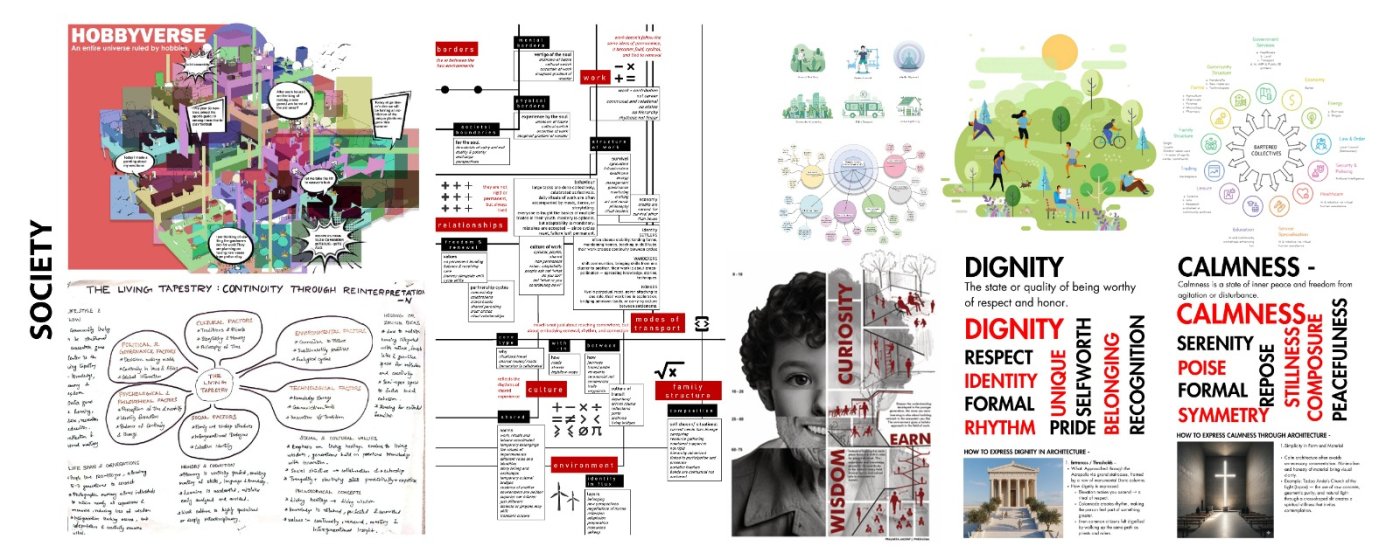
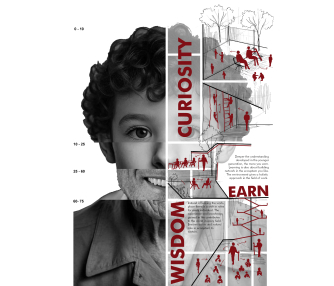
These societal visions were deepened through diagrams and analytical texts. From this foundation, each student identified an architectural concept that could meaningfully respond to the new social context they had imagined.
Each four-week iteration concluded with an external review. Across these reviews, hidden assumptions and biases in architectural thinking surfaced, allowing students to recognise how their design instincts were shaping their proposals.
Students carried forward the feedback from each iteration, either proposing a completely new direction or refining and extending their previous attempt in response to the critiques.