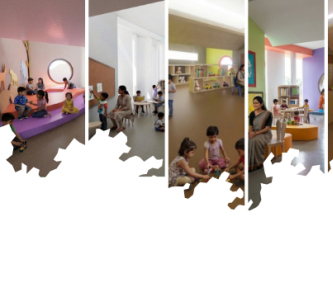
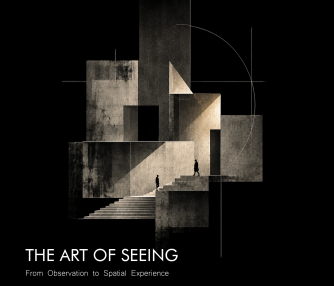
Humans, inherently visual creatures, primarily perceive the world through sight. Recent revelations underscore light''s profound influence on circadian rhythms, amplified by modern work-life demands and outdoor stressors—humans now spend 90% of their time indoors. Consequently, architecture must prioritize light to safeguard human circadian health.
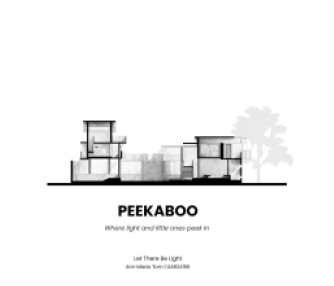
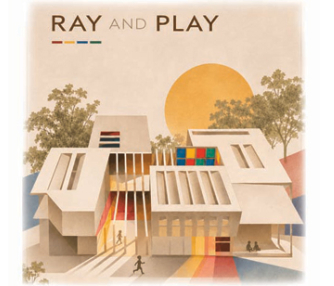
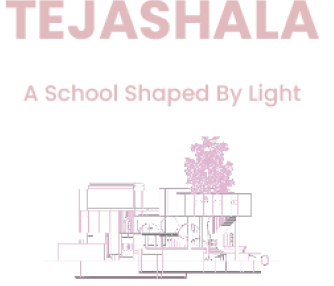
This design studio positions light—its qualities, perception, and experiential impact—as a primary generator of architectural design of a school or a library. Students will explore how architectural elements, spatial organization, form, and material choices shape the visual environment and influence the availability and experience of daylight. Their learning will be drawn from the works of master architects known for their sensitivity and deliberate use of light in architecture.
Through analytical and experimental methods, including physical daylight models, translated architectural diagrams, and perception studies, students will investigate how light shapes spatial experience. These explorations will help build both conceptual understanding and logical reasoning for designing architecture that positively contributes to human health and well-being.
In a region where architectural discourse has largely focused on responses to extreme thermal conditions, this studio addresses an important gap by examining architectural responses to the visual environment through the thoughtful use of light.
Studio Unit
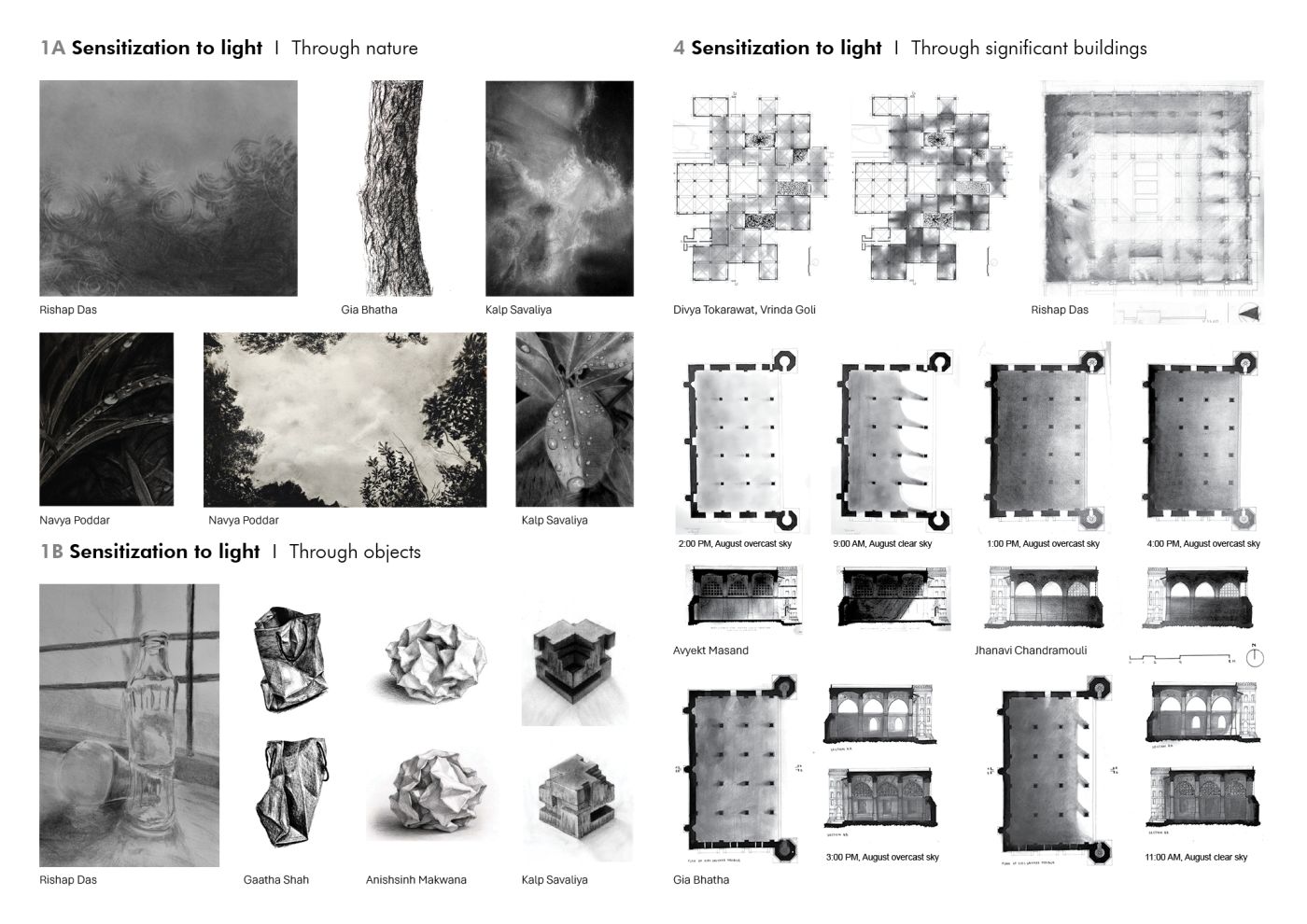
Learning about Light by; 1. recording Light in Nature at meso and micro scales., 2. recording the interplay of the light with an object at a micro scale at different times during a day, and 3. observing and drawing daylight in significant buildings
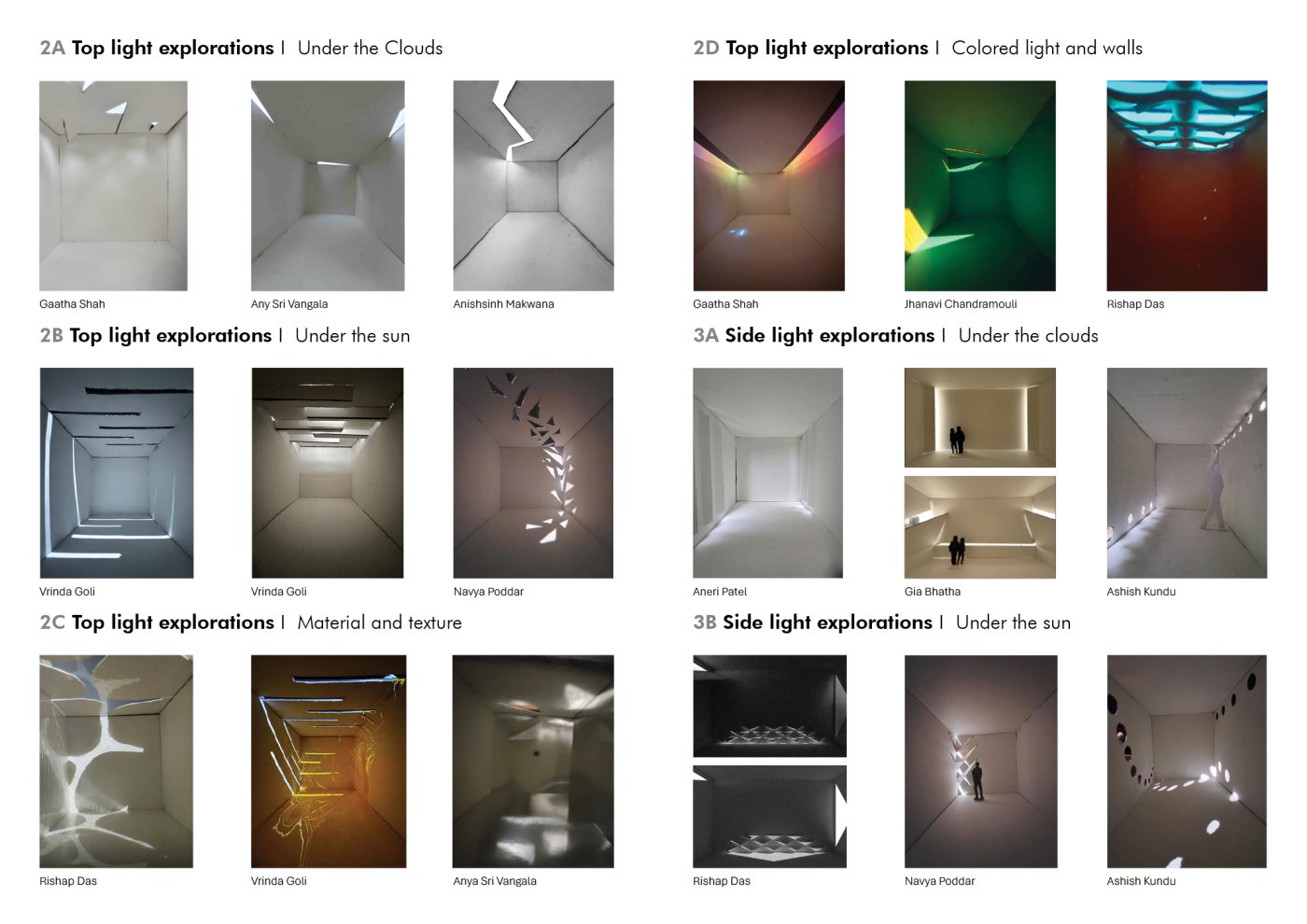
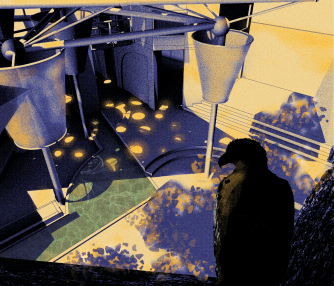
Learning about Light though 'Daylight Model' explorations: Top-lighting & Side-lighting strategies under overcast (cloudy) and sunny sky conditions to create interesting light quality. Learning to work with outdoor -diffused light. Moreover learning to explore-innovate architectural strategies to diffuse-filter outdoor-direct light. Furthermore, learning how material textures and finishes impact light. Lastly, learning how colored light (light though colored) films render white walls versus colred walls. Light Qualities explored : Direct-Indirect-Diffused, Intense-Soft, Uniform-Non-uniform, Warm-Cool
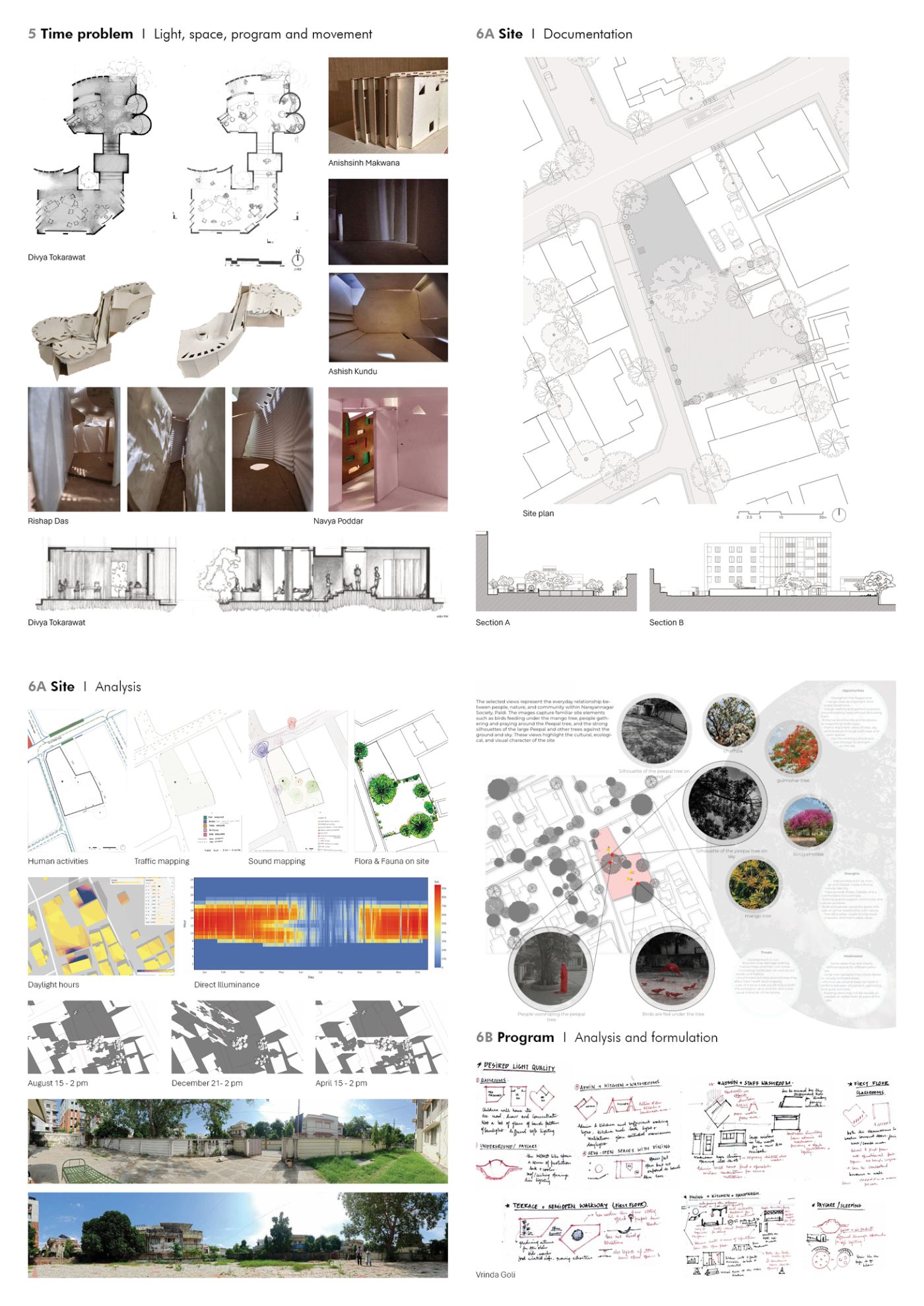
Application (Time-Problem): Applying learnings about light to a set of three spaces on CEPT campus. A hypothetical project that required three spaces; a calm space for reading-listening, an exciting space for discussions, and a movement space. The task was to propose suitable light-quality to the desired emotion in the student center. Time problem followed by site visits, site-analysis, and program-analysis for the upcoming project that is the Pre-school design
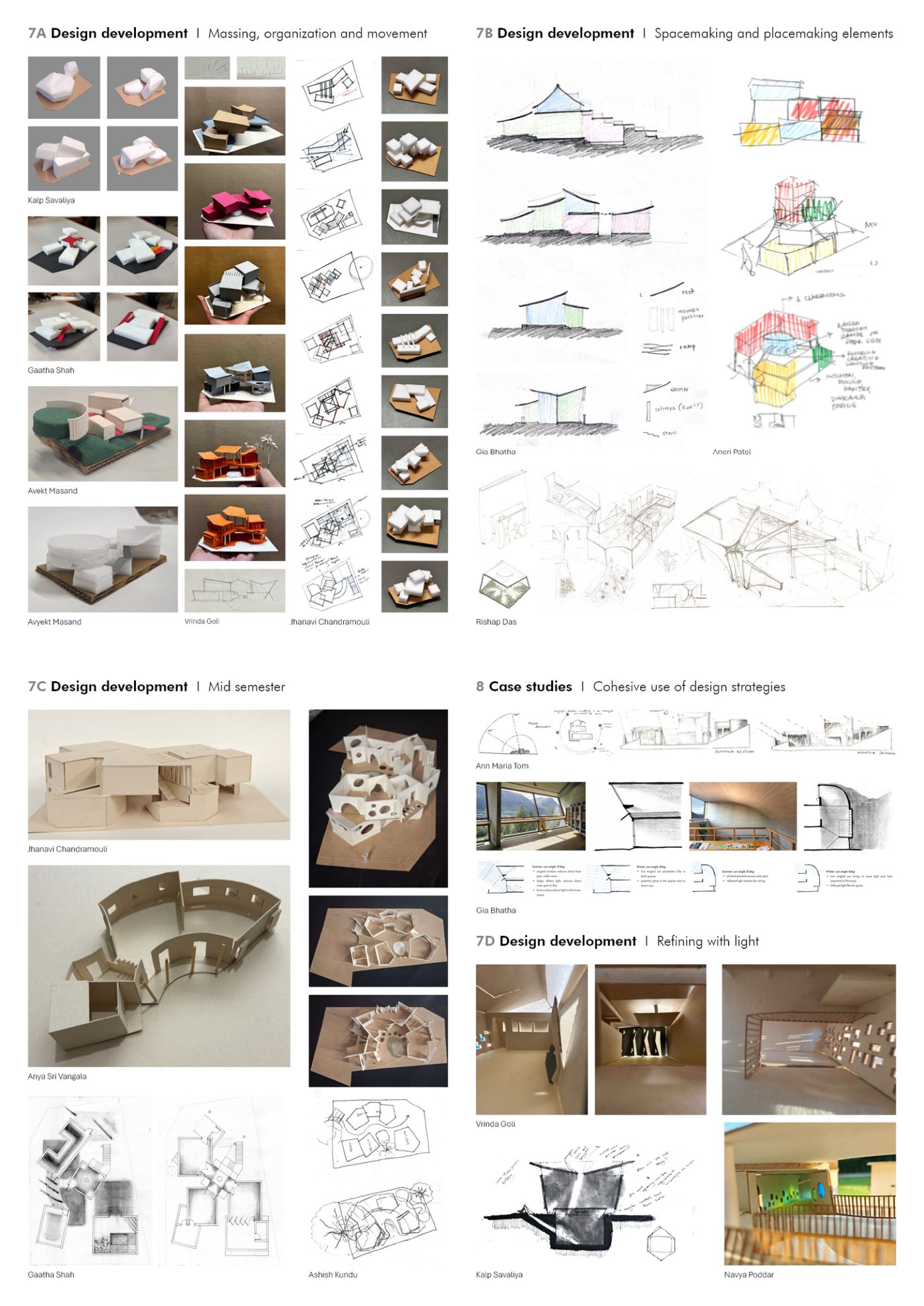
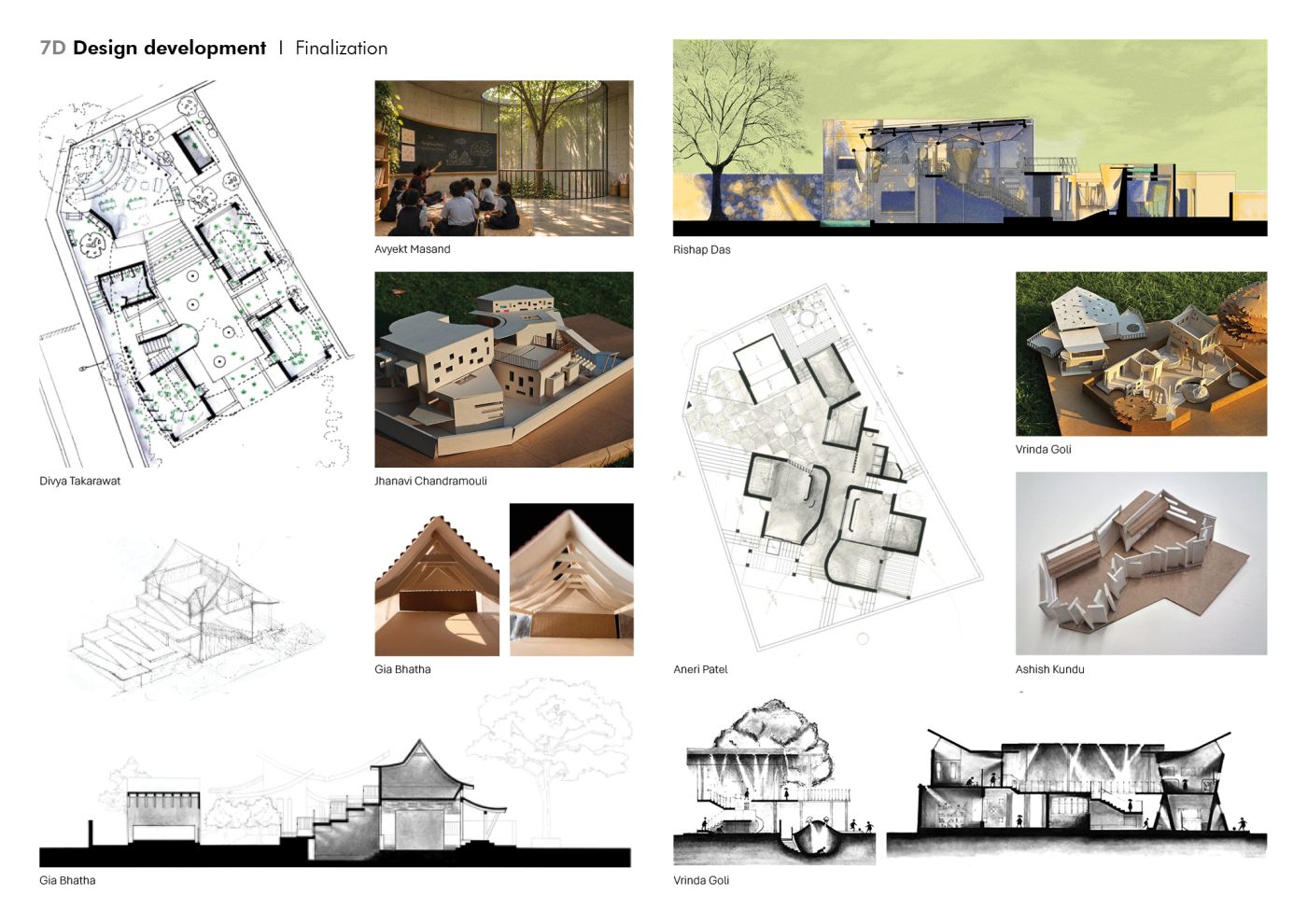
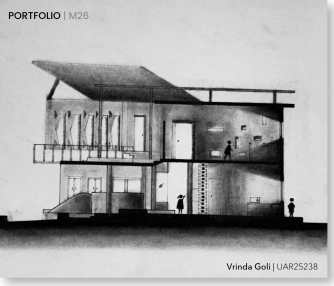
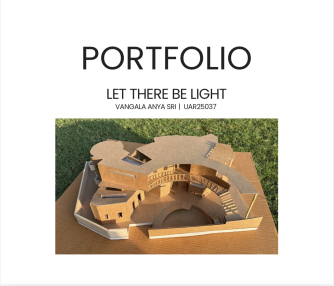
Design development beginning with massing studies that targeted site-Light response, movement, and spatial organization. Followed by that, the students explored degrees of enclosures in spaces and their Light response
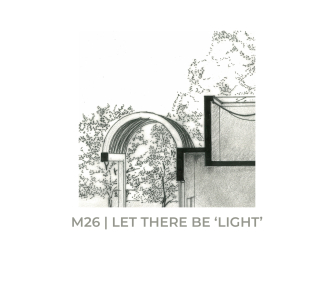
Achieving the final goal of producing beautiful and correct architectural drawings and models