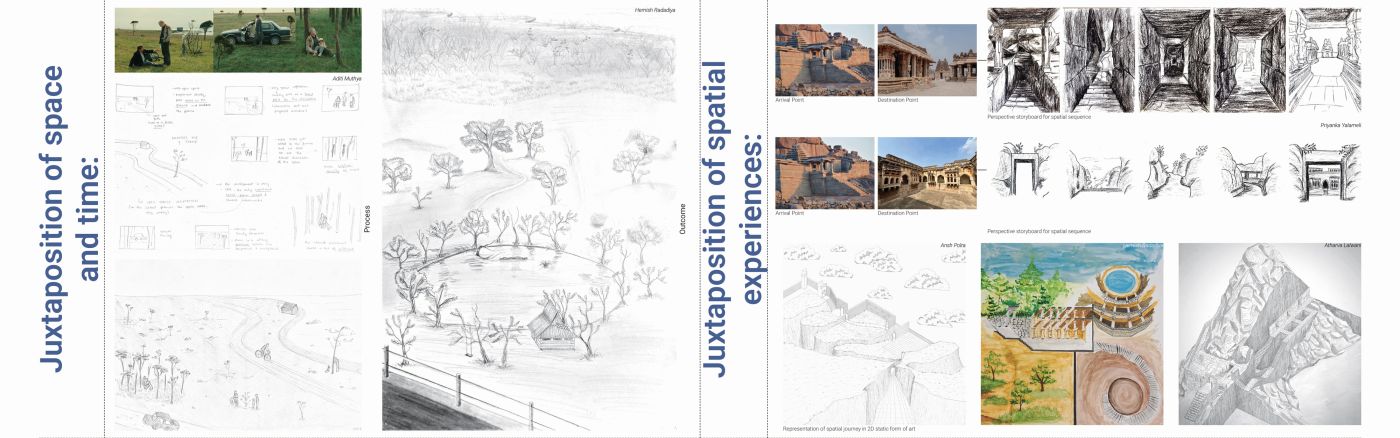
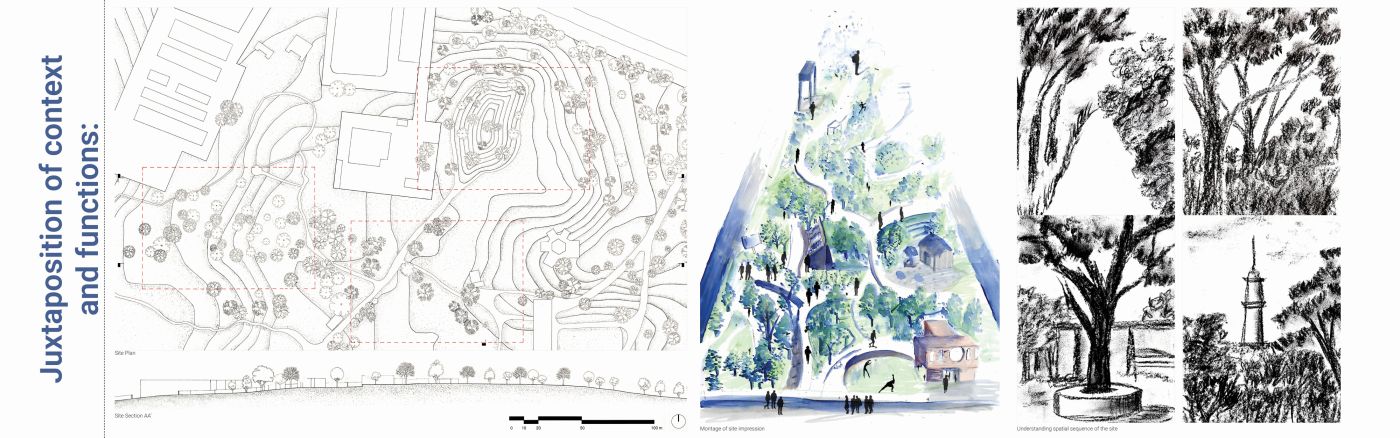
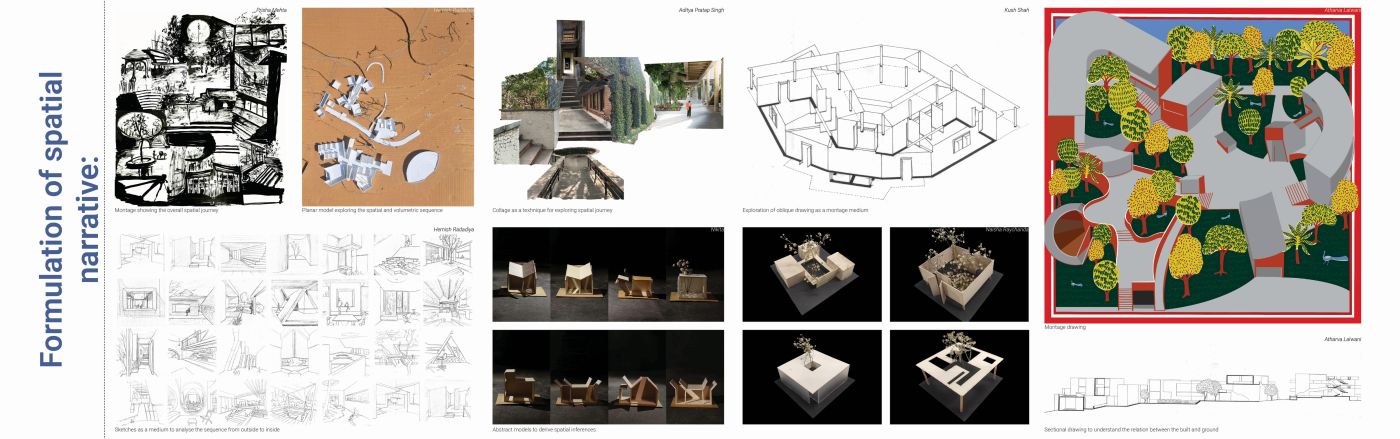
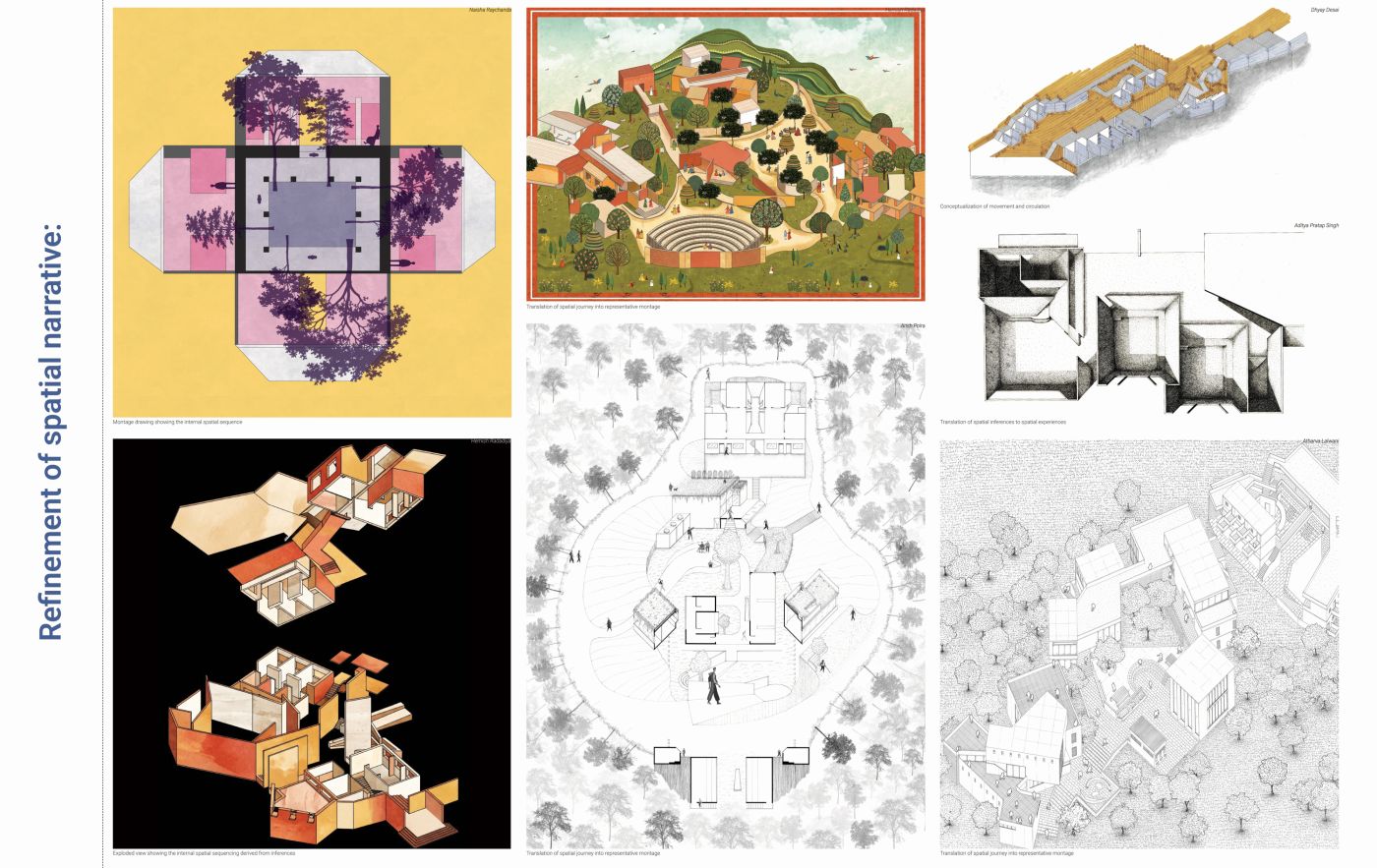
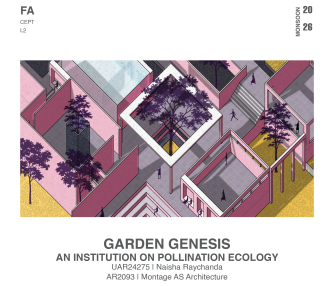
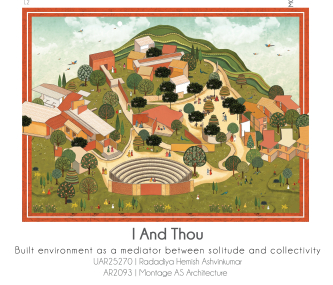
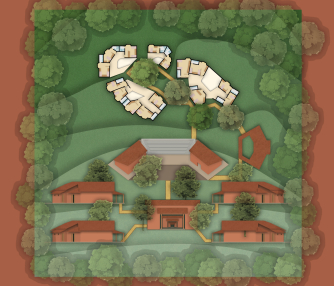
This studio takes inspiration from filmmaker Sergei Eisenstein’s theory of Montage, which argues that space is perceived through sequences of movement rather than static drawings. Architecture is conventionally represented through planar drawings but the lived experience unfolds dynamically in time & through movement.
Historically this gap between conception & perception has been less rigid. Space often emerged through experiential processes rather than formalized drawings. Montage theory with its emphasis on meaning through juxtaposition & sequence, thus offers a resonant lens for rethinking design in this context.
The studio begins with close readings of Eisenstein’s films, extending montage principles to liberal and vernacular arts. Students will explore how montage already exists as a latent cultural practice of spatial imagination. The studio offers an opportunity to evolve one’s own montage that helps not only in the analysis of the existing conditions but even for creation of new spatial narratives.
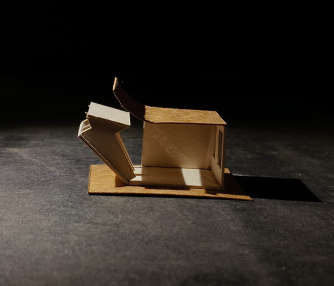
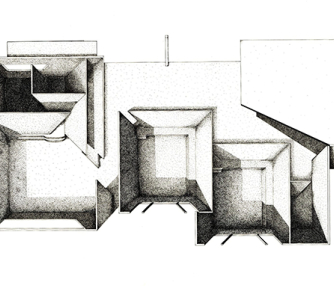
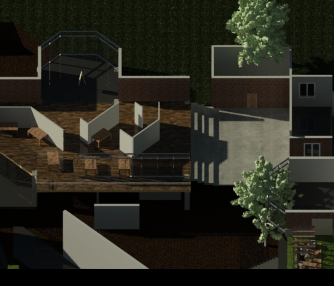
The main exercise of studio involves spatial interventions into selected site by introducing a new function & by enhancing existing spatial qualities. Principles of montage & sequential nature of space perception plays the foundational role for generation of design.
Studio Unit
Studio Premise : translation of montage theory into theory of space perception
Juxtaposition of space and time as 1st interpretation of montage