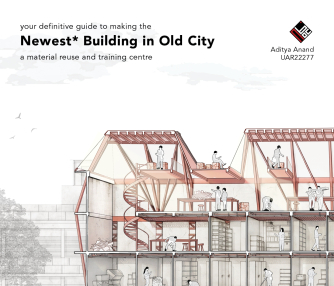
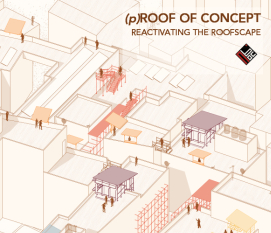
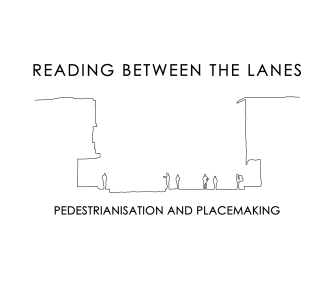
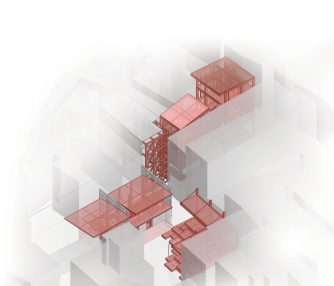
Ahmedabad’s UNESCO listed historic core is more than a cultural relic; it is a living
urban system with its own ecological cycles. Lost among its conservation obligation
and development potential, new architecture in the city often oscillates between
creating replicas of the past and imposing hyper modernities, neither serves the logic
of the city and its systems. This studio addresses this friction of contemporary
insertion by asking: How can new architecture restore the historic city’s urban
metabolism?
Students begin in the Zone of Proximity by engaging in intensive workshops that
expose them to the ways in which the city manages its resources (urban cooling
mechanisms, rainwater harvesting, thermal behavior) that will root their
understanding of climate responsive behavior in local (vernacular) logic, as much as
in new technological solutions. The students will also engage with the regulatory
systems that surround the historic city, making their design solutions not just robust,
but viable. The studio empowers students to develop a modern tectonic language
that treats the elements and the immediate context as the primary building fabric to
create a resilient architecture that responds to Ahmedabad’s heritage while securing
its climatic future.