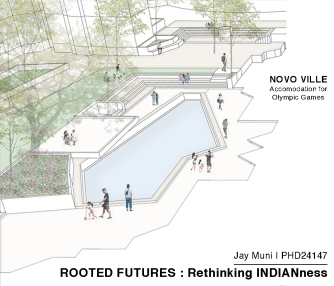
TA: Chinmayee MokshagundamNovo Ville: Accommodation for the Olympic Games
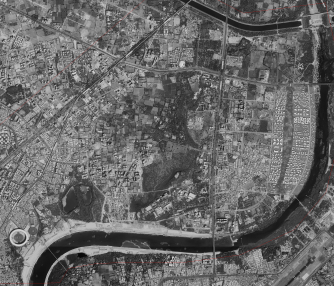
Ahmedabad could be awaiting the inauguration of the fully metamorphosed Olympic Village, sometime in 2037-38, assuming its bid for the 2036 Olympics is accepted. Olympic Villages require special consideration along with the urban infrastructure and sports facilities being planned for Olympics. The host city must be prepared to house a large number of athletes, coaches, support staff and media persons, all for a short period. During the games, such housing would accommodate people from various cultures, with differing needs, expectation, comfort levels and ways of living. But what happens to such a village after the games is a big question.
Large-scale facilities in Ahmedabad, given the housing shortage and economic factors, require thoughtful long-term use. Should they merely attract tourists as novelties, or serve city dwellers’ needs? Ignoring local context culture, lifestyle, and residents’ needs overlooks what they deserve from major developments. Should the Olympic Village prioritize temporary use with long-term reuse as secondary, or integrate into the expanding city with temporary use as secondary? Effective reuse demands planning beyond re-labeling, whether for short-term visitors or long-term residents.
Studio Unit
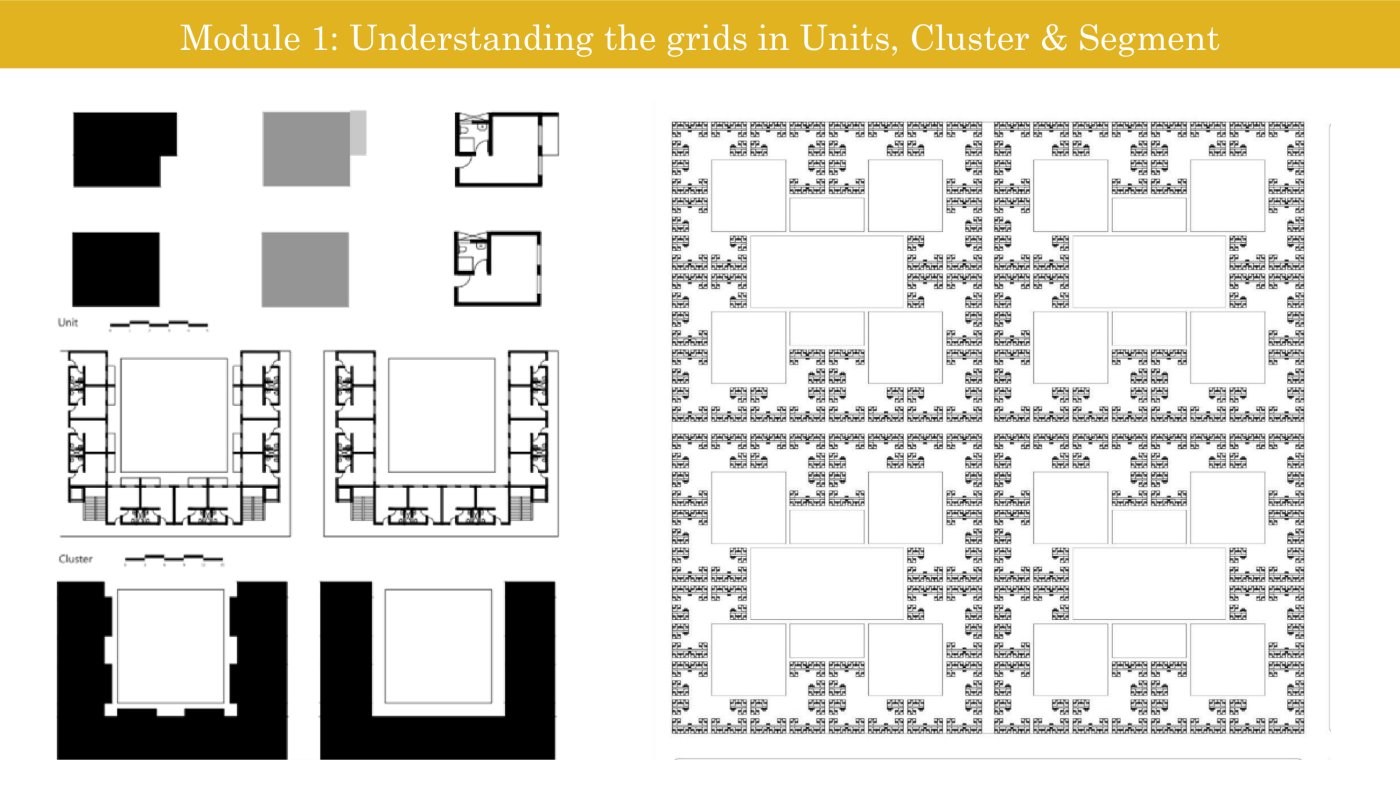
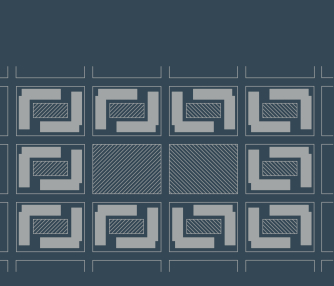
An exploration of how spatial grids generate units, clusters, and larger segments through iterative geometric organization.
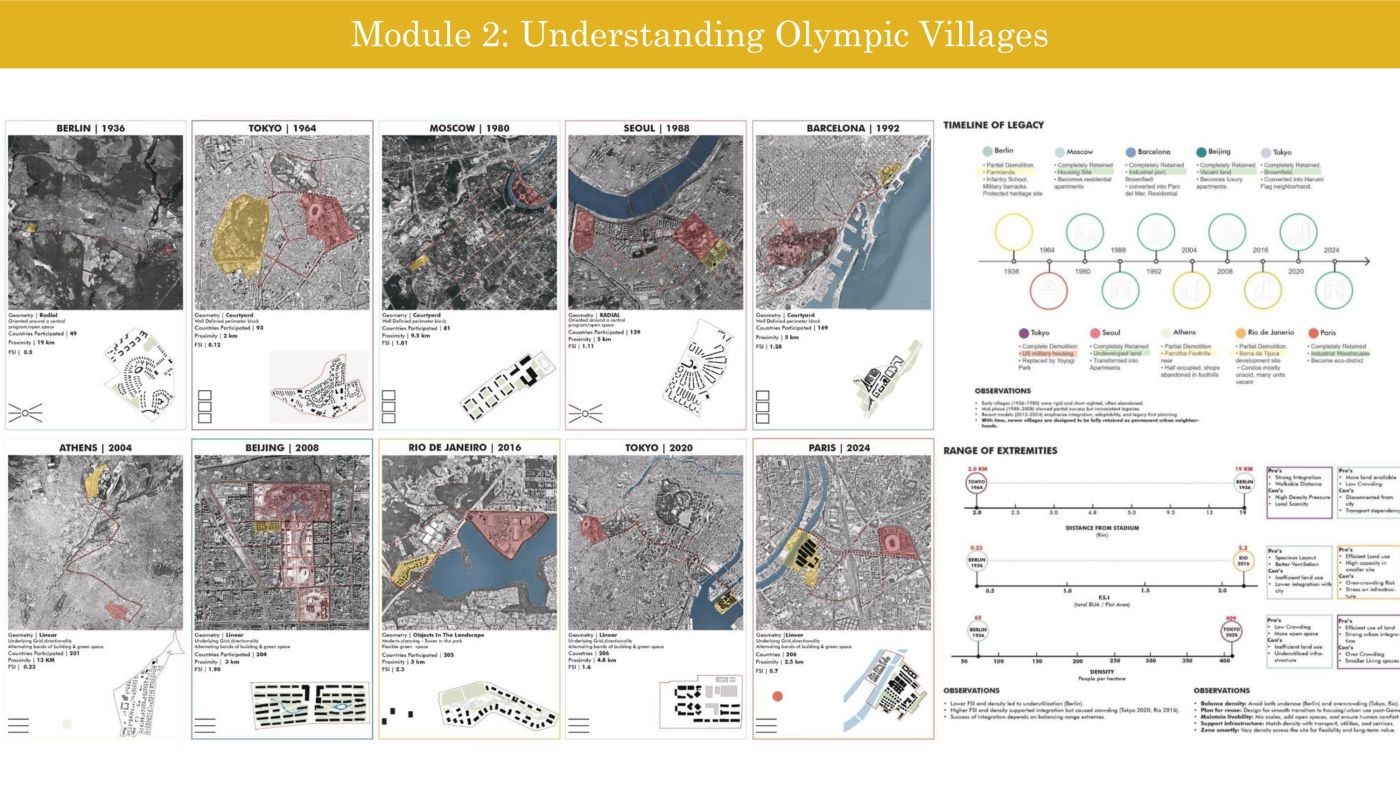
A comparative study of Olympic Village planning across cities and decades, analyzing site placement, legacy, and urban impact.
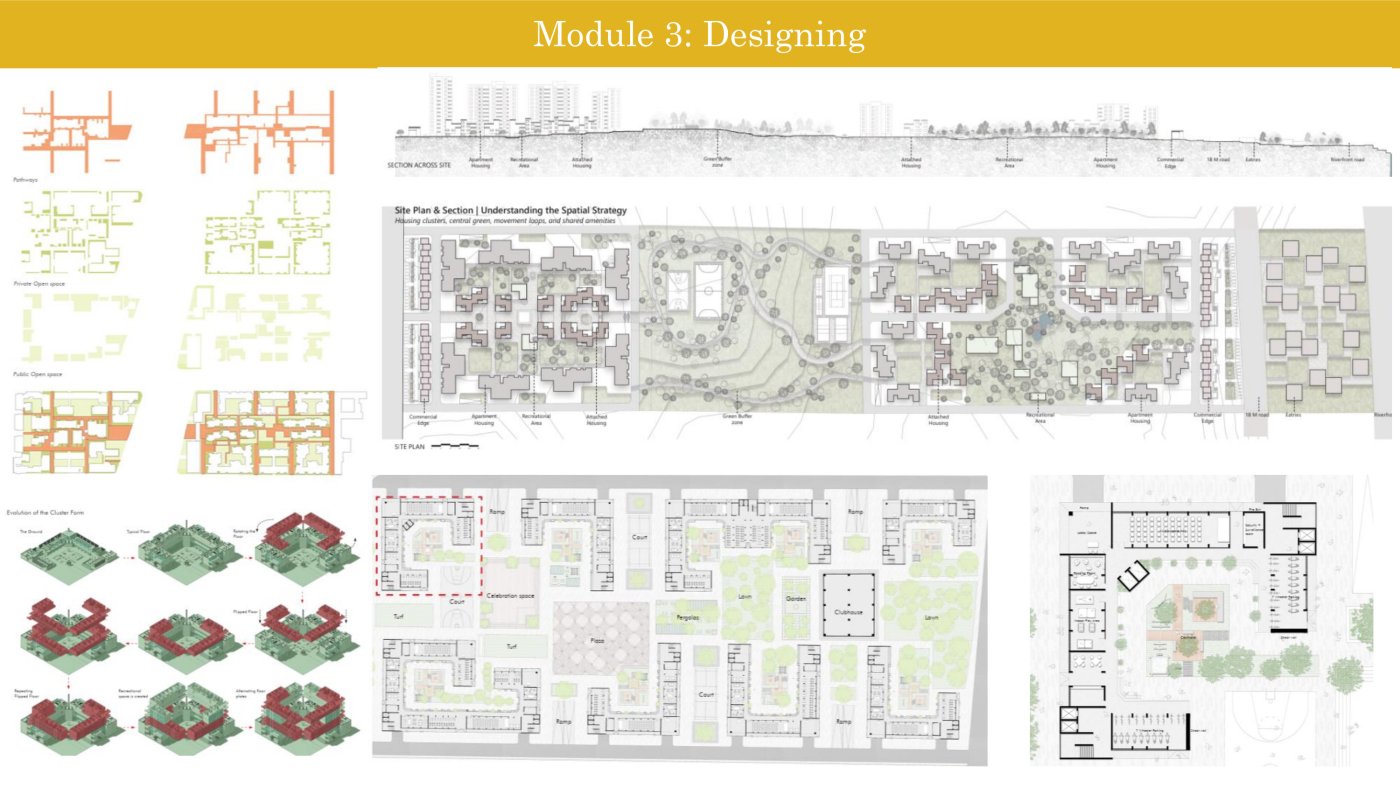
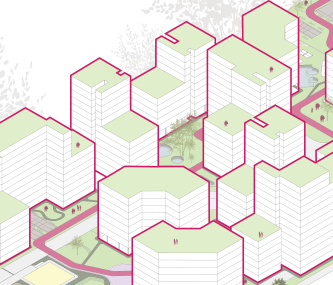
A design framework that develops a site strategy by transforming spatial diagrams into interconnected landscape, block, and layout systems.
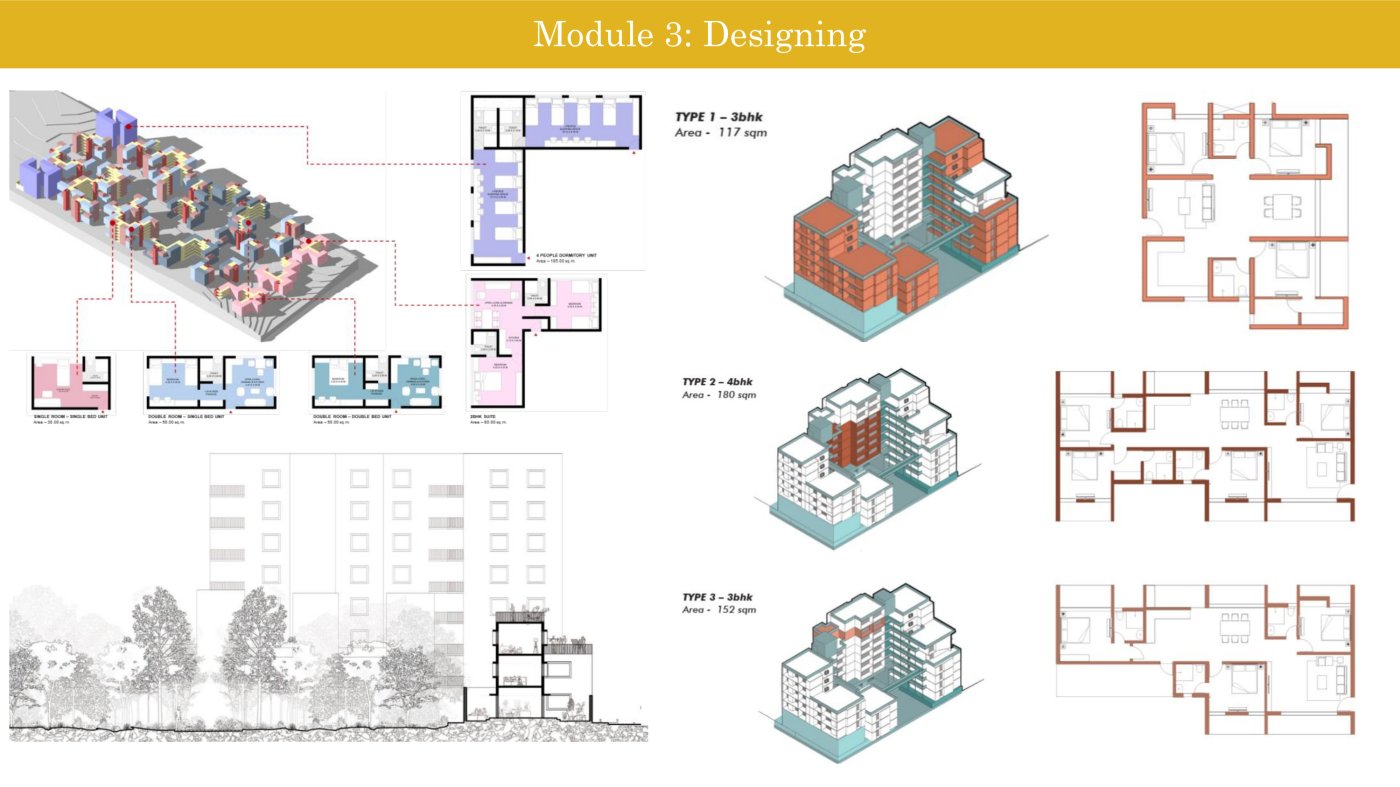
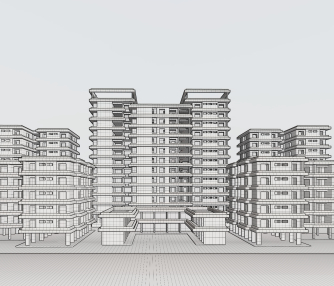
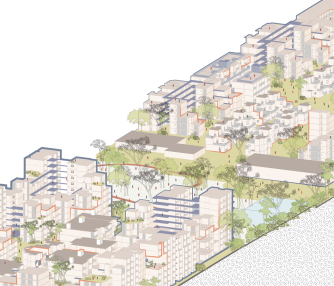
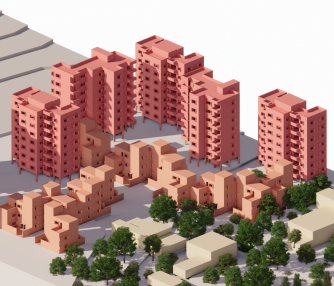
A housing design exercise that tests multiple unit types and massing configurations to form adaptable, clustered residential blocks.
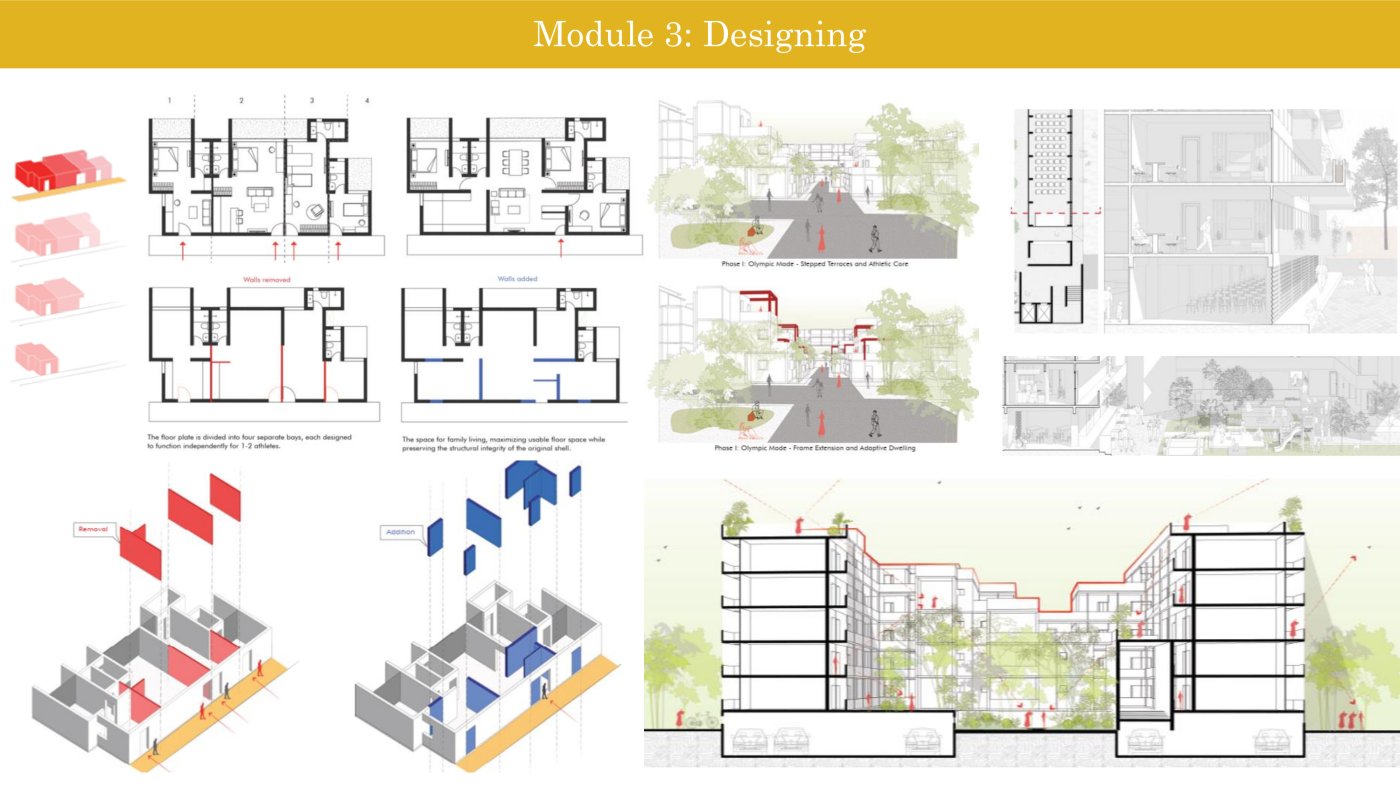
A detailed development of housing units, shared spaces, and sectional relationships to create flexible, community-oriented living environments.