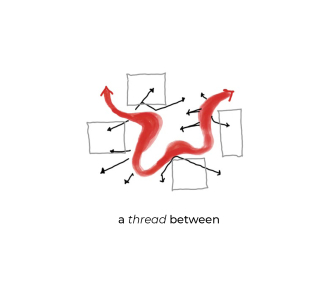
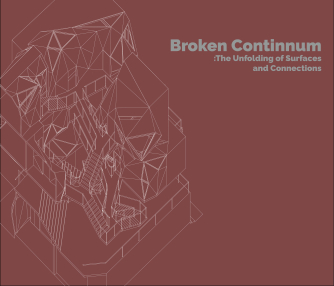
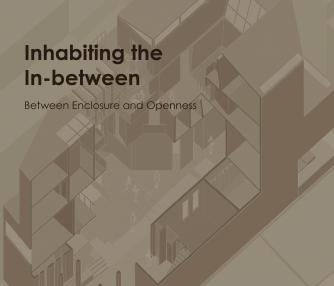
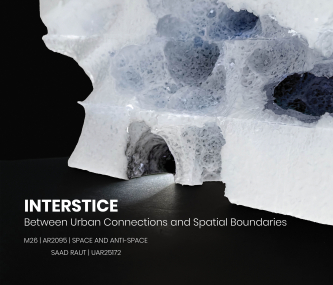
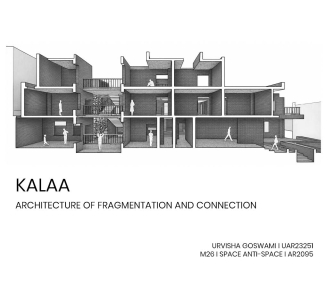
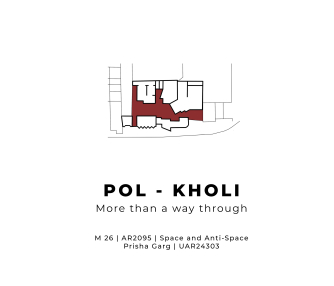
Architecture is not just about construction-it is equally about the unbuilt. The voids,gaps
and transitions shape our experience as much as walls and enclosures. How can absence
define presence? How do light,shadow and proportion influence perception? How can an
open void create a sense of connection or solitude? This studio challenges students to
explore negative space as an active design tool, rethinking spatial relationships beyond the
physical form.
Over 16 weeks, students will engage in hands-on experimentation,sketching and modeling
to investigate the impact of voids in architecture. The studio begins with observational
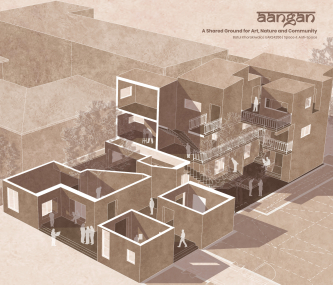
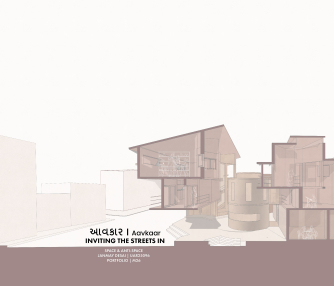
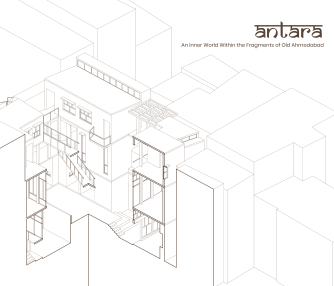
analysis, studying real-world examples of courtyards, cutouts, and interstitial spaces.
Through subtractive design exercises, students will explore spatial compositions where the
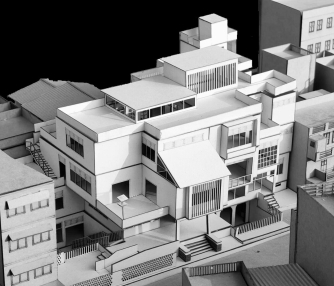
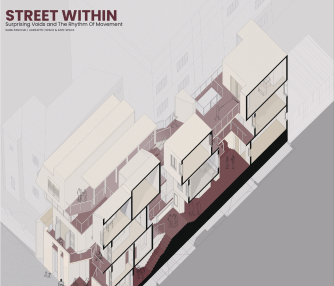
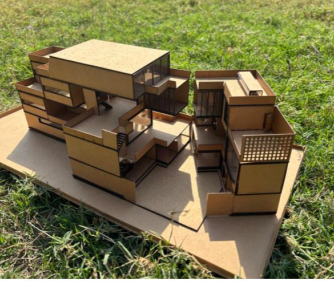
unbuilt generates meaning. The culmination of these explorations will lead to a design
project of a small-scale institution where spatial experience is defined not by mass, but by
voids, openness and movement.
By the end of the studio, students will develop a comprehensive understanding of voids and
their articulation in a coherent spatial narrative. Their projects will reflect organization of
negative space/voids at varying scales,spatial sequences, can be organized in specific ways
to generate diverse scales, spatial order, relationships vis-à-vis emotions, interactions and
sensory engagement.