Your browser is out-of-date!
For a richer surfing experience on our website, please update your browser. Update my browser now!
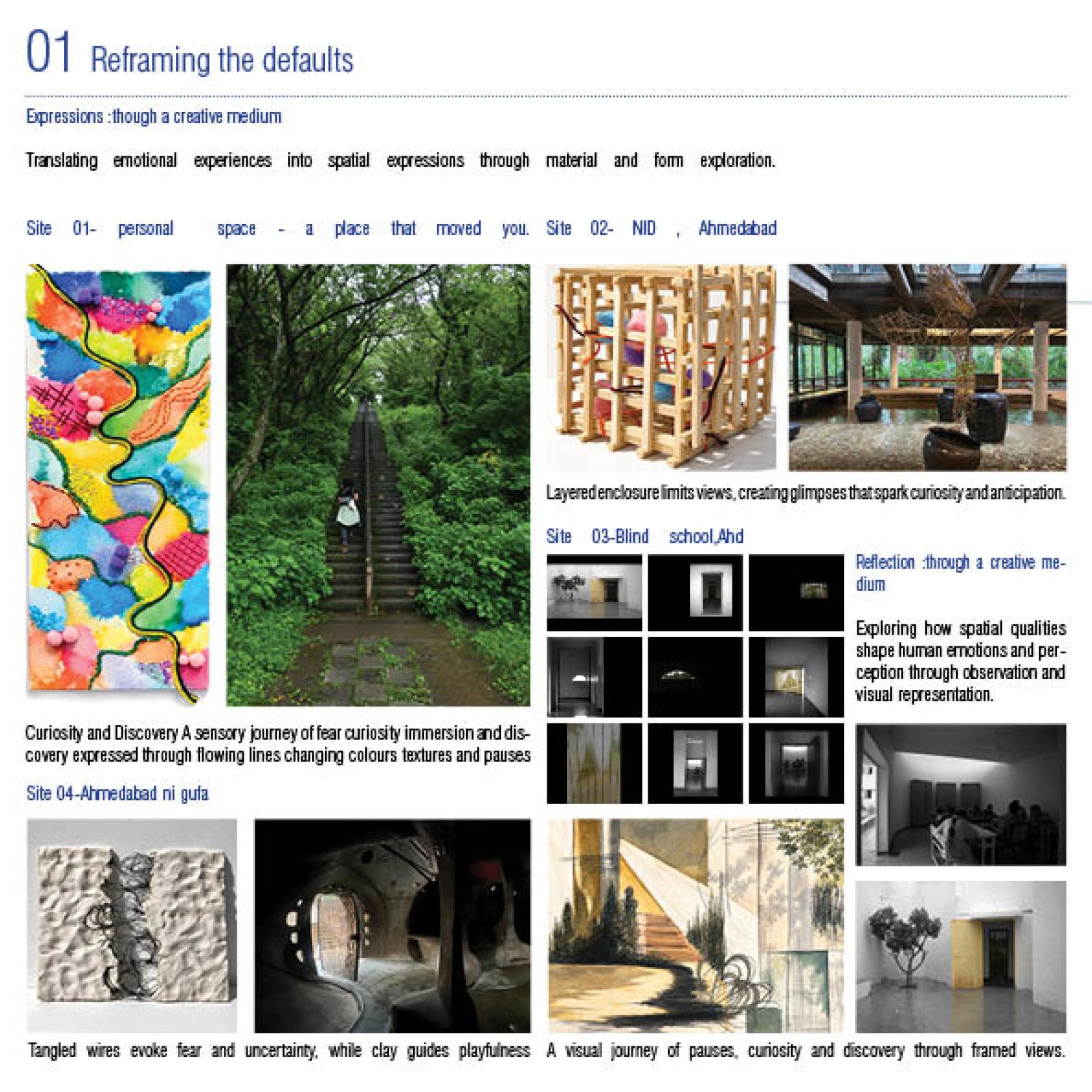
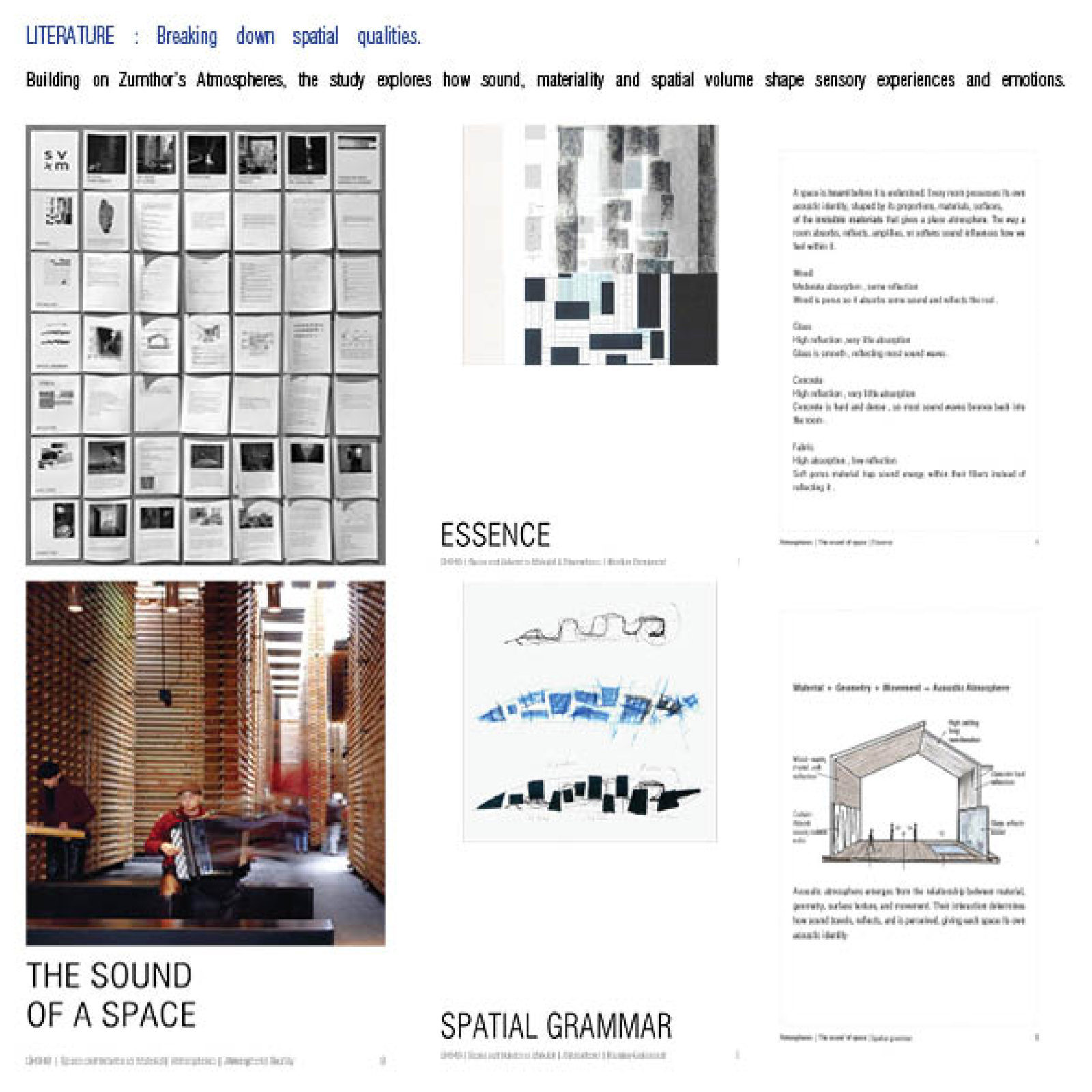
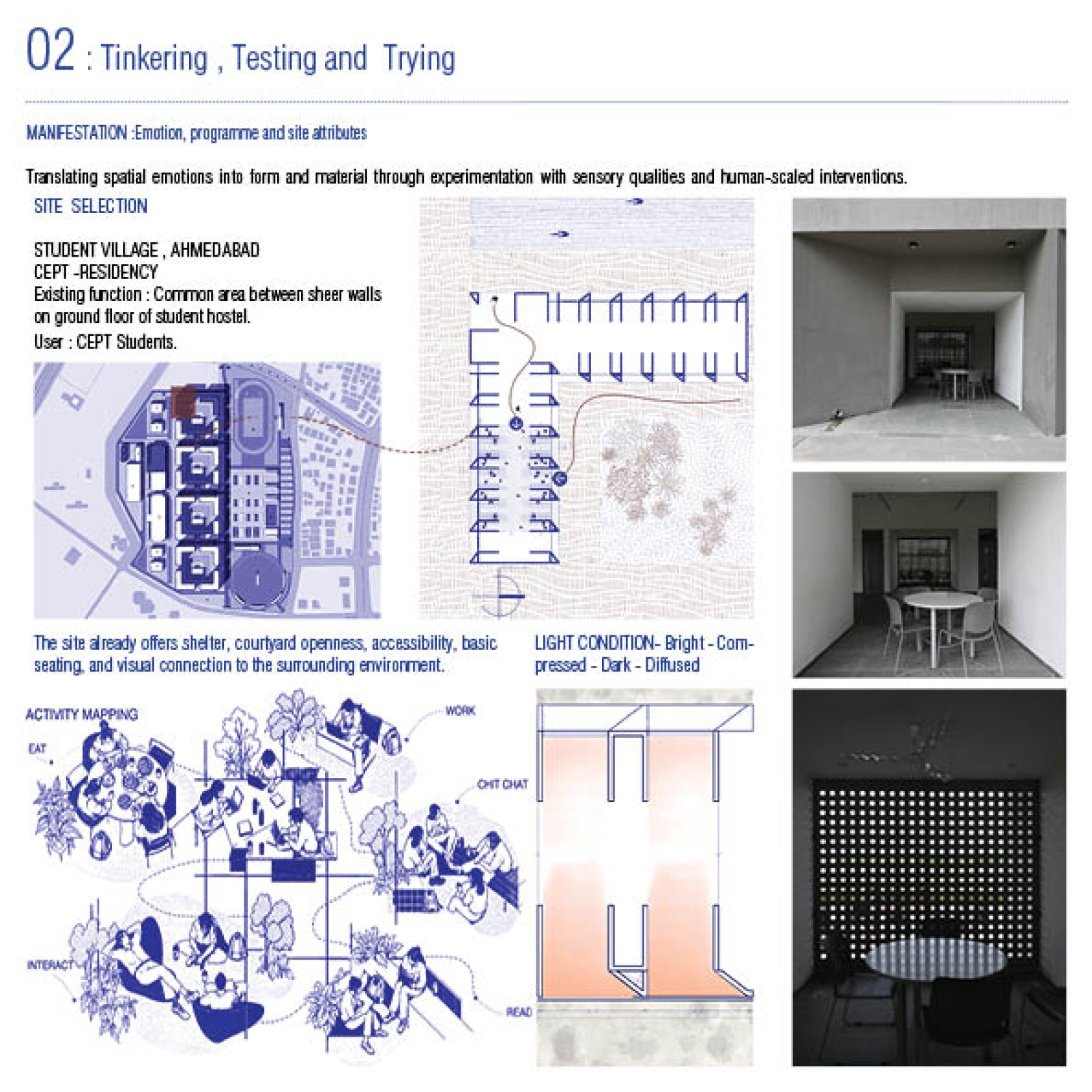
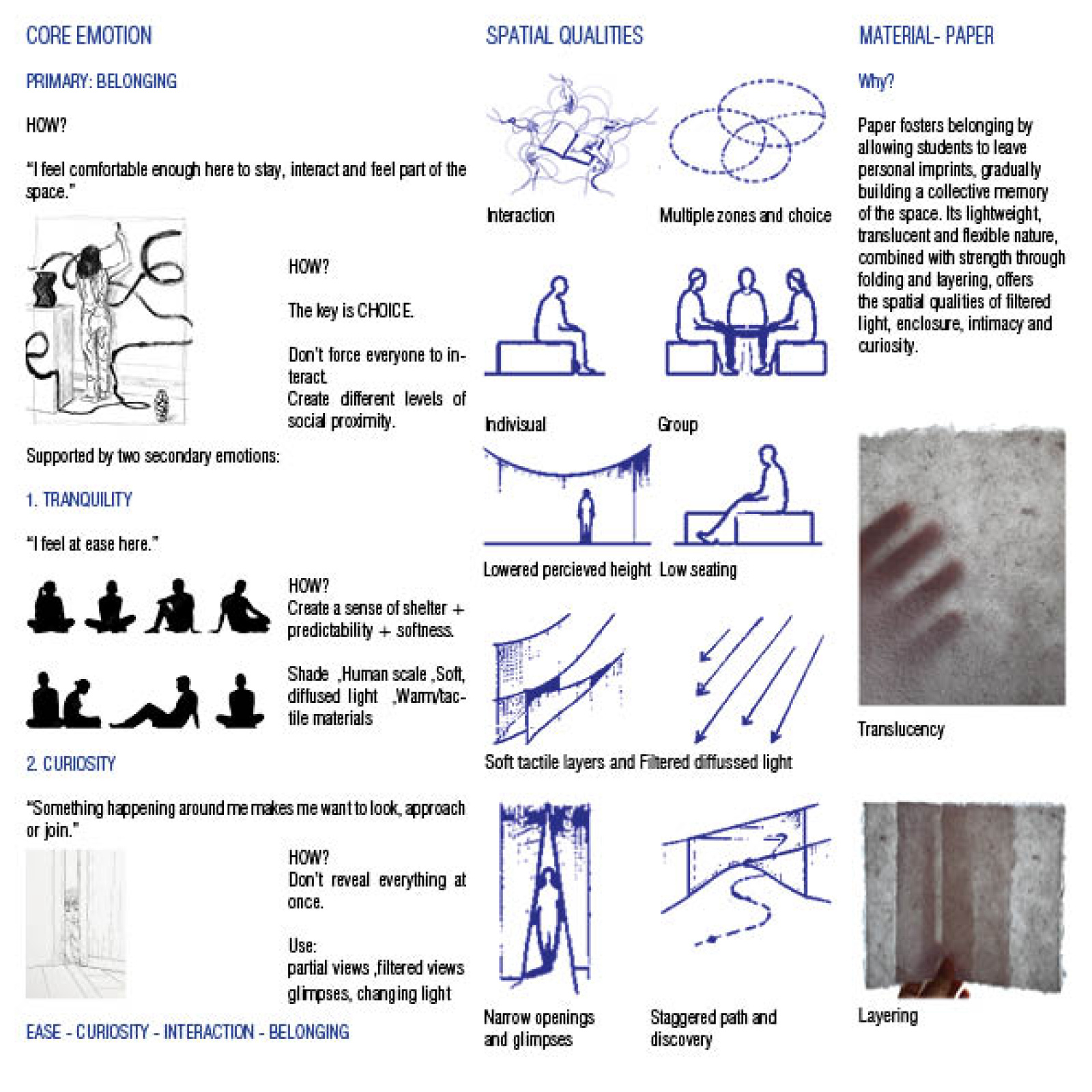
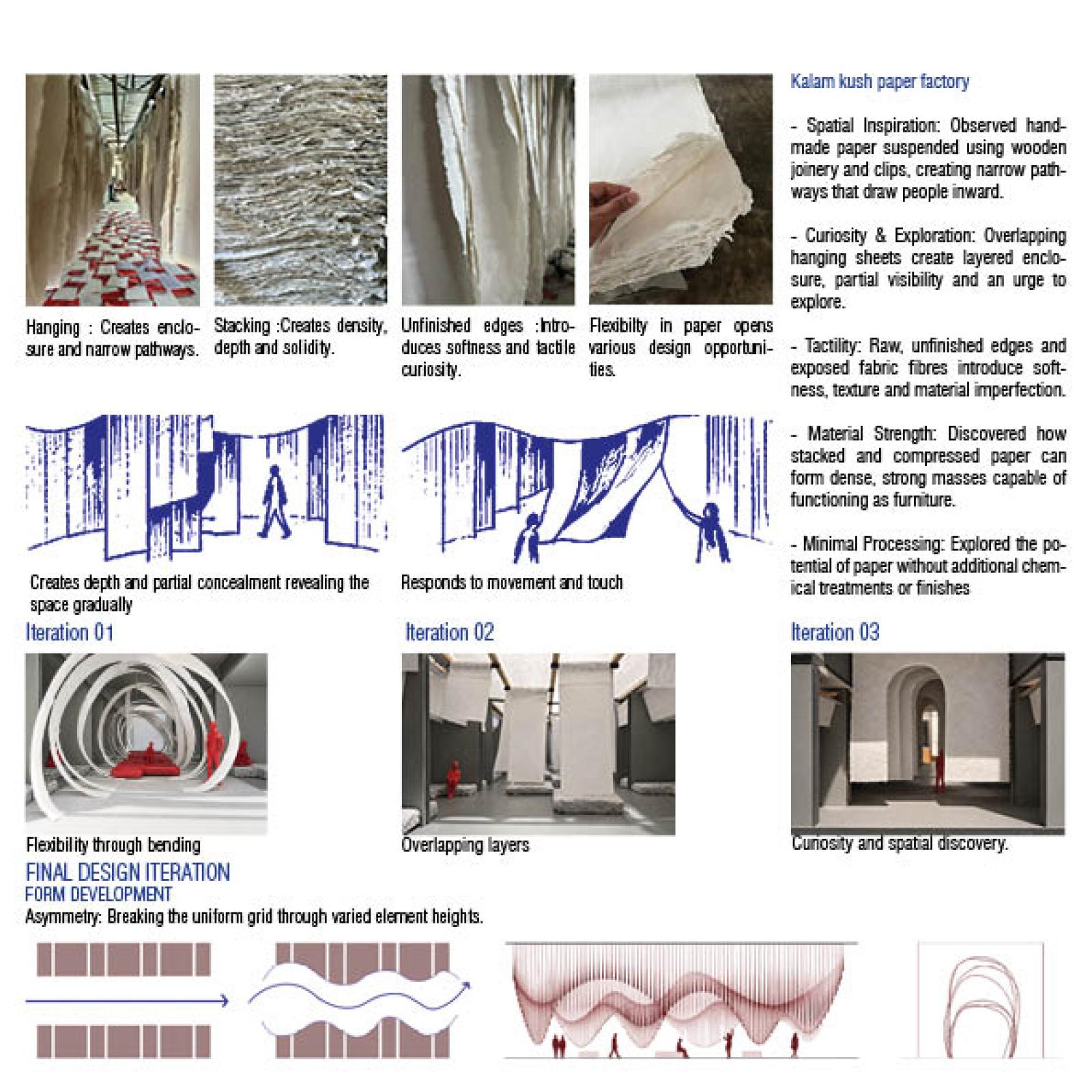
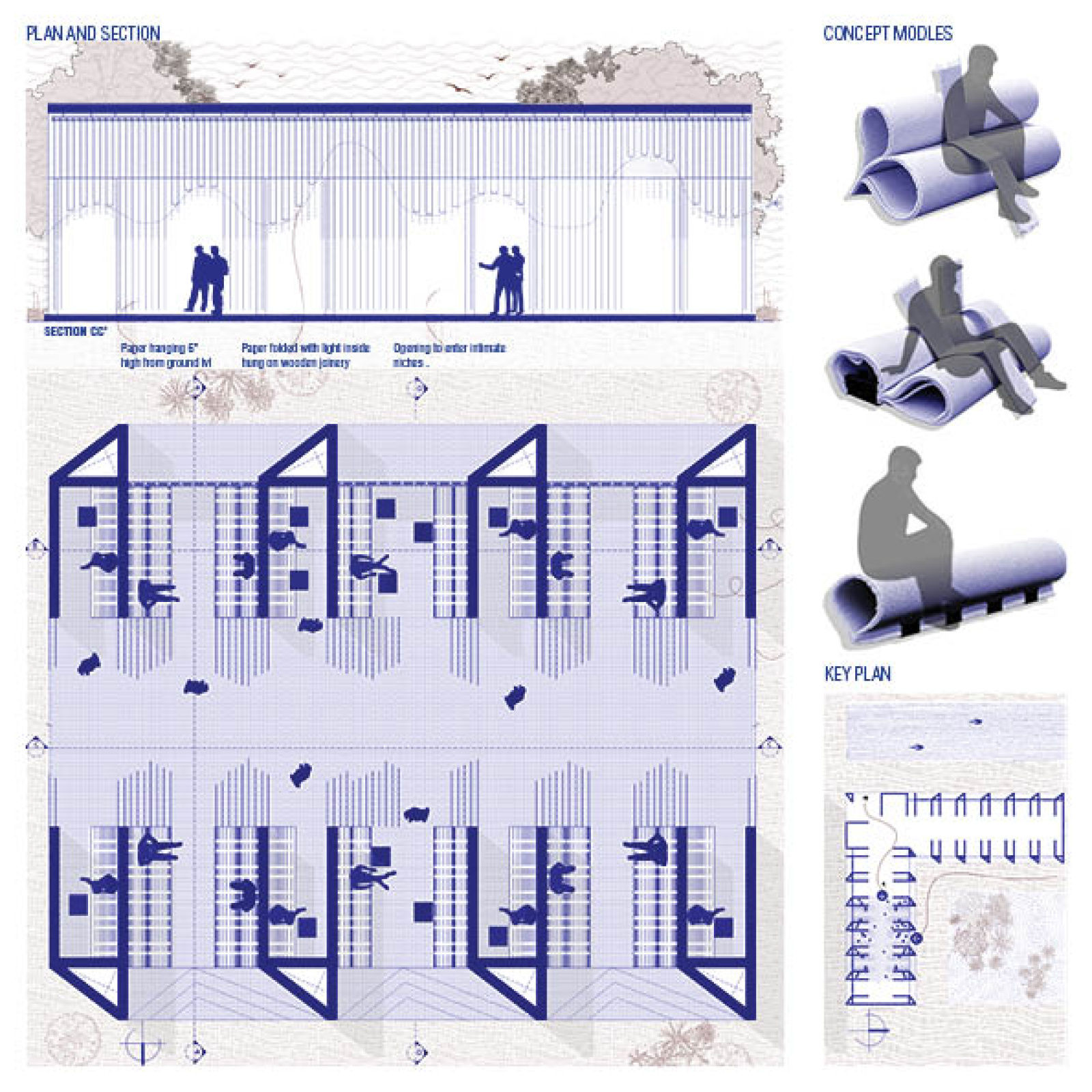
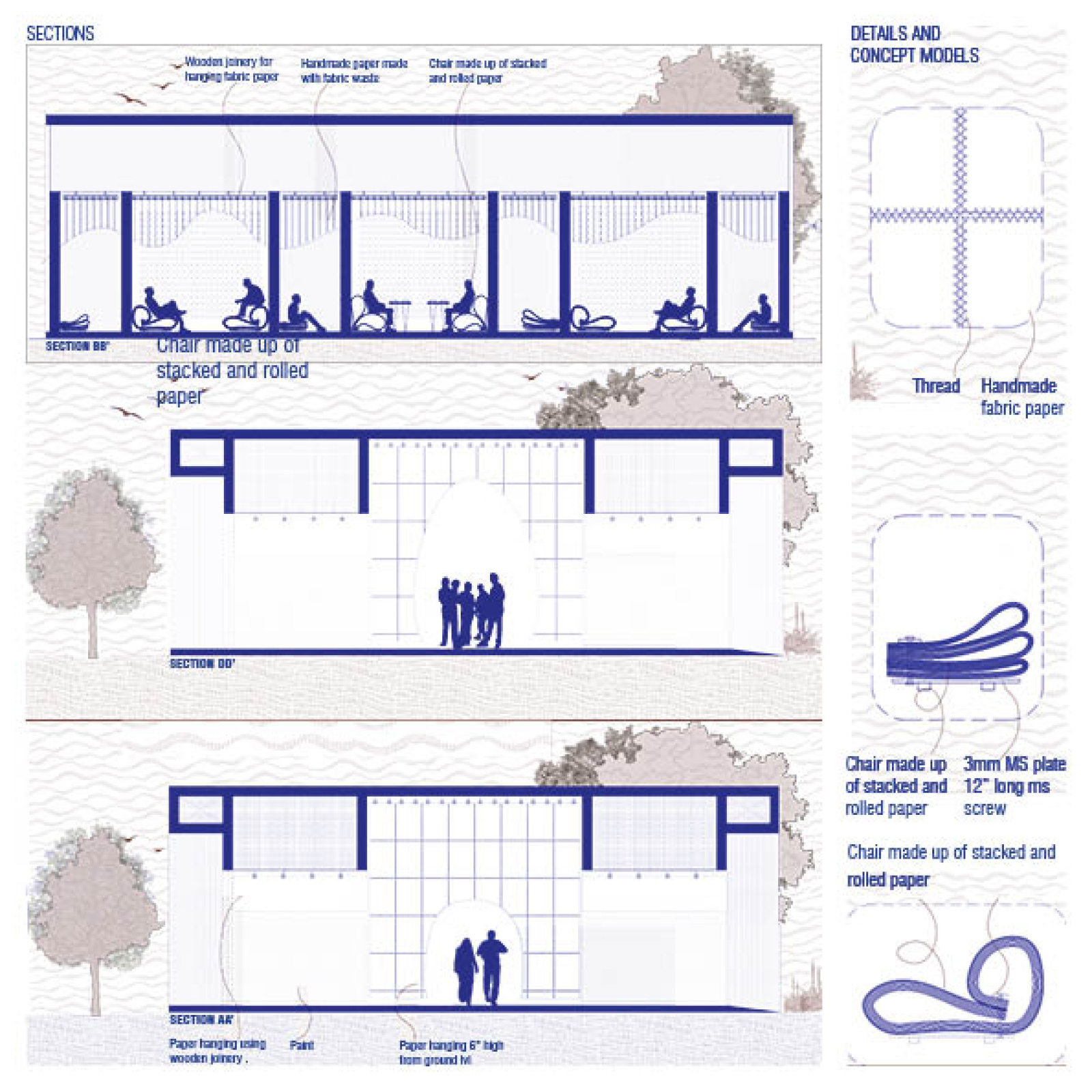
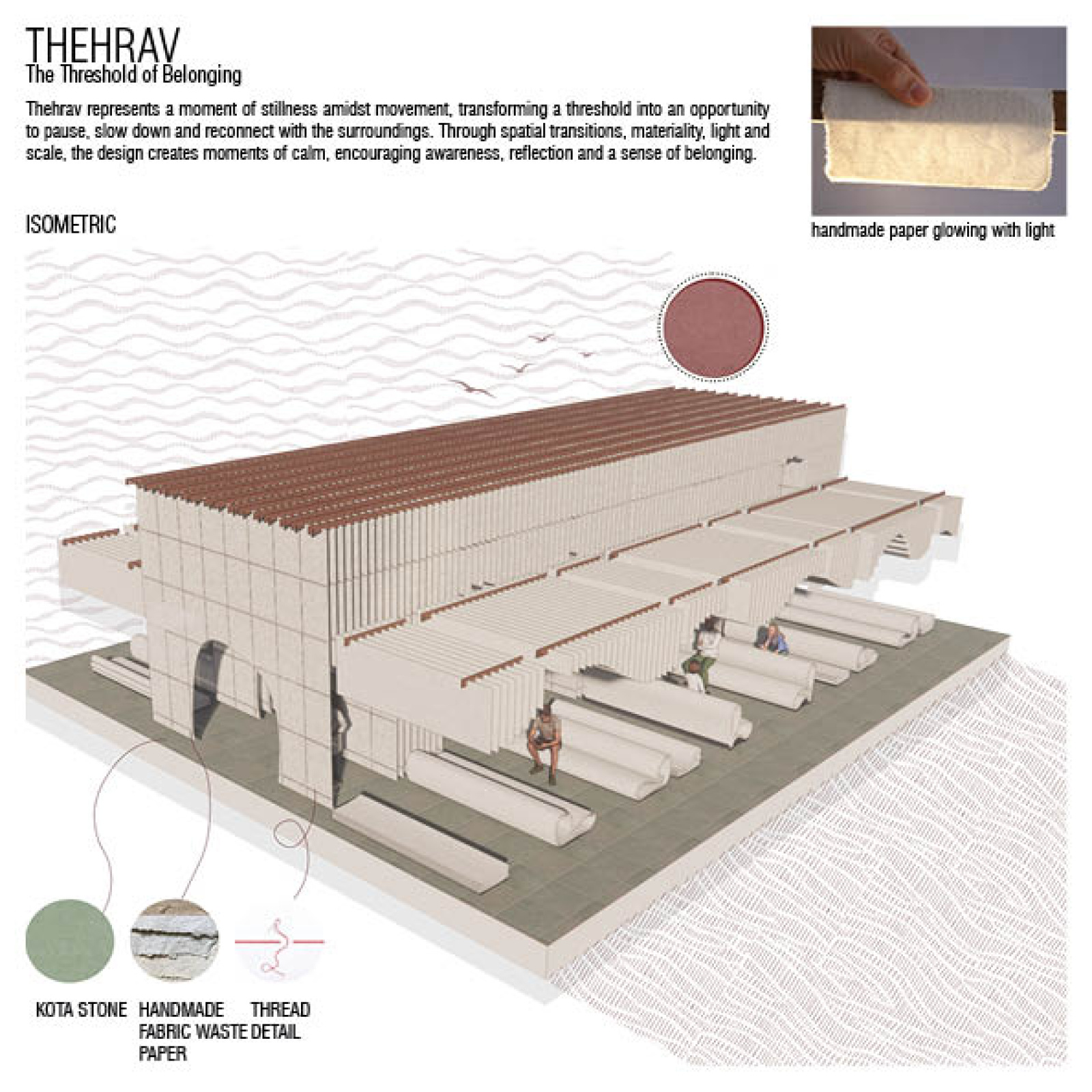
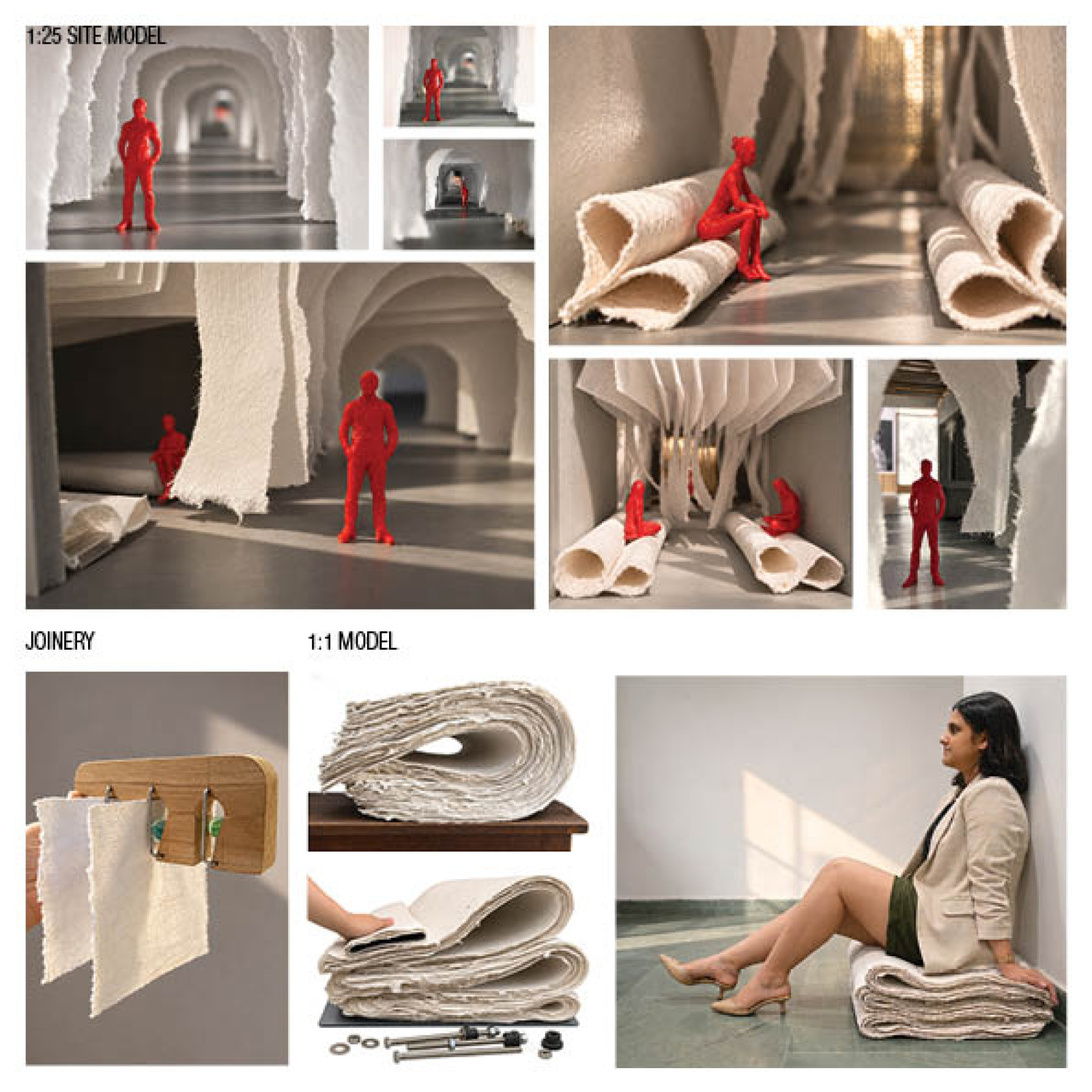
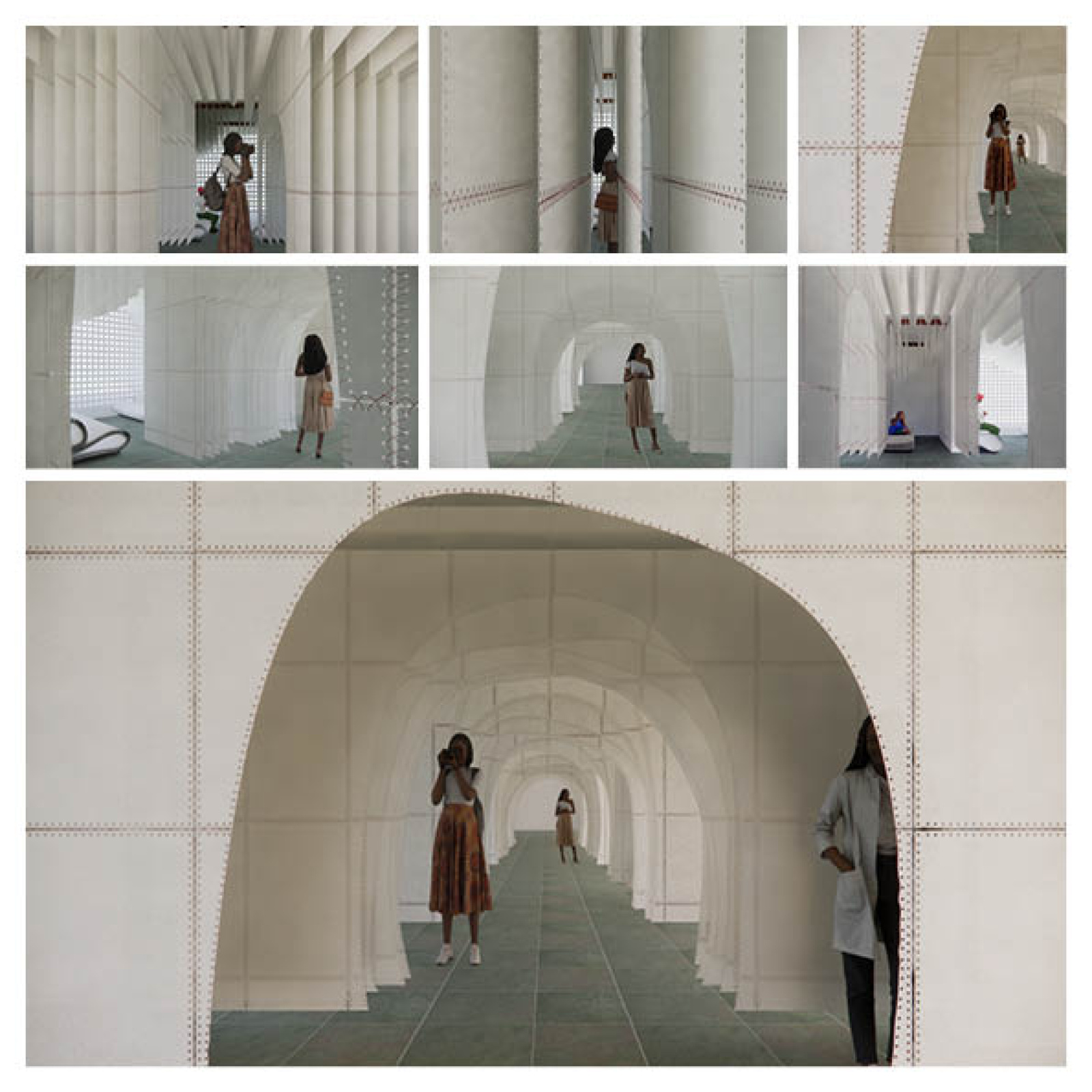
The studio adopts a material-led design approach, where the inherent properties and behaviours of a chosen material become the foundation for spatial exploration. The process begins through direct experimentation, observing how materials bend, stretch, fracture, absorb, reflect and respond to external forces. These observations inform design decisions, allowing spatial boundaries, transitions and interior conditions to emerge through material behaviour rather than predetermined forms. Sensory and emotional associations further inform the design process, exploring how qualities such as warmth, silence, tension and disorientation can be translated into spatial experiences. Atmosphere becomes an integral design consideration, shaped by material textures, joints, characteristics and the effects of time. As the design evolves, systems, services and furniture, fixtures and equipment (FF&E) are integrated within the same material logic to establish spatial coherence. Iterative drawing, modelling, prototyping and research-driven exploration support a structured yet adaptable process of form generation. The objective is to develop an interior environment in which materiality, form and sensory experience are intrinsically connected, creating a cohesive and meaningful spatial language.
View Additional Work