Your browser is out-of-date!
For a richer surfing experience on our website, please update your browser. Update my browser now!
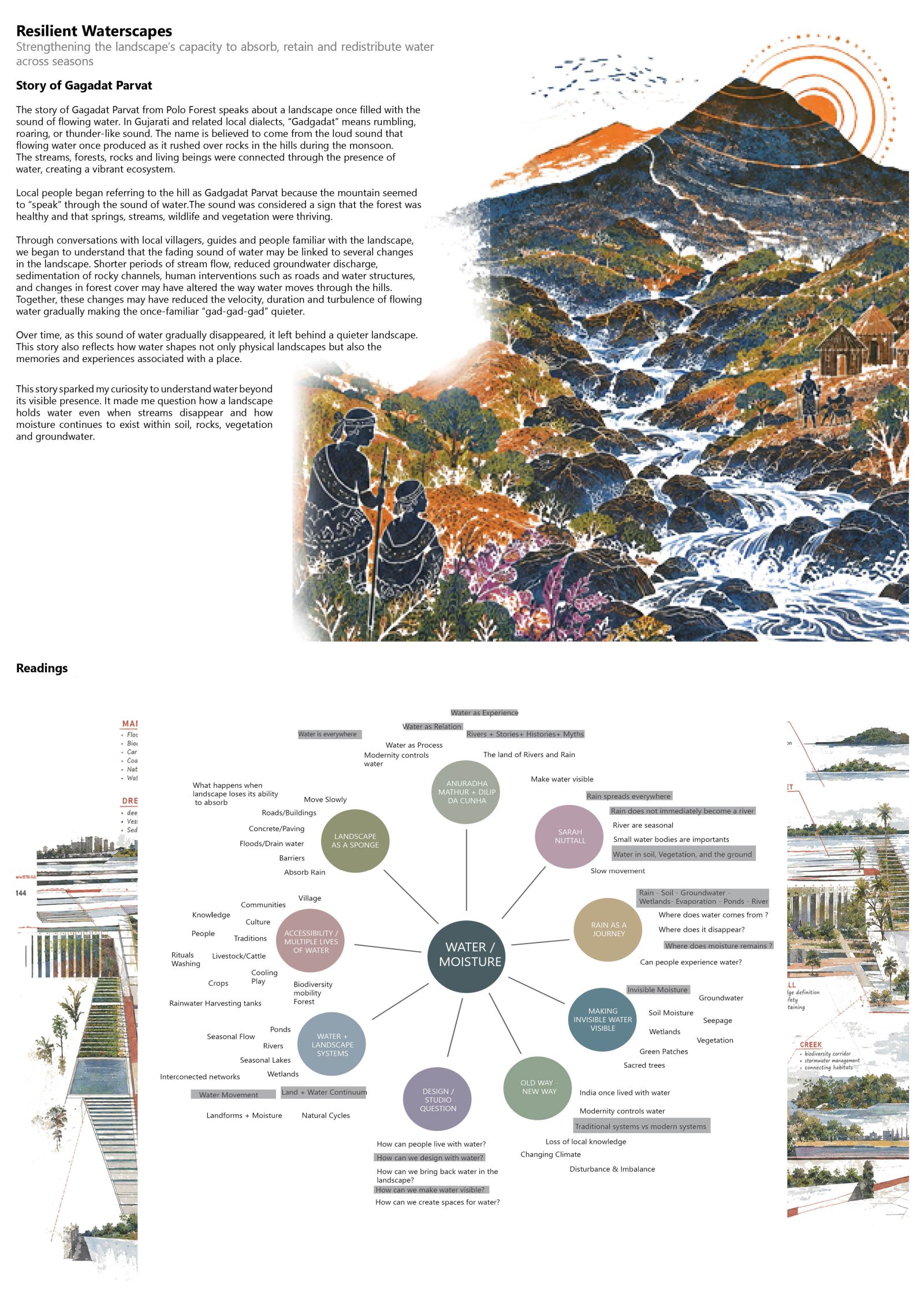
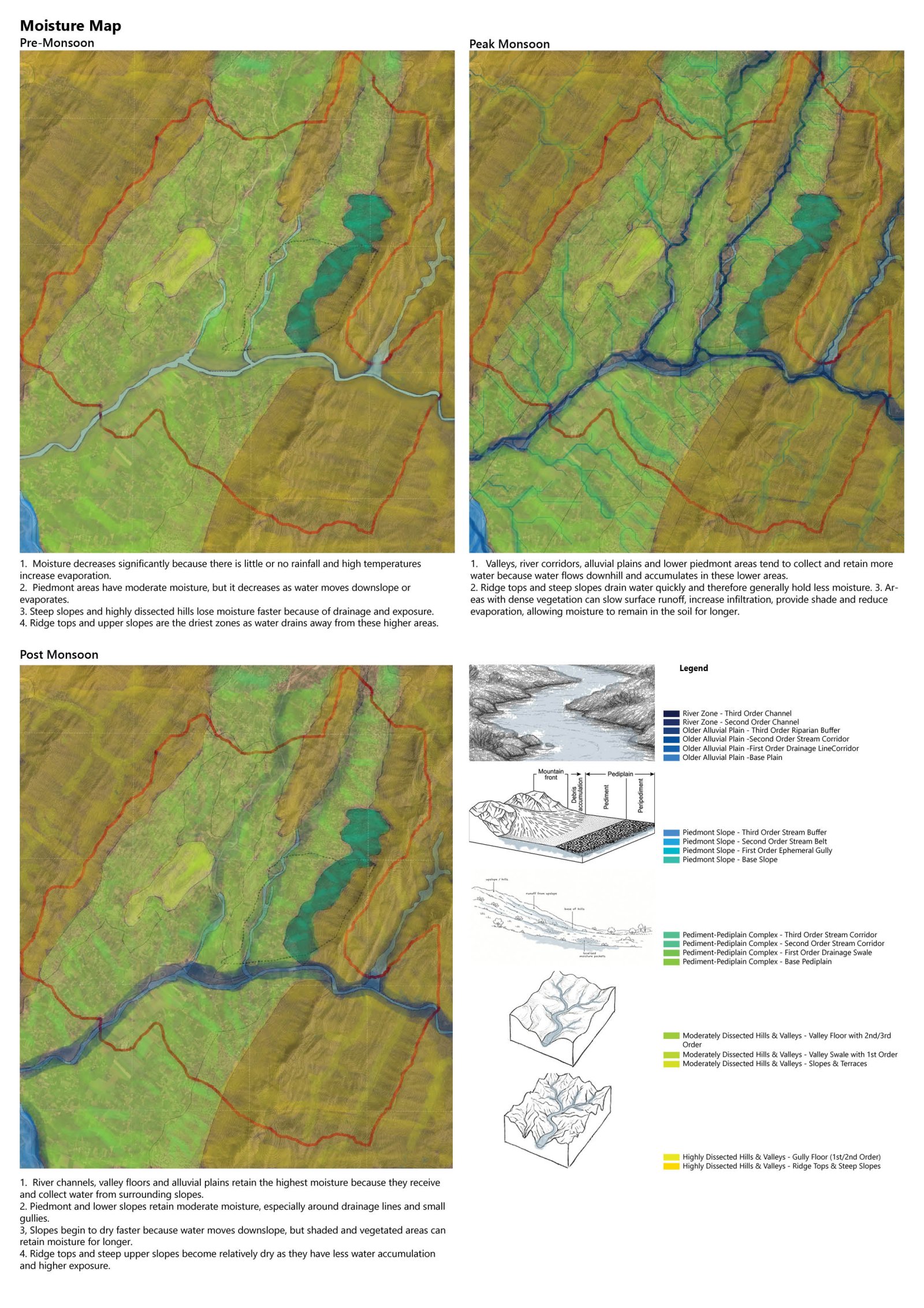
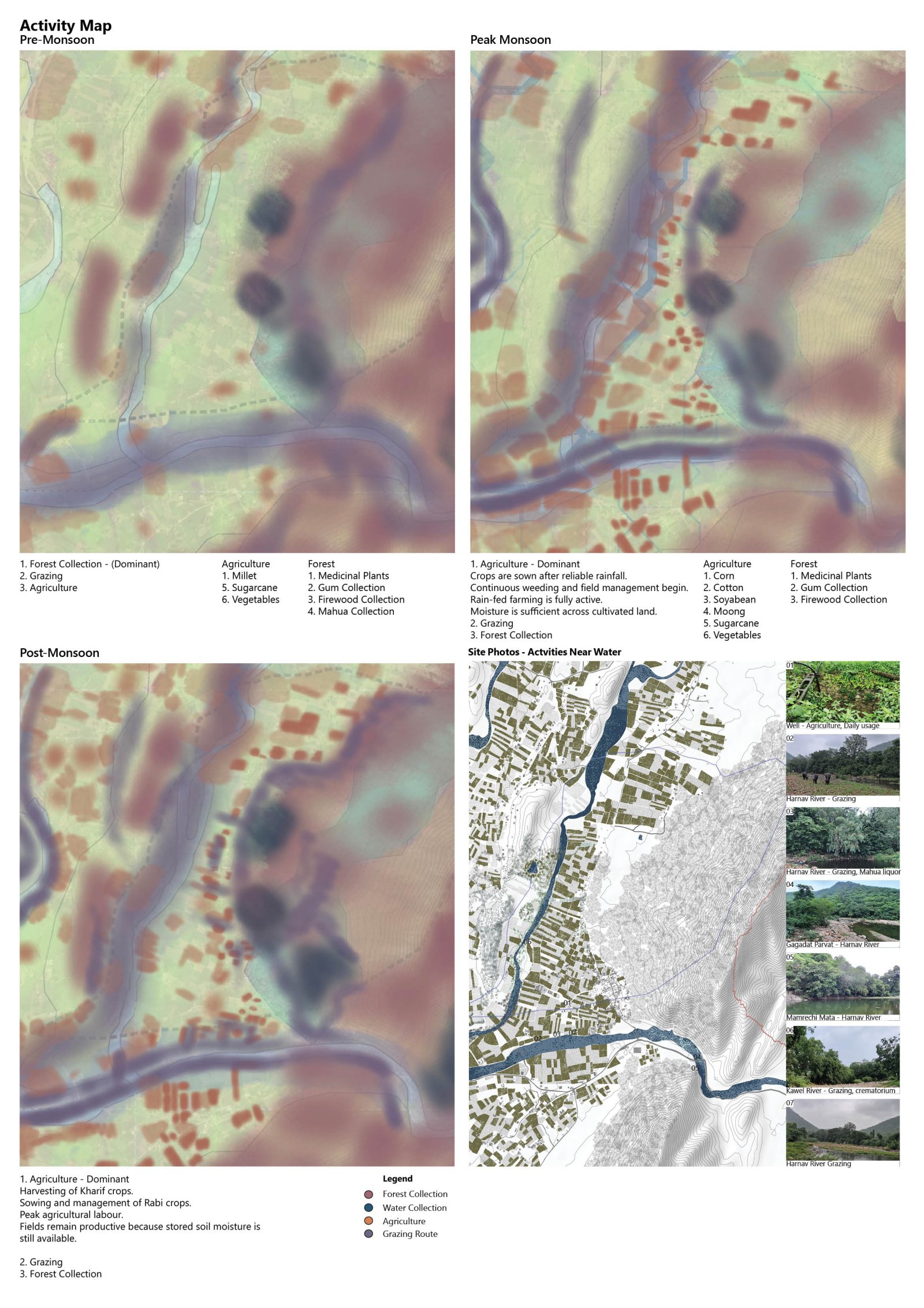
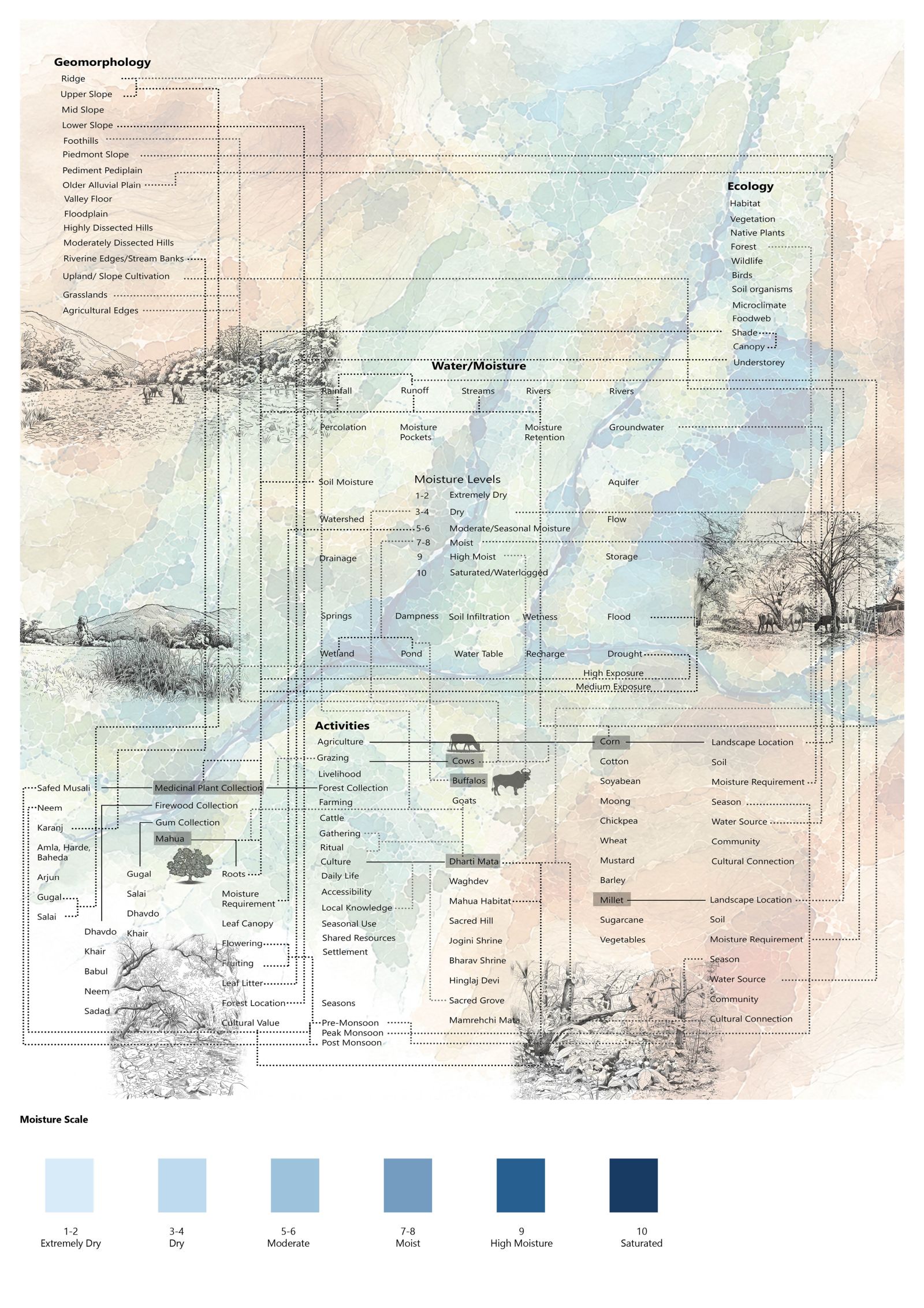
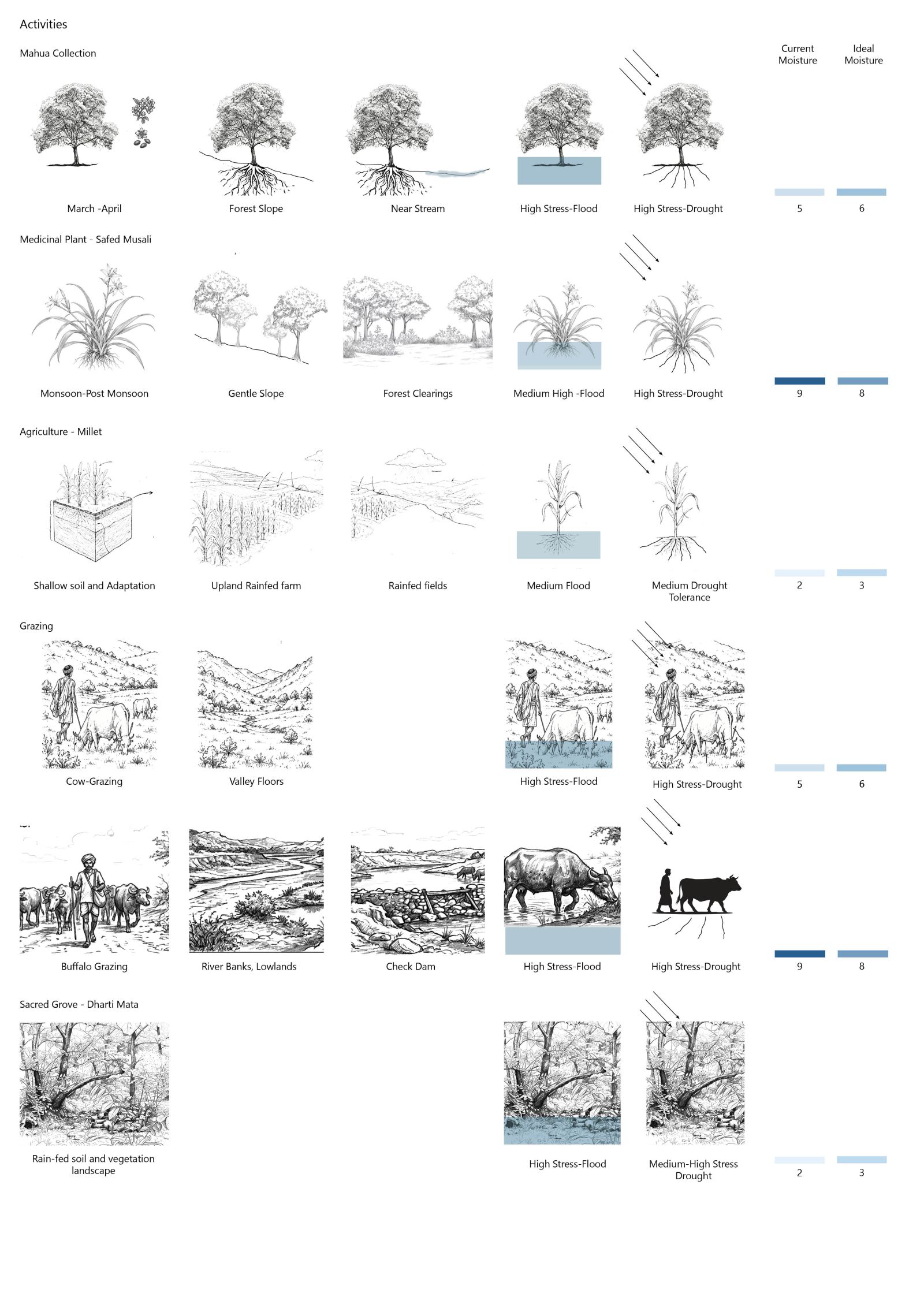
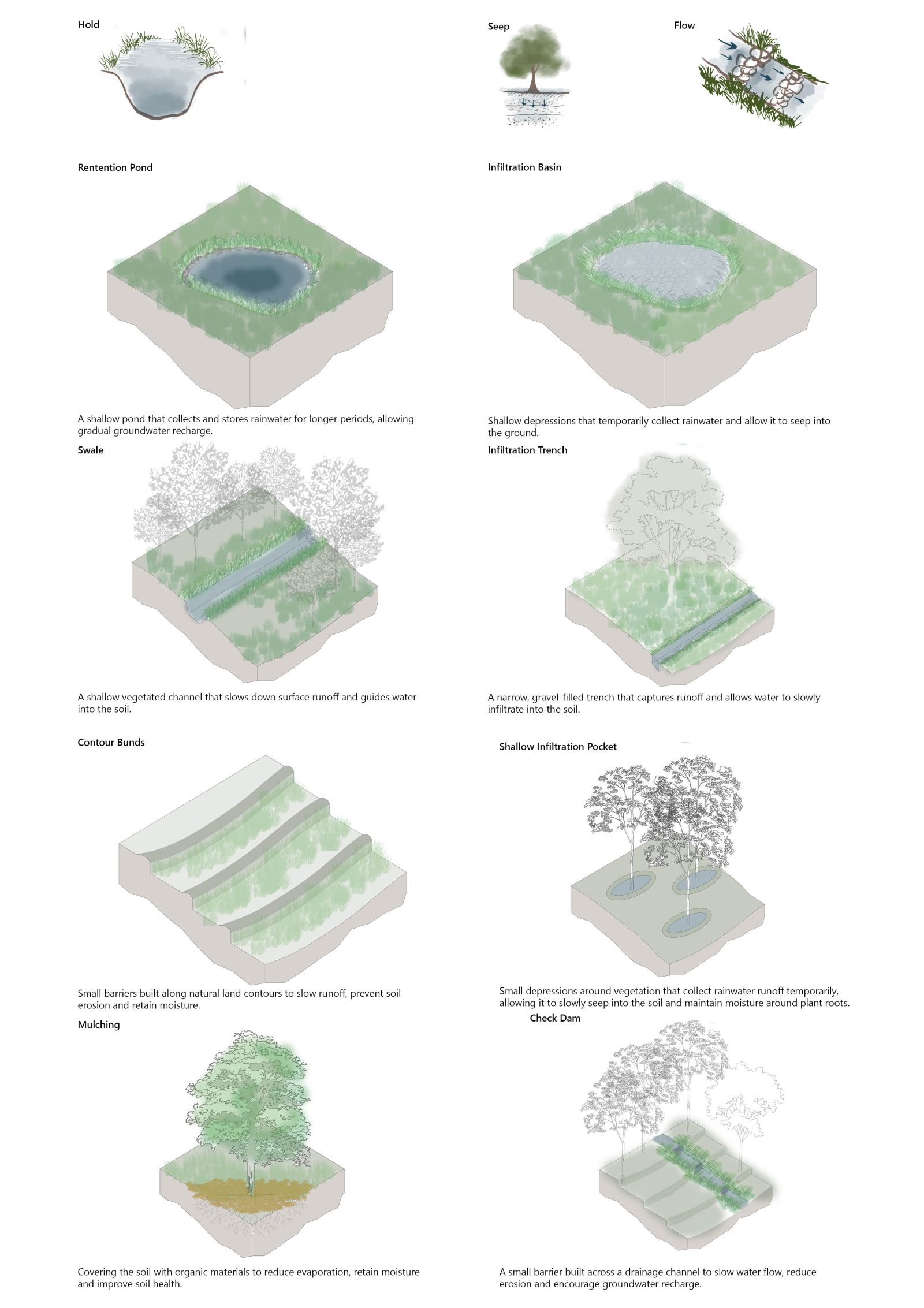
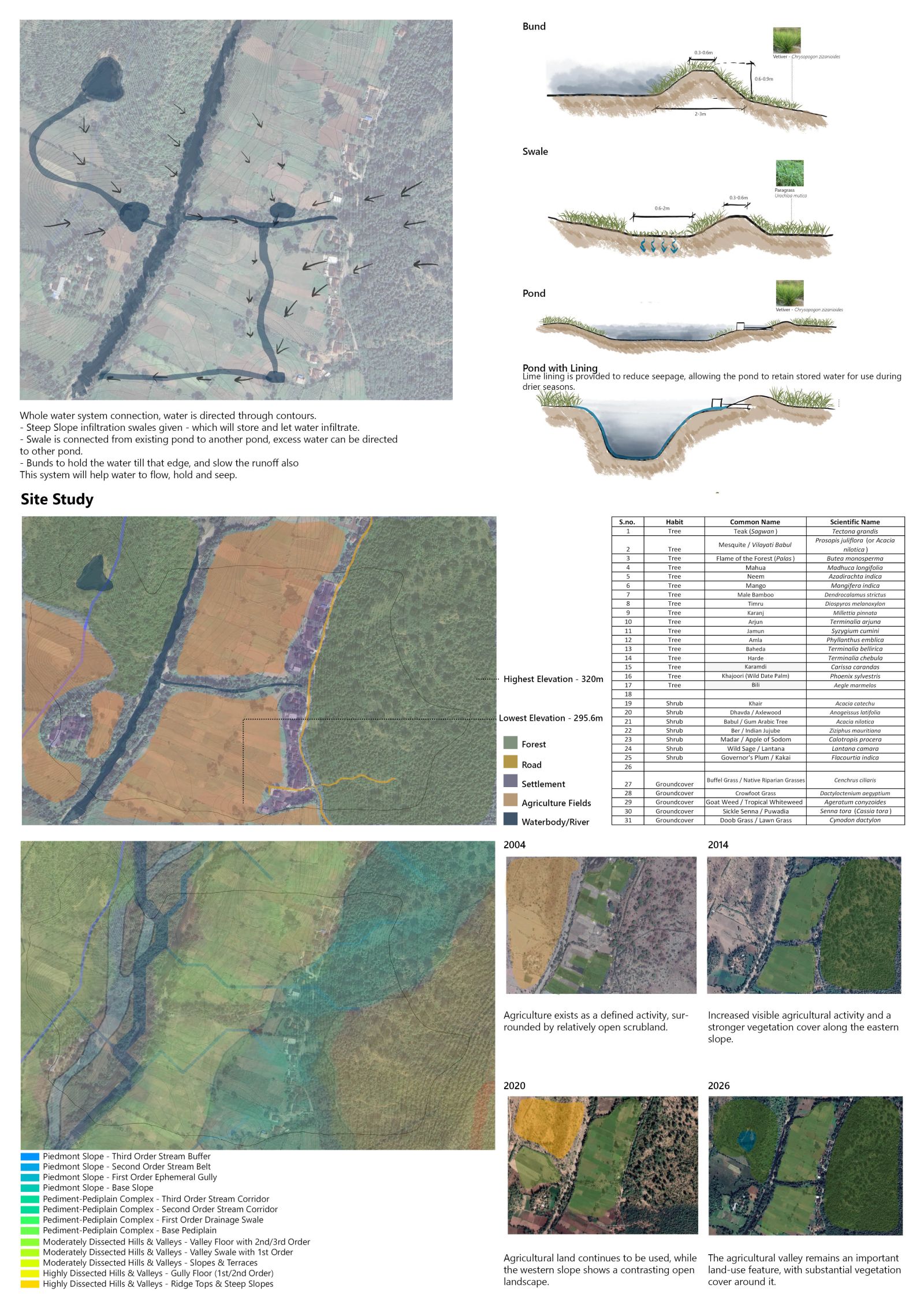
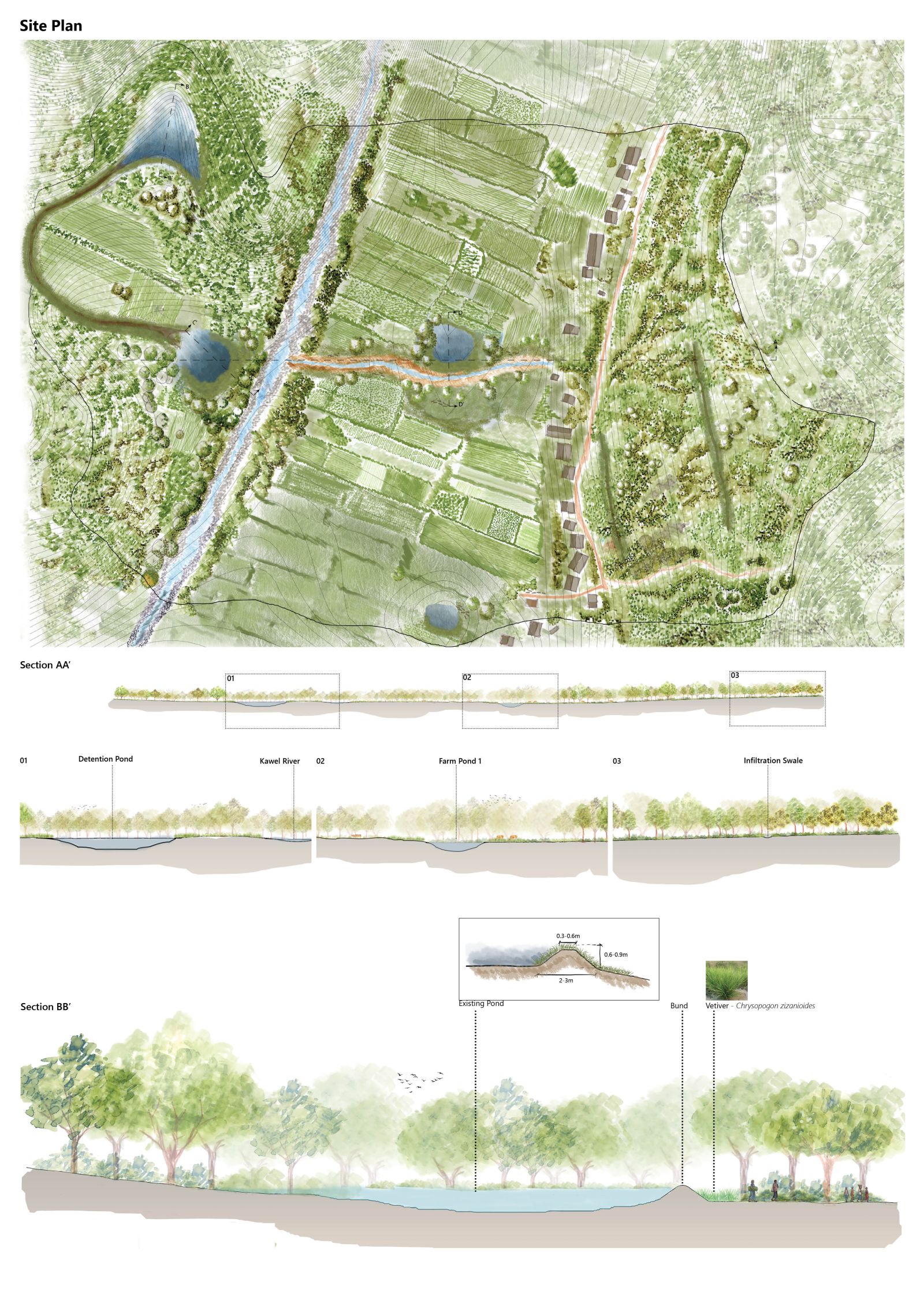
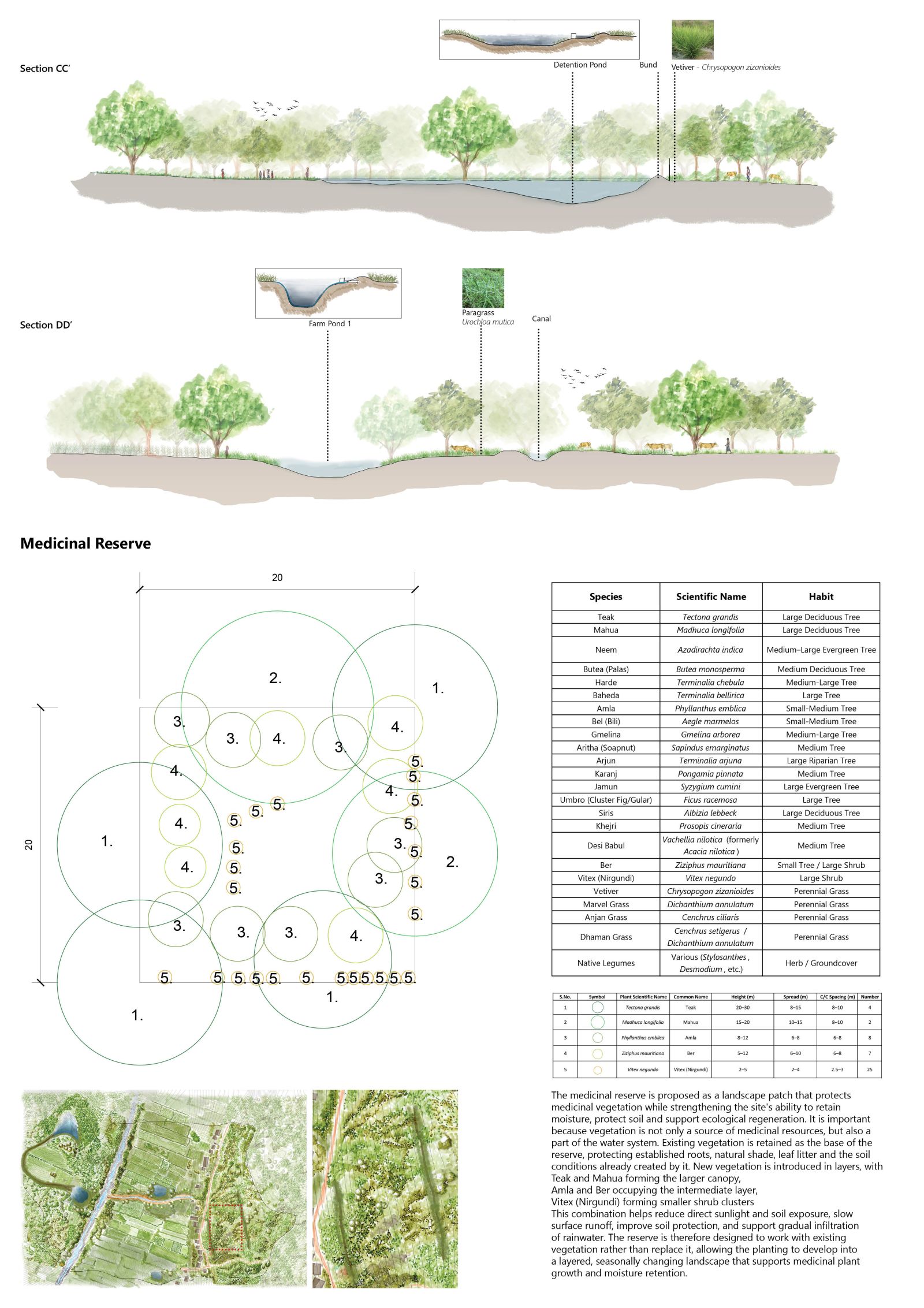
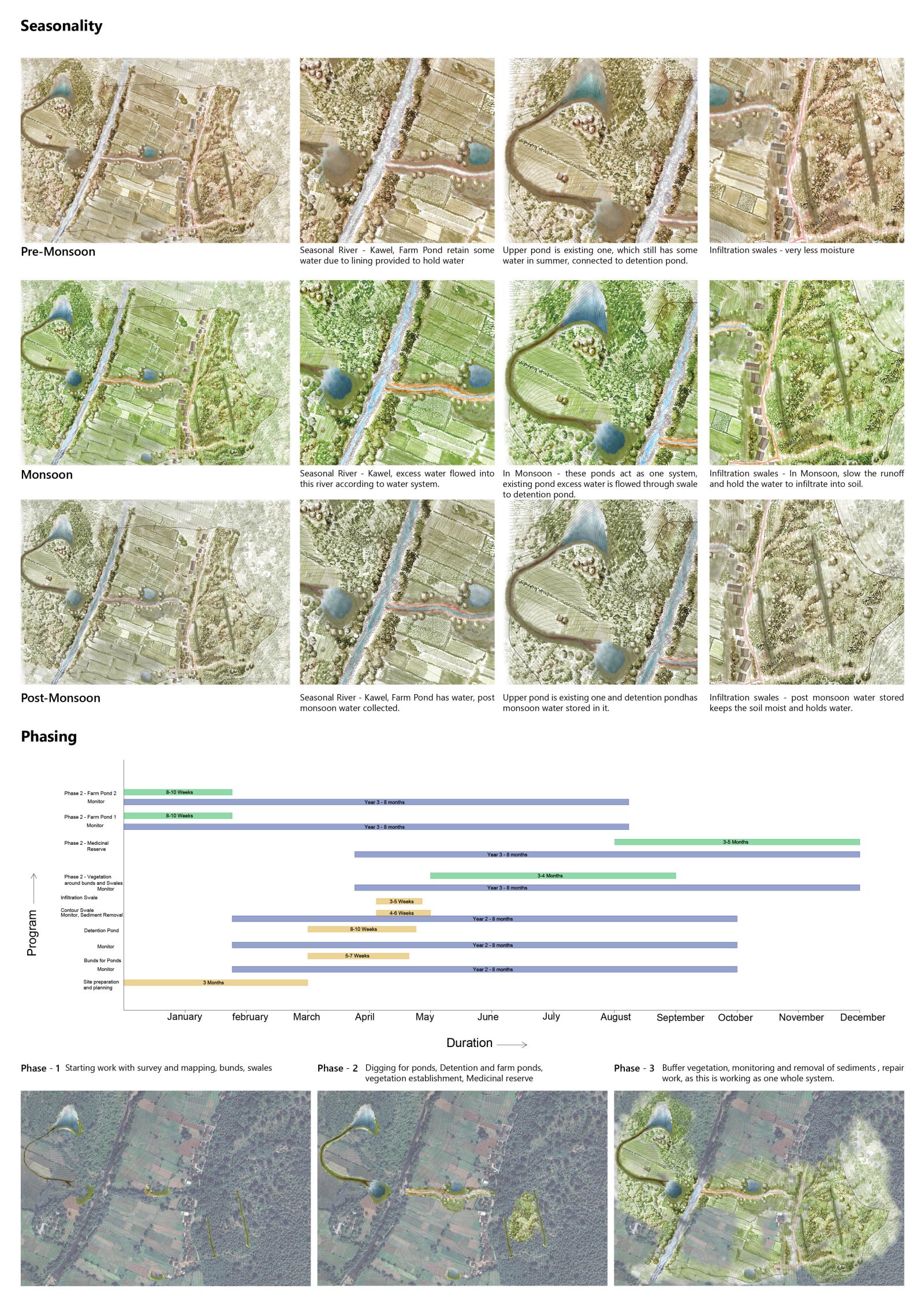
Resilient Waterscapes explores how landscape can respond to changing water conditions by understanding the relationship between landforms, moisture, vegetation, and human activities. The project moves beyond viewing water as a resource that needs to be managed, towards understanding how the landscape itself can influence its movement, retention, and availability. Through the process of mapping, observation, and spatial analysis, moisture becomes a lens to understand the interdependence of ecological processes and everyday practices. This thinking helps identify where the landscape is vulnerable to drying, where water accumulates, and how different landforms support varying ecological and community needs. The project develops an approach in which water, vegetation, land, and people are understood as interconnected systems rather than independent elements. By working with these relationships, it explores the potential of landscape to become more adaptive, ecologically resilient, and capable of sustaining itself and the communities that depend on it through seasonal change.
View Additional Work