Your browser is out-of-date!
For a richer surfing experience on our website, please update your browser. Update my browser now!
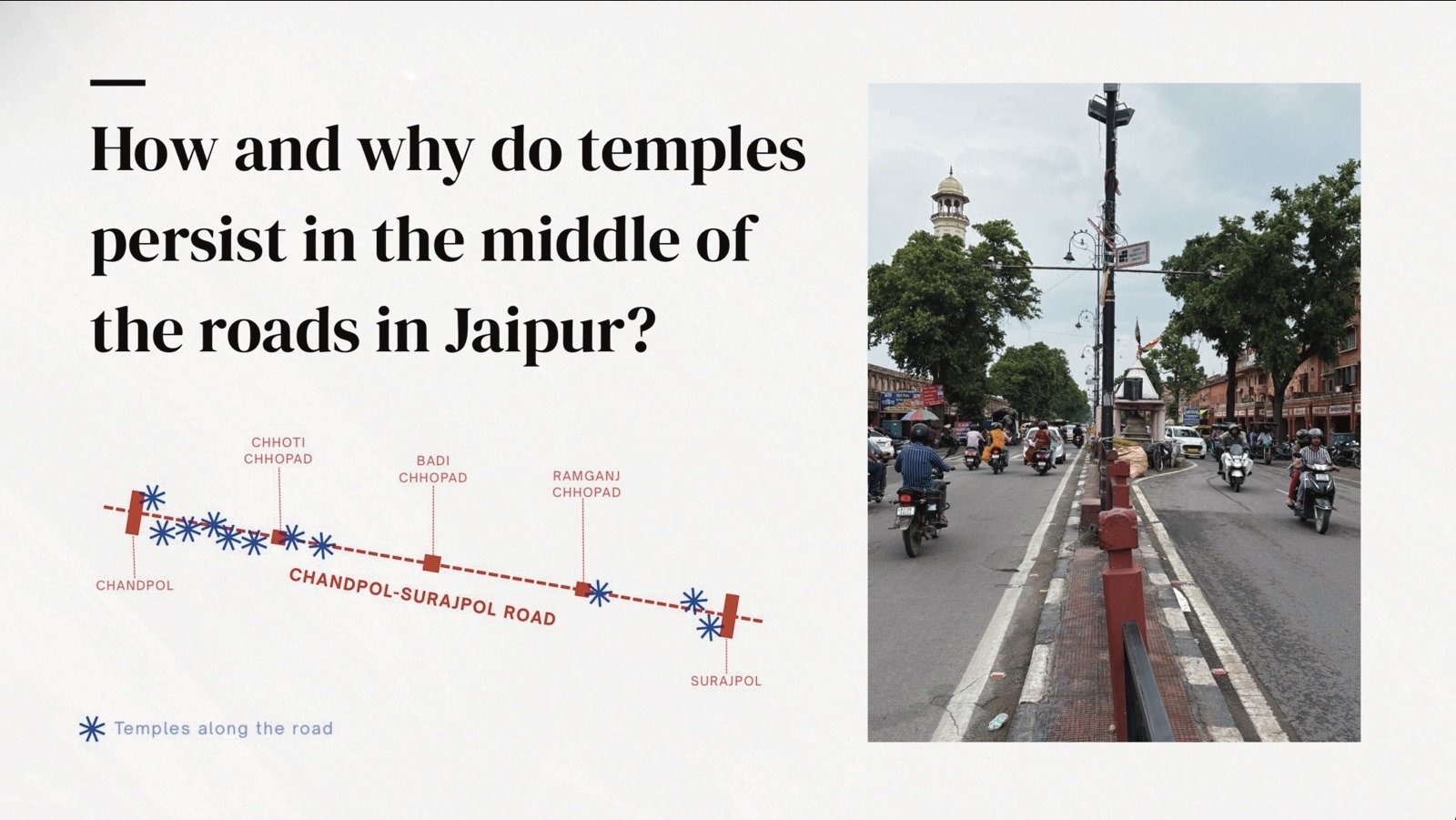
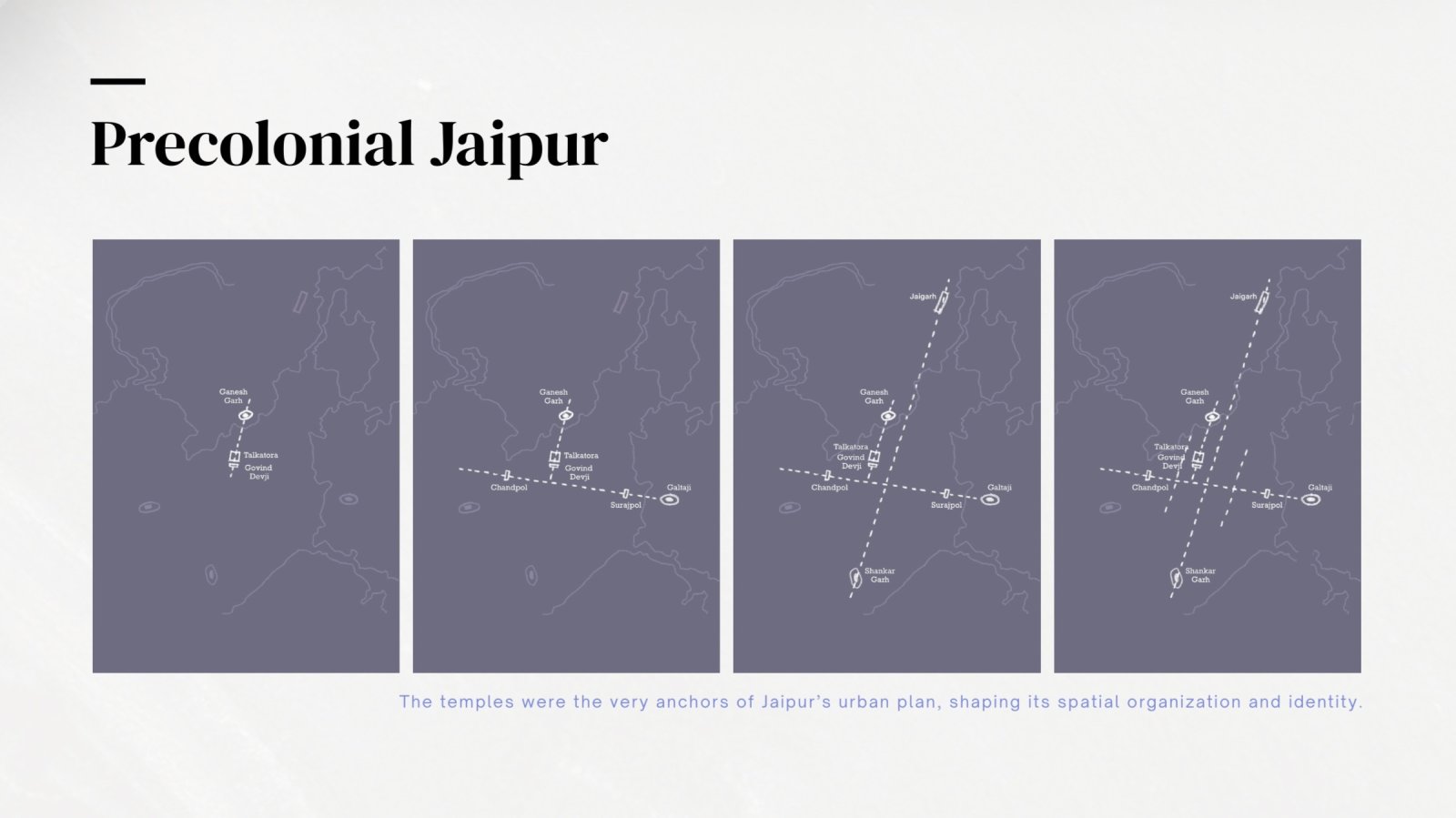
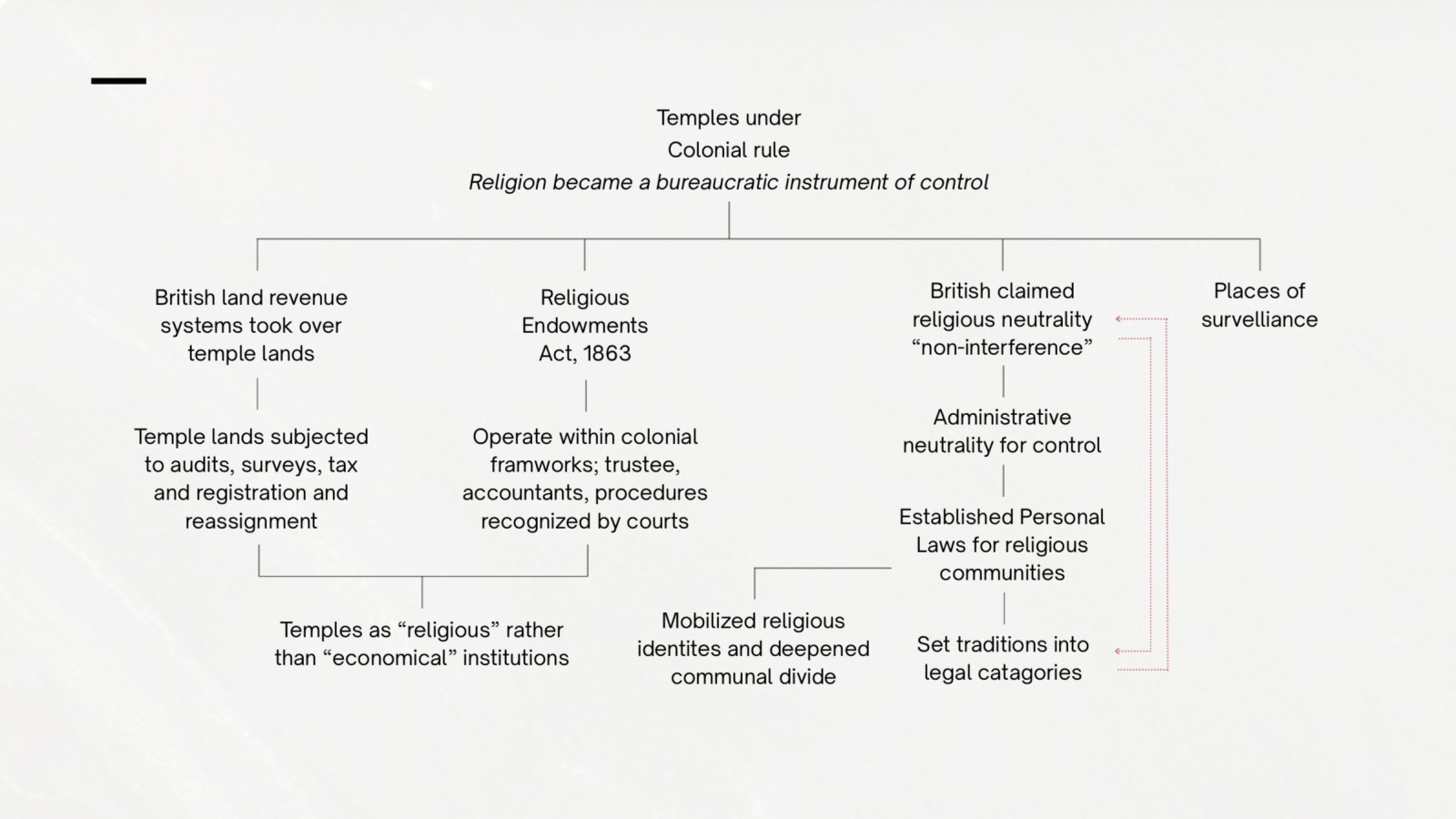
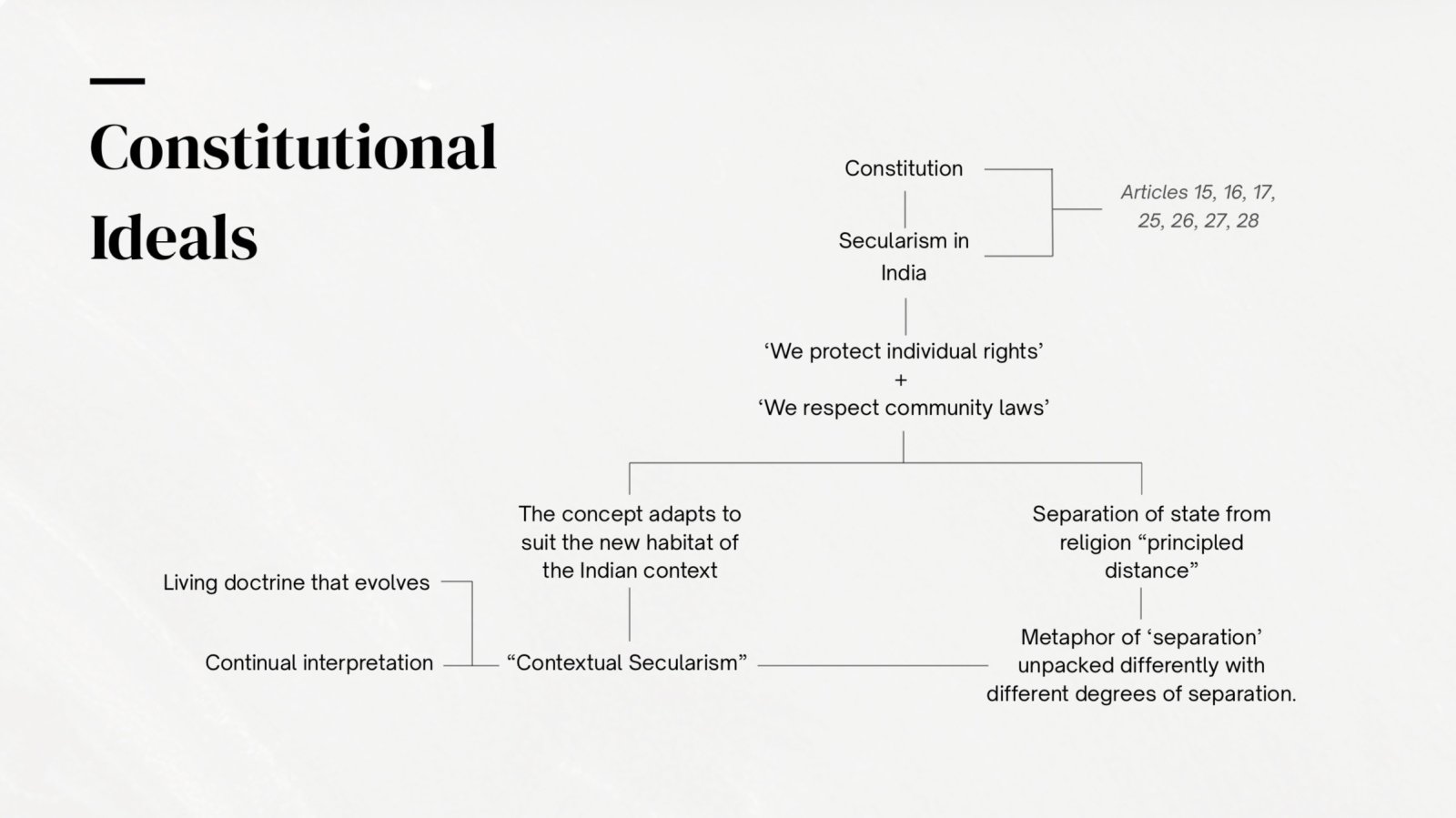
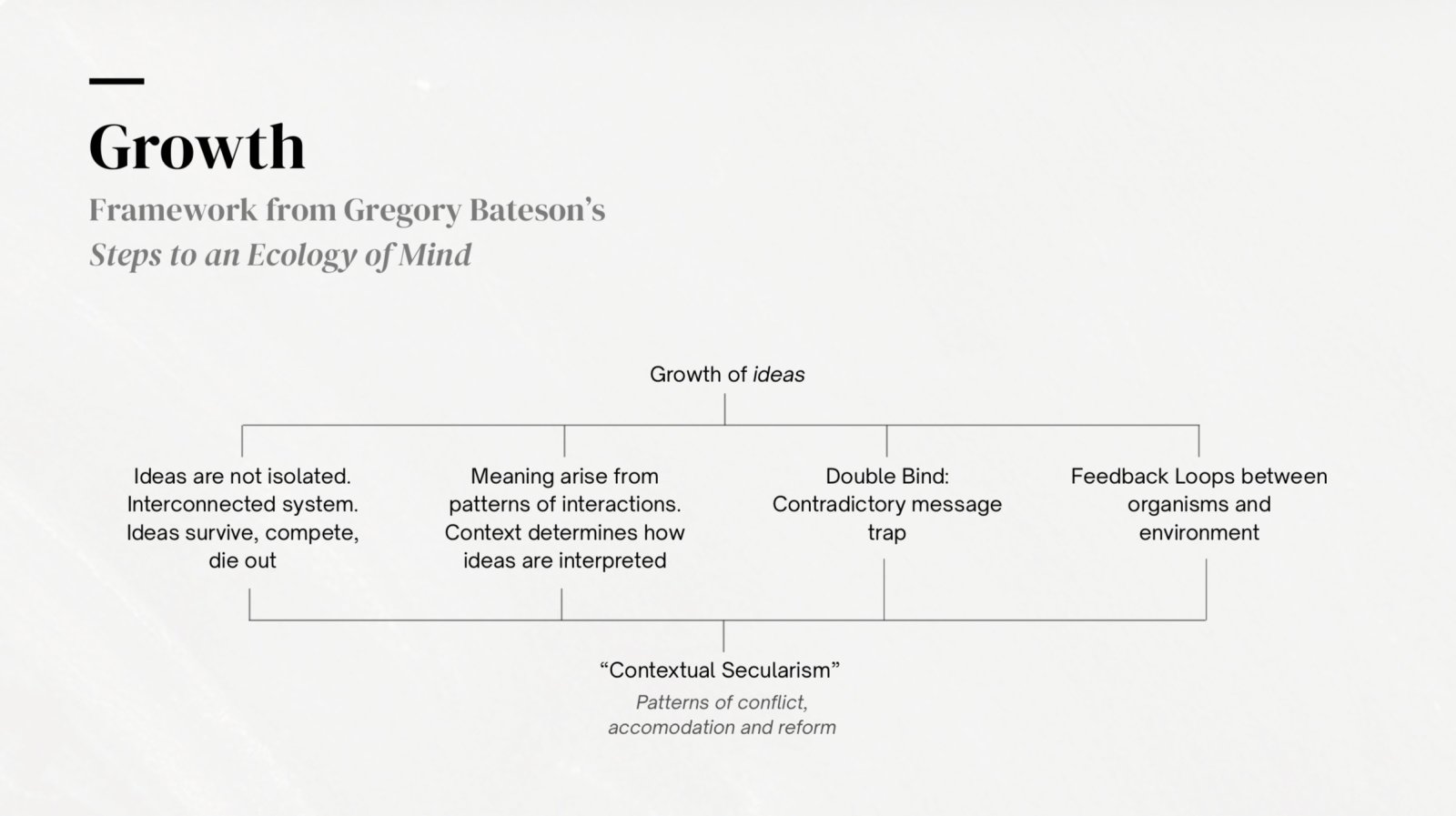
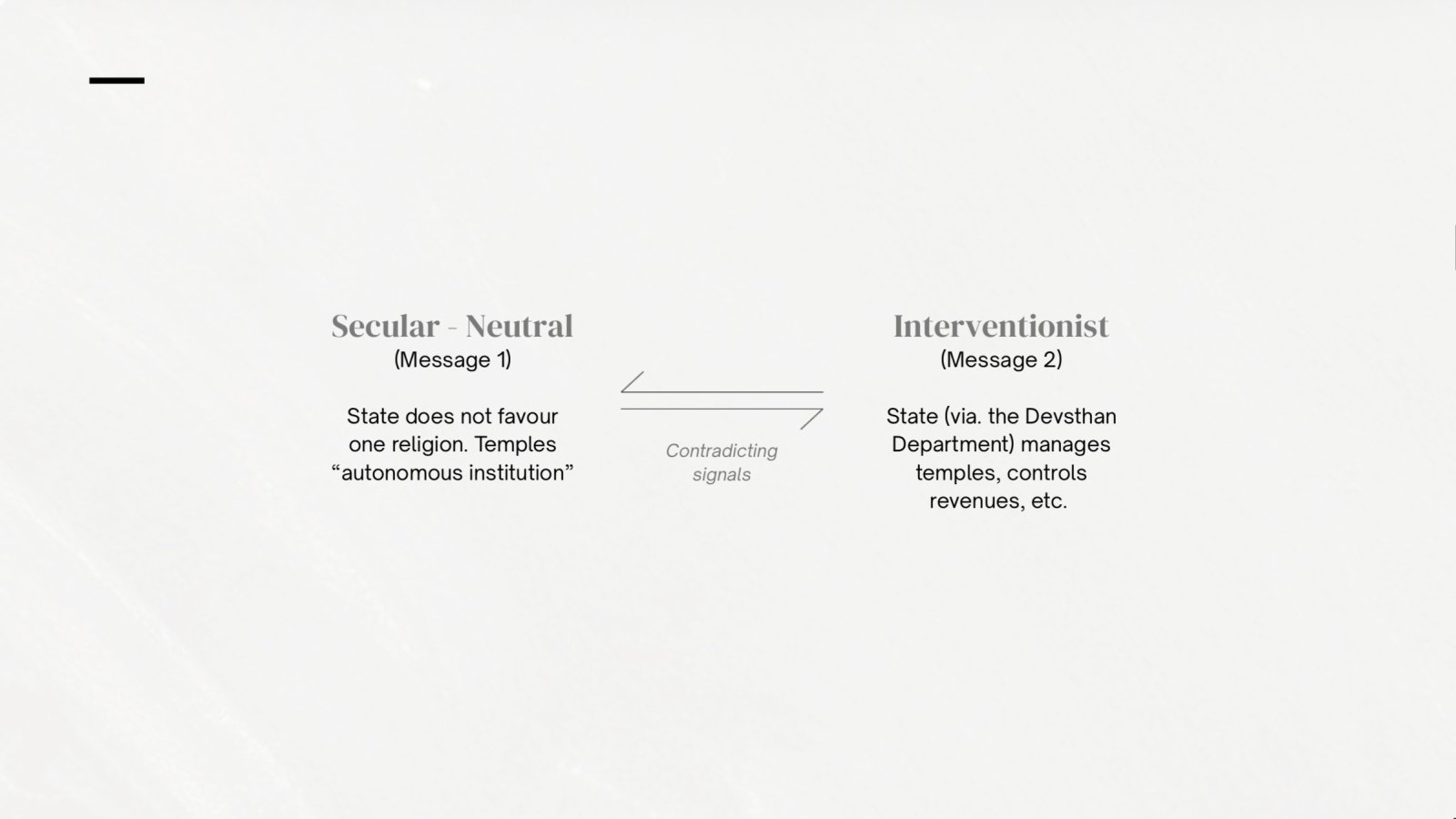
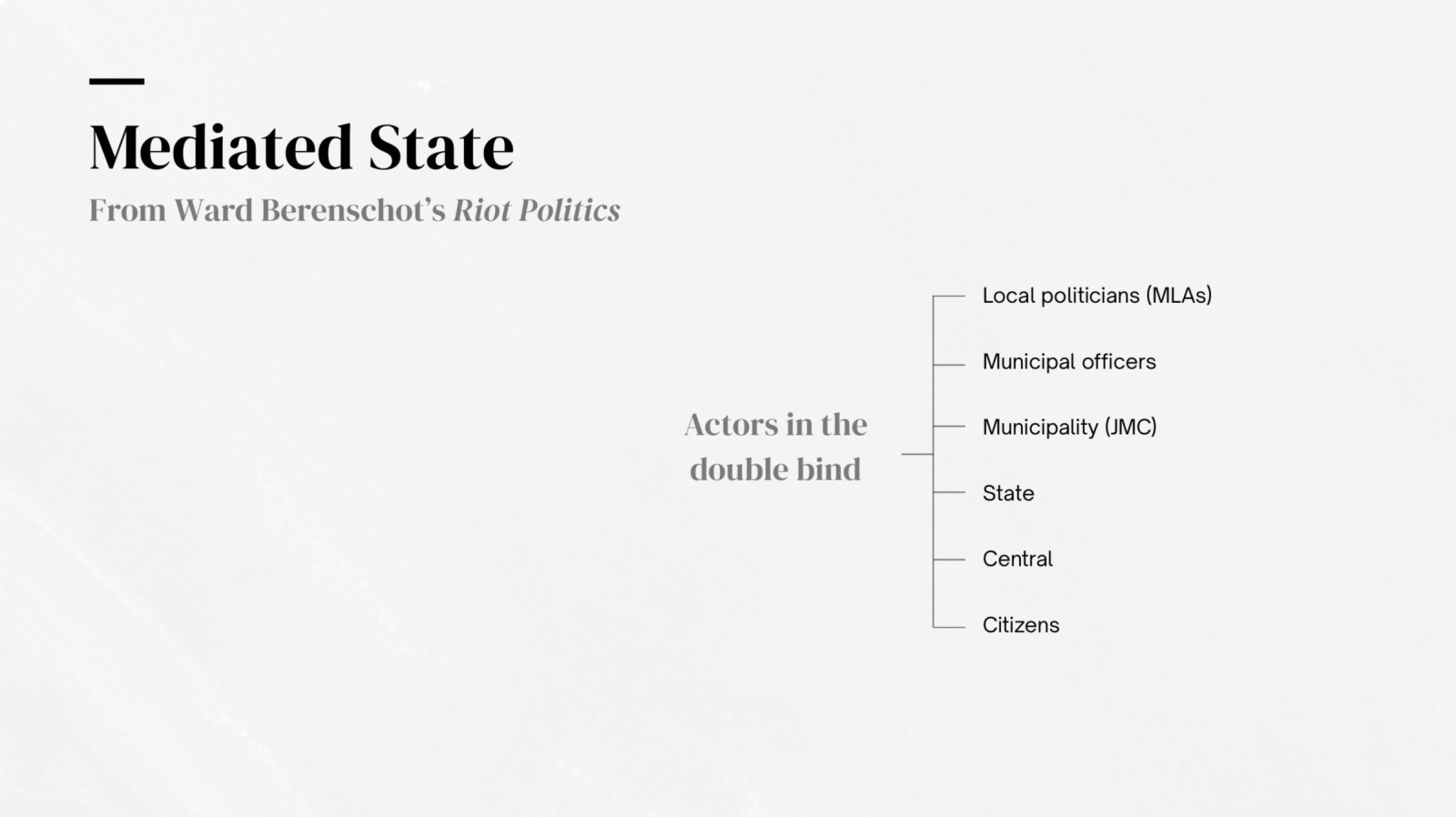
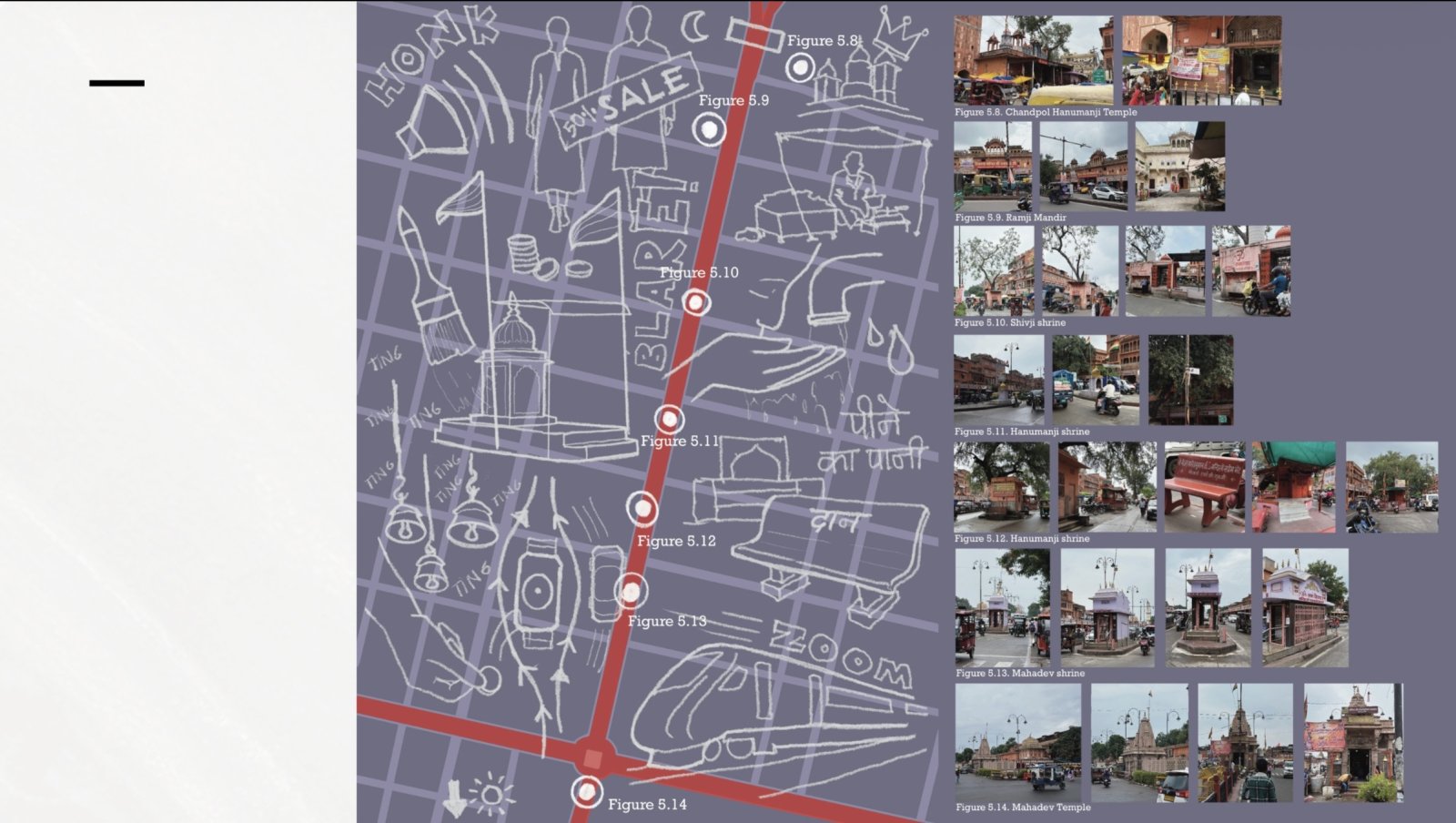
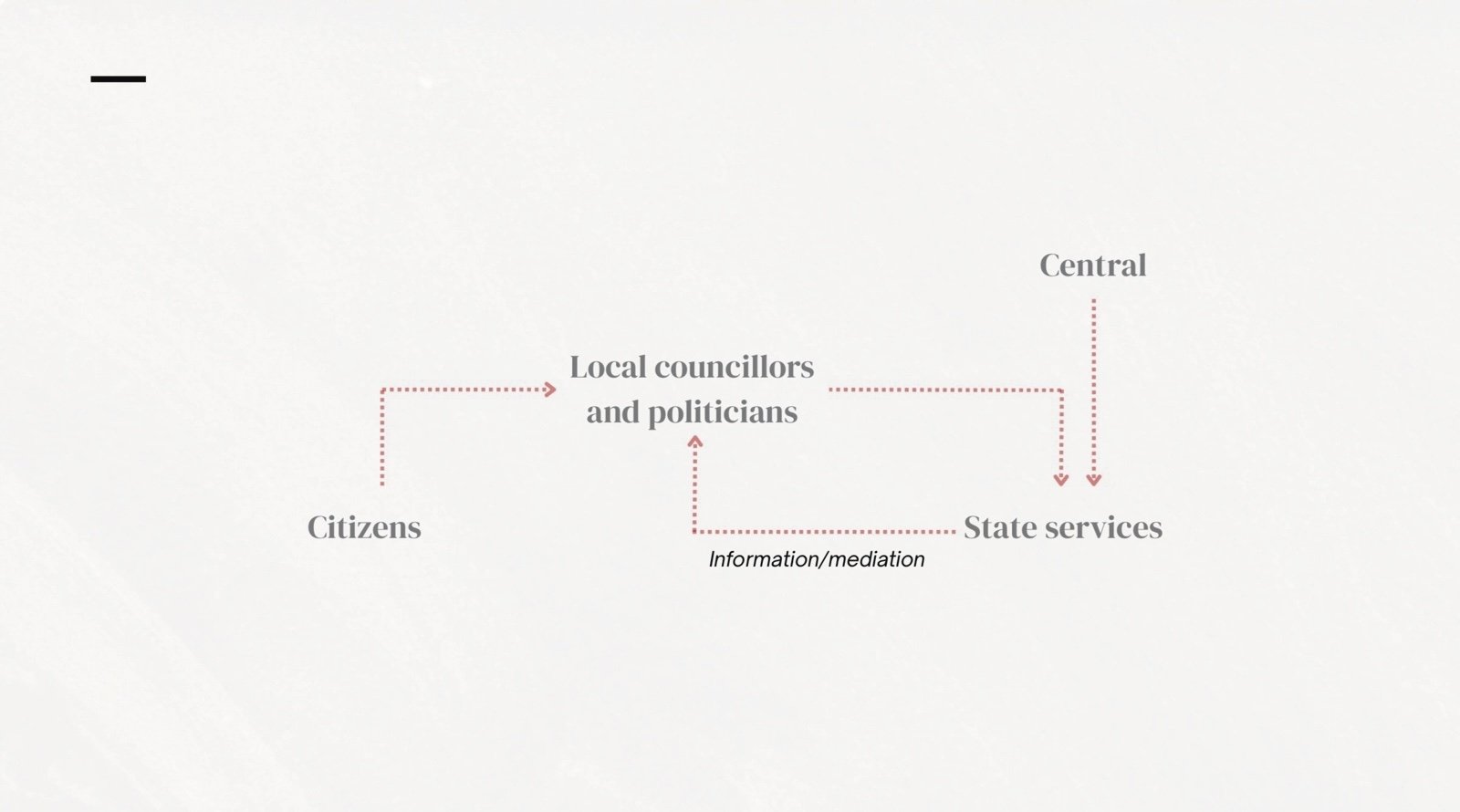
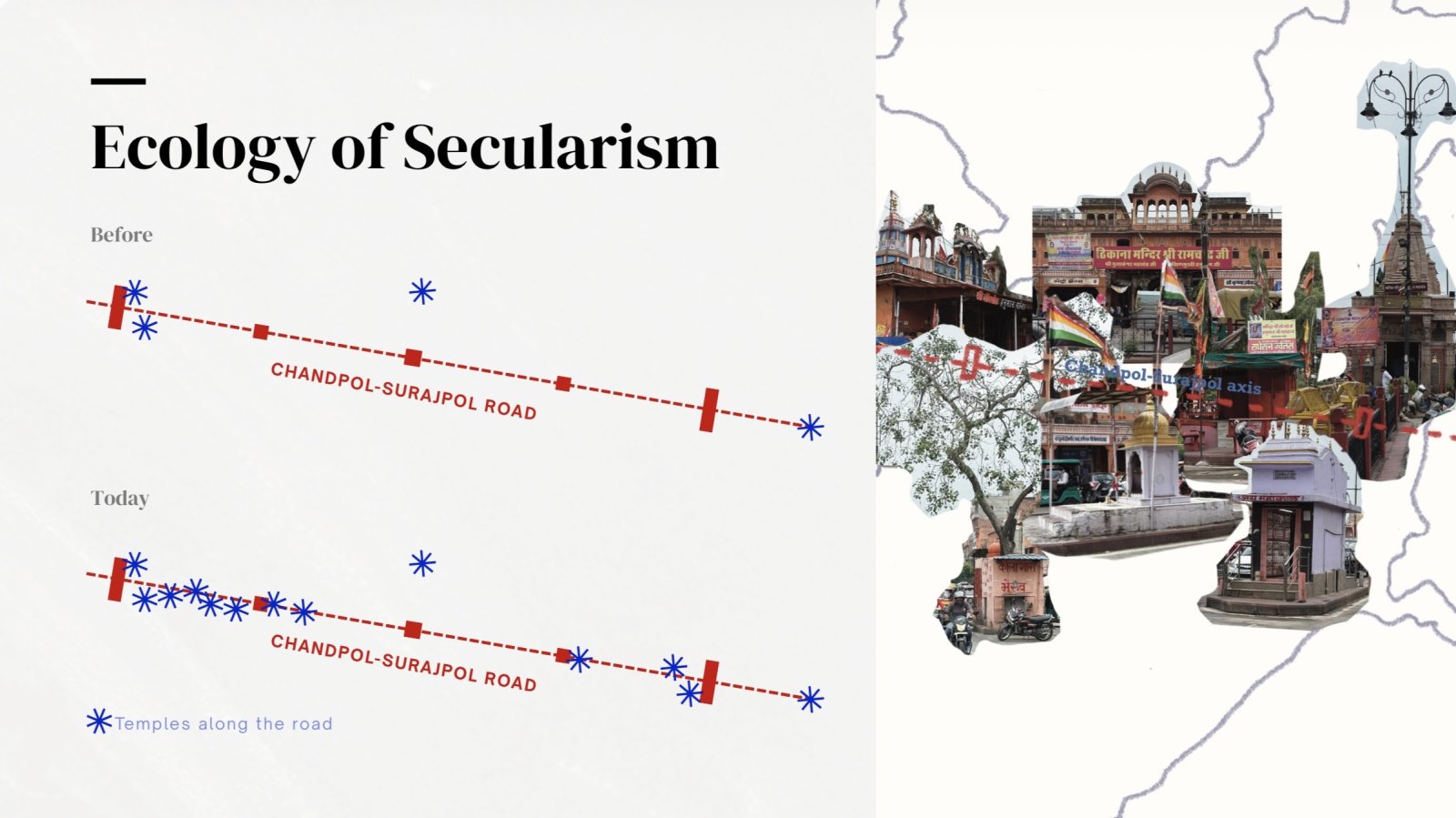
This essay examines how Indian secularism operates not through separation from religion but through continuous negotiation, using Jaipur’s temple landscape as the central case. Beginning from the everyday puzzle of why so many temples stand in the middle of Jaipur’s roads, the study traces how sacred authority, colonial governance, and postcolonial administration have shaped the city’s religious life. Drawing on Gregory Bateson’s concept of the "double bind" and Ward Berenschot’s idea of the "mediated state", the essay argues that Indian secularism functions as an adaptive ecology—sustained through feedback loops between citizens, councillors, bureaucrats, and religious institutions. Through historical and theoretical readings, urban analysis, and close observation of temples and the deities ranging from Govind Dev Ji to small roadside shrines, the essay shows how neutrality, regulation, and political mediation together produce a hierarchy of sacred visibility. Secularism in India emerges not as a stable principle but as a system that functions as an ecology by navigating its own contradictions. Essay HERE.
View Additional Work