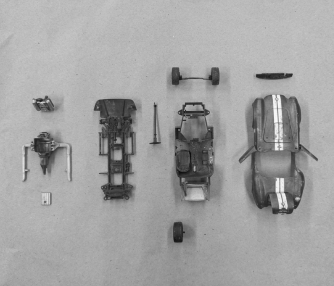
All objects which we use have an expected End of Life, which depends on a number of factors such as the material
composition, period of safe/recommended use, (in case of certain electronics) software support, duration of
optimal function, etc. The average user discards these objects at or before their supposed EOL.
Despite capitalist manufacturers engineering objects to reach their EOL at a calculated time, the simple
intervention of repair can greatly extend their lifespan which not only reduces expenditure and waste, but also
acts as a method of preservation in some cases. There are many political, social and economical aspects which
reinforce these wasteful acts of consumerism.
When does an object transform from repairable to disposable?
1. At what point does a user perceive repair as less valuable than replacement, and what factors influence this
decision?
2. How do economic, industrial, and policy frameworks shift an object from being repairable in principle to
disposable in practice?
3. How does the availability, or absence, of repair infrastructure (tools, skills, spare parts) determine when an
object becomes effectively disposable?