Your browser is out-of-date!
For a richer surfing experience on our website, please update your browser. Update my browser now!
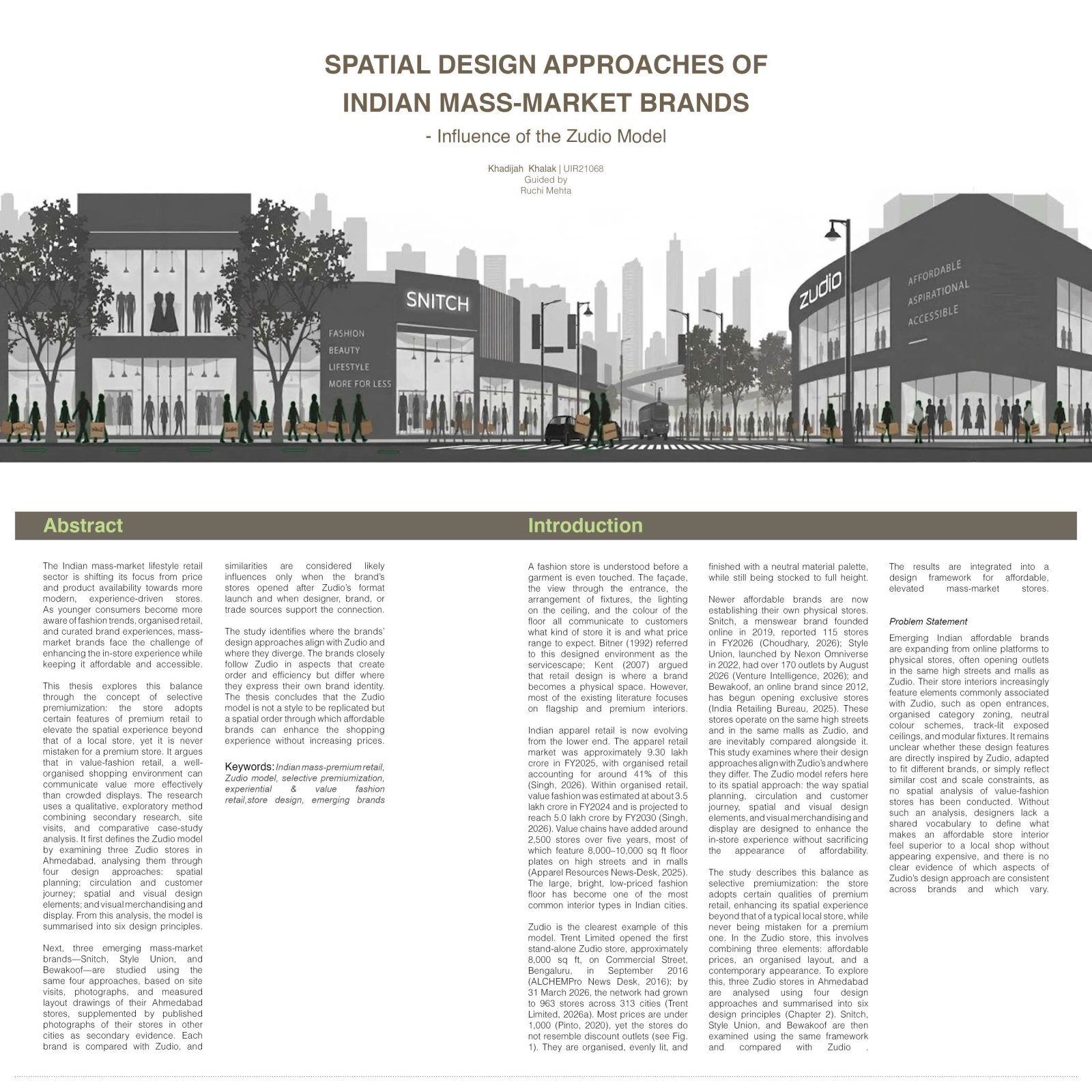
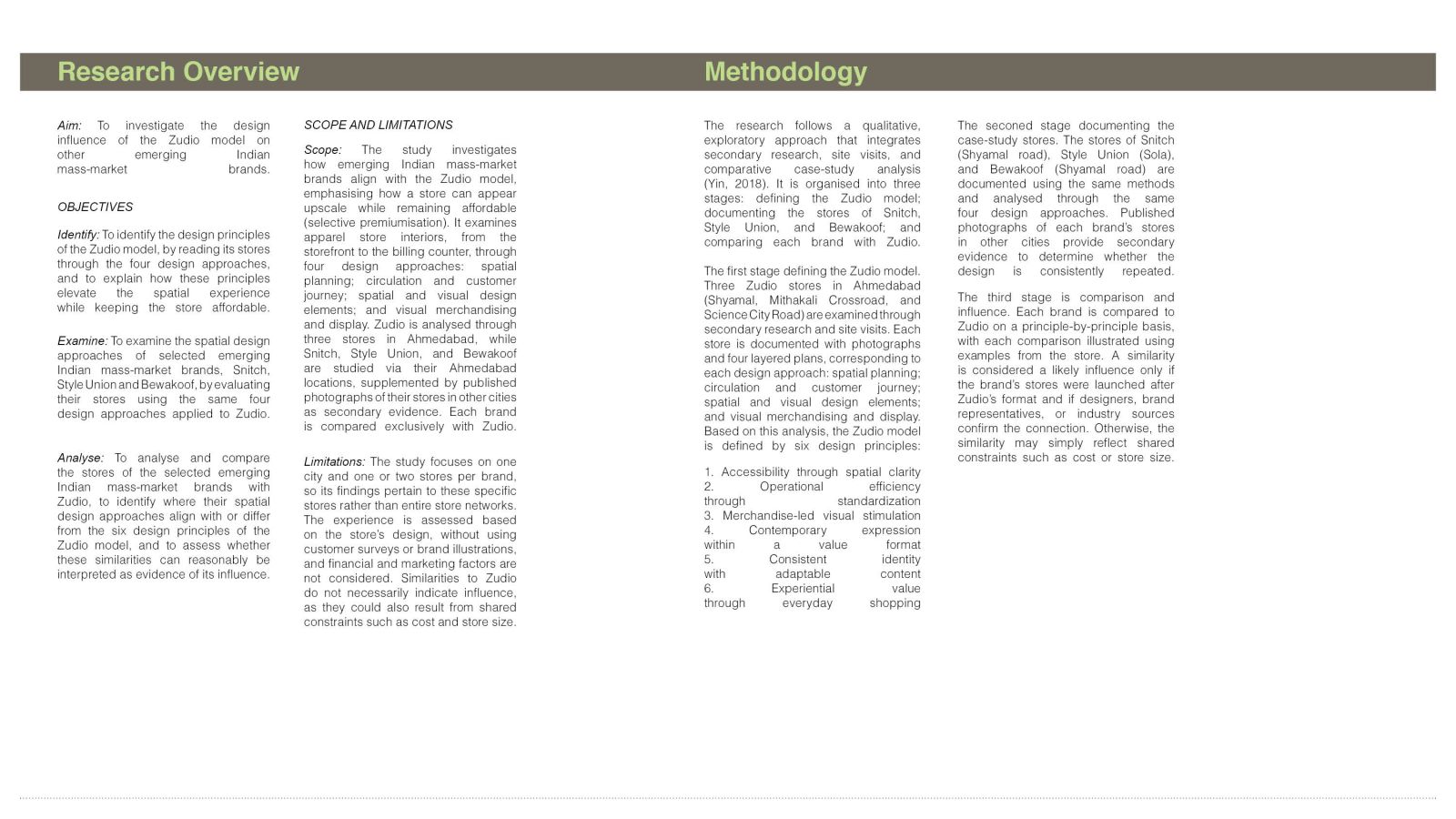
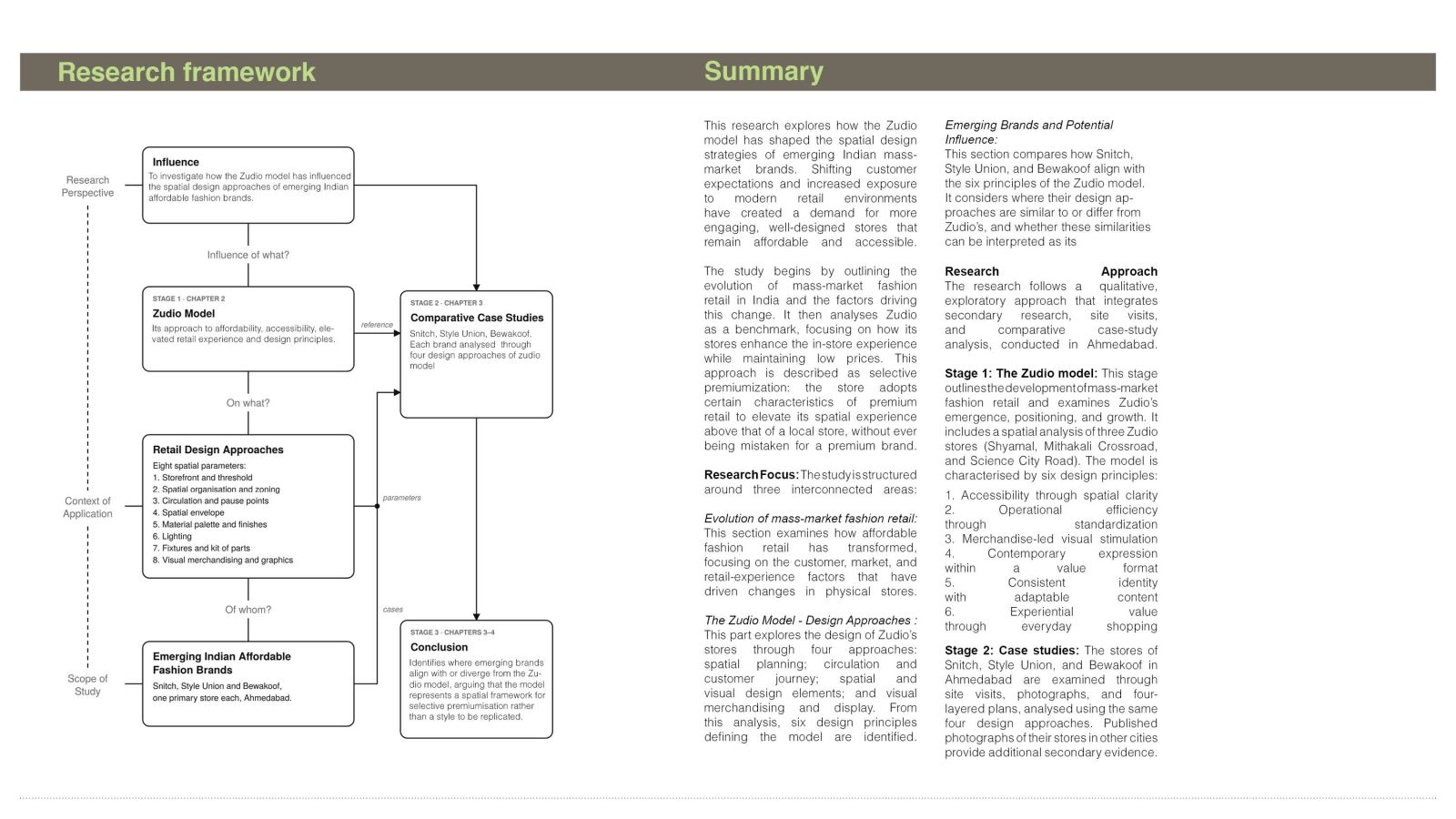
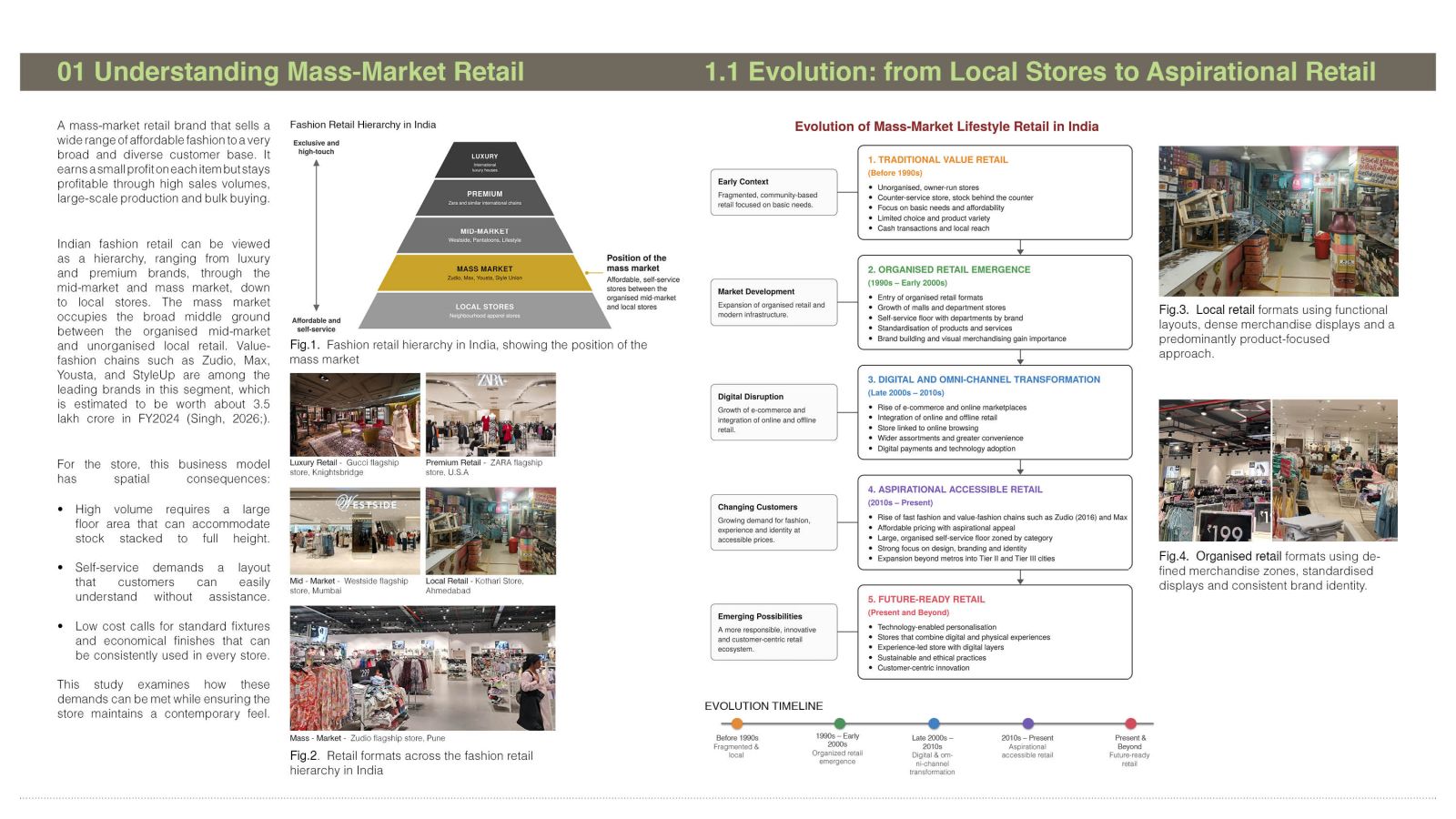
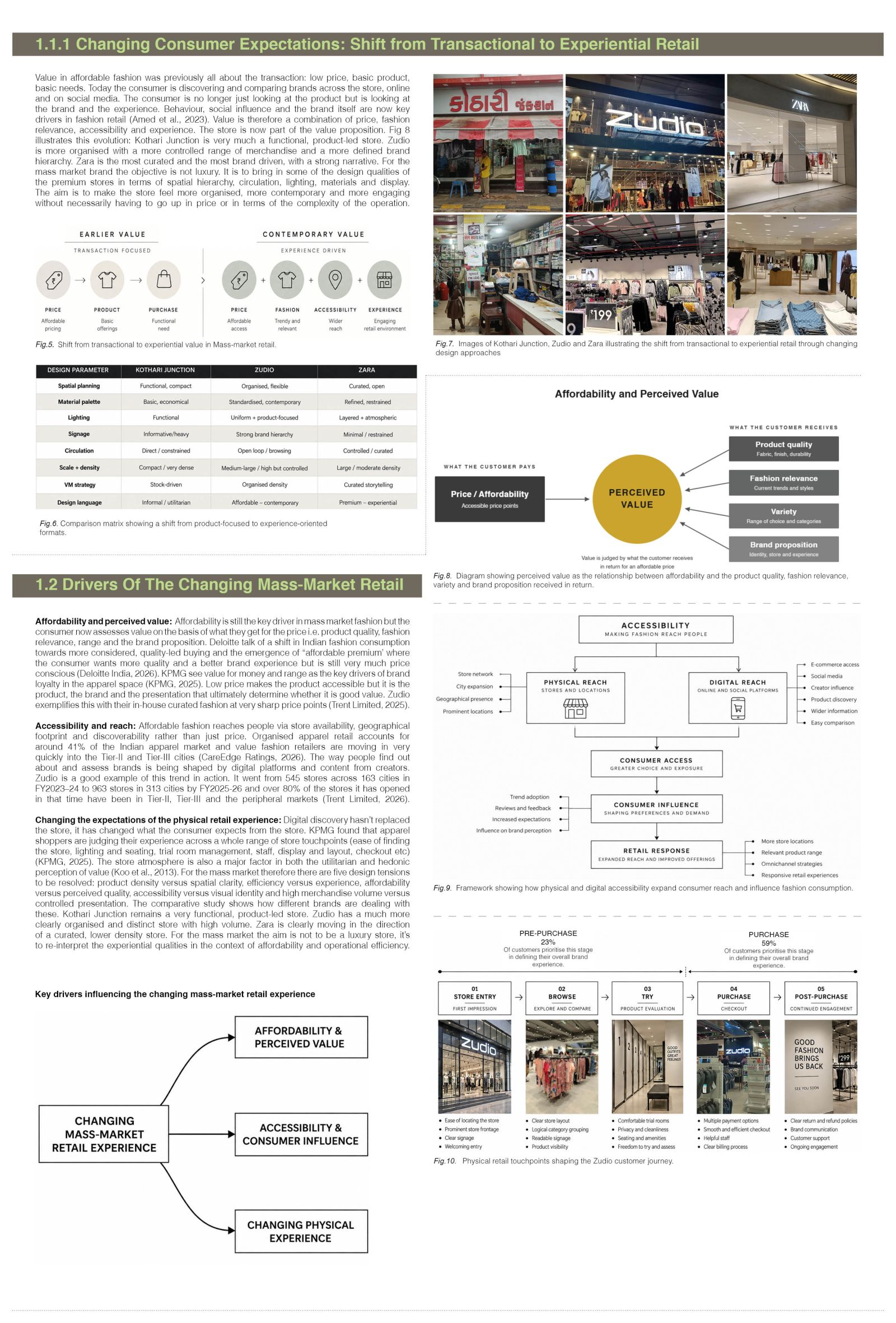
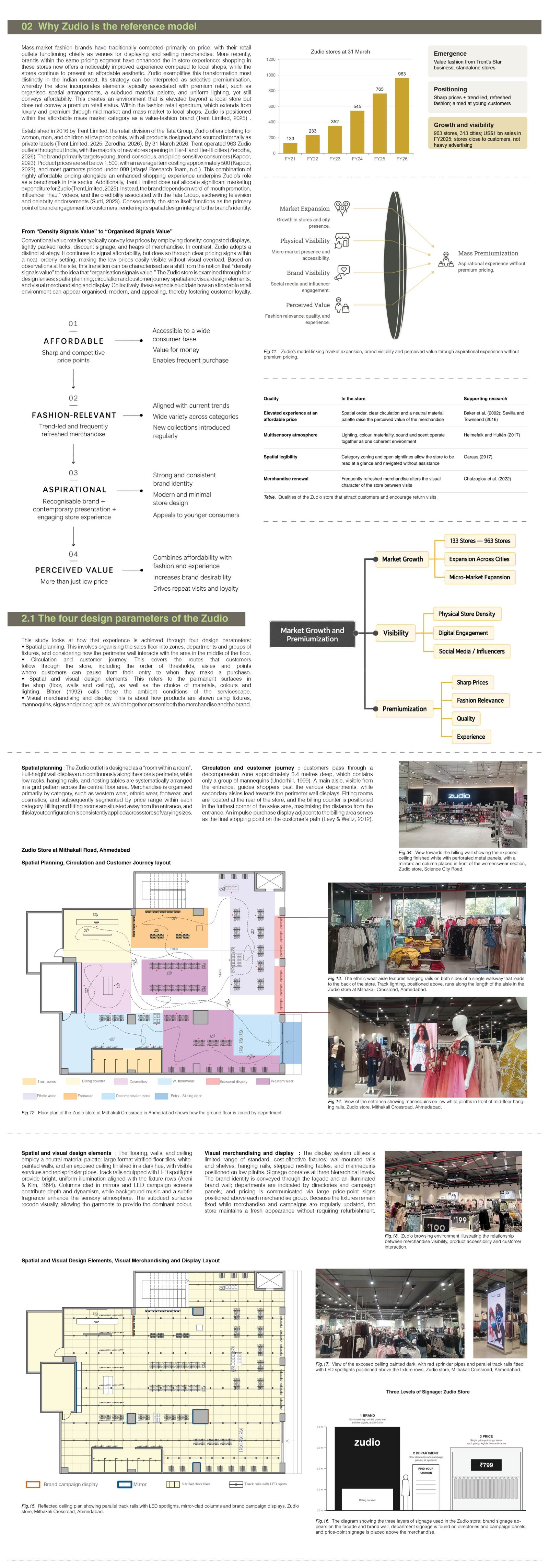
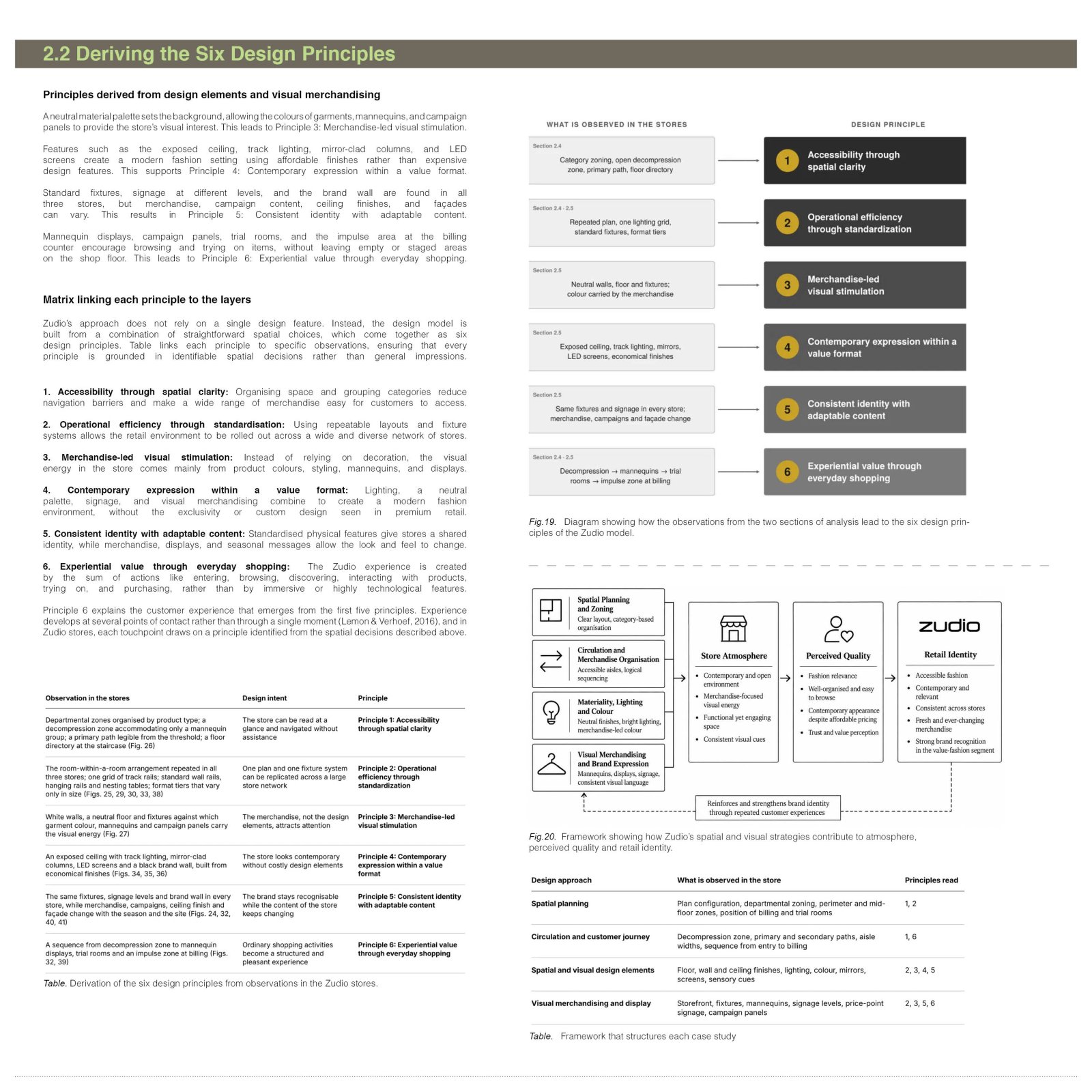
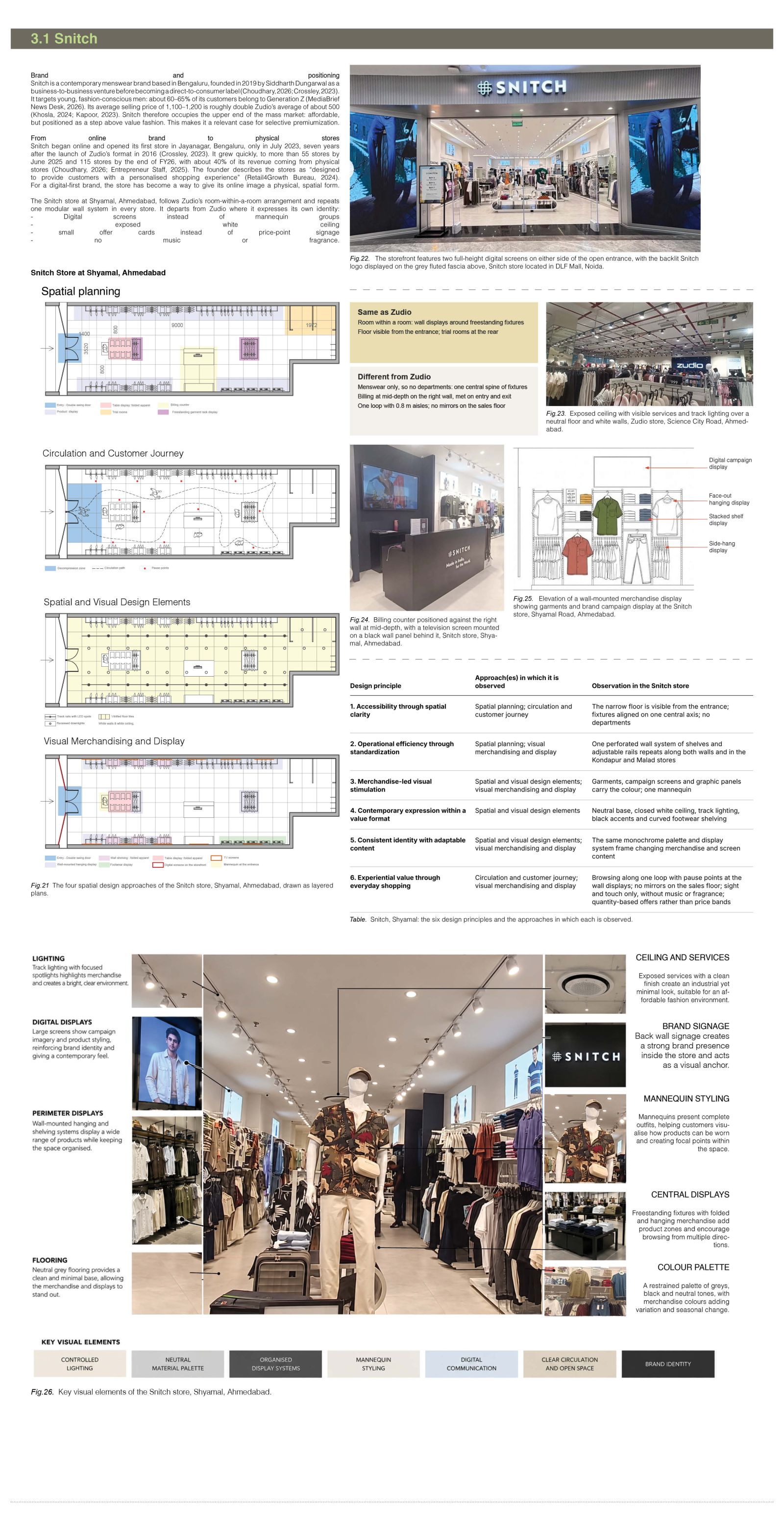
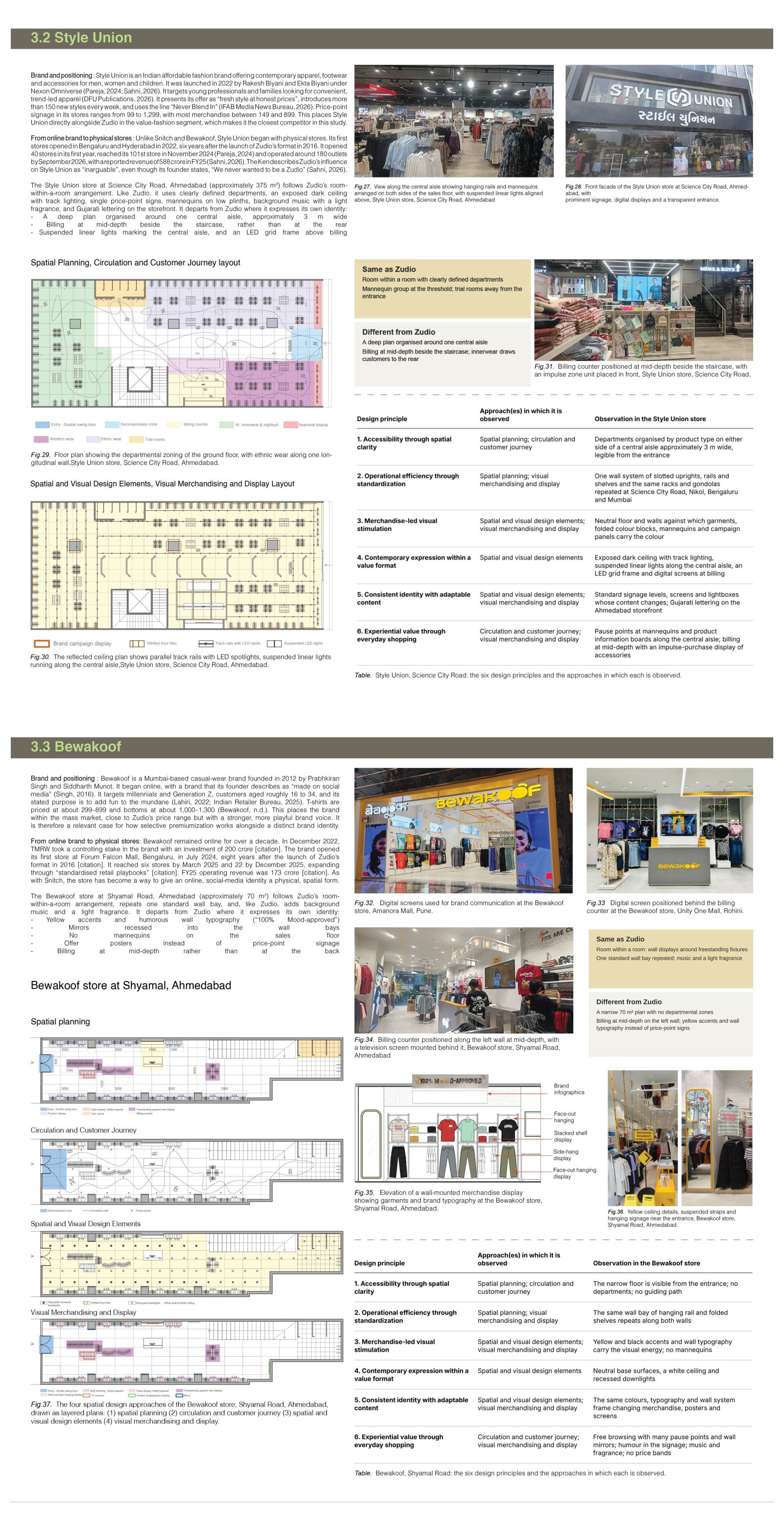
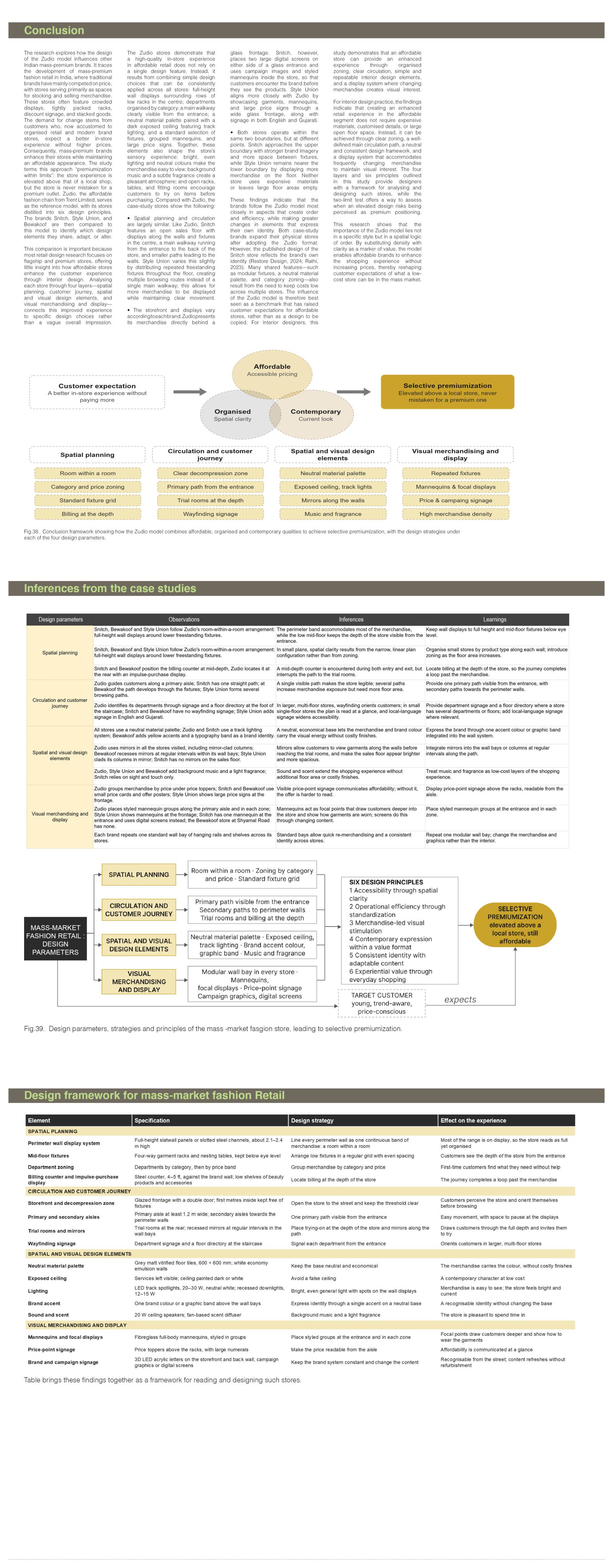
The Indian mass-market lifestyle retail sector is shifting its focus from price and product availability towards more modern, experience-driven stores. As younger consumers become more aware of fashion trends, organised retail, and curated brand experiences, mass-market brands face the challenge of enhancing the in-store experience while keeping it affordable and accessible. This thesis examines this tension through the lens of selective premiumization, in which the store takes on selected qualities of premium retail, such as spatial order, even lighting and a neutral material palette, while remaining clearly affordable. Value is no longer signalled through crowded racks and discount signage, but through organised, ordered stores.Zudio, which grew from 133 stores in FY2021 to 963 in FY2026, serves as the reference model. Three of its Ahmedabad stores are analysed through four design approaches: spatial planning; circulation and customer journey; spatial and visual design elements; and visual merchandising and display. From these observations, six design principles are derived as an analytical framework.The framework is applied through a qualitative, comparative case study of three emerging brands, Snitch, Style Union and Bewakoof, using site visits, photographs and measured plans, while published photographs from other cities test whether each design repeats."The thesis ultimately argues that the Zudio model is not a design to be copied, but a spatial order through which affordable brands elevate the shopping experience without raising prices."
View Additional Work