Your browser is out-of-date!
For a richer surfing experience on our website, please update your browser. Update my browser now!
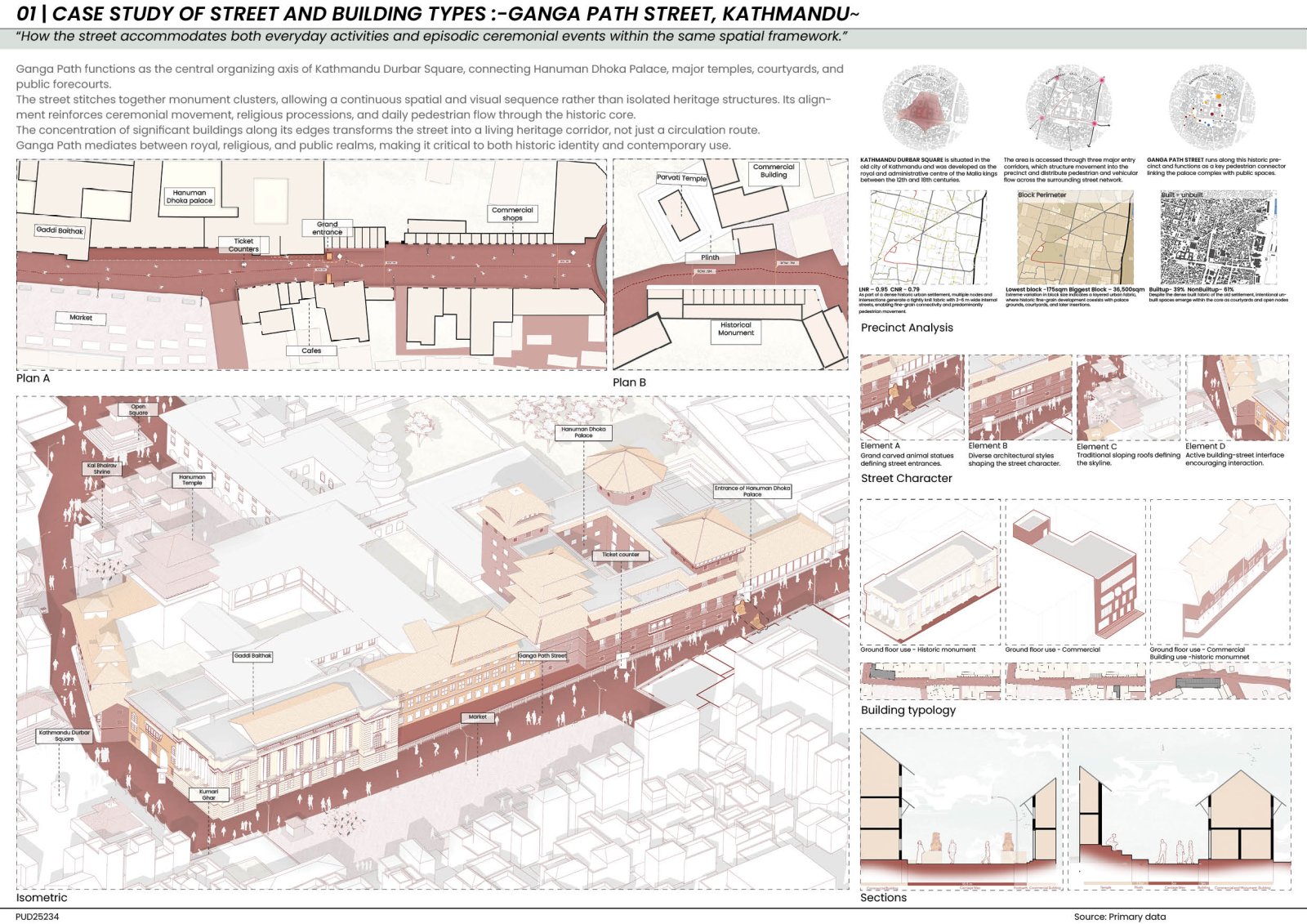
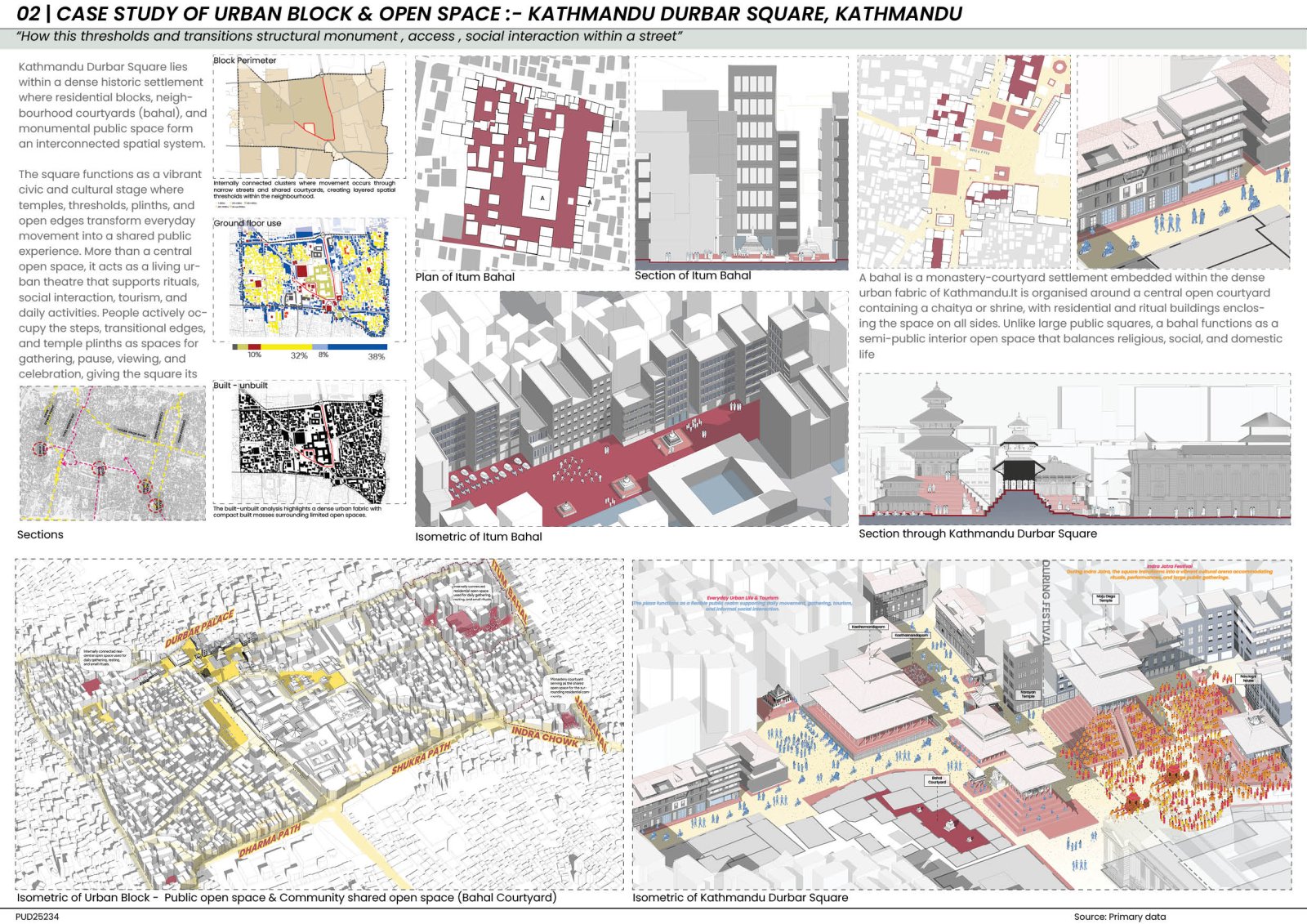
The studio is structured as an introduction to the key elements of urban design, divided into two modules running through the semester. The first module focuses on the study, analysis and representation of the elements of urban design – urban blocks, open spaces, streets, and building types.
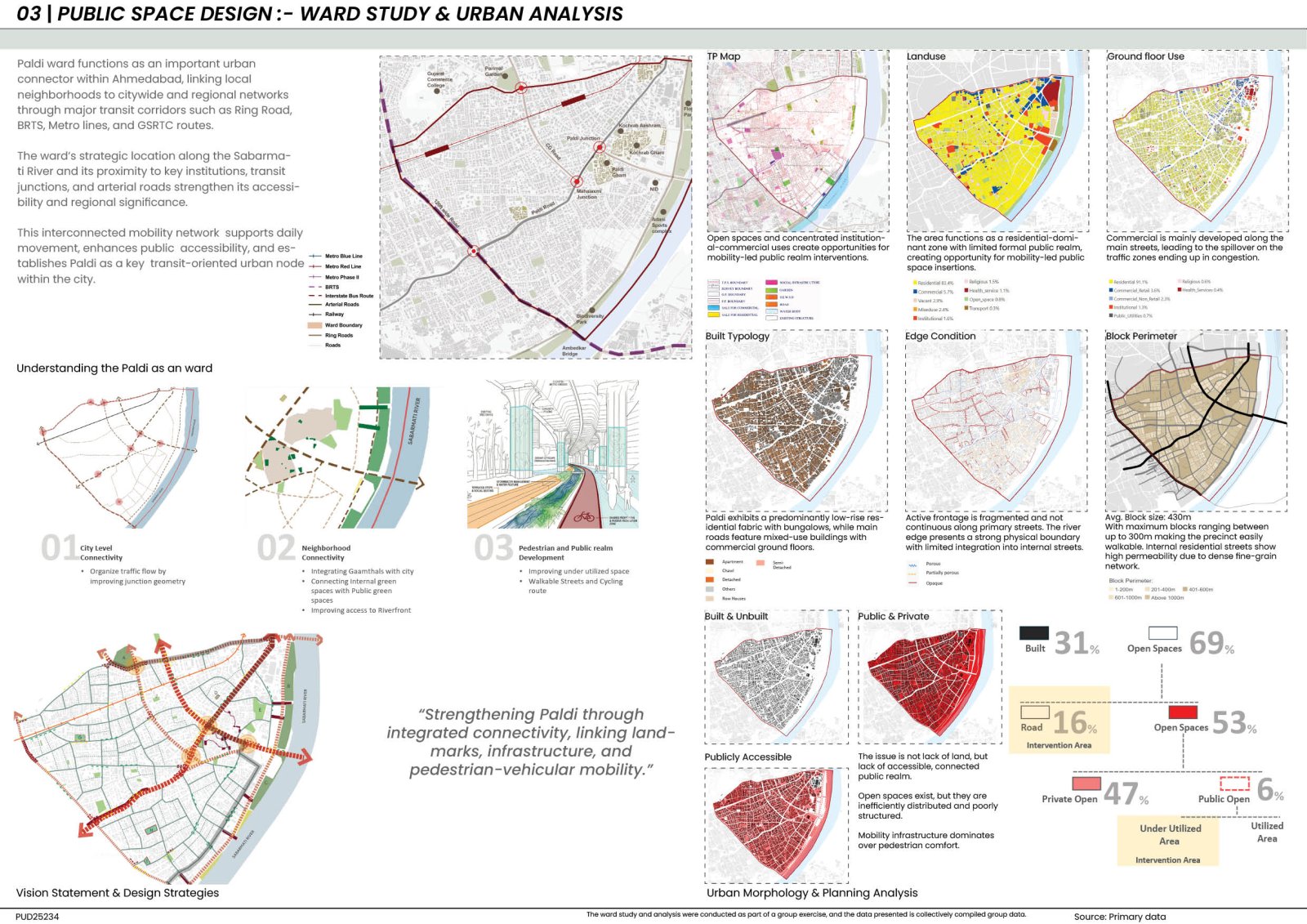
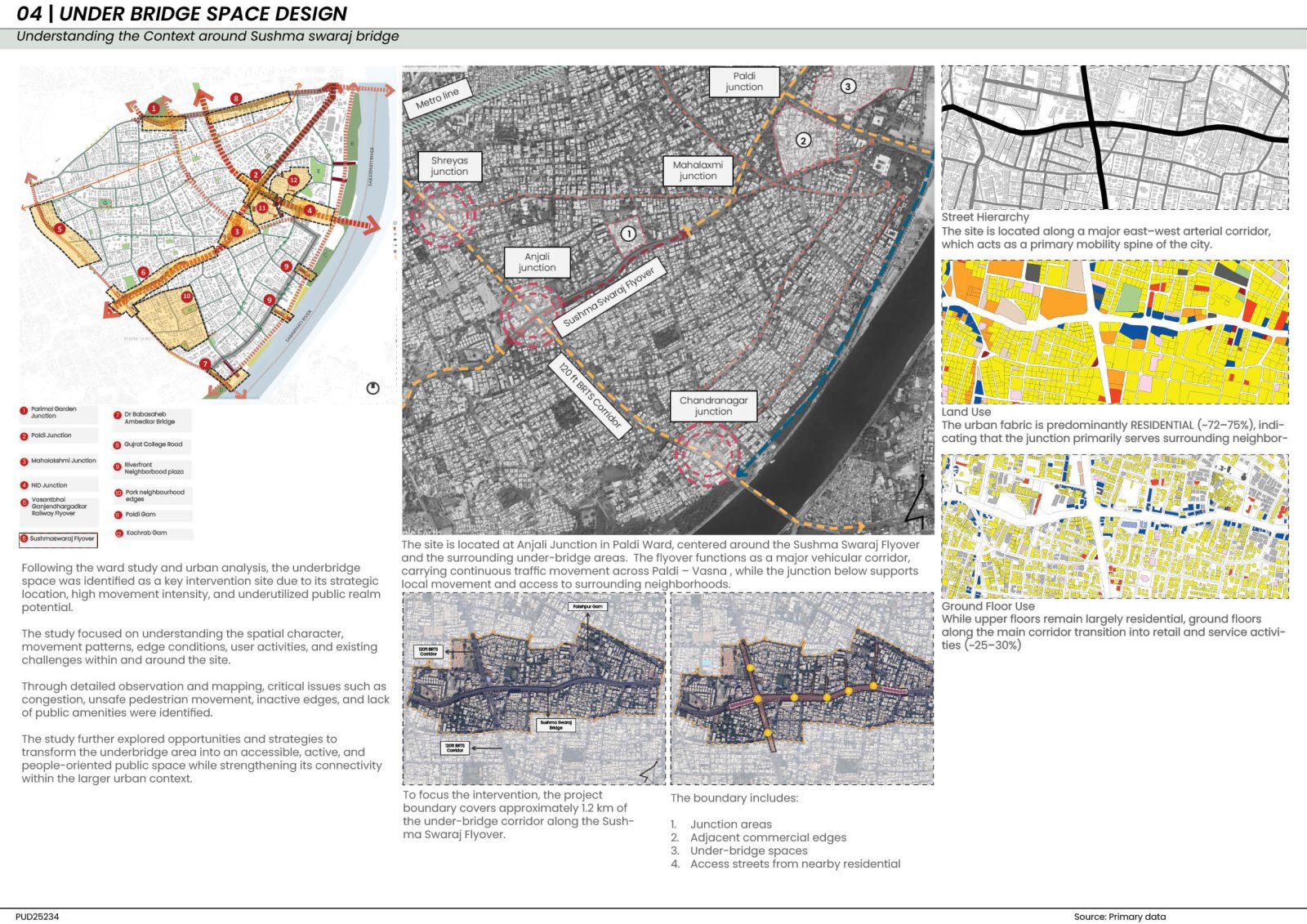
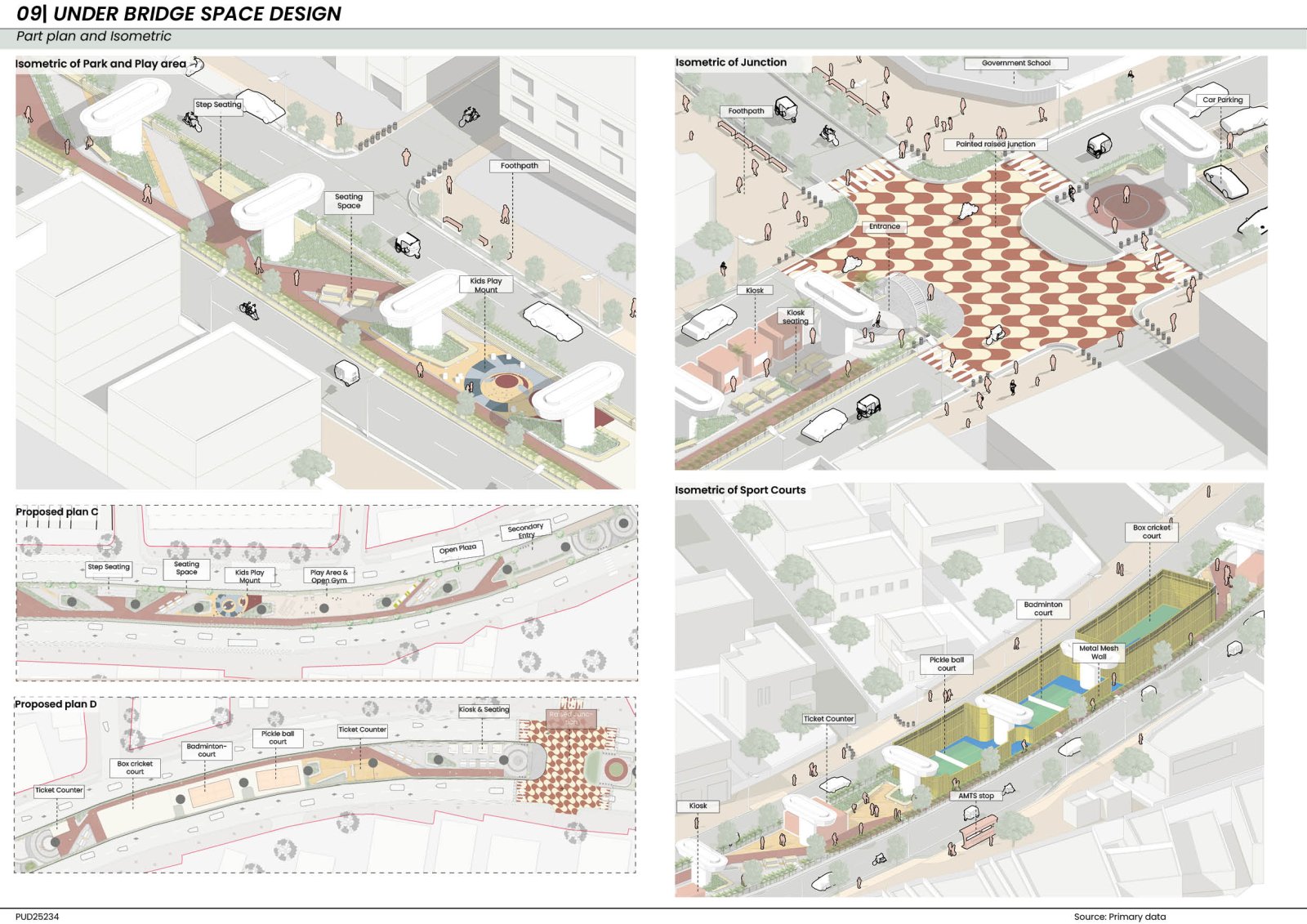
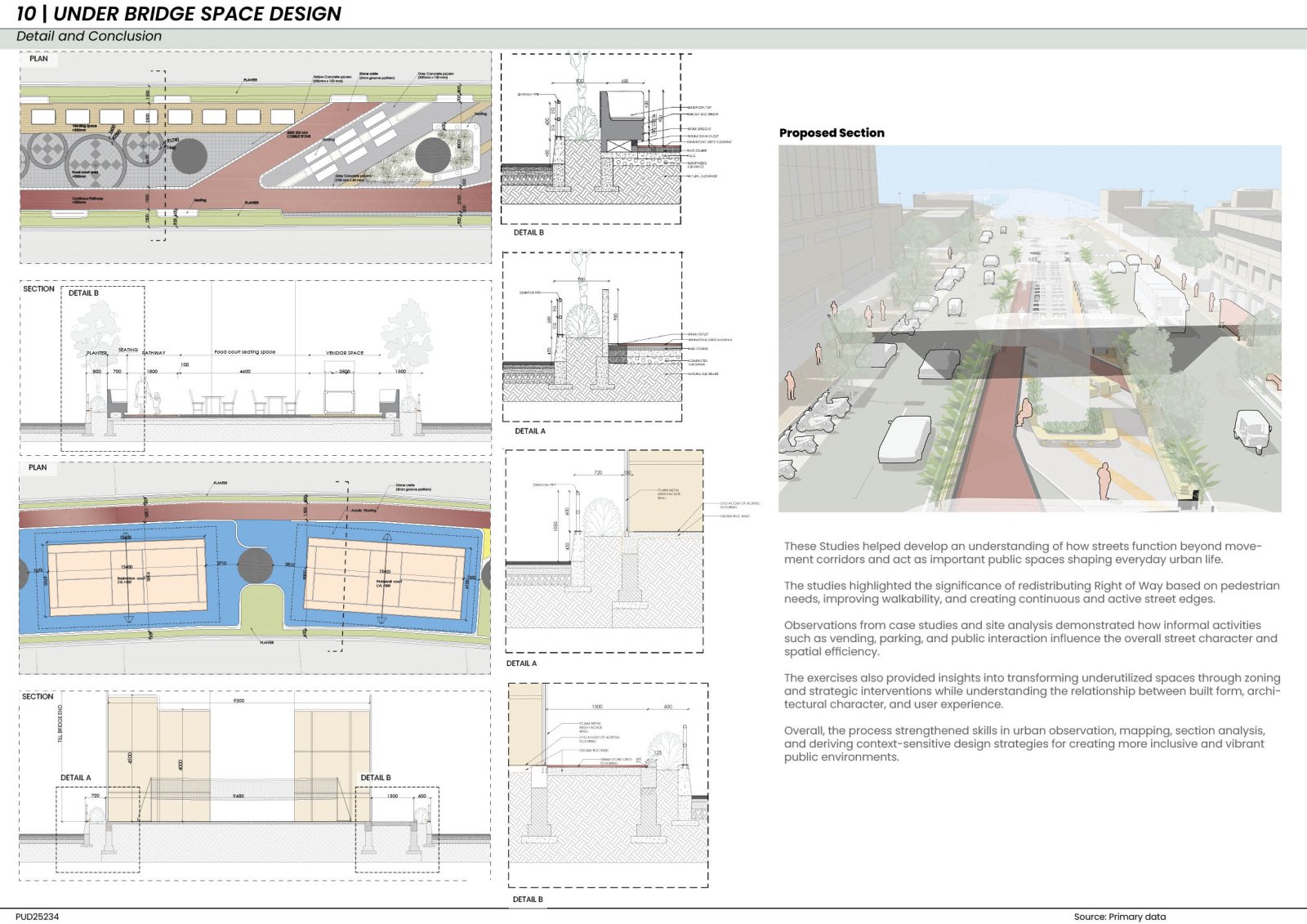
The second module focuses on public space design structured in two parts – concept design, and detailed design.
This studies explores urban design through the study, analysis, and interpretation of streets, public spaces, urban blocks, and built form within the context of Kathmandu. Structured through multiple exercises across the semester, the work investigates how movement, built edges, open spaces, activities, and cultural interactions collectively shape the character of urban environments.
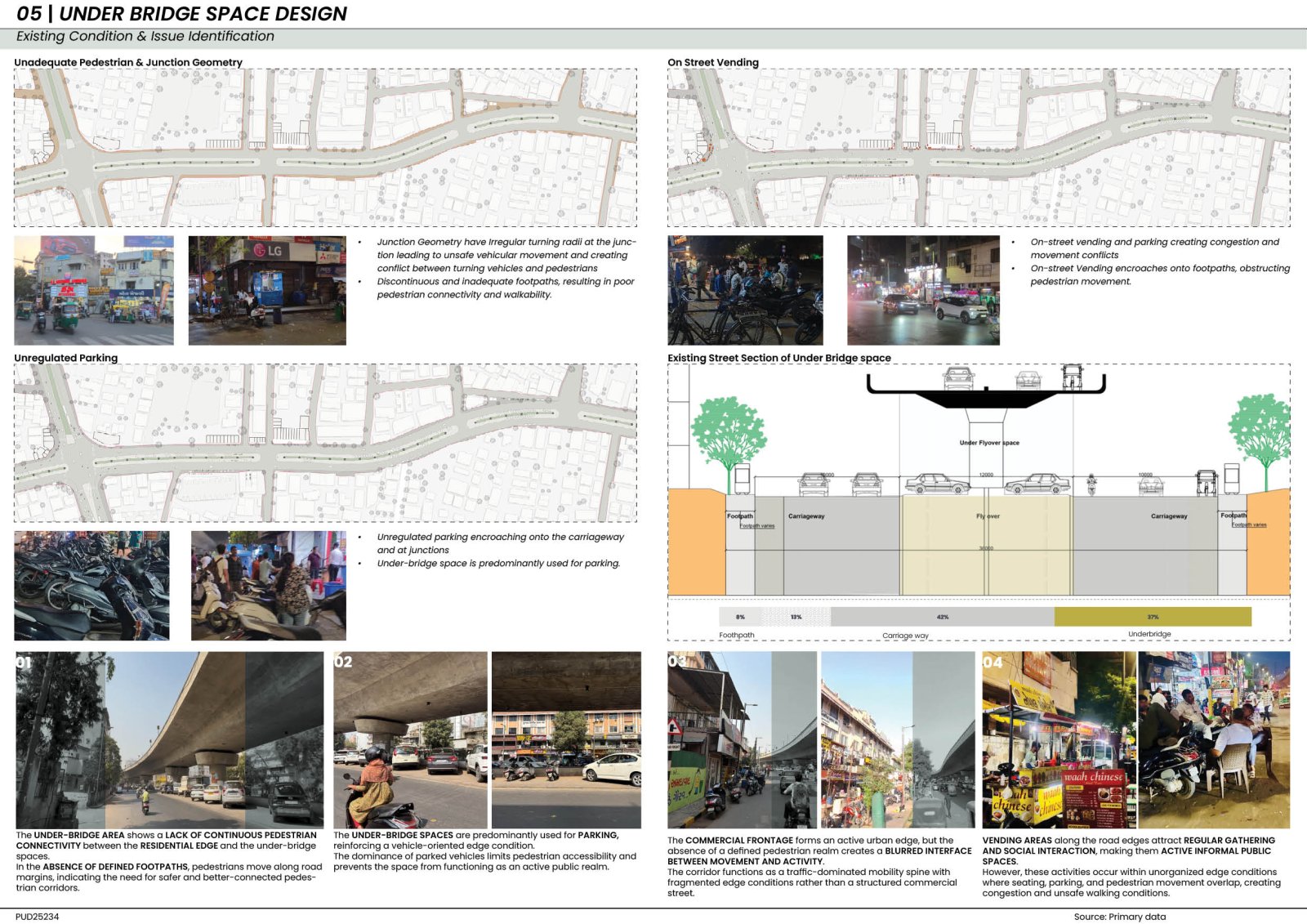
The studies focus on understanding streets and public spaces as active social environments rather than only movement corridors. Through detailed mapping, observation, section analysis, and spatial documentation, the exercises examine pedestrian experience, land use, edge conditions, movement networks, built interfaces, and informal urban activities.
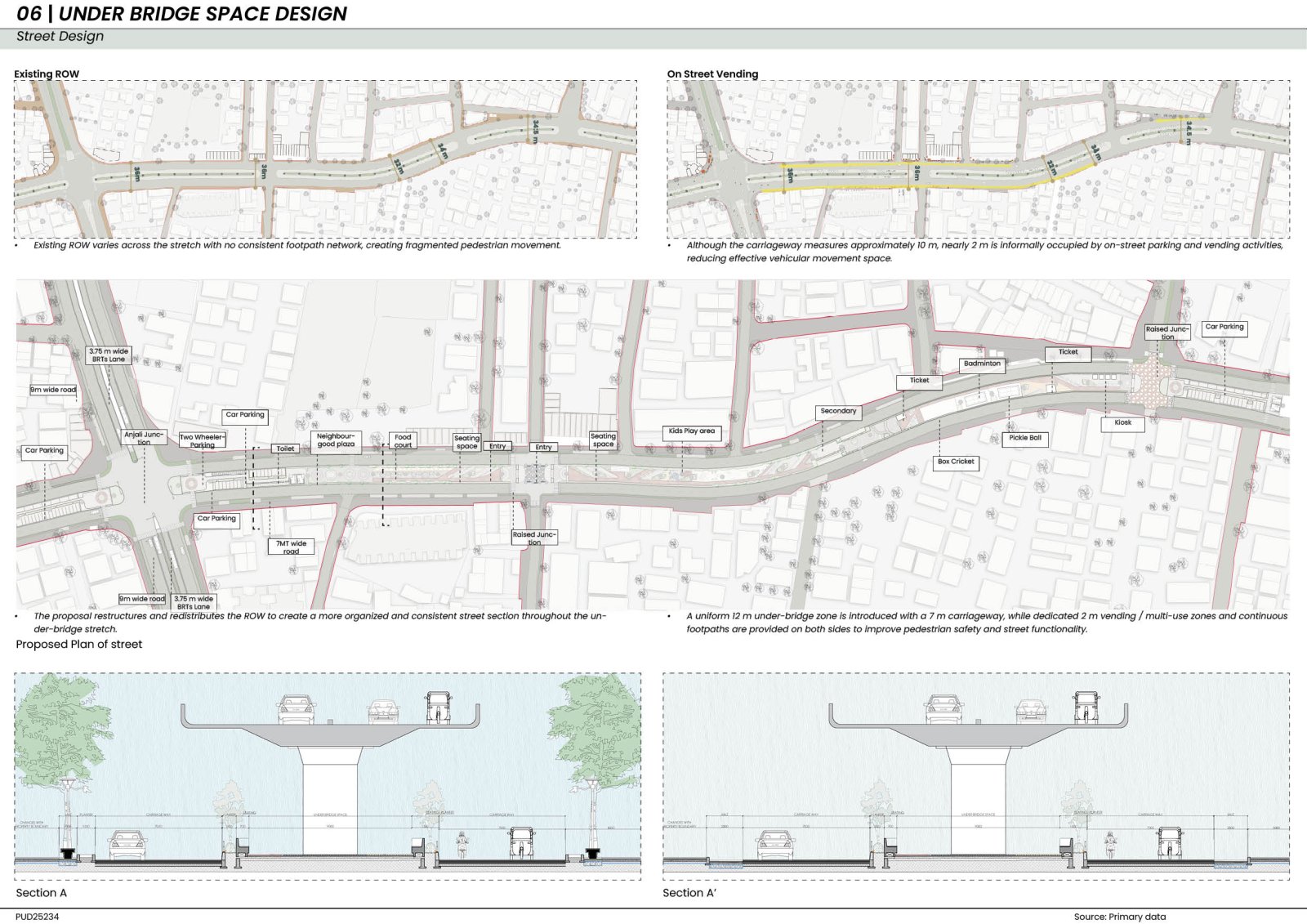
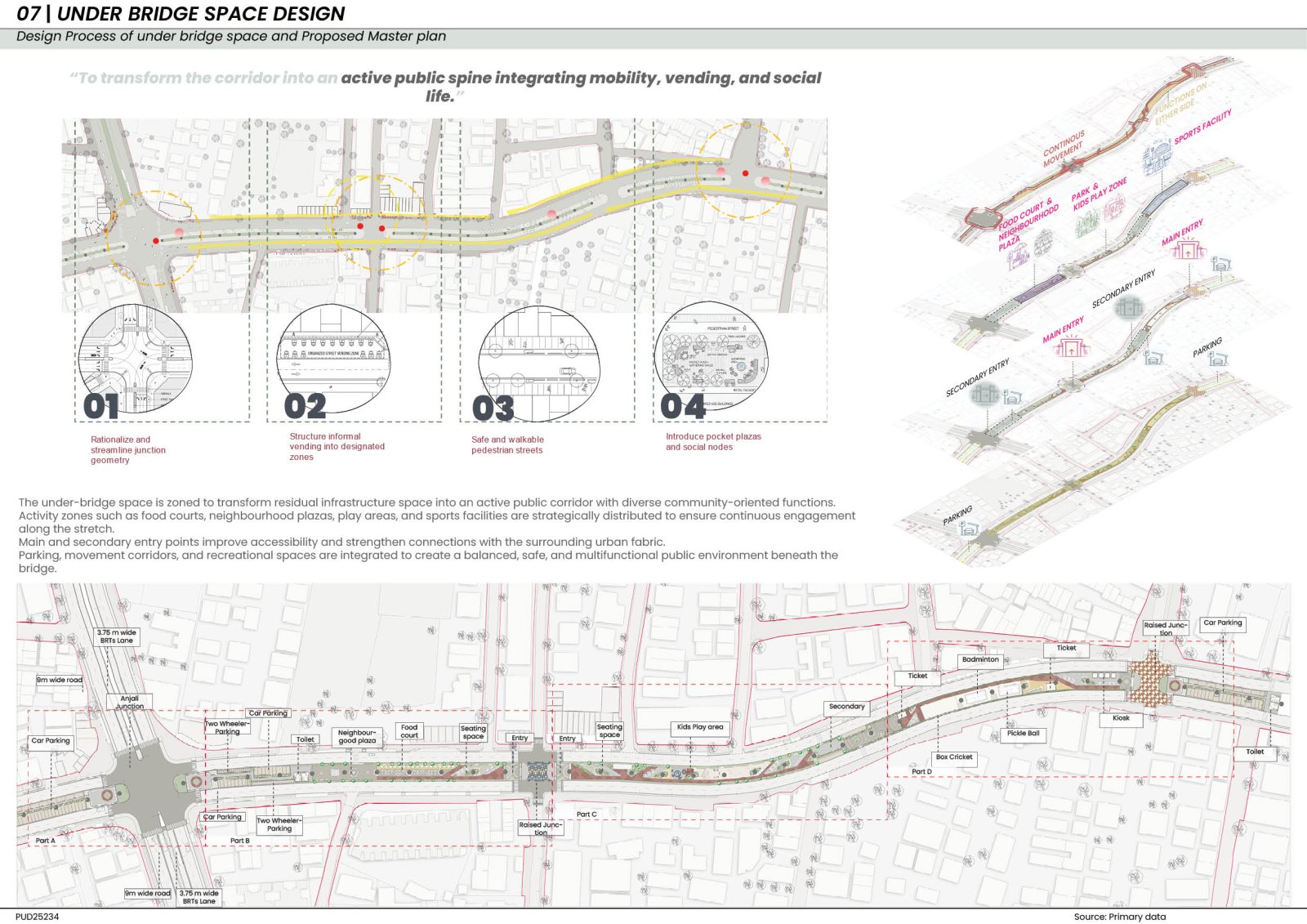
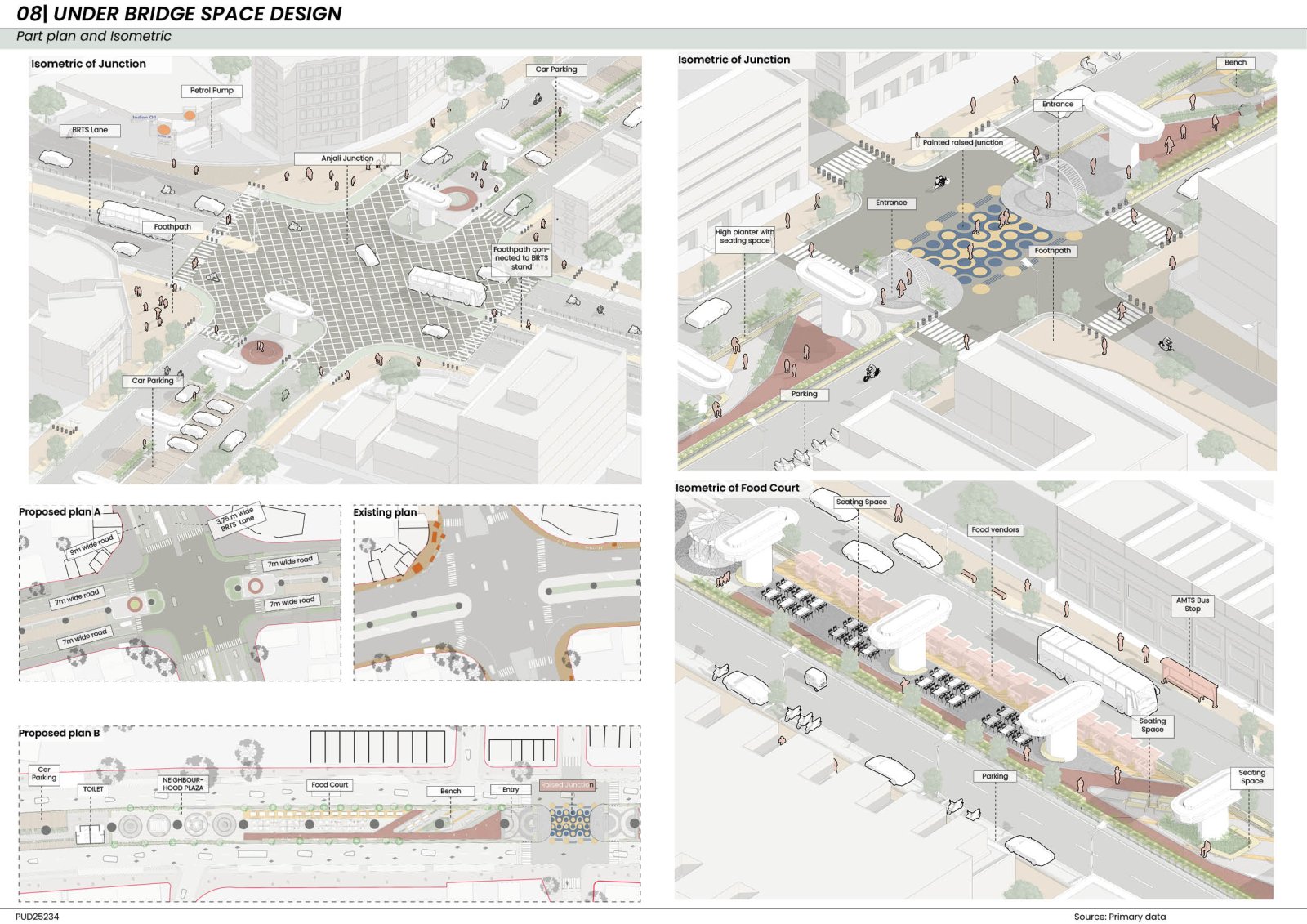
The studio further explores opportunities for improving public spaces through context-sensitive design strategies, including the redistribution of Right of Way, strengthening pedestrian connectivity, activating edges, and transforming underutilized urban spaces into accessible and people-oriented environments.
Overall, the studio developed an understanding of the relationship between built form, public life, and urban character while strengthening skills in urban analysis, representation, and public space design.