TA: Hardik GargGenerative Techniques for Urban Place Making
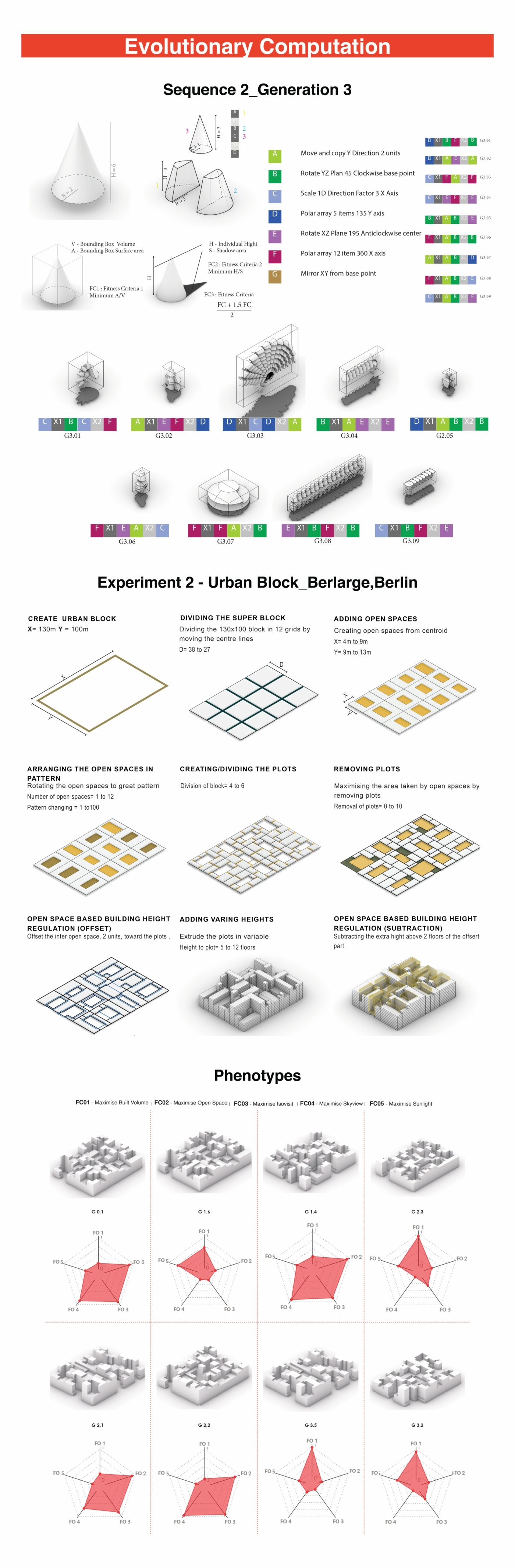
The studio focuses on urban place-making to develop people-centric design solutions by planning urban neighbourhoods that prioritize healthy living. As methodology it uses the principles of Evolutionary computation: a data-driven iterative design process where the designer develops multiple design solutions by establishing input-output relationships while evaluating the same.
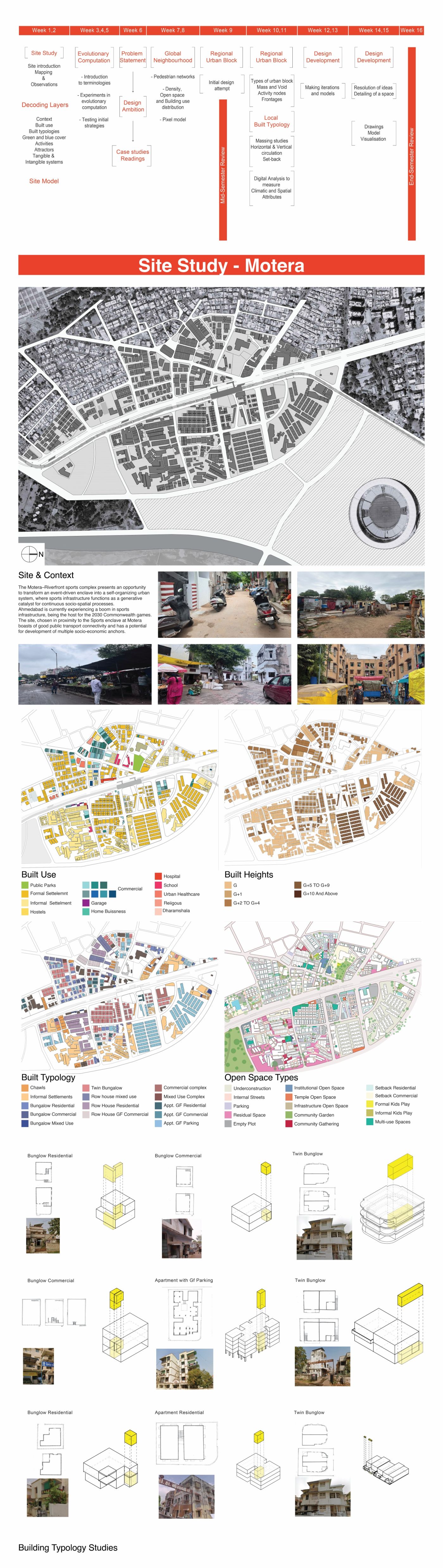
The Motera–Riverfront sports complex presents an opportunity to transform an event-driven enclave into a self-organizing urban system, where sports infrastructure functions as a generative catalyst for continuous socio-spatial processes.
Expanding on the existing vision of the sports complex, the studio is rooted in concerns of urban ecology; proposes neighbourhoods to respond to community well-being with enhanced lived experience. We shall achieve this by focusing on a few basics; namely access to light, clean air, water, some birds and be a safe place for pedestrians and kids-play.
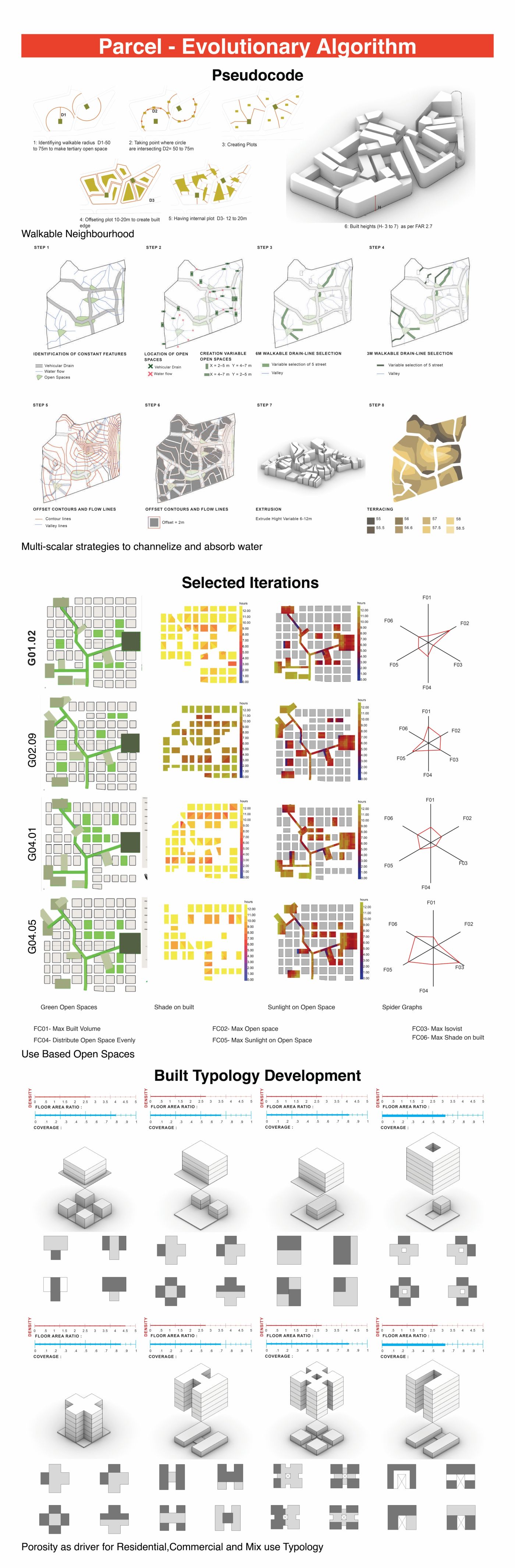
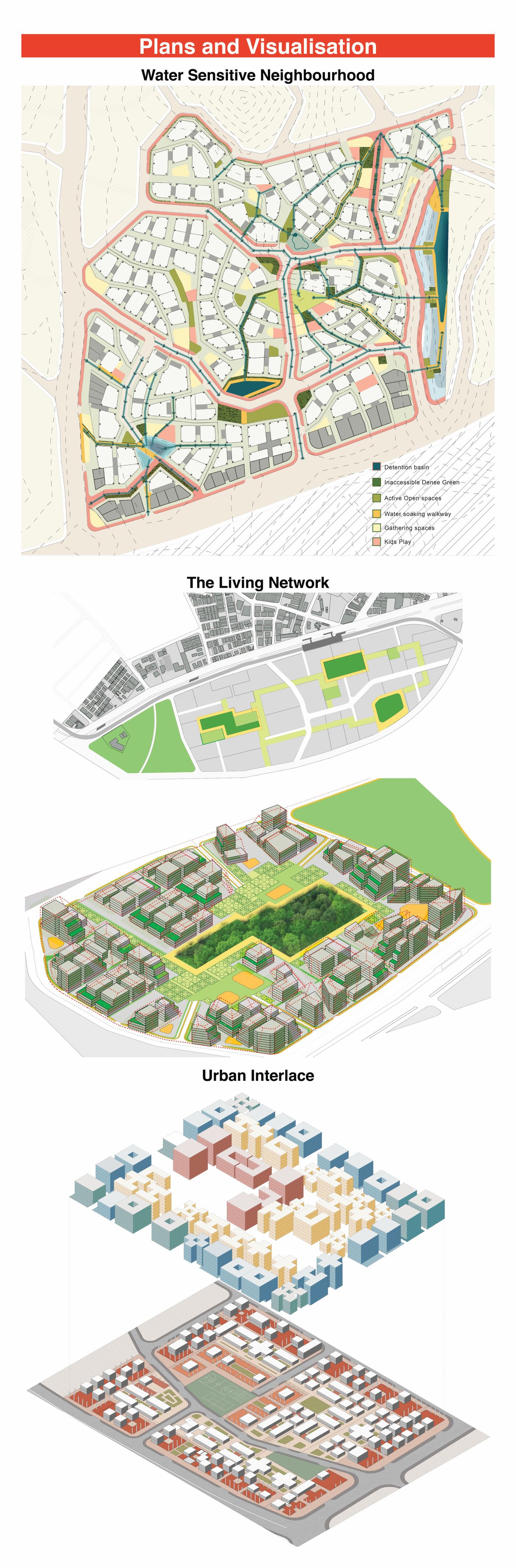
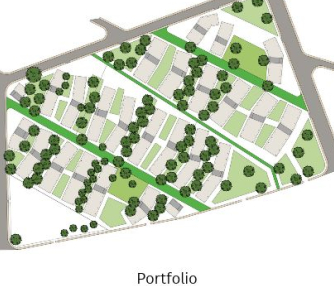
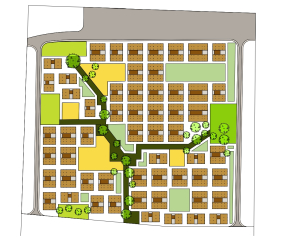
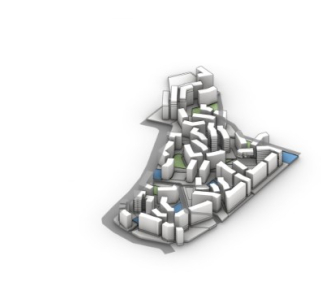
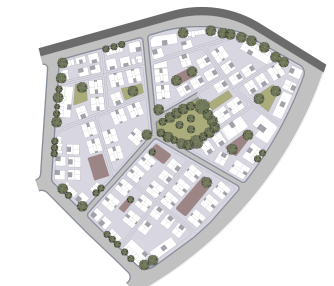
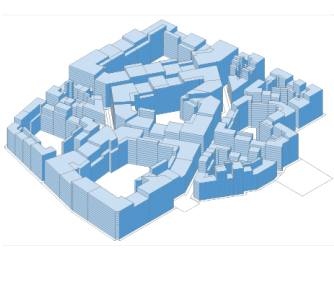
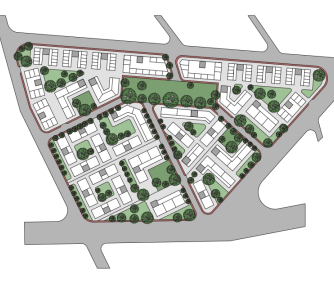
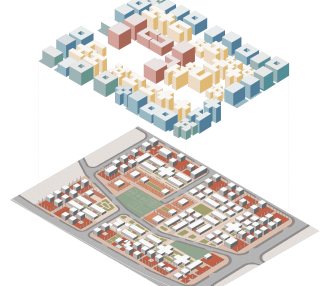
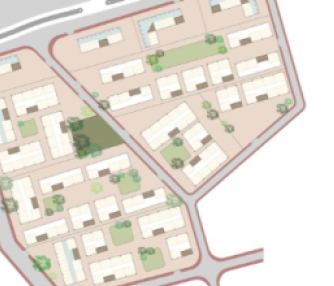
The students tackle two scales: Global – site planning of approx. 50 Hectares, (1:5000) where they design networks of transport and pixel maps of built and open use distribution. Regional and Local – neighbourhood planning of 4-6 hectares, (1:1000/500/200) here they deal with an urban block, typologies of built and open spaces.
Studio Unit
Schedule and Initial Site Studies
Experiments in Evolutionary Computation.
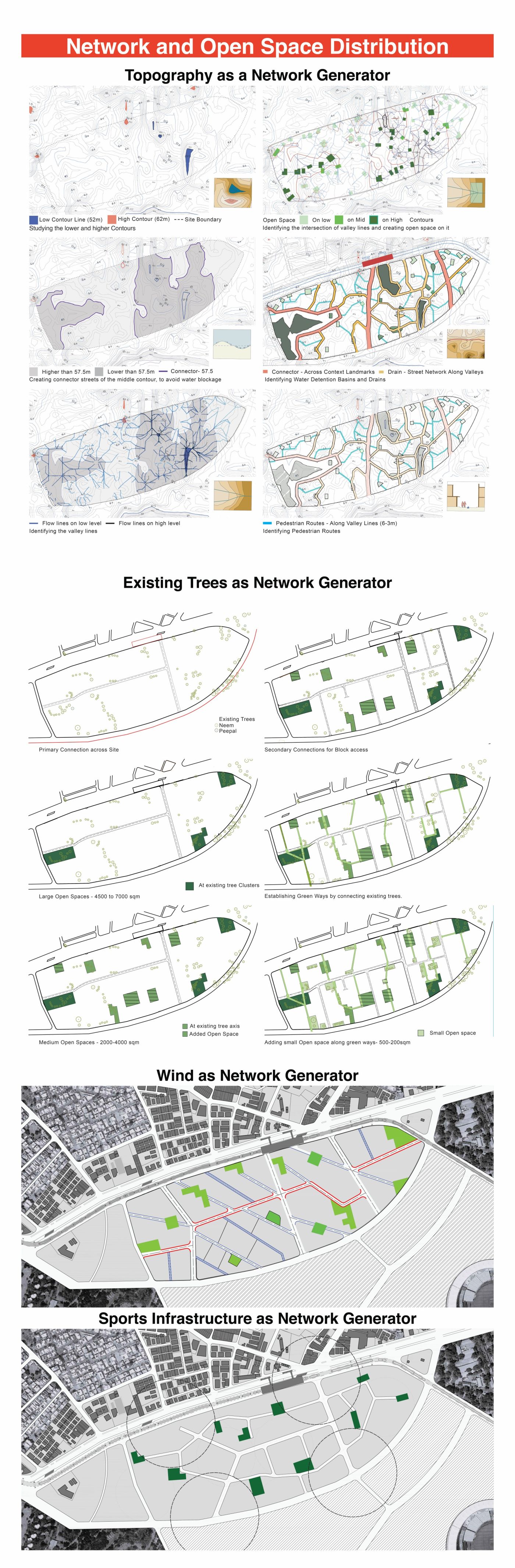
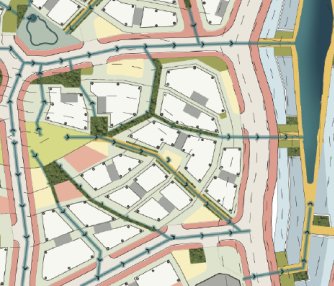
Site Development: Street and Open Space Distribution.