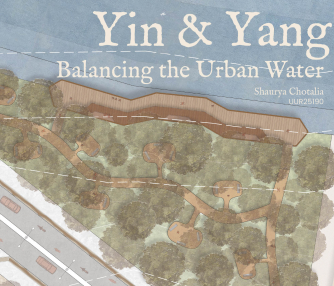
TA: Khushi MehtaPublic Space Design, the Ecological Approach
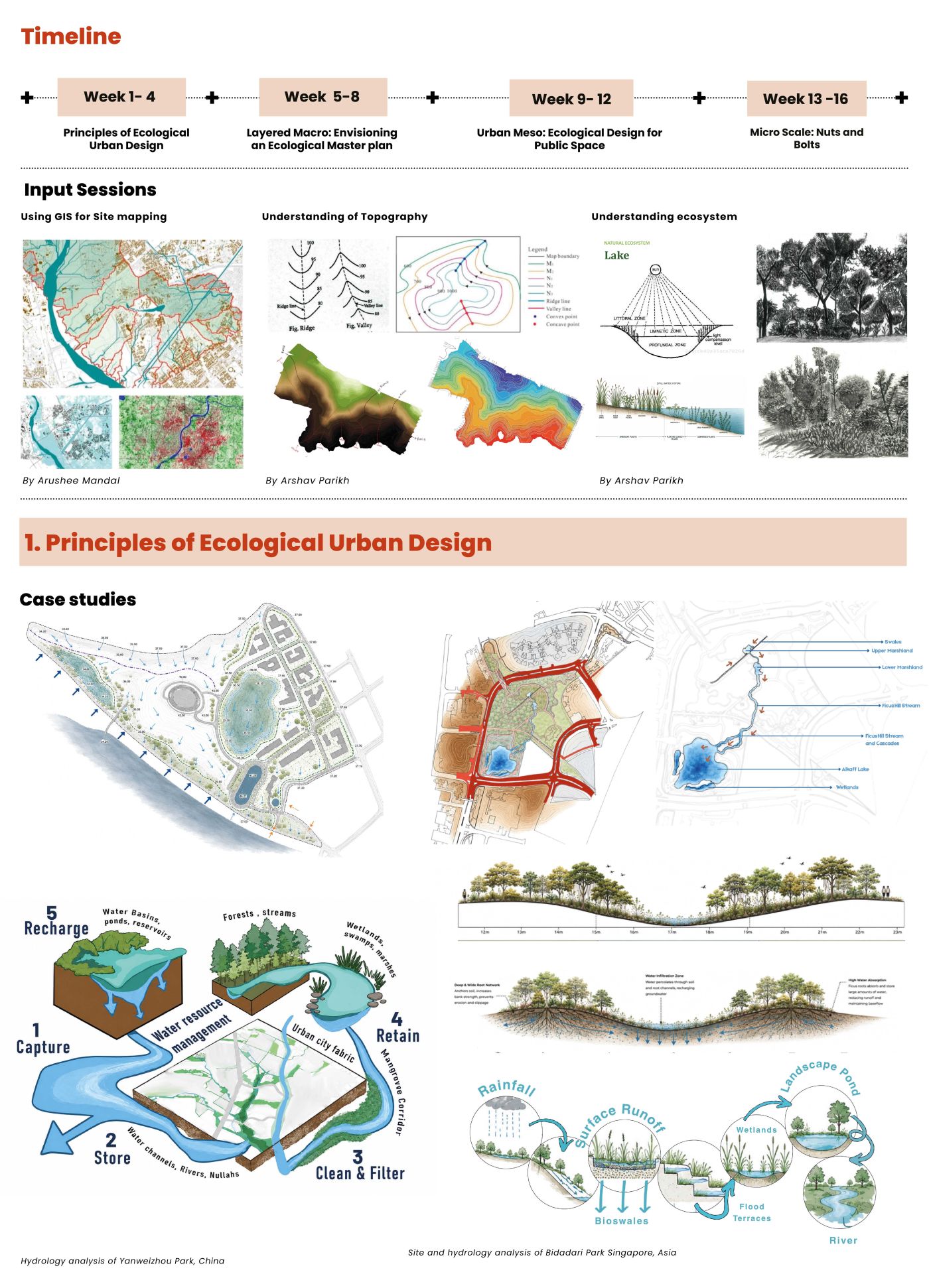
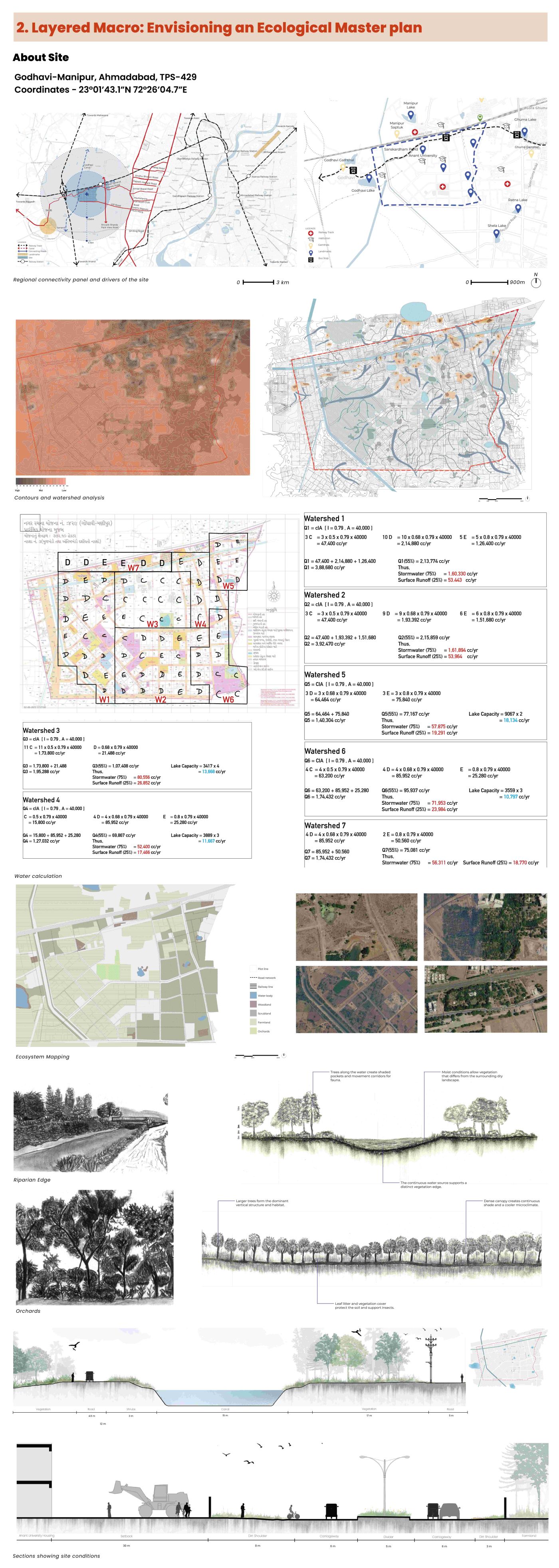
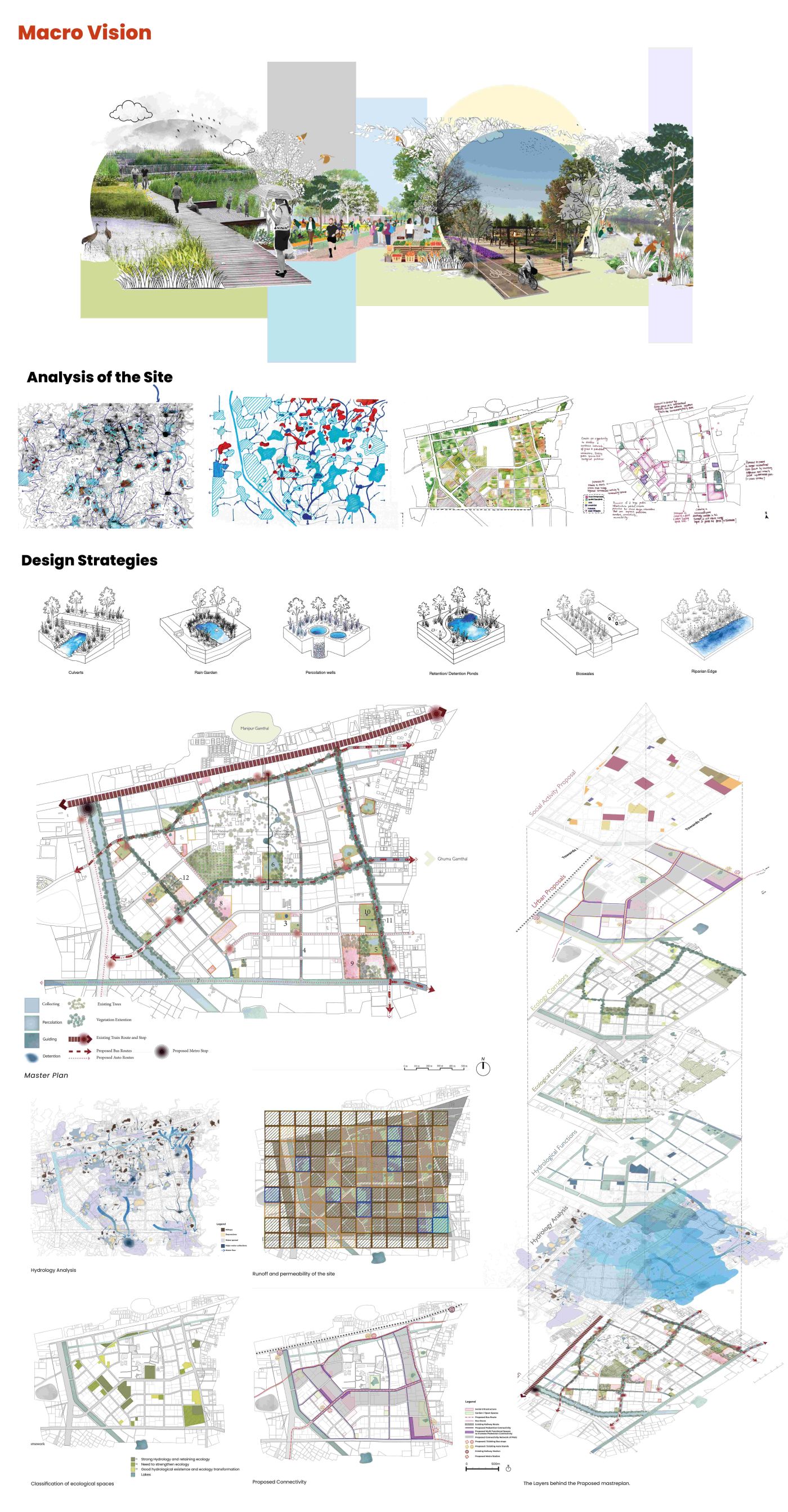
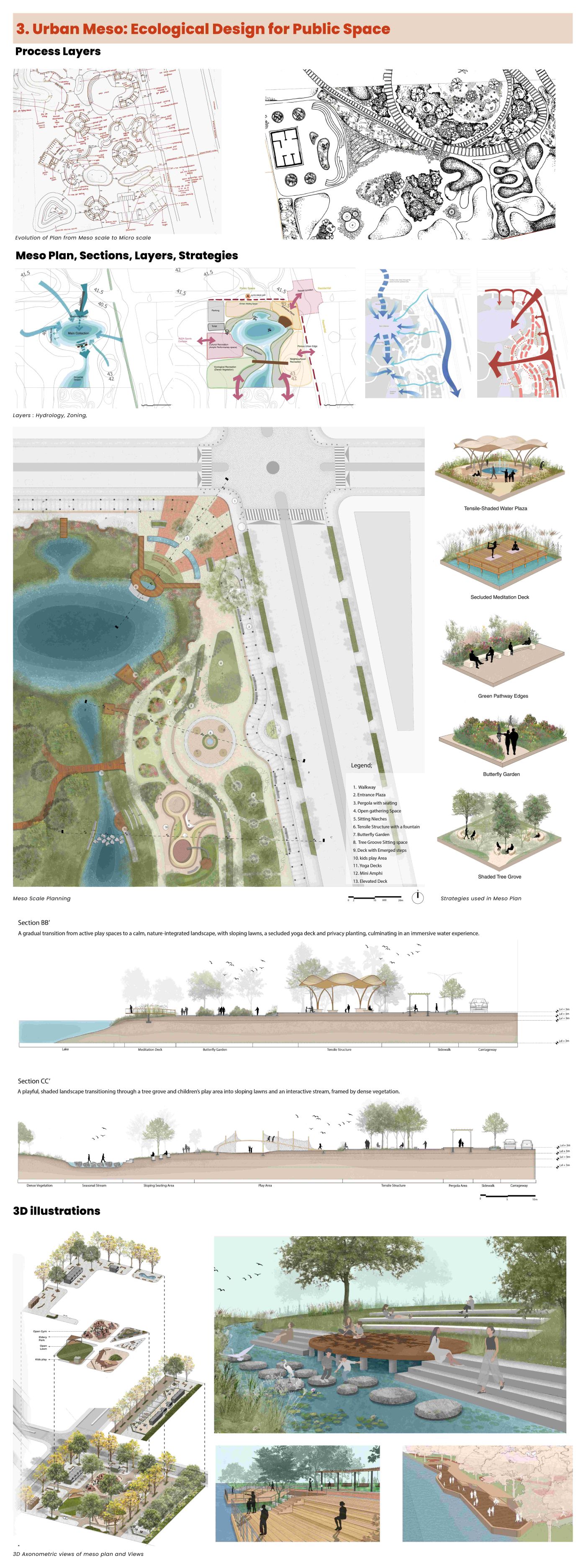
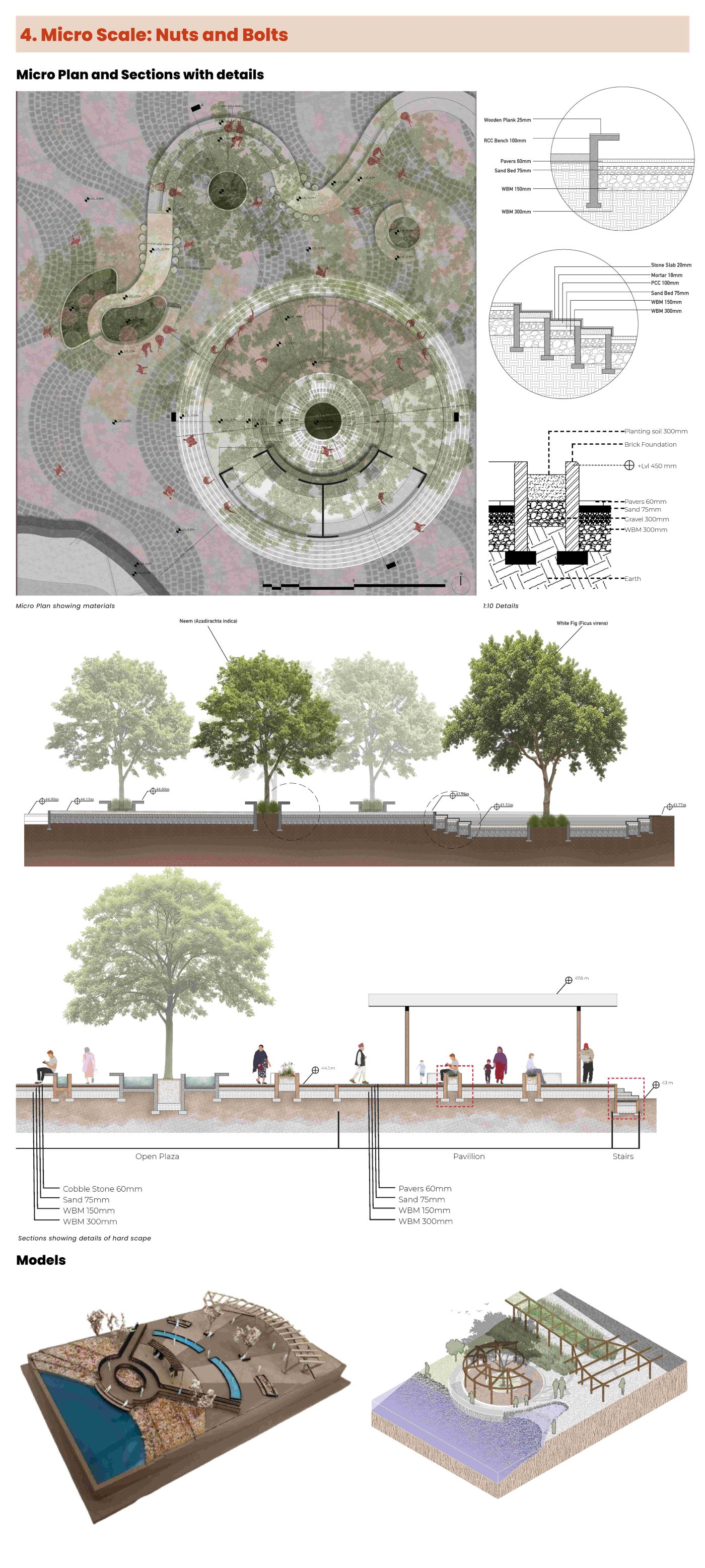
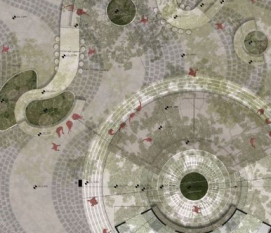
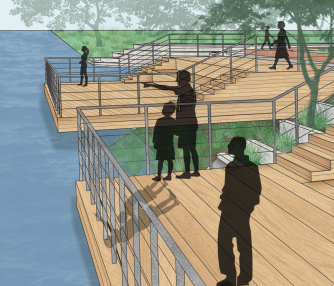
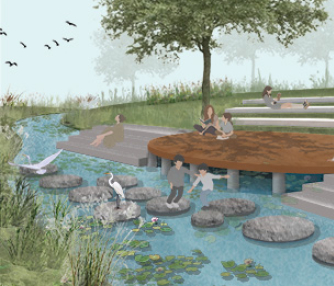
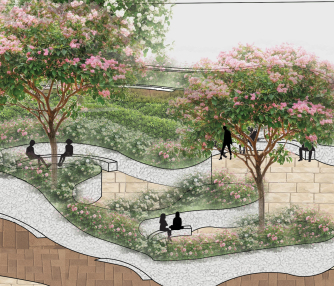
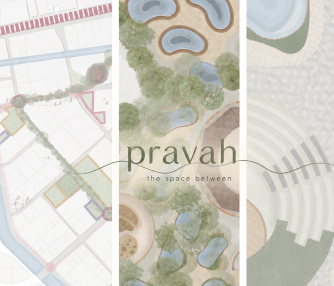
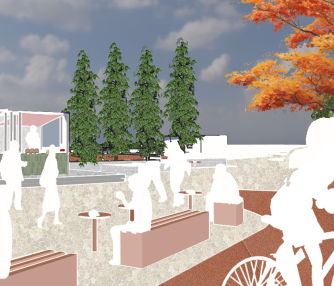
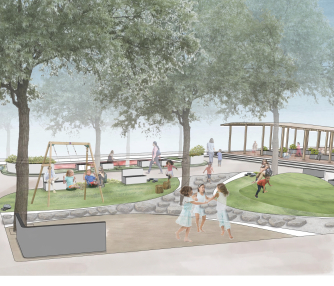
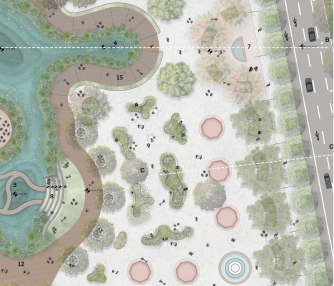
Decreased resiliency of our cities due to growing urbanism lead to adverse impacts like urban floods and increased temperatures. Public spaces, if designed in an ecological manner, can play key role in mitigating these challenges. Working towards resilient urban spaces, this studio follows an ecological process embedded in programmatic and project execution requirements of a functioning urban space in Ahmedabad. We design one public space, in harmony with its natural and urban environment by understanding site’s ecological drivers, i.e. hydrologic, topographic, flora, and fauna, and overlapping them with urban drivers as well as developmental regulations to inform design decisions. People and their activities are considered as part of urban ecosystem and hence, the design will integrate social programs with ecological functions. As urban designers perform within existing planning frameworks, we learn how Development Plan, Town Planning scheme, and developmental regulations guide urban designers in shaping public spaces. Studio follows a layered-wise approach to integrate developmental and ecological objectives in three scales of macro, meso, and micro. Students learn mapping ecological aspects, analyse topography and hydrology, create detail ground profiles, quantitative analysis of waterbody capacity, GIS analysis, materials, planting strategies for space making, levels and basic grading, and construction details.