Your browser is out-of-date!
For a richer surfing experience on our website, please update your browser. Update my browser now!
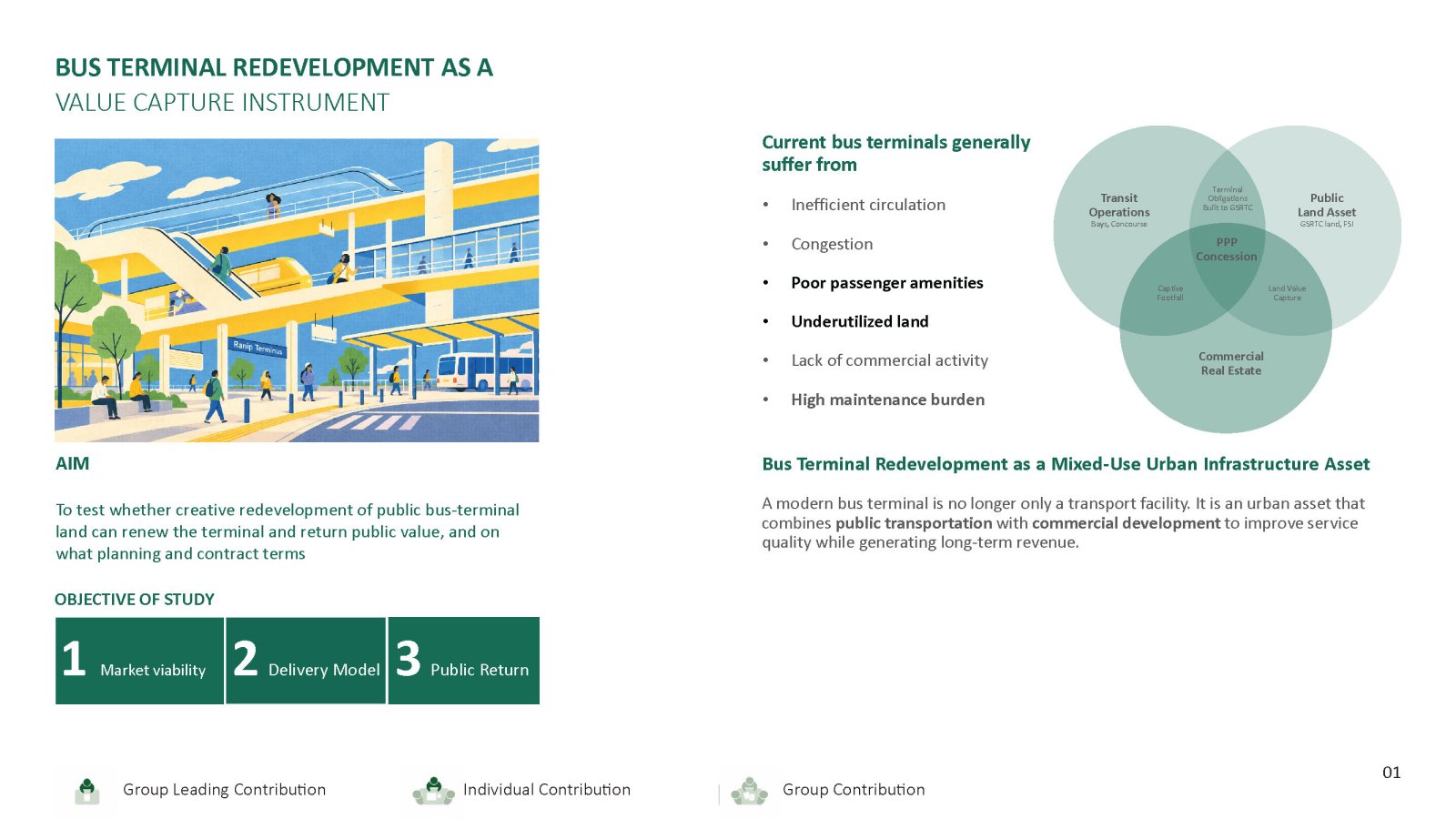
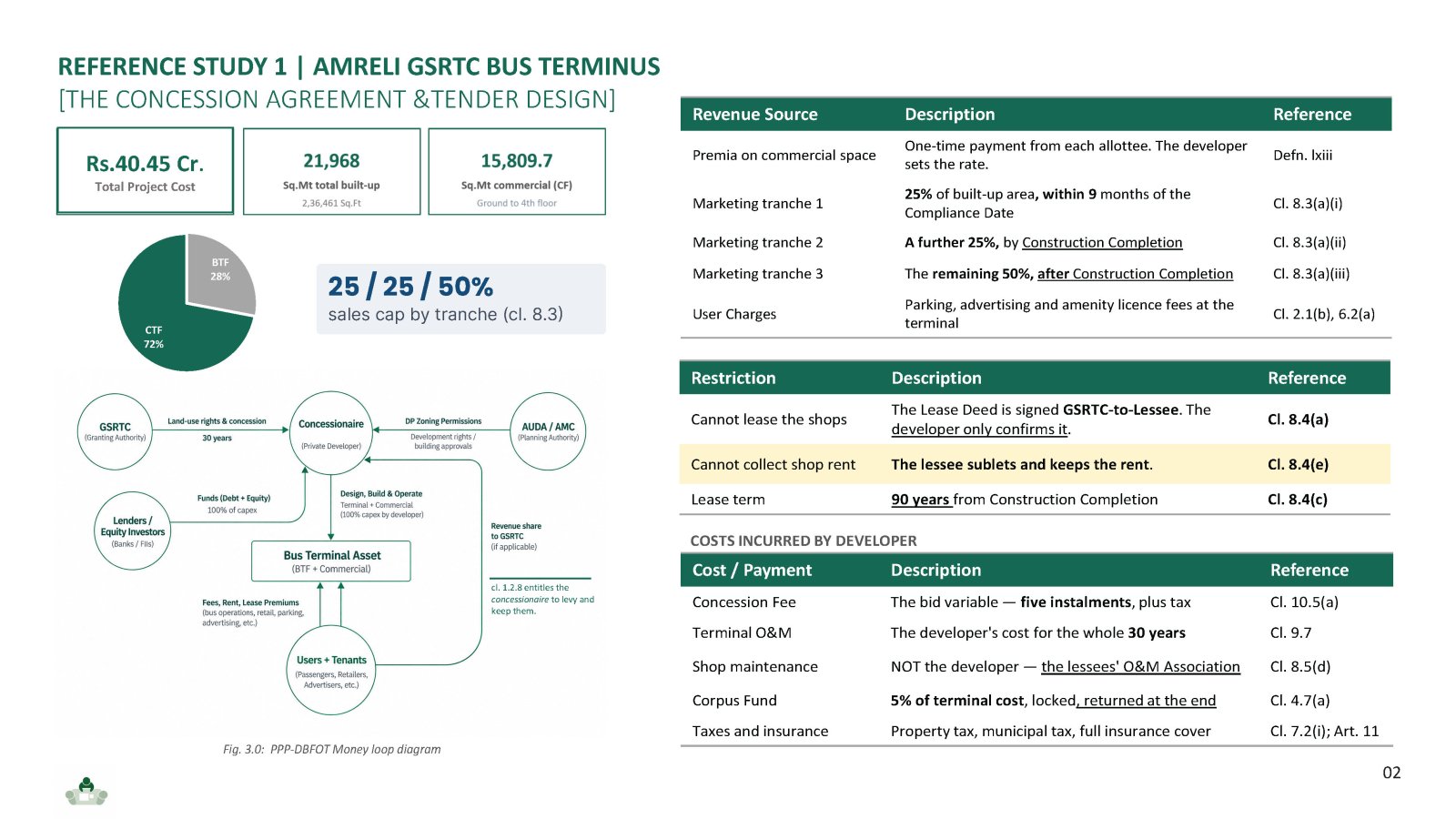
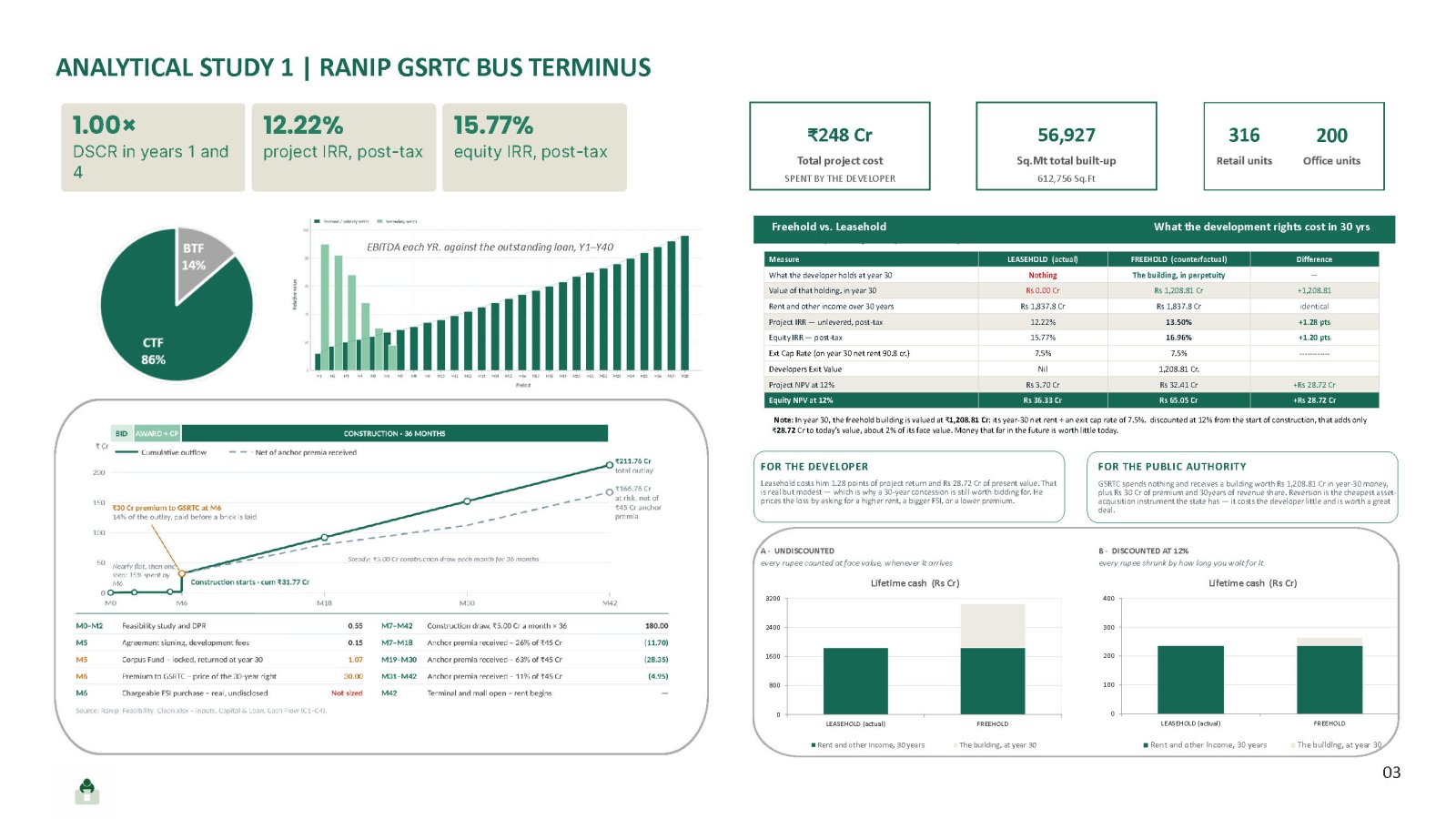
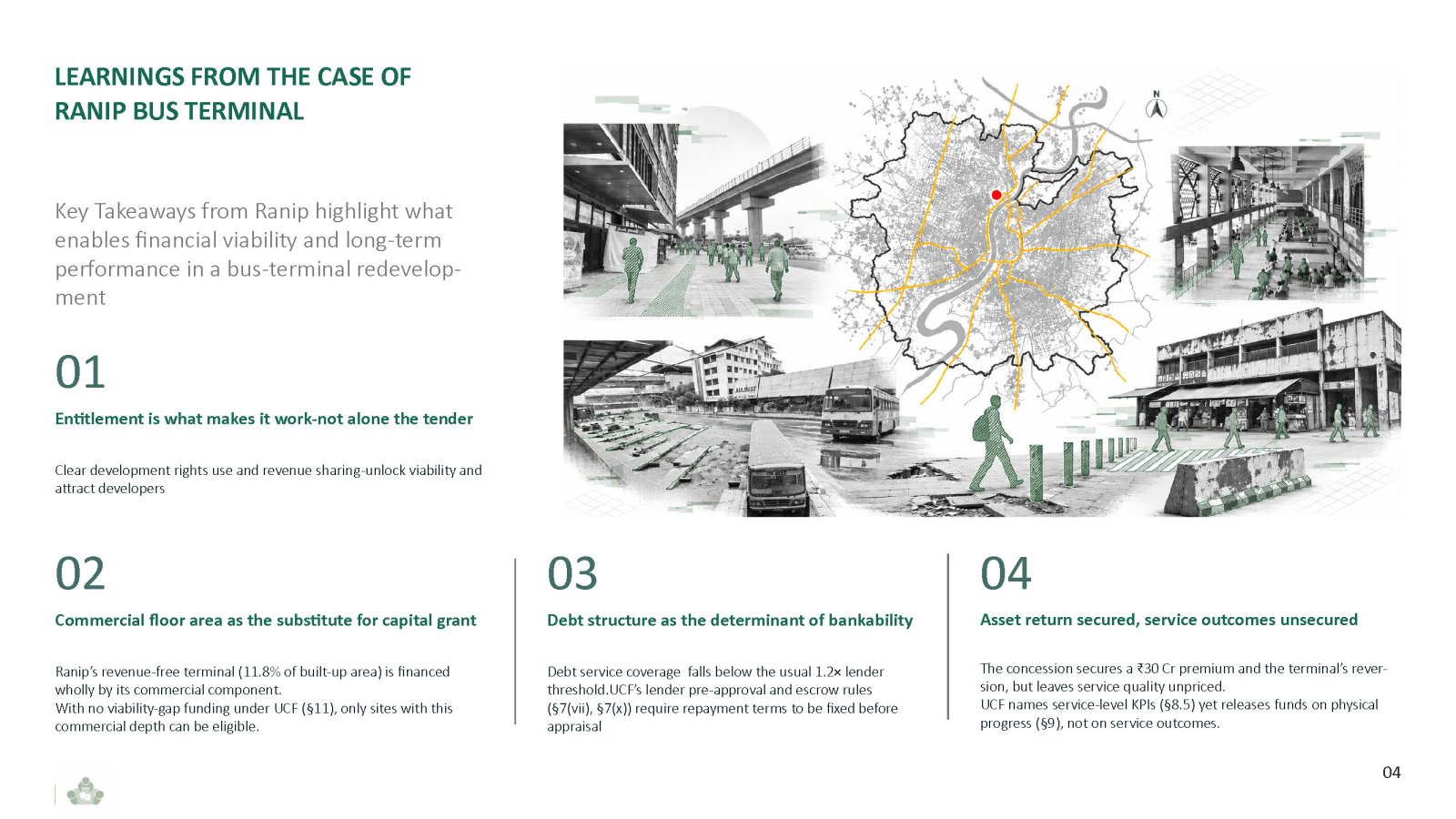
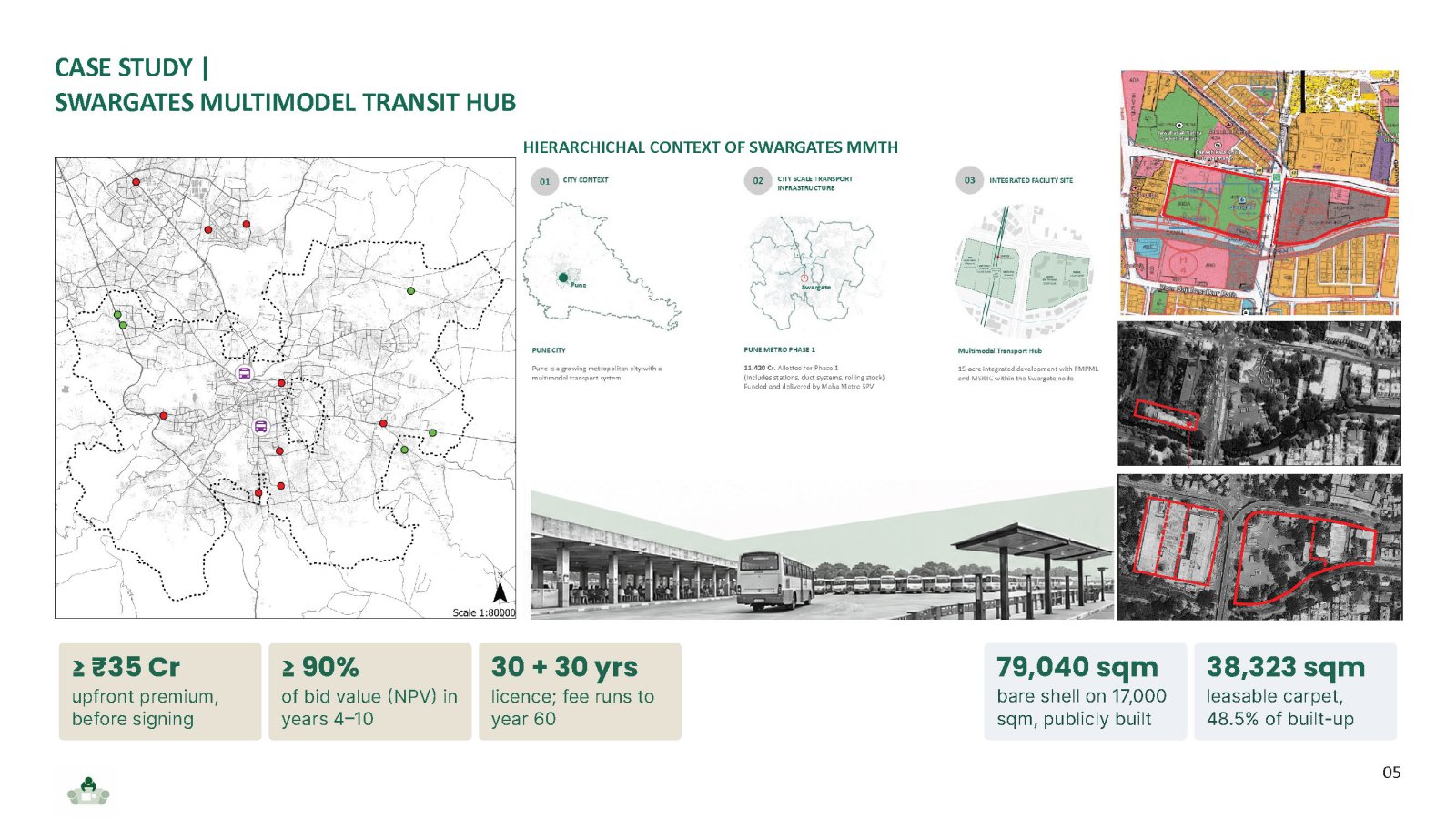
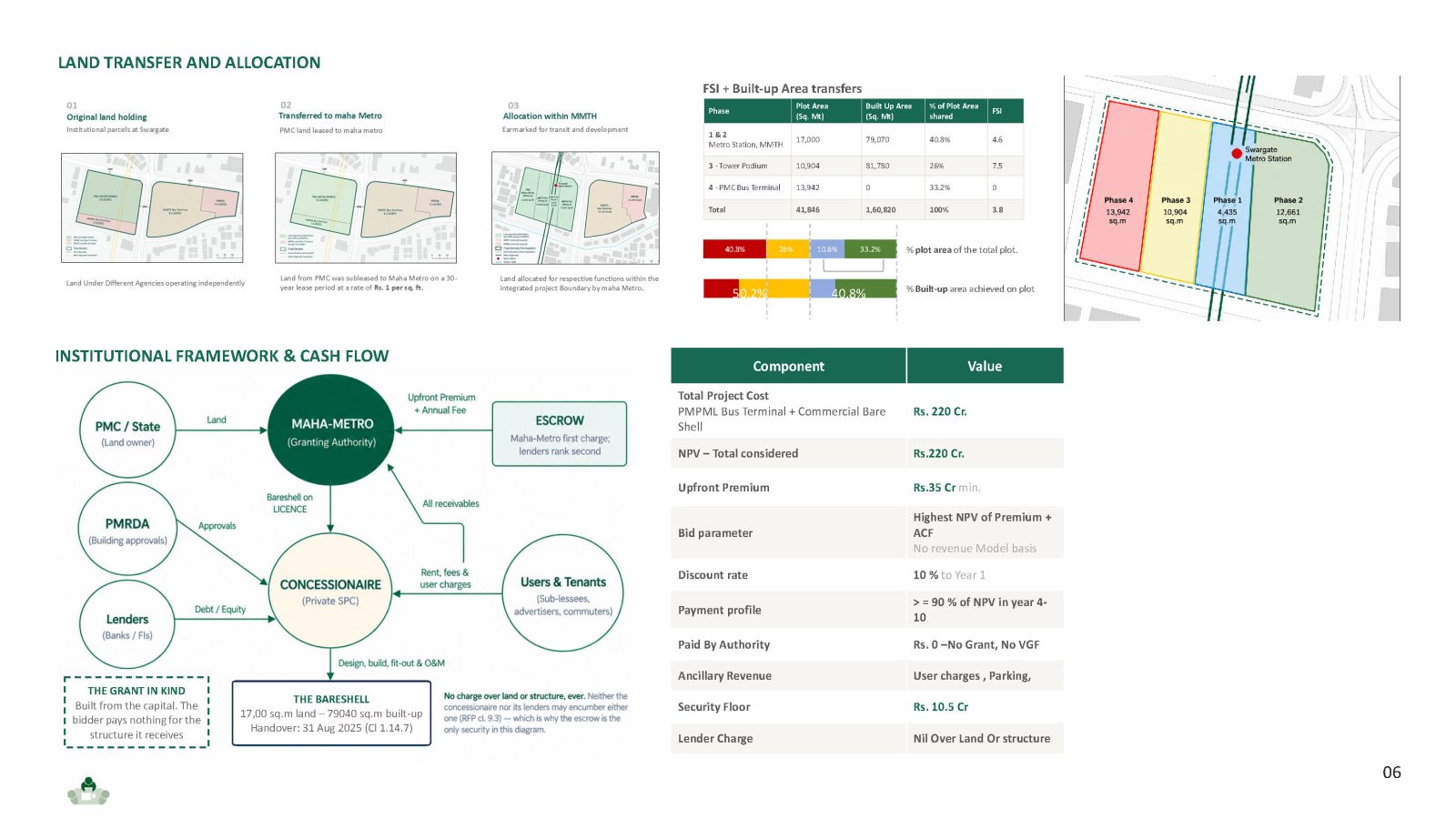
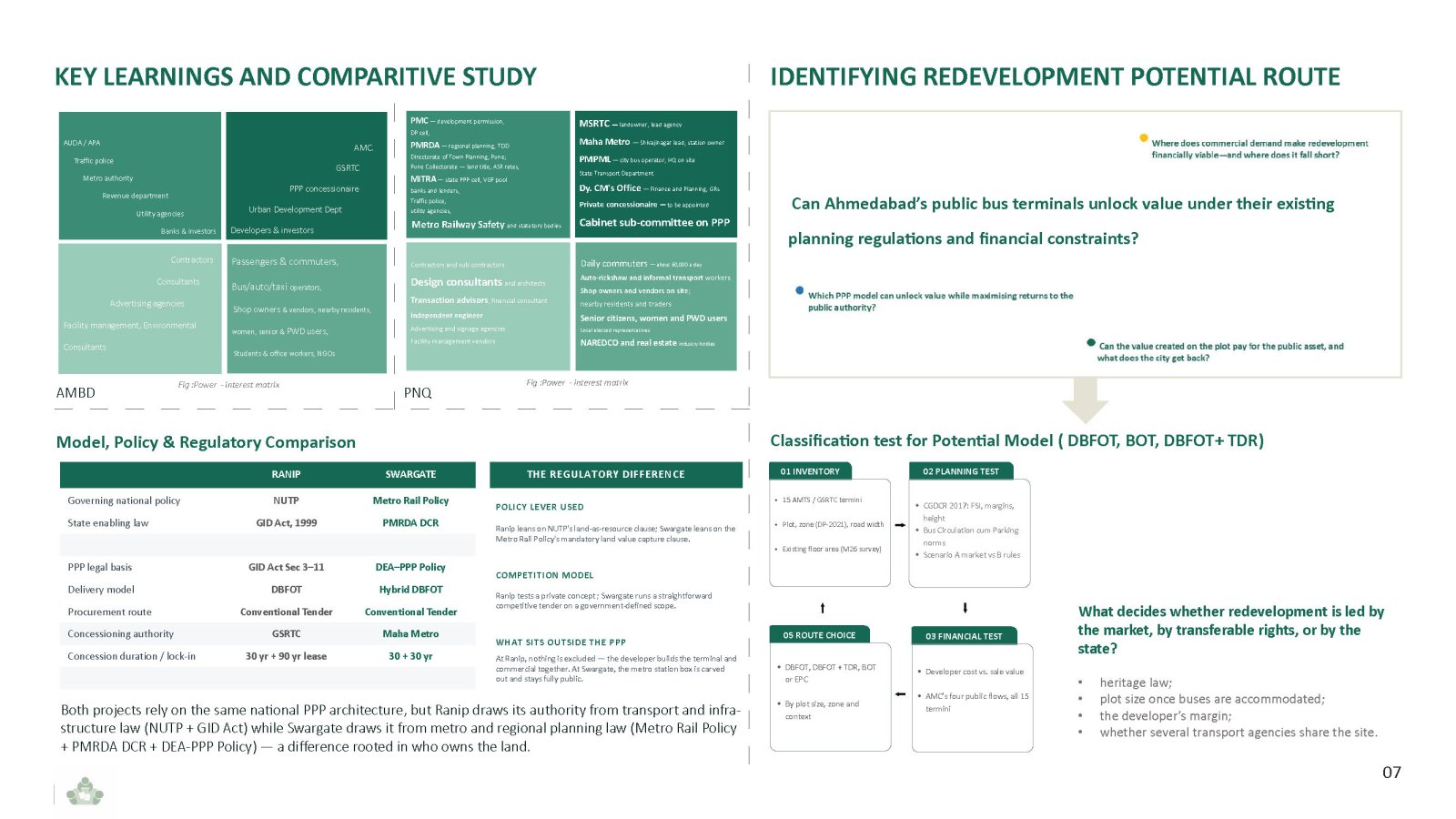
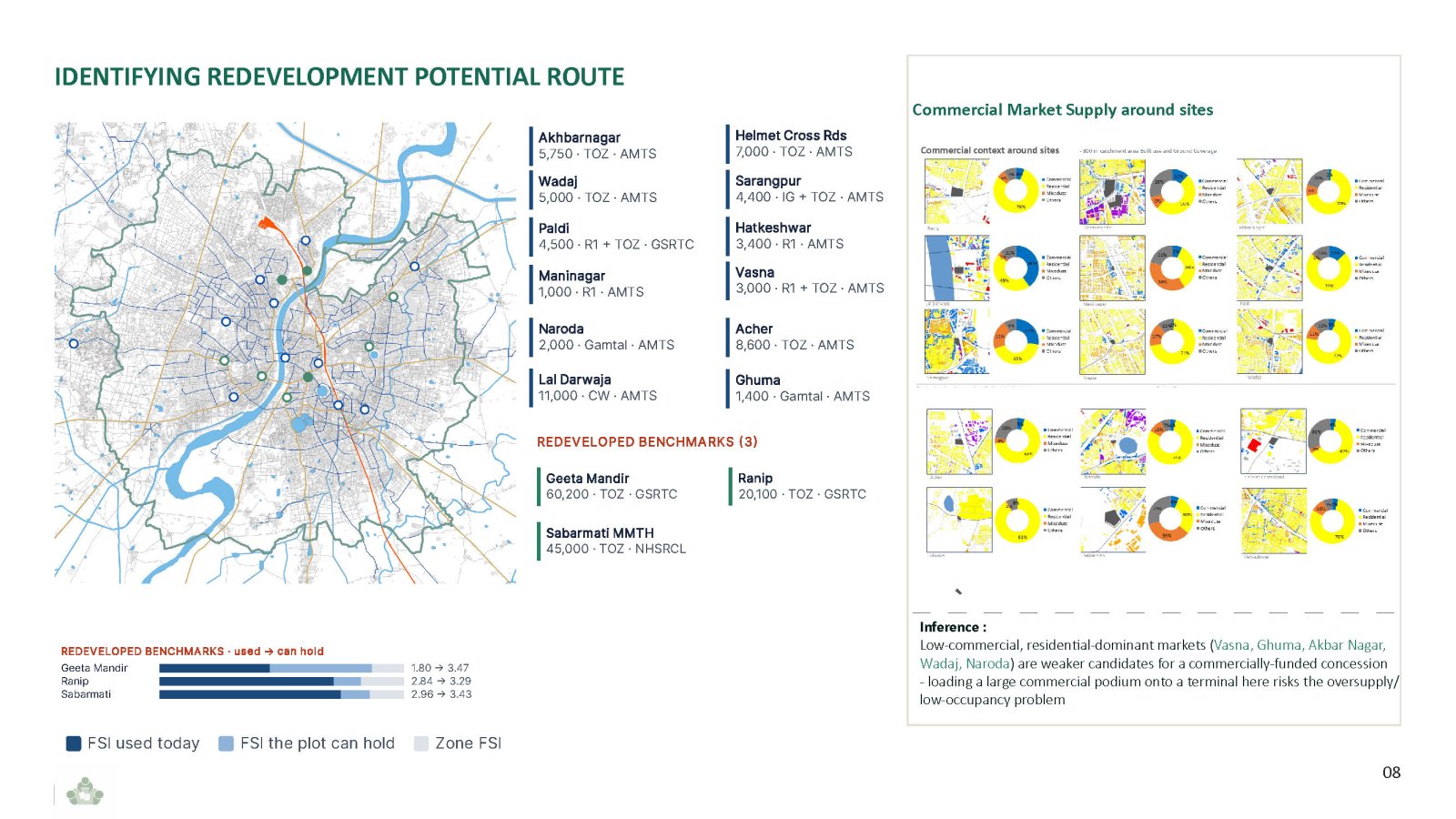
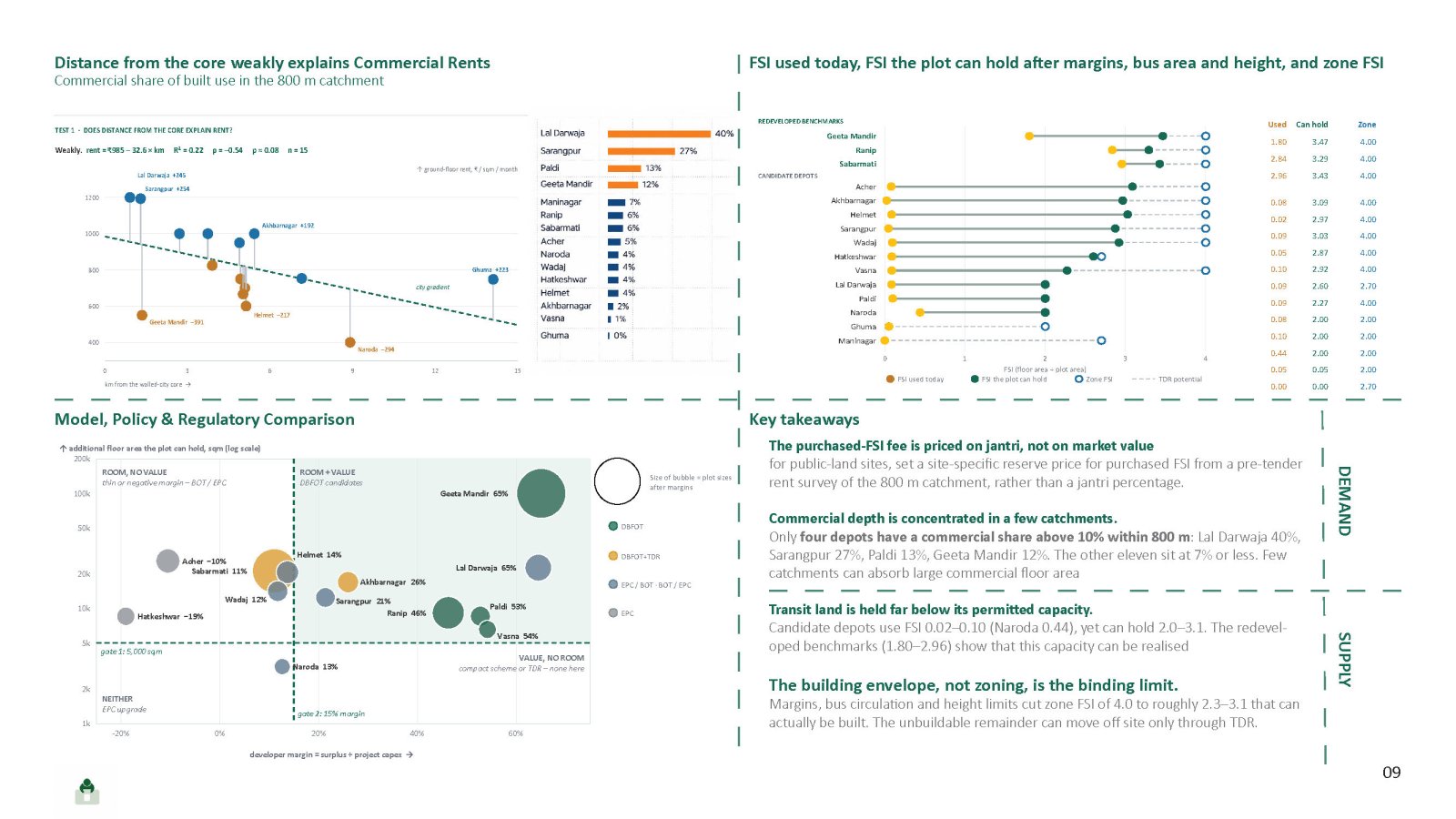
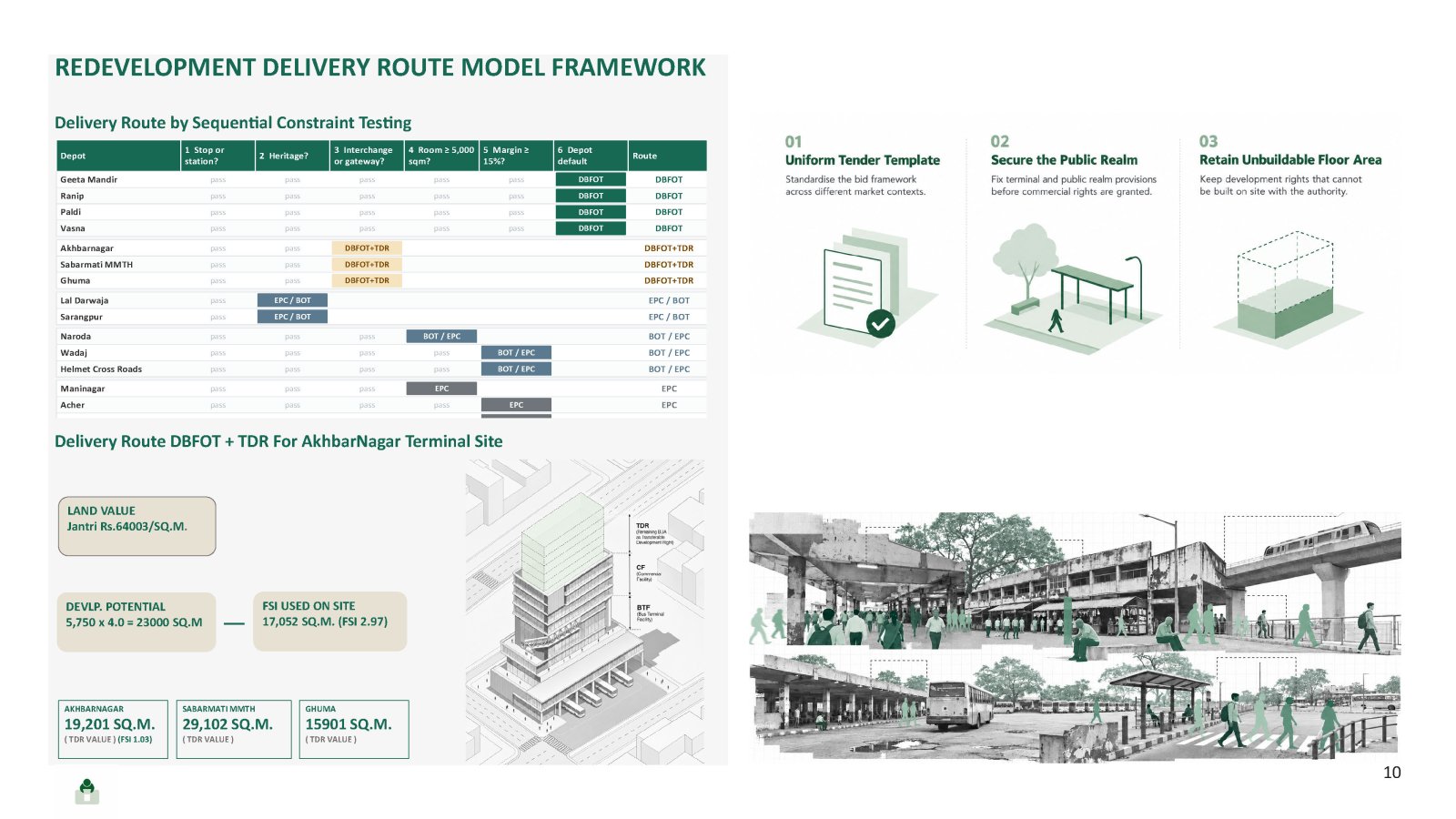
Most Indian cities are under growing pressure to renew their ageing public infrastructure, but the agencies that own it rarely have the capital to rebuild. Bus terminals show the problem clearly. They occupy large, well-connected public plots, yet many remain single-use, congested and costly to maintain, while their permitted development rights go unused. In this context, this studio explores creative redevelopment as a way of renewing public assets by drawing on the commercial value of the land they occupy, rather than relying on public budgets alone. In this studio, the students examined bus terminal redevelopment through cases in Ahmedabad and Pune. Starting from the Ranip and Amreli concessions under GSRTC's DBFOT model and the Swargate multimodal hub in Pune, studied how concession agreements, land transfers and payment structures shape the viability of a project and the public return from it. Drawing on these lessons, they tested 15 bus terminals in Ahmedabad for development capacity under CGDCR 2017, commercial demand within their catchments and financial feasibility. They then assigned each site a suitable delivery route: DBFOT, DBFOT with TDR, BOT or EPC. The work concludes with planning and contract reforms aimed at securing service quality and the public realm alongside the financial return to public authorities