• Home
  • FP
  • UR3017
  • AVIRAL - Navigating Through the Sacred Urban Fabric

Mehta Kriya Alpesh

UR3017

AVIRAL - Navigating Through the Sacred Urban Fabric

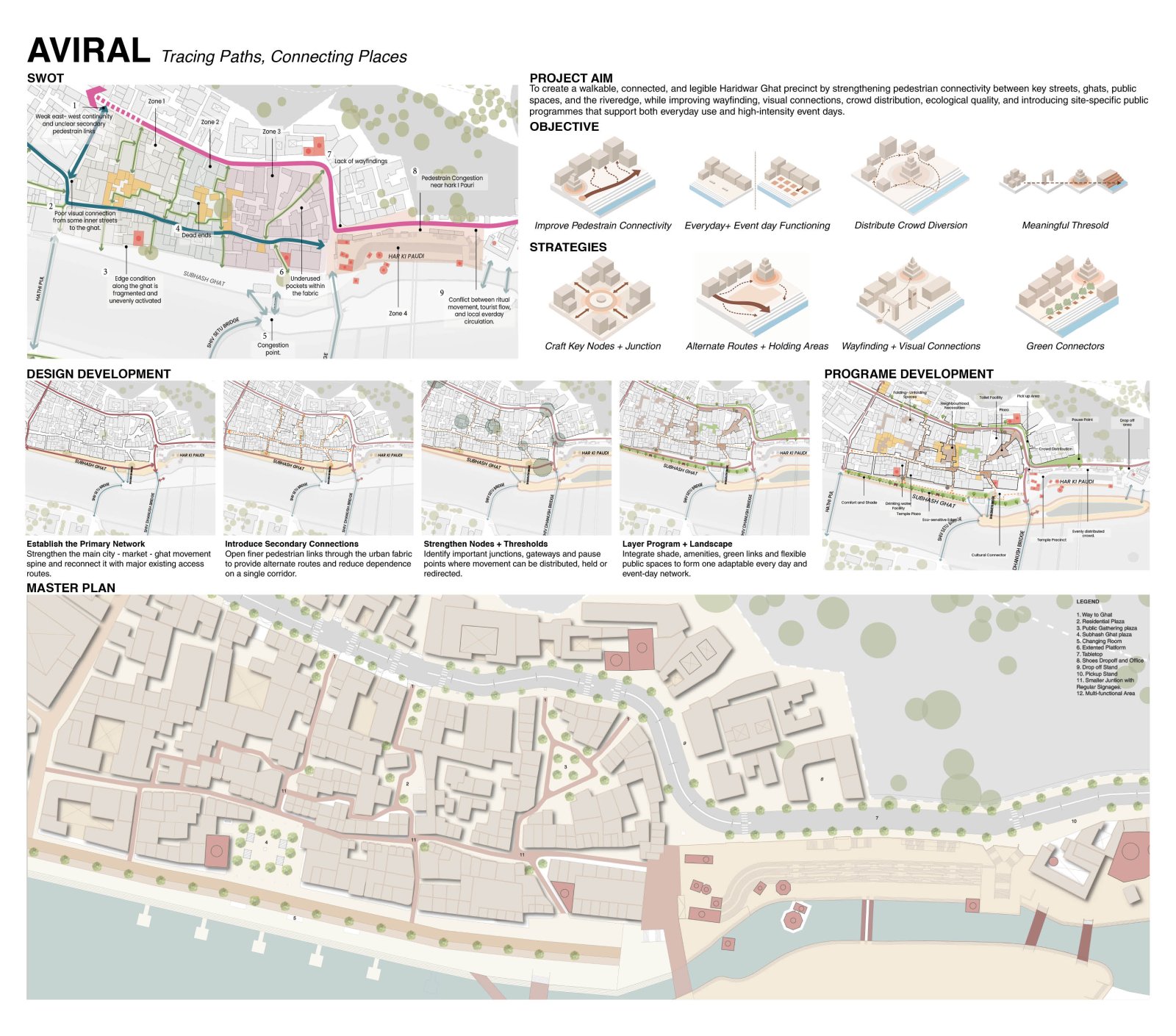
Aviral is an urban design proposal for Har Ki Pauri, Haridwar, that explores the relationship between sacred spaces, pedestrian movement, and the everyday public life of a historic pilgrimage city. Rooted in the concept of “Flow and Pause,” the project envisions an interconnected network of streets, temple precincts, public plazas, and riverfront ghats that balances continuous movement with moments of rest, ritual, and gathering. Responding to the contrasting rhythms of everyday activity and the intense influx of pilgrims during religious events such as Kumbh Mela, Aviral reimagines the historic precinct as a walkable, accessible, and adaptable public realm. Through improved pedestrian connectivity, alternative movement routes, revitalized public spaces, and context-sensitive interventions, the proposal enhances the relationship between the city and the River Ganga, creating a cohesive urban experience that accommodates changing patterns of use while preserving Haridwar's cultural and spiritual identity.

View Additional Work
Report Content

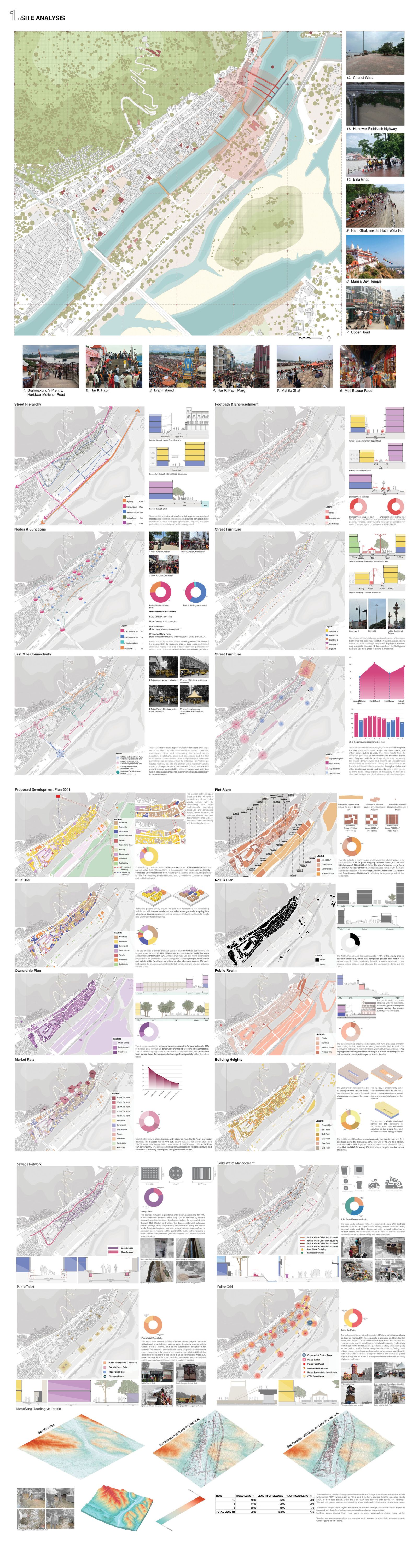
A comprehensive spatial analysis of Haridwar, examining its urban structure, connectivity, built fabric, public spaces, and riverfront conditions to identify opportunities for intervention.

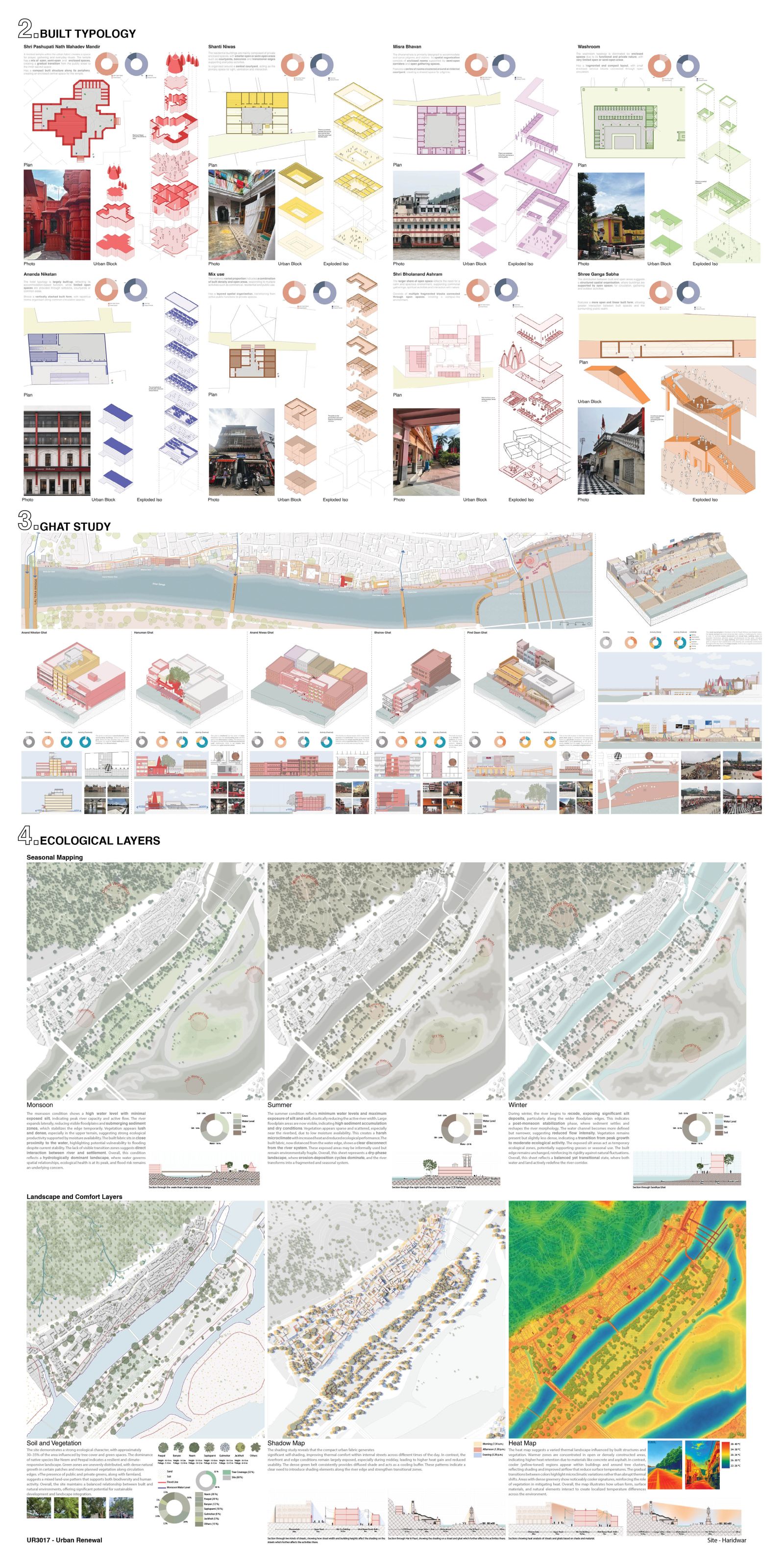
An exploration of Haridwar’s architectural typologies, ghat morphology, and seasonal ecological systems, revealing the relationship between built heritage, public life, and the river.

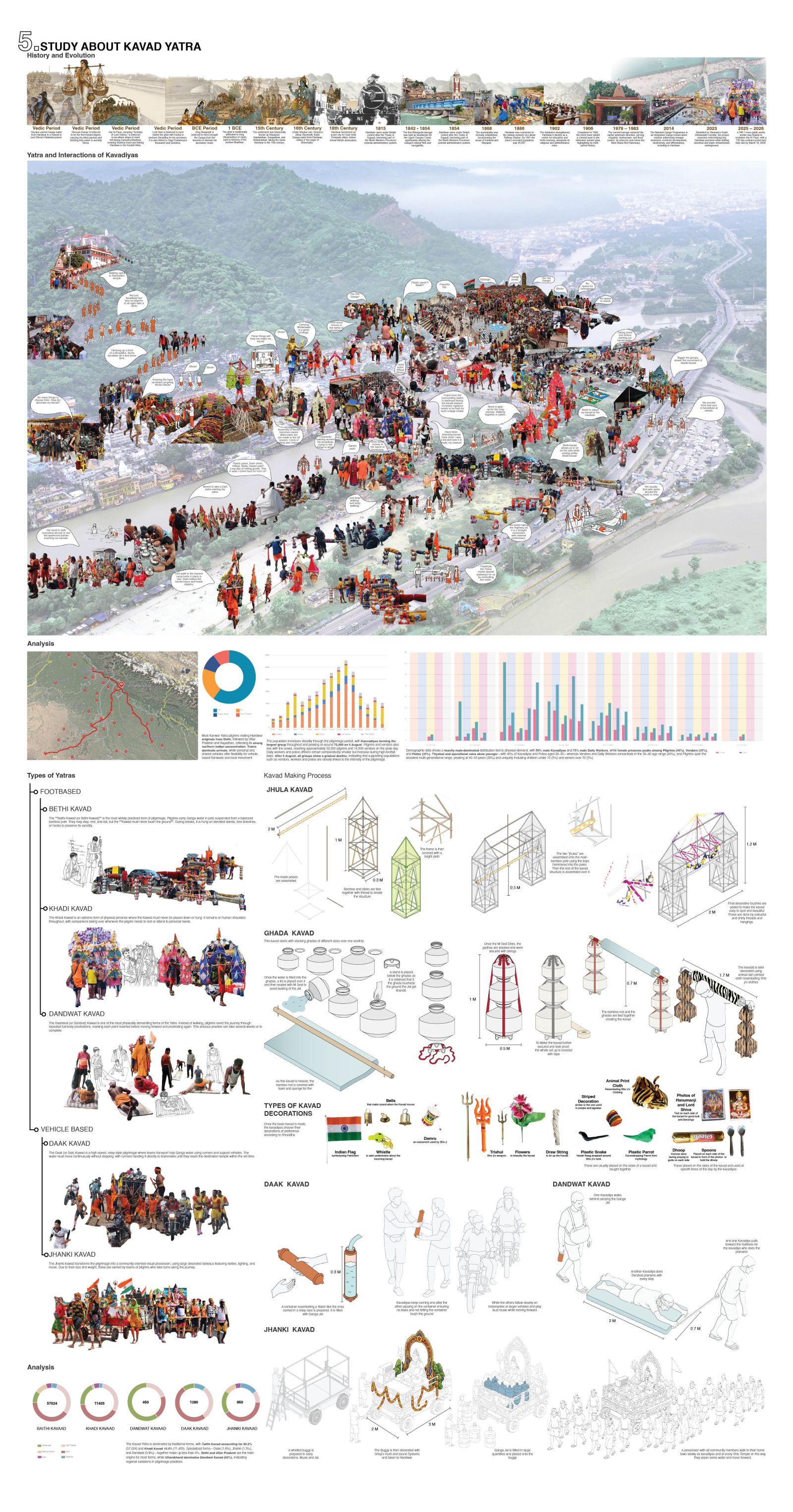
Mapping the cultural significance, movement patterns, rituals, and spatial requirements of the Kavad Yatra to understand how temporary religious activities transform the city.

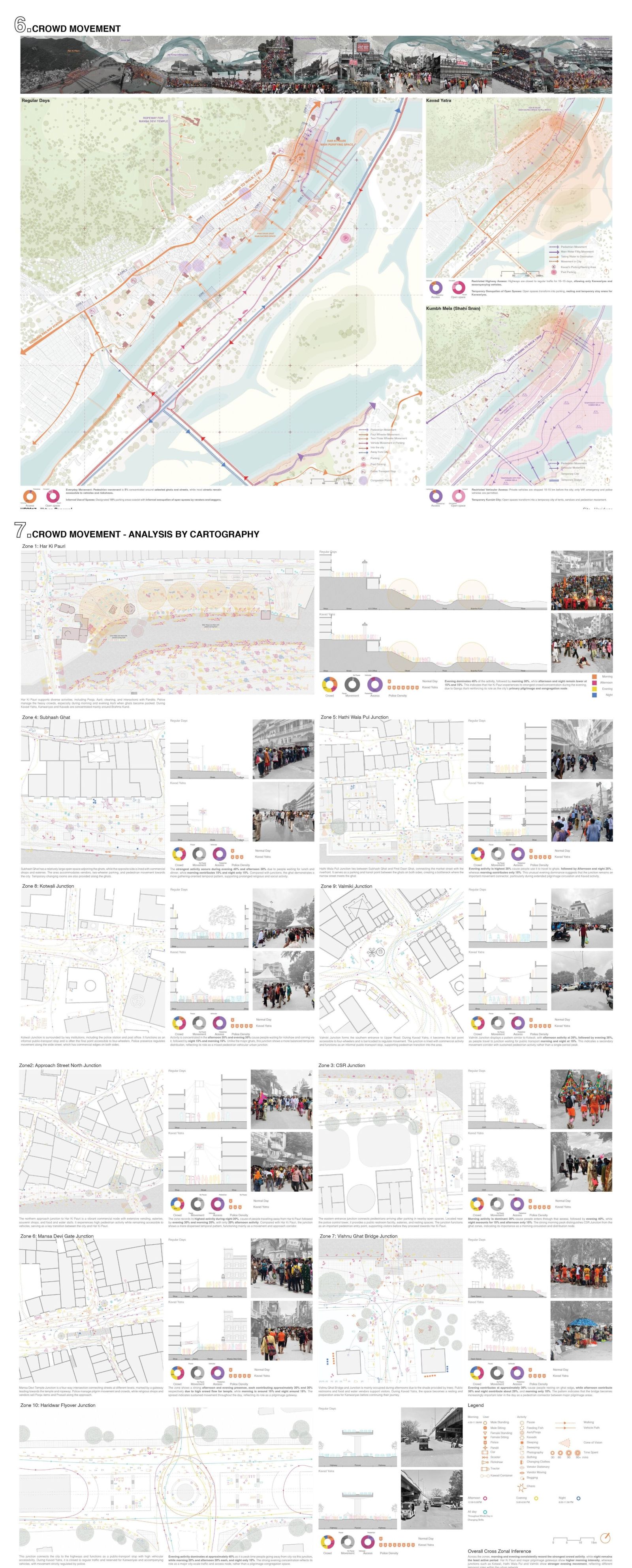
A comprehensive analysis of pedestrian movement during regular days, Kavad Yatra, and Kumbh Mela, mapping crowd densities, circulation patterns, congestion points, and spatial conflicts across key streets, junctions, and ghats.

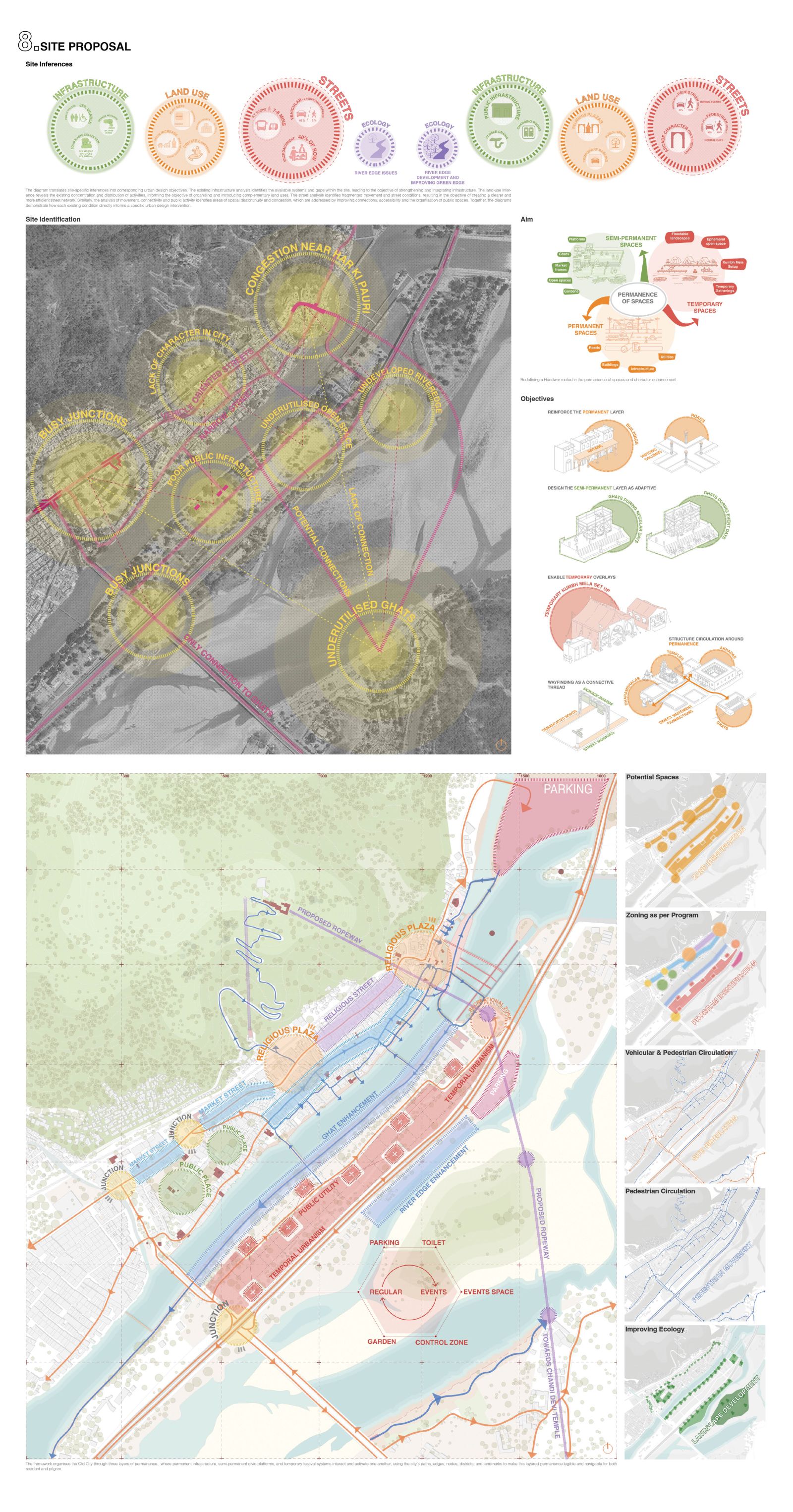
A strategic urban framework integrating permanent, semi-permanent, and temporary spaces through improved pedestrian connectivity, public infrastructure, ecological restoration, and adaptable interventions to accommodate everyday activities and large-scale religious gatherings.

Mapping the cultural significance, movement patterns, rituals, and spatial requirements of the Kavad Yatra to understand how temporary religious activities transform the city.

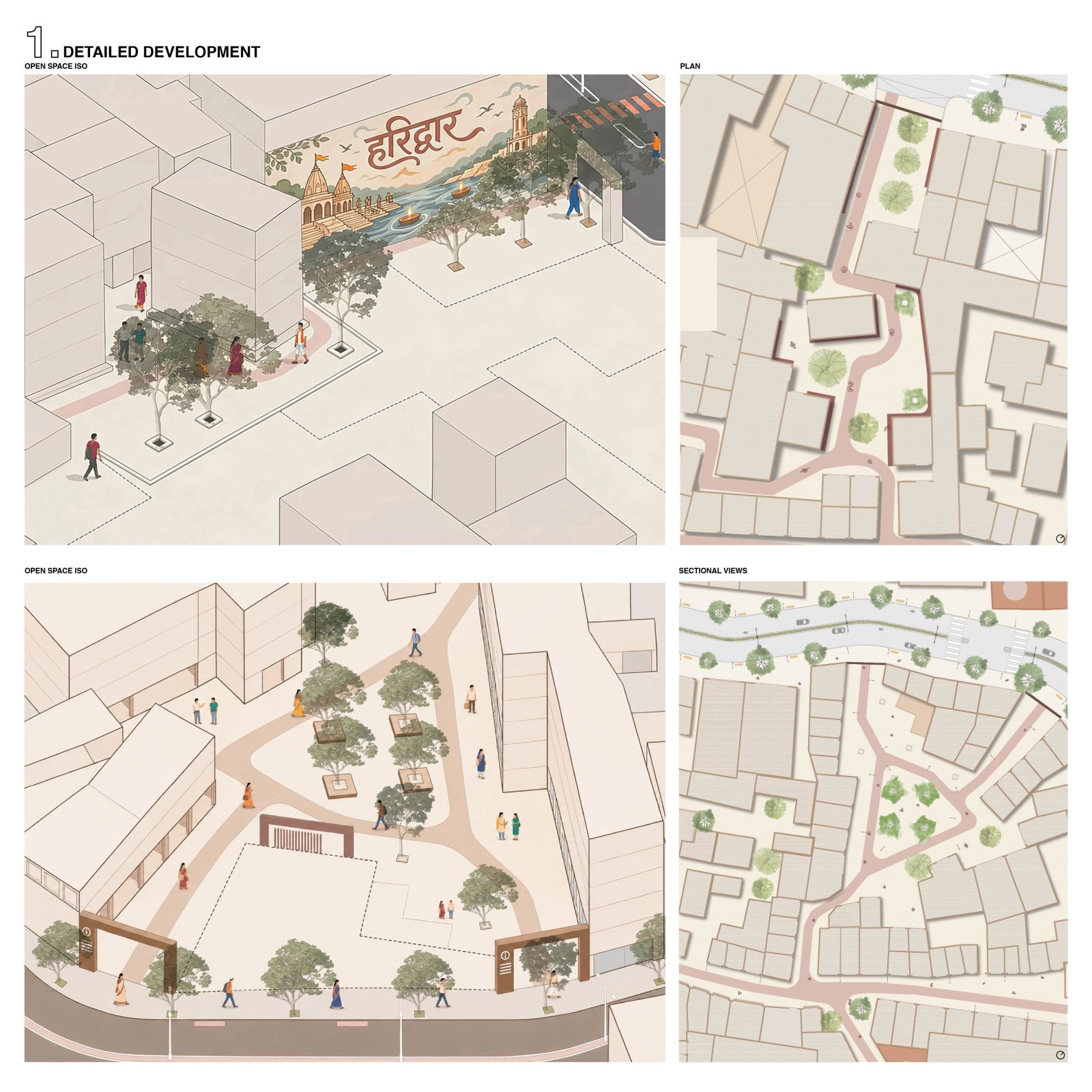
Transforming fragmented open spaces into connected public environments through pedestrian pathways, shaded gathering areas, integrated seating, and improved neighbourhood accessibility.

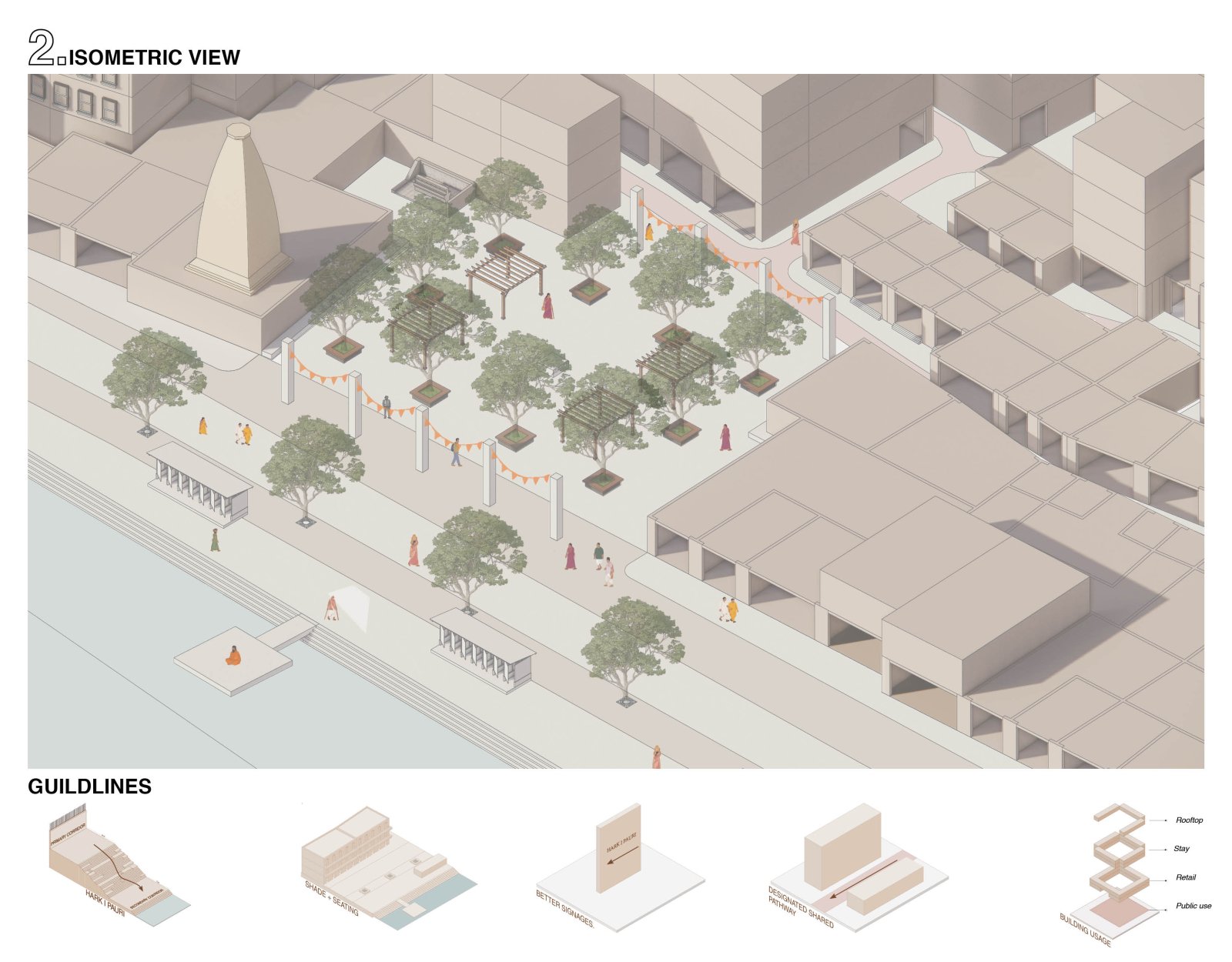
Reimagining the temple precinct as a flexible public realm that integrates shaded pauses, pedestrian movement, ritual activities, and meaningful connections to the Ganga riverfront.

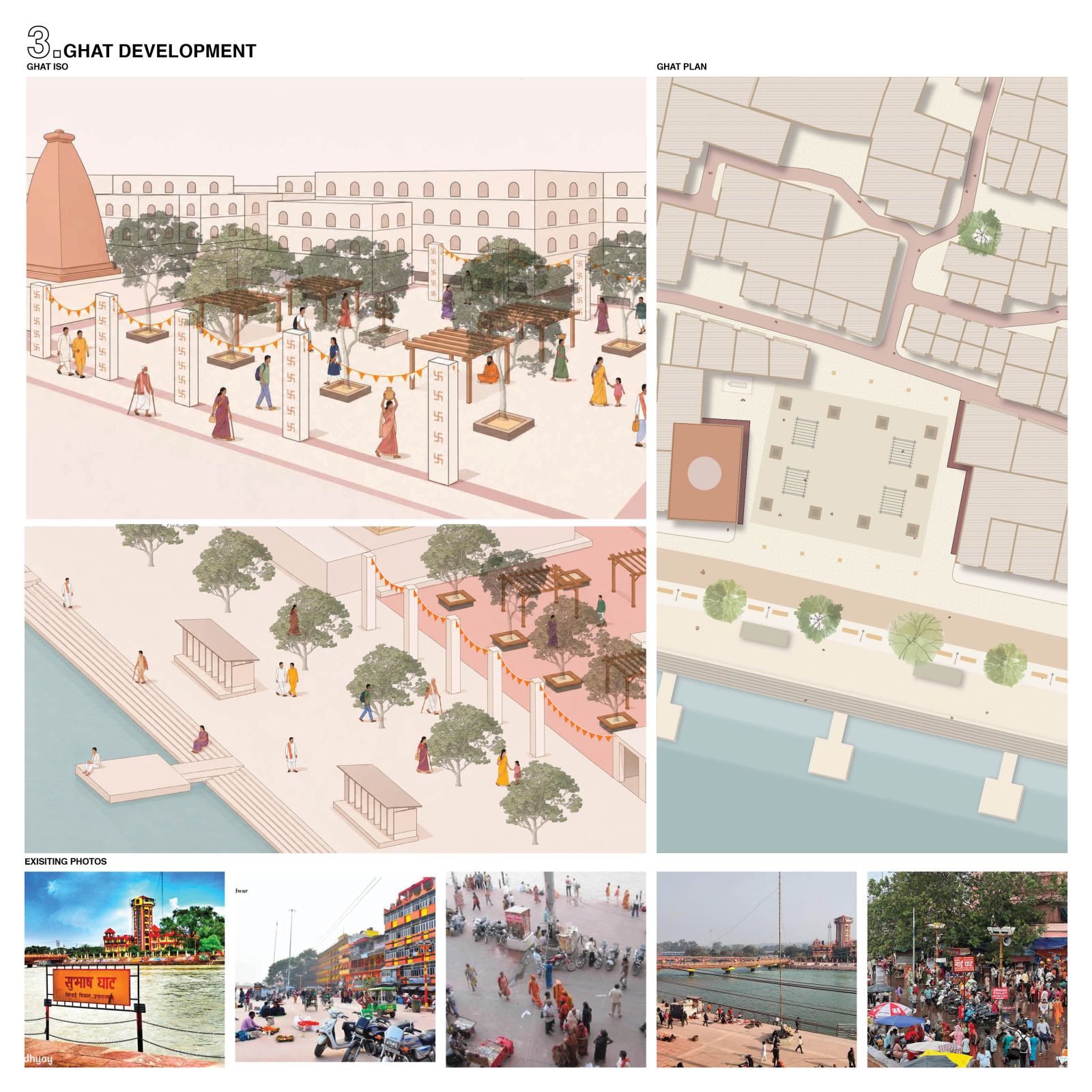
Revitalising Subhash Ghat through organised pedestrian circulation, shaded resting spaces, ritual infrastructure, and accessible riverfront edges while preserving its cultural identity.