Your browser is out-of-date!
For a richer surfing experience on our website, please update your browser. Update my browser now!
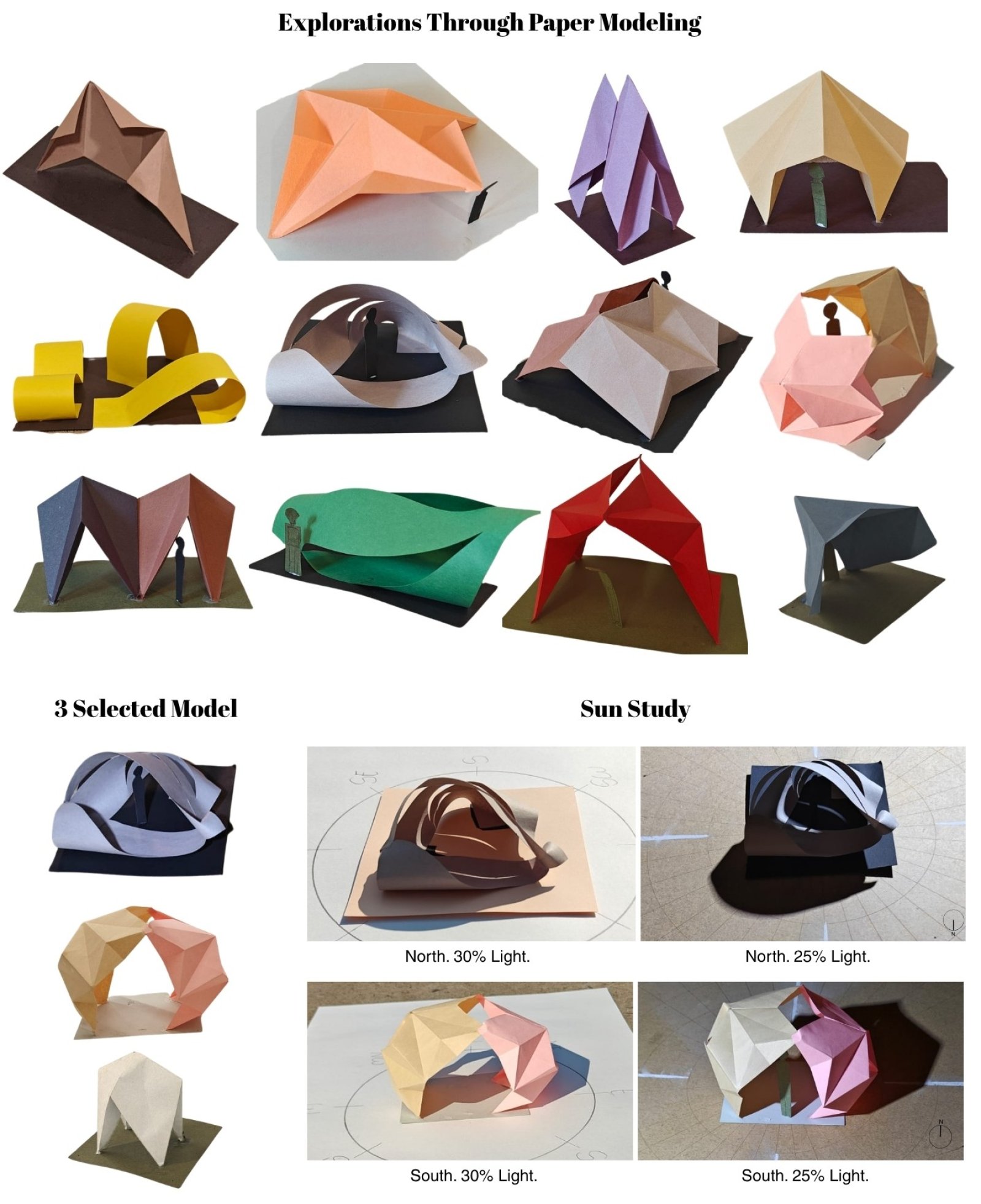
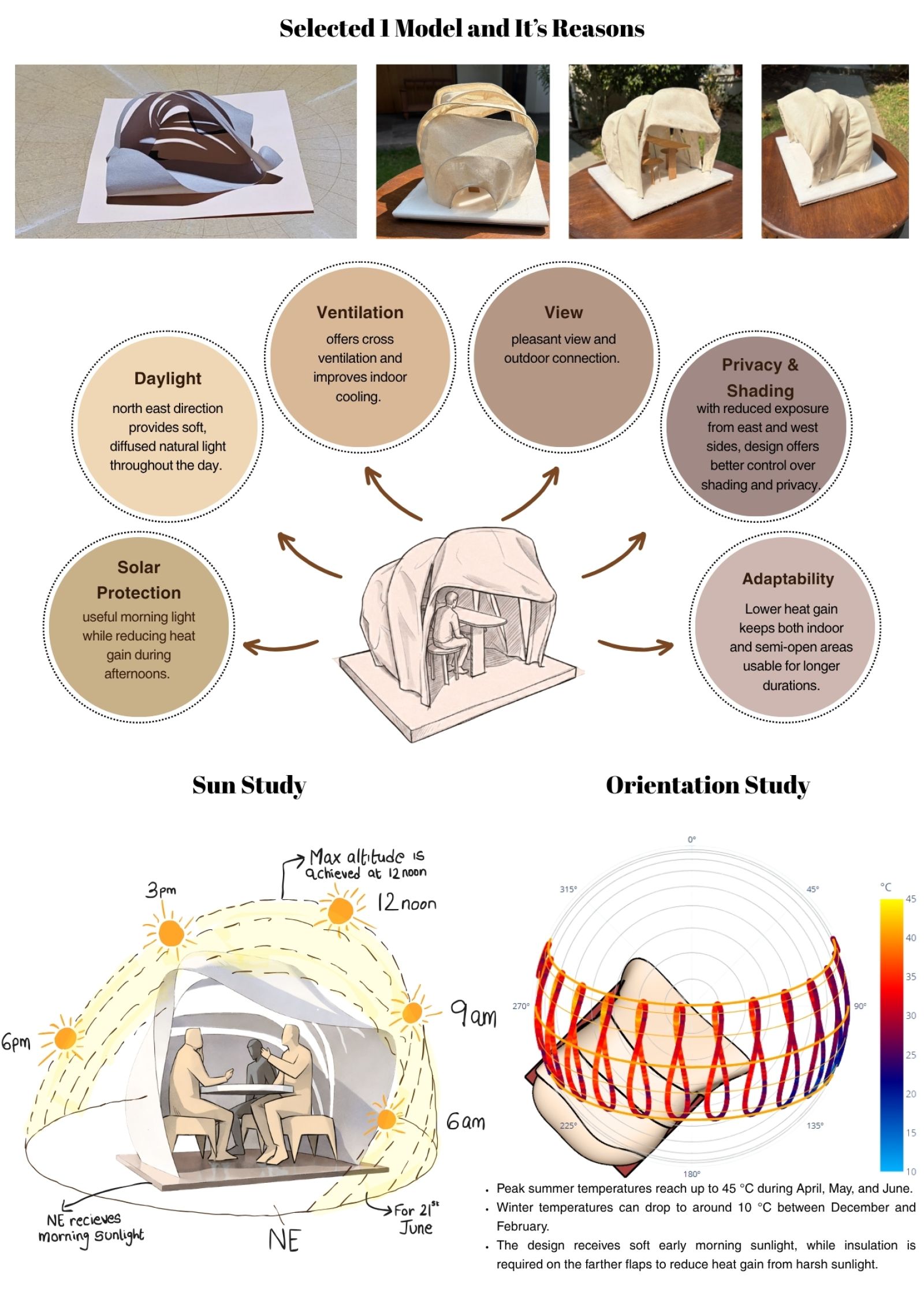
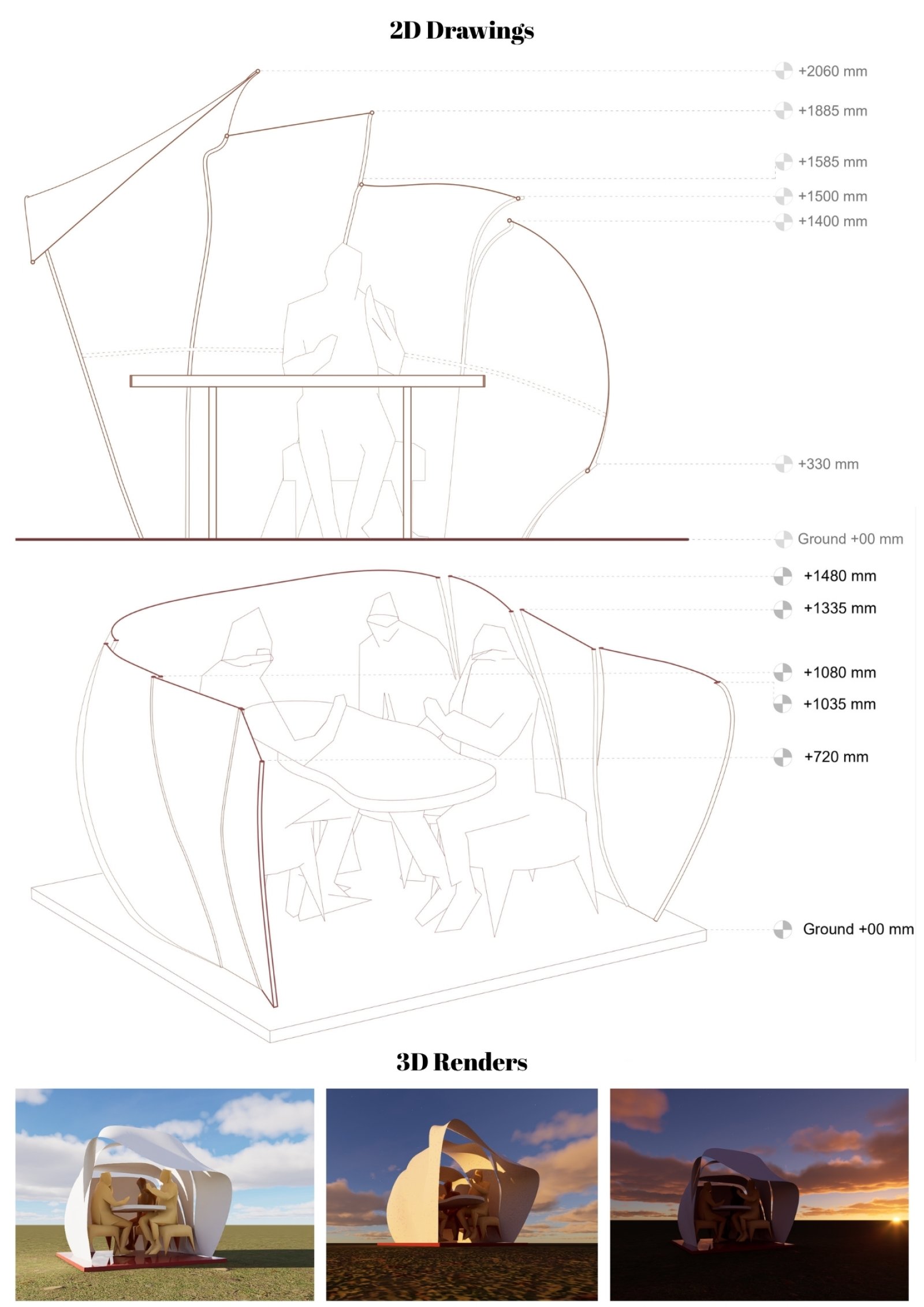
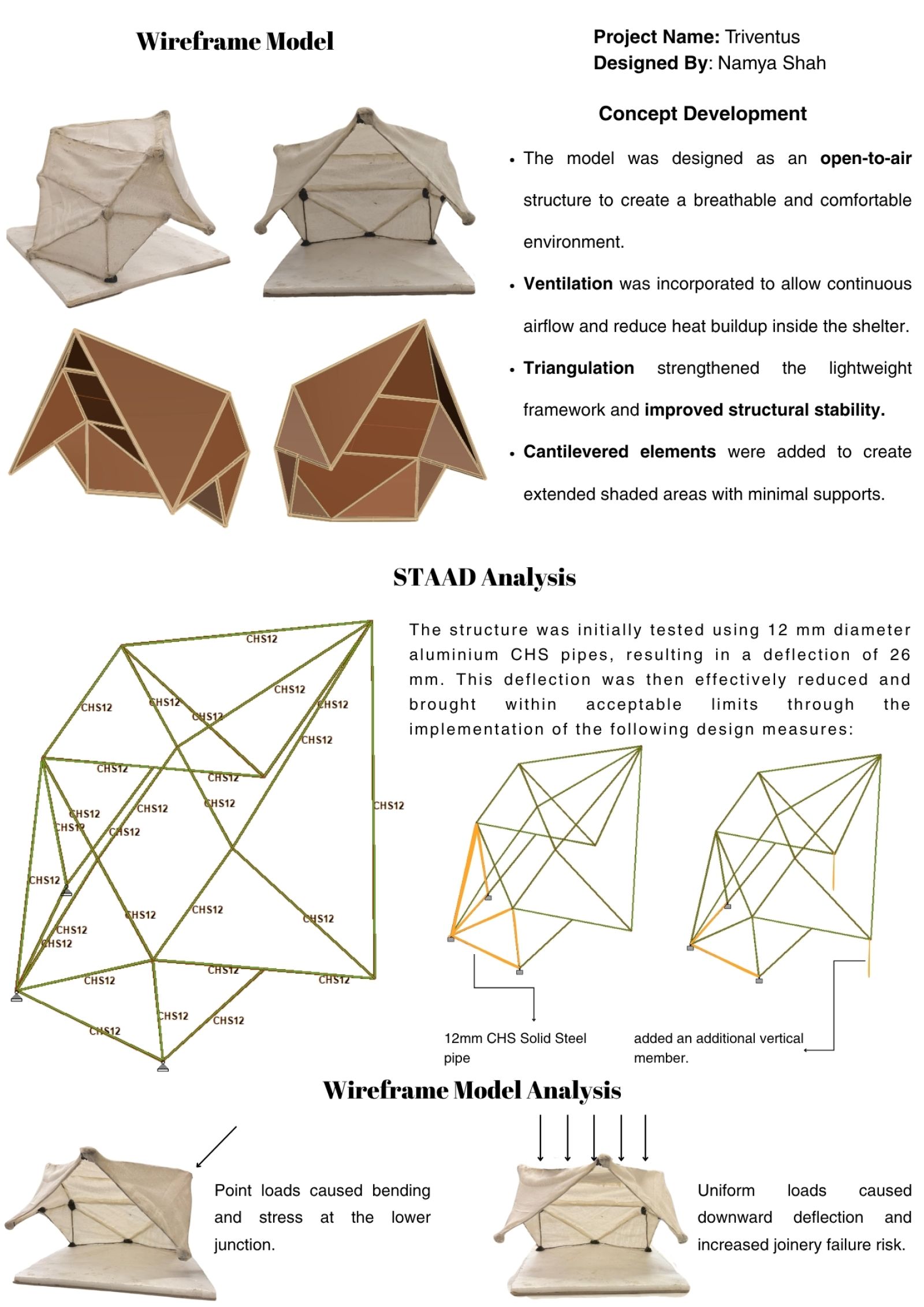
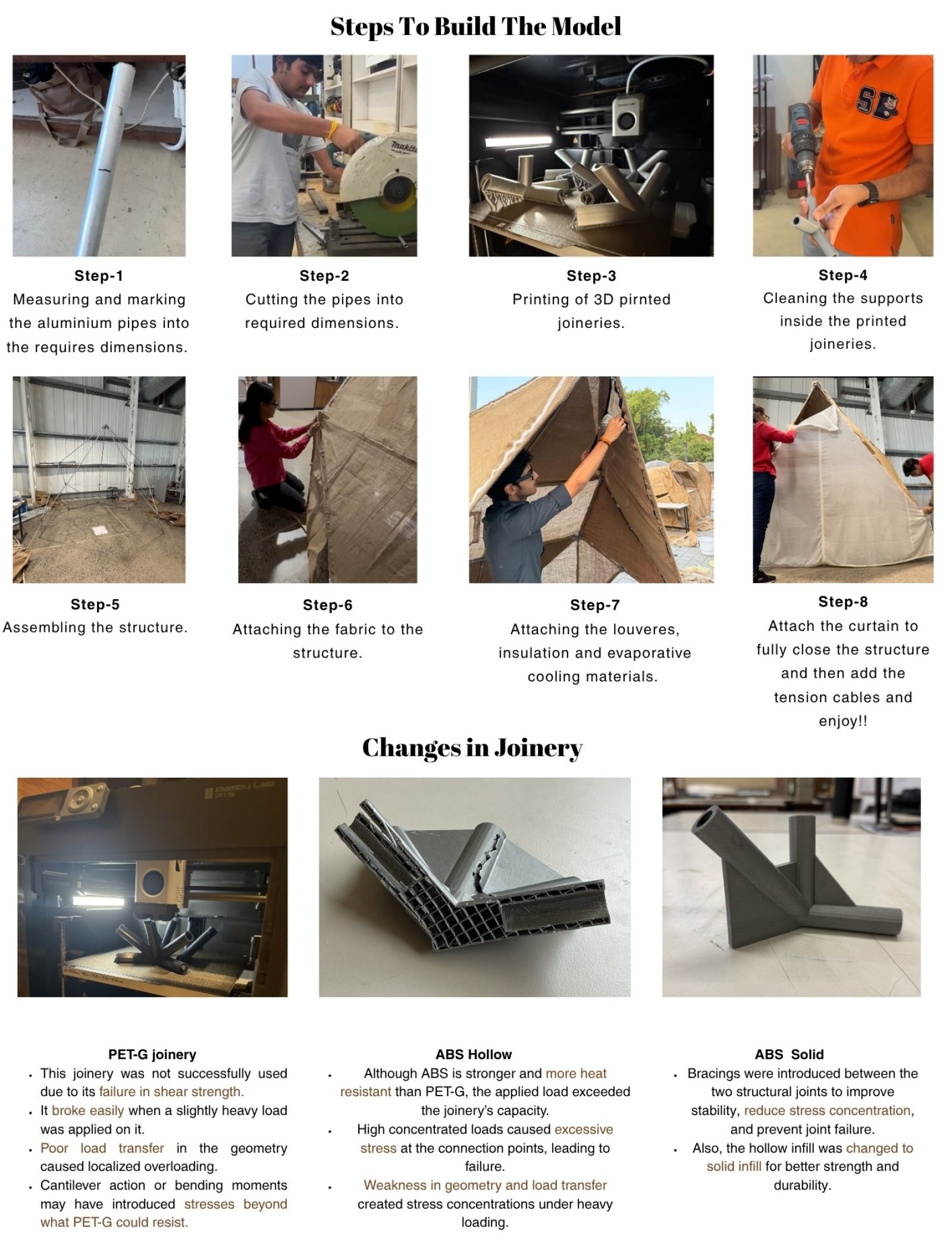
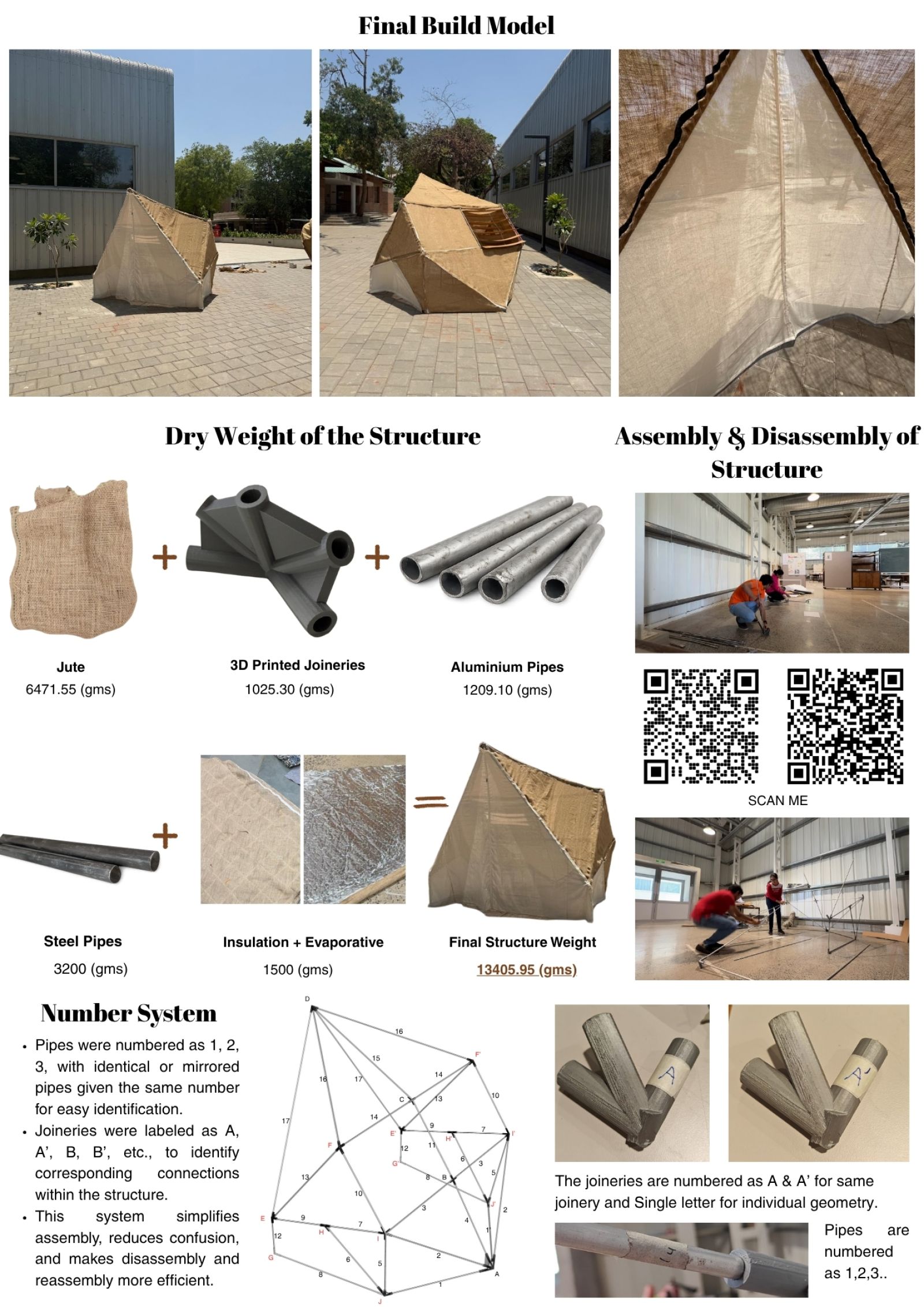
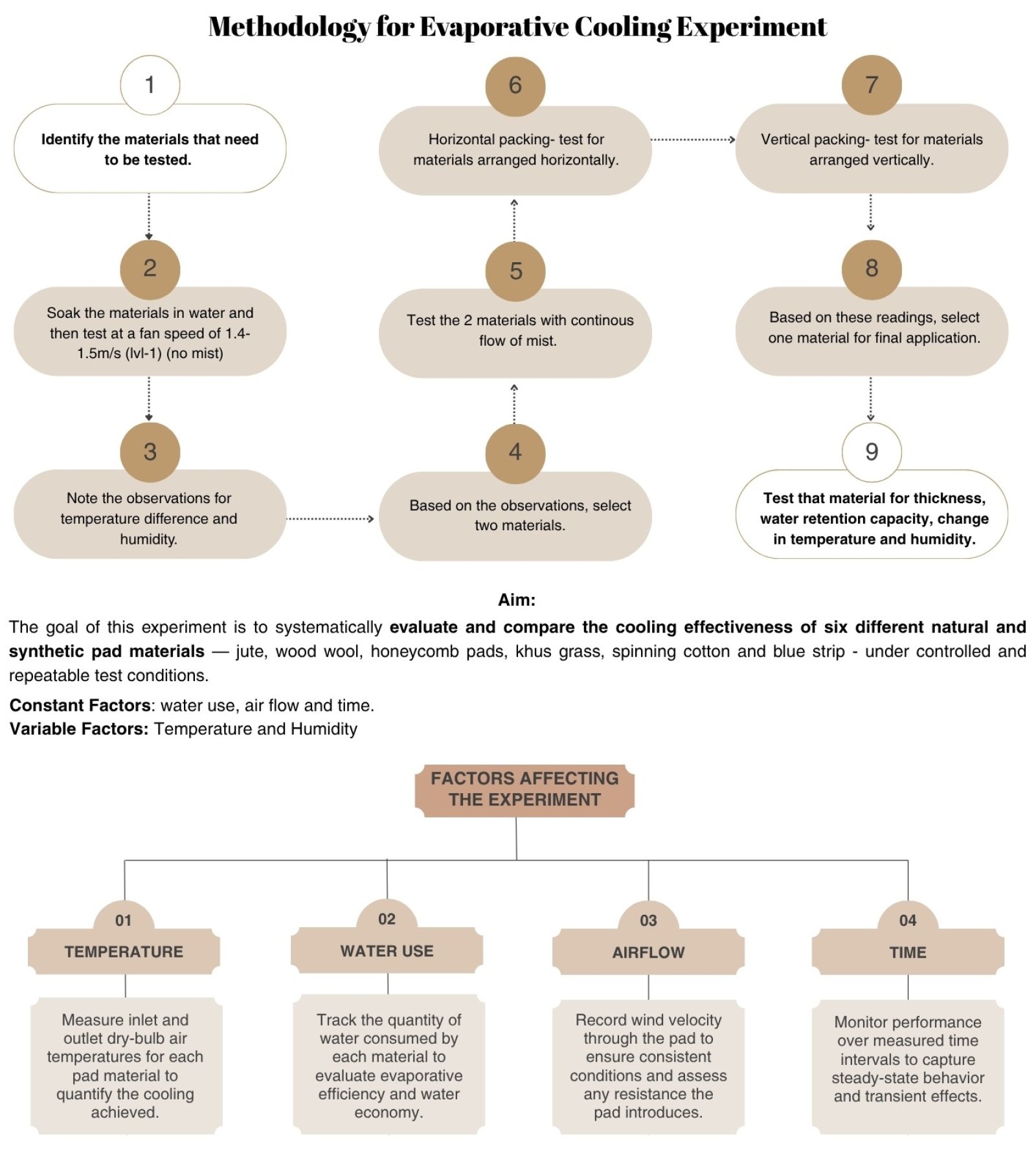
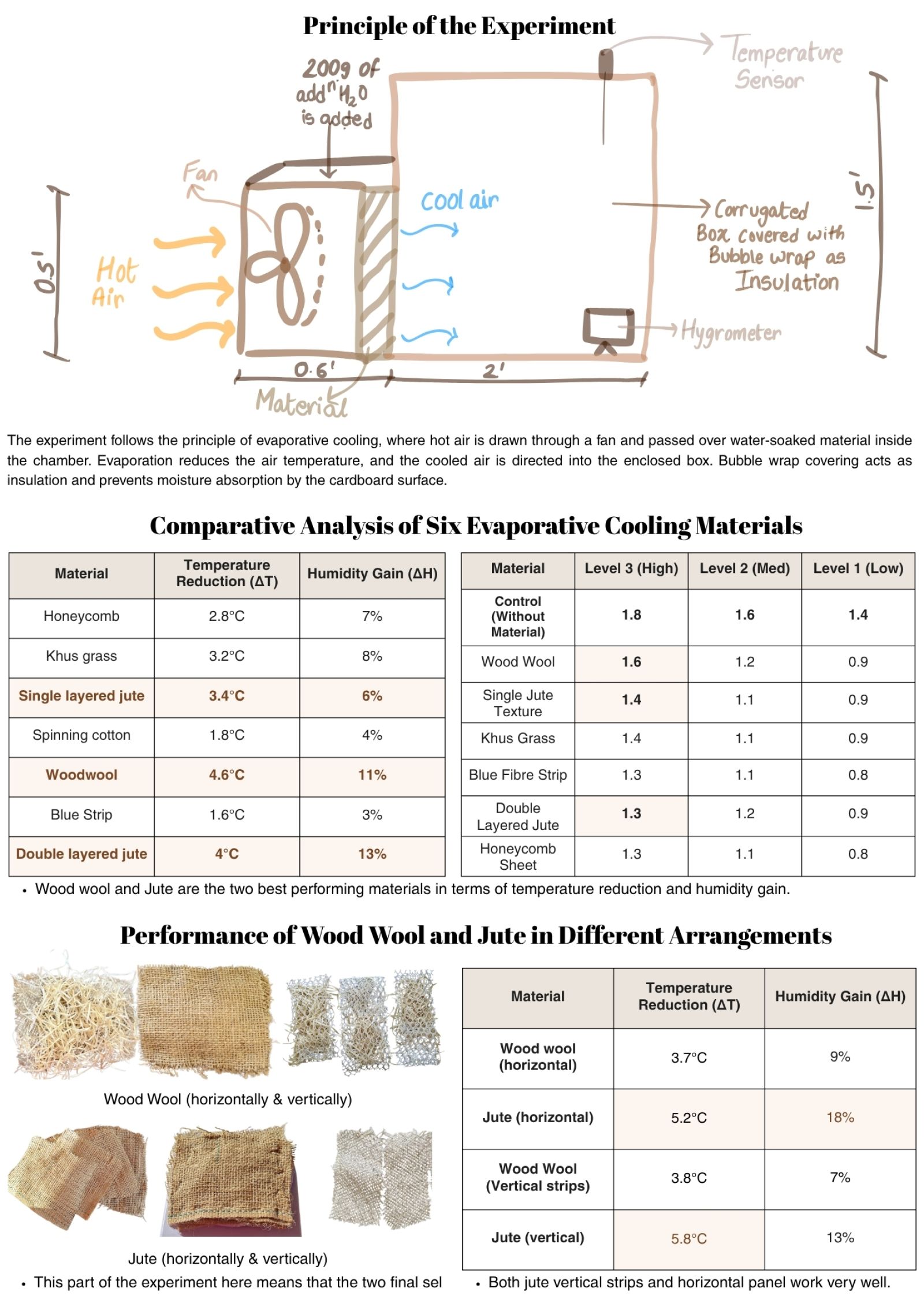
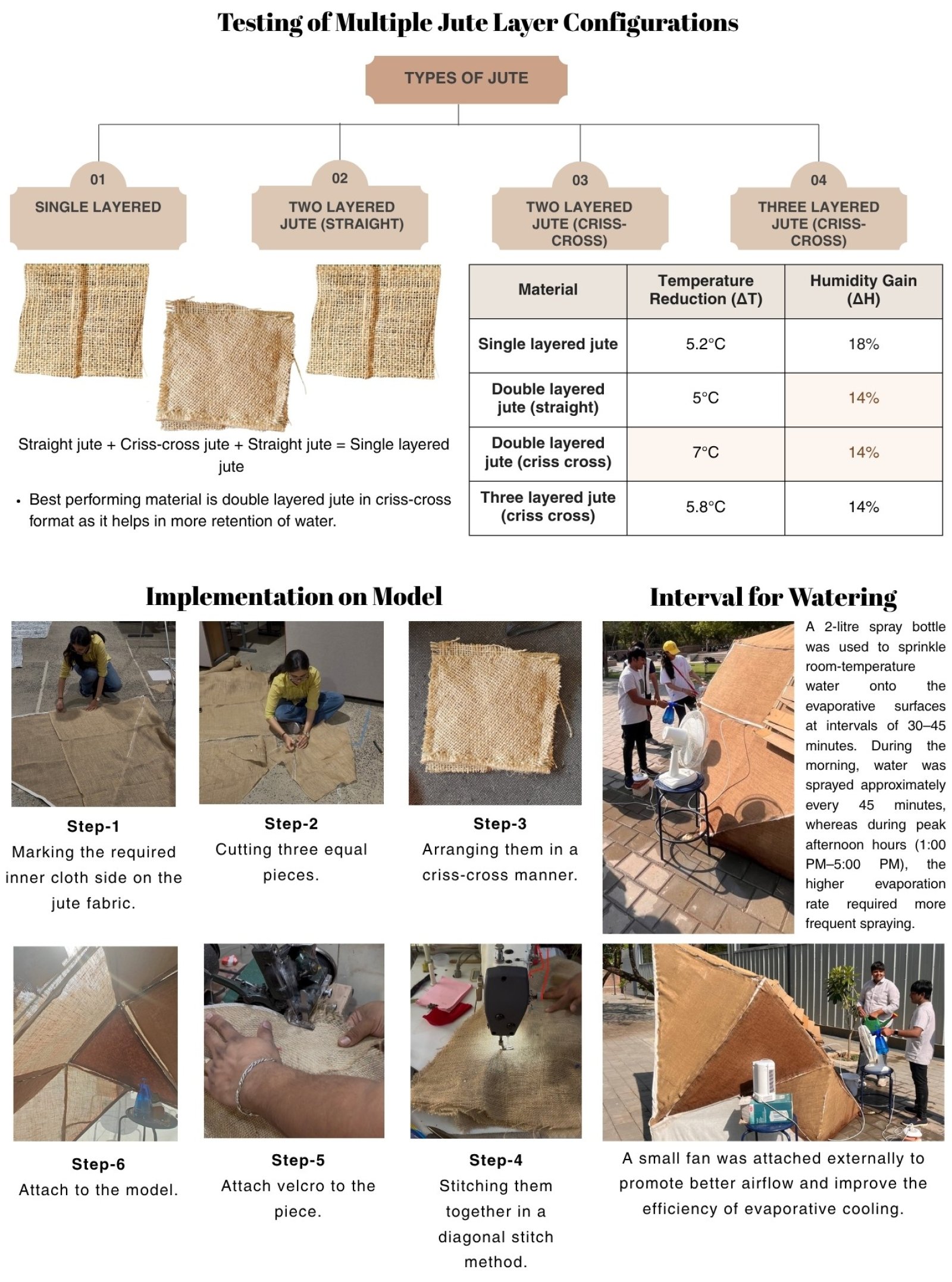
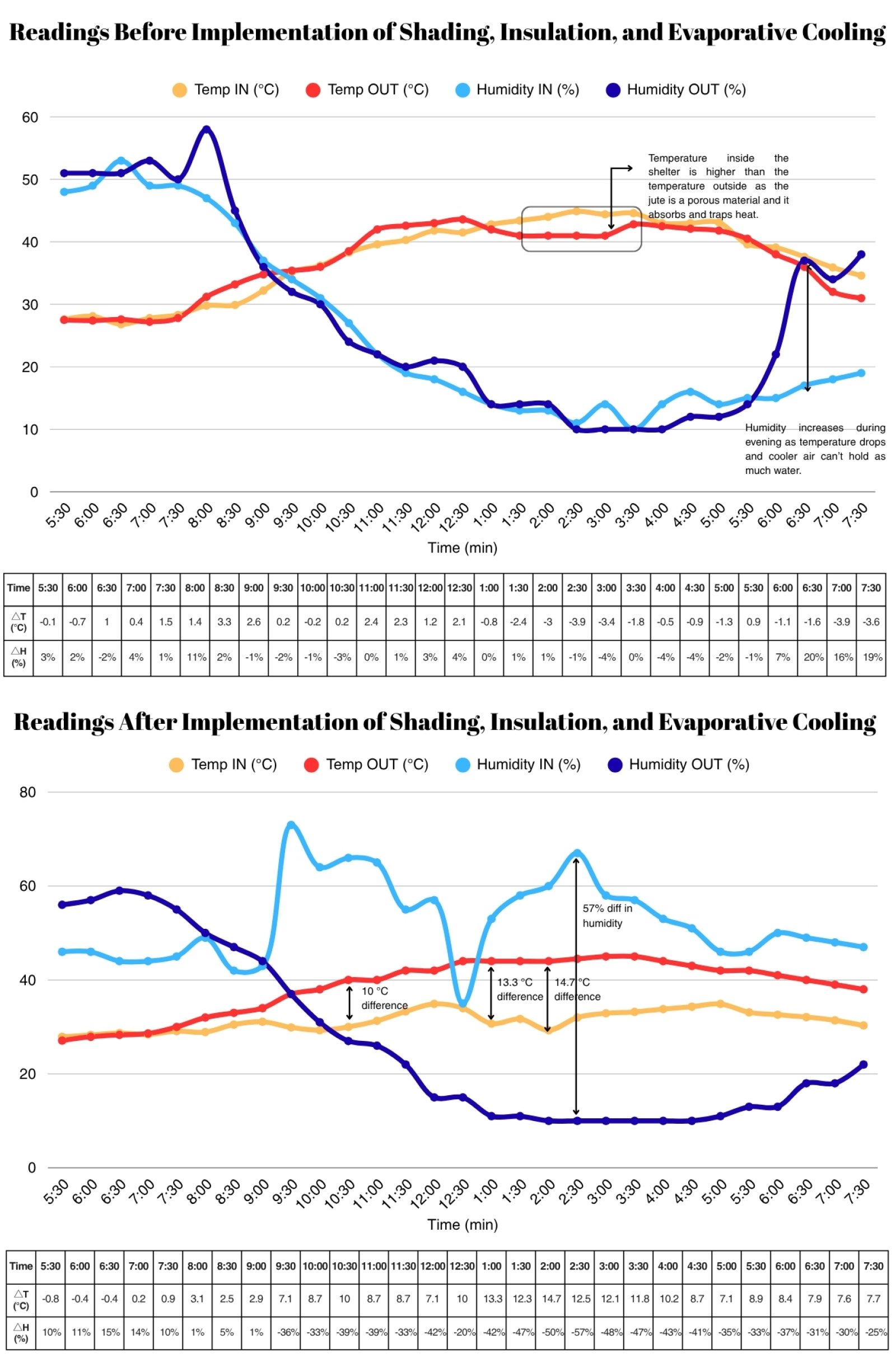
This studio helped in understanding environmental design through research, experiments, and model making. Different passive cooling methods such as shading, insulation, ventilation, and evaporative cooling were studied to see how they affect thermal comfort. The work included surveys, data collection, testing materials, and making physical models and installations. Traditional building methods and climate-responsive design strategies were also explored. Through this process, skills in observation, testing, and problem-solving were improved. The studio showed how simple design decisions and material choices can help create more comfortable and energy-efficient spaces while responding better to the surrounding climate and environment.
View Additional Work