Mantra Ravat

CT2016

Grey Grid System

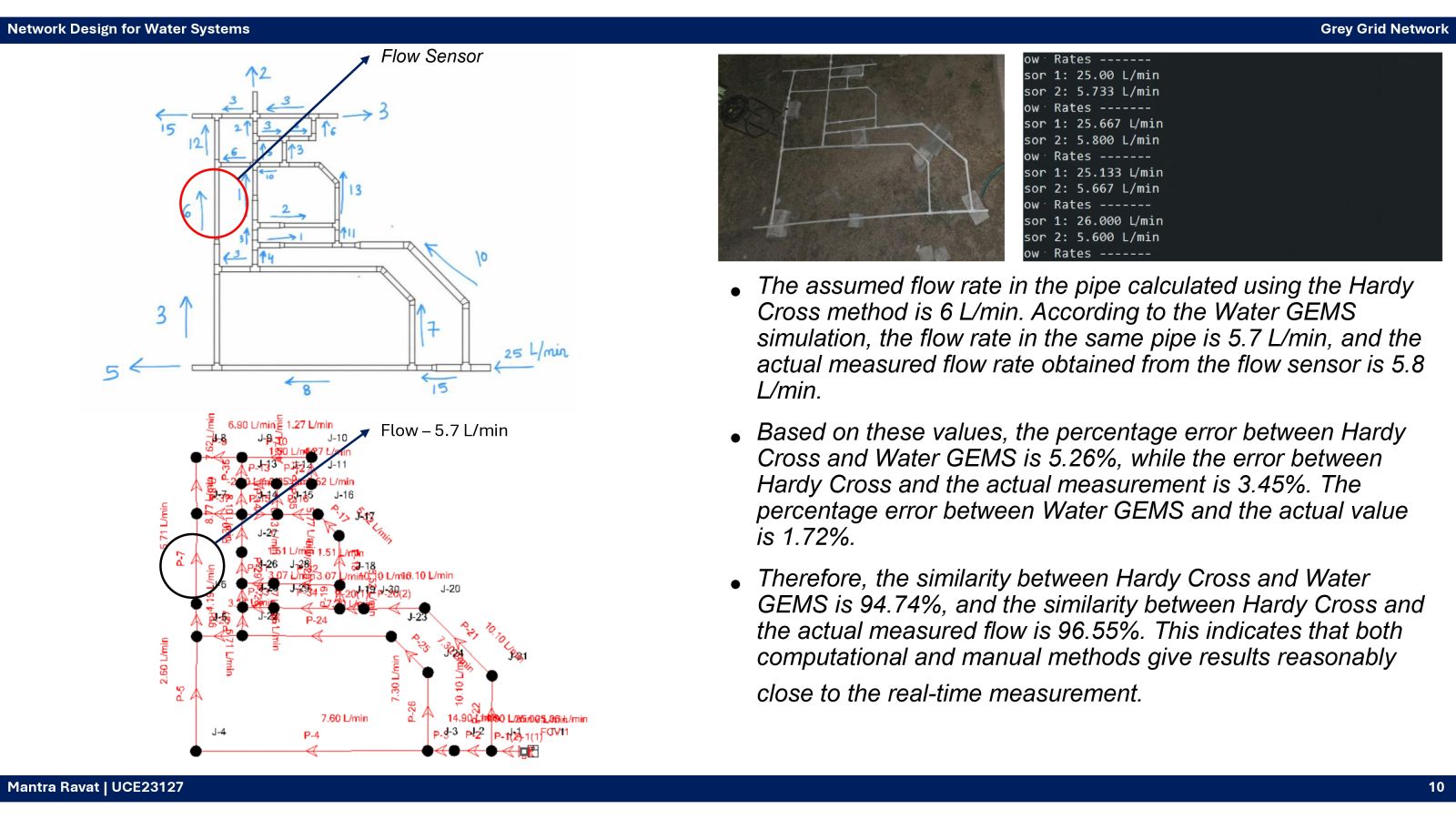
The GreyGrid System is a greywater distribution network designed to efficiently distribute the greywater. The system is composed of eight interconnected loops, forming a grid-like configuration that enhances flow balance and redundancy within the network. The network operates with a single inlet supplying greywater at a rate of 25 L/min, which is then distributed to four outlet points. To understand the hydraulic behavior of the system, multiple flow studies were conducted. First, the Hardy Cross method was applied to manually evaluate flow distribution and head loss across the loops. This was followed by a computational analysis using WaterGEMS, allowing for a detailed simulation of the network. Finally, actual flow measurements were recorded on the constructed model. A comprehensive comparison of the Hardy Cross calculations, WaterGEMS results, and real-time readings was carried out to assess accuracy, deviation, and system performance. This study provides valuable insights into looped greywater networks and highlights the effectiveness and limitations of different hydraulic analysis methods.
Report Content

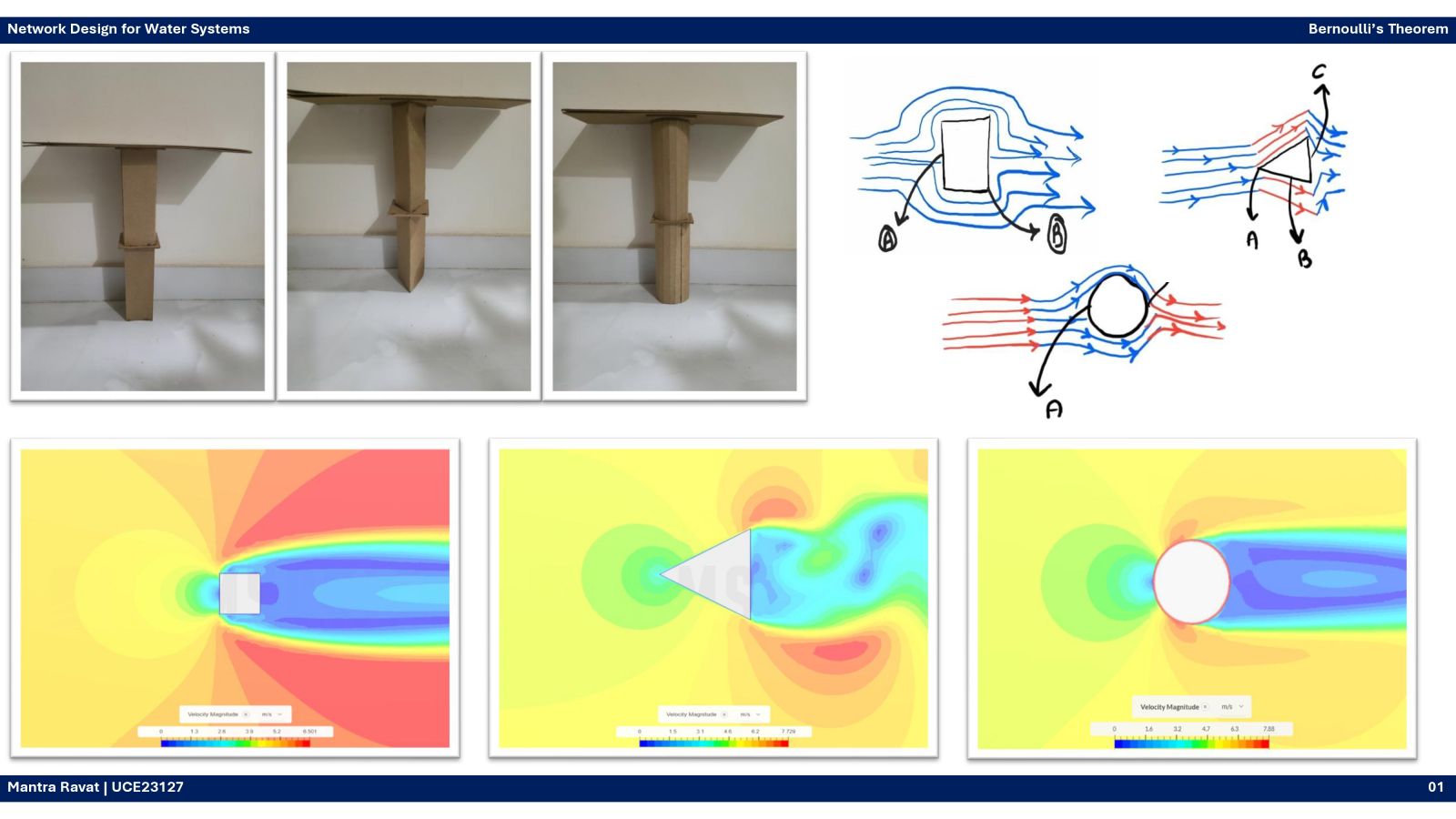
Bernoulli's Theorem: The first studio exercise focused on experimentally demonstrating Bernoulli’s theorem by studying how fluid flows around bridge foundations. I selected three geometric shapes such as square, triangular, and circular and observed the flow patterns around each. I sketched the streamlines and performed simulations using SimScale cloud software to validate the observations. The results showed that regions with lower velocity exhibited higher pressure for all shapes, confirming Bernoulli’s principle. Among the three, the circular shape performed best as it allowed the smoothest streamline flow.

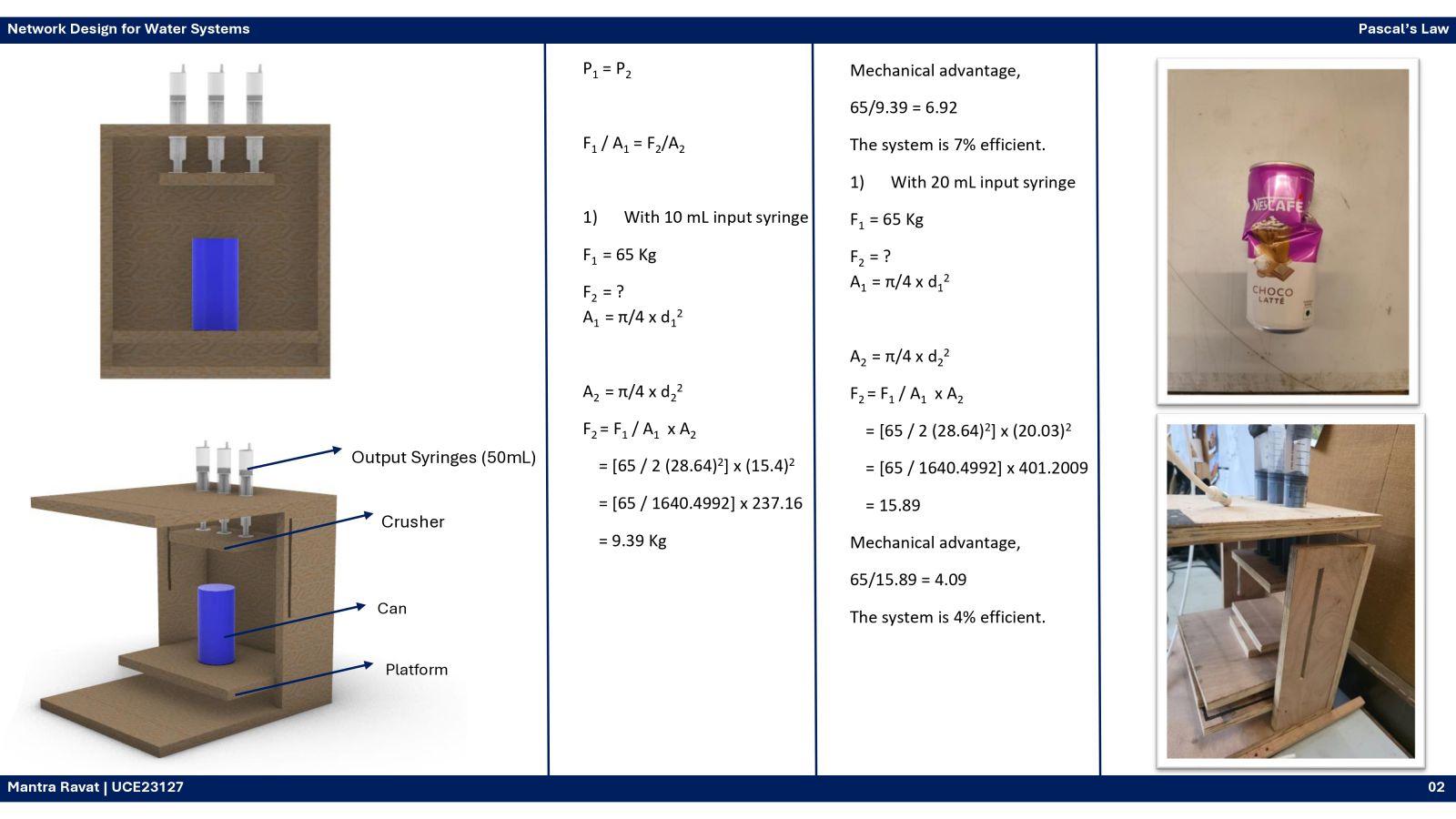
Pascal's Law: This image illustrates the second exercise, based on Pascal’s Law, in which a hydraulic can-crusher model was constructed. Pressure applied through the input syringe was transmitted uniformly through the fluid, operating two output syringes that generated a larger force. Different input syringe volumes (10 mL and 20 mL) were tested to calculate the output force, mechanical advantage, and system efficiency. The physical prototype successfully crushed a Nescafé can, validating the theoretical calculations.

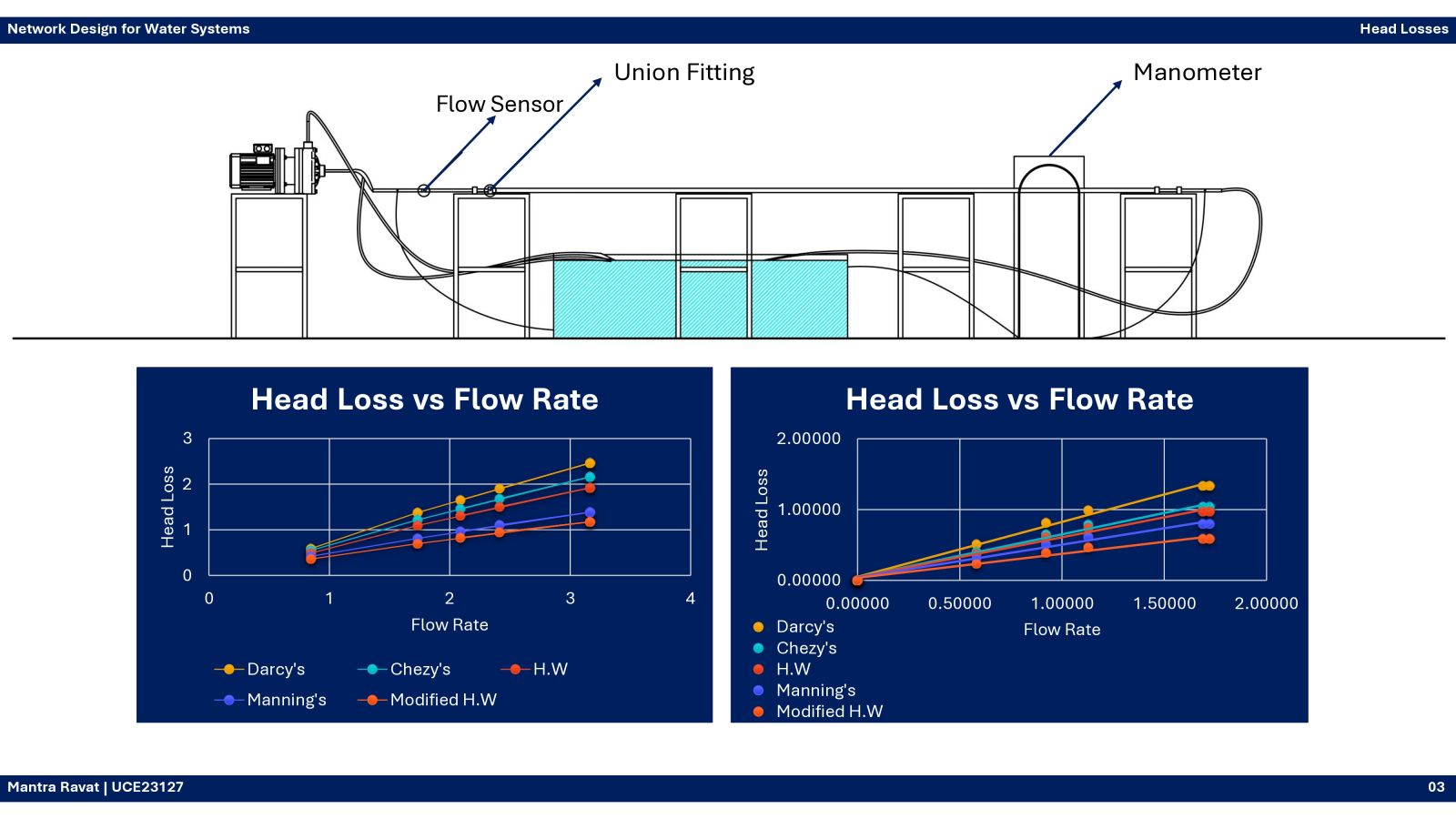
Head Losses: As the name of the exercise suggests, the task was to calculate the total head loss in the experimental setup, including both major and minor losses. The head loss was determined using five different equations, Darcy–Weisbach, Chezy, Hazen–Williams, Modified Hazen–Williams, and Manning’s equation. I was provided with two pipes, a 3/4” UPVC pipe and a 1/2” CPVC pipe, and the experiment was conducted on both to compare the results.

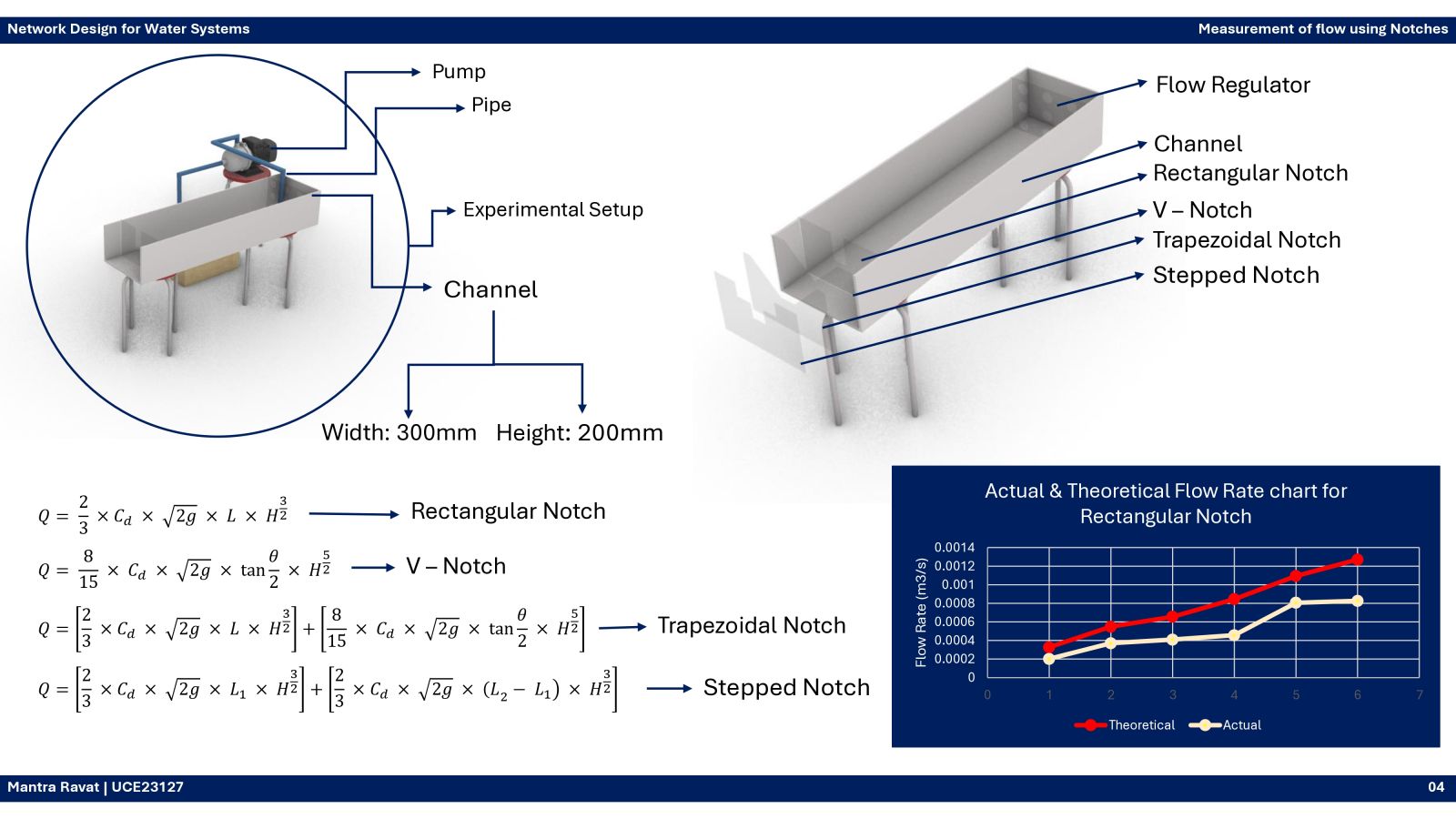
Measurement of flow using Notches: In this studio exercise, the task was to determine the flow rate using different notches placed within a constructed channel. The channel dimensions were provided, after which the channel was built and the flow was measured through the experimental setup. The notches used in the experiment included the rectangular notch, V-notch, trapezoidal notch, and stepped notch.

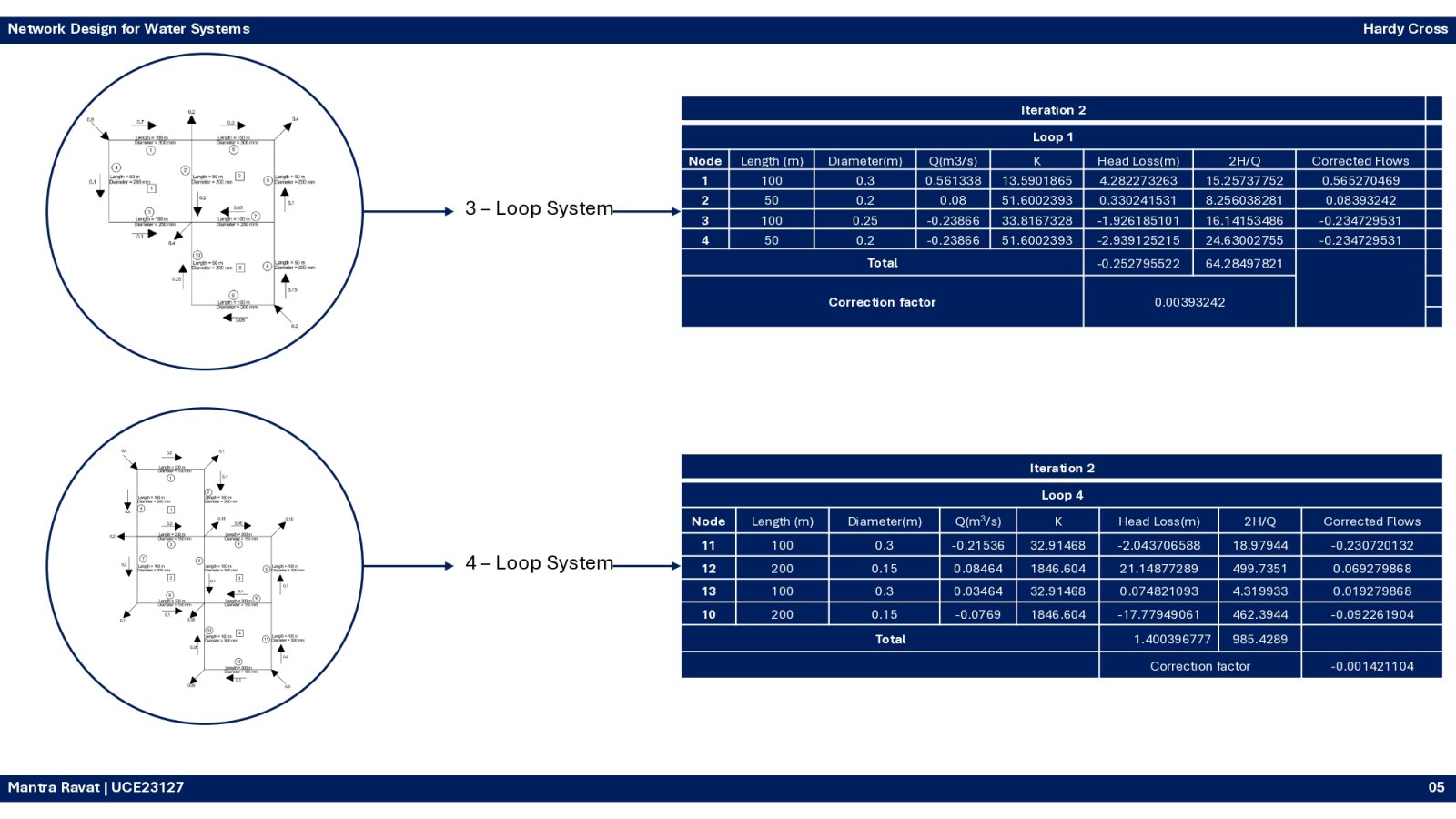
Hardy Cross: An iterative method used to determine and balance flow in looped pipe networks. In this exercise, I applied the method on two networks a 3-loop system and a 4-loop system performing successive iterations to calculate the correction factor and get corrected flow rates. The aim was to achieve the smallest possible correction so that the adjusted flow values showed minimal deviation.

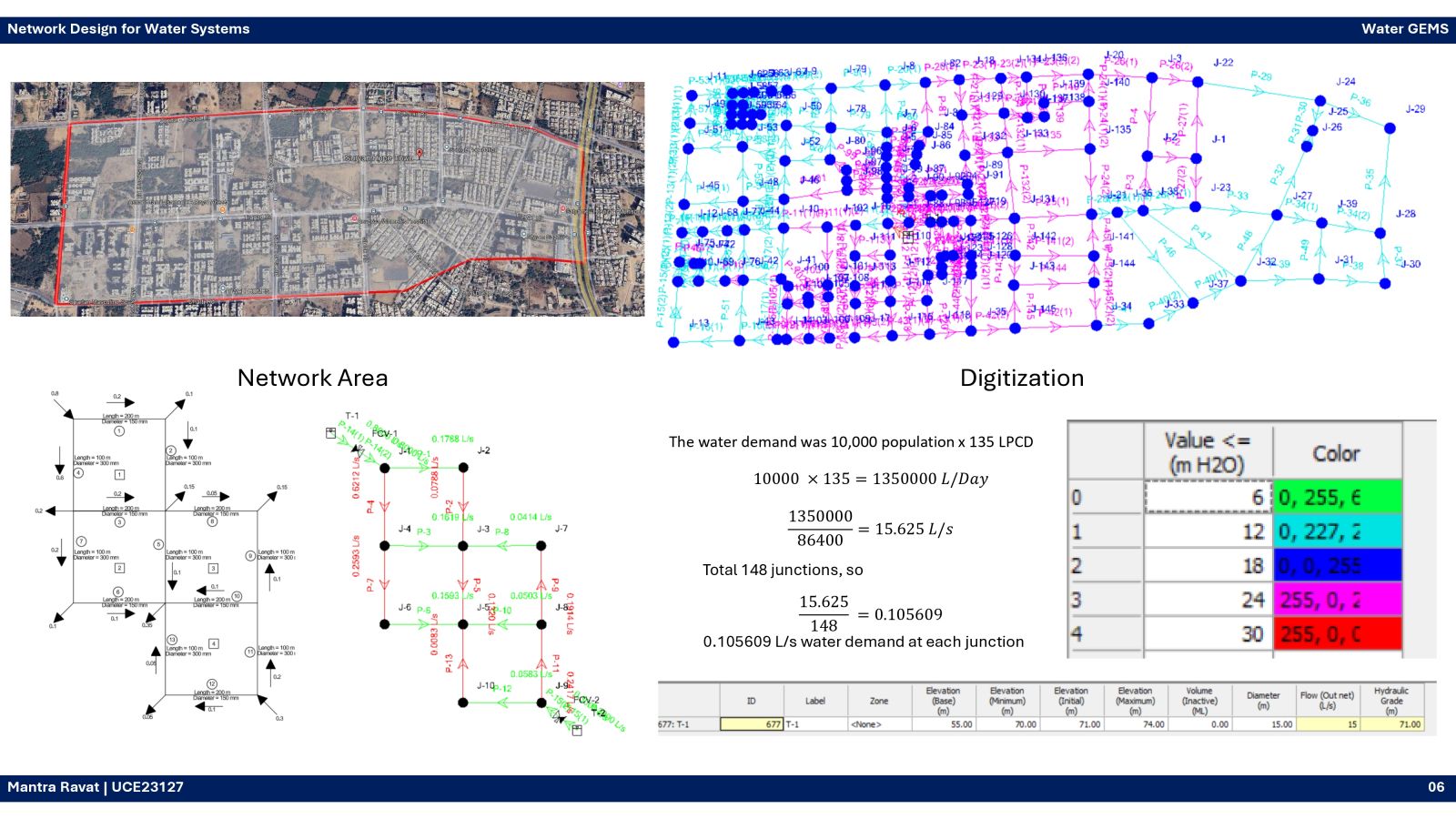
WaterGEMS: WaterGEMS is a hydraulic modeling software used for designing and analyzing water distribution networks. In this exercise, the task was to design a water distribution network for a 1 sq km area of our locality. After selecting the area, the digitization was carried out and the network was modeled in WaterGEMS. Additionally, the 4-loop system from the previous Hardy Cross exercise was also digitized and analyzed in the software.

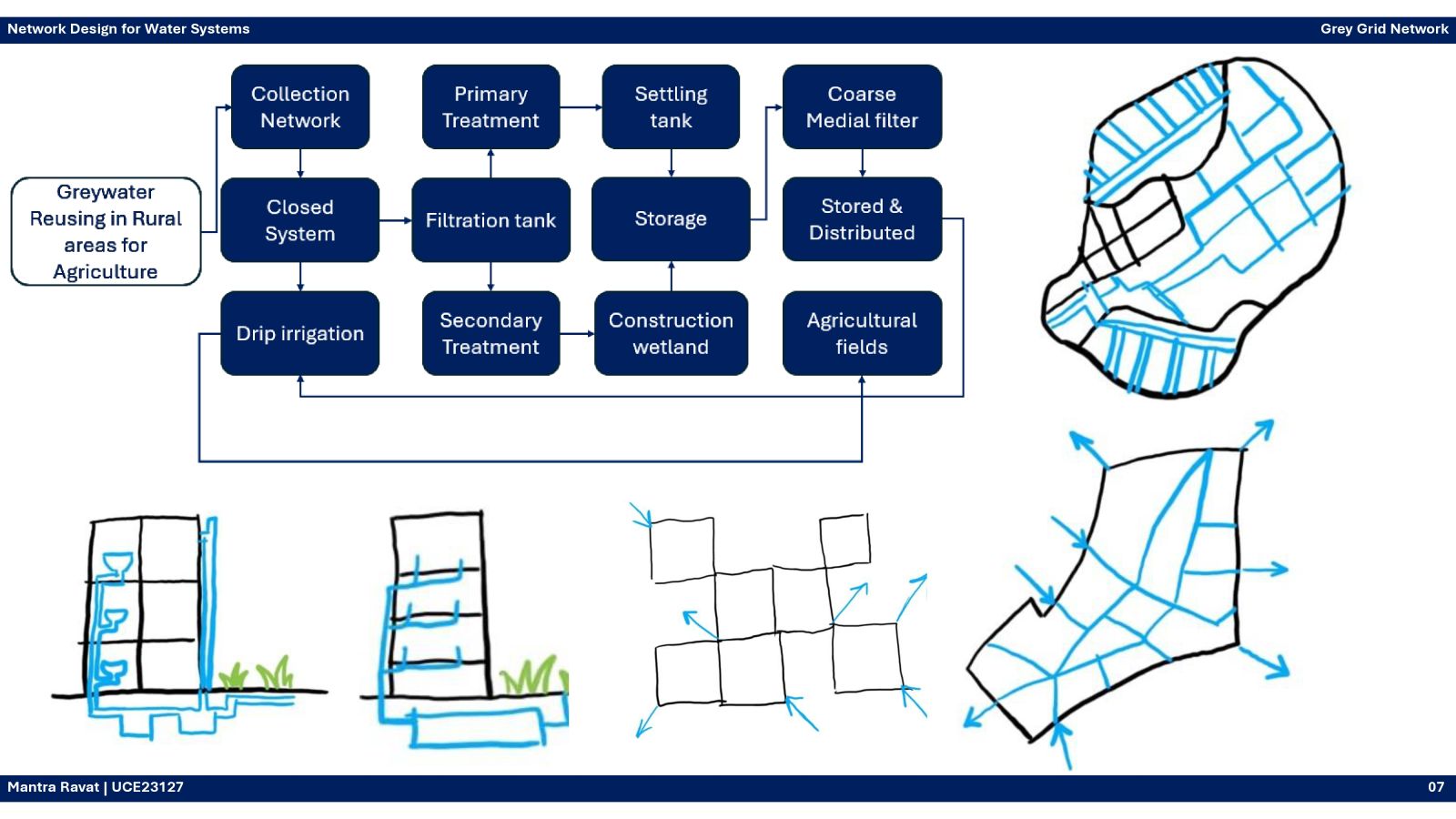
Grey Grid System: The GreyGrid System is a greywater distribution network designed to efficiently manage and distribute greywater. In the initial stage of the project, a mind map was created to explore the concept of greywater distribution. Further iterations were then developed to design both a horizontal network and a vertical network for the system.

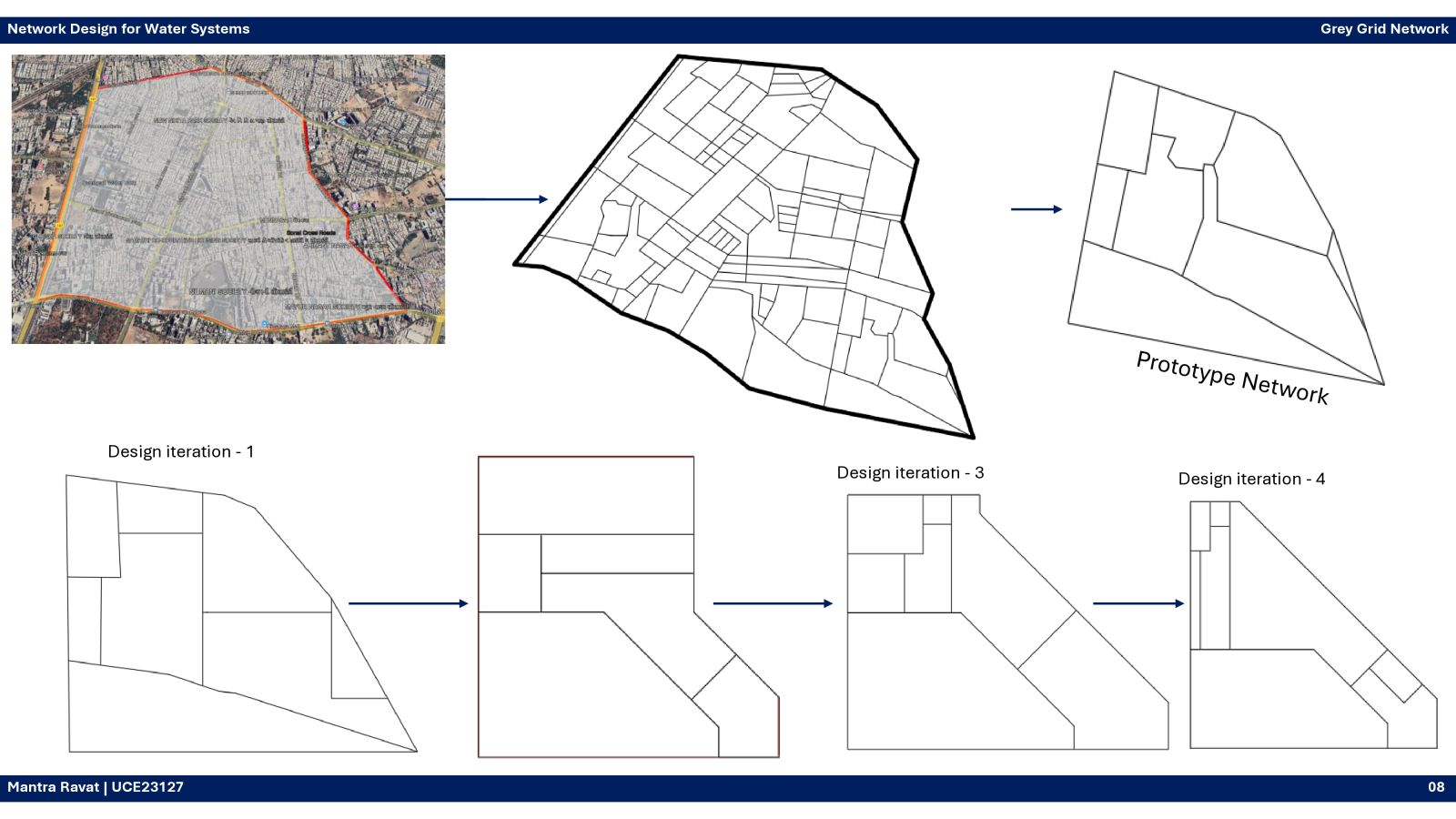
Grey Grid System: Initially, I attempted to design the networks but could not arrive at a suitable configuration. Therefore, I followed an approach similar to the WaterGEMS exercise. I selected a 2.5 sq km area, created CAD drawings for it, and developed a prototype greywater network. To refine and simplify the prototype, multiple design iterations were carried out.

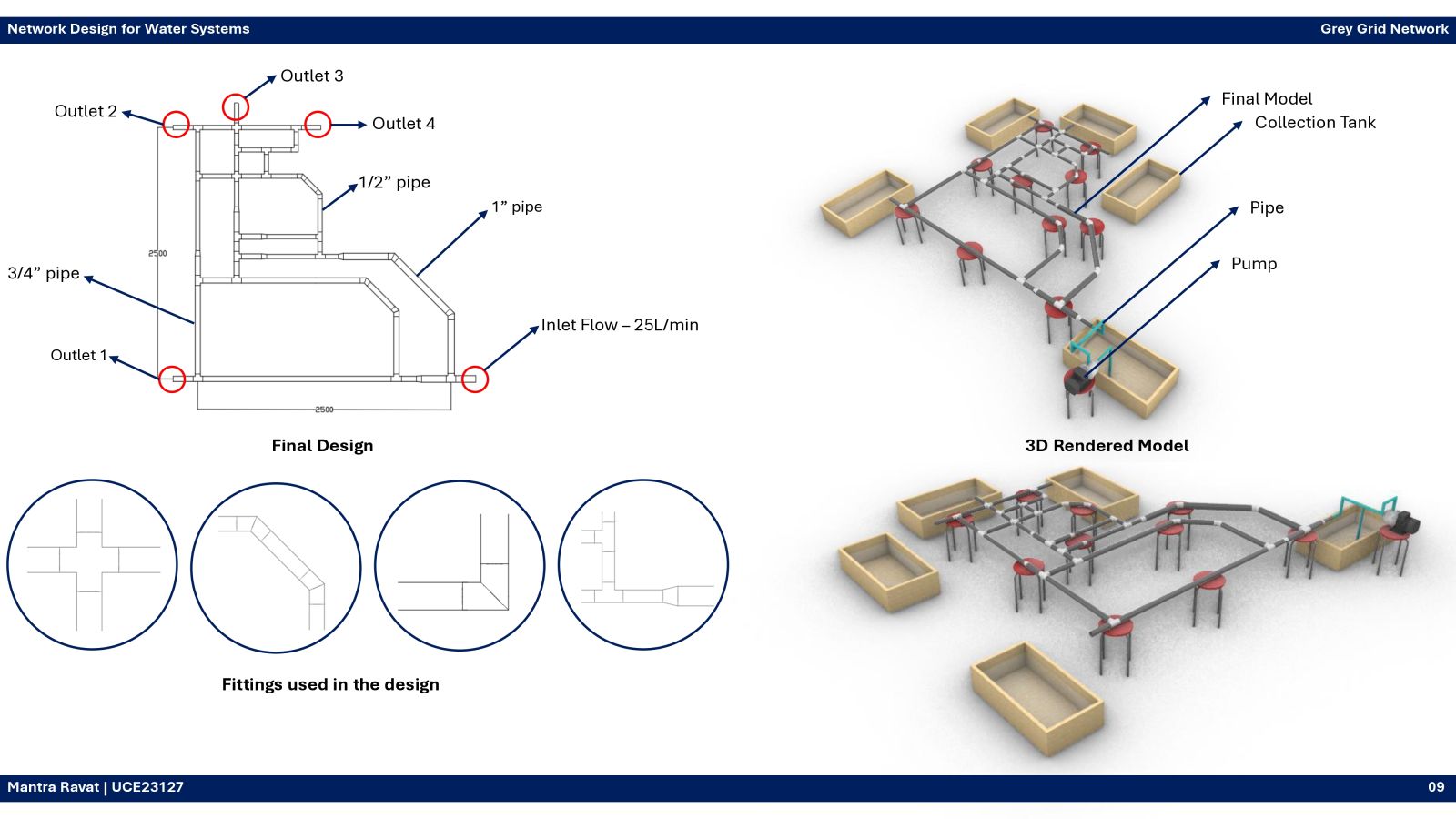
Grey Grid System: This image shows the final design of the network, which was also constructed as a physical model. The layout replicates the prototype network developed from the selected area. The system has a single inlet with an inlet flow of 25 L/min and a total of four outlet points. The image also shows the 3D rendered views of the design.

Grey Grid System: For the calculation and analysis, I carried out the Hardy Cross method, performed a WaterGEMS simulation, and conducted actual testing on the physical model.