Your browser is out-of-date!
For a richer surfing experience on our website, please update your browser. Update my browser now!
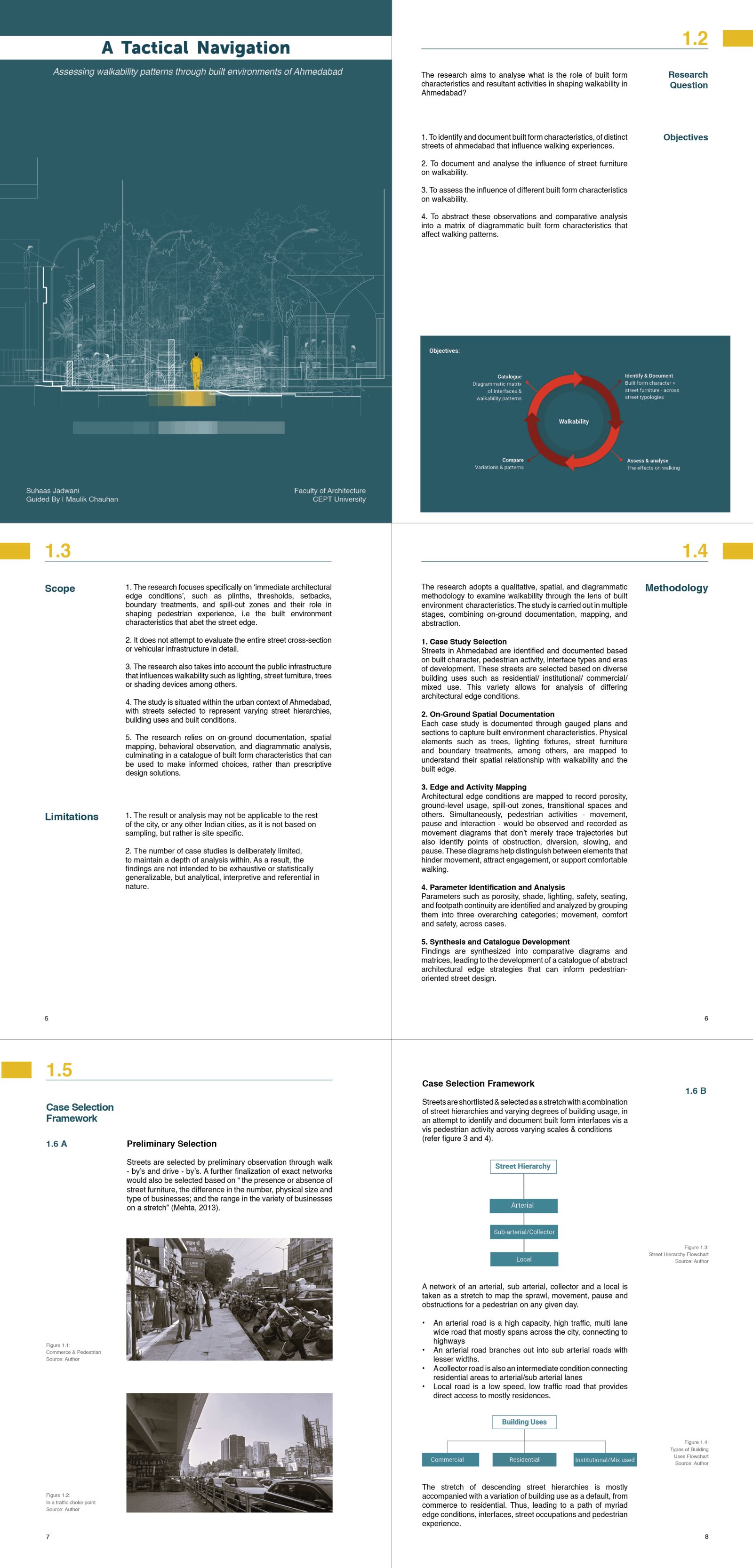
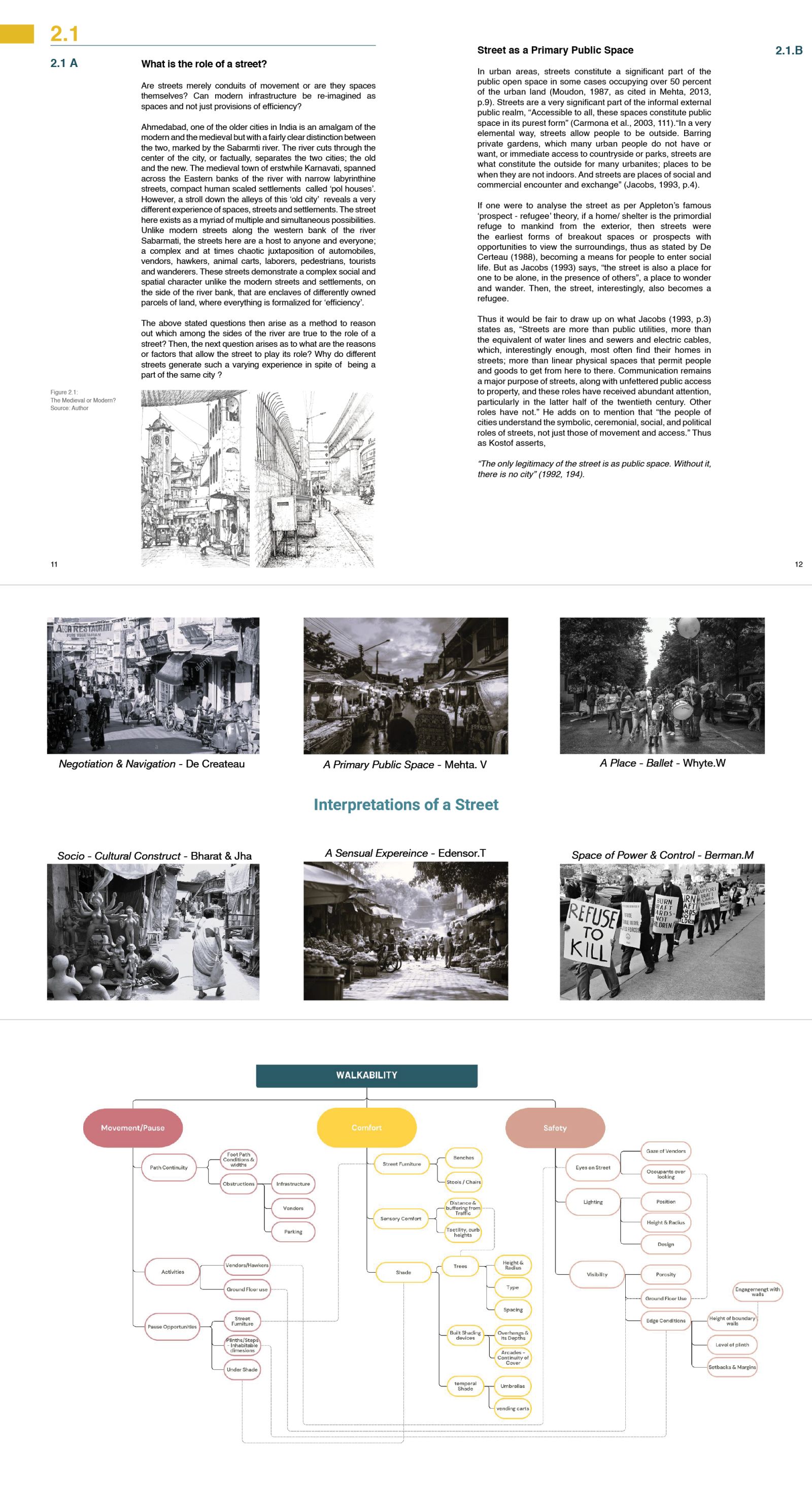
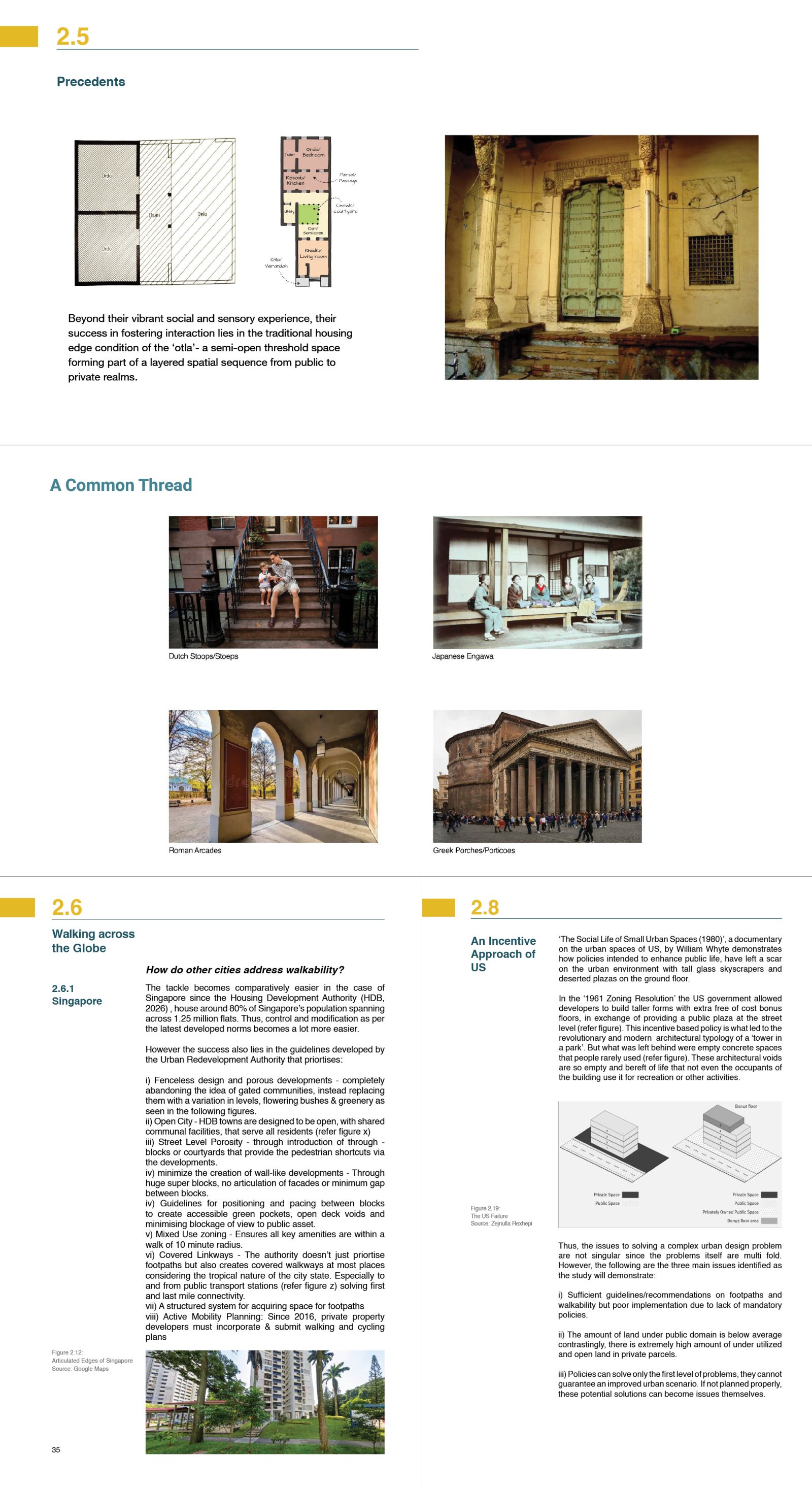
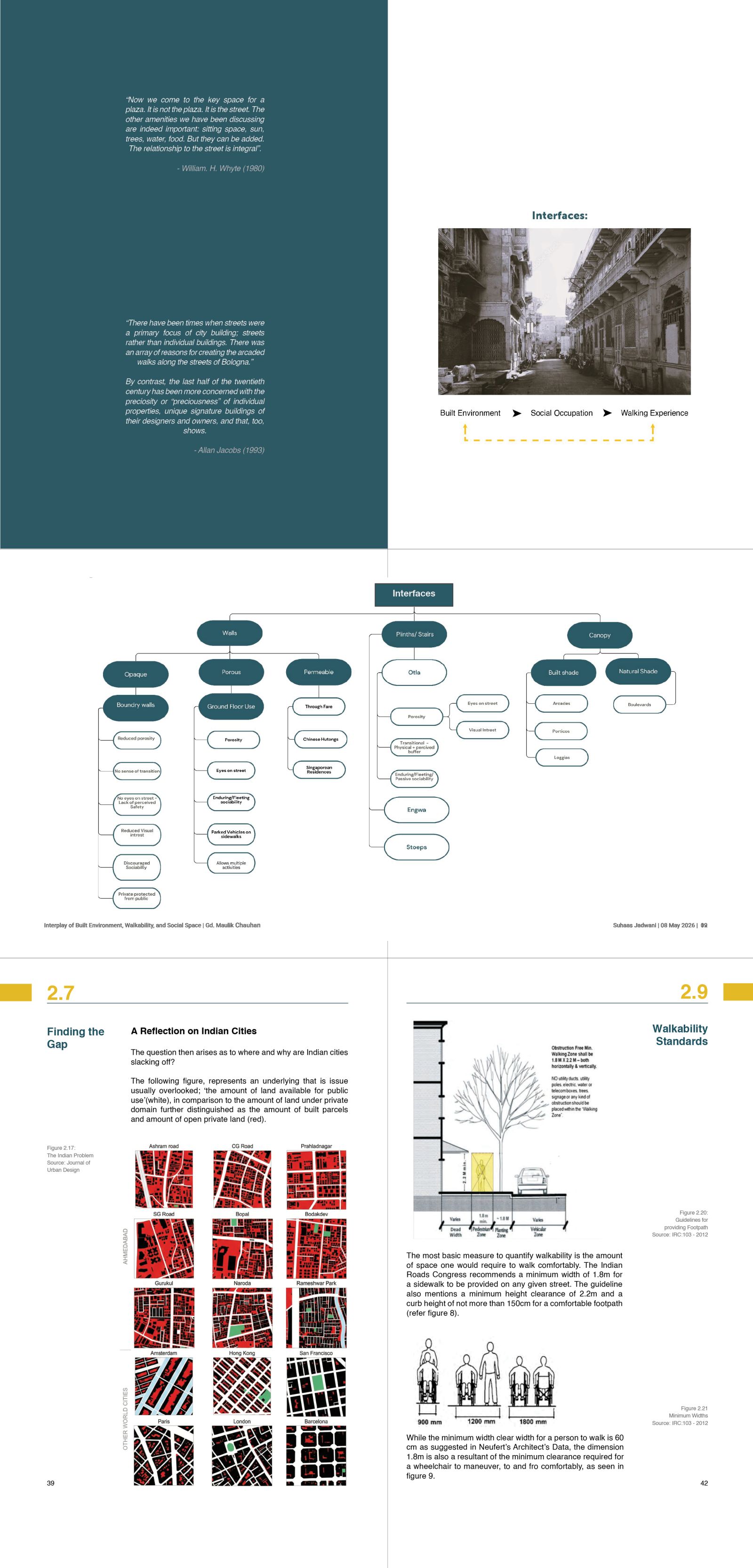
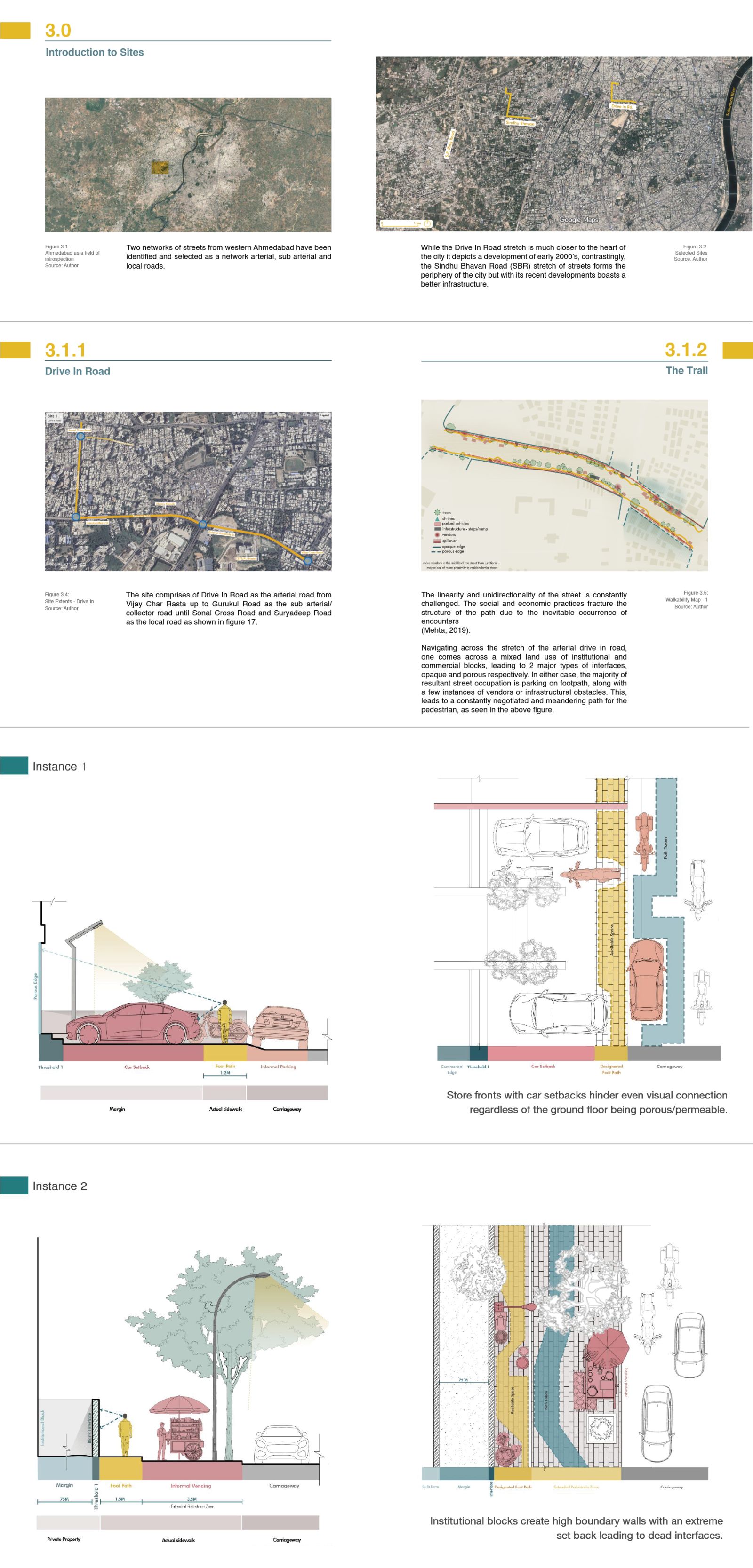
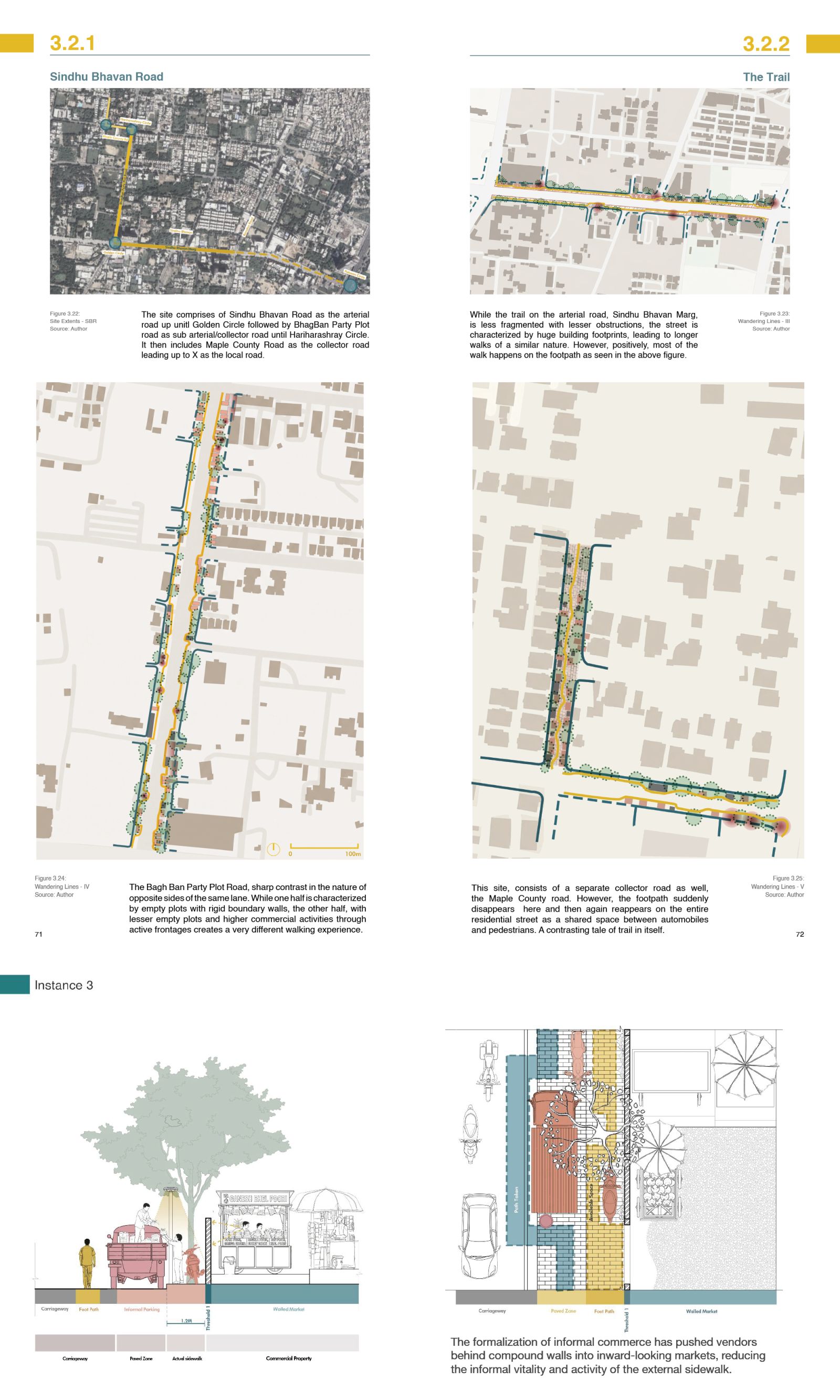
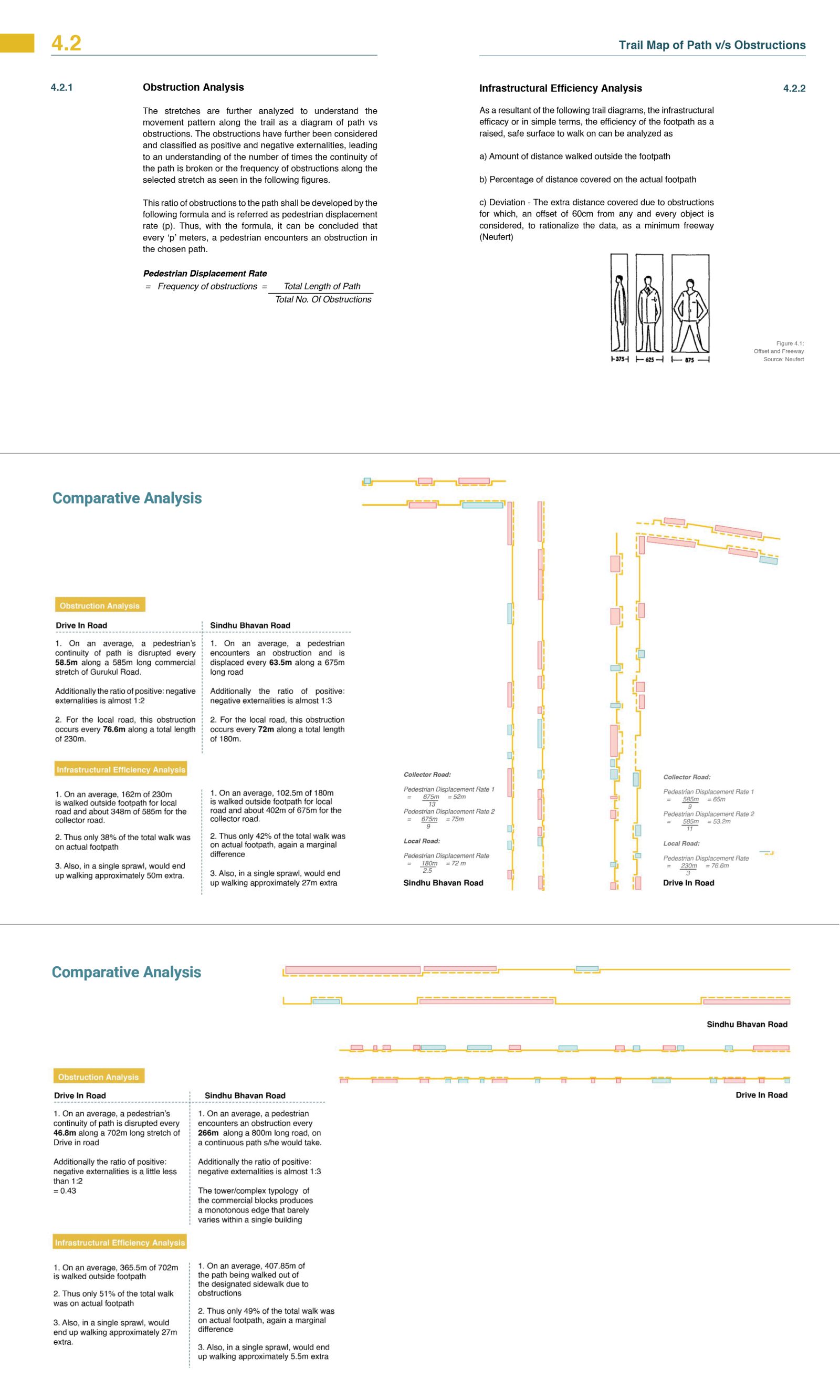
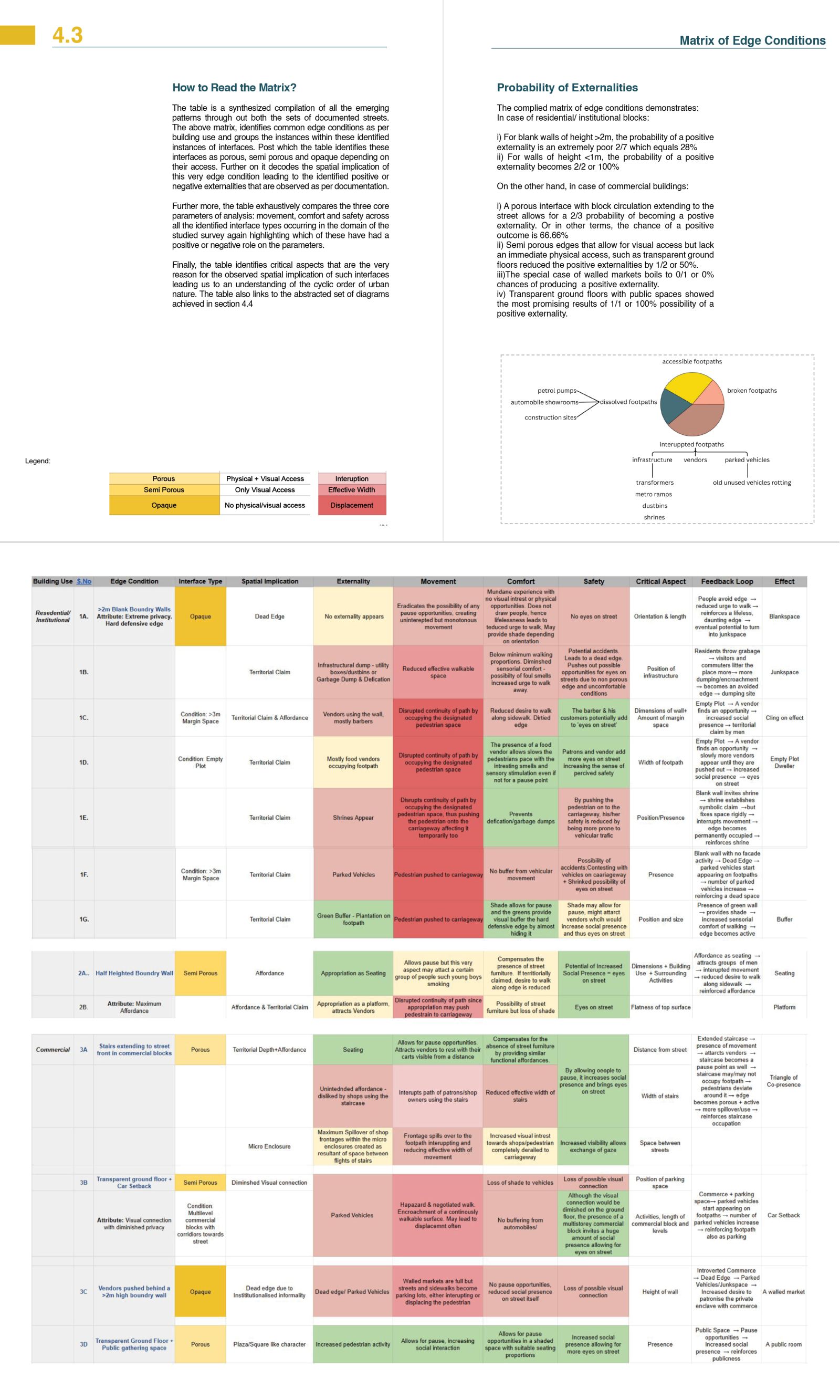
Traditional Indian streets are celebrated for their dynamic and sensory-rich social life, yet contemporary urban development increasingly prioritizes vehicular efficiency and rigid pedestrian infrastructure over lived experience. This study investigates the role of the street edge as an active mediating layer shaping walkability within Indian urban spaces. By framing walkability as a social, spatial and experiential condition rather than merely infrastructural provision, the research compares two street stretches in western Ahmedabad through spatial documentation, activity mapping and matrix-based analysis. The findings reveal walking as a process of tactical navigation, where porous and informally occupied edges enhance pedestrian engagement, comfort and safety, while opaque and controlled edges weaken the walking experience. Thus the analysis reveals walking as an act shaped by interfaces and their socio - spatial occupation and barely by infrastructural provisions.
View Additional Work