Your browser is out-of-date!
For a richer surfing experience on our website, please update your browser. Update my browser now!
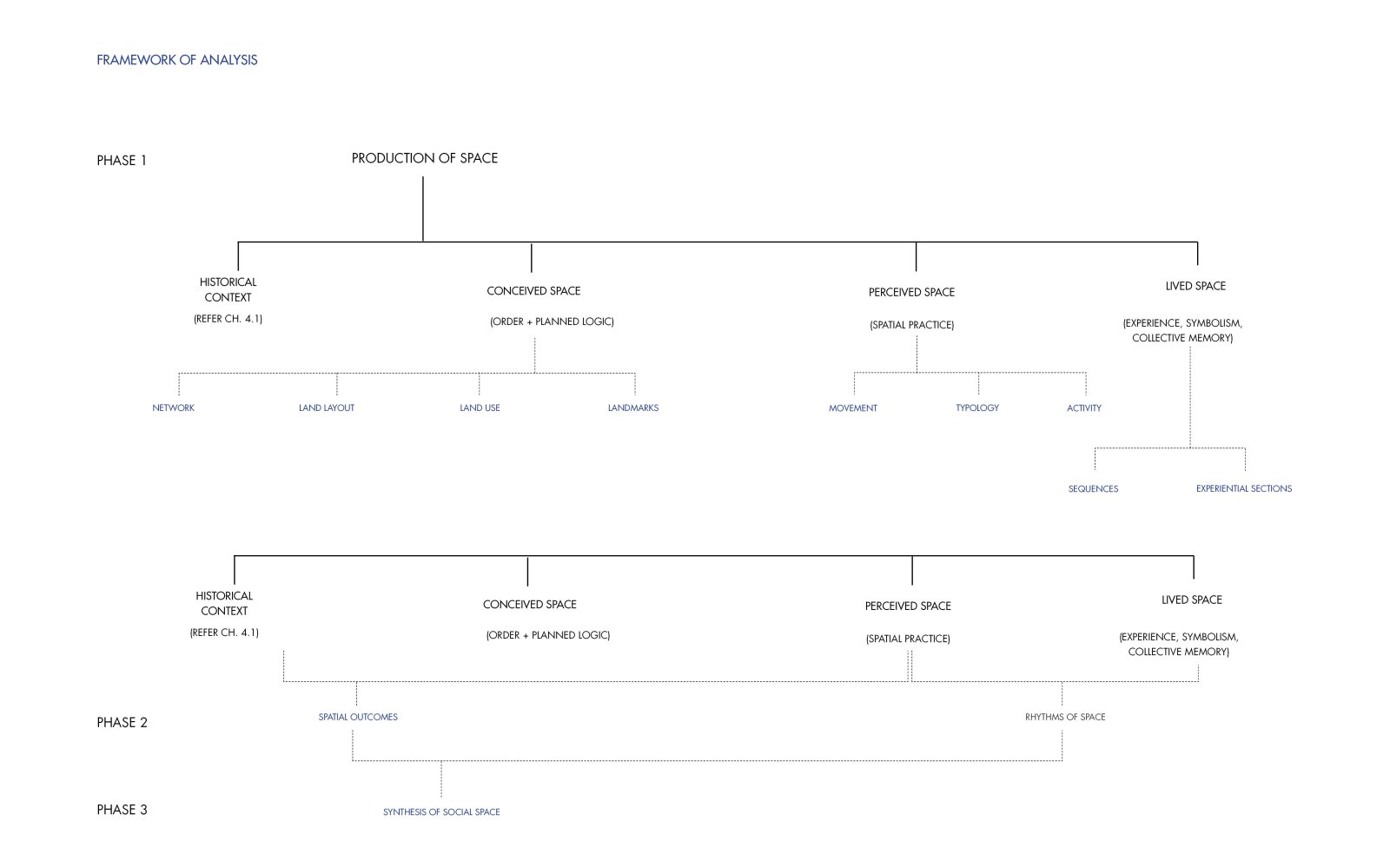
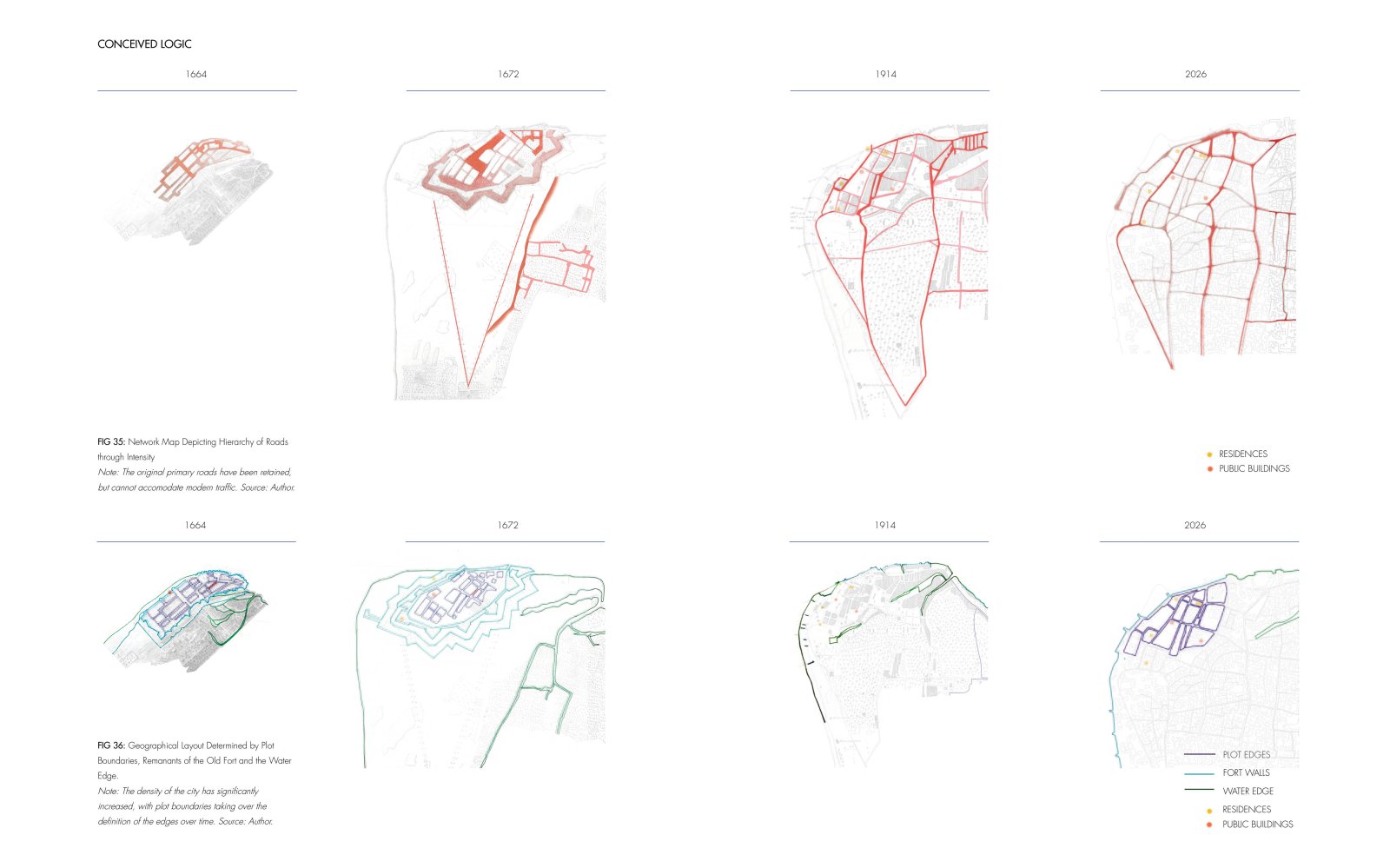
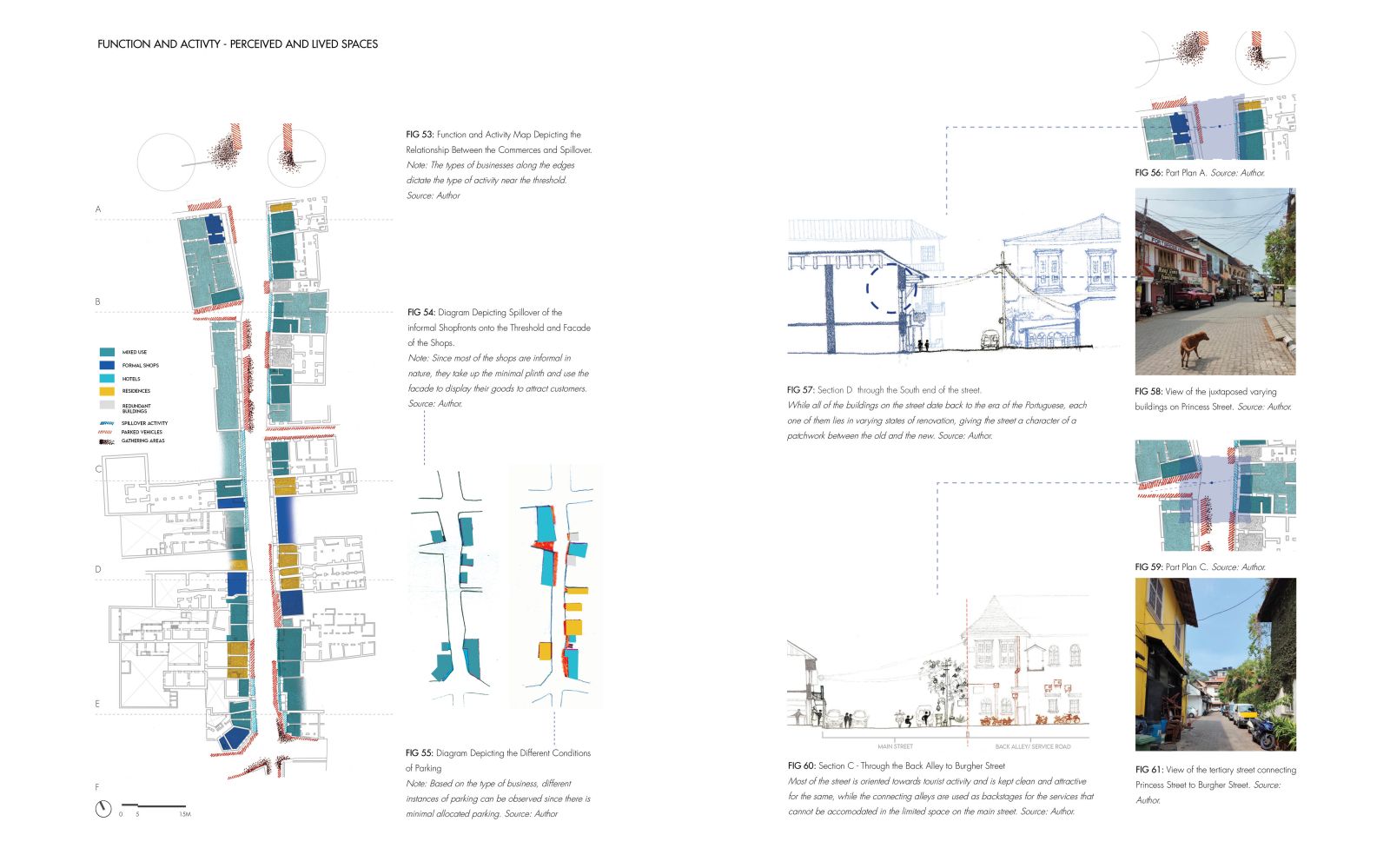
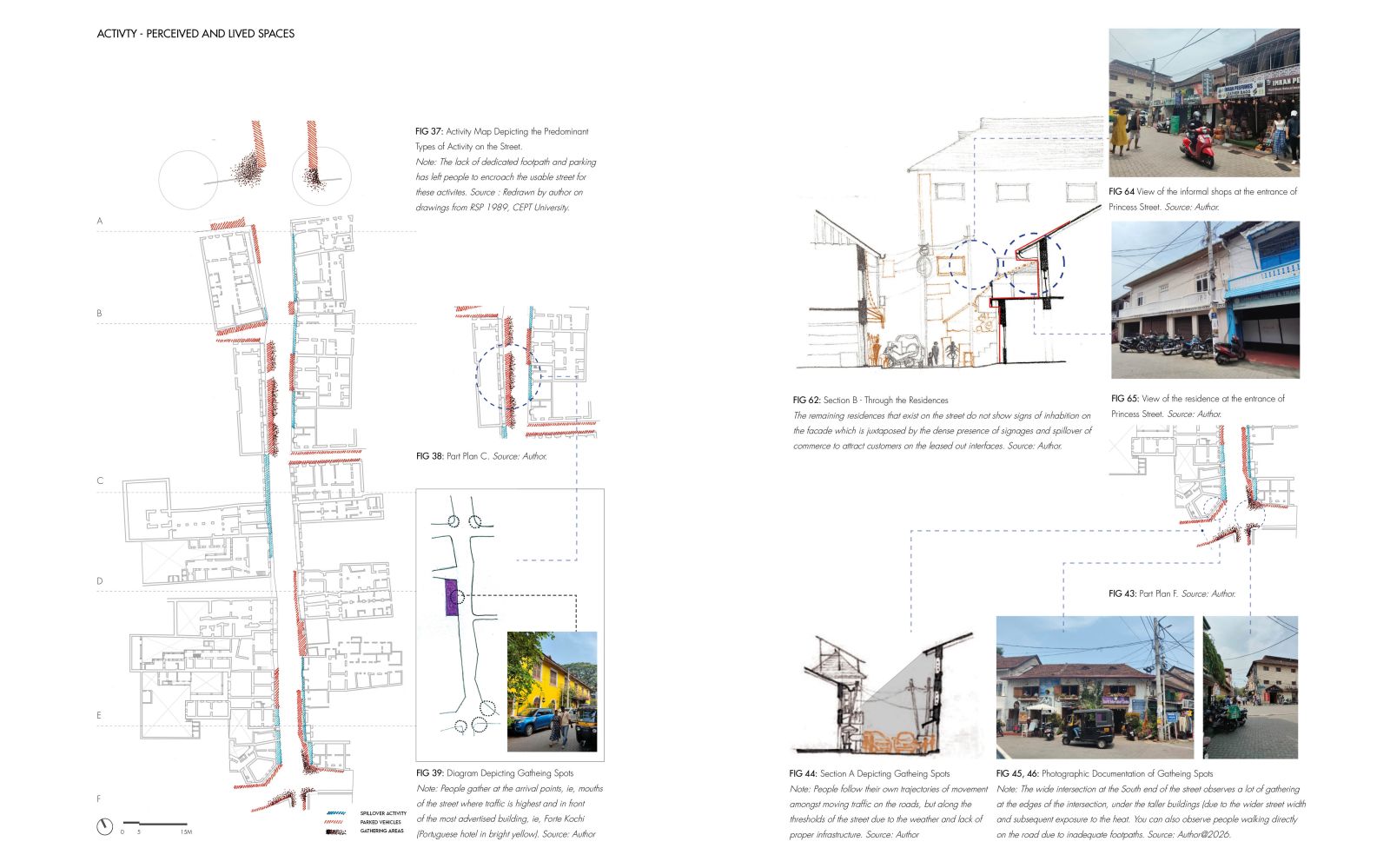
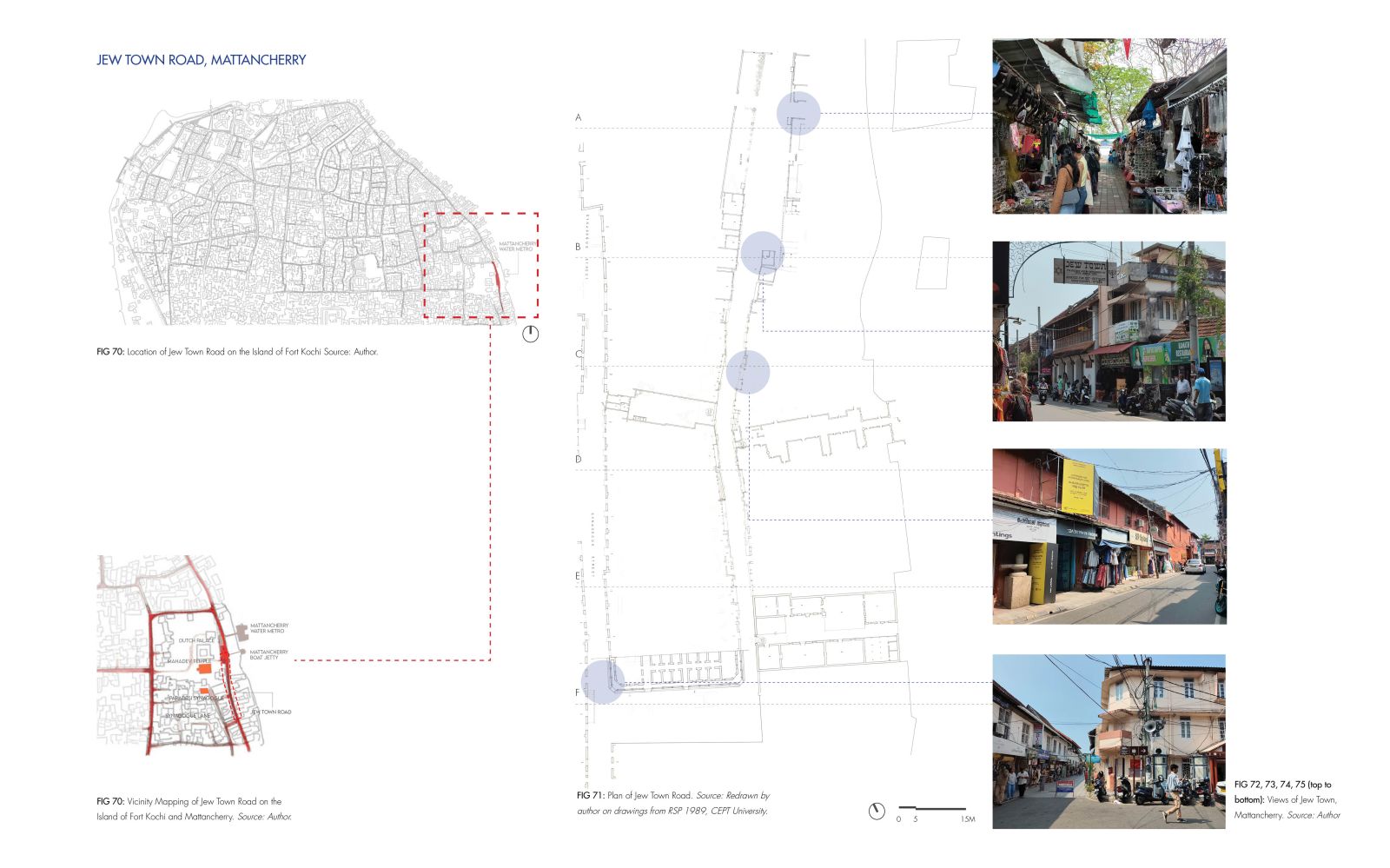
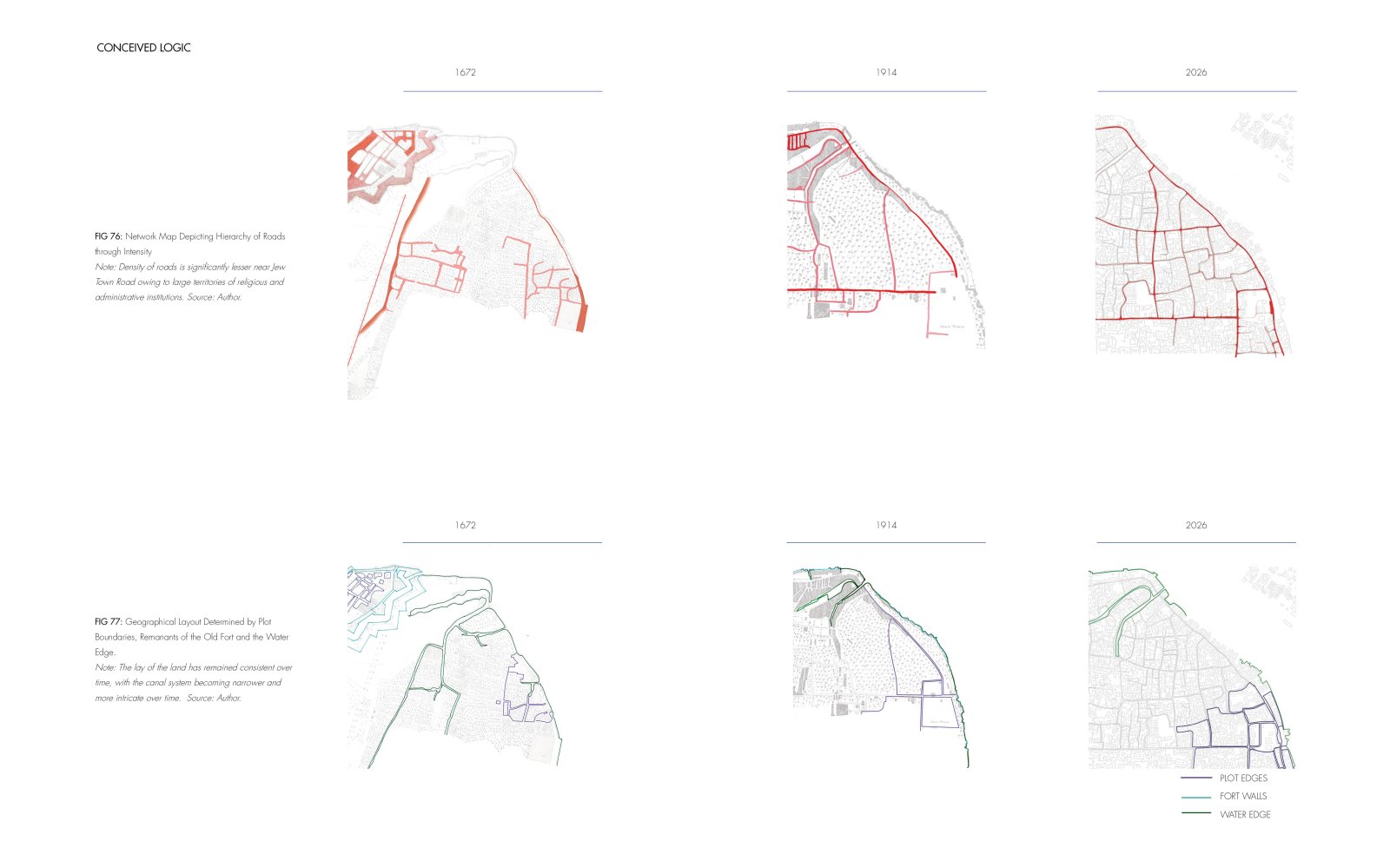
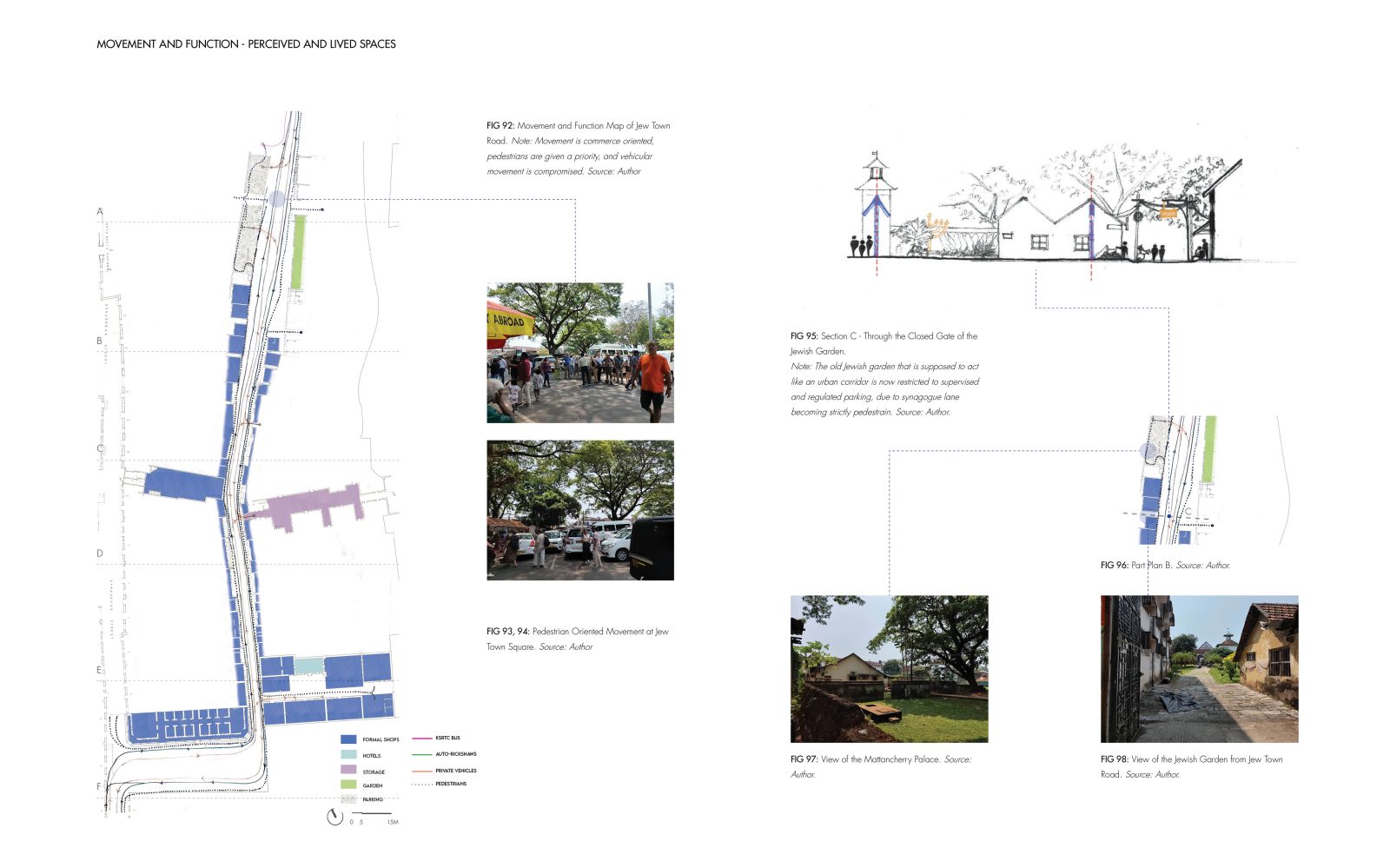
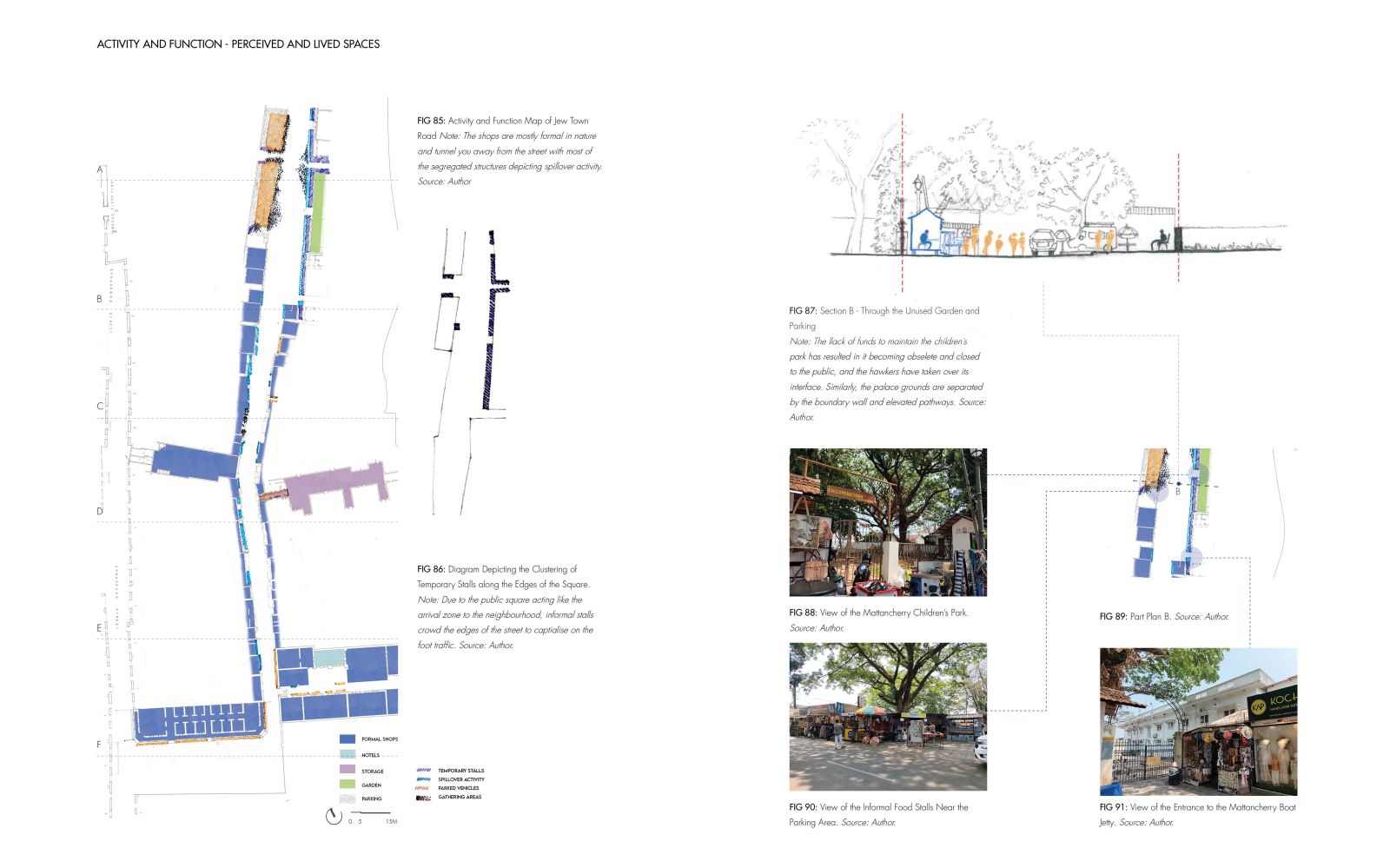
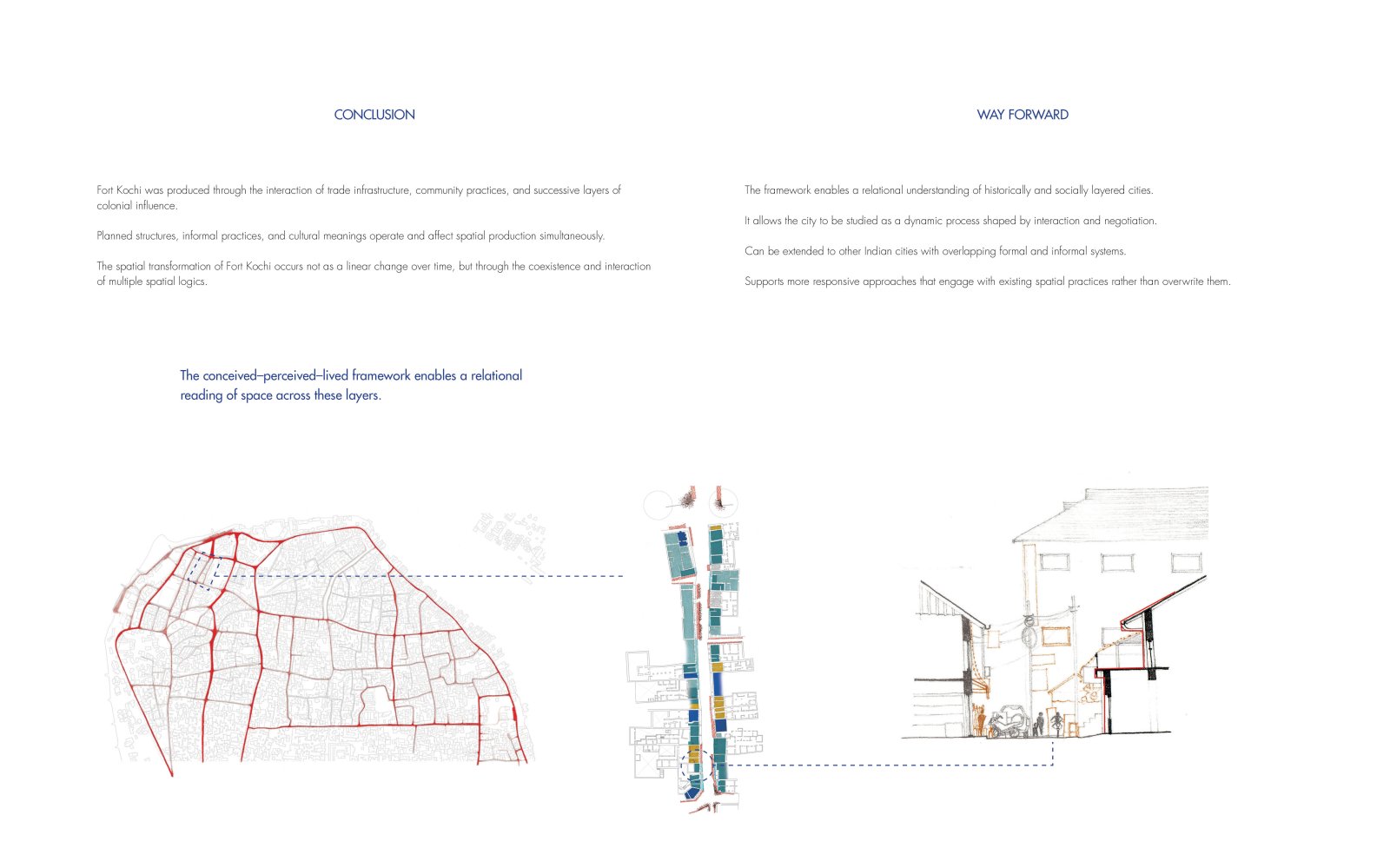
This study examines the production of urban space in Fort Kochi as a historically layered port city. While trade established its spatial framework, the city’s present condition reflects shifting economic, social, and cultural contexts. Reinterpreting the spatial triad of Henri Lefebvre as an analytical tool, the research reveals that inherited structures persist but are continuously reprogrammed. A misalignment emerges between planned order and actual use, as everyday practices appropriate, negotiate, and reinterpret space. The study demonstrates that urban space is not fixed, but dynamically produced through the interaction of conceived, perceived, and lived dimensions.
View Additional Work