Your browser is out-of-date!
For a richer surfing experience on our website, please update your browser. Update my browser now!
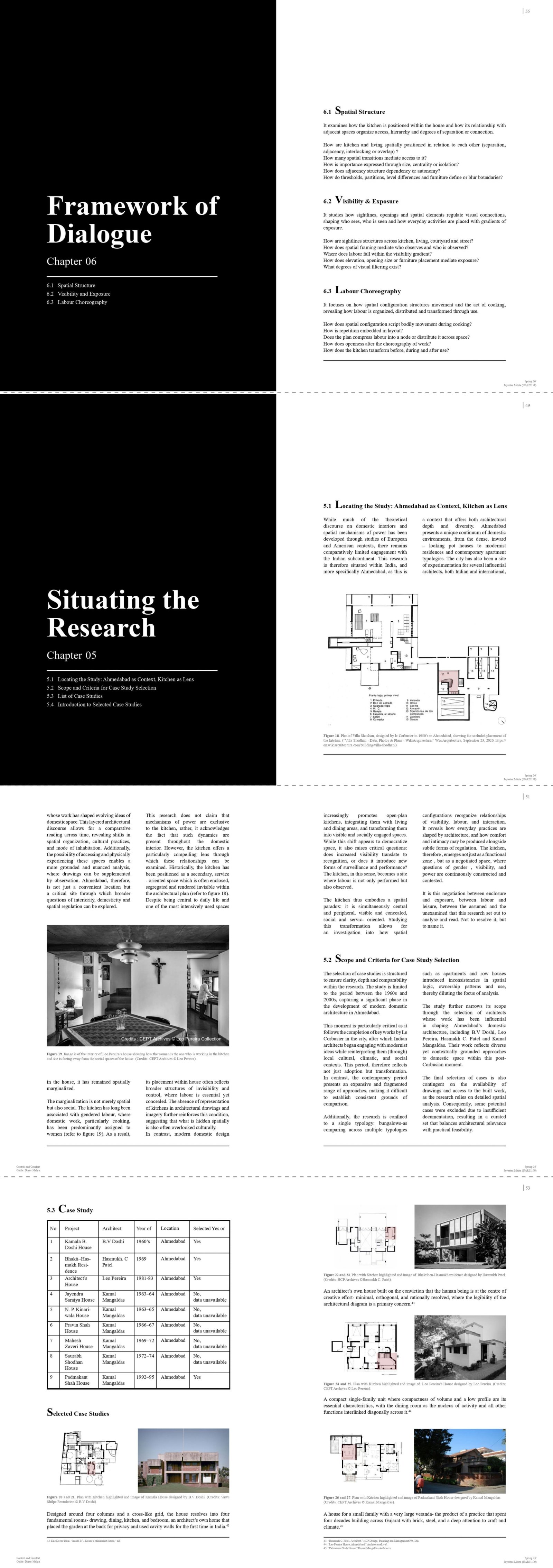
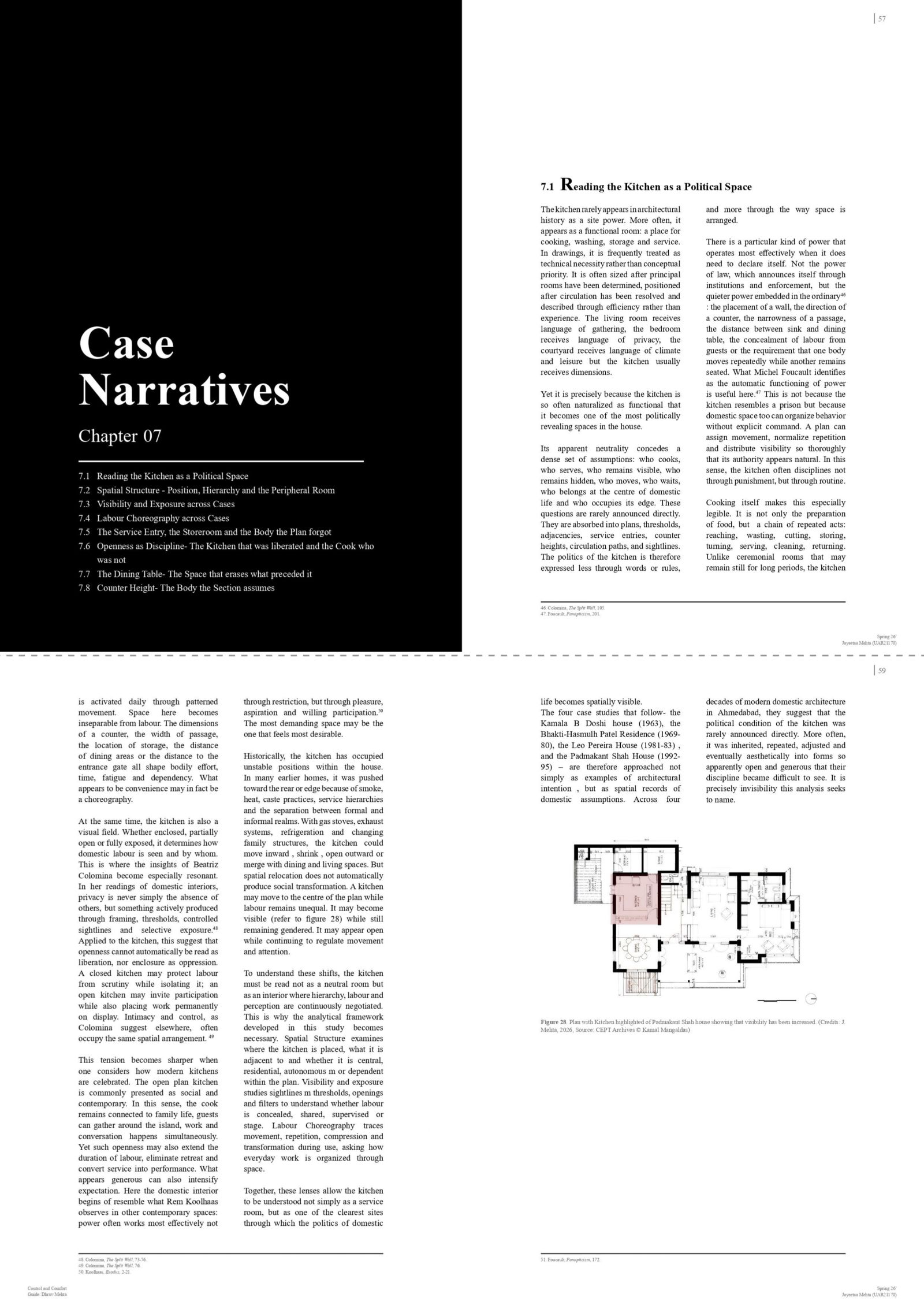
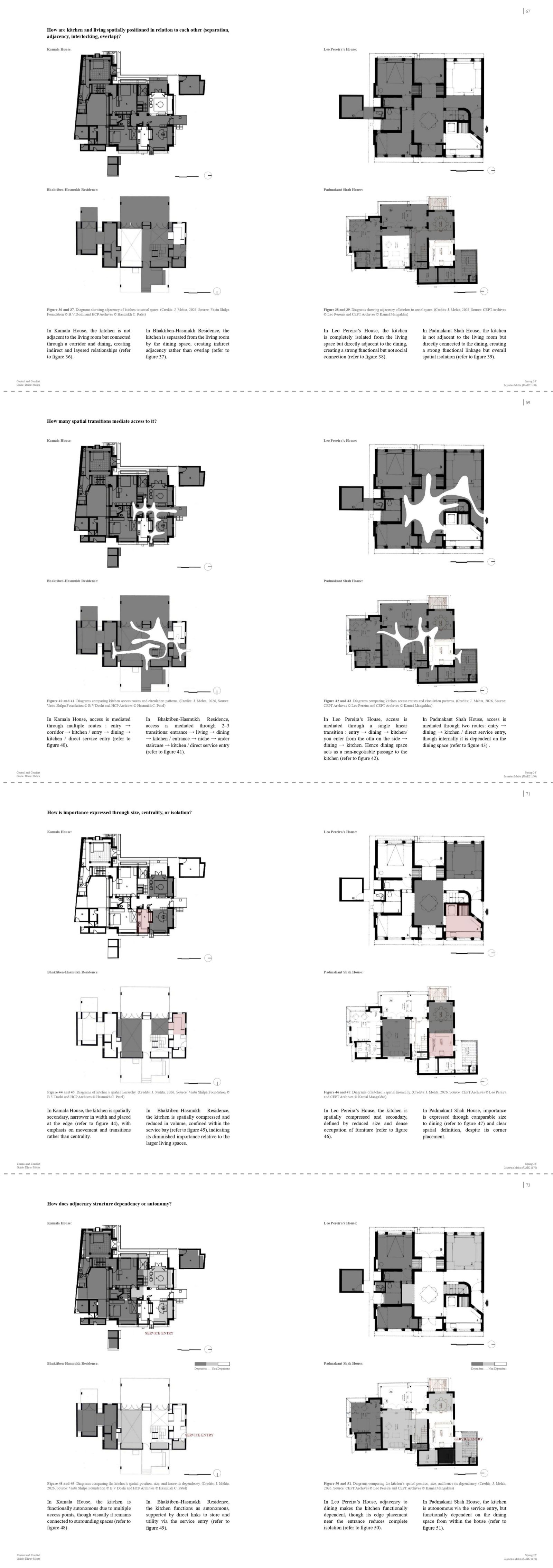
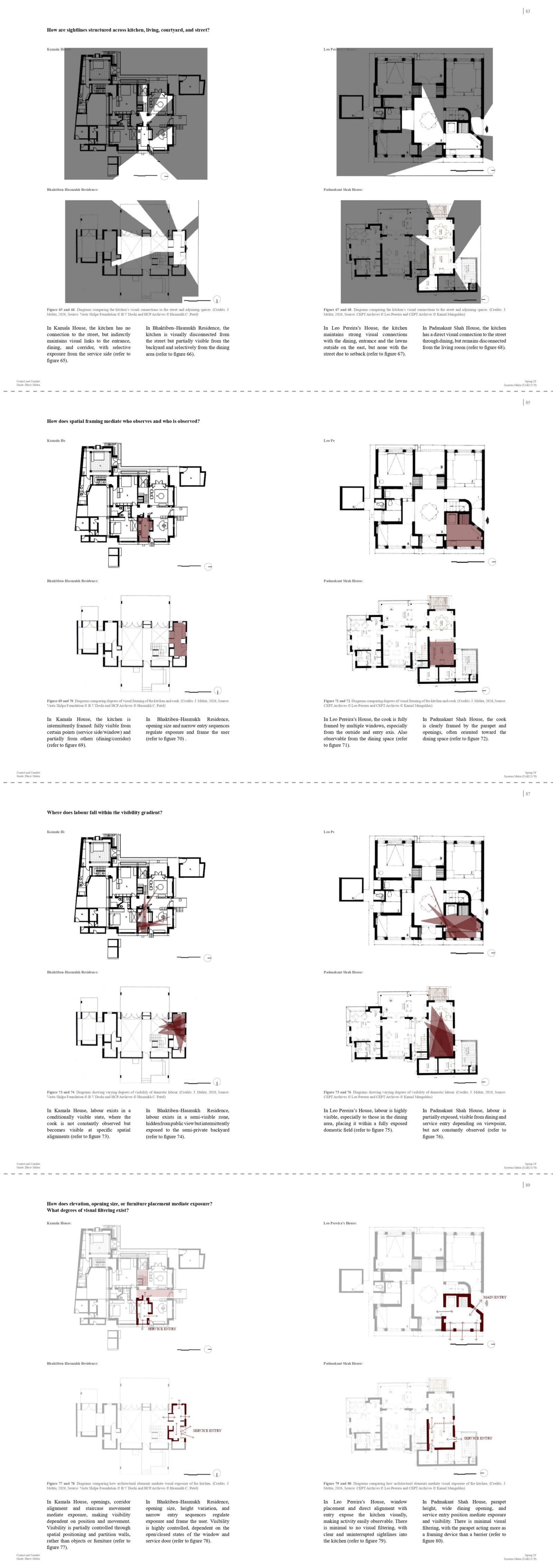
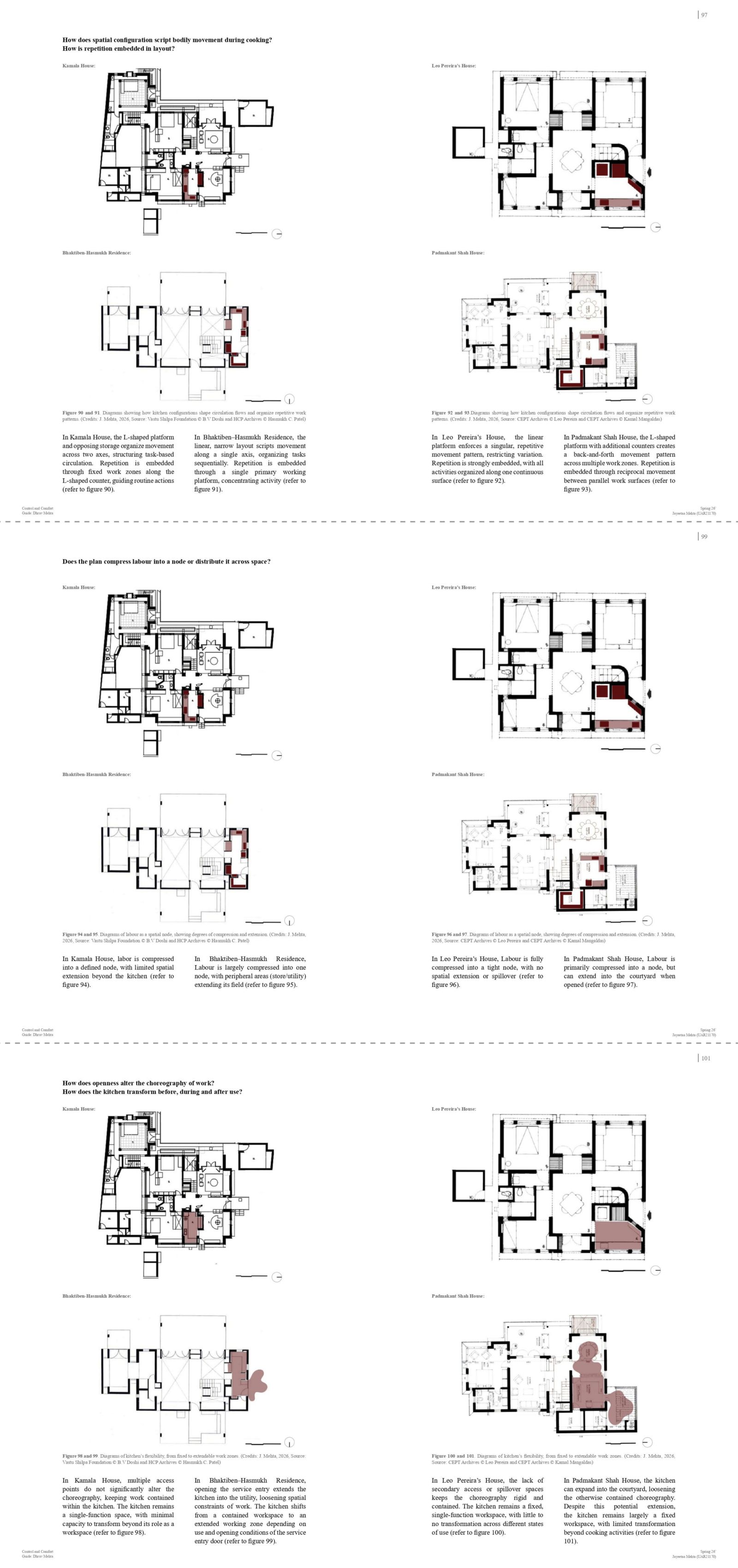
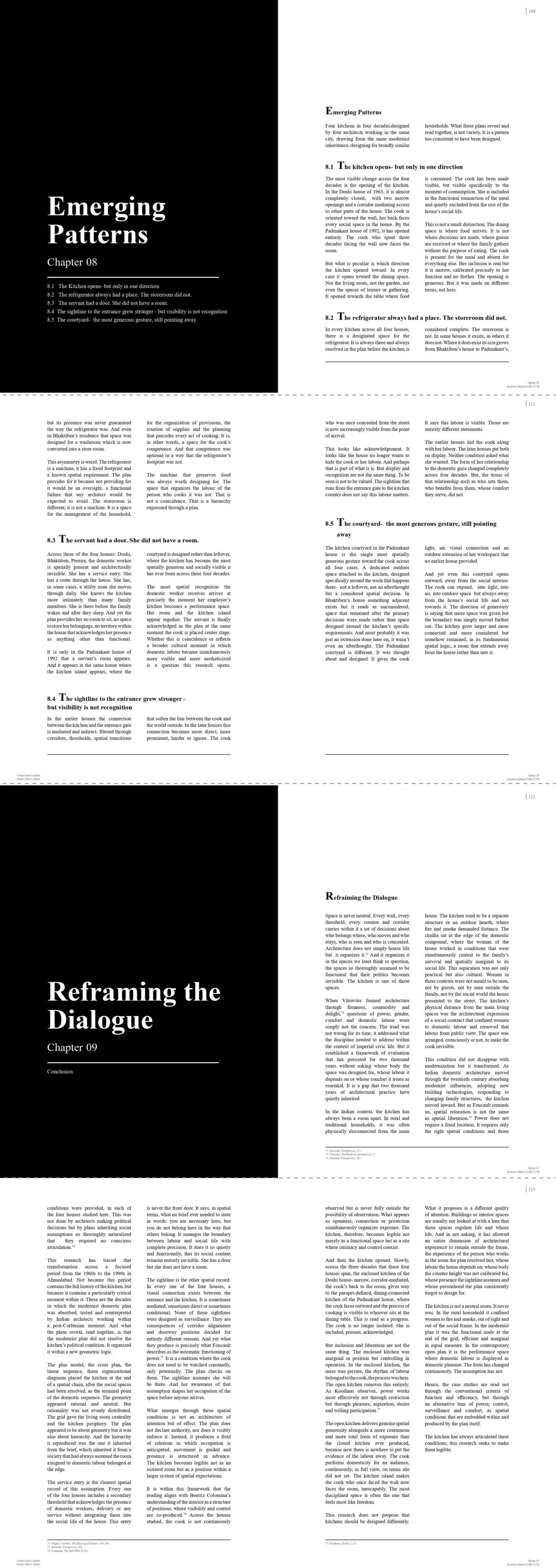
Domestic kitchens have never been politically neutral. This research begins with a simple provocation that comfort and control are not opposites, but operate together. Studying four bungalows in Ahmedabad built between the 1960s and 2000s, designed by B.V. Doshi, Hasmukh Patel, Leo Pereira and Kamal Mangaldas, it examines how spatial configurations silently regulate labour, visibility and behaviour. Drawing on Foucault, Colomina and Koolhaas, it argues that the open kitchen did not liberate the cook, it made their discipline invisible, aestheticised and therefore unquestioned. It reveals that the kitchen's political condition was never designed, it was simply assumed and in that assumption, it is left unread.
View Additional Work