Your browser is out-of-date!
For a richer surfing experience on our website, please update your browser. Update my browser now!
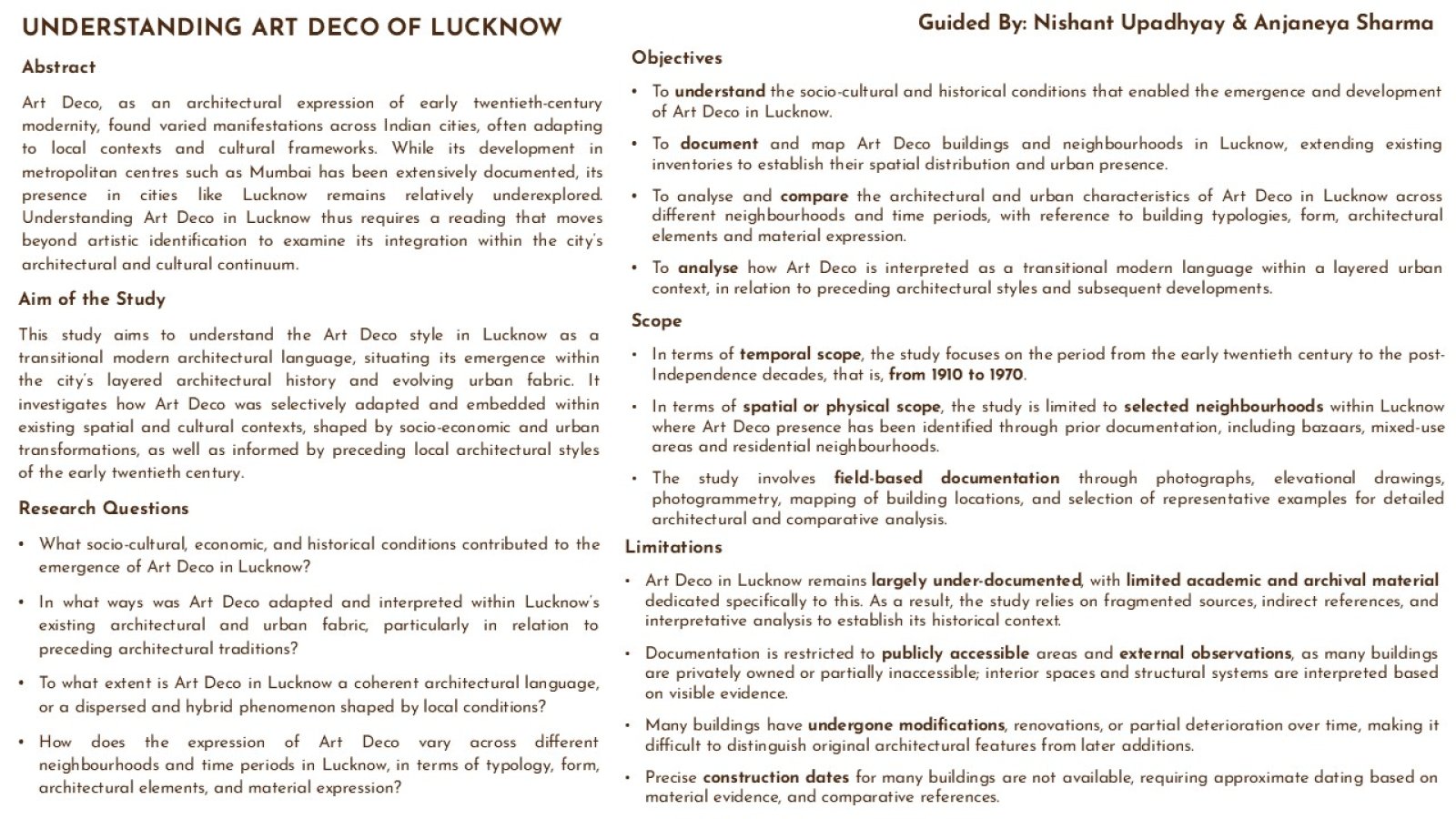
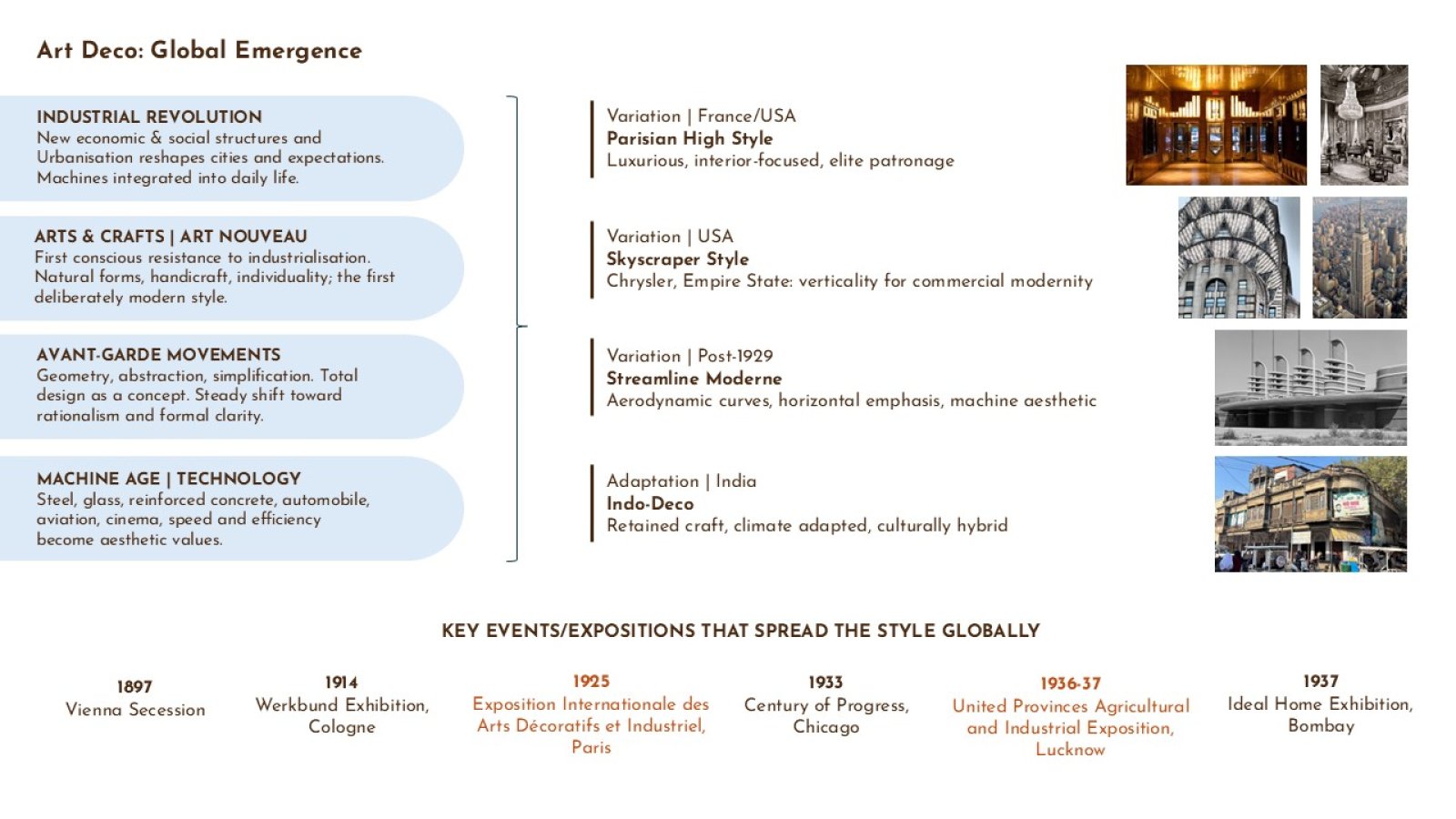
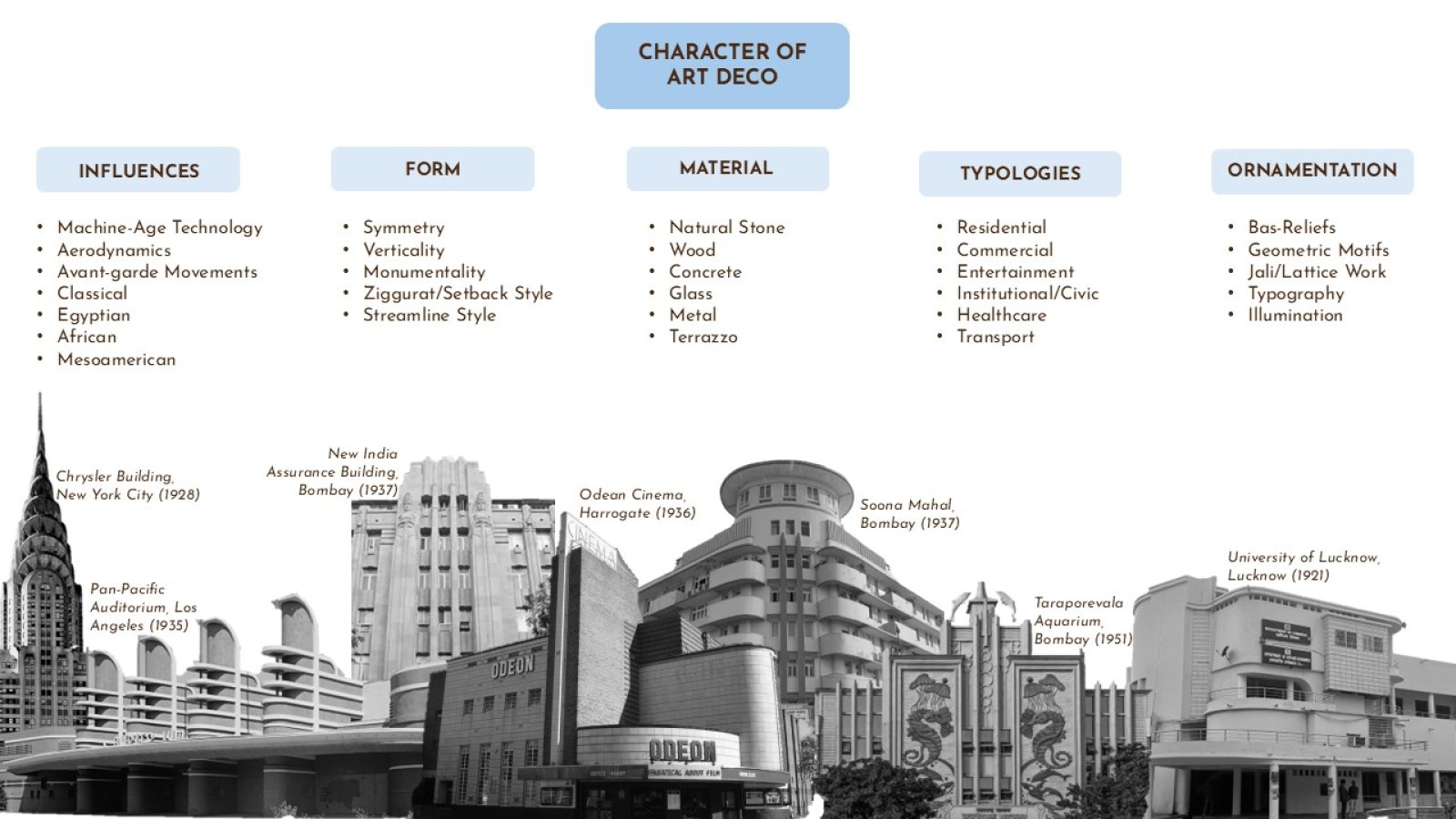
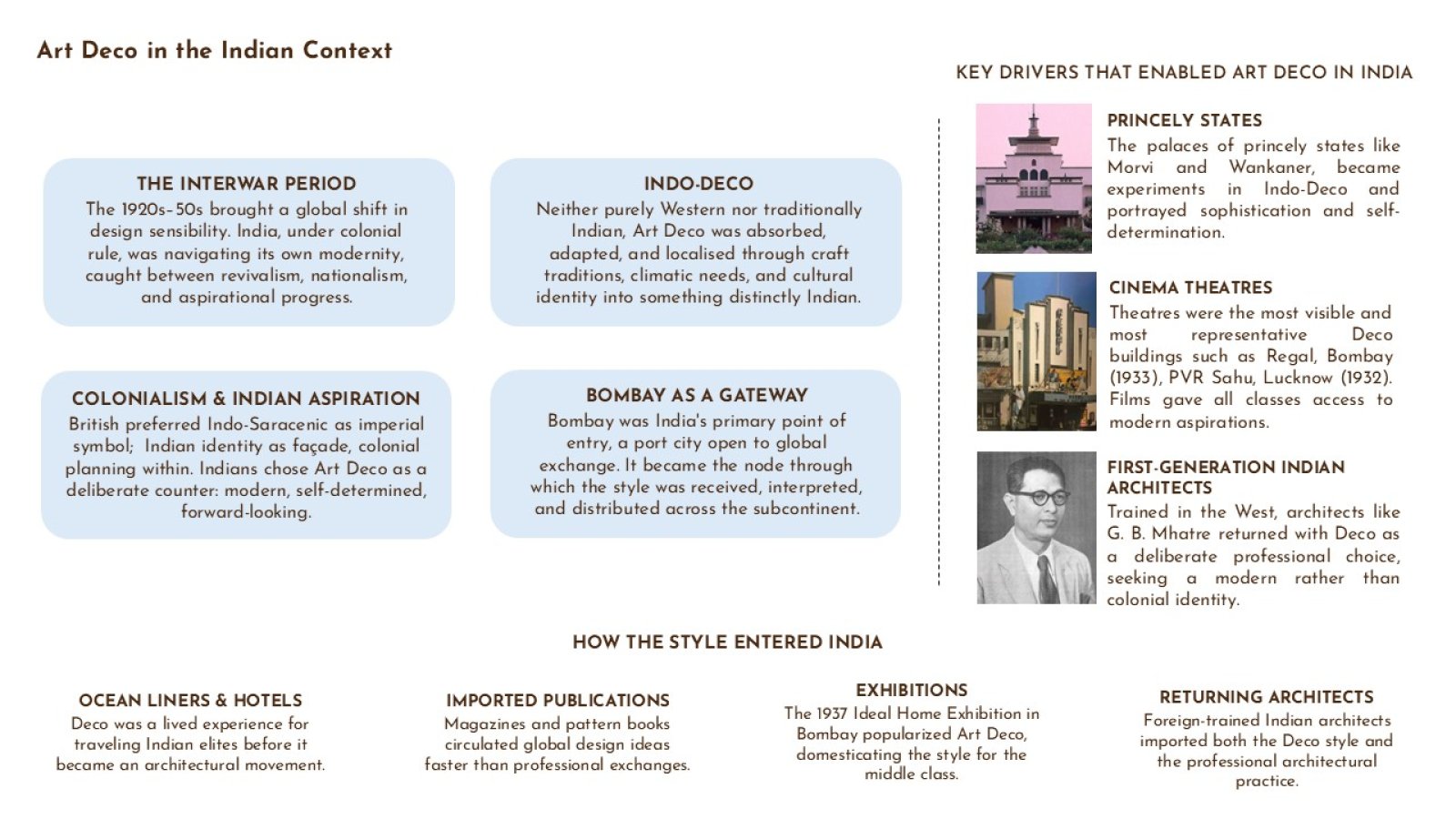
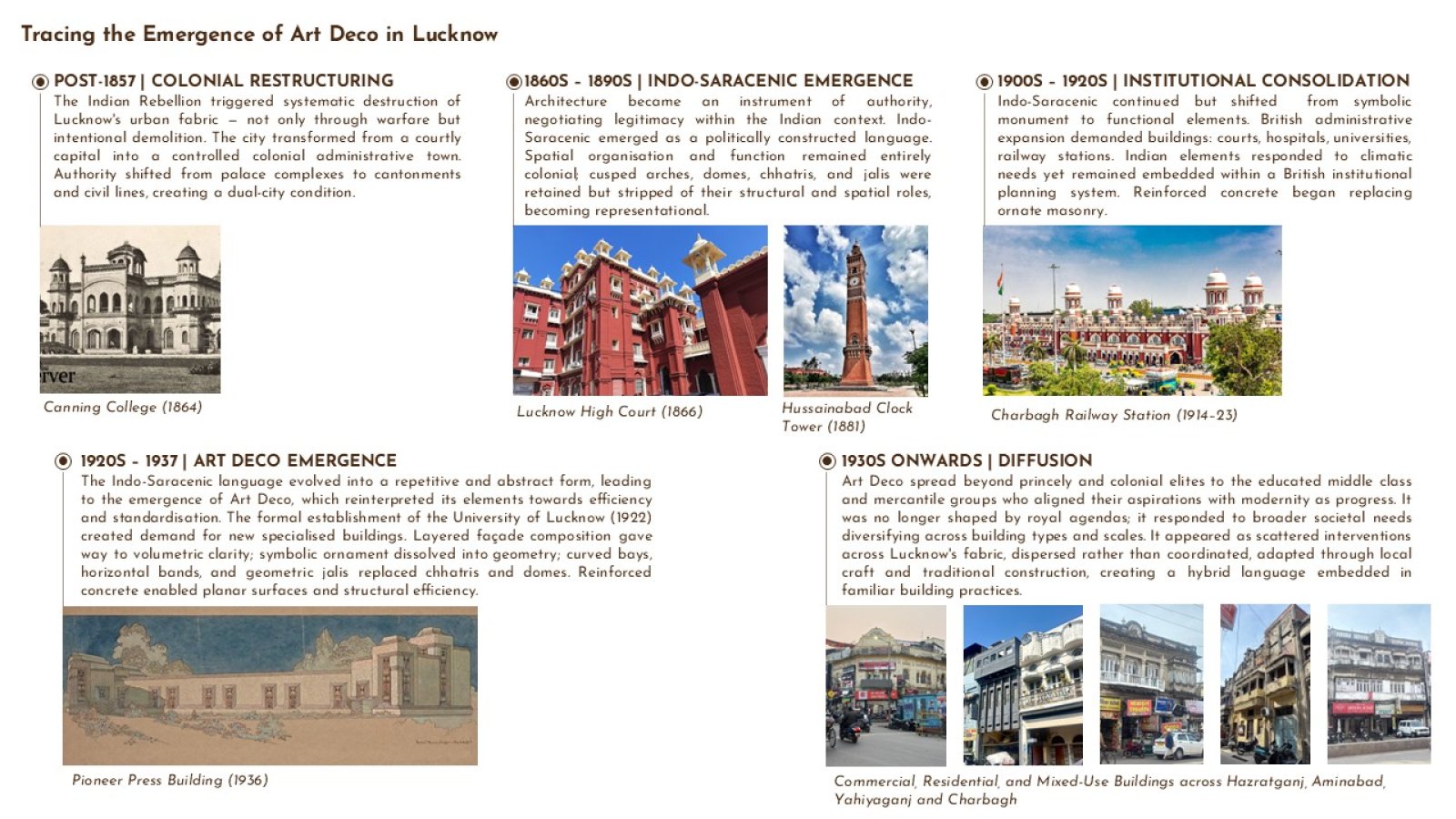
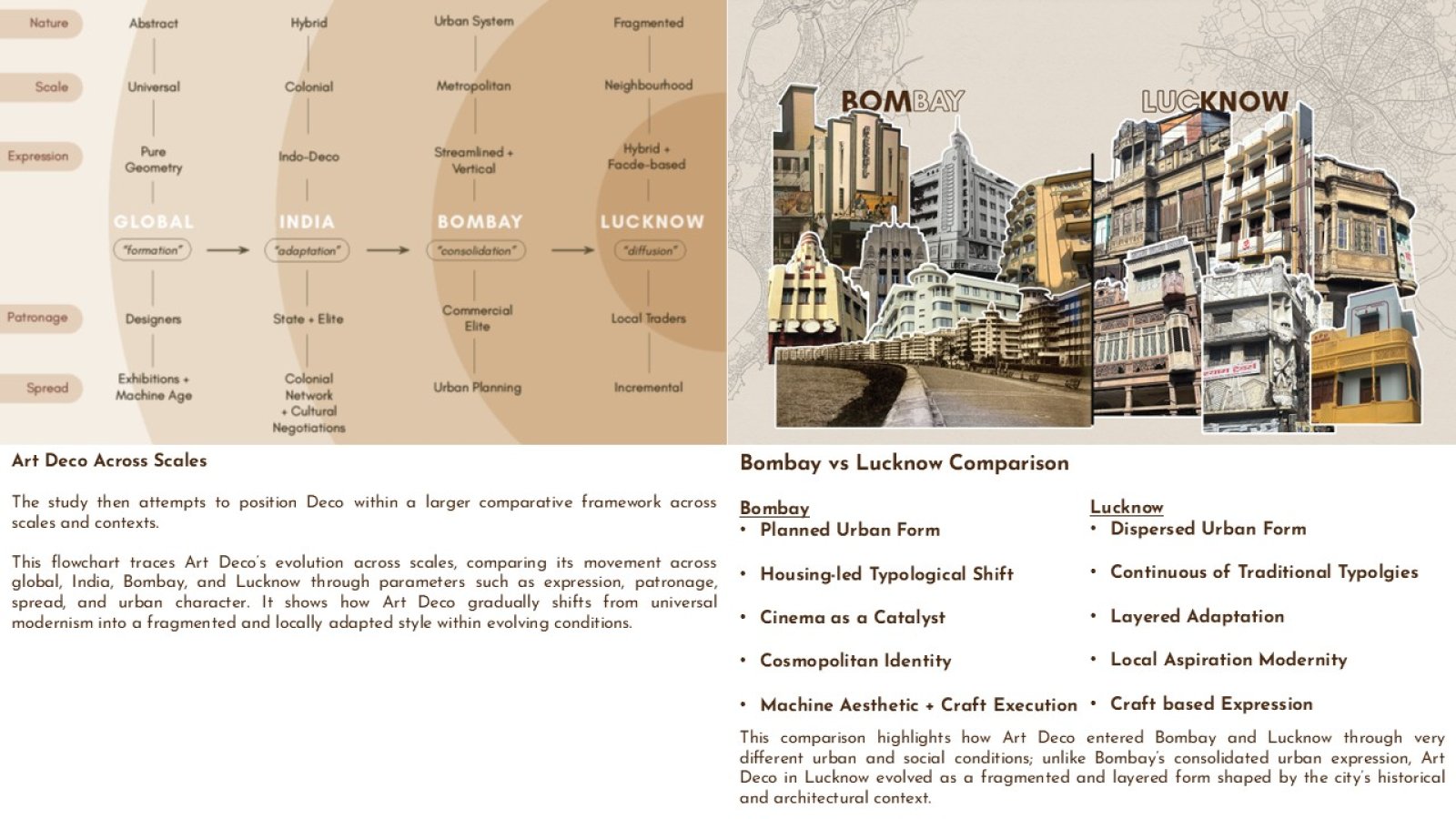
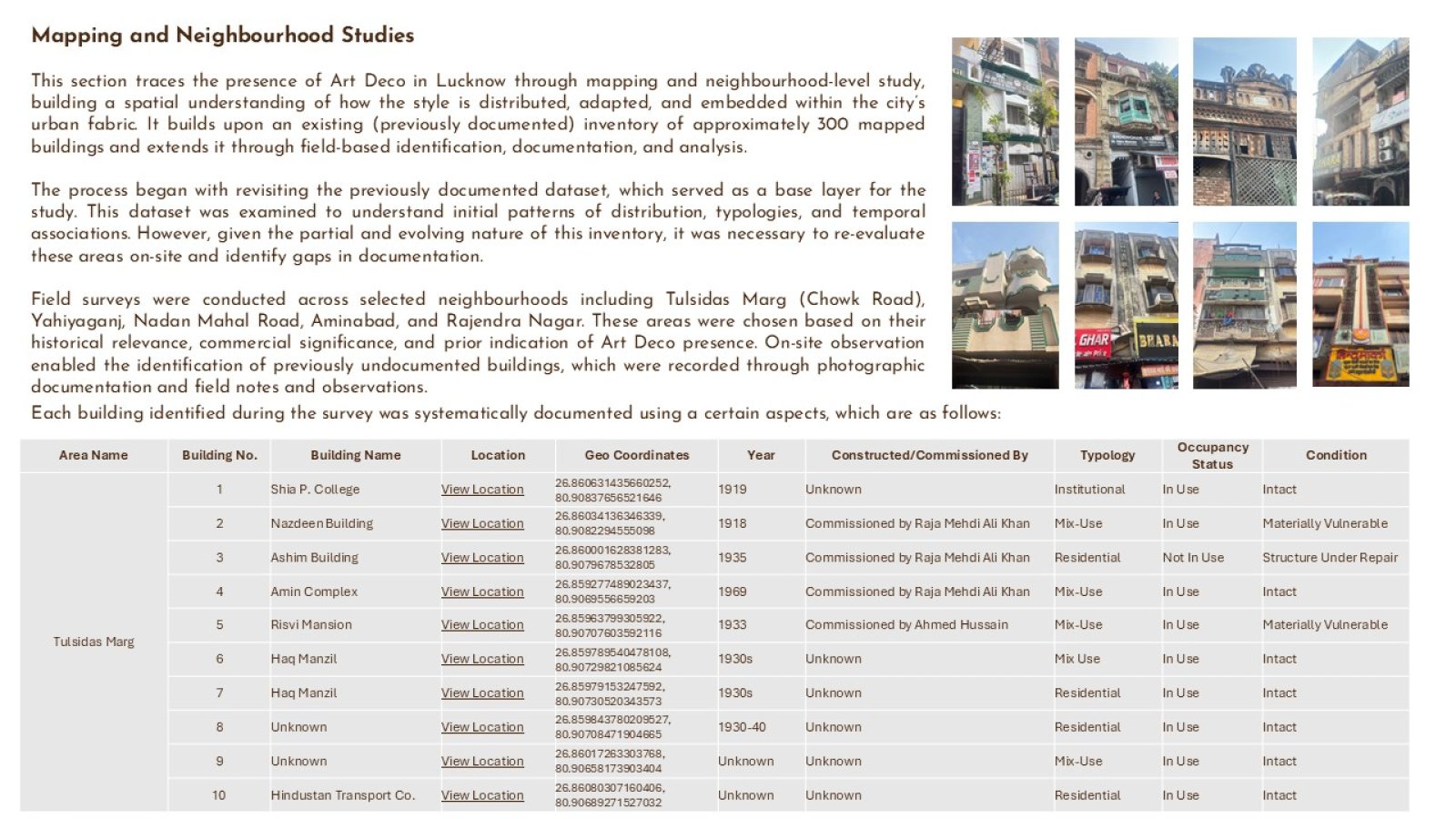
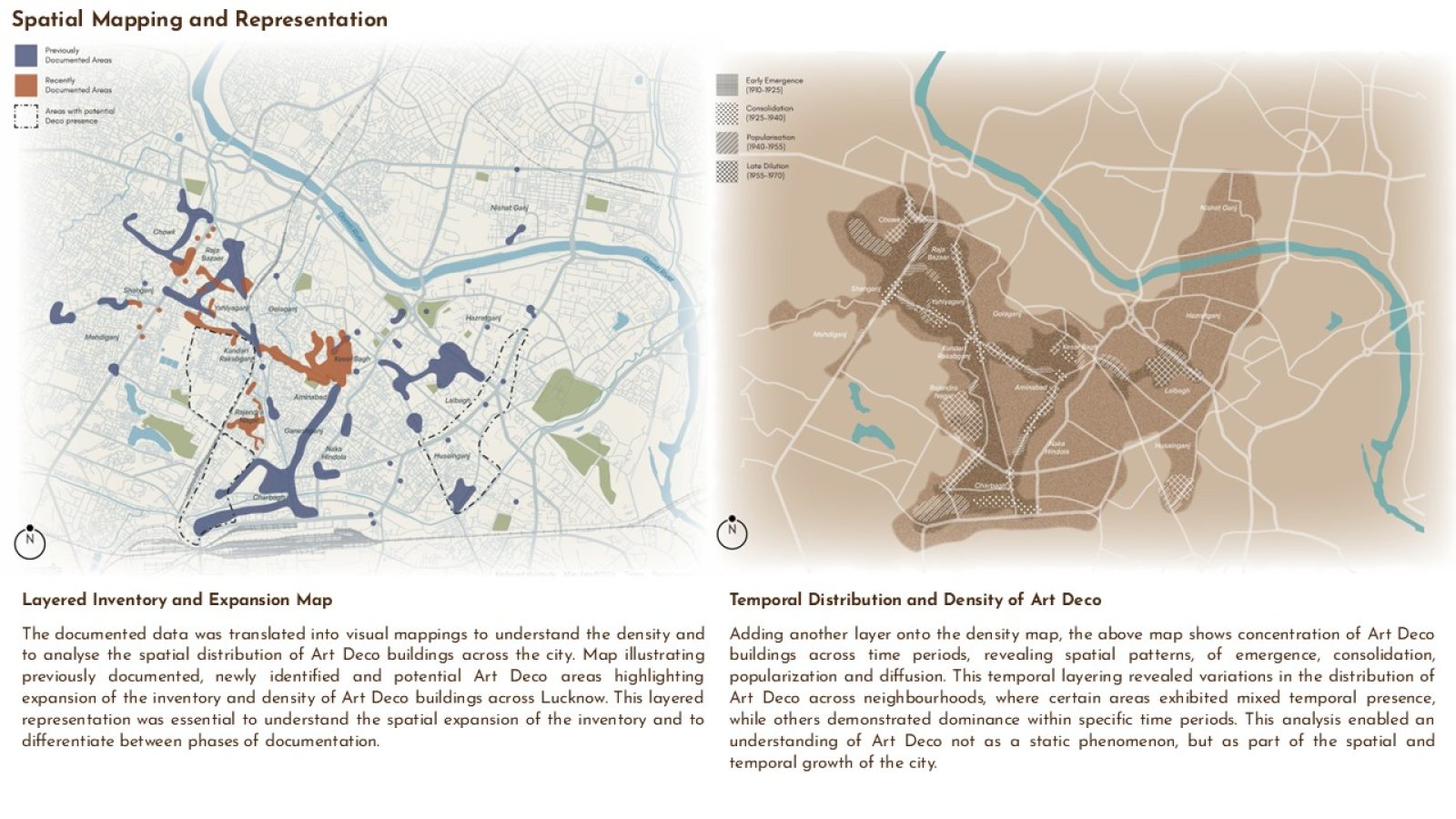
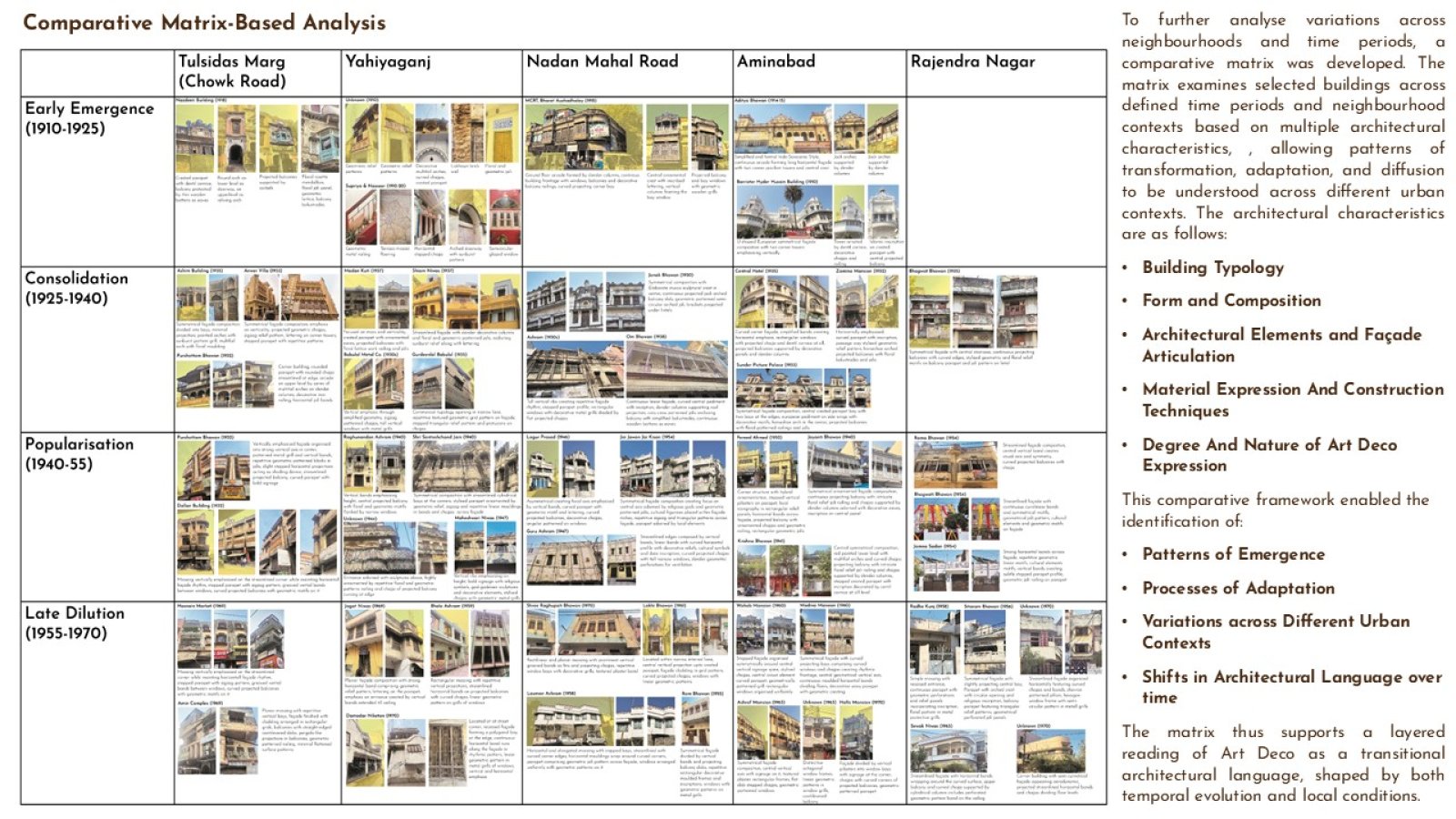
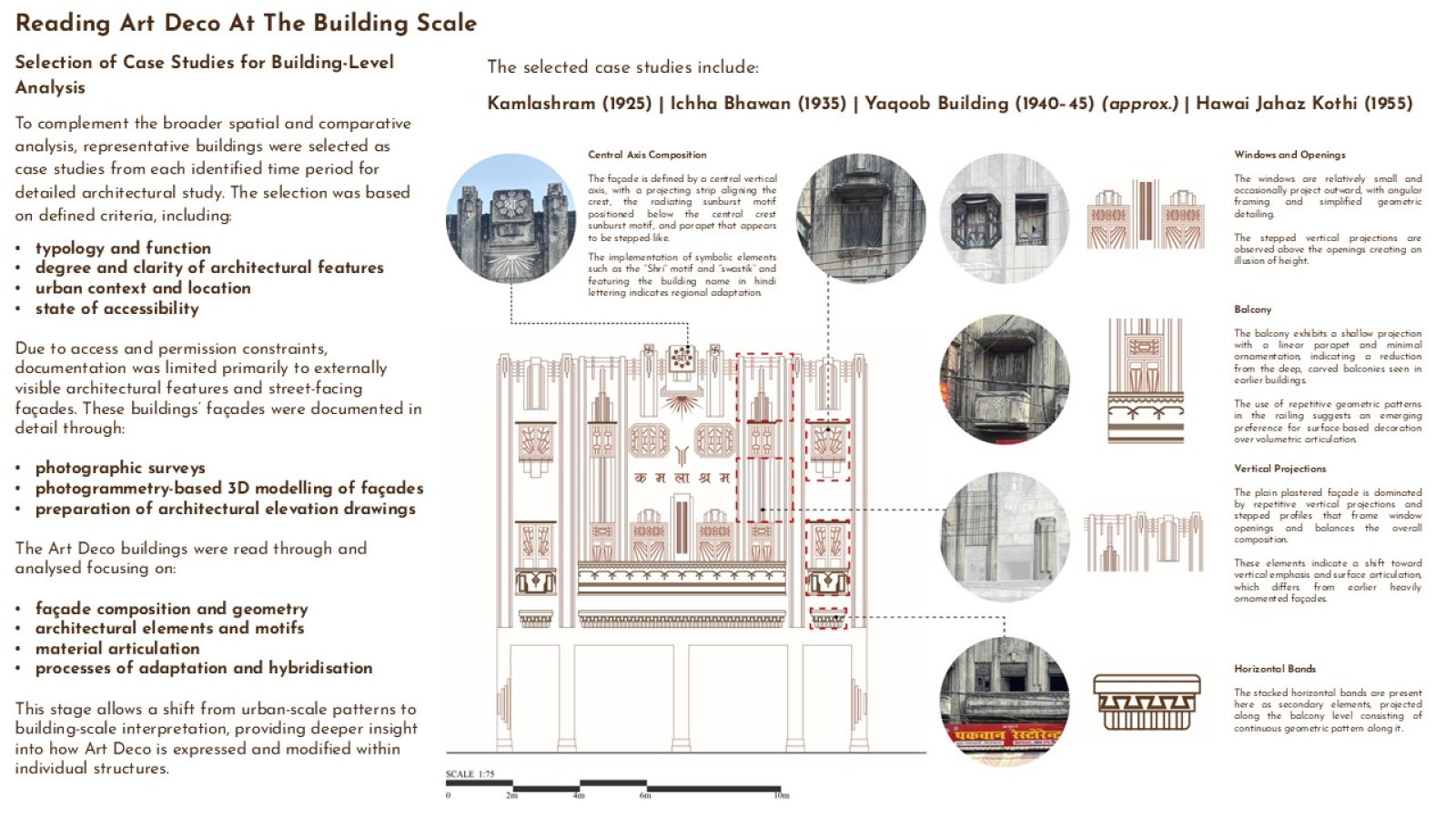
Art Deco, as an architectural expression of early twentieth-century modernity, found varied manifestations across Indian cities, often adapting to local contexts and cultural frameworks. While its development in metropolitan centres such as Mumbai has been extensively documented, its presence in cities like Lucknow remains relatively underexplored. In Lucknow, Art Deco did not emerge as a dominant or cohesive stylistic movement, but rather as a dispersed and adaptive architectural language embedded within the city’s urban fabric. Its expression is observed across residential, commercial, and institutional buildings, often in hybrid forms that negotiate between preceding architectural styles and emerging modern influences. This layered presence reflects broader socio-economic transformations, evolving construction practices, and changing aspirations within the urban society of the early to mid-twentieth century. In a city like Lucknow, characterised by layered Nawabi, Indo-Islamic and colonial influences; rather than replacing earlier architectural languages, Art Deco coexists with and modifies them, resulting in a gradual transformation of the built environment. Its manifestation is often subtle, appearing through façade treatments, material expression, and formal adjustments rather than complete stylistic shifts. Understanding Art Deco in Lucknow thus requires a reading that moves beyond artistic identification to examine its integration within the city’s architectural and cultural continuum.