Your browser is out-of-date!
For a richer surfing experience on our website, please update your browser. Update my browser now!
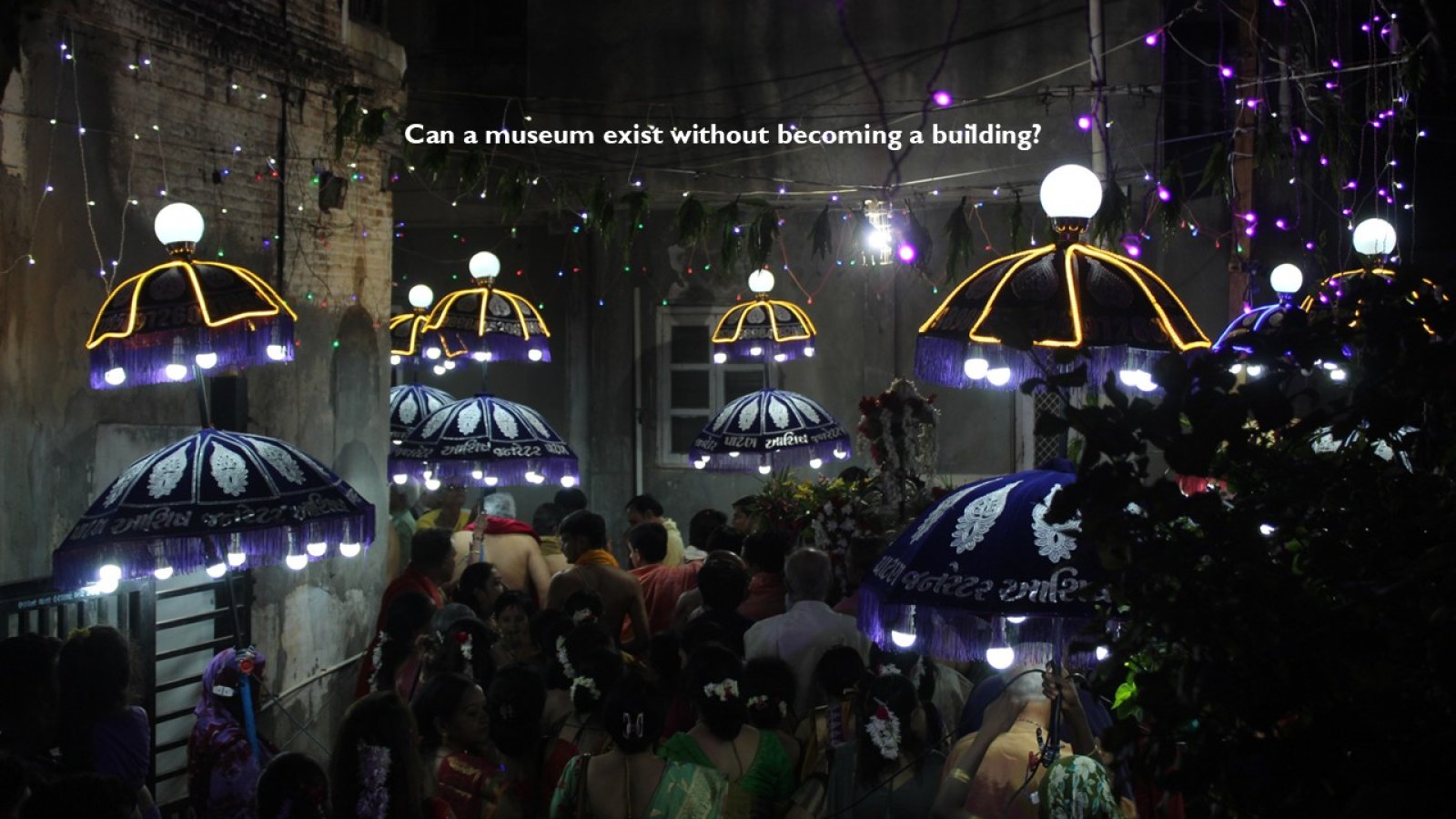
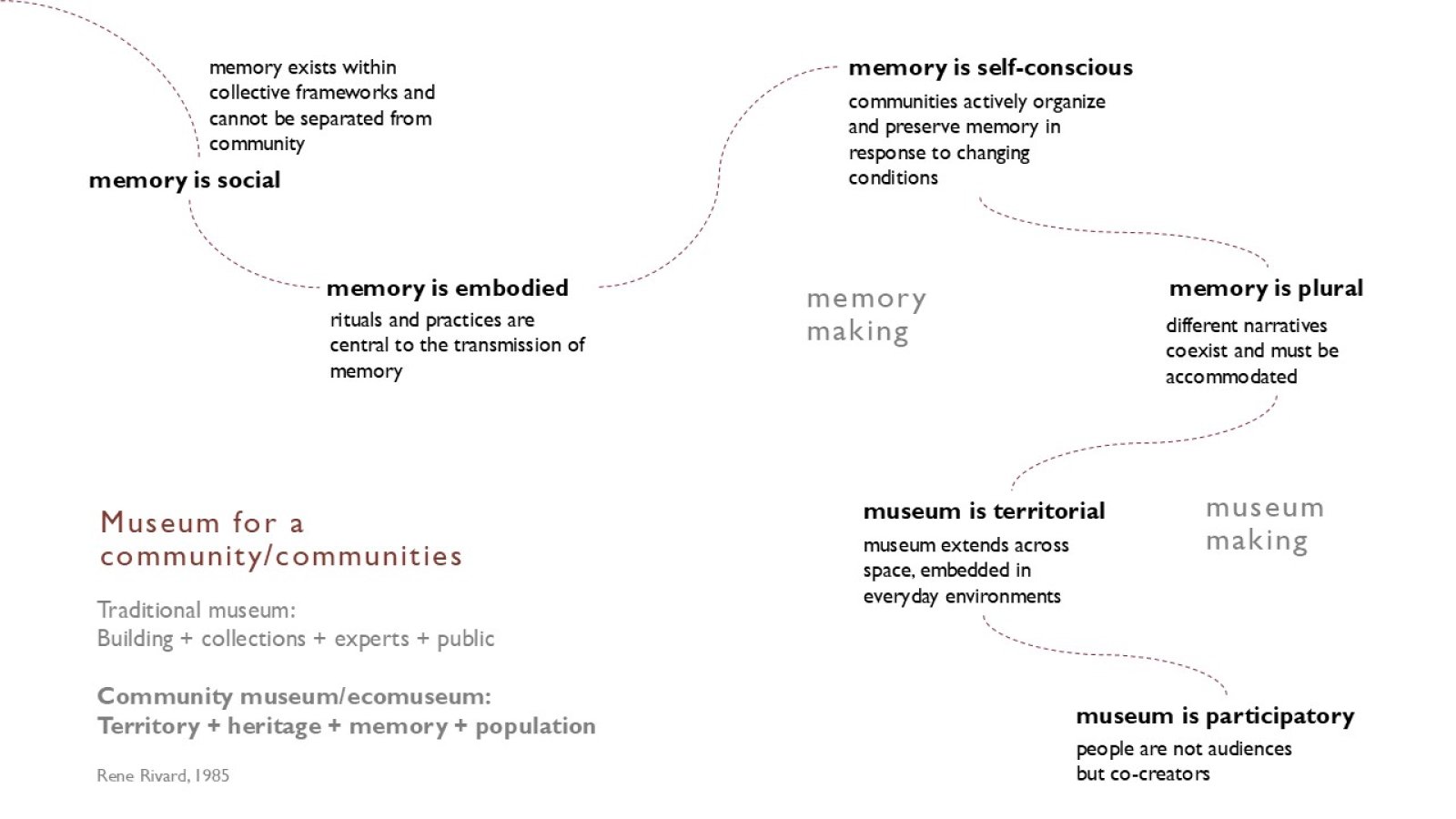
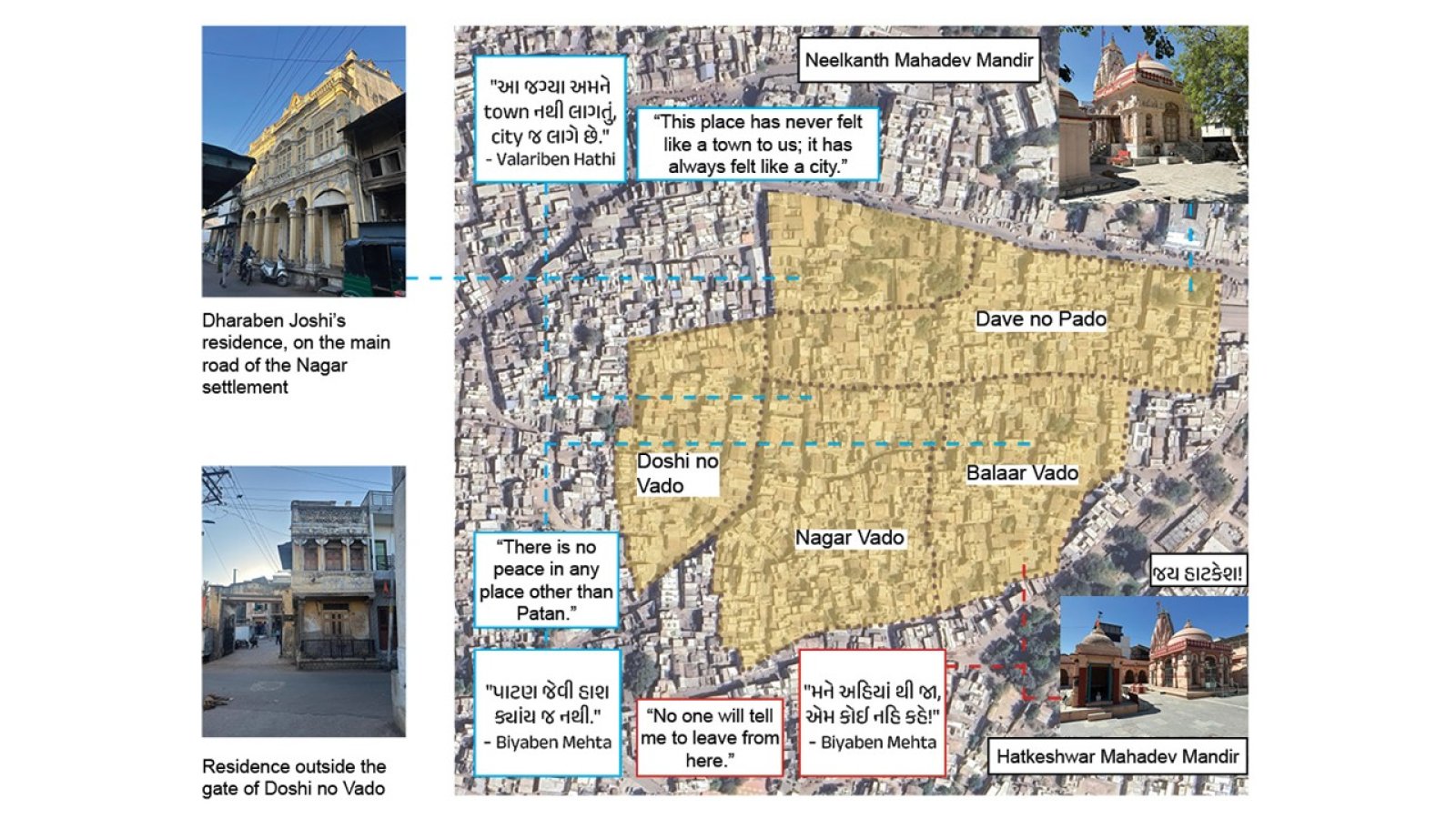
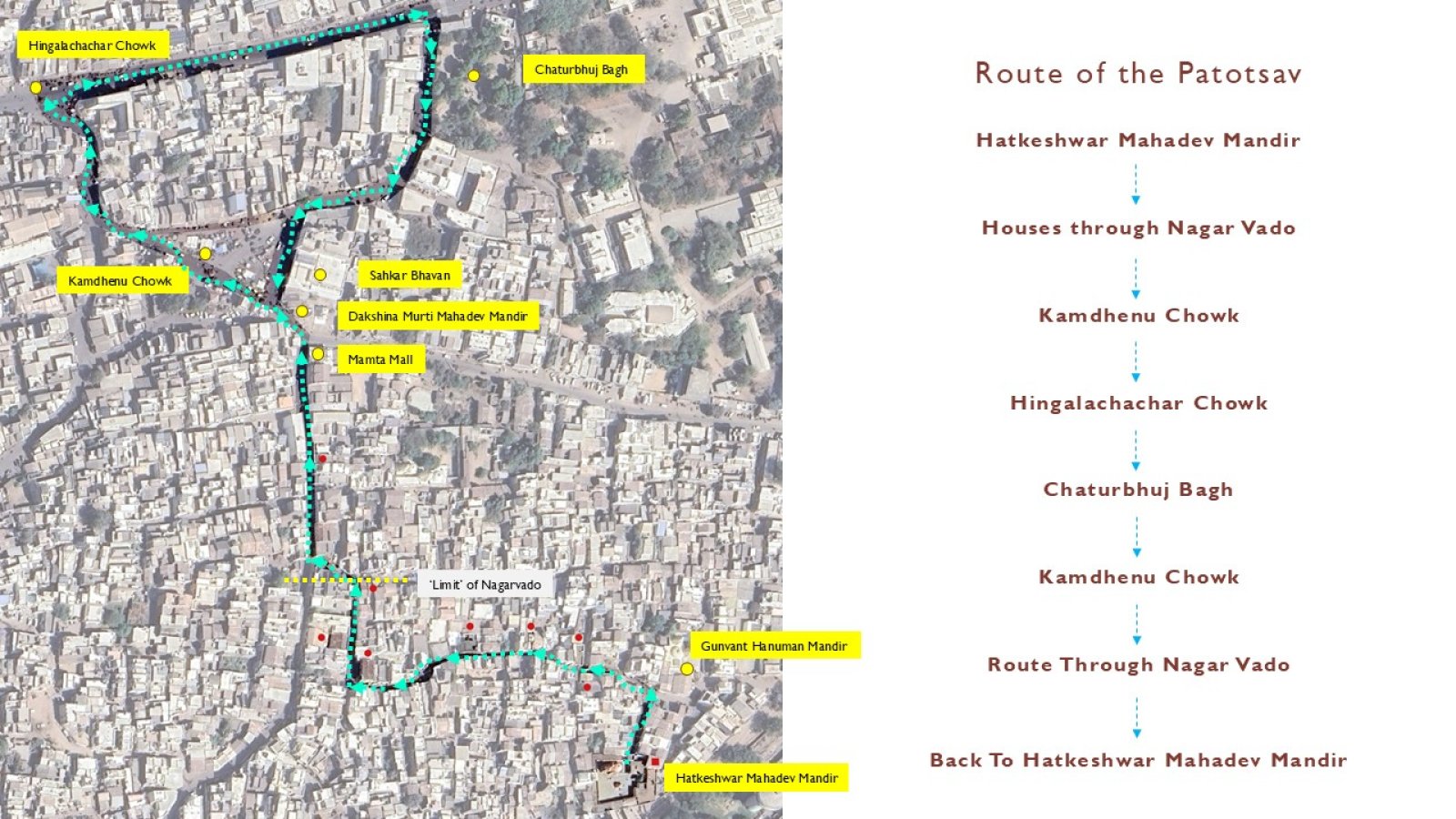
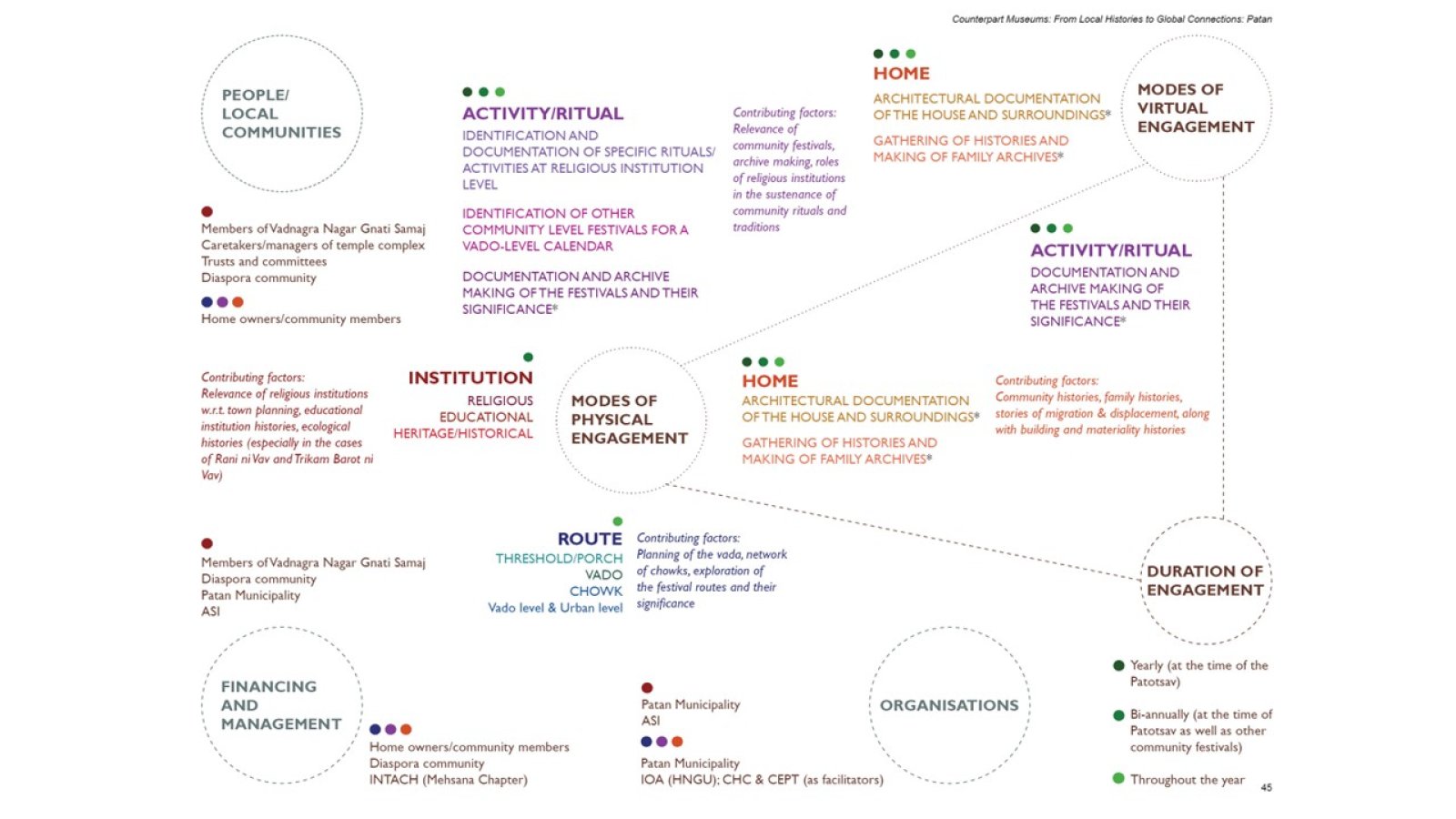
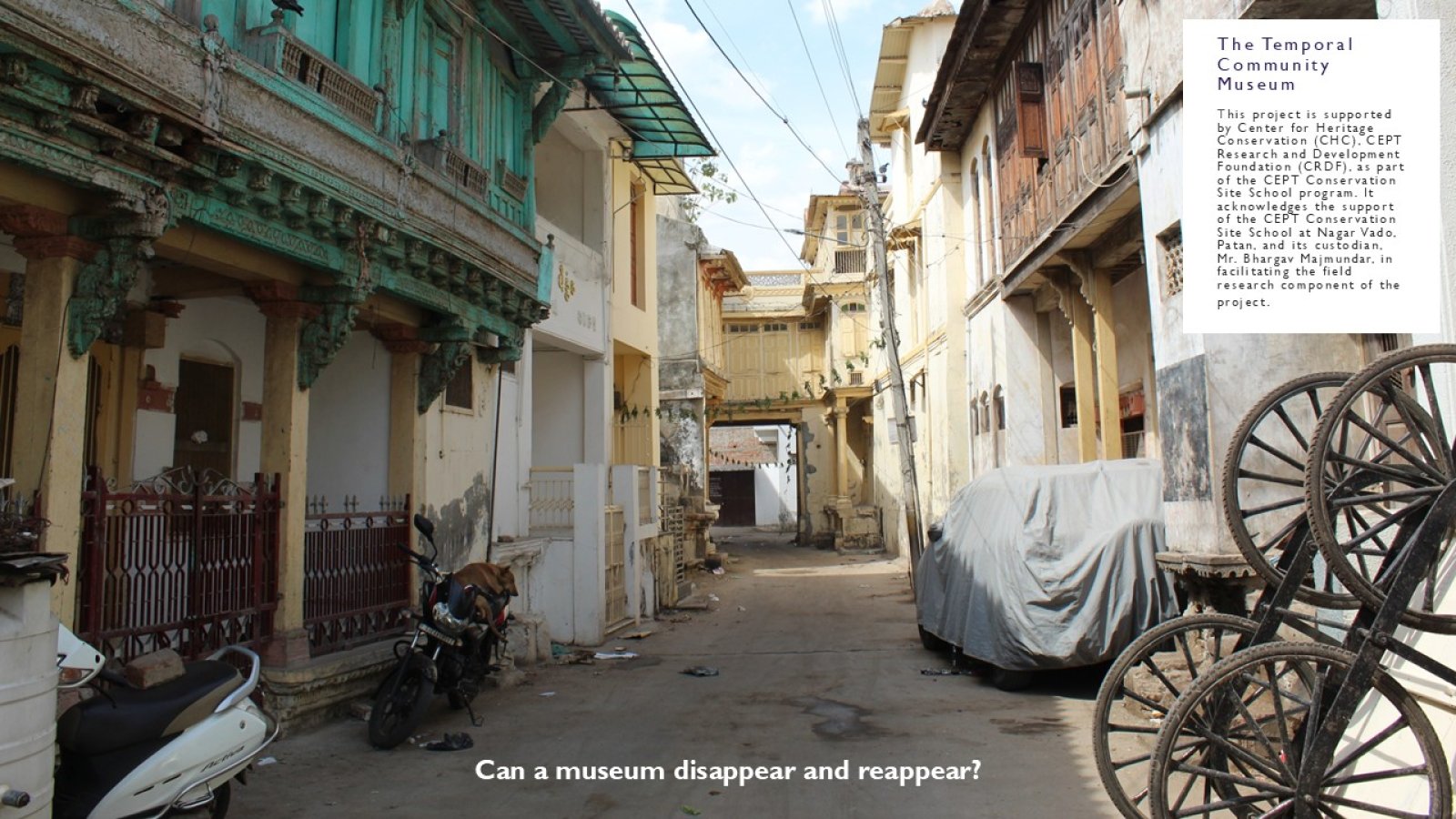
This paper examines the concept of a “temporal community museum” through a case study of the Nagar Brahmin community in Patan, proposing an alternative to institutional museum models grounded in participation, memory, and lived space. Drawing on theories of collective memory, spatial memory, and participatory museology, the study reframes museums as processual, distributed, and community-driven practices rather than fixed sites of display. It situates memory as socially constructed and spatially embedded, enacted through ritual, storytelling, and everyday interactions rather than preserved as static heritage.
View Additional Work