Your browser is out-of-date!
For a richer surfing experience on our website, please update your browser. Update my browser now!
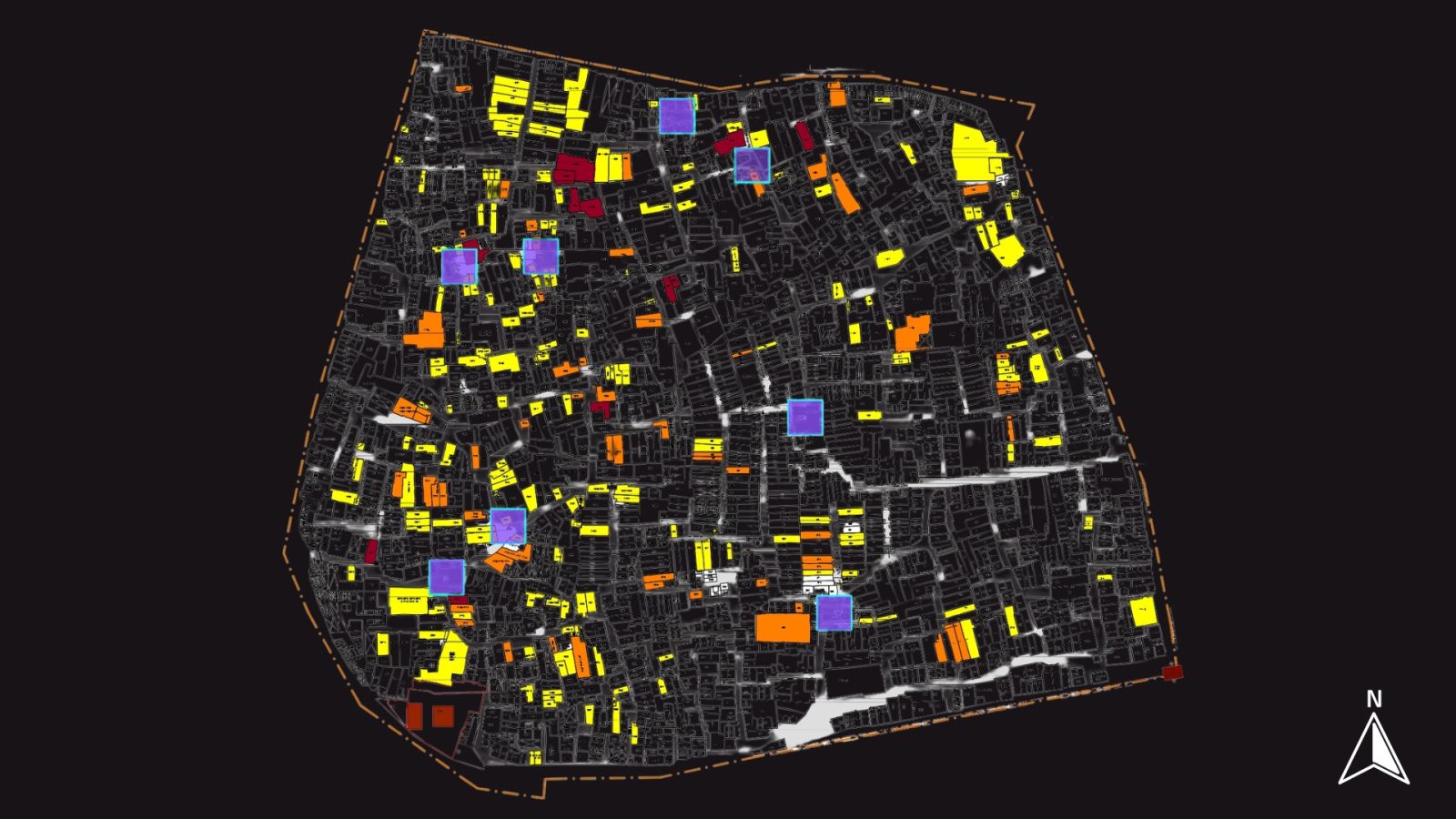
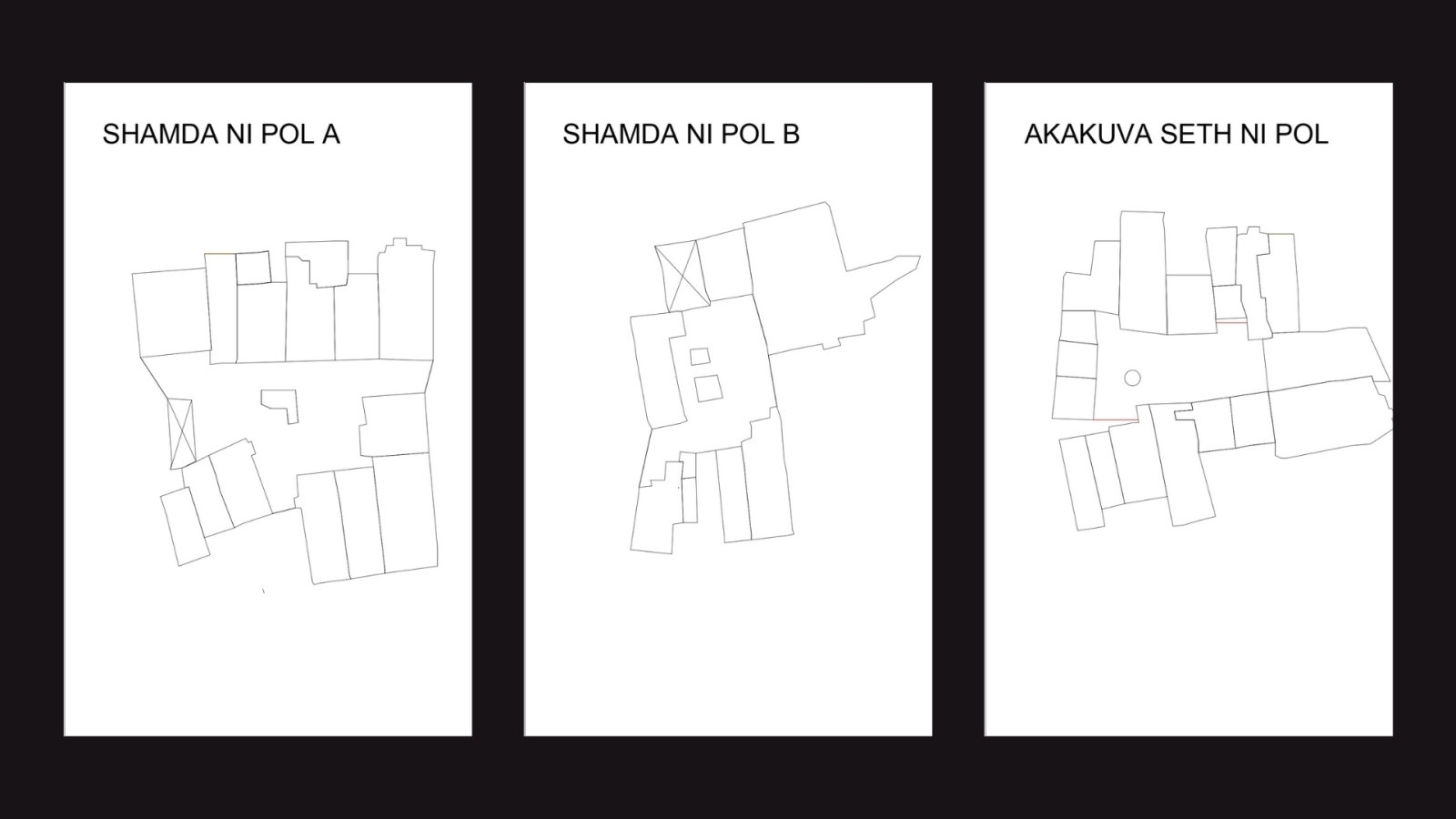
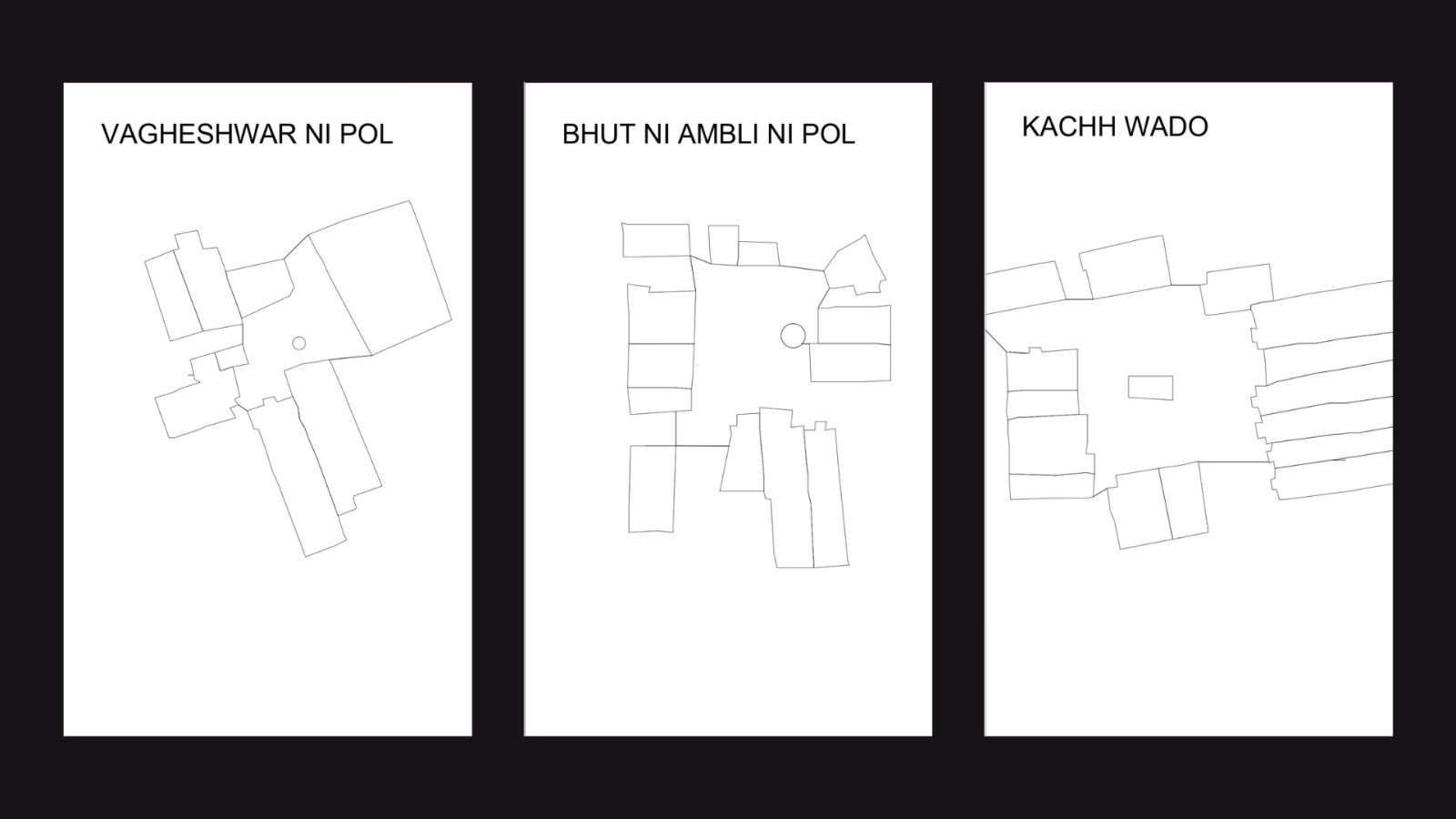
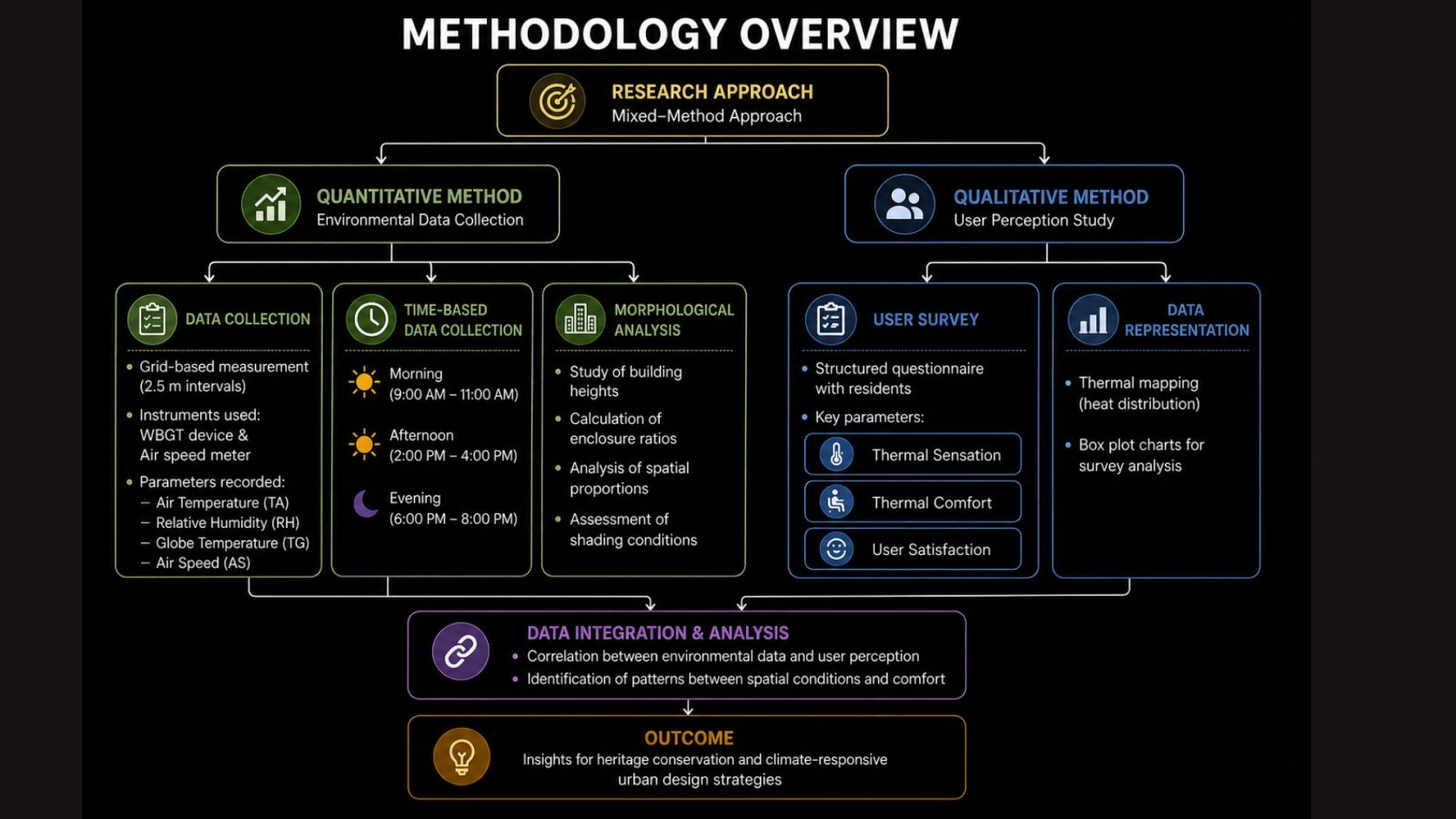
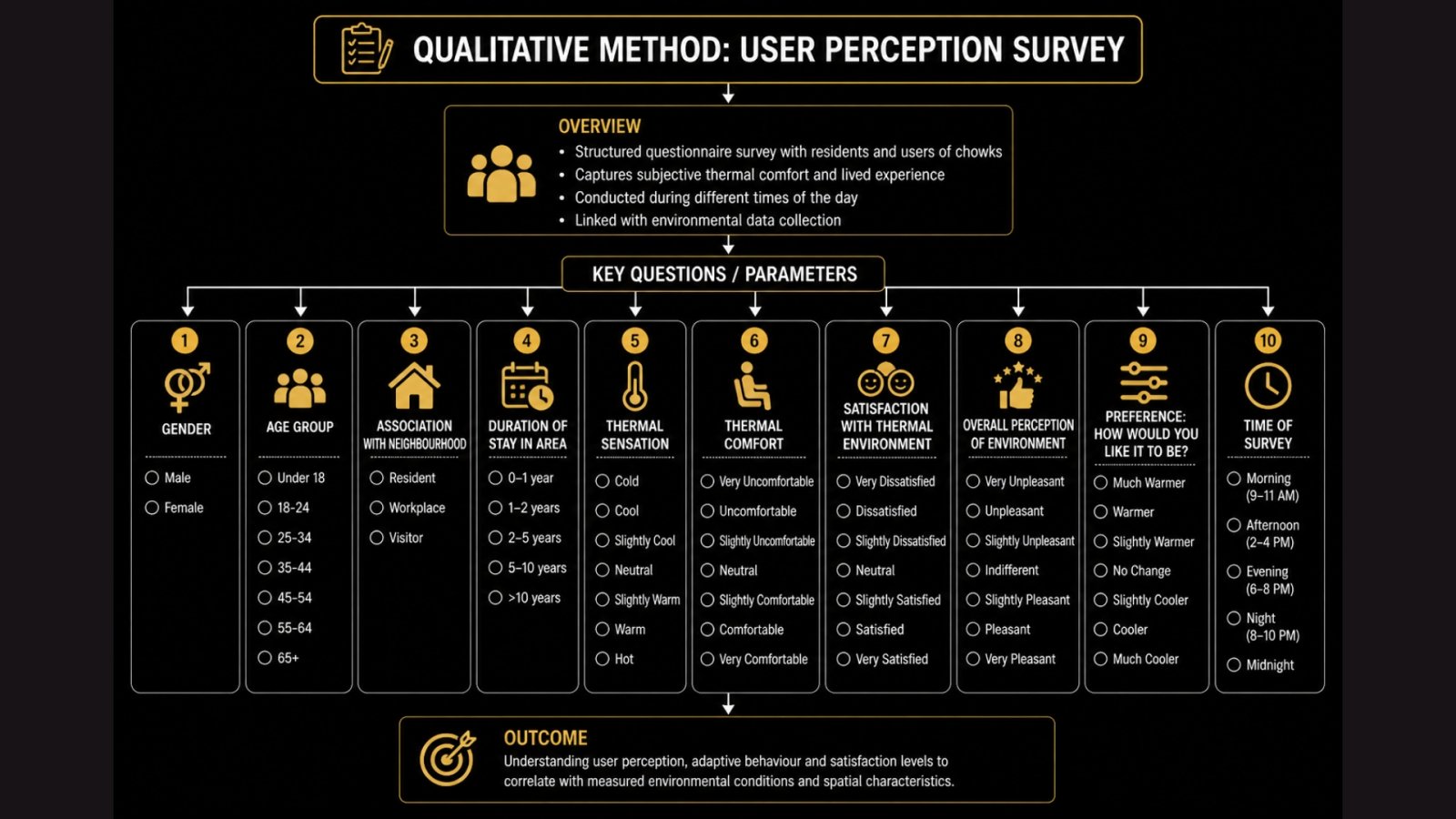
This research investigates outdoor thermal comfort (OTC) within the chowks of pol settlements in Ahmedabad, positioning these historic urban spaces as critical yet underexplored environments in the discourse of climate-responsive design. While extensive research has been conducted on indoor thermal comfort, outdoor environments—particularly those embedded within traditional urban fabrics—remain insufficiently examined. In the context of increasing urban heat stress, climate change, and the intensification of urban heat island effects, understanding how historic settlements negotiate thermal conditions offers valuable insights for contemporary urban design and heritage conservation practices. Pol settlements in Ahmedabad represent a unique morphological and socio-cultural system that has evolved through indigenous climatic intelligence and community-based spatial planning. The chowk, as a semi-open communal space within this system, plays a vital role not only as a social node but also as a microclimatic moderator. This research seeks to analyse how these chowks produce thermally comfortable environments through spatial configuration, materiality, vegetation, and shading mechanisms, and how these factors collectively influence human thermal perception and usage patterns. The study is situated at the intersection of architectural heritage, environmental science, and urban climatology. It draws upon theoretical frameworks of thermal comfort, particularly moving beyond conventional steady-state models toward dynamic and adaptive approaches. Traditional models often assume static environmental conditions; however, outdoor environments are inherently variable, shaped by fluctuating solar radiation, wind patterns, and human activity. This research emphasizes the importance of dynamic thermal comfort models that account for temporal changes and users’ thermal histories, thereby offering a more realistic understanding of outdoor experiences. A key conceptual lens employed in the study is thermal alliesthesia, which explains how transitions between different thermal conditions can generate pleasurable sensations. In the context of pol settlements, the movement from narrow shaded streets into relatively open chowks may produce positive thermal responses due to perceived relief from heat stress. Such experiential transitions challenge the notion of uniform comfort and highlight the importance of spatial sequencing in shaping thermal perception.
View Additional Work