Your browser is out-of-date!
For a richer surfing experience on our website, please update your browser. Update my browser now!
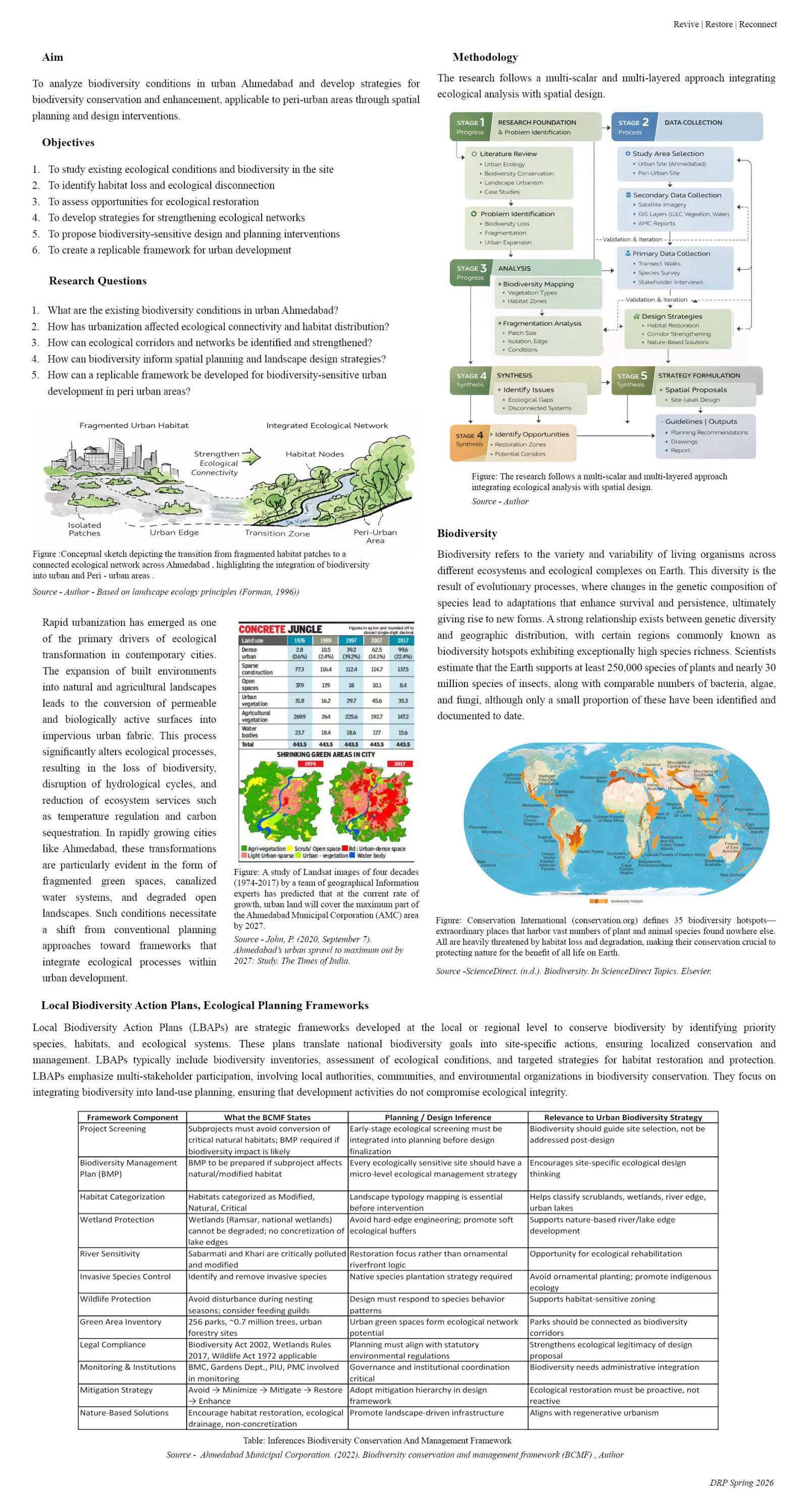
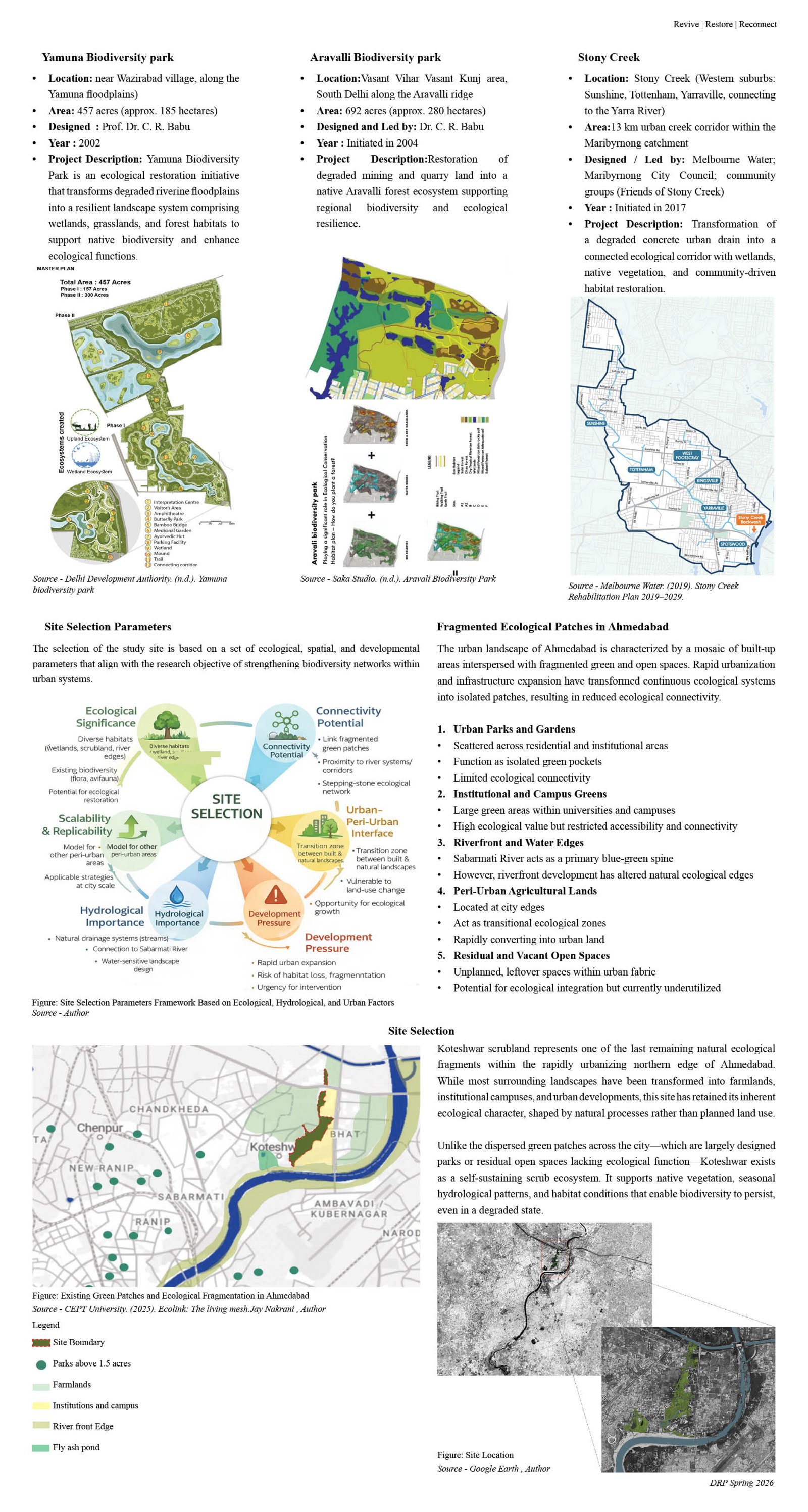
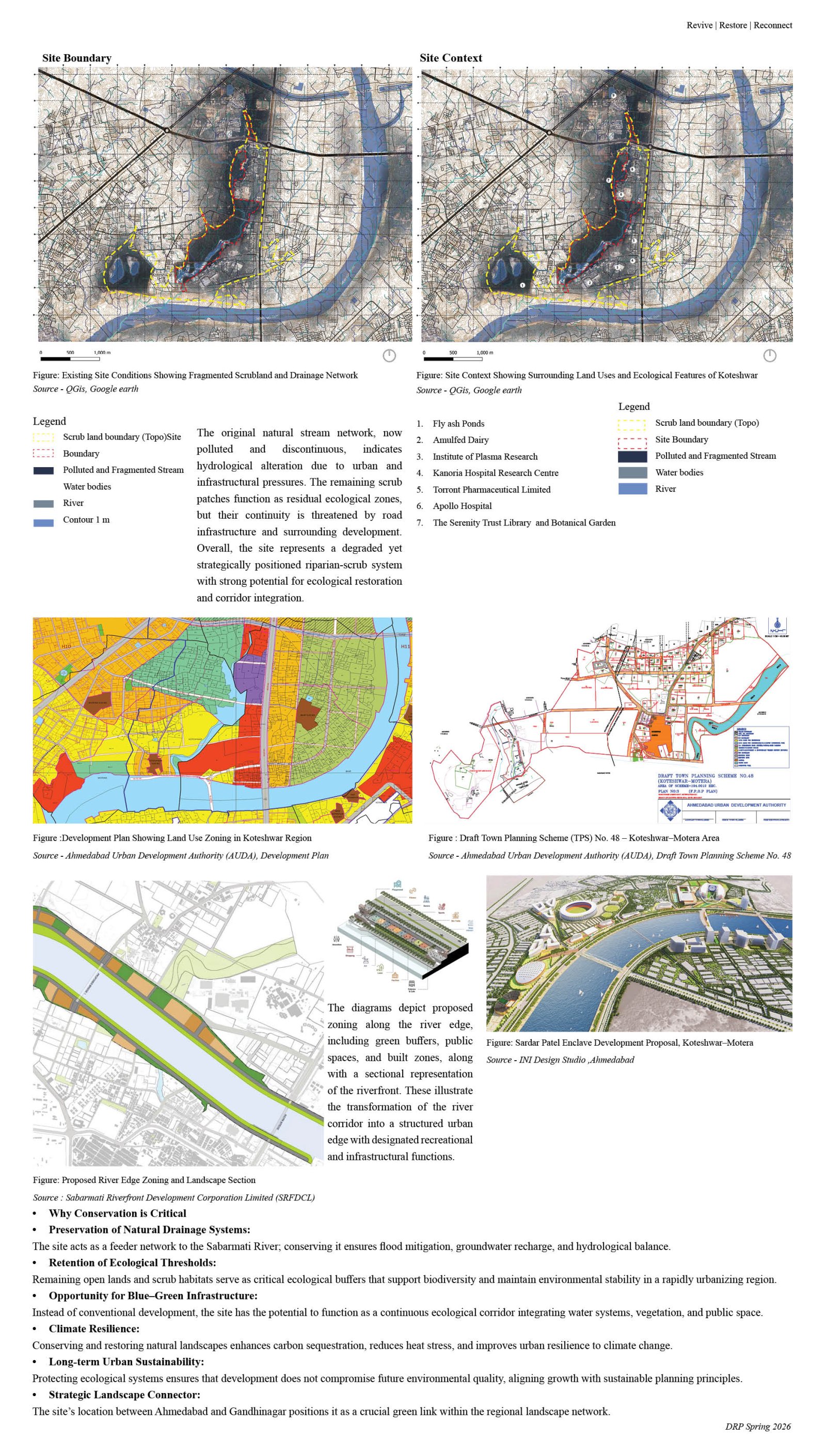
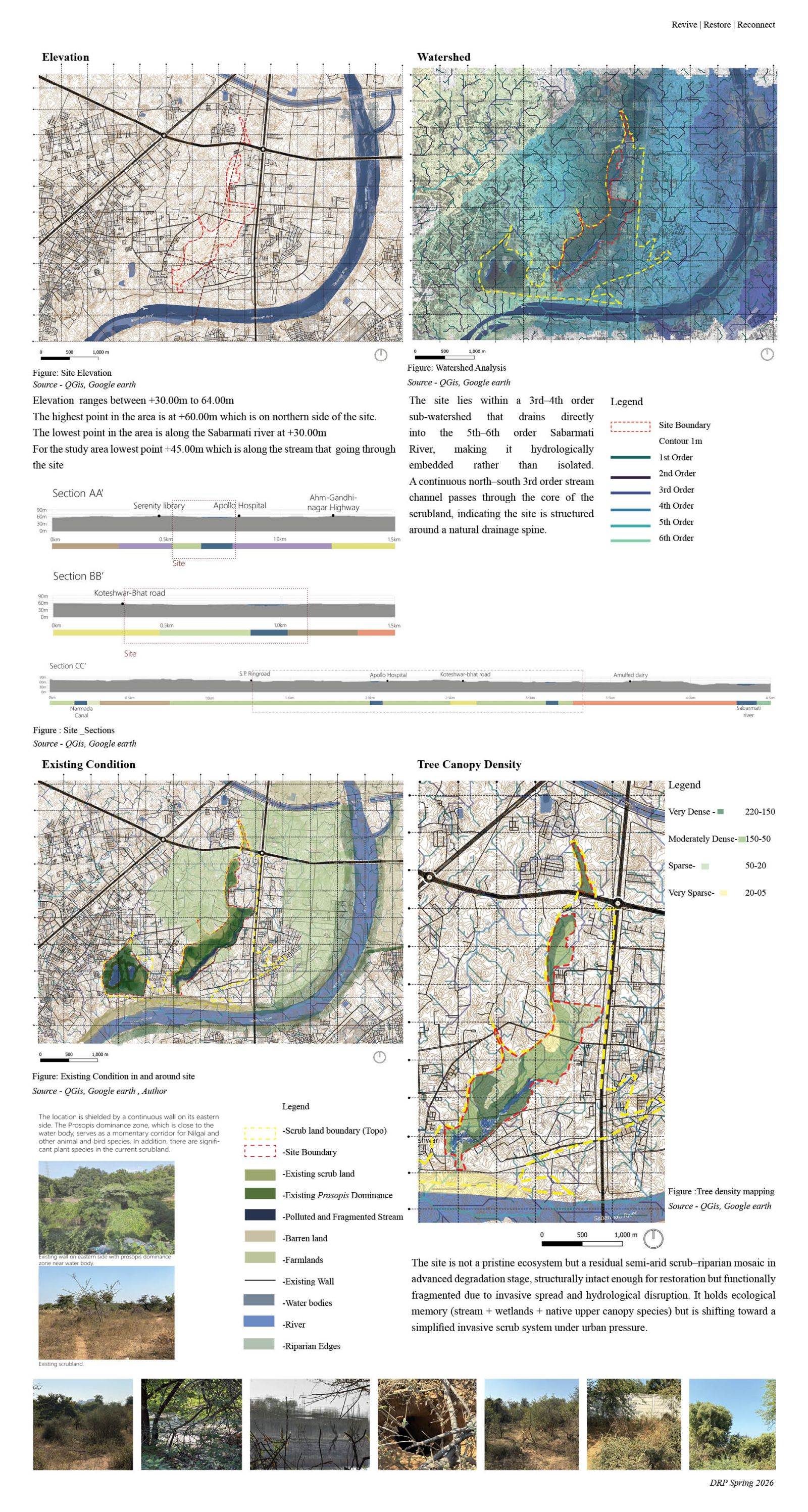
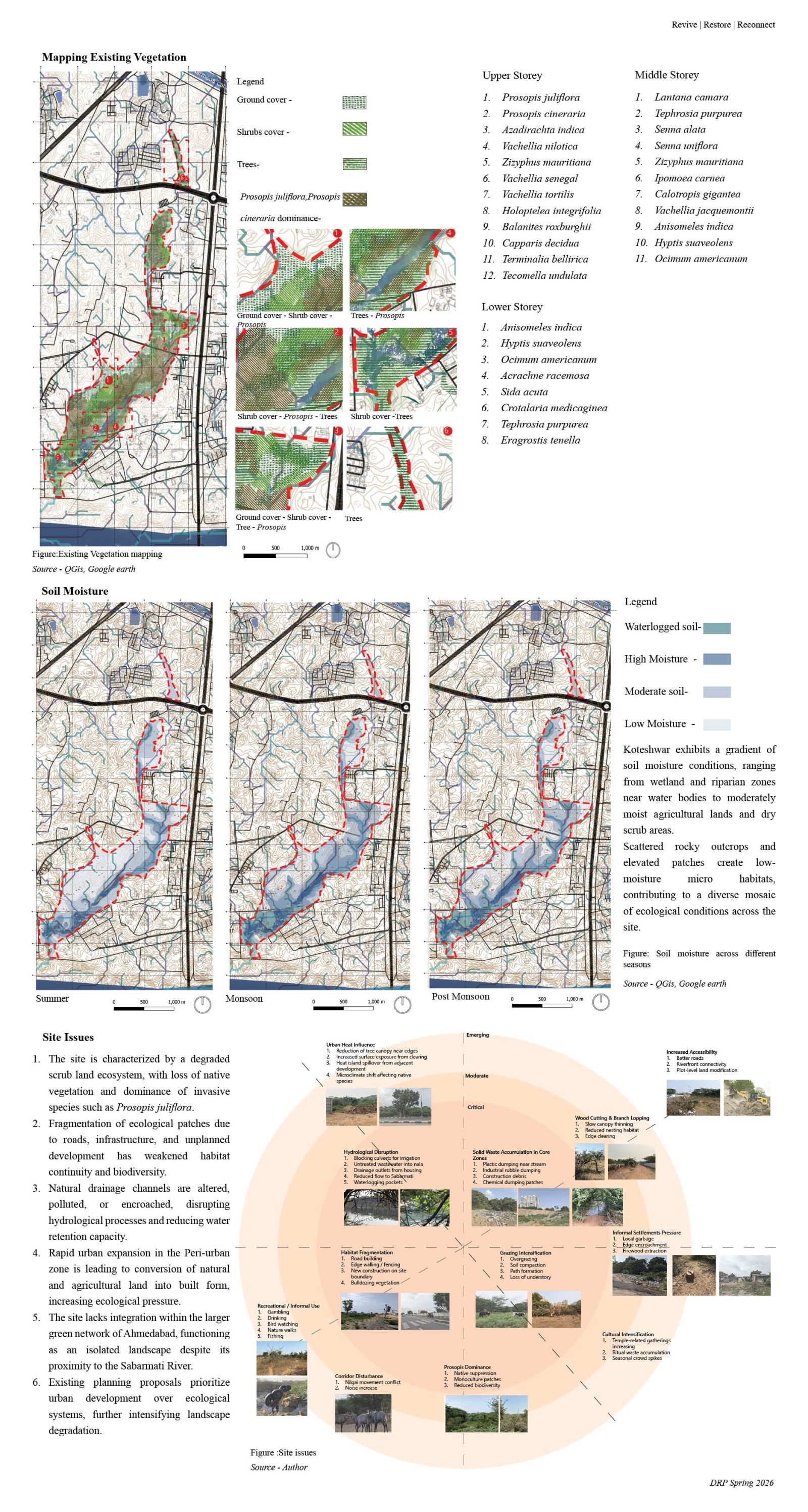
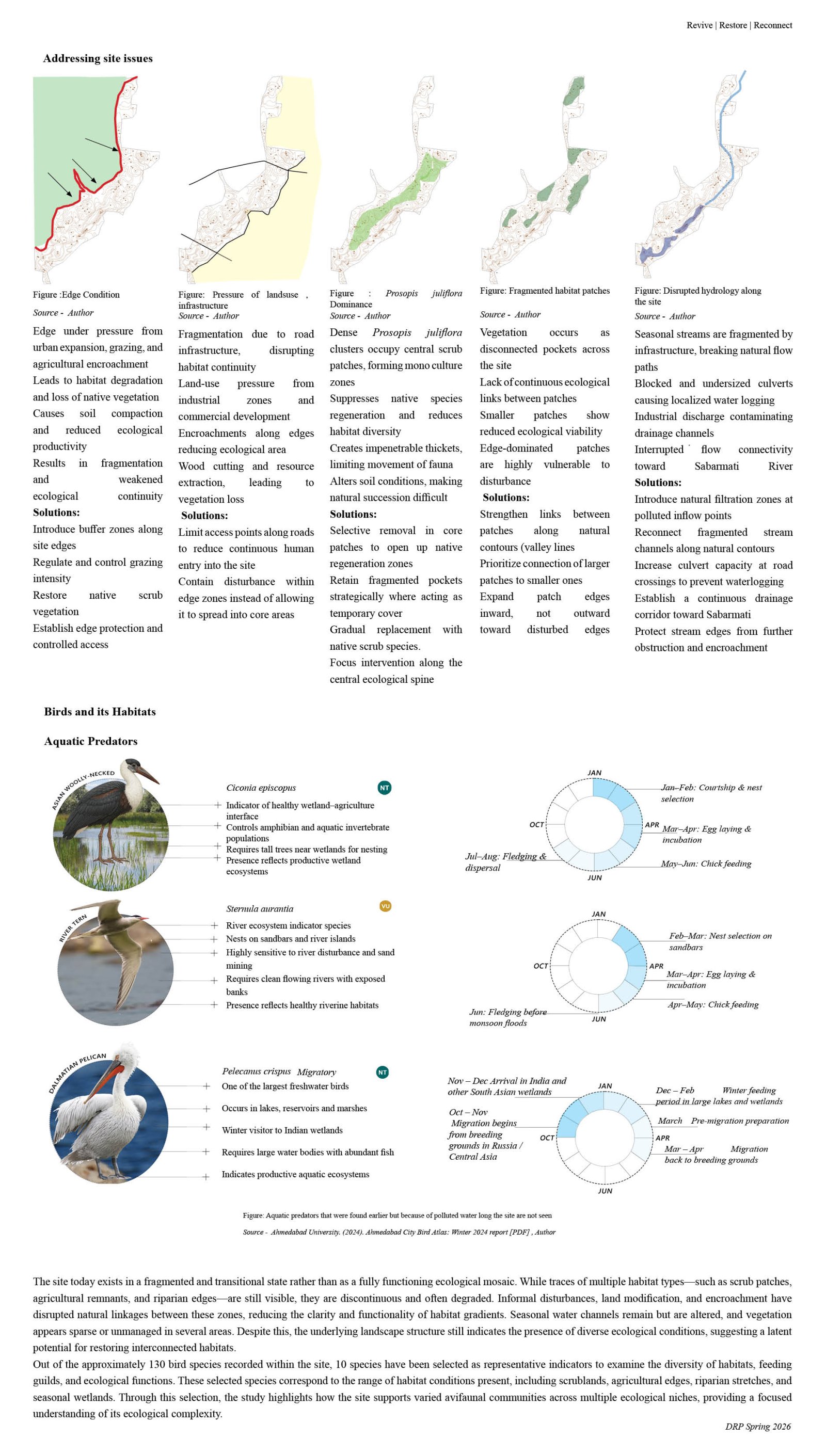
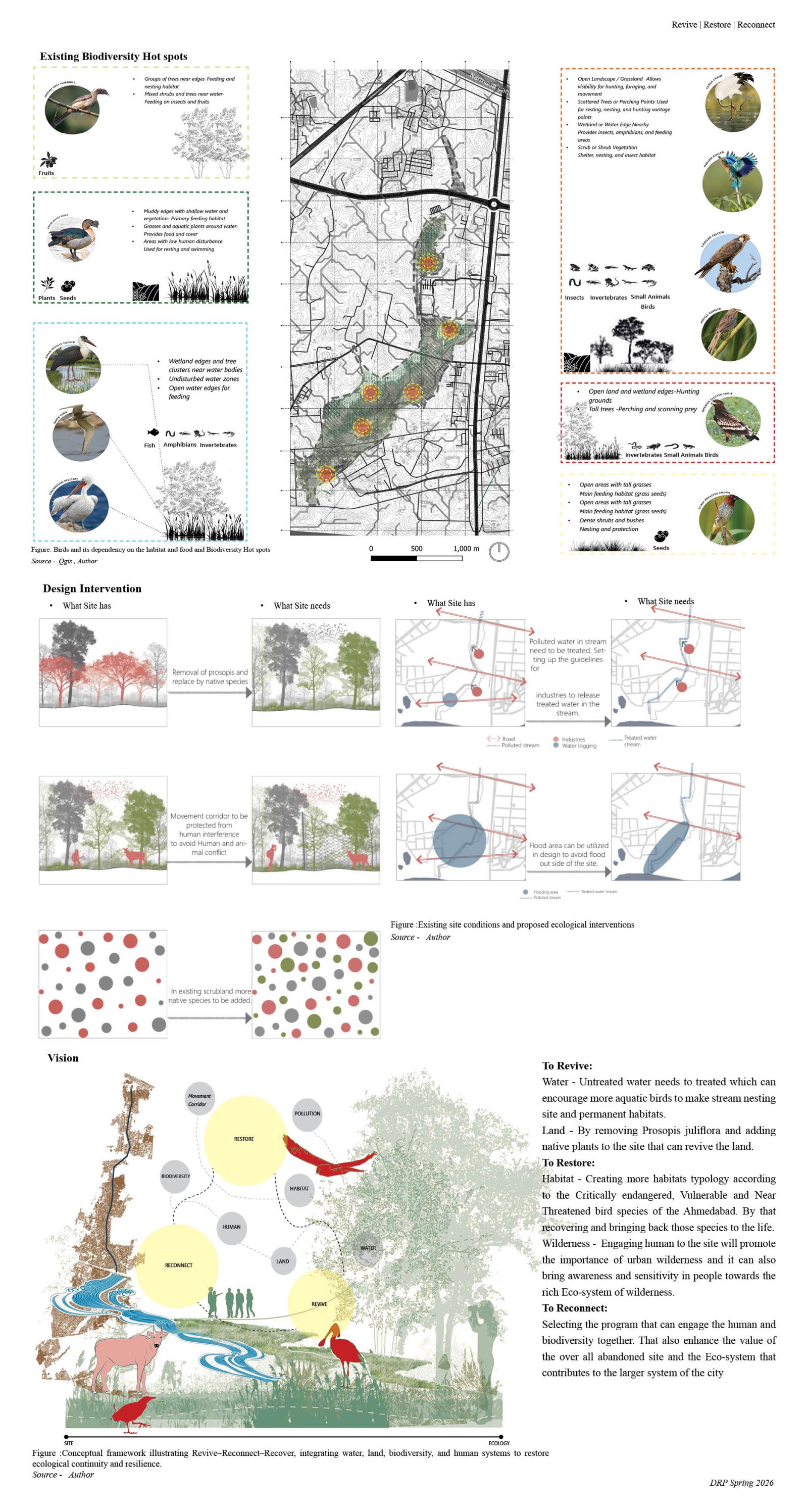
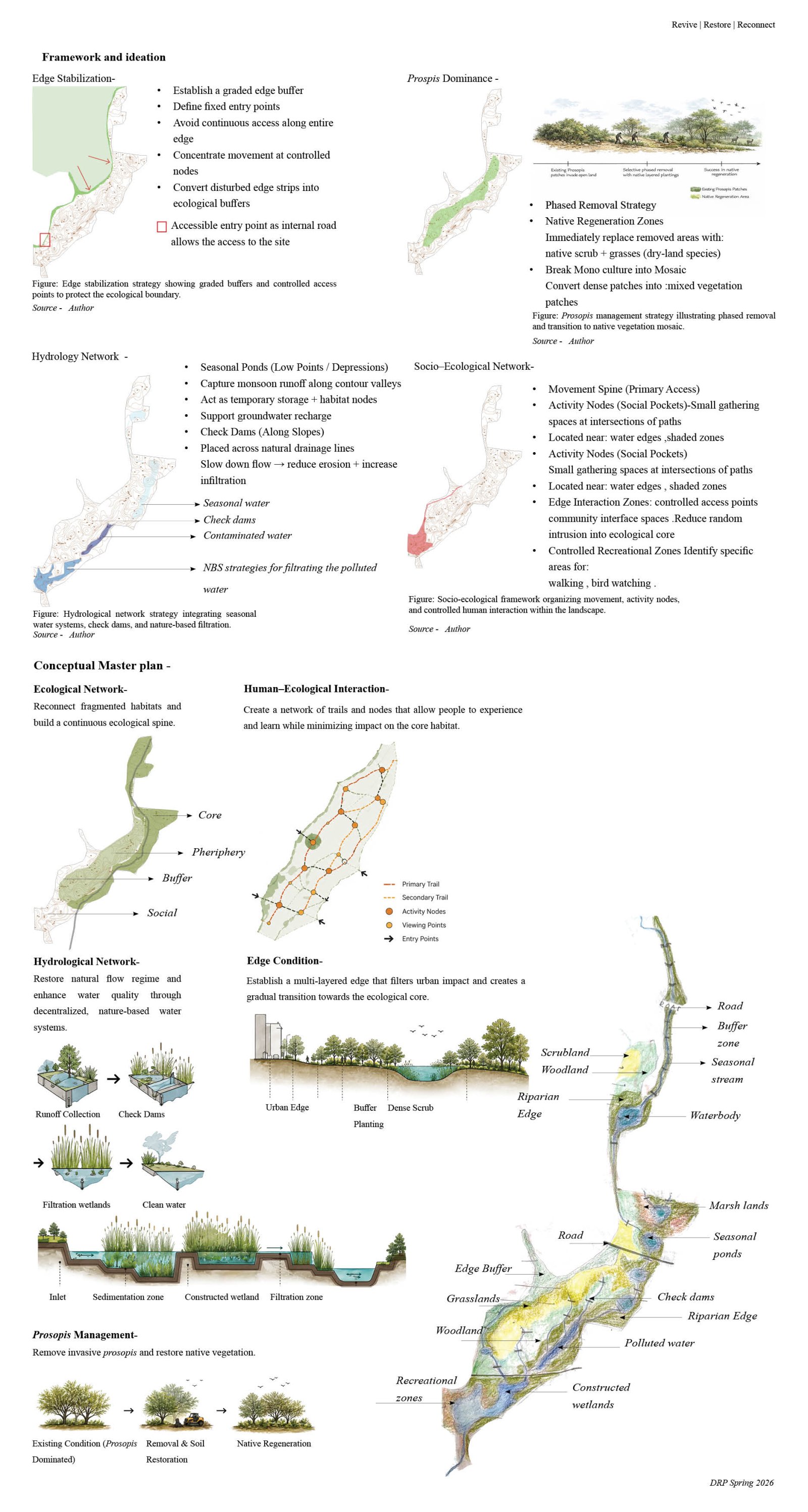
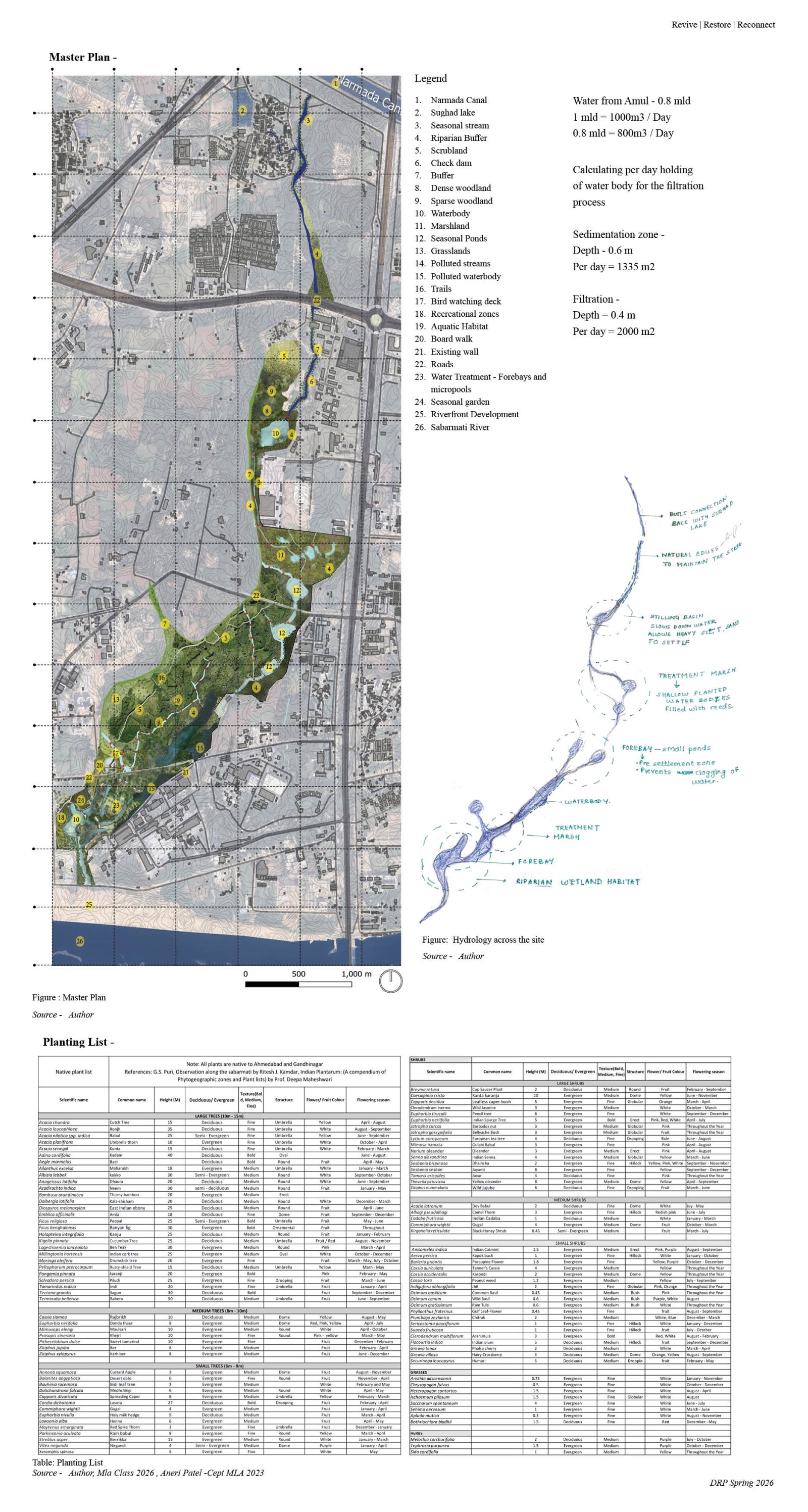
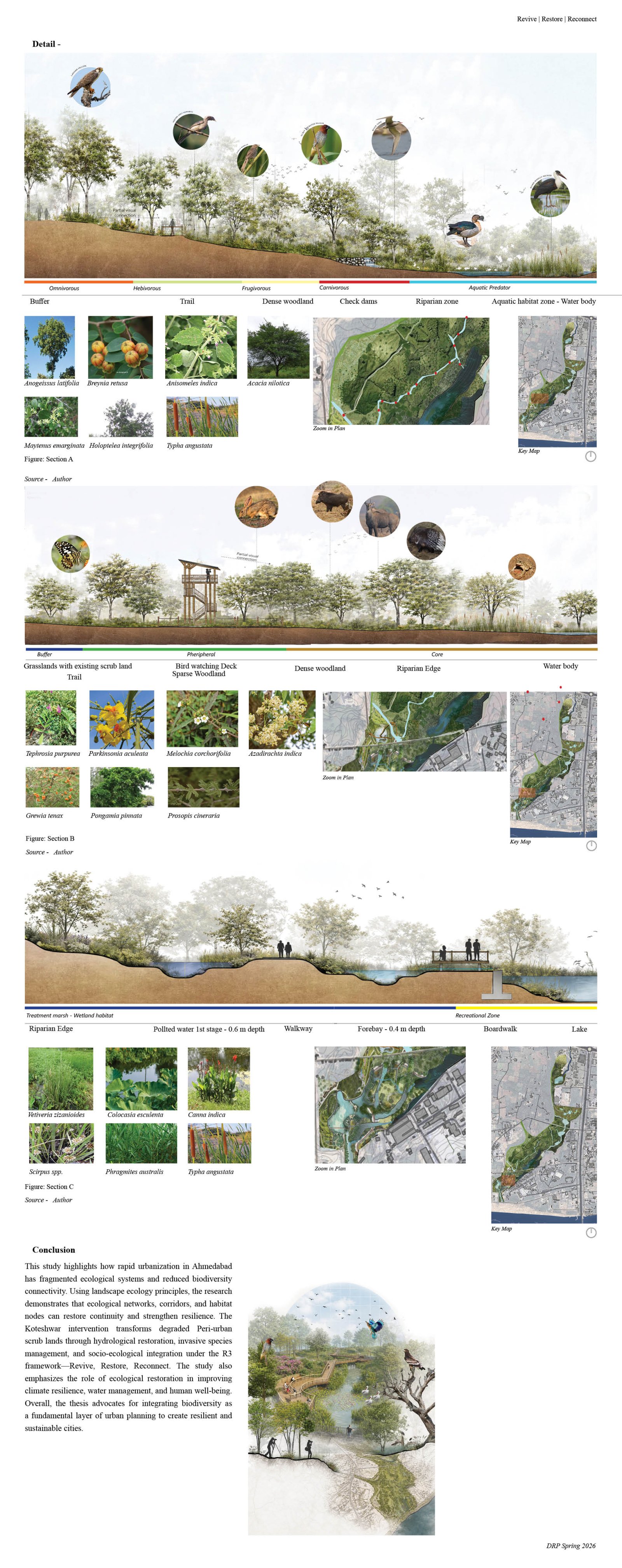
Rapid urbanization in Ahmedabad has fragmented ecological systems, reducing biodiversity and weakening environmental resilience, especially in peri-urban areas. This study explores biodiversity as a framework for urban development through ecological networks and corridor-based planning. Using spatial analysis, biodiversity mapping, and case studies, the research proposes strategies to restore ecological continuity at Koteshwar. The findings demonstrate that integrating hydrological systems, native vegetation, and habitat connectivity can improve biodiversity and strengthen urban resilience, emphasizing biodiversity as a core element of sustainable and environmentally responsive urban planning.
View Additional Work