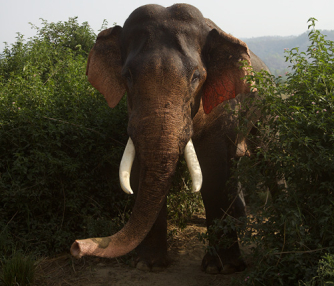
HUMAN WILDLIFE CONFLICT MITIGATION IN NATIONAL PARKS AND SANCTUARIES OF INDIA
Traditional Human Wildlife Conflict mitigation efforts, such as fencing, translocation, or compensation
schemes, are often inadequate due to being ineffective in the long term, they are socially and
financially taxing, or insufficient to cover the true costs of living with wildlife. The goal of this research
is to look at coexistence as the goal using systems design thinking to look at the complex social and
ecological systems to manage the unpredictable nature of the situation.
Methodology
The methodology for the collection, processing and analysis of the data will be based on qualitative
research methods. It will document lived experiences of the people in these conflict sensitive areas
along with ecological and the organisational factors that are contributing to these conflicts. It will then
use systems design thinking to look at why these conflicts are happening and what can this new
perspective reveal about this situation. This will involve physically visiting the site and documenting the
sensitive areas .It will also involve an interview / questionnaire with the forest officials, rangers, and
anyone who is involved in the decision making process there.
Scope
The design research should reveal problems in the current system as these conflicts are not reducing.
The research is meant to serve as a blueprint for better solution and policy implementation in these
sensitive areas.