Your browser is out-of-date!
For a richer surfing experience on our website, please update your browser. Update my browser now!
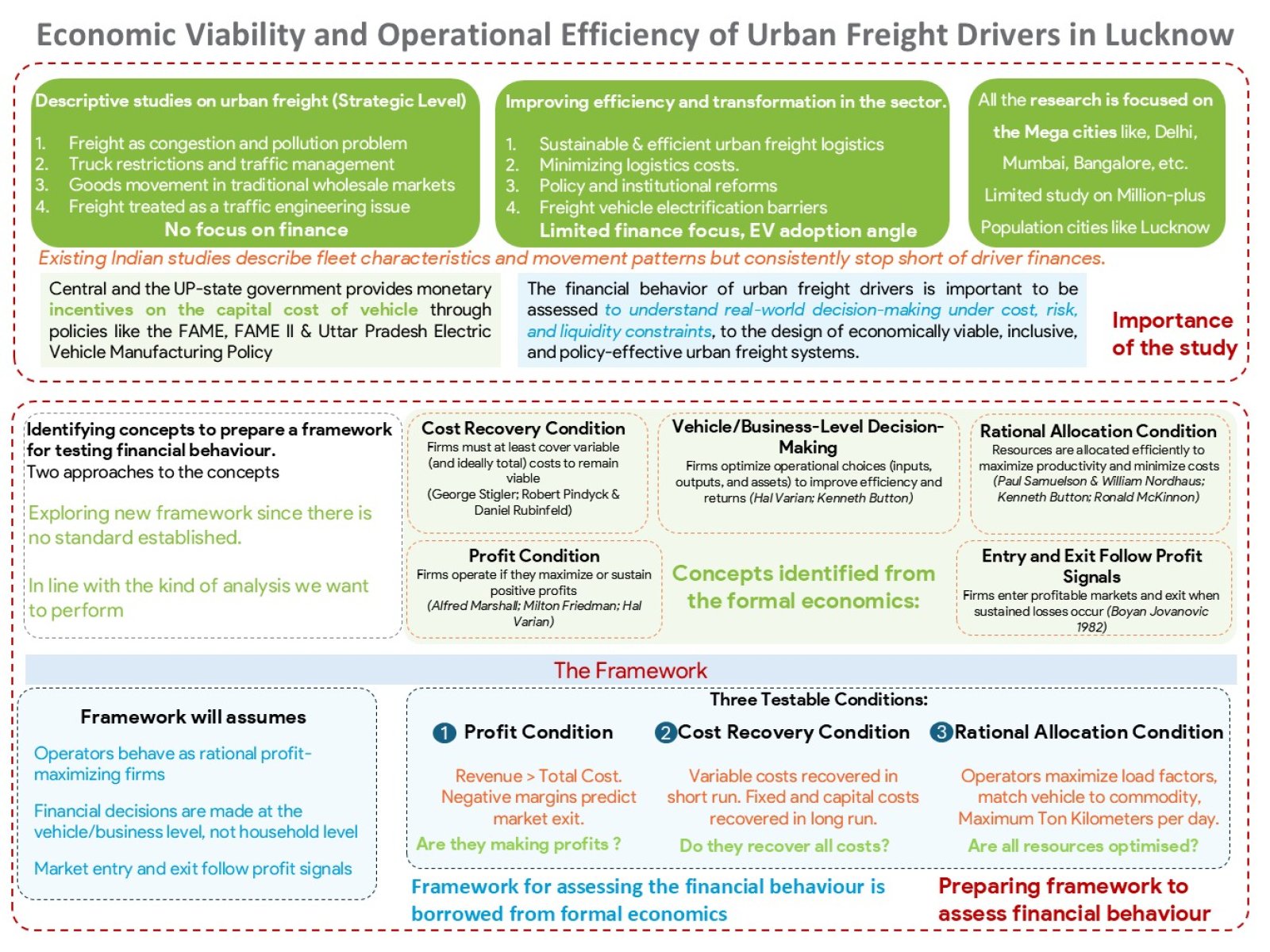
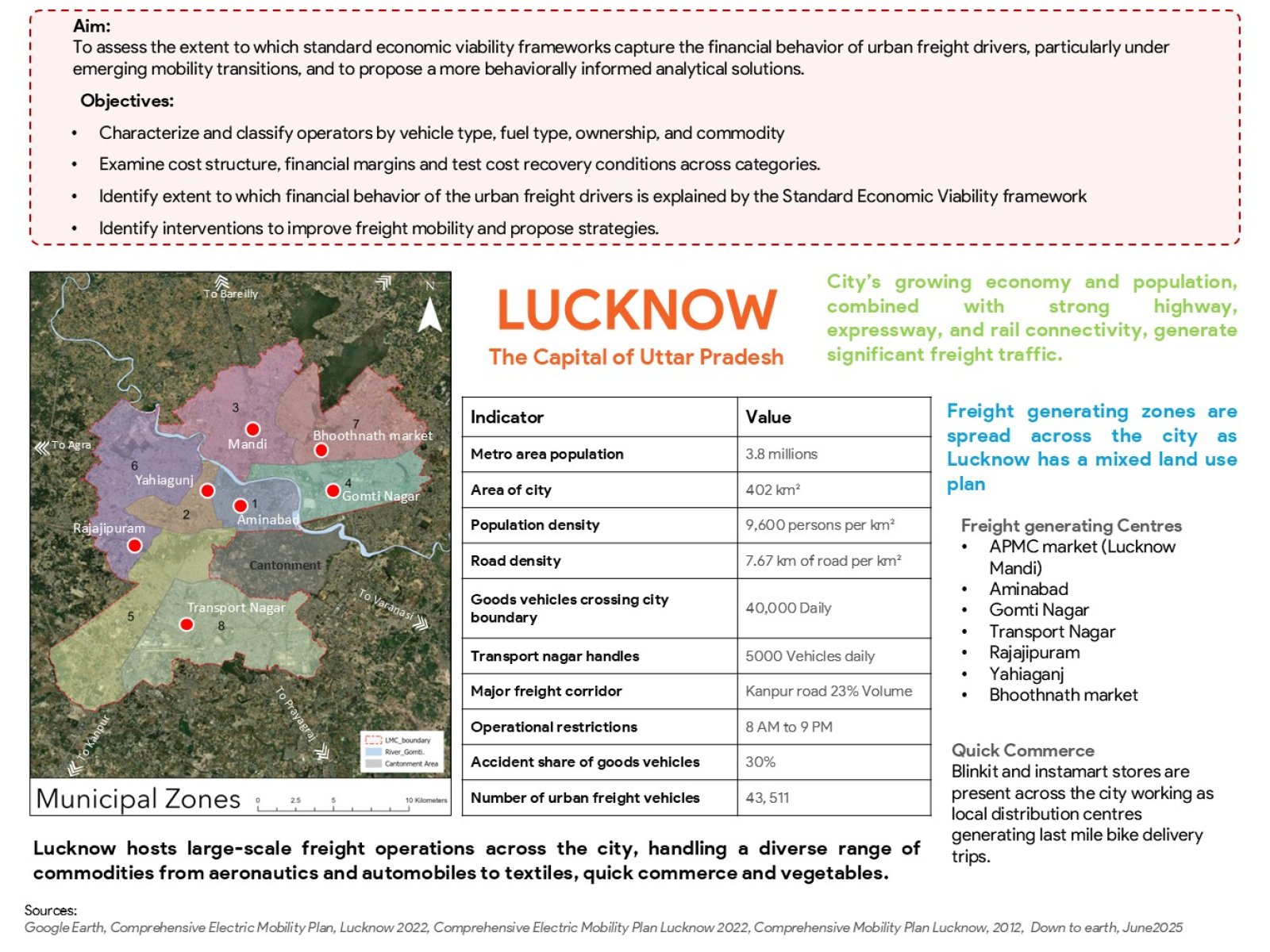
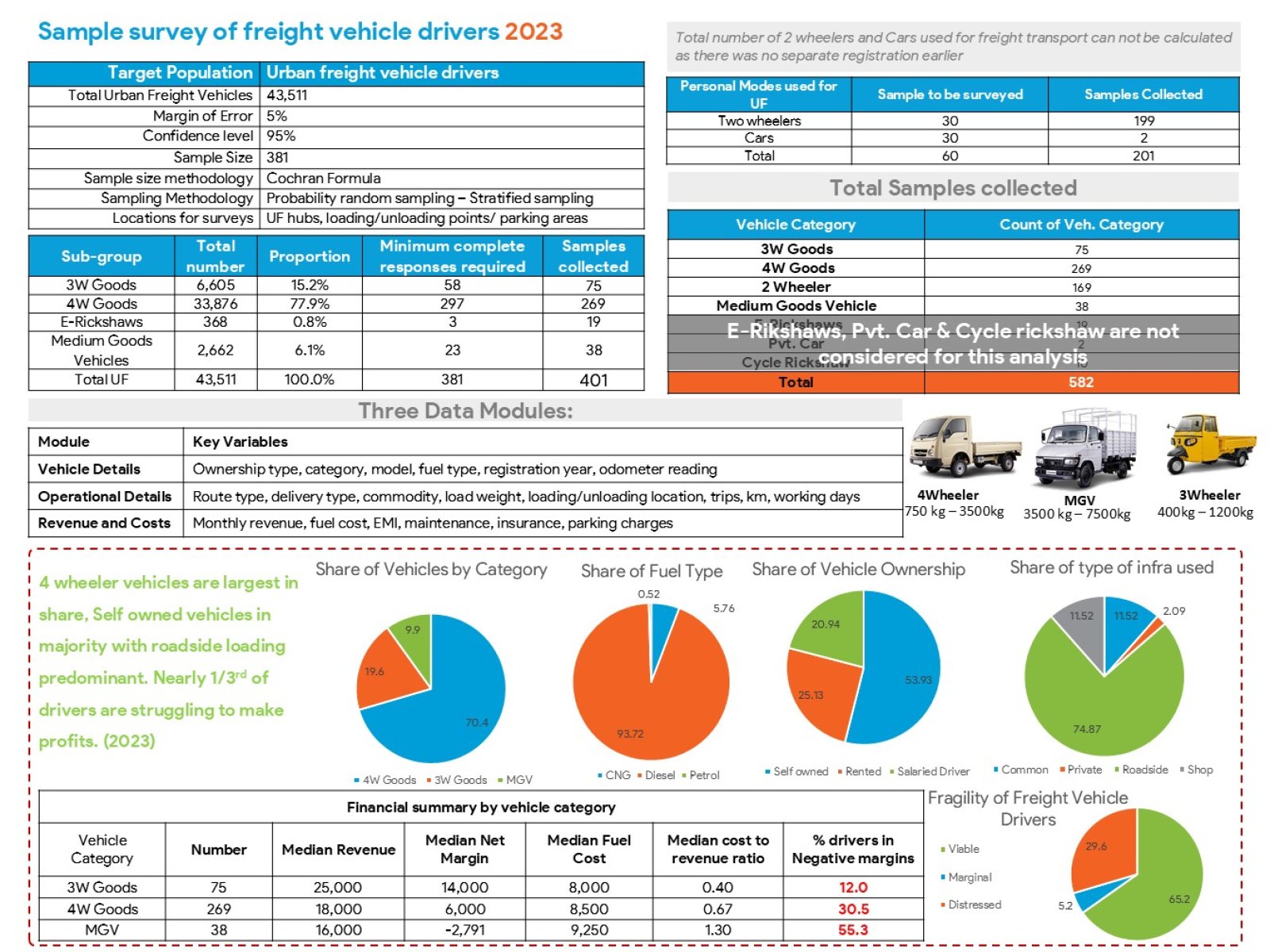
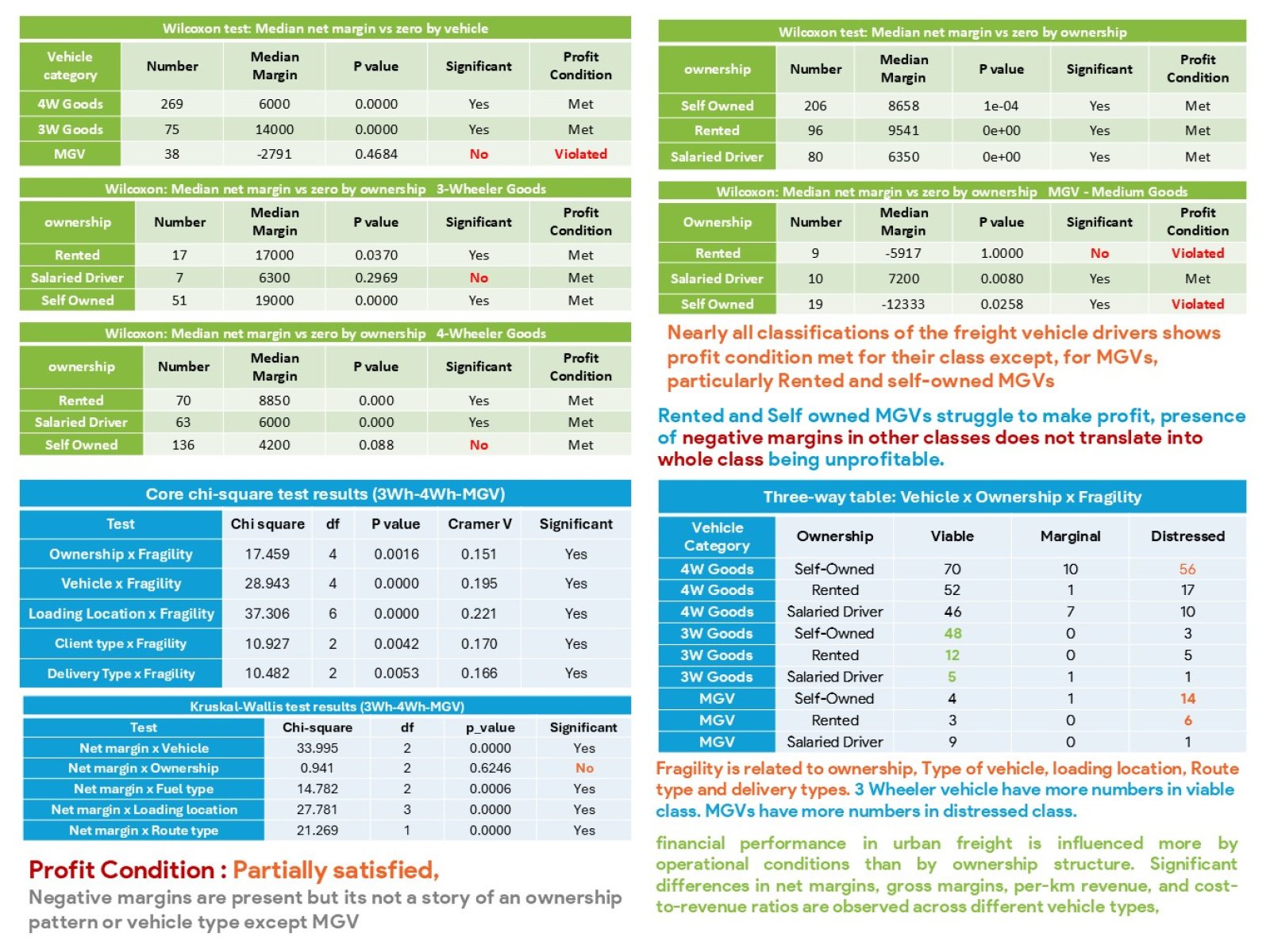
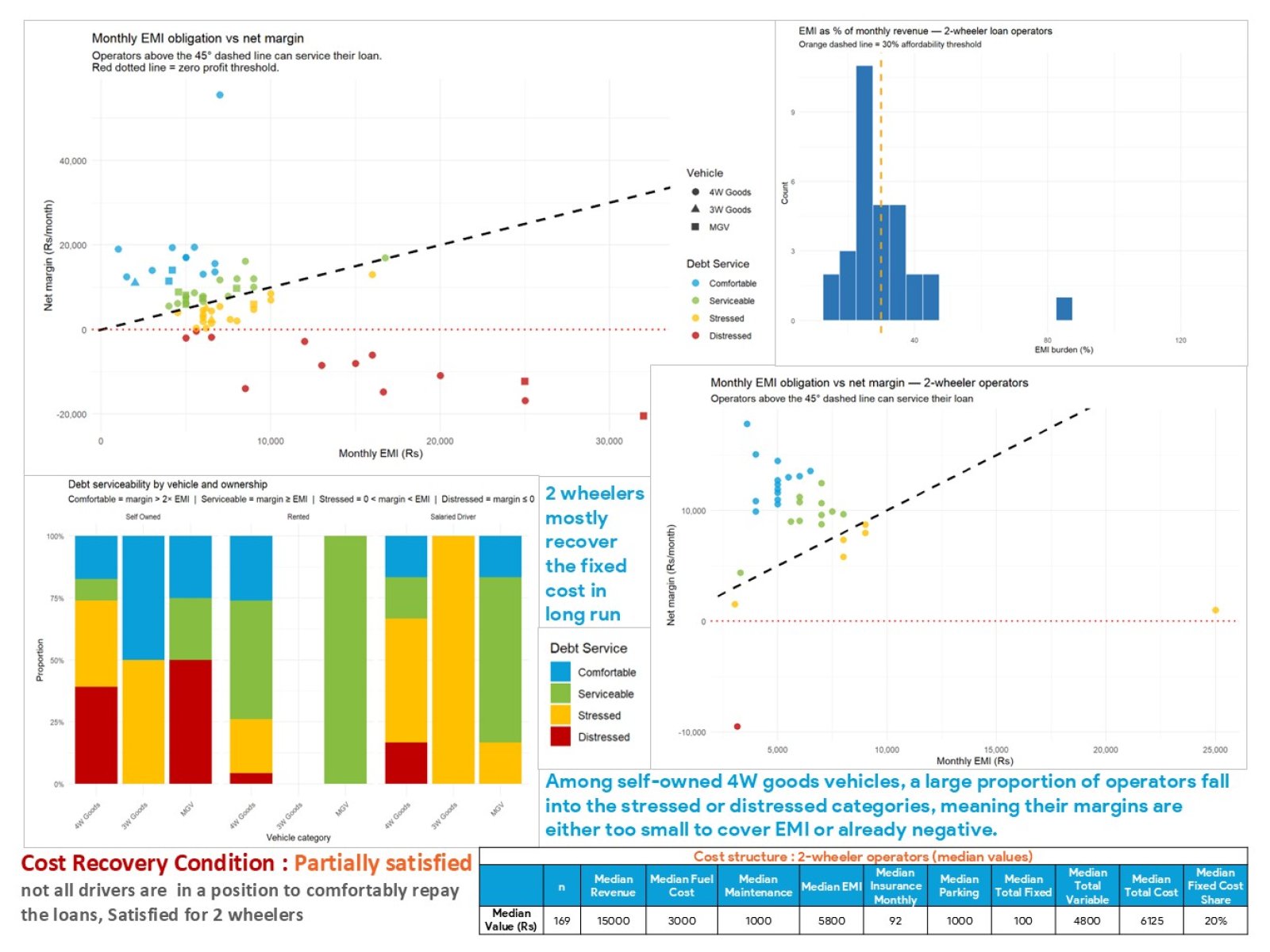
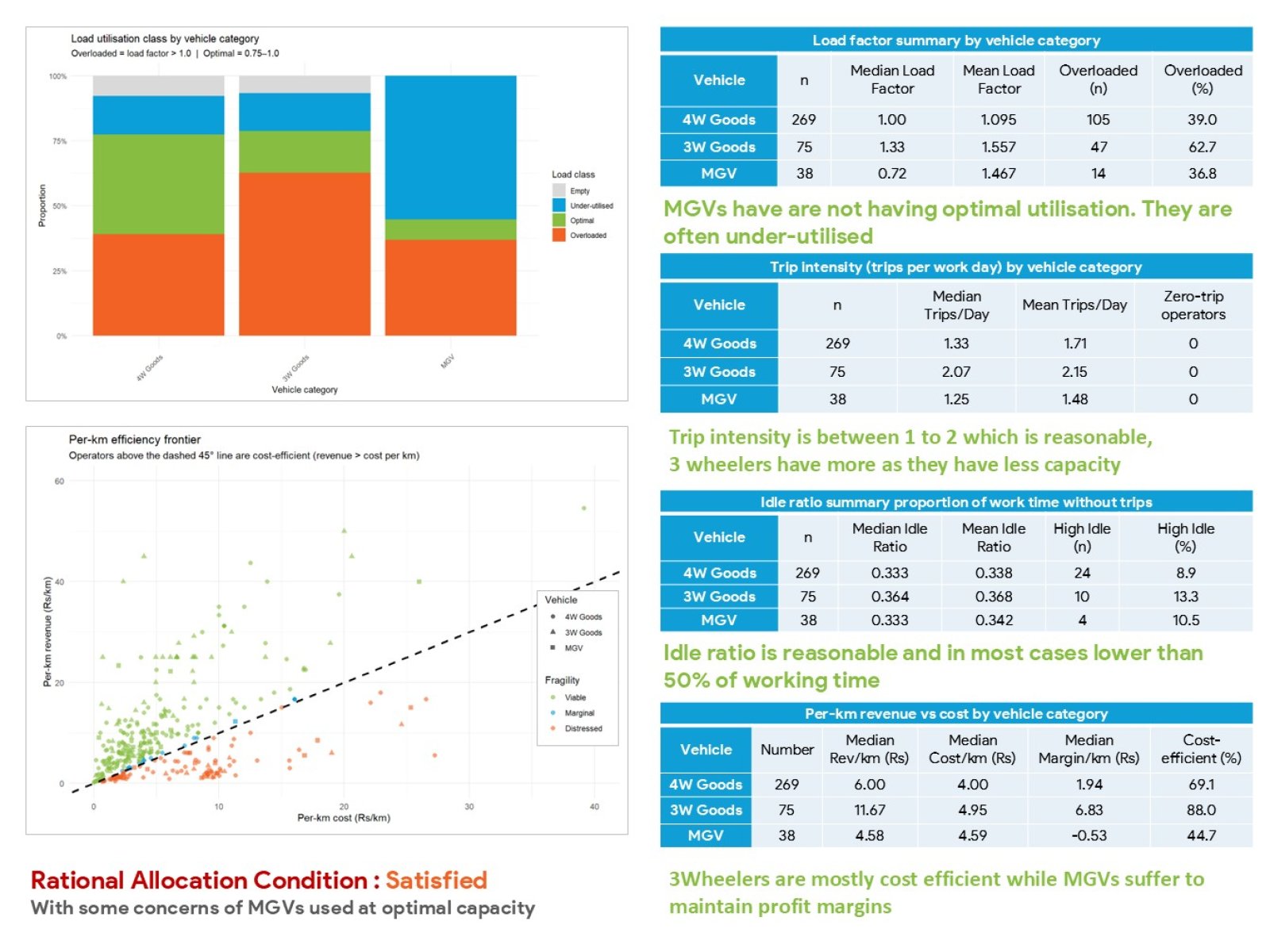
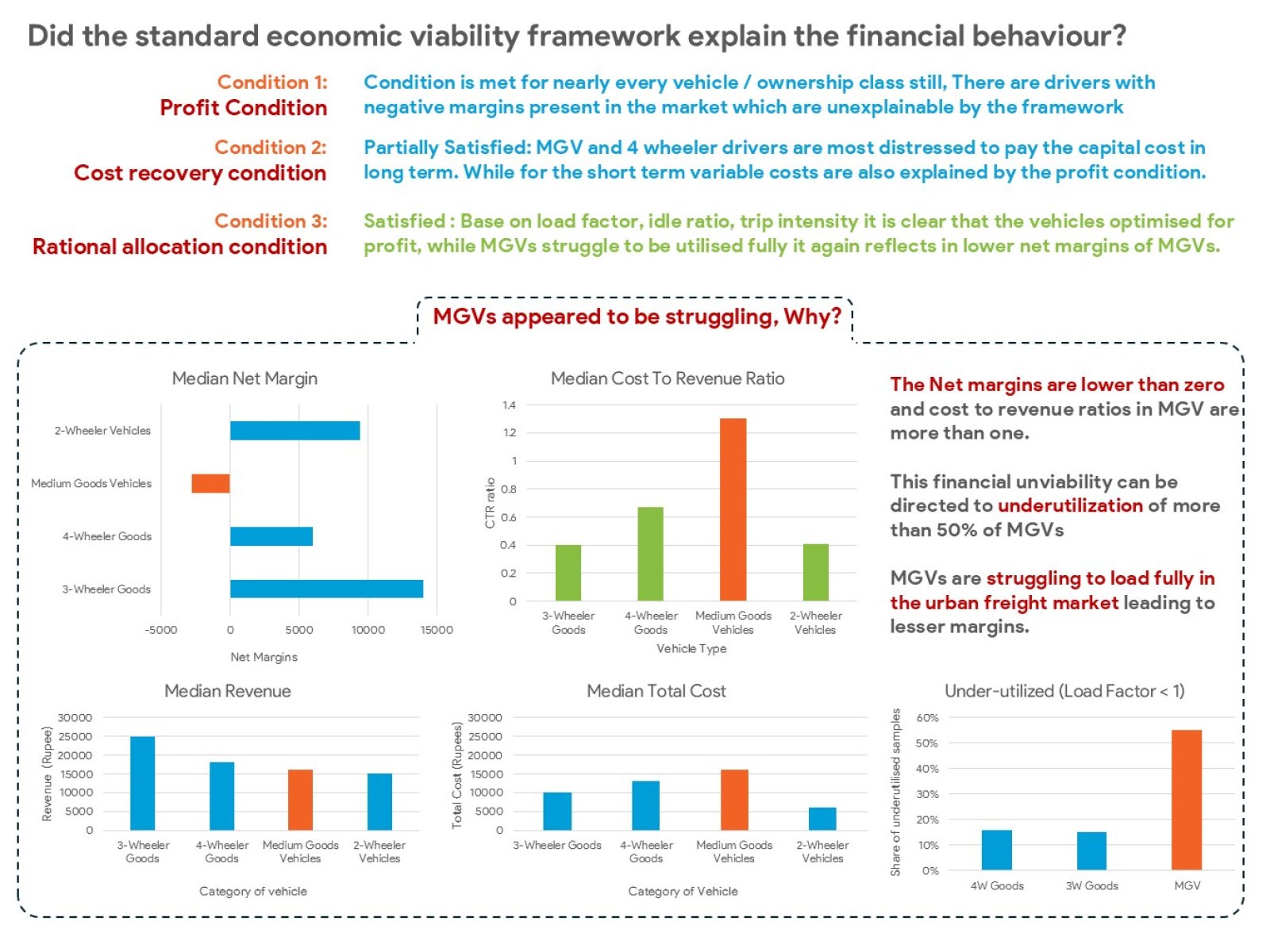
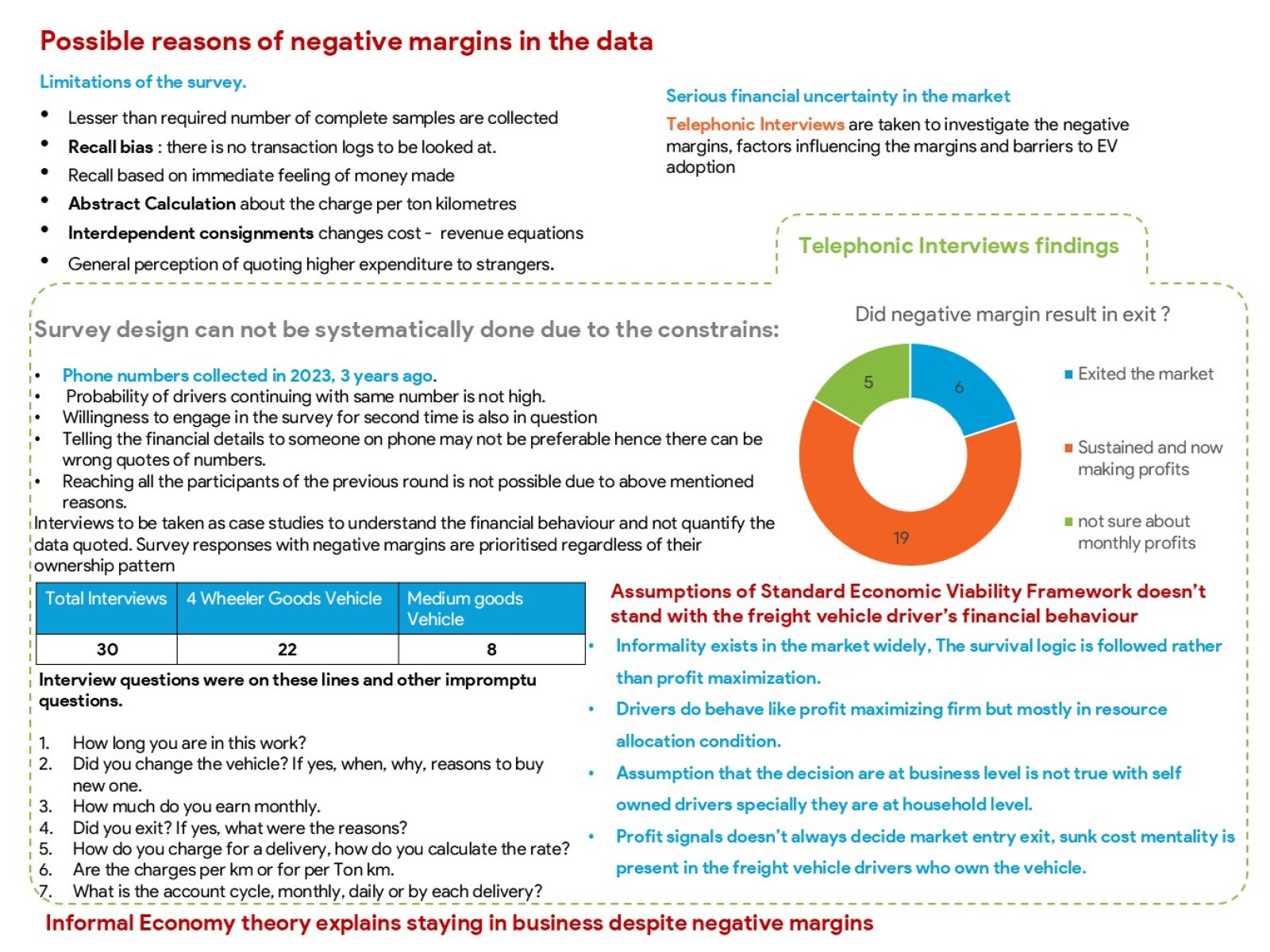
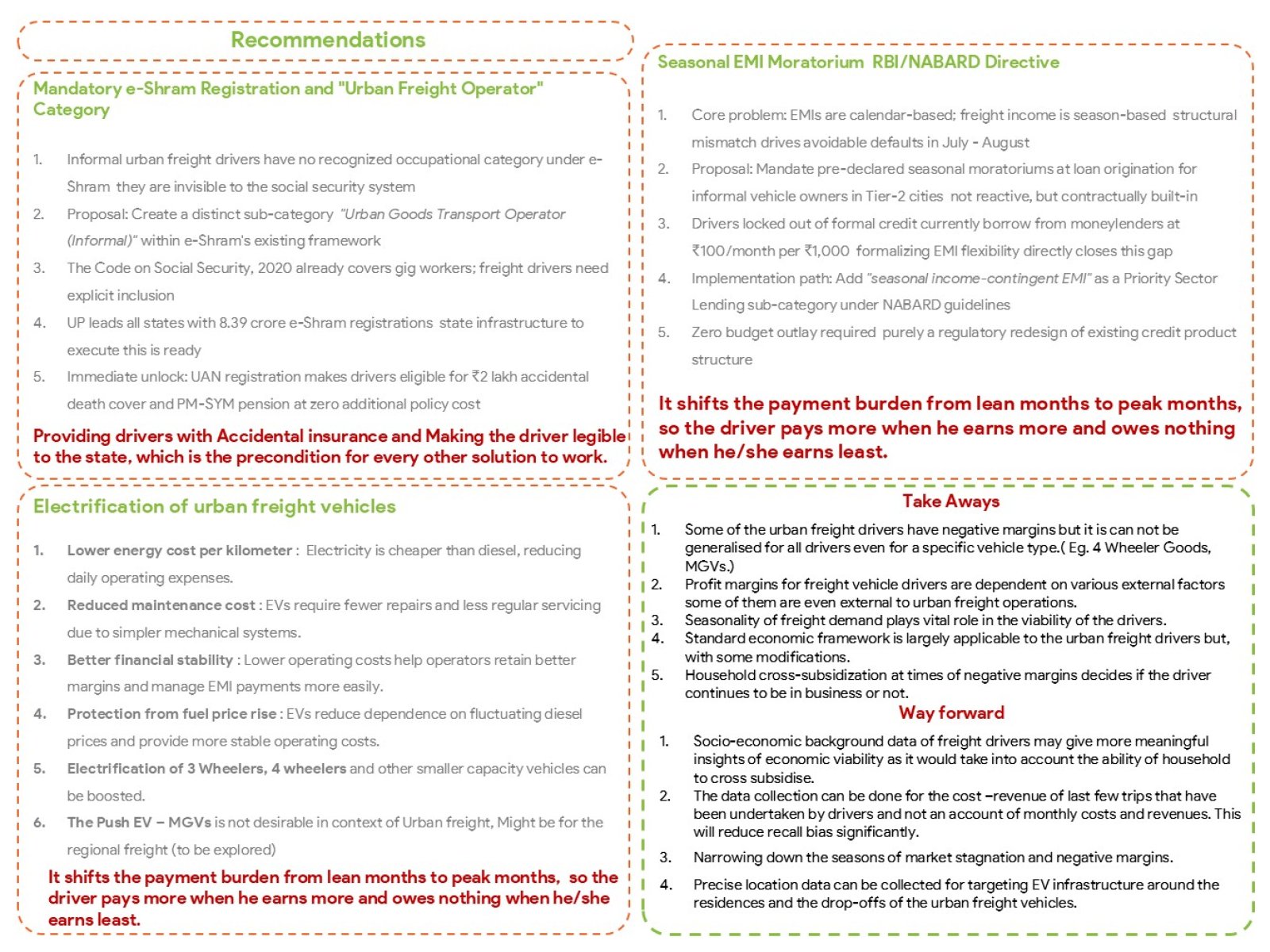
Urban freight transportation forms the invisible backbone of Indian cities, yet the financial lives of the drivers who power it remain almost entirely unstudied. This research steps into that gap examining whether the standard tools of economic theory can explain how urban freight vehicle drivers in Lucknow, a prototypical Indian million-plus city, earn, spend, and survive. Drawing on primary surveys of 551 drivers across four vehicle categories and qualitative interviews with distressed operators, the study reveals a more complex reality than textbook economics predicts one shaped by seasonality, household survival strategies, and structural debt with direct implications for freight policy, EV transition, and worker formalization.