Your browser is out-of-date!
For a richer surfing experience on our website, please update your browser. Update my browser now!
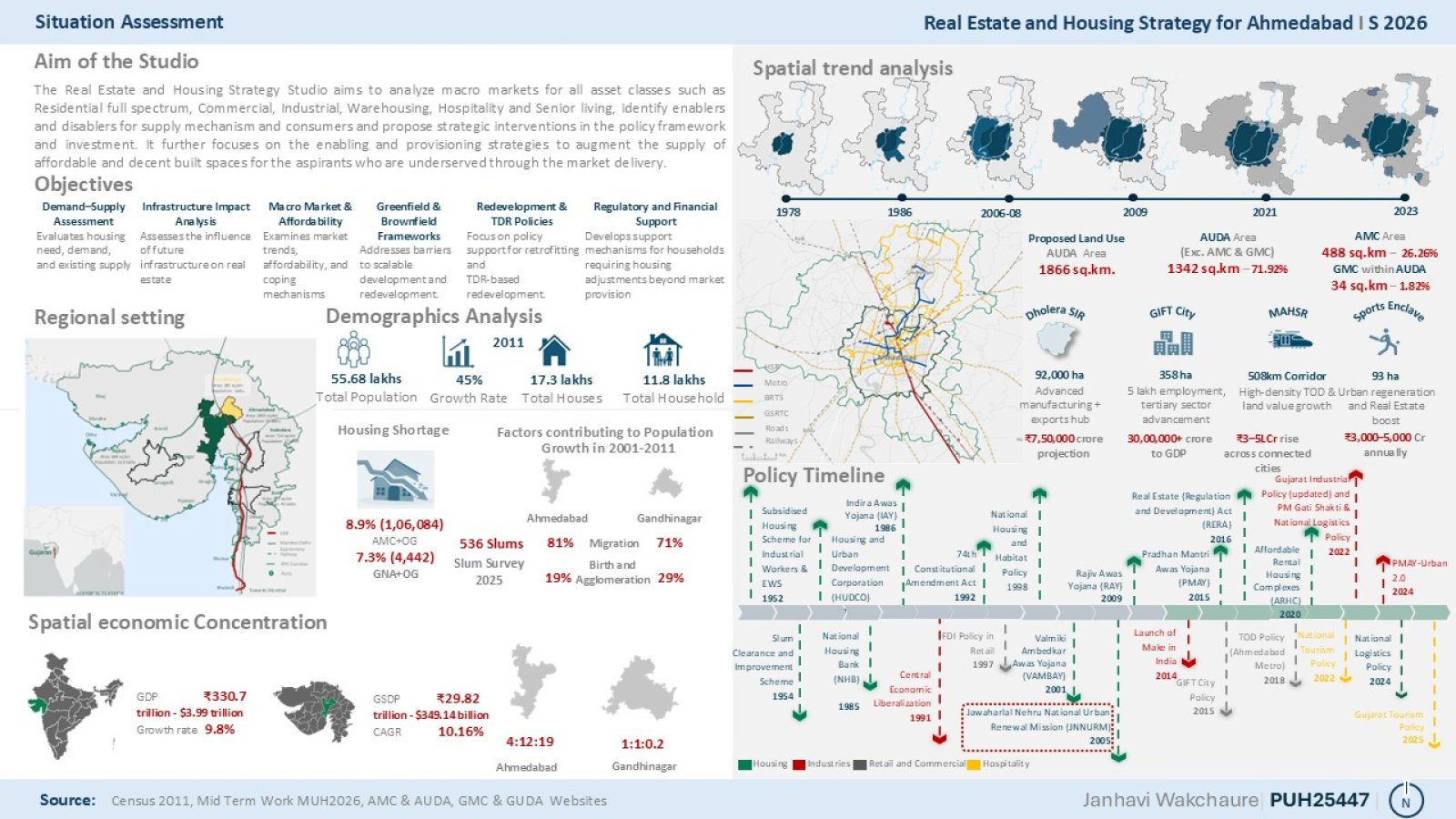
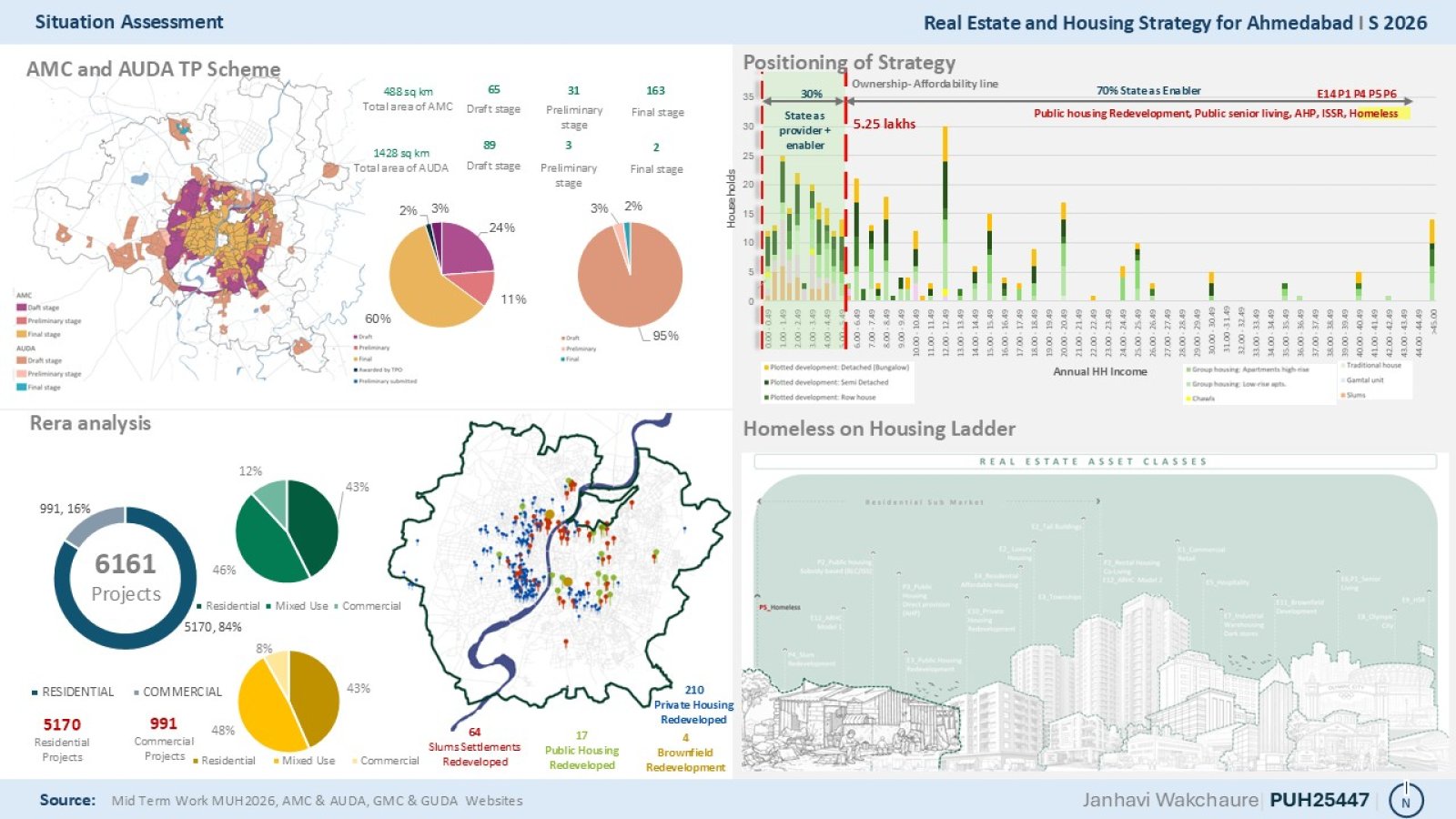
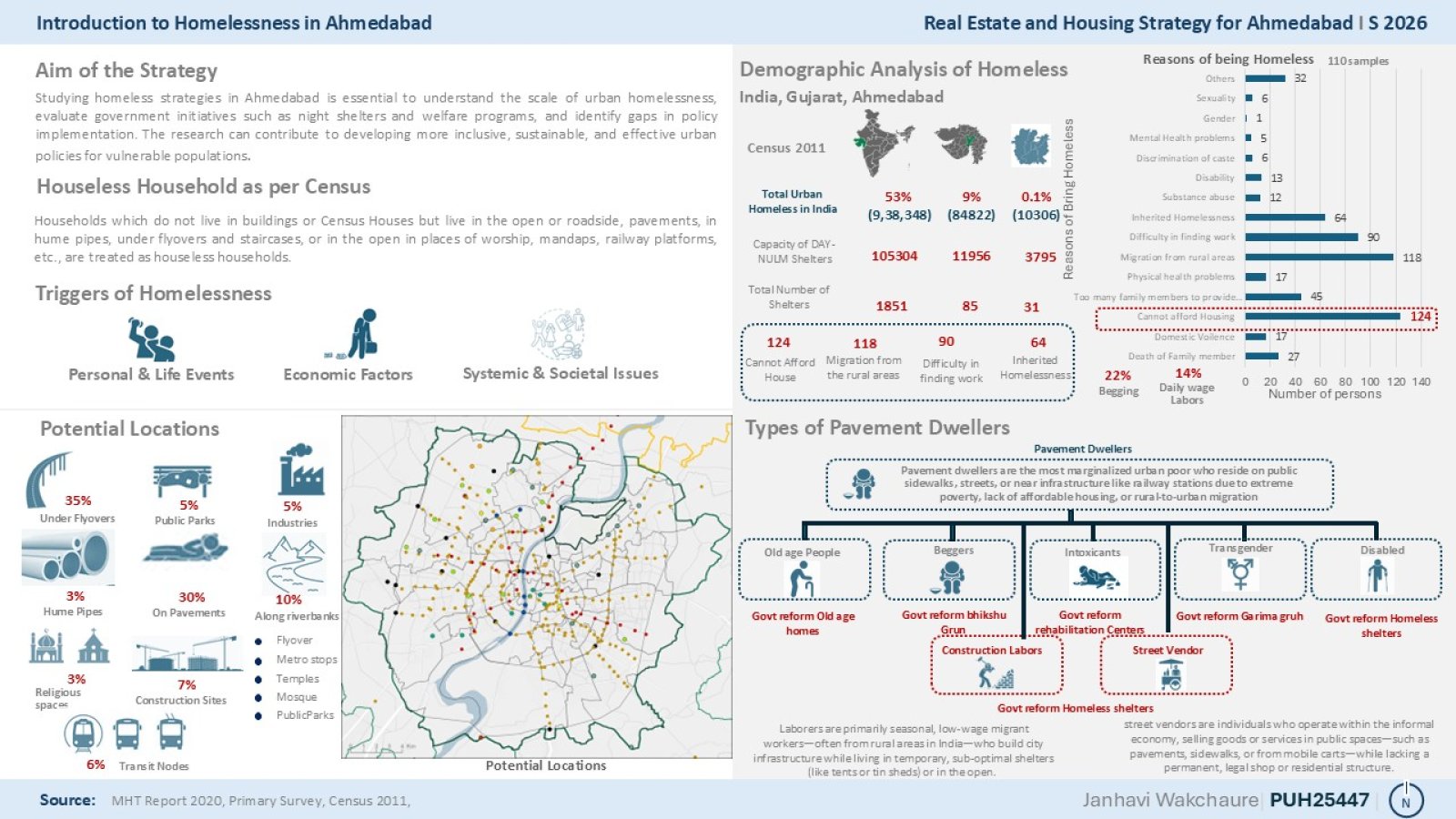
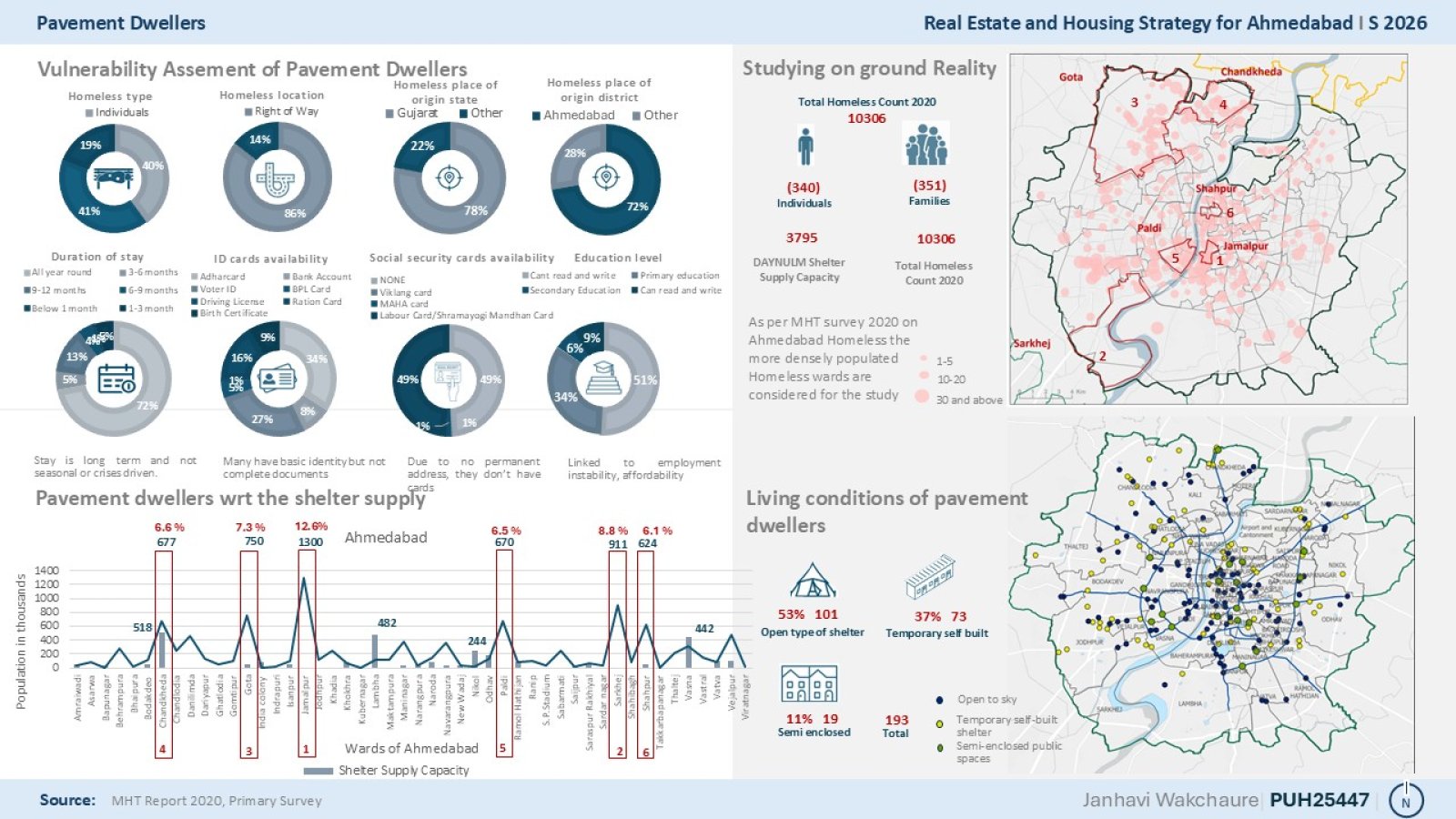
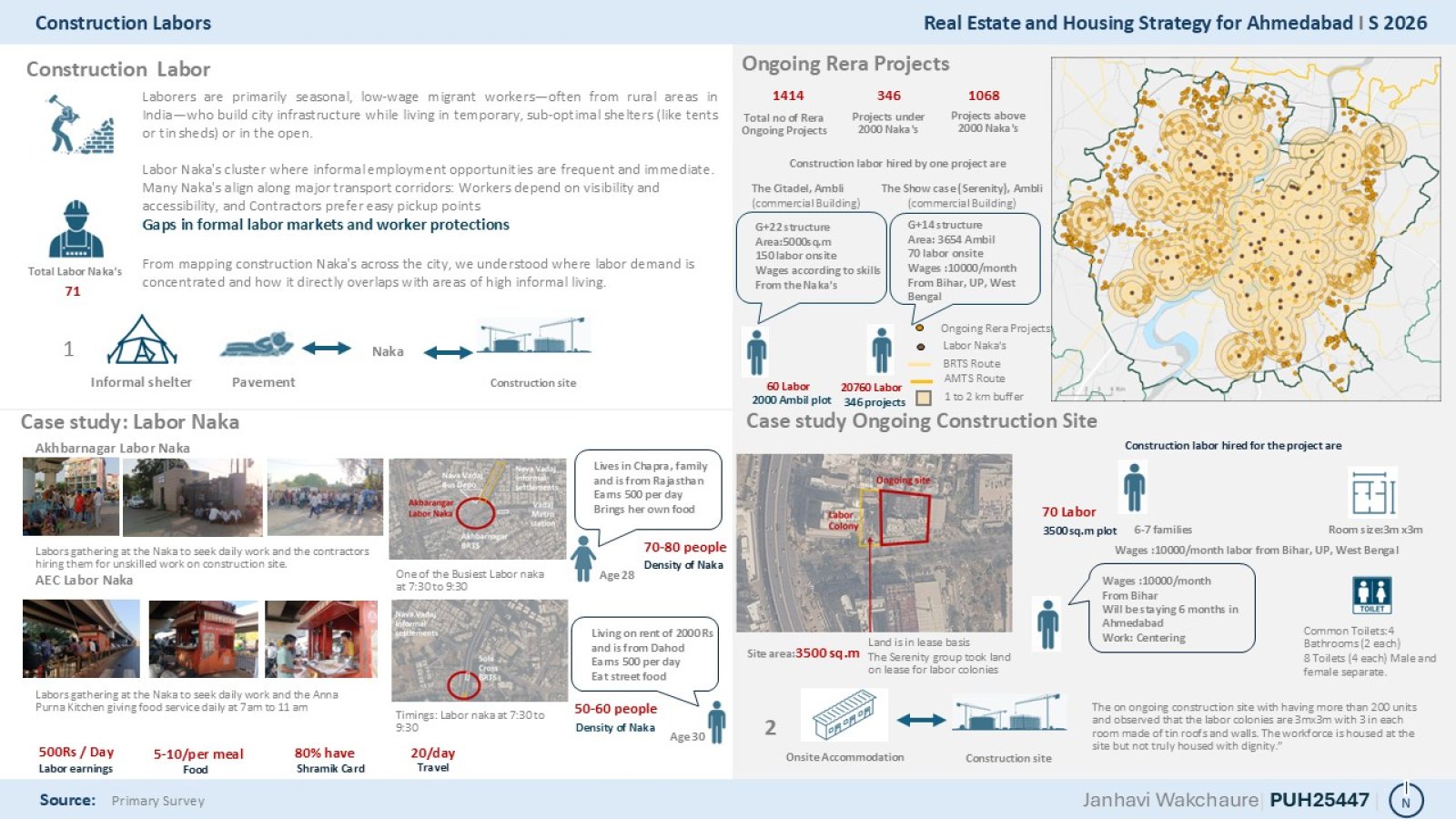
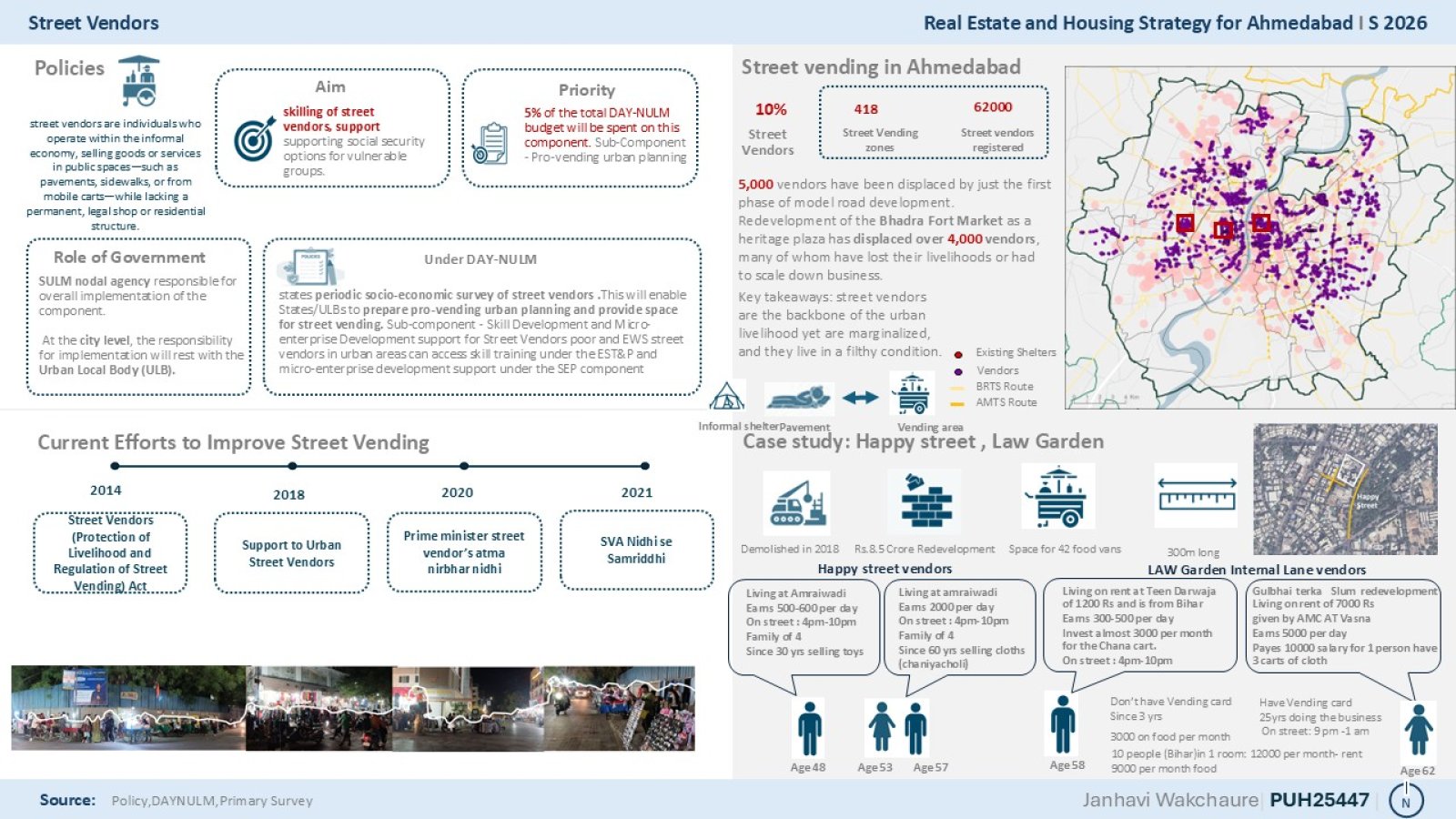
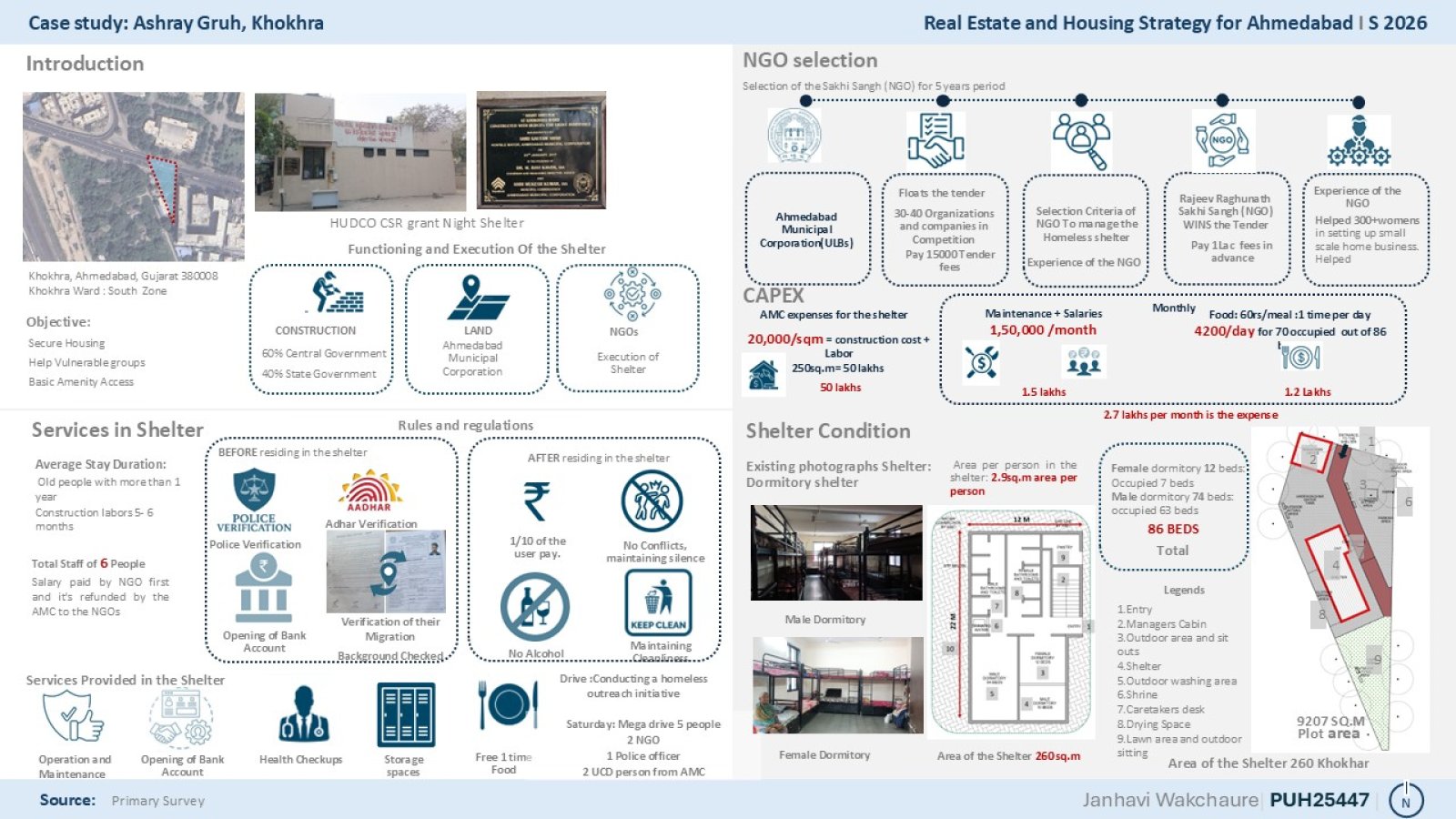
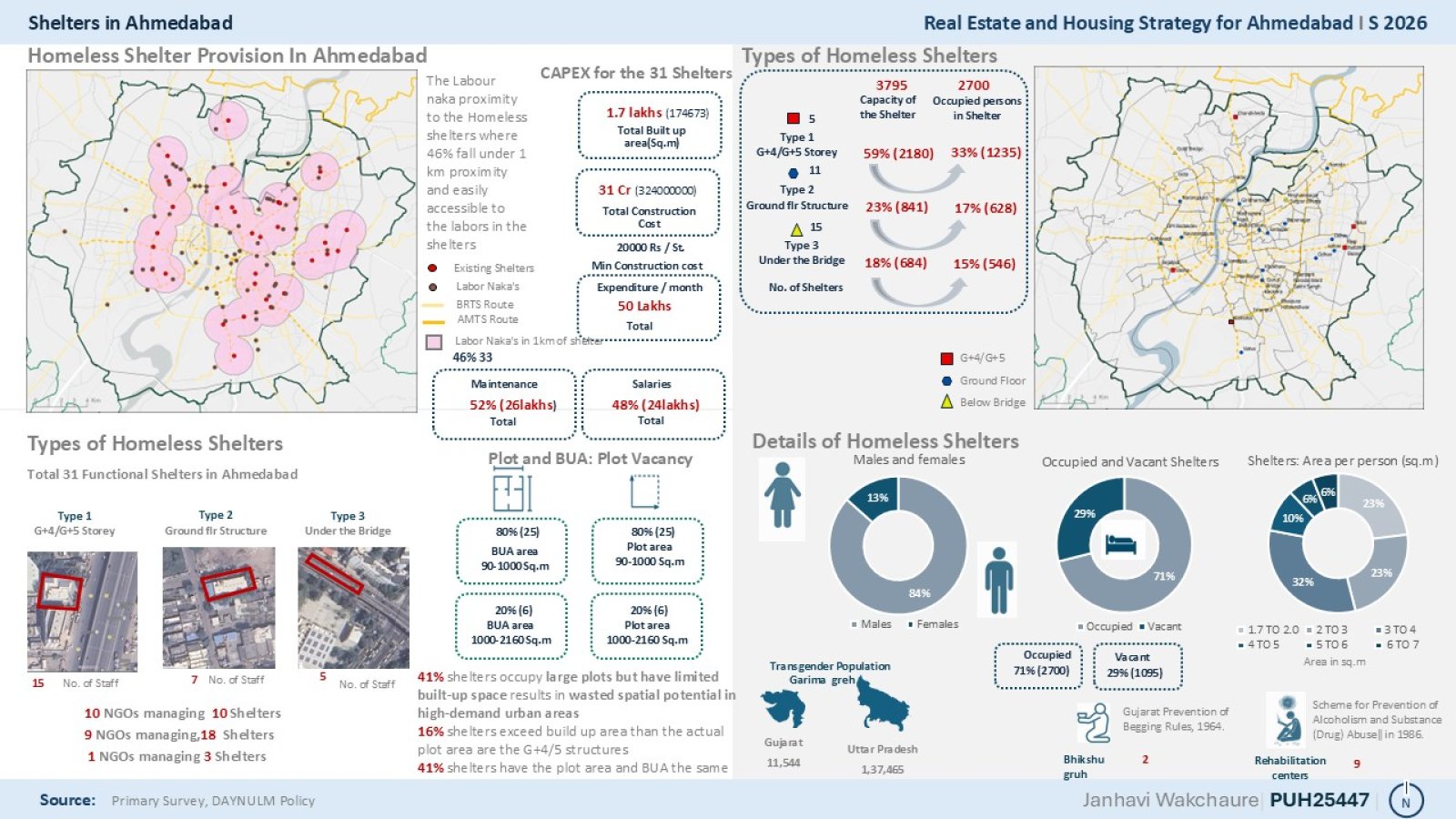
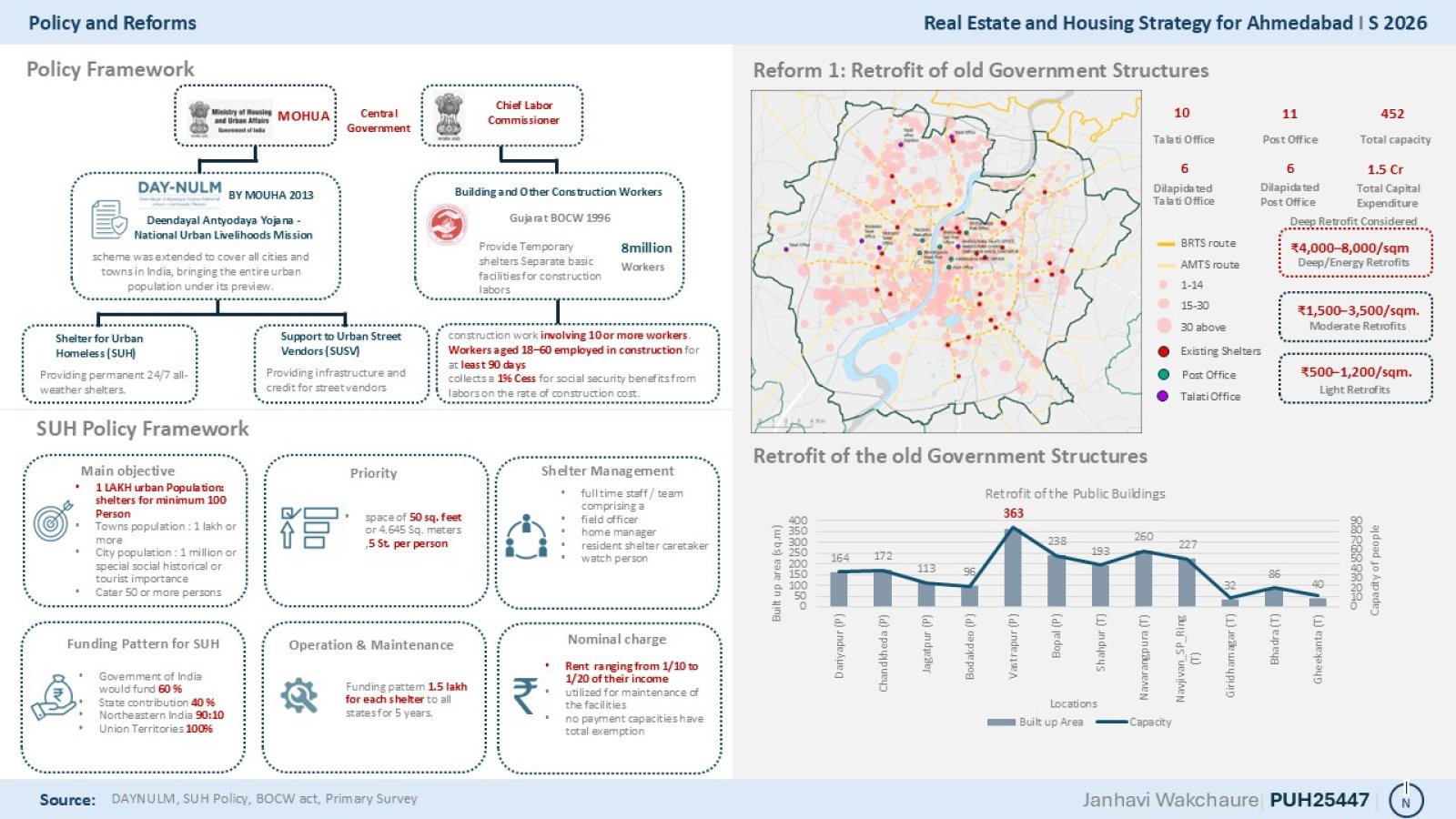
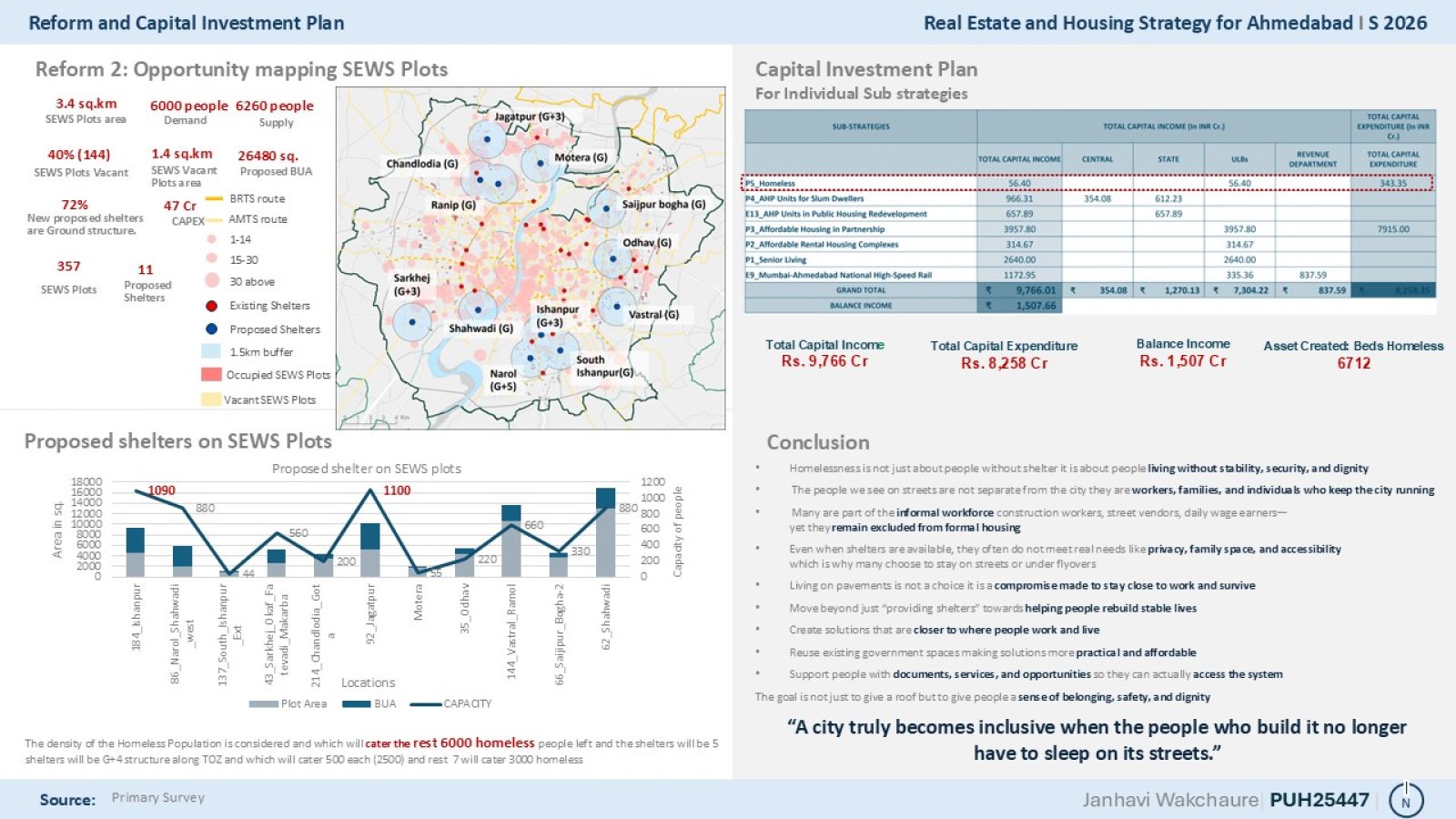
Ahmedabad has emerged as a rapidly growing global city with a strong economic profile, driven by infrastructure development, urban expansion, and investment-oriented growth. While the city’s image and reputation as a “global city” remain central to the policy agenda, these development programs often fail to address the realities of highly marginalized communities such as the homeless. Unlike slum dwellers, the homeless are defined by the Census as people “not living in a census house,” residing under flyovers, on pavements, near railway stations, in hume pipes, temporary shelters, and other informal spaces. This absence within formal housing and planning systems reflects their exclusion from mainstream urban development policies and reinforces their condition as one of the most vulnerable groups in the city. Homelessness in Ahmedabad is not temporary but long-term, shaped by redevelopment pressures, loss of informal housing, unstable livelihoods, migration, and weak social safety systems. Many individuals become homeless within the city itself due to informal job insecurity and the inability to access affordable housing. Pavement dwellers, construction laborers, and street vendors form a major part of this population and have been studied in detail to understand their living conditions, livelihood patterns, and vulnerabilities. Despite contributing significantly to the urban economy, they continue to live without stability, security, and dignity. The study further evaluates policy frameworks such as DAY-NULM’s Shelter for Urban Homeless (SUH) and the Building and Other Construction Workers (BOCW) Act to understand existing provisions and implementation gaps. Ahmedabad currently has 31 functional shelters categorized under different shelter typologies. Detailed study of the Ashray Gruh shelter, along with spatial mapping of homeless concentrations and shelter accessibility gaps, highlights the urgent need for inclusive and dignified housing strategies. The provisional strategy therefore focuses on strengthening shelter infrastructure, retrofitting vacant public buildings, improving access to livelihoods and social security, and enabling pathways into the formal housing market for the homeless population of Ahmedabad.