Shah Asmi Ashokkumar

CFP001

UAR25282

The CEPT Foundation Programme studio is an introduction for students fresh out of school to the rigour and work habits required by an undergraduate degree at CEPT University. The studio is conceptualized as a series of sequentially planned modules and exercises, through which students develop skills and abilities, falling into four broad categories: visualize and draw, make and learn, analyze and interpret and conceptualize and represent, which are then deployed to address increasingly complex problems. The modules are structured to equip students across disciplines at CEPT with a well-rounded foundation of skills, ensuring a balanced learning experience in a multidisciplinary environment. The studio is taught through intensive weekly modules, focusing on a particular skill or ability, and a process that emphasizes ongoing discussion and feedback in addition to expert faculty lectures.

View Additional Work
Report Content

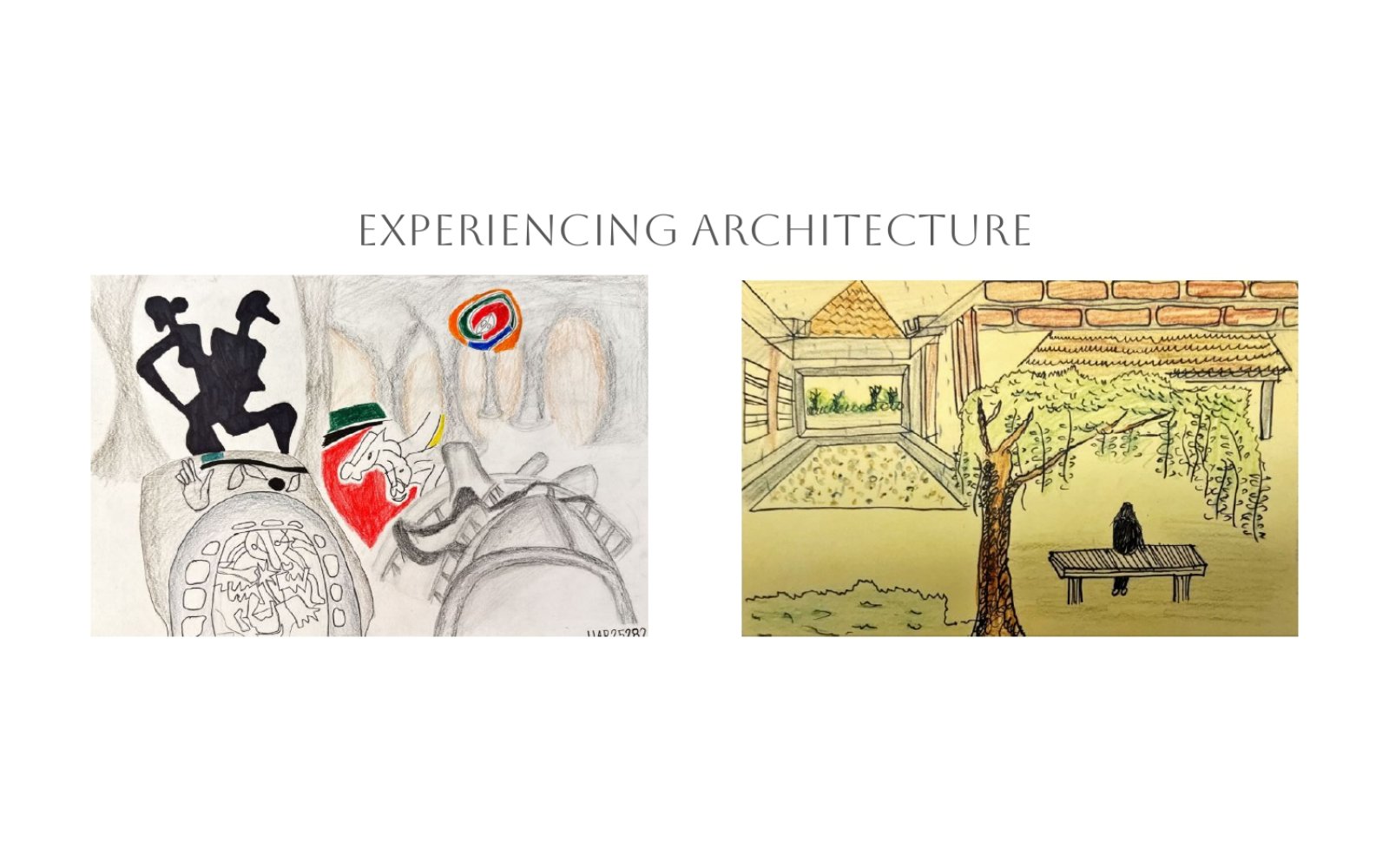
Explorations of architectural space through observation, memory, and emotional experience, expressed using abstract and narrative drawings.

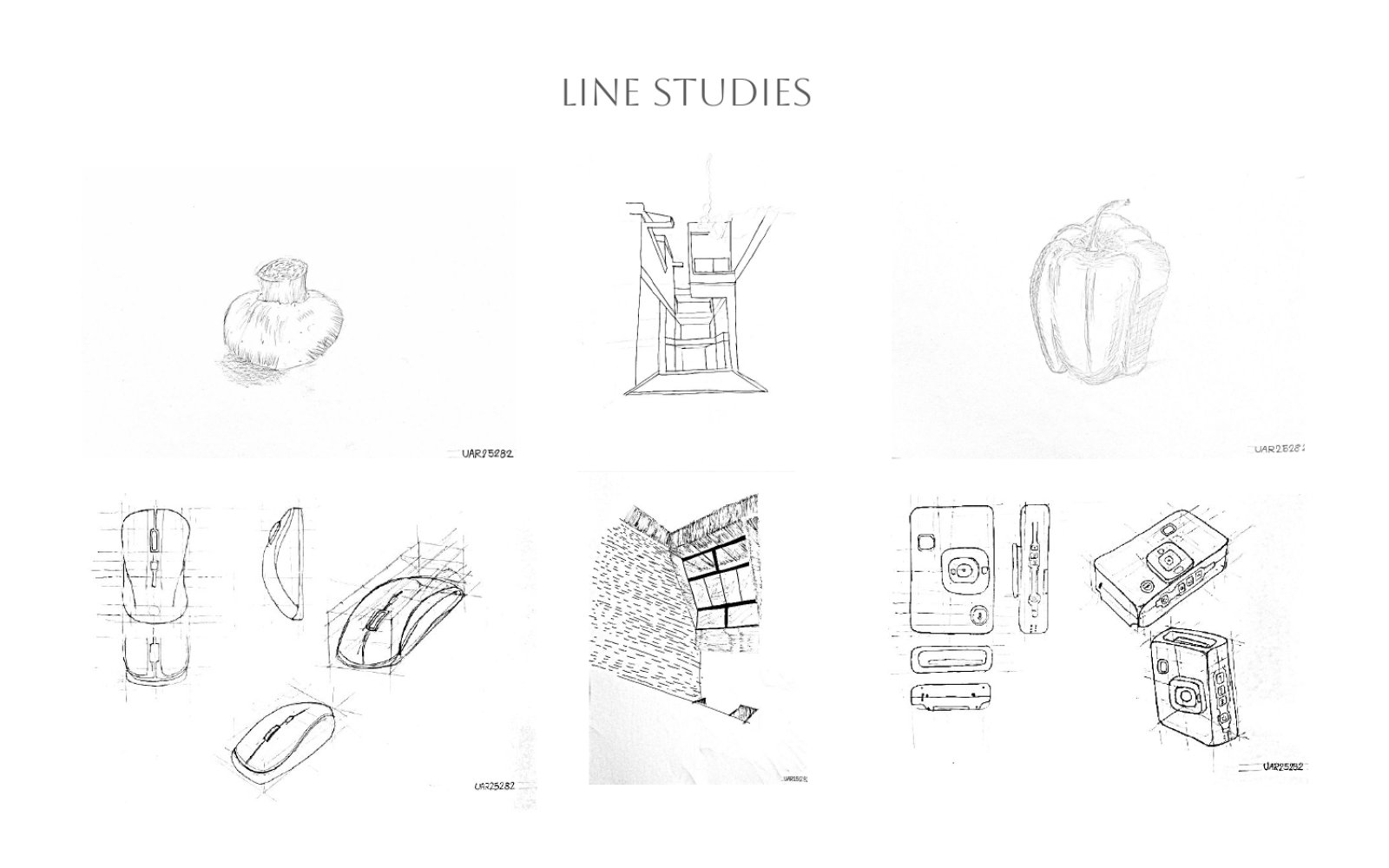
Line-based studies exploring form, proportion, texture, and perspective through everyday objects and built spaces.

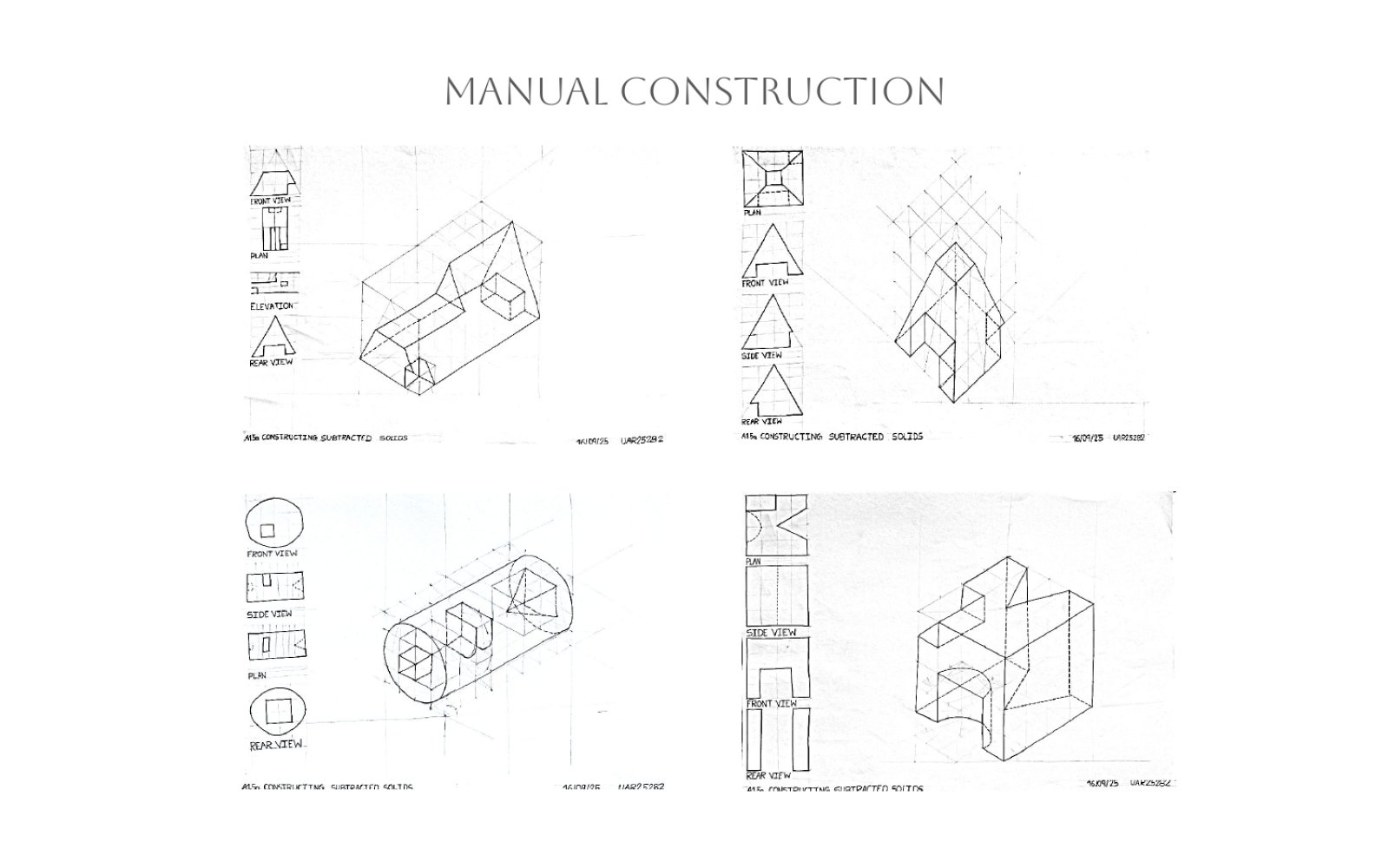
Manual construction of geometric forms using orthographic views and isometric drawing to understand solid subtraction.

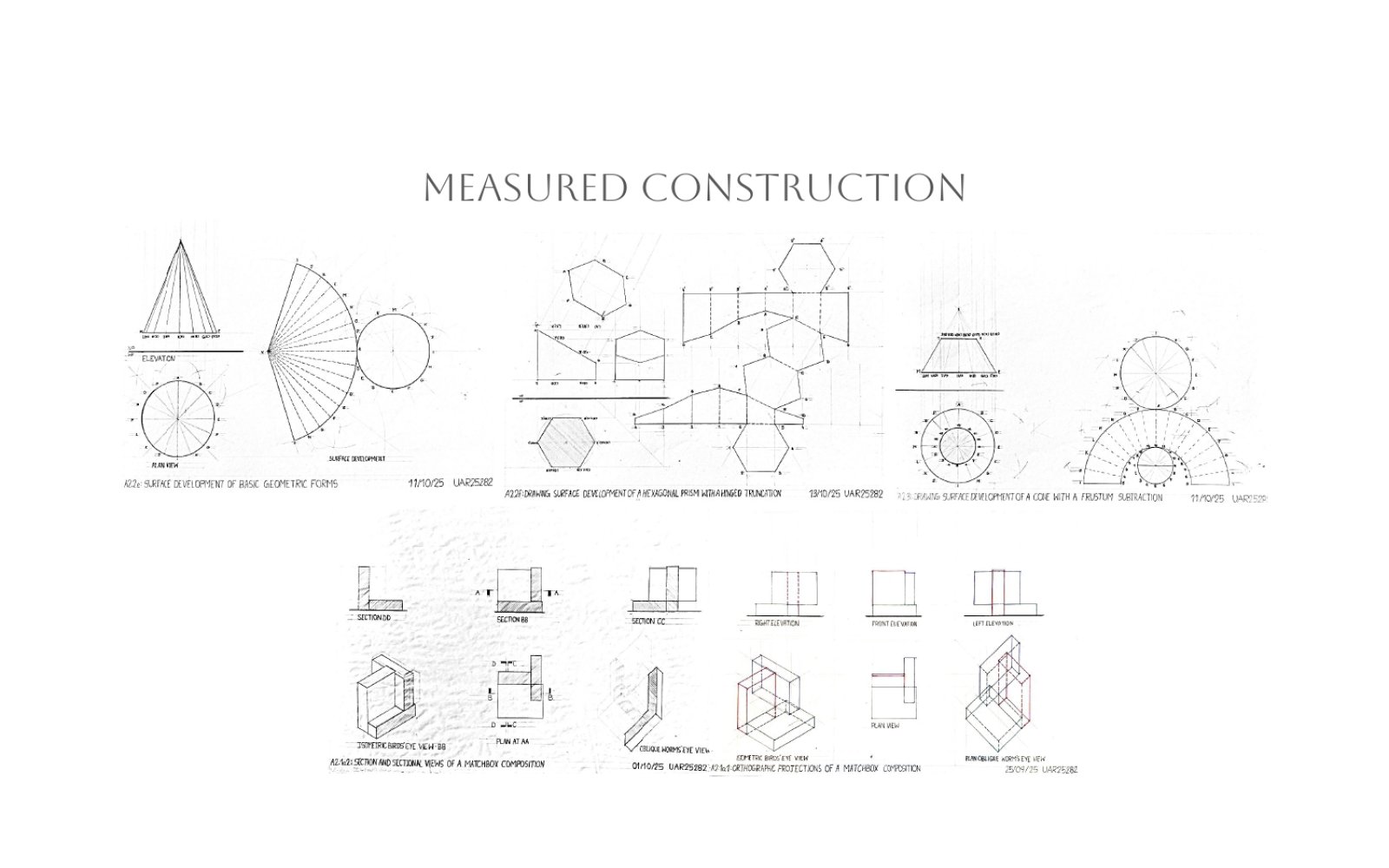
Measured drawings and surface developments of geometric solids to study accuracy, proportions, and construction logic.

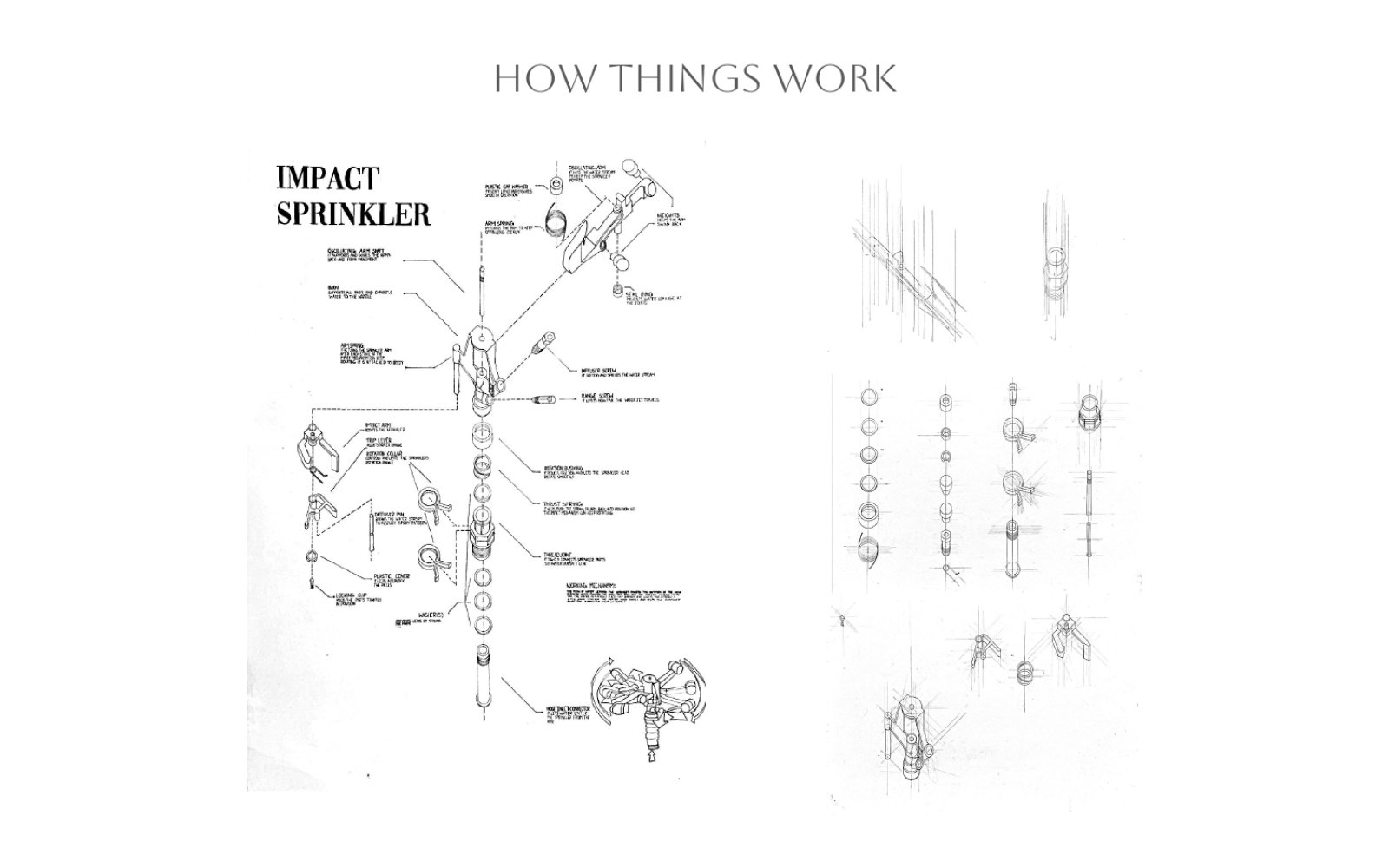
Drafted drawings explaining the working mechanism and assembly of an impact sprinkler through an exploded view.

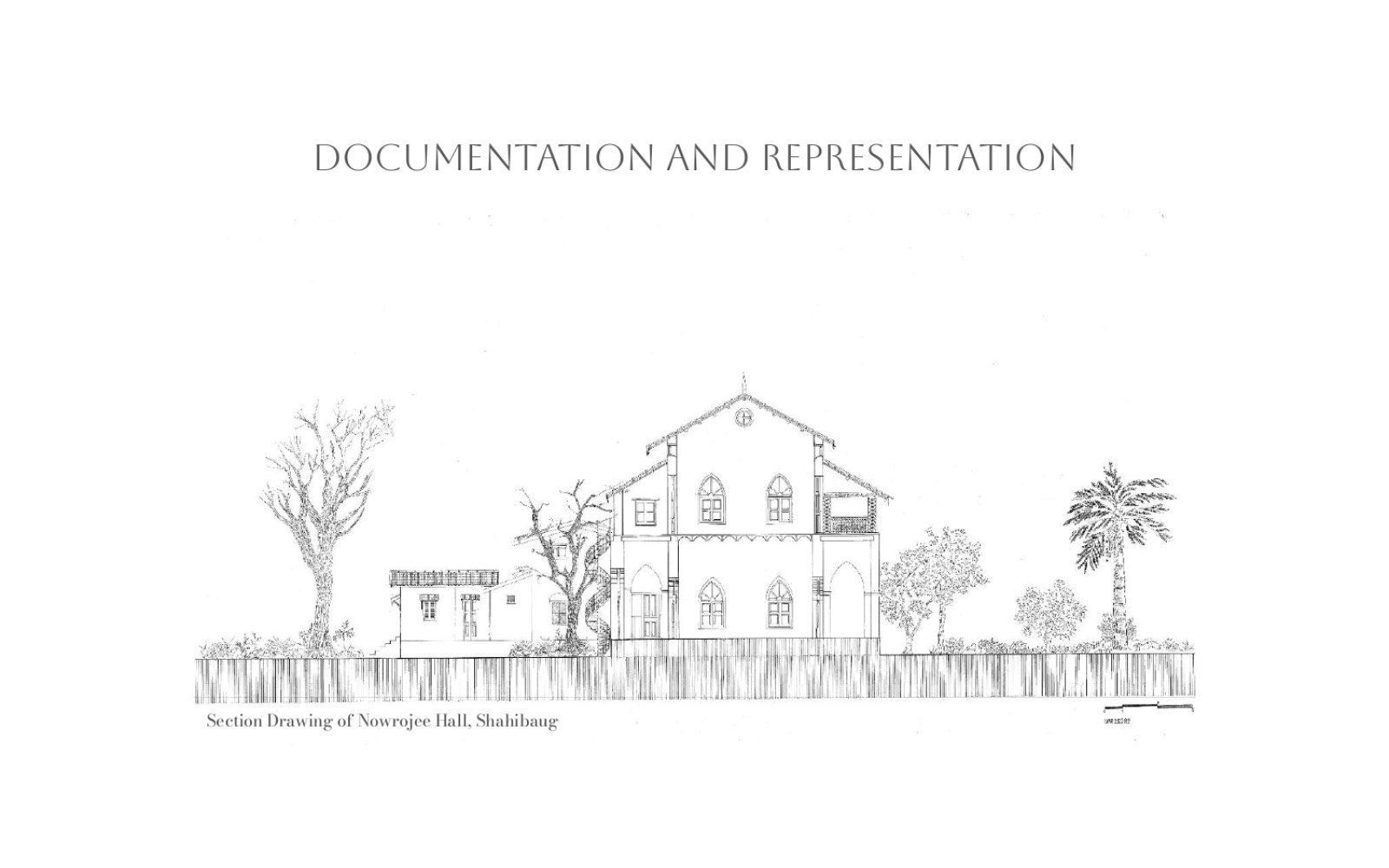
Measured section drawing of Nowrojee Hall, Shahibaug, documenting architectural character, scale, and context.

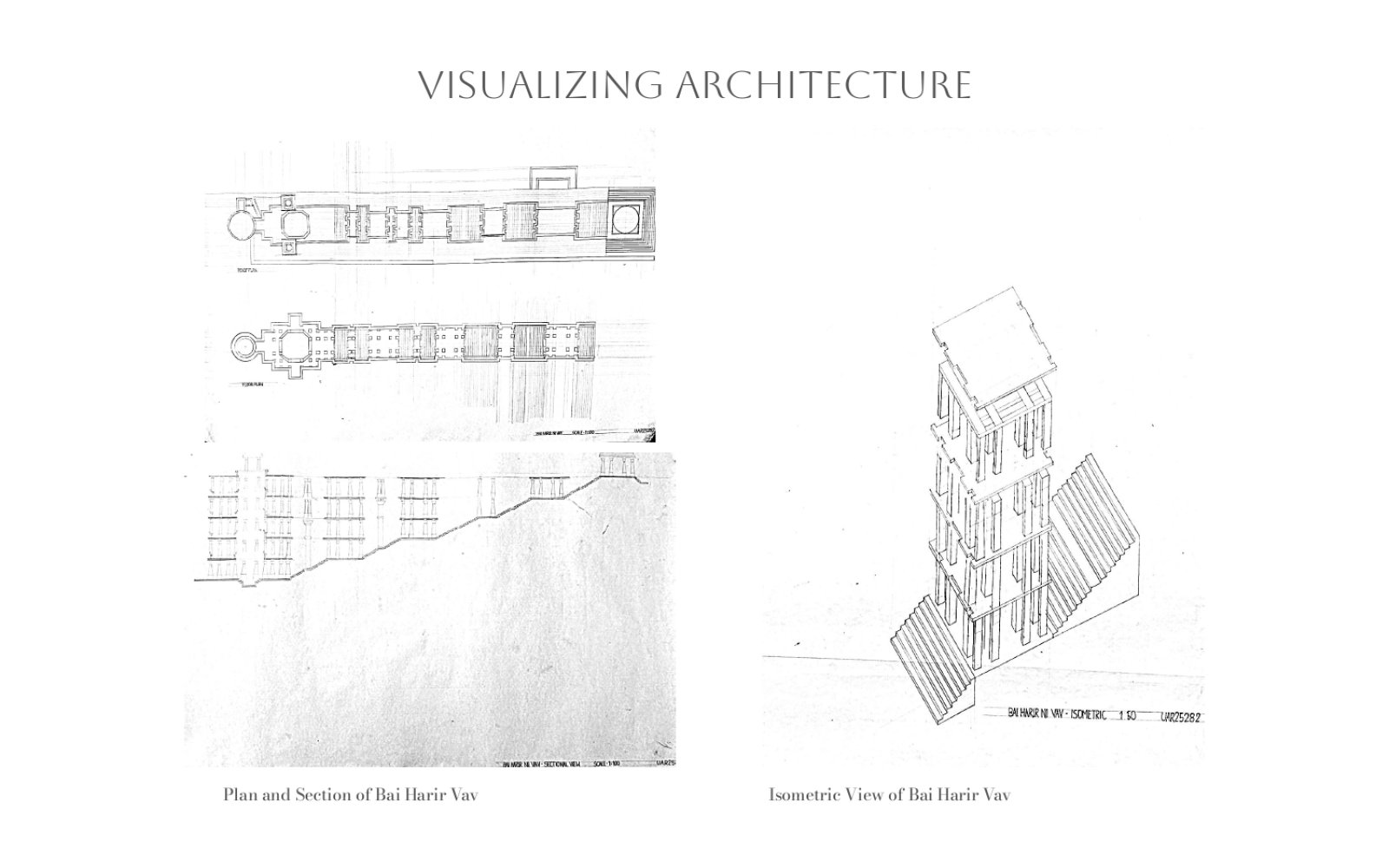
Plan, section, and isometric representation of Bai Harir Vav to study spatial sequence, levels, and architectural geometry.

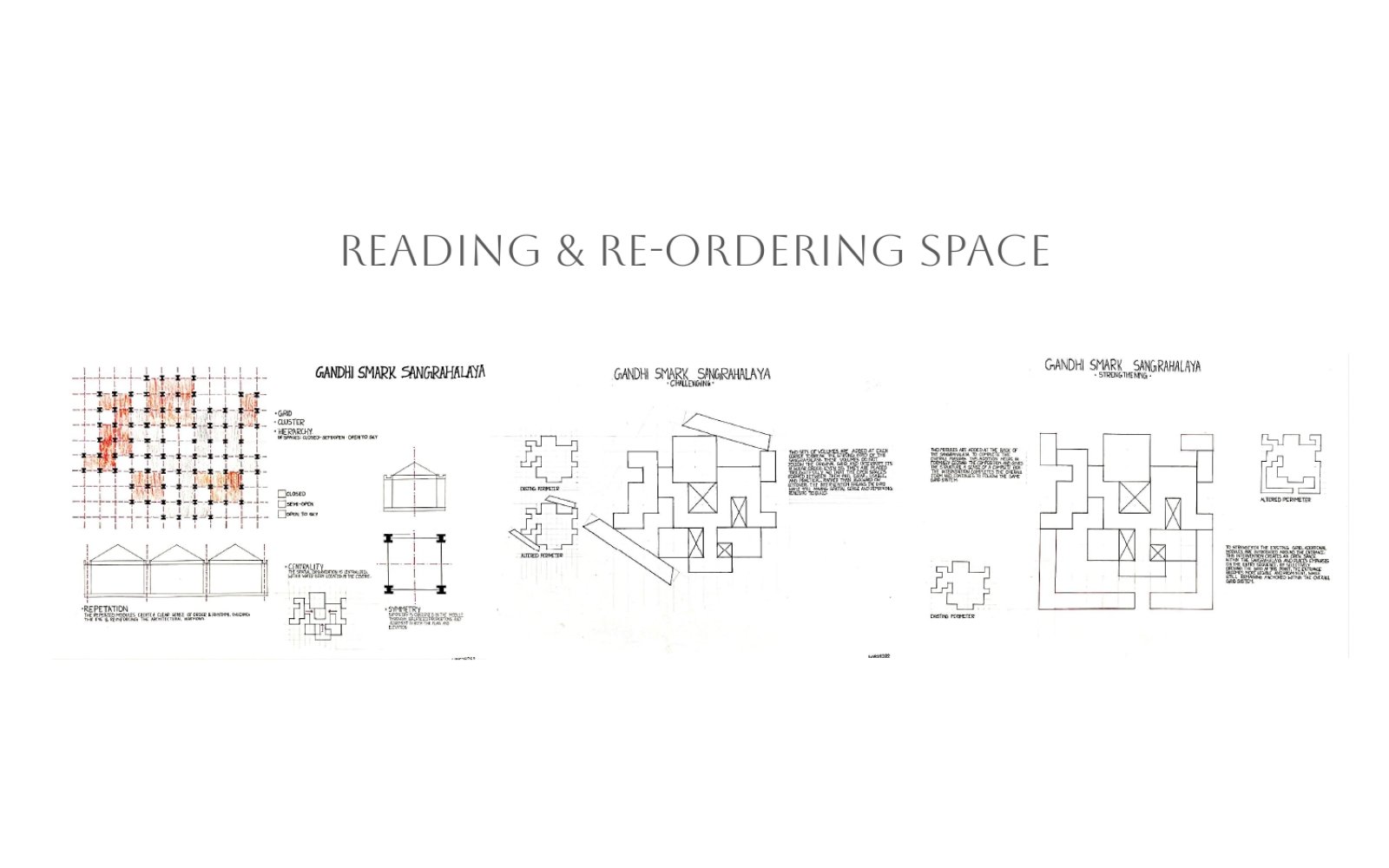
Analytical drawings of Gandhi Smarak Sangrahalaya studying grid systems, hierarchy, circulation, and reconfiguration of spatial boundaries.

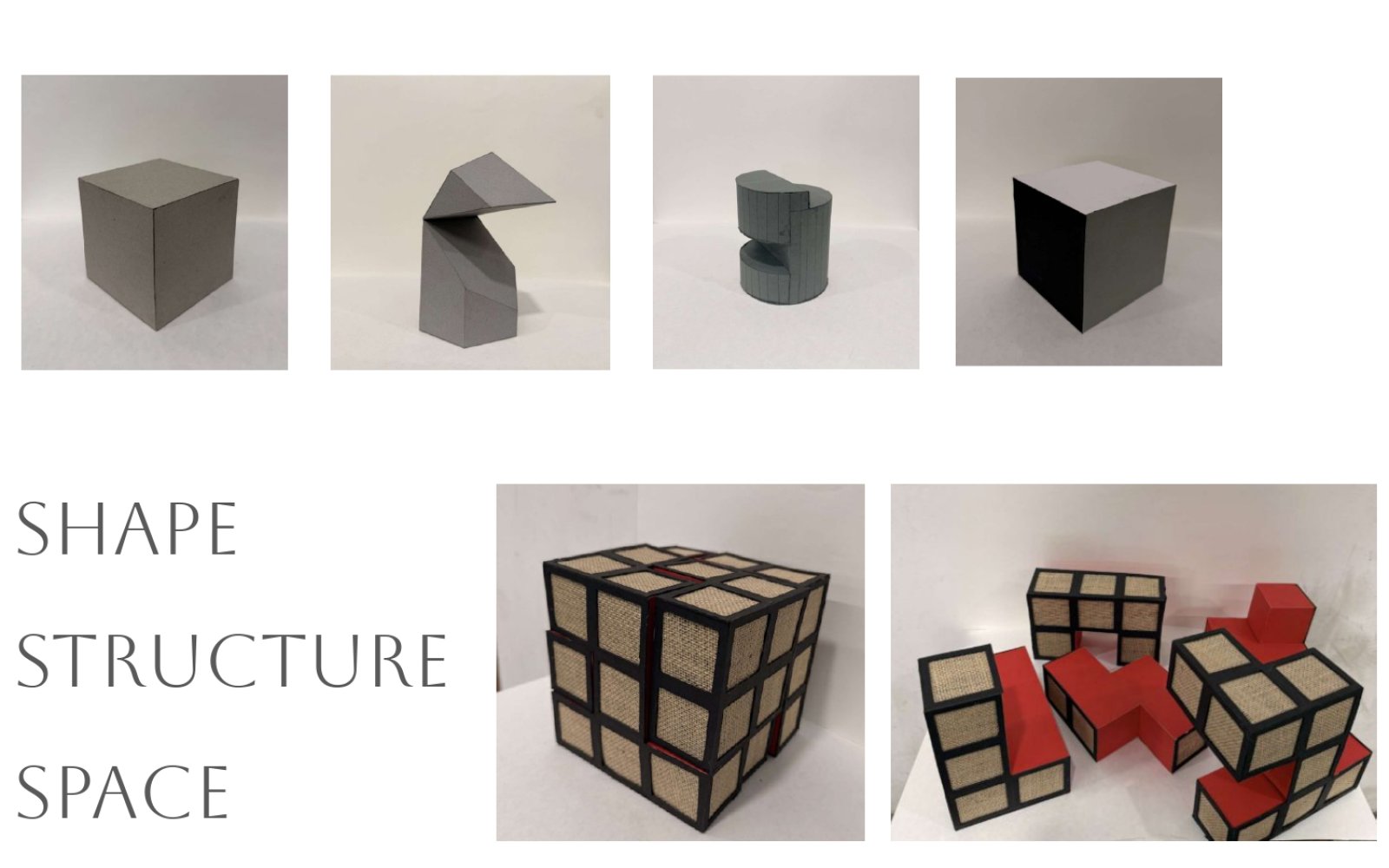
A series of physical models exploring solid forms, voids, rotation, and transformation to understand spatial composition and massing.

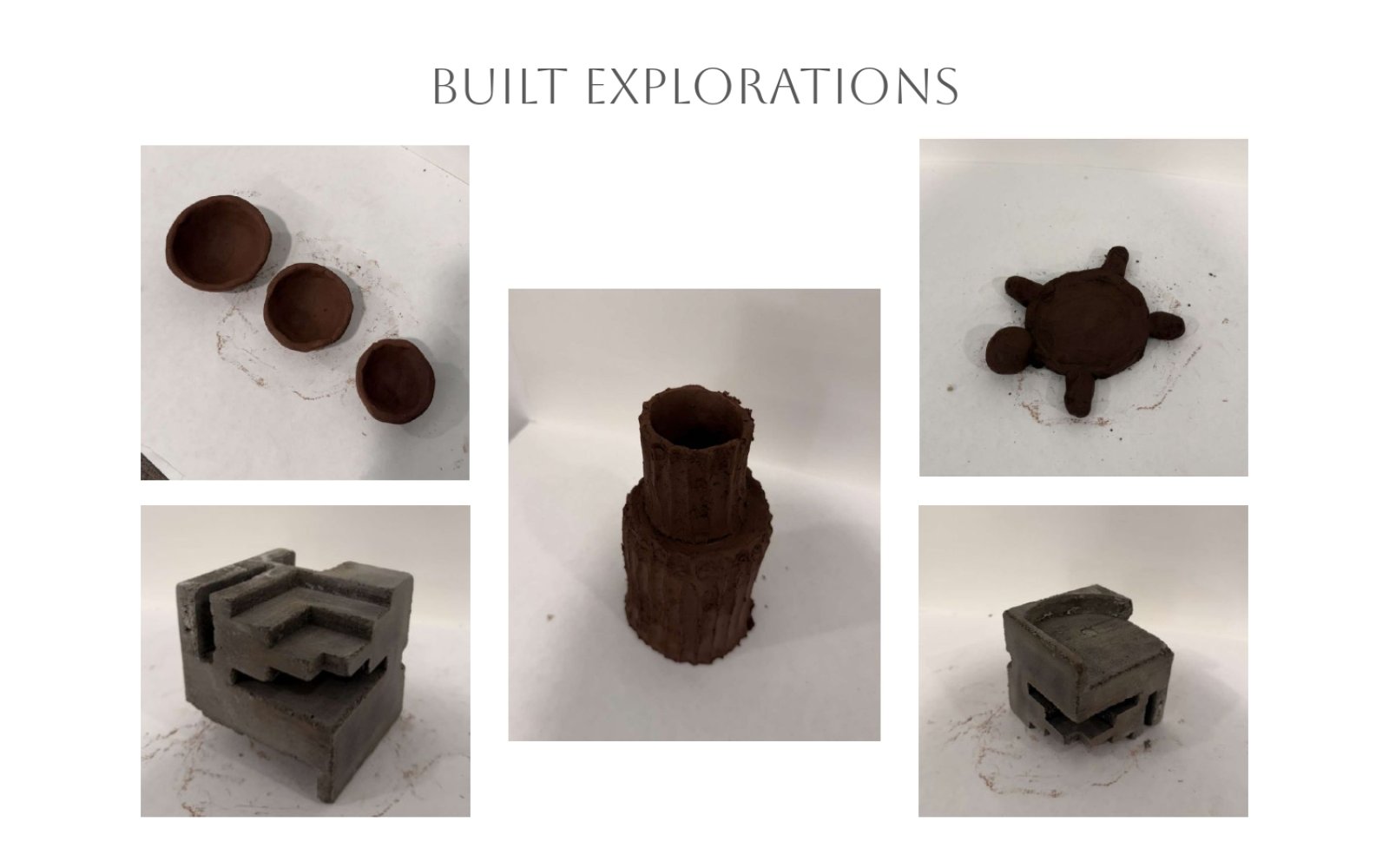
Material explorations using clay and concrete to understand massing, subtraction, and spatial relationships through physical models.